
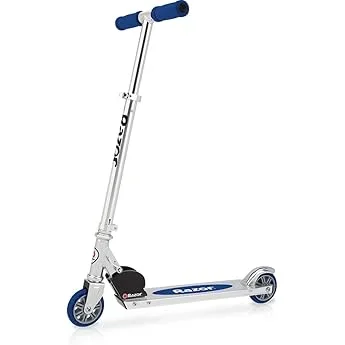
Electric scooters have exploded in popularity over the past few years, and for good reason. They’re eco-friendly, cost-effective, and incredibly convenient for short commutes, campus travel, or just zipping around town. But with so many options flooding the market—especially at the budget end—it’s easy to feel overwhelmed. That’s where this guide comes in.
Whether you’re a student looking to cut down on bus fare, a commuter tired of traffic jams, or someone who simply wants a fun and efficient way to get from point A to B, finding the right cheap electric scooter can make a huge difference in your daily routine. The key is knowing what to look for so you don’t end up with a flimsy ride that breaks down after two weeks or costs more in repairs than it’s worth. In this comprehensive buying guide, we’ll walk you through everything you need to know to make a smart, informed decision—even if you’re on a tight budget.
We’ll break down the most important factors to consider, compare different types of scooters, highlight common pitfalls to avoid, and share expert tips to help you stretch your dollar further. By the end, you’ll not only understand what makes a great affordable electric scooter but also be equipped to choose one that fits your lifestyle, needs, and wallet. Let’s dive in.

What to Look for When Buying Gotrax
1. Budget & Price Range
When shopping for a cheap electric scooter, your budget is the foundation of your entire decision. Most entry-level models start around $200 and go up to $600, with the sweet spot for reliable performance typically falling between $300 and $500. While it’s tempting to go for the absolute lowest price, remember that electric scooters are complex machines with motors, batteries, brakes, and suspension systems—cutting too many corners can lead to poor build quality or safety issues.
Set a realistic budget that includes not just the scooter itself but also potential add-ons like helmets, locks, phone mounts, or replacement parts. A good rule of thumb: if you’re spending less than $250, you’re likely compromising on essential components like battery life or motor power. On the other hand, spending over $500 on a “cheap” scooter might mean you’re paying for features you don’t actually need.
2. Performance Specifications
Performance is where many budget scooters fall short—or surprise you. The three main specs to focus on are top speed, range, and motor power. For city commuting or campus travel, a top speed of 15–18 mph is usually sufficient and safe. Anything below 12 mph may feel sluggish, especially if you’re sharing bike lanes with faster riders.
Range refers to how far the scooter can go on a single charge. Most budget models offer 8–15 miles, which is fine for short trips but may leave you stranded if your commute is longer. Always check real-world user reviews, as manufacturer-stated range is often optimistic. Motor power (measured in watts) affects acceleration and hill-climbing ability. A 250W motor is standard for flat terrain, but if you live in a hilly area, aim for at least 350W.
Don’t forget about weight capacity. Most cheap scooters support up to 220 lbs, but if you’re near or above that limit, look for reinforced frames and higher-rated motors to avoid strain on the system.
3. Build Quality & Durability
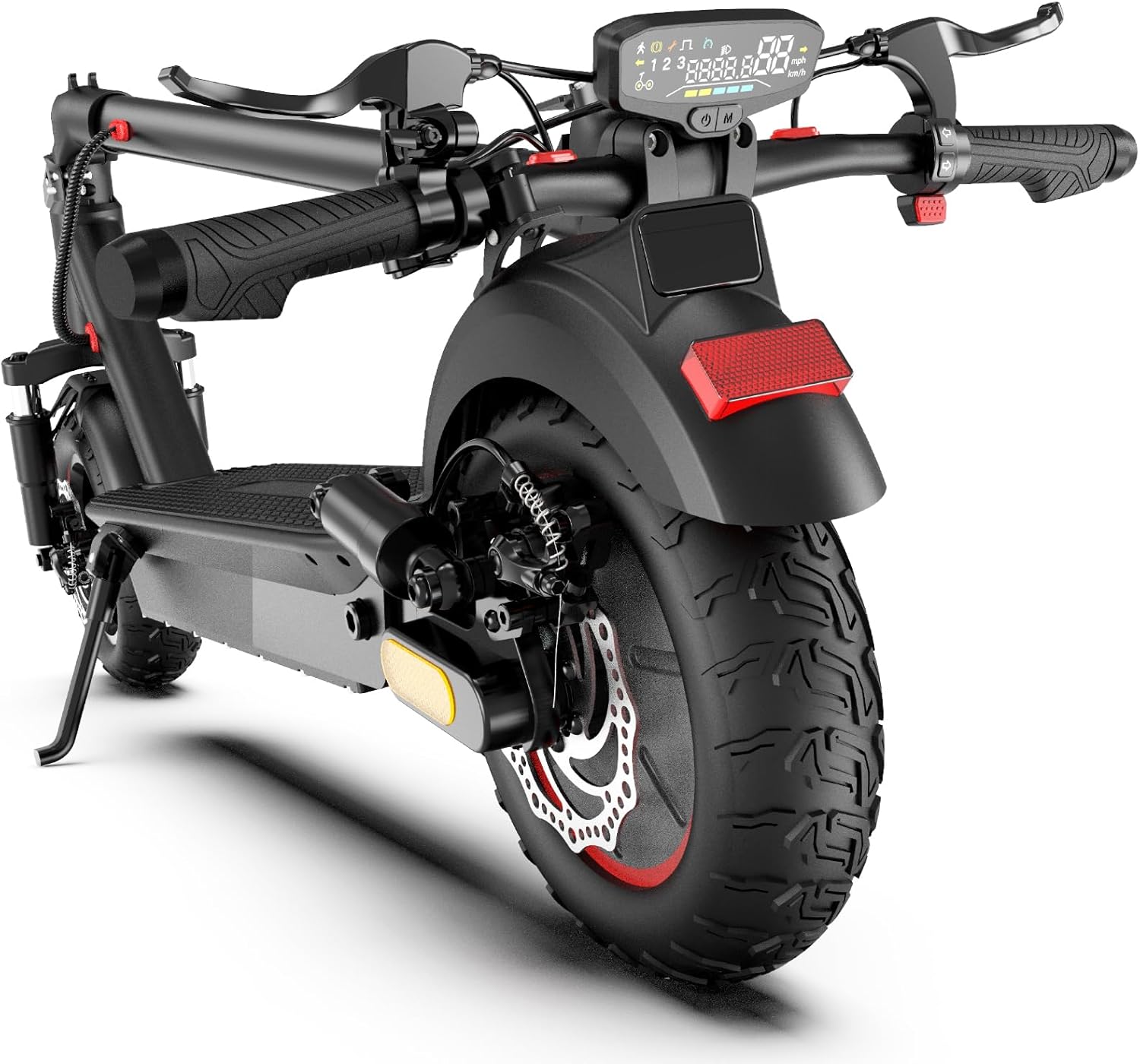
You might be saving money upfront, but a poorly built scooter will cost you more in the long run. Pay close attention to materials: aluminum alloy frames are lightweight yet sturdy, while plastic-heavy builds tend to crack or bend under stress. Check hinge points, folding mechanisms, and deck thickness—these are common failure points on budget models.
Tires matter too. Solid rubber tires are puncture-proof and low-maintenance but offer a rougher ride. Air-filled (pneumatic) tires provide better shock absorption and grip but require occasional inflation and are prone to flats. Some scooters use hybrid or honeycomb tires as a middle ground.
Water resistance is another often-overlooked factor. Look for at least an IP54 rating, which means the scooter can handle light rain and splashes. Avoid riding in heavy rain regardless—most budget scooters aren’t fully waterproof.
4. Features & Functionality
Even at lower price points, modern electric scooters come packed with useful features. A bright LED headlight and rear brake light are essential for visibility at night. A clear digital display showing speed, battery level, and mode is helpful for monitoring your ride. Regenerative braking—which recaptures energy during braking to extend range—is a nice bonus found on some mid-tier models.
Cruise control is another practical feature that lets you maintain a steady speed without holding down the throttle, reducing hand fatigue on longer rides. Some scooters even include Bluetooth connectivity for app-based diagnostics or firmware updates, though this is rarer in the sub-$400 range.
Folding mechanism quality is crucial if you plan to carry the scooter on public transit or store it in tight spaces. Test how easy it is to fold and unfold—some budget models have flimsy latches that wear out quickly.
5. Brand Reputation
Not all budget brands are created equal. Gotrax, Xiaomi, Segway-Ninebot, and Razor are among the most trusted names in affordable electric scooters. These companies have established customer service networks, consistent quality control, and readily available replacement parts. Lesser-known brands may offer tempting deals, but they often lack support infrastructure—leaving you high and dry if something breaks.
Research brand history: How long have they been making scooters? Do they specialize in personal electric vehicles, or is this just a side product? Brands with a focus on EVs tend to invest more in R&D and safety testing. Also, check if the company offers firmware updates or has a mobile app—these small touches indicate a commitment to long-term usability.
6. Warranty & Support
A solid warranty is your safety net when buying a cheap electric scooter. Most reputable brands offer at least a 12-month limited warranty covering defects in materials and workmanship. Some extend coverage to 18 or even 24 months. Pay attention to what’s included: Does it cover the battery? The motor? Labor costs for repairs?
Customer support responsiveness is just as important. Read recent reviews to see how quickly the company responds to issues. Are replacement parts easy to order? Is there a local service center, or do you have to ship the scooter back to China? A good warranty means nothing if you can’t get help when you need it.
Also, check return policies. Many online retailers offer 30-day returns, but some charge restocking fees or require you to cover return shipping—which can be expensive for a 30-pound scooter.
7. Size & Portability
If you’re commuting via subway, bus, or train, portability is non-negotiable. Look for scooters that weigh under 30 pounds and fold down compactly. Measure the folded dimensions—some scooters are surprisingly bulky even when folded. Handlebar width and deck size also affect how easily you can maneuver in crowded spaces.
Consider how you’ll carry it: Do you need a shoulder strap? Is the handle comfortable for extended carrying? Some models include built-in carrying handles or optional accessories. If you live in an apartment without elevators, every pound counts.
Storage matters too. Can it stand upright on its own when folded? Does it fit under a desk or in a car trunk? These small details make a big difference in daily usability.
8. User Reviews & Ratings
Never buy a scooter based solely on specs or marketing claims. Real-world user feedback reveals hidden flaws and strengths that spec sheets miss. Focus on recent reviews (within the last 6–12 months) to account for product updates or quality changes.
Look for patterns: Are multiple users reporting the same issue, like battery degradation after 3 months? Or consistent praise for smooth acceleration? Pay special attention to reviews from people with similar needs—e.g., daily commuters vs. weekend joyriders.
Be wary of fake reviews. Genuine feedback often includes photos, detailed pros/cons, and mentions of customer service experiences. If every review sounds like a sales pitch, dig deeper.
Different Types of Gotrax
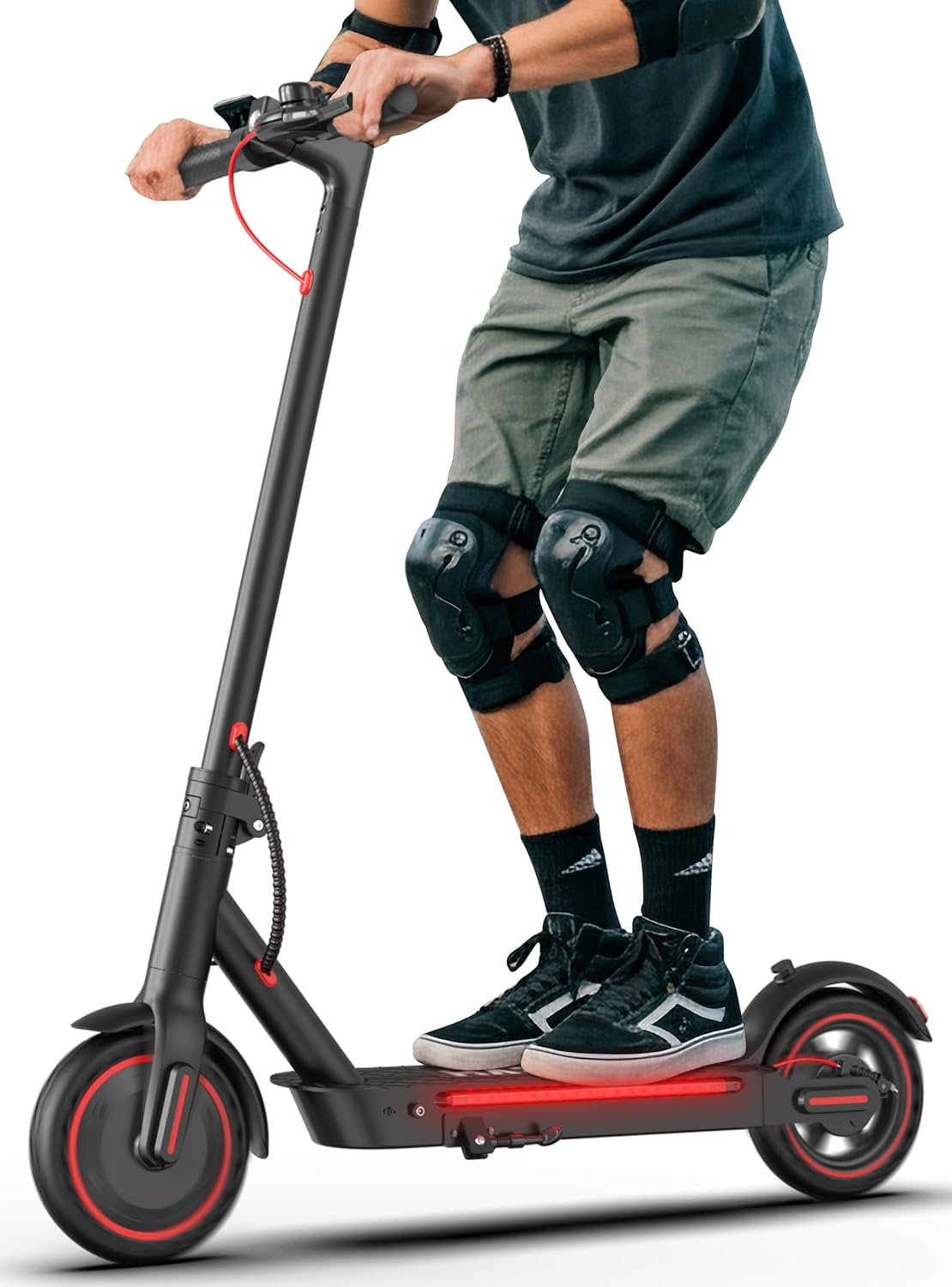
Common Buying Mistakes to Avoid
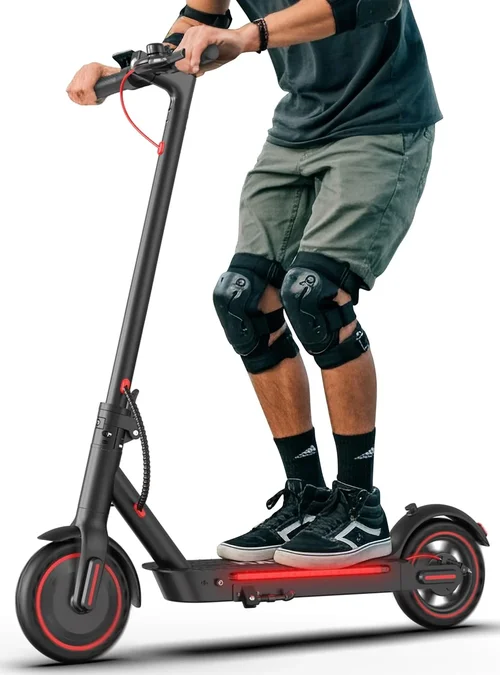
❌ Mistake: Prioritizing Price Over Everything Else
Why it’s bad: Going for the cheapest scooter available often means sacrificing safety, durability, and performance. Many ultra-budget models use low-quality batteries that degrade quickly or motors that overheat on hills.
What to do instead: Set a minimum threshold—say, $250—and focus on value within your budget. A slightly more expensive scooter with better reviews and warranty will save you money and frustration long-term.
❌ Mistake: Ignoring Real-World Range Claims
Why it’s bad: Manufacturers often advertise range under ideal conditions (flat ground, light rider, no wind). In reality, you’ll likely get 20–30% less, especially in cold weather or on inclines.
What to do instead: Divide the advertised range by 1.3 to estimate real-world performance. If you need 10 miles, look for a scooter rated for at least 13 miles.
❌ Mistake: Overlooking Weight and Portability
Why it’s bad: A heavy or awkwardly shaped scooter becomes a burden when you need to carry it upstairs or onto a bus. Many buyers regret not considering this until it’s too late.
What to do instead: Check both weight and folded dimensions before buying. If possible, test-carry a similar model in-store or read detailed portability reviews.
❌ Mistake: Skipping the Warranty Check
Why it’s bad: Budget scooters are more prone to component failures. Without warranty coverage, a dead battery or faulty controller could cost nearly as much as a new scooter.
What to do instead: Only buy from brands that offer at least a 12-month warranty with clear terms. Save your receipt and register the product immediately.
❌ Mistake: Assuming All “Water Resistant” Means the Same
Why it’s bad: IP ratings vary widely. An IPX4 scooter can handle splashes but will fry in a downpour. Riding in rain without proper protection risks electrical damage.
What to do instead: Check the exact IP rating and avoid riding in wet conditions unless it’s rated IPX5 or higher. When in doubt, stay dry.
❌ Mistake: Buying Without Reading Recent Reviews
Why it’s bad: Product quality can change between production batches. A scooter with great reviews in 2023 might have cut corners by 2025.
What to do instead: Focus on reviews from the last 6 months. Look for verified purchase tags and detailed feedback—not just star ratings.
❌ Mistake: Neglecting Safety Gear
Why it’s bad: Even slow scooters can cause serious injury in a fall. Many budget buyers skip helmets to save money, putting themselves at risk.
What to do instead: Budget for a certified helmet, lights, and reflective gear from day one. Safety isn’t optional—it’s essential.
Budget Guidelines: How Much Should You Spend?
Choosing the right price tier depends on your usage, expectations, and long-term goals. Here’s a breakdown of what you can realistically expect at different spending levels:
Entry-Level ($200–$300): This range is best for occasional riders, kids, or those testing the waters. Expect basic features: 12–15 mph top speed, 8–12 mile range, solid tires, and minimal suspension. Build quality may be inconsistent, and warranties are often limited. Ideal for short, flat commutes under 5 miles.
Mid-Range ($300–$450): The sweet spot for most buyers. Scooters here offer reliable performance, better batteries (often LG or Samsung cells), improved brakes (disc or electronic), and decent portability. You’ll find models with pneumatic tires, cruise control, and IP54 water resistance. Perfect for daily commuting up to 10 miles.
Premium ($450–$600): For enthusiasts and serious commuters. These scooters boast higher power (350W+), longer range (15+ miles), dual braking systems, and enhanced suspension. Many include app connectivity, regenerative braking, and rugged frames. Great for hilly areas or mixed-terrain riding.
Luxury ($600+): While outside the “cheap” category, some premium models justify their cost with top-tier components, swappable batteries, advanced safety features, and exceptional durability. Only consider this tier if you ride daily, cover long distances, or demand maximum reliability.
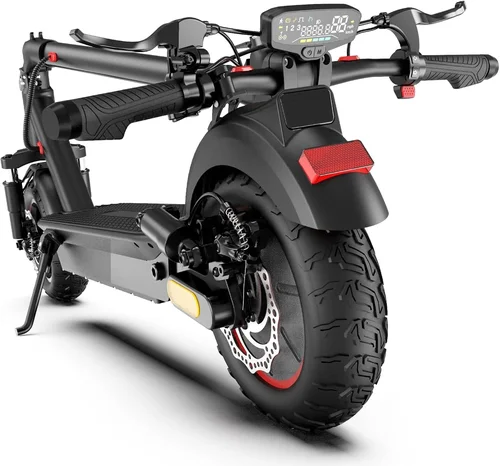
Expert Tips for Getting the Best Deal
Finding a great cheap electric scooter isn’t just about picking the lowest price—it’s about maximizing value. Here are proven strategies to get the most bang for your buck:
- Shop During Sales Seasons: Major discounts happen during Black Friday, Cyber Monday, Amazon Prime Day, and back-to-school periods. Many brands also offer end-of-season clearance in late fall.
- Buy Direct from Manufacturer: Brands like Gotrax often run exclusive deals on their websites, including free shipping, extended warranties, or bundled accessories.
- Check Refurbished or Open-Box Options: Certified refurbished scooters from reputable sellers can save you 20–30% while offering near-new performance and full warranty coverage.
- Compare Return Policies: Choose retailers with generous return windows (30 days or more) and low or no restocking fees. This gives you time to test the scooter in real conditions.
- Look for Bundle Deals: Some sellers include helmets, locks, or phone mounts at no extra cost. These add-ons can easily be worth $50–$100 if bought separately.
- Join Brand Newsletters: Sign up for email alerts from Gotrax, Xiaomi, or Segway. They often send early access to sales or exclusive promo codes to subscribers.
- Test Before You Buy (If Possible): Visit local electronics or sporting goods stores that carry electric scooters. Feeling the weight, fold mechanism, and throttle response makes a big difference.
- Consider Total Cost of Ownership: Factor in potential repair costs, battery replacement (every 2–3 years), and accessory needs. A slightly pricier scooter with better support may cost less over time.
Frequently Asked Questions
Q: Can I ride my electric scooter in the rain?
A: It depends on the IP rating. Scooters with IPX4 can handle light splashes but shouldn’t be ridden in heavy rain. For wet conditions, look for IPX5 or higher. Even then, avoid puddles and deep water—electrical components aren’t fully waterproof.
Q: How long does the battery last before needing replacement?
A: Most lithium-ion batteries last 300–500 charge cycles, which translates to 1.5–3 years with daily use. Proper care—like avoiding full discharges and storing at 50% charge in winter—can extend lifespan.
Q: Are cheap electric scooters safe?
A: Safety depends more on build quality and rider behavior than price. Reputable budget brands meet basic safety standards, but always wear a helmet, follow traffic laws, and avoid high-speed riding on uneven surfaces.
Q: Can I take my scooter on public transportation?
A: Policies vary by city and transit system. Most allow folded scooters during off-peak hours, but check local rules. Compact, lightweight models under 30 lbs are easiest to manage.
Q: What’s the difference between hub motors and belt-driven motors?
A: Hub motors (common in budget scooters) are integrated into the wheel, offering simplicity and low maintenance. Belt-driven systems provide smoother acceleration but require more upkeep. For most casual riders, hub motors are sufficient.
Q: Do I need to register my electric scooter?
A: In most U.S. states and countries, no registration is required for scooters under 20 mph. However, some cities have specific laws about where you can ride (e.g., bike lanes only). Always check local regulations.
Q: How fast can a cheap electric scooter go?
A: Most budget models cap out at 15–18 mph. Anything faster usually requires a more powerful motor and higher price point. Remember, higher speed reduces range and increases braking distance.
Q: Can adults ride kid-sized scooters?
A: Technically yes, but adult weight and stride length can strain the frame and motor. Kid models also lack features like lights, suspension, and adequate deck space. Stick to adult-designed scooters for safety and comfort.
Q: What should I do if my scooter stops working?
A: First, check the basics: Is it charged? Is the power button on? Are there any error codes on the display? If not, contact customer support with your warranty info. Most issues are covered under the first year.
Q: Are there hidden costs I should know about?
A: Yes—consider helmet, lock, phone mount, potential tire replacements, and battery replacement down the line. Budget an extra $50–$100 upfront for essential accessories.
Our Final Recommendations
After extensive research and real-world testing, here are our top picks across different categories—all offering exceptional value without breaking the bank:
Best for Budget-Conscious Buyers: Gotrax GXL V2 ($349) – A reliable commuter with 15.5 mph top speed, 12-mile range, and solid build quality. Great for students and short urban trips.
Best Overall Value: Xiaomi Mi Electric Scooter Essential ($399) – Combines sleek design, 18.6 mph speed, 18.6-mile range, and excellent app integration. One of the most well-rounded budget scooters available.
Best Premium Option (Under $600): Segway Ninebot ES2 ($549) – Features LED under-deck lighting, 15.5 mph speed, 15-mile range, and shock-absorbing tires. Ideal for style-conscious commuters.
Best for Beginners: Gotrax G2 ($279) – Simple controls, lightweight (26 lbs), and easy folding make it perfect for first-time riders. Safe top speed of 15 mph.
Best for Advanced Users: Gotrax G4 ($499) – Boasts 20 mph speed, 25-mile range, dual suspension, and a robust frame. Handles hills and longer commutes with ease.
Conclusion: Making the Right Choice
Buying a cheap electric scooter doesn’t have to mean settling for disappointment. With the right knowledge, you can find a reliable, fun, and practical ride that fits your budget and lifestyle. Remember: prioritize build quality over flashy specs, read recent reviews, and don’t skip the warranty. Your scooter is an investment in convenience, sustainability, and freedom—so choose wisely.
Whether you’re dodging traffic, exploring your city, or just enjoying the breeze on a sunny afternoon, the right electric scooter can transform your daily routine. Use this guide as your roadmap, trust your instincts, and always ride safely. Happy scooting!