
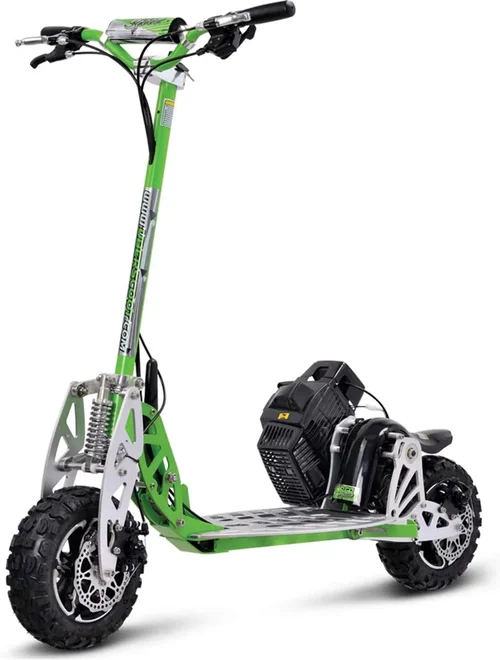
Gas mopeds have made a powerful comeback in 2026, blending old-school charm with modern engineering to deliver an efficient, affordable, and fun way to get around. Whether you’re commuting through city traffic, running errands across town, or simply enjoying a weekend ride through scenic backroads, a gas-powered moped offers a unique blend of fuel efficiency, low operating costs, and environmental friendliness compared to traditional motorcycles or cars. Unlike their electric counterparts, gas mopeds provide longer range, quicker refueling, and often more robust performance—making them ideal for riders who need reliability over extended distances or in areas with limited charging infrastructure.
This comprehensive buying guide is designed to help you navigate the increasingly crowded and competitive gas moped market with confidence. We’ll walk you through every critical decision point—from understanding engine types and performance specs to evaluating build quality, safety features, and long-term value. By the end of this guide, you’ll know exactly what to look for, which brands and models stand out, how to avoid common pitfalls, and how to get the best possible deal without compromising on quality. Whether you’re a first-time buyer or upgrading from an older model, our expert insights will ensure you choose a gas moped that fits your lifestyle, budget, and riding needs perfectly.
The gas moped market in 2026 is more diverse than ever, with options ranging from lightweight 50cc commuter models to high-performance 150cc machines capable of highway speeds. Major manufacturers like Honda, Yamaha, Kymco, and Vespa continue to dominate the premium segment, while budget-friendly brands such as TaoMotor, Ice Bear, and Lance Powersports offer surprisingly capable entry-level options. At the same time, hybrid designs and retro-inspired aesthetics are gaining popularity, appealing to both practical commuters and style-conscious riders. With rising fuel prices and growing interest in sustainable transportation, now is an excellent time to invest in a gas moped—but only if you make an informed choice. This guide cuts through the noise and delivers actionable, expert-backed advice to help you do just that.

What to Look for When Buying a Gas Moped
1. Budget & Price Range
Your budget is the single most important factor when shopping for a gas moped, as it directly influences your options in terms of engine size, build quality, brand reputation, and available features. Gas mopeds can range from under $1,000 for basic 50cc models to over $4,000 for premium scooters with advanced suspension, digital displays, and high-capacity engines. Setting a realistic budget upfront helps narrow your search and prevents overspending on features you may not need.
When determining your price range, consider not just the upfront cost but also long-term expenses like fuel, maintenance, insurance, and potential repairs. A cheaper moped might save you money initially, but if it’s poorly built or unreliable, you could end up spending more in the long run. Conversely, splurging on a top-tier model may offer peace of mind and durability, but it might not be necessary if you only plan to ride short distances occasionally. Aim for a balance between affordability and value—look for models that offer strong reliability and decent features within your price bracket.
2. Performance Specifications
Performance specs dictate how your moped will behave on the road, including acceleration, top speed, hill-climbing ability, and overall ride comfort. The two most critical performance metrics are engine displacement (measured in cubic centimeters or cc) and horsepower. For city commuting and light errands, a 50cc engine is usually sufficient, offering speeds up to 30–35 mph and excellent fuel economy (often 100+ mpg). However, if you plan to ride on highways, carry a passenger, or tackle steep hills, consider a 125cc or 150cc model, which can reach 50–60 mph and provide noticeably better torque and responsiveness.
Other performance factors include transmission type (automatic CVT is standard and user-friendly), braking system (disc brakes offer superior stopping power compared to drum brakes), and suspension setup (front forks and rear shocks affect ride smoothness, especially on rough roads). Always check the manufacturer’s claimed top speed and fuel efficiency, but also look for real-world user reviews, as advertised specs can sometimes be optimistic. A moped that performs well under load and maintains consistent power delivery will make your rides safer and more enjoyable.
3. Build Quality & Durability
A gas moped is a long-term investment, so build quality should never be overlooked. Look for models constructed with high-grade steel or aluminum frames, rust-resistant coatings, and weatherproof electrical components. Pay attention to细节 like weld quality, panel alignment, and the sturdiness of footpegs, mirrors, and handlebars. Cheaper mopeds often use thin plastics and low-tolerance parts that can crack, warp, or fail prematurely—especially in extreme temperatures or after minor impacts.
Durability also extends to the engine and drivetrain. Four-stroke engines are generally more reliable and fuel-efficient than two-stroke engines, which require oil mixing and tend to wear out faster. Check whether the moped uses a reputable engine manufacturer (e.g., Honda GY6 clones are common and well-regarded in the budget segment). Additionally, inspect the tires—wider, tubeless tires with deep treads offer better grip and puncture resistance than narrow, tube-type ones. A well-built moped should last 5–10 years with proper maintenance, so don’t skimp on quality for short-term savings.
4. Features & Functionality
Modern gas mopeds come packed with features that enhance convenience, safety, and comfort. Essential features to consider include a reliable electric start (a huge advantage over kick-start-only models), a functional dashboard with speedometer, fuel gauge, and indicator lights, and adequate under-seat storage (look for at least 15–20 liters to fit a helmet and groceries). Additional upgrades like LED lighting, USB charging ports, digital displays, and keyless ignition can significantly improve the riding experience.
Safety features are equally important. Look for models with dual braking systems (front and rear disc brakes), bright headlights and taillights, and reflective elements for nighttime visibility. Some higher-end mopeds even include anti-lock braking systems (ABS), though these are rare in the gas moped category. Comfort features such as adjustable suspension, ergonomic seating, and wind protection (via a fairing or windscreen) make longer rides more pleasant. While it’s tempting to go for the most feature-rich model, prioritize functionality over flash—choose features that align with your actual usage patterns.
5. Brand Reputation & Reliability
Not all gas moped brands are created equal. Established manufacturers like Honda, Yamaha, and Vespa have decades of experience and a proven track record of producing reliable, well-engineered scooters. These brands typically offer better customer support, wider dealer networks, and easier access to replacement parts. On the other hand, budget brands like TaoMotor, Ice Bear, and Lance Powersports can offer great value, but their reliability can vary significantly between models and production batches.
Research brand reputation by reading long-term user reviews, checking forums like ScooterDoc or Reddit’s r/scooters, and looking for patterns in complaints (e.g., frequent carburetor issues, electrical faults, or poor dealer service). A brand with a strong reputation for customer service and warranty support can save you headaches down the road. If you’re buying from a lesser-known brand, verify that they offer a solid warranty and have a responsive support team. Remember: a cheaper price isn’t always a bargain if the moped breaks down after six months.
6. Warranty & Support
A comprehensive warranty is a strong indicator of a manufacturer’s confidence in their product. Most reputable gas moped brands offer at least a 12-month limited warranty covering the engine, transmission, and major components. Premium brands may extend this to 24 or even 36 months. Pay close attention to what’s included—some warranties exclude wear items like tires, brakes, and batteries, while others cover labor costs for repairs.
Equally important is post-purchase support. Can you easily find replacement parts? Is there a local dealer or service center nearby? Brands with strong U.S.-based support networks (like Honda and Yamaha) make maintenance and repairs much simpler. Avoid brands that only offer email support or require you to ship the entire moped back for service. A good warranty combined with accessible support ensures your moped stays on the road with minimal downtime.
7. Size & Portability
While most gas mopeds are inherently compact, size and weight can still impact usability, especially if you need to store or transport your moped frequently. Lightweight models (under 150 lbs) are easier to maneuver in tight spaces, lift onto curbs, or load into a vehicle. However, heavier mopeds often provide better stability at higher speeds and on uneven terrain.
Consider your storage situation: will the moped fit in your garage, apartment balcony, or under a cover? Measure the dimensions and compare them to your available space. Also, think about portability if you plan to take your moped on trips—some models fold or have removable batteries (though less common in gas versions). While gas mopeds aren’t as portable as electric kick scooters, choosing a model that fits your physical capabilities and storage constraints will make ownership much more convenient.
8. User Reviews & Ratings
Never rely solely on manufacturer claims or flashy marketing. Real-world user reviews provide invaluable insights into a moped’s actual performance, reliability, and common issues. Look for detailed reviews on platforms like Amazon, RevZilla, Scooter.com, and specialized forums. Pay attention to patterns: if multiple users report the same problem (e.g., hard starting in cold weather or poor fuel efficiency), it’s likely a genuine flaw.
When reading reviews, focus on long-term owners (6+ months of use) rather than first impressions. They’ll give you a better sense of durability and maintenance needs. Also, check video reviews on YouTube, where you can see the moped in action, hear the engine sound, and observe build quality up close. A high average rating (4.5+ stars) with hundreds of reviews is a good sign, but always dig deeper to understand the context behind the scores.
Different Types of Gas Mopeds

Common Buying Mistakes to Avoid
❌ Mistake: Prioritizing Price Over Quality
Why it’s bad: Choosing the cheapest moped available often leads to frustration, frequent breakdowns, and higher long-term costs. Budget models may cut corners on materials, engine quality, and safety features, resulting in poor reliability and potentially dangerous riding conditions.
What to do instead: Set a reasonable budget that allows for a mid-range or reputable brand model. Look for value—not just low cost. A moped that costs $300 more but lasts twice as long is a smarter investment.
❌ Mistake: Ignoring Local Laws and Licensing Requirements
Why it’s bad: Gas moped regulations vary widely by state and country. Some 50cc models are classified as mopeds and require only a standard driver’s license, while 125cc+ models may need a motorcycle endorsement, registration, and insurance. Riding illegally can result in fines, impoundment, or accidents without coverage.
What to do instead: Check your local DMV or transportation authority website before buying. Ensure your chosen moped complies with emissions, noise, and licensing rules in your area.
❌ Mistake: Overlooking Maintenance Needs
Why it’s bad: Gas mopeds require regular maintenance—oil changes, air filter replacements, spark plug checks, and carburetor cleaning. Neglecting these tasks leads to poor performance, reduced fuel efficiency, and engine damage.
What to do instead: Choose a model with easy access to service points and a clear maintenance schedule. Learn basic upkeep or find a trusted mechanic. Budget for annual maintenance costs (typically $100–$200).
❌ Mistake: Buying Without Test Riding
Why it’s bad: A moped might look great on paper but feel uncomfortable, underpowered, or unstable in real-world conditions. Seat height, handlebar position, and suspension response are hard to judge from specs alone.
What to do instead: Always test ride before purchasing, especially from local dealers. If buying online, look for retailers with generous return policies or demo programs.
❌ Mistake: Skipping the Warranty Check
Why it’s bad: A missing or inadequate warranty leaves you vulnerable to costly repairs if something goes wrong shortly after purchase. Some sellers offer “as-is” sales with no coverage.
What to do instead: Verify warranty terms before buying. Opt for extended warranties if available and reputable. Keep all documentation and register your moped promptly.
❌ Mistake: Underestimating Storage and Security Needs
Why it’s bad: Gas mopeds are attractive targets for thieves due to their portability and resale value. Without proper locks or secure storage, you risk losing your investment.
What to do instead: Invest in a high-quality disc lock, chain, and cover. Store indoors when possible. Consider GPS trackers for added peace of mind.
❌ Mistake: Assuming All 50cc Mopeds Are the Same
Why it’s bad: There’s a huge variation in quality among 50cc models. Some are well-engineered commuter machines, while others are flimsy, underpowered, and unsafe.
What to do instead: Research specific models, not just engine size. Look for reputable brands, good reviews, and solid construction—even in the entry-level category.
Budget Guidelines: How Much Should You Spend?
Entry-Level ($800 – $1,500): This tier includes basic 50cc mopeds ideal for short urban commutes, students, or casual riders. Expect simple designs, minimal features (often kick-start only), and modest build quality. Brands like TaoMotor and Ice Bear dominate this space. While affordable, these models may require more frequent maintenance and lack advanced safety features. Best for riders with tight budgets and low mileage needs.
Mid-Range ($1,800 – $2,800): The sweet spot for most buyers. These mopeds (typically 125cc) offer a great balance of performance, reliability, and features. You’ll find electric start, decent storage, disc brakes, and better suspension. Brands like Kymco, SYM, and Lance Powersports offer strong options here. Ideal for daily commuting, running errands, and occasional highway use.
Premium ($2,500 – $3,500): Designed for enthusiasts and frequent riders, premium mopeds deliver superior build quality, advanced features (LED lighting, digital dash, ABS), and powerful 150cc engines. Honda’s PCX150 and Yamaha’s Zuma 125 fall into this category. These models are built to last, with excellent resale value and strong dealer support.
Luxury ($3,500+): The top tier includes iconic brands like Vespa and Aprilia, known for their Italian design, premium materials, and cutting-edge technology. These mopeds are as much about style as performance, often featuring leather seats, chrome accents, and app connectivity. Best for riders who value aesthetics, brand prestige, and long-term ownership.
Expert Tips for Getting the Best Deal
1. Buy During Off-Season: Demand for mopeds peaks in spring and summer. Shop in late fall or winter (October–February) when dealers are more willing to negotiate or offer discounts to clear inventory.
2. Compare Online and In-Store Prices: Online retailers often have lower overhead and better deals, but local dealers may offer free assembly, test rides, and service packages. Use online prices as leverage in-store.
3. Look for Package Deals: Some sellers bundle helmets, locks, covers, or maintenance kits with your purchase. These can save you $100+ compared to buying separately.
4. Check for Manufacturer Rebates: Brands like Honda and Yamaha occasionally offer cash rebates or financing promotions. Sign up for newsletters or check dealer websites regularly.
5. Consider Certified Pre-Owned: Gently used mopeds from reputable dealers can offer significant savings with warranty coverage. Look for models under 2,000 miles with full service history.
6. Negotiate the Out-the-Door Price: Don’t just focus on the sticker price. Ask for the total cost including taxes, registration, and fees. Many dealers will reduce add-ons or throw in free services to close the deal.
7. Read the Fine Print on Financing: If financing, compare APR rates and loan terms. Some “0% financing” offers have hidden fees or require large down payments. Always calculate the total cost of borrowing.
8. Join Owner Communities: Forums and Facebook groups often share exclusive discount codes, group buys, or insider tips on upcoming sales.

Frequently Asked Questions
Q: Do I need a motorcycle license to ride a gas moped?
A: It depends on your location and the moped’s engine size. In most U.S. states, 50cc mopeds can be ridden with a standard driver’s license, while 125cc and larger models typically require a motorcycle endorsement. Always verify local laws before purchasing.
Q: How far can a gas moped travel on a tank of gas?
A: Most gas mopeds get 80–120 miles per gallon. With a 1.5–2 gallon tank, that translates to a range of 120–240 miles, depending on engine size, riding style, and terrain.
Q: Are gas mopeds reliable long-term?
A: Yes, especially models from reputable brands. With regular maintenance (oil changes every 1,000 miles, air filter checks, etc.), a quality gas moped can last 10,000–20,000 miles or more.
Q: Can I ride a gas moped in the rain?
A: Yes, but exercise caution. Wet roads reduce traction, and electrical components can be vulnerable. Avoid deep puddles, reduce speed, and ensure your lights and brakes are functioning properly.
Q: How often should I service my gas moped?
A: Basic maintenance every 1,000 miles includes oil and filter changes, spark plug inspection, and brake checks. Refer to your owner’s manual for a detailed schedule.
Q: Are gas mopeds eco-friendly?
A: Compared to cars, yes—they emit far less CO2 and consume less fuel. However, they’re less efficient than electric scooters. Choose four-stroke engines for cleaner emissions.
Q: Can I modify my gas moped for more speed?
A: Technically yes, but it’s not recommended. Modifications like exhaust upgrades or carb tuning can void warranties, increase emissions, and compromise safety. Always consult a professional.
Q: What’s the difference between a moped and a scooter?
A: Traditionally, “moped” referred to small, pedal-assisted bikes with engines under 50cc. Today, the terms are often used interchangeably, though “scooter” typically describes step-through designs with larger engines.
Q: Where can I find replacement parts?
A: Authorized dealers, online retailers (e.g., Scooter.com, Amazon), and specialty shops carry parts. For budget brands, third-party suppliers may be your best bet.
Q: Is insurance required for gas mopeds?
A: In many states, yes—especially for models over 50cc. Even where it’s optional, insurance is strongly recommended to cover theft, damage, and liability.
Our Final Recommendations
Best for Budget-Conscious Buyers: TaoMotor T-Force 50 – At under $1,200, this 50cc moped offers surprising reliability, electric start, and decent storage. Ideal for students and short commutes.
Best Overall Value: Kymco K-Pipe 125 – Priced around $2,200, it delivers excellent fuel economy, smooth CVT transmission, and a comfortable ride. A standout in the mid-range category.
Best Premium Option: Honda PCX150 – With a refined 150cc engine, ABS, and premium build quality, the PCX150 is worth the $3,400 price tag for serious commuters.
Best for Beginners: Yamaha Zuma 125 – Easy to handle, reliable, and packed with beginner-friendly features like a low seat height and forgiving suspension.
Best for Advanced Users: Vespa Primavera 150 – Combines Italian design with modern performance. Perfect for riders who want style, power, and prestige.
Conclusion: Making the Right Choice
Choosing the best gas moped in 2026 isn’t just about picking the fastest or cheapest model—it’s about finding the right balance of performance, reliability, features, and value that matches your lifestyle and riding goals. By considering key factors like engine size, build quality, warranty, and local regulations, you can avoid costly mistakes and invest in a moped that serves you well for years to come.
Remember, the “best” moped is the one that fits your needs, not the one with the most bells and whistles. Whether you’re commuting to work, exploring the countryside, or simply enjoying the freedom of two wheels, a well-chosen gas moped can transform your daily routine. Take your time, do your research, test ride when possible, and don’t hesitate to ask questions. With the insights from this guide, you’re now equipped to make a confident, informed decision.
Ready to hit the road? Start your search with our top recommendations, compare prices across trusted retailers, and ride away with a moped that’s built for your journey. Safe travels!