
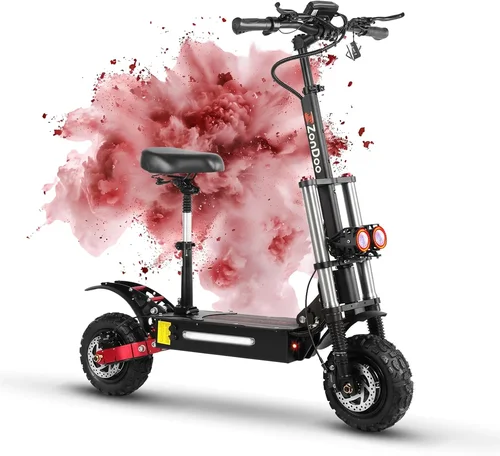
Electric scooters have evolved from simple urban mobility tools into powerful, high-performance machines—especially with the rise of dual motor electric scooters. These advanced models offer twice the power, superior acceleration, and enhanced hill-climbing ability compared to their single-motor counterparts. Whether you’re commuting through city streets, tackling steep inclines, or simply seeking a more thrilling ride, a dual motor scooter can transform your experience. But with so many options flooding the market in 2026, choosing the right one can feel overwhelming.
This comprehensive buying guide is designed to cut through the noise and help you make an informed decision. We’ll walk you through everything you need to know—from performance specs and build quality to budget considerations and real-world usability. By the end of this article, you’ll understand exactly what separates a good dual motor scooter from a great one, and how to match your needs with the perfect model. Whether you’re a daily commuter, weekend explorer, or performance enthusiast, this guide will equip you with the knowledge to invest wisely.
The dual motor scooter market has exploded in recent years, driven by advancements in battery technology, motor efficiency, and smart features. Brands like Gotrax, Segway-Ninebot, Apollo, and Dualtron have pushed the boundaries of speed, range, and durability. However, not all dual motor scooters are created equal. Some prioritize raw power, while others focus on comfort, portability, or affordability. Our goal is to help you navigate this diverse landscape with confidence, ensuring you get the best value for your money without compromising on safety or performance.

What to Look for When Buying a Dual Motor Electric Scooter
1. Performance Specifications
Performance is the heart of any dual motor scooter. With two motors—typically one in the front wheel and one in the rear—these scooters deliver significantly more torque and acceleration than single-motor models. When evaluating performance, focus on three key metrics: top speed, motor power (measured in watts), and hill-climbing capability.
Most dual motor scooters in 2026 range from 350W to 3000W total output, with high-end models exceeding 5000W. A 1000W dual motor setup (500W per motor) is ideal for city commuting and moderate hills, while 2000W+ models are better suited for off-road adventures or riders who want blistering acceleration. Top speeds typically range from 25 mph (40 km/h) on entry-level models to over 50 mph (80 km/h) on premium scooters.
Hill-climbing ability is another critical factor. Look for scooters that can handle inclines of at least 15–20 degrees. Dual motors provide better weight distribution and traction, especially on slippery or uneven surfaces. If you live in a hilly area, prioritize scooters with high torque ratings and responsive throttle control.
2. Battery Life & Range
Range anxiety is real—even for experienced riders. The battery is arguably the most important component after the motors, as it determines how far you can go on a single charge. Dual motor scooters consume more energy than single-motor models, so battery capacity becomes even more critical.
Battery capacity is measured in watt-hours (Wh). A higher Wh rating means longer range. For example, a 500Wh battery might give you 15–20 miles (24–32 km) of range, while a 1000Wh+ battery can deliver 30–50 miles (48–80 km) or more, depending on riding conditions.
Look for lithium-ion batteries from reputable manufacturers like Samsung, LG, or Panasonic. These offer better longevity, faster charging, and improved safety compared to generic cells. Charging time is also important—most scooters take 4–8 hours to fully charge, but some premium models support fast charging (2–3 hours).
Real-world range varies based on rider weight, terrain, speed, and weather. Heavier riders or frequent uphill climbs will reduce range. Always expect about 20–30% less range than the manufacturer’s claim under typical conditions.
3. Build Quality & Durability
A dual motor scooter is a significant investment, so durability matters. You want a scooter that can withstand daily use, weather exposure, and the occasional bump or drop. Key areas to evaluate include the frame material, suspension system, and IP rating for water resistance.
Most high-quality scooters use aircraft-grade aluminum or reinforced steel frames. Aluminum is lighter and corrosion-resistant, while steel offers greater strength but adds weight. Look for welded joints and reinforced stress points, especially around the stem and deck.
Suspension is crucial for comfort and control. Dual motor scooters often come with front and rear suspension (spring, hydraulic, or air-filled). This absorbs shocks from potholes, curbs, and rough pavement, reducing fatigue and improving stability at high speeds.
Water resistance is measured by the Ingress Protection (IP) rating. An IPX4 rating means the scooter can handle splashes from any direction, while IPX5 or higher offers protection against water jets. Avoid riding in heavy rain unless your scooter is rated IPX6 or higher.
4. Weight & Portability
Dual motor scooters are generally heavier than single-motor models due to the extra motor, larger battery, and reinforced frame. Weight can range from 35 lbs (16 kg) on lightweight commuter models to over 80 lbs (36 kg) on high-performance off-road scooters.
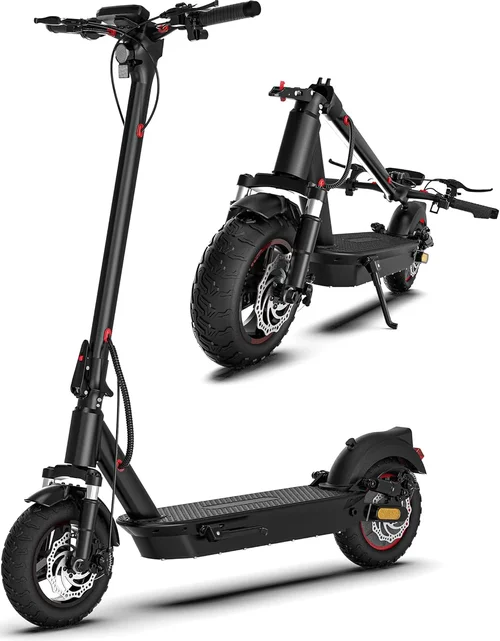
Portability depends on weight, foldability, and handle design. If you need to carry your scooter up stairs or onto public transit, aim for a model under 50 lbs with a compact fold and ergonomic handle. Some scooters feature telescoping stems or removable batteries to reduce bulk.
Consider the folded dimensions as well. A scooter that folds down to 40″ x 18″ x 8″ is much easier to store in a car trunk or under a desk than one that’s 50″ long when folded.
5. Braking System
With great power comes great responsibility—and the need for reliable brakes. Dual motor scooters can reach high speeds quickly, so a robust braking system is non-negotiable.
Most scooters use a combination of mechanical and electronic brakes. Disc brakes (front and rear) offer the best stopping power and are ideal for high-speed riding. Regenerative braking, which recaptures energy during deceleration, is common on premium models and helps extend battery life.
Look for scooters with dual or triple braking systems (e.g., front disc + rear disc + electronic brake). Avoid models that rely solely on foot brakes or weak drum brakes—these are unsafe at higher speeds.
Brake responsiveness is just as important as type. Test the brakes during a demo ride. They should engage smoothly without jerking or locking up the wheels.
6. Tires & Traction
Tires play a huge role in ride quality, safety, and performance. Dual motor scooters typically come with one of three tire types: pneumatic (air-filled), solid (rubber), or honeycomb (puncture-proof).
Pneumatic tires offer the best comfort and grip, absorbing road vibrations and providing excellent traction on wet or uneven surfaces. However, they’re prone to punctures and require occasional inflation.
Solid tires are maintenance-free and puncture-proof but deliver a rougher ride. They’re best for urban environments with smooth pavement.
Honeycomb tires are a middle ground—durable like solid tires but slightly more comfortable. They’re a good choice for riders who want low maintenance without sacrificing too much comfort.
Tire size also matters. Larger tires (10″ or more) improve stability and roll over obstacles more easily. Smaller tires (8″) are lighter and more agile but less forgiving on rough terrain.
7. Display & Smart Features
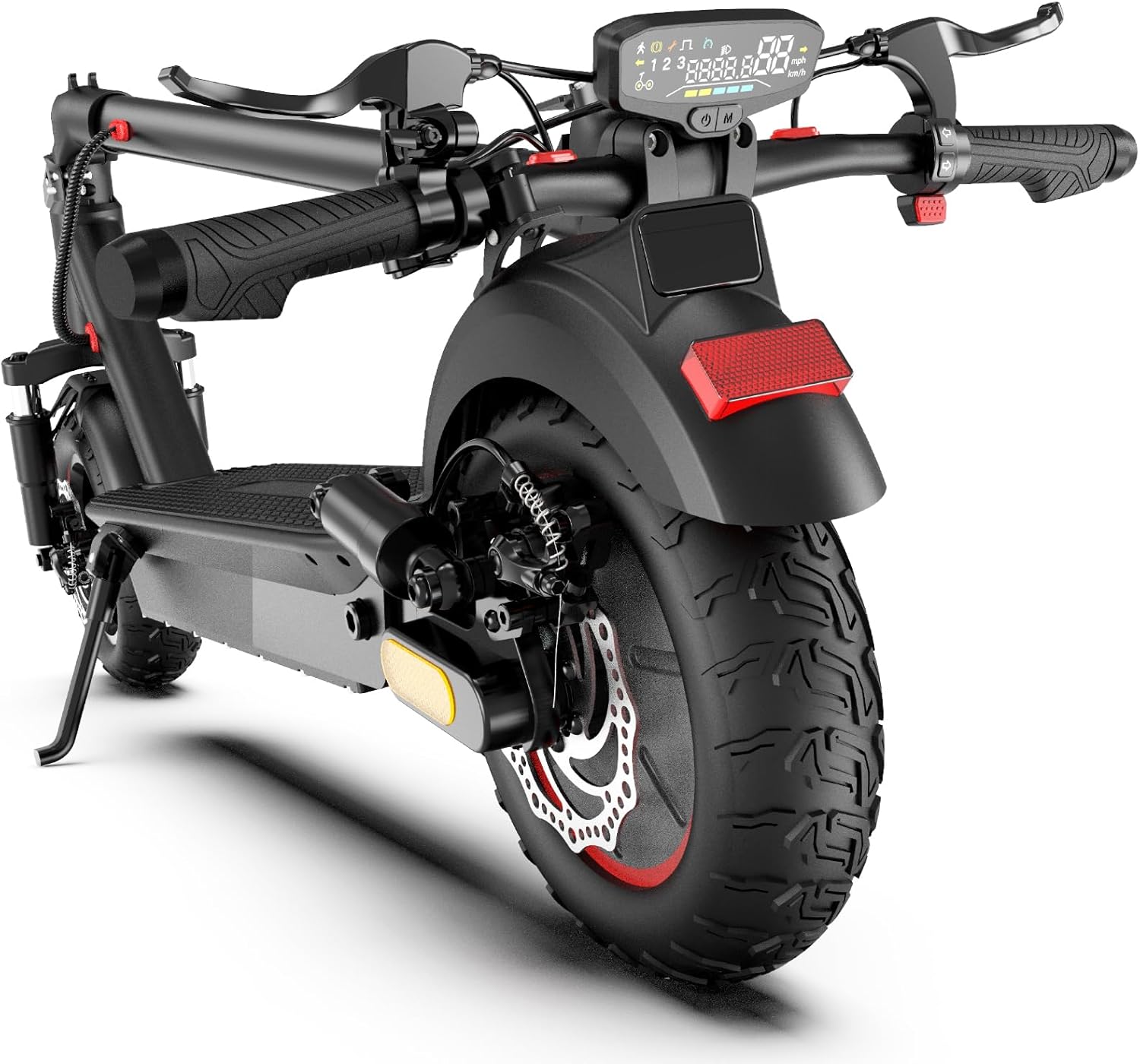
Modern dual motor scooters come with advanced displays and smart features that enhance usability and safety. The dashboard should clearly show speed, battery level, riding mode, and error codes.
Look for scooters with customizable riding modes (Eco, Normal, Sport, etc.). These allow you to adjust power output based on your needs—saving battery in Eco mode or unleashing full power in Sport mode.
Smart features like Bluetooth connectivity, GPS tracking, anti-theft alarms, and app integration are becoming standard on premium models. Apps can provide ride analytics, firmware updates, and remote locking—great for tech-savvy riders.
Backlit displays are essential for night riding. Ensure the screen is readable in direct sunlight and has adjustable brightness.
8. Warranty & Customer Support
A dual motor scooter is a complex machine with many moving parts. Even the best models can experience issues over time. That’s why warranty and support are critical.
Most reputable brands offer a 6-month to 2-year warranty covering motors, battery, and electronics. Some premium brands like Apollo and Dualtron offer extended warranties or service plans.
Check the warranty terms carefully. Does it cover labor and shipping? Are consumables like tires and brakes excluded? Is the warranty valid internationally?
Customer support quality varies widely. Look for brands with responsive support teams, detailed FAQs, and active user communities. Avoid companies with poor reviews about repair delays or unhelpful service.
Different Types of Dual Motor Electric Scooters
Common Buying Mistakes to Avoid
❌ Mistake: Ignoring Real-World Range Claims
Why it’s bad: Manufacturers often advertise range under ideal conditions—light rider, flat terrain, slow speed. In reality, most riders get 20–30% less range, especially with dual motors drawing more power.
What to do instead: Always subtract 25% from the advertised range. If a scooter claims 40 miles, expect 30 miles in real-world use. Check independent reviews for verified range tests.
❌ Mistake: Overlooking Weight and Portability
Why it’s bad: A heavy scooter is difficult to carry, store, or transport. Many buyers regret choosing a powerful but bulky model when they realize they need to take it on public transit or up stairs.
What to do instead: Consider your daily routine. If you need to carry the scooter frequently, prioritize models under 50 lbs with a compact fold. Test the weight during a demo if possible.
❌ Mistake: Skipping the Test Ride
Why it’s bad: Specs don’t tell the whole story. A scooter might look great on paper but feel unstable, jerky, or uncomfortable in real life.
What to do instead: Always test ride before buying. Pay attention to throttle response, braking smoothness, and overall balance. If buying online, choose retailers with generous return policies.
❌ Mistake: Choosing Based on Price Alone
Why it’s bad: The cheapest dual motor scooter often cuts corners on safety, build quality, and battery life. You may end up replacing it within a year.
What to do instead: Focus on value, not just price. A $1,200 scooter with a 2-year warranty and reliable components is often a better investment than a $800 model with hidden flaws.
❌ Mistake: Ignoring Warranty and Support
Why it’s bad: Dual motor scooters have complex electronics. Without proper support, a minor issue can become a costly repair or total loss.
What to do instead: Research the brand’s reputation for customer service. Read warranty terms carefully and avoid companies with poor support reviews.
❌ Mistake: Not Considering Terrain and Usage
Why it’s bad: A scooter designed for flat city streets will struggle on hills or rough trails. Conversely, an off-road beast may be overkill for a short commute.
What to do instead: Match the scooter to your environment. Urban riders should prioritize portability and efficiency, while off-road enthusiasts need suspension and knobby tires.
❌ Mistake: Overestimating Your Skill Level
Why it’s bad: High-speed dual motor scooters require experience to handle safely. Beginners may lose control, especially in wet conditions or tight turns.
What to do instead: Start with a mid-range model (25–30 mph top speed) and upgrade later. Always wear protective gear and practice in safe areas.
Budget Guidelines: How Much Should You Spend?
– Entry-Level ($600 – $1,000): These scooters offer basic dual motor performance with modest range (15–25 miles) and speed (20–25 mph). Ideal for light commuters or first-time buyers. Expect plastic components, limited suspension, and shorter warranties. Brands like Gotrax and Xiaomi offer decent options in this range.
– Mid-Range ($1,000 – $2,000): The sweet spot for most riders. These scooters balance power, range, and build quality. Expect 25–40 mph top speeds, 25–40 mile range, and better suspension and braking. Models from Apollo, Segway, and Kaabo fall here. Great for daily commuting and occasional hills.
– Premium ($2,000 – $3,500): For enthusiasts and long-distance riders. These scooters feature high-capacity batteries, advanced suspension, and smart features. Top speeds exceed 40 mph, with ranges up to 60 miles. Ideal for those who want performance without sacrificing comfort.
– Luxury ($3,500+): The top tier of dual motor scooters. Built for professionals, adventurers, and tech lovers. Expect carbon fiber frames, dual-battery systems, GPS tracking, and app integration. Brands like Dualtron and Nanrobot dominate this space. These are overkill for casual riders but unmatched in performance and innovation.
Expert Tips for Getting the Best Deal
– Buy During Sales Seasons: Major discounts happen during Black Friday, Cyber Monday, and end-of-season clearances (August–September). Sign up for brand newsletters to get early access to deals.
– Compare Retailers: Prices vary between official websites, Amazon, Best Buy, and specialty retailers. Some offer free shipping, extended warranties, or bundled accessories.
– Check for Refurbished Models: Certified refurbished scooters from reputable brands can save you 20–30% off retail. These are typically inspected, repaired, and come with a warranty.
– Read Return Policies: Ensure the retailer offers at least a 14-day return window. Some brands allow 30 days for testing, which is ideal for online purchases.
– Join Owner Communities: Forums like Reddit’s r/ElectricScooters or Facebook groups provide real-user insights, deal alerts, and troubleshooting tips.
– Negotiate with Local Dealers: Independent scooter shops may offer discounts, free accessories, or service packages if you ask.
– Consider Financing: Some brands offer 0% APR financing for 6–12 months. This lets you spread the cost without interest, making premium models more accessible.
– Test Before You Buy: Visit local demo events or rental services to try different models. Many cities now offer e-scooter rentals—use them to test performance firsthand.

Frequently Asked Questions
Q: Are dual motor scooters worth the extra cost?
A: Yes, if you need more power, better hill climbing, or smoother acceleration. Dual motors provide balanced traction and reduce strain on individual components, leading to longer lifespan. However, if you only ride on flat terrain and prioritize portability, a single motor may suffice.
Q: How long do dual motor scooters last?
A: With proper care, a quality dual motor scooter can last 3–5 years or 5,000–10,000 miles. Battery life typically degrades after 500–800 charge cycles. Regular maintenance (tire checks, brake adjustments, firmware updates) extends lifespan.
Q: Can I ride a dual motor scooter in the rain?
A: Only if it has an IPX5 or higher rating. IPX4 scooters can handle light splashes but are not safe in heavy rain. Always dry the scooter after wet rides and avoid deep puddles.
Q: Do dual motor scooters require more maintenance?
A: Slightly. Dual motors mean more components to monitor, but maintenance is similar to single-motor models—check tires, brakes, and battery health regularly. Suspension systems may need occasional lubrication.
Q: Are dual motor scooters legal everywhere?
A: Laws vary by region. In the U.S., most cities allow e-scooters under 20 mph on bike lanes. Dual motor scooters often exceed this, so check local regulations. Some areas require registration, helmets, or restrict use on sidewalks.
Q: Can I upgrade a single motor scooter to dual motor?
A: Generally no. Motor placement, wiring, and frame design are integrated. Retrofitting is complex, expensive, and often unsafe. It’s better to buy a dual motor model from the start.
Q: What’s the best way to charge a dual motor scooter?
A: Use the original charger and avoid overcharging. Charge in a cool, dry place. Partial charges (20–80%) are better for battery longevity than full cycles. Avoid charging immediately after a long ride—let the battery cool first.
Q: How do I know if a scooter is safe?
A: Look for certifications like UL 2271 (battery safety), CE, or FCC. Read crash test reviews and user reports. Avoid no-name brands with vague specifications or no warranty.
Q: Can I carry a dual motor scooter on a plane?
A: Most airlines prohibit lithium batteries over 100Wh in checked luggage. Scooters with removable batteries under 160Wh may be allowed in carry-on, but policies vary. Check with your airline before traveling.
Q: What should I do if my scooter breaks down?
A: First, check the user manual for troubleshooting steps. Contact customer support immediately. If under warranty, request a repair or replacement. Keep receipts and photos of the issue for documentation.
Our Final Recommendations
– Best for Budget-Conscious Buyers: Gotrax GXL V2 Dual Motor – At under $800, this scooter offers surprising performance with dual 350W motors, 25 mph top speed, and 20-mile range. Great for students and casual riders.
– Best Overall Value: Apollo Explore – Priced around $1,500, it delivers 40 mph speed, 40-mile range, and excellent build quality. Perfect balance of power, comfort, and reliability.
– Best Premium Option: Dualtron Thunder 3 – A beast at 52 mph and 70-mile range. Ideal for long commutes and off-road adventures. Built with top-tier components and smart features.
– Best for Beginners: Segway Ninebot Max G30LP Dual Motor – User-friendly, durable, and safe. Features regenerative braking, IPX5 rating, and a clear display. Great for first-time dual motor riders.
– Best for Advanced Users: Nanrobot D6+ 2.0 – Off-road powerhouse with 60 mph top speed, dual 2000W motors, and massive suspension. Built for thrill-seekers and trail riders.
Conclusion: Making the Right Choice
Choosing the best dual motor electric scooter in 2026 is about more than just speed and power—it’s about finding the right balance of performance, durability, and usability for your lifestyle. Whether you’re navigating city streets, conquering hills, or exploring off-road trails, the right scooter can transform your daily commute into an adventure.
We’ve covered everything from key specs and build quality to budget tips and common pitfalls. Remember to prioritize your needs: if portability is key, go lighter; if range matters, invest in a larger battery; if you ride in rough terrain, choose suspension and knobby tires.
Don’t rush the decision. Test ride when possible, read real user reviews, and consider long-term value over short-term savings. A well-chosen dual motor scooter will serve you reliably for years, offering freedom, fun, and efficiency with every ride.
Now that you’re armed with expert knowledge, it’s time to make your move. Explore the models we’ve recommended, compare your options, and choose the scooter that fits your journey. The road ahead is electric—ride it wisely.