
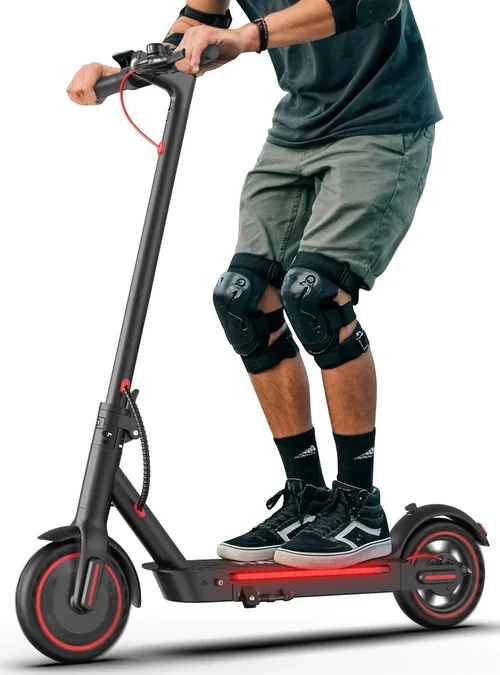
Electric scooters have evolved from niche urban gadgets into serious transportation solutions—offering eco-friendly, cost-effective, and surprisingly fun alternatives to cars, buses, and even bicycles. Whether you’re commuting across town, zipping through campus, or just exploring your neighborhood on weekends, the right electric scooter can transform how you move. But with hundreds of models flooding the market in 2026—from ultra-budget options under $300 to high-performance beasts pushing $3,000—it’s easy to feel overwhelmed. That’s where this guide comes in.
This comprehensive buying guide is designed to cut through the noise and help you make a confident, informed decision. We’ll walk you through every critical factor that matters when choosing an electric scooter: from performance specs and build quality to portability, safety features, and long-term value. You’ll learn how to match your lifestyle and needs to the perfect model, avoid common pitfalls, and even score the best deals. Whether you’re a first-time buyer or upgrading from an older scooter, this guide equips you with expert-level knowledge to navigate the 2026 electric scooter landscape with clarity and confidence.
The market today is more diverse than ever. Brands like Gotrax, Xiaomi, Segway-Ninebot, Apollo, and Unagi dominate headlines, but lesser-known brands are also delivering impressive value. Meanwhile, innovations in battery tech, motor efficiency, suspension systems, and smart connectivity are redefining what’s possible. With regulations evolving in cities worldwide and infrastructure improving, now is an ideal time to invest in an e-scooter—but only if you choose wisely. Let’s dive into the essentials.
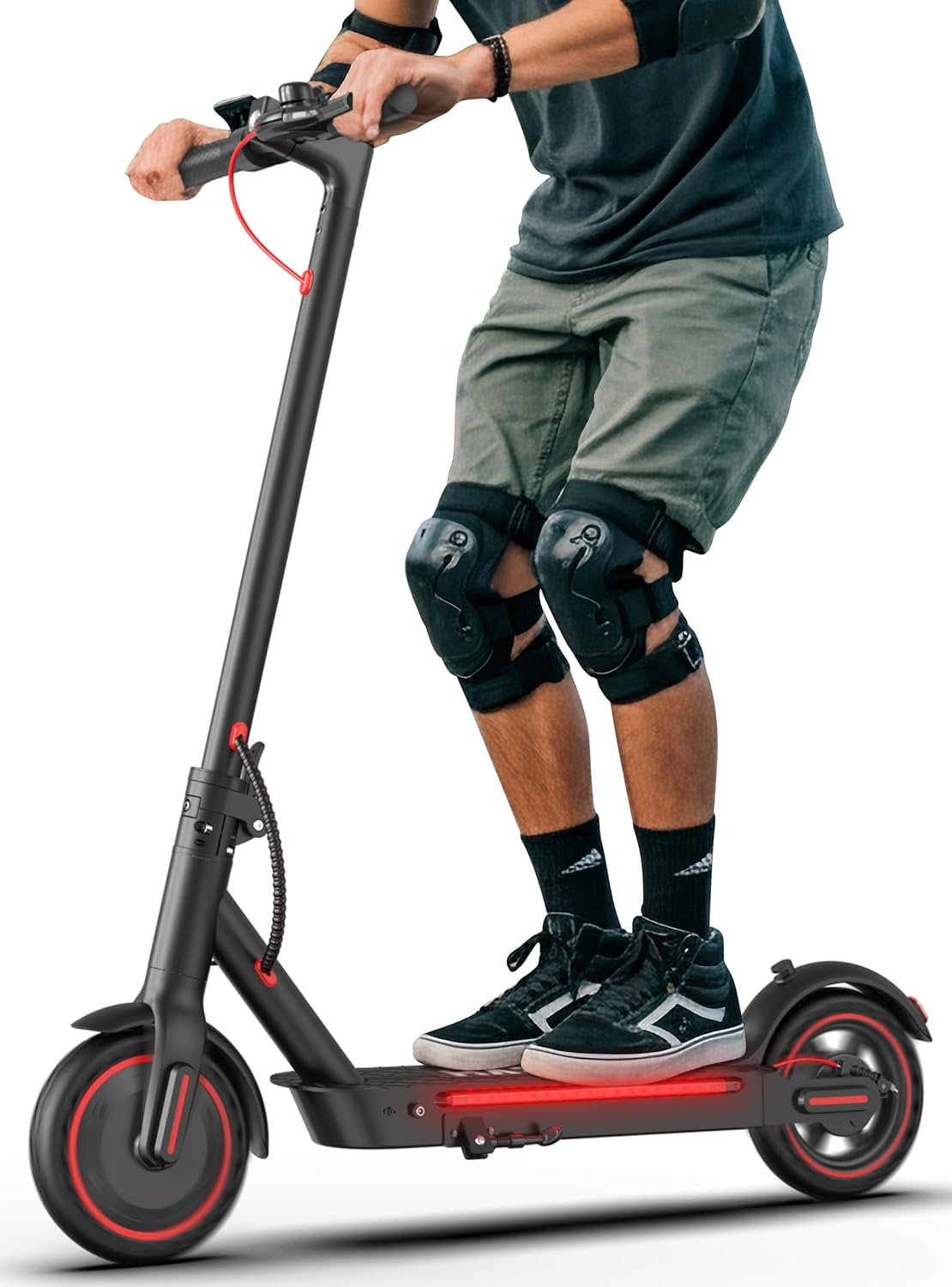
What to Look for When Buying Gotrax
1. Budget & Price Range
Your budget is the foundation of your purchase decision—but it shouldn’t be the only factor. Electric scooters span a wide price spectrum, and while it’s tempting to go for the cheapest option, doing so often leads to disappointment in durability, performance, or safety. A realistic budget helps you narrow down viable options without overspending on features you don’t need.
In 2026, entry-level scooters typically start around $250–$400. These are great for light commuting or casual use but often lack robust motors, long-range batteries, or weather-resistant builds. Mid-range models ($500–$1,200) offer the best balance of performance, build quality, and features for most riders. Premium scooters ($1,300–$2,500) deliver high-speed capabilities, advanced suspension, long-range batteries, and premium materials. Luxury or performance-focused models can exceed $2,500 and are aimed at enthusiasts or professionals who demand top-tier engineering.
When setting your budget, consider not just the upfront cost but also long-term expenses: replacement tires, battery degradation, maintenance, and potential repairs. A slightly higher initial investment in a well-built scooter often pays off in reliability and lower total cost of ownership.
2. Performance Specifications
Performance isn’t just about speed—it’s a combination of motor power, top speed, range, acceleration, and hill-climbing ability. These specs directly impact how well your scooter handles real-world conditions like traffic, inclines, and varying terrain.
Motor power is measured in watts (W). Entry-level scooters usually have 250W–350W motors, suitable for flat city streets and light loads. Mid-range models often feature 500W–800W motors, capable of handling moderate hills and faster acceleration. High-performance scooters boast 1000W–3000W motors, enabling speeds over 30 mph and strong hill climbs. Dual-motor setups (one per wheel) provide even greater torque and stability, especially off-road or in wet conditions.
Top speed matters, but context is key. Most city commuters don’t need speeds above 20–25 mph, especially where legal limits apply. However, higher speeds require better braking, suspension, and frame strength—so don’t chase speed alone.
Range—the distance a scooter can travel on a single charge—is arguably more important than speed for daily use. Manufacturer claims are often optimistic; real-world range depends on rider weight, terrain, speed, and weather. A 15–20 mile range is sufficient for most commuters, but if you’re traveling longer distances, look for 25+ miles. Battery capacity (measured in watt-hours, Wh) is a better indicator than vague “mileage” claims. For example, a 36V 10.4Ah battery equals 374Wh—a solid mid-tier option.
Acceleration and hill grade are also critical. A scooter that struggles on a 10% incline won’t serve you well in hilly cities. Look for models that specify hill-climbing ability (e.g., “up to 15% grade”) and test acceleration in person if possible.
3. Build Quality & Durability
An electric scooter is a mechanical device subjected to constant stress—vibrations, impacts, weather, and daily wear. Build quality determines how well it withstands these forces over time. A poorly built scooter may look sleek but fail within months due to weak welds, brittle plastics, or subpar electronics.
Frame material is a major indicator of durability. High-quality scooters use aircraft-grade aluminum alloys (like 6061 or 7005), which are lightweight yet strong. Cheaper models may use lower-grade aluminum or even plastic composites that crack under stress. Check for reinforced joints, thick tubing, and clean welding—especially around the folding mechanism, which is a common failure point.
The deck should be wide enough for stable footing and made from non-slip, weather-resistant material. Handlebars should feel solid, with minimal flex. Look for sealed bearings in the wheels and axles to prevent dirt and moisture ingress.
Water resistance is another key factor. While no scooter is fully waterproof, an IP rating (like IPX4 or IPX5) indicates protection against splashes and light rain. Avoid riding in heavy rain regardless, but a higher IP rating gives peace of mind during unexpected showers.
Tires also affect durability and ride quality. Solid rubber tires are puncture-proof but offer a harsher ride. Pneumatic (air-filled) tires provide better shock absorption and grip but require maintenance and can go flat. Some premium models now feature tubeless or self-healing tires for added reliability.
4. Features & Functionality
Modern electric scooters come packed with features that enhance safety, convenience, and ride experience. While not all are essential, some can significantly improve usability.
Braking systems are paramount. Disc brakes (mechanical or hydraulic) offer the strongest stopping power, especially at high speeds. Regenerative braking, which recaptures energy during deceleration, extends range and reduces wear on physical brakes. Many scooters combine both for optimal performance.
Lighting is crucial for visibility and safety. Front headlights should be bright (200+ lumens), and rear brake lights that activate when slowing down are a major plus. Side reflectors and deck lighting improve visibility from all angles, especially at night.
Suspension systems absorb shocks from potholes and uneven pavement. Entry-level scooters often have no suspension, leading to a jarring ride. Front or rear spring suspension is common in mid-range models, while premium scooters may feature dual suspension (front and rear) or advanced hydraulic systems for off-road capability.
Smart features are increasingly popular. Bluetooth connectivity allows you to lock/unlock the scooter, track rides, or update firmware via an app. Some models include GPS tracking, anti-theft alarms, or ride analytics. While convenient, these features add cost and complexity—only prioritize them if you’ll actually use them.
Other useful features include:
– Adjustable handlebars for different rider heights
– Cruise control for long, steady rides
– USB charging ports for devices
– Foldable design for easy storage and transport
– Kickstand for parking stability
Avoid “feature bloat”—don’t pay extra for gimmicks you won’t use. Focus on features that align with your riding habits.
5. Brand Reputation
Brand reputation matters because it reflects consistency in quality, customer service, and product support. Established brands like Gotrax, Xiaomi, and Segway-Ninebot have proven track records, extensive service networks, and reliable warranties. Lesser-known brands may offer tempting prices, but they often lack long-term support.
Research brand history: How long have they been in the market? Do they specialize in electric mobility, or is this a side venture? Check for recalls, lawsuits, or widespread complaints about defects. Brands with strong engineering teams and transparent supply chains tend to produce more reliable products.
Customer service is another critical aspect. If your scooter develops an issue, can you easily reach support? Are replacement parts available? Brands with U.S.-based support centers or local repair partners offer faster resolution times.
Community presence also matters. Brands with active user forums, social media engagement, and firmware updates show commitment to their customers. Look for brands that listen to feedback and improve models over time.
6. Warranty & Support
A good warranty is your safety net against manufacturing defects and early failures. Most reputable brands offer at least a 12-month warranty, covering the motor, battery, and electronics. Some premium brands extend this to 18 or 24 months, and a few even offer lifetime frame warranties.
Read the fine print: What’s covered? What voids the warranty? Common exclusions include water damage, wear and tear, improper use, or third-party modifications. Some brands require registration within a certain timeframe to activate coverage.
Support responsiveness is just as important. Can you get help via phone, email, or chat? Are repair centers nearby, or do you have to ship the scooter back? Brands with local service partners or authorized repair shops make maintenance much easier.
Battery warranties are especially important, as batteries degrade over time. Look for coverage that guarantees a minimum capacity (e.g., 70% after 500 cycles). Some brands offer battery replacement programs at discounted rates.
7. Size & Portability
If you plan to carry your scooter on public transit, store it under a desk, or take it on trips, portability is non-negotiable. Weight, folded dimensions, and ease of folding all impact how convenient your scooter is in daily life.
Most commuter scooters weigh between 25–35 lbs. Anything over 40 lbs becomes cumbersome to carry upstairs or onto a bus. Lightweight models often sacrifice power or range, so find a balance.
Folded size matters for storage. A compact fold (under 45” long and 18” wide) fits easily in car trunks or small apartments. Some scooters feature telescoping stems or removable batteries to reduce size further.
The folding mechanism should be quick, secure, and reliable. Test it in-store: it should snap shut with a solid click and not wobble when locked. Avoid models with flimsy latches or complex multi-step folds.
Handlebar width and deck size also affect comfort during transport. Narrow handlebars are easier to maneuver in crowds, while a wider deck offers better stability when riding.
8. User Reviews & Ratings
Specs tell part of the story—real user experiences tell the rest. User reviews reveal long-term reliability, hidden flaws, and practical insights that lab tests miss.
Look beyond star ratings. Read detailed reviews that discuss specific issues: battery life after 6 months, motor noise, brake performance in rain, or customer service interactions. Pay attention to patterns—if multiple users report the same problem, it’s likely a design flaw.
Check multiple sources: Amazon, Best Buy, specialized e-scooter sites, and YouTube reviews. Video reviews are especially valuable for seeing the scooter in action—how it handles bumps, folds, or accelerates.
Be wary of fake reviews. Look for verified purchases, detailed descriptions, and balanced feedback (both pros and cons). Overly glowing reviews with generic language may be incentivized or fabricated.
Different Types of Gotrax
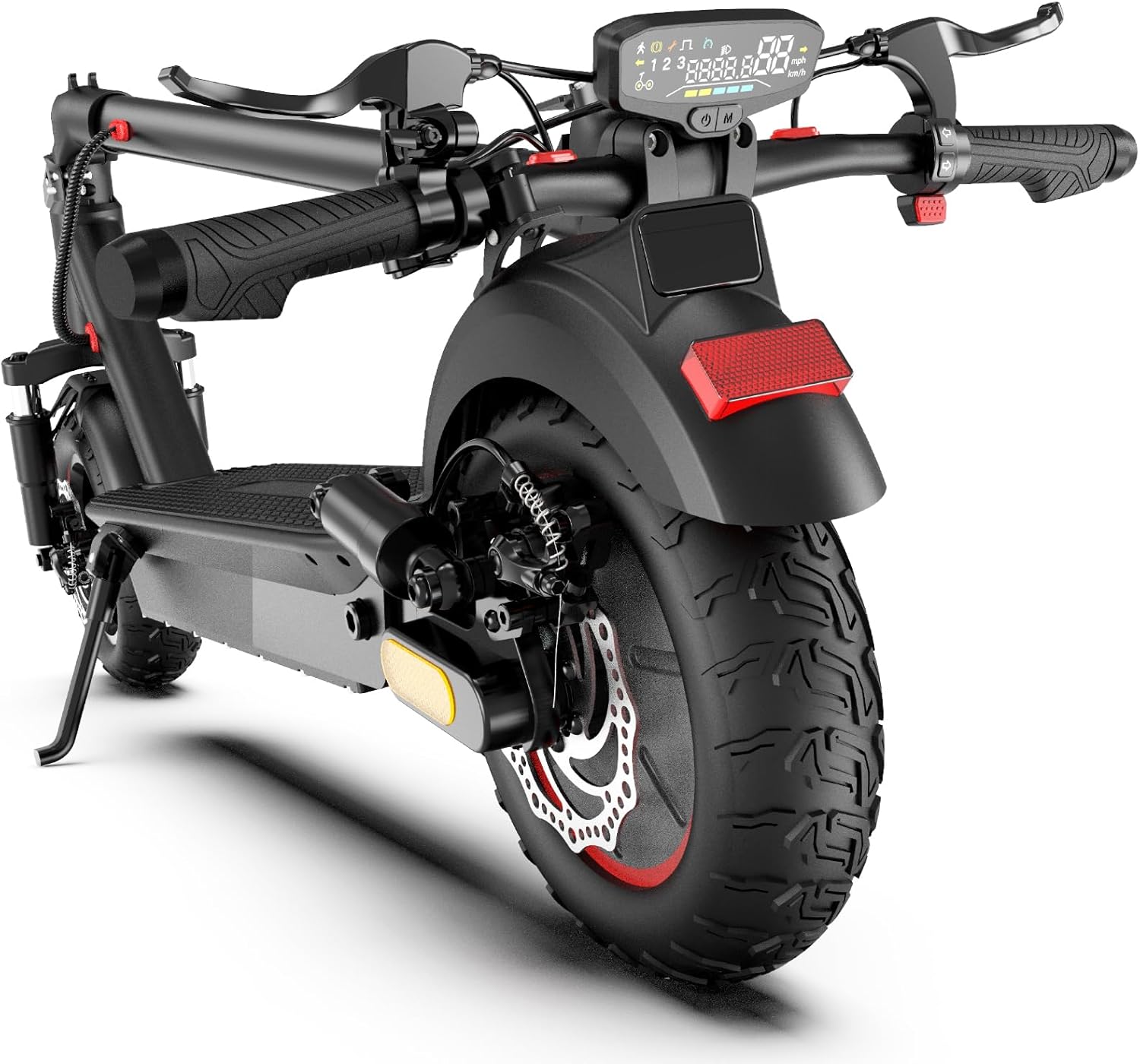
Common Buying Mistakes to Avoid
❌ Mistake: Prioritizing Price Over Quality
Why it’s bad: Cheap scooters often use low-grade motors, weak frames, and poor batteries that fail quickly. You may end up spending more on repairs or replacements than if you’d bought a better model upfront.
What to do instead: Treat your scooter as a long-term investment. Aim for the best quality within your budget—focus on reputable brands with solid warranties and positive user feedback.
❌ Mistake: Ignoring Real-World Range
Why it’s bad: Manufacturers often advertise range under ideal conditions (light rider, flat terrain, slow speed). In reality, range can drop by 30–50% with heavier loads or hills.
What to do instead: Divide the advertised range by 1.5 to estimate real-world performance. Choose a scooter with at least 20–30% more range than your daily needs.
❌ Mistake: Overlooking Braking Performance
Why it’s bad: Weak brakes increase stopping distance and risk of accidents, especially at higher speeds or in wet conditions.
What to do instead: Always check brake type and test braking feel if possible. Disc brakes are superior to drum or foot brakes for safety.
❌ Mistake: Buying Without Testing
Why it’s bad: Specs don’t reveal how a scooter feels—its balance, vibration, or handling quirks. A scooter that looks great on paper may be uncomfortable or unstable.
What to do instead: Visit a local retailer or attend demo events. If buying online, choose retailers with generous return policies (30 days or more).
❌ Mistake: Neglecting Local Laws
Why it’s bad: Some cities restrict e-scooter speed, require helmets, or ban riding on sidewalks. A high-speed scooter may be illegal where you live.
What to do instead: Research local regulations before buying. Opt for models with speed limiters or adjustable modes to comply with laws.
❌ Mistake: Skipping the Warranty Check
Why it’s bad: Without warranty coverage, a motor failure or battery issue could cost hundreds to fix.
What to do instead: Always verify warranty terms—duration, coverage, and support process—before purchasing.
❌ Mistake: Choosing Based on Looks Alone
Why it’s bad: A sleek design doesn’t guarantee performance or durability. Flashy lights or colors may distract from critical features.
What to do instead: Focus on functionality first. Choose a scooter that meets your performance, safety, and portability needs—then pick a style you like.
Budget Guidelines: How Much Should You Spend?
Entry-Level ($250–$400): Ideal for casual riders, students, or short trips under 5 miles. Expect basic motors (250W–350W), limited range (8–12 miles), and minimal features. Build quality may be questionable, and warranties are often short. Best for occasional use in flat areas.
Mid-Range ($500–$1,200): The sweet spot for most buyers. These scooters offer reliable performance (500W–800W motors), 15–25 mile range, decent suspension, and solid build quality. Brands like Gotrax, Xiaomi, and Segway shine here. Great for daily commuting, campus travel, and urban exploration.
Premium ($1,300–$2,500): For serious riders who demand speed, range, and comfort. Expect 1000W+ motors, 25–40 mile range, advanced suspension, disc brakes, and smart features. Models from Apollo, Unagi, and Dualtron excel in this tier. Suitable for long commutes, hilly cities, or enthusiasts.
Luxury ($2,500+): Top-tier engineering with cutting-edge tech, premium materials, and brand prestige. These scooters often feature dual motors, 40+ mph speeds, 50+ mile range, and app integration. Best for tech lovers, collectors, or those who view their scooter as a lifestyle statement.
Expert Tips for Getting the Best Deal
1. Time Your Purchase: Major sales occur during Black Friday, Cyber Monday, Amazon Prime Day, and back-to-school season (July–August). Some brands also offer end-of-year clearance deals in December.
2. Compare Retailers: Prices vary between Amazon, Best Buy, Walmart, and brand websites. Check for exclusive bundles (e.g., free helmet or lock) or student discounts.
3. Look for Refurbished Models: Certified refurbished scooters from reputable sellers often come with warranties and cost 20–40% less than new. Ensure they’re inspected and tested.
4. Read Return Policies: Choose retailers with at least 30-day returns and free return shipping. This gives you time to test the scooter in real conditions.
5. Test Before You Buy: Visit local stores or attend e-scooter expos. Feel the weight, test the fold, and ride it if possible. Comfort and handling are personal.
6. Check for Firmware Updates: Some scooters improve over time via software updates. Brands that offer regular updates show commitment to long-term performance.
7. Join Loyalty Programs: Sign up for brand newsletters or loyalty programs to receive early access to sales, exclusive discounts, or beta features.
8. Consider Total Cost of Ownership: Factor in maintenance, battery replacement (every 2–4 years), and accessories (helmet, lock, phone mount). A cheaper scooter may cost more over time.

Frequently Asked Questions
Q: How fast do electric scooters go?
A: Most commuter scooters reach 15–20 mph, while performance models can hit 30–40 mph. Off-road and luxury scooters may exceed 45 mph. Always check local speed limits and wear protective gear.
Q: How long do e-scooter batteries last?
A: Battery lifespan depends on usage, charging habits, and quality. Most lithium-ion batteries last 500–1,000 charge cycles, equating to 2–4 years of daily use. Proper care (avoiding full discharges, storing at 50% charge) extends life.
Q: Are electric scooters safe?
A: When used responsibly, yes. Wear a helmet, follow traffic laws, avoid wet or uneven surfaces, and maintain your scooter regularly. Choose models with strong brakes, lights, and stability features.
Q: Can I ride an e-scooter in the rain?
A: Only if it has an IPX4 or higher rating. Even then, avoid deep puddles or heavy downpours. Wet conditions reduce traction and increase braking distance.
Q: Do I need a license or insurance?
A: In most U.S. states, no license or insurance is required for low-speed e-scooters (under 20 mph). However, rules vary by city—check local regulations.
Q: How much weight can an e-scooter carry?
A: Most support 220–300 lbs. Check the manufacturer’s weight limit and avoid exceeding it, as it strains the motor and reduces range.
Q: Can I take my scooter on a plane?
A: Generally no. Most airlines prohibit lithium batteries over 100Wh in checked or carry-on luggage. Some smaller models with removable batteries under 100Wh may be allowed—check with your airline.
Q: How do I maintain my scooter?
A: Regularly check tire pressure (if pneumatic), tighten bolts, clean the deck, and inspect brakes. Store in a dry place and charge the battery monthly if not in use.
Q: What’s the difference between hub motors and belt drives?
A: Hub motors are built into the wheel—simple, quiet, and low-maintenance. Belt drives use a motor and belt system—more efficient at high speeds but require occasional belt replacement.
Q: Can I upgrade my scooter’s battery?
A: Some models allow battery upgrades, but it may void the warranty or require technical expertise. Consult the manufacturer before modifying.
Our Final Recommendations
Best for Budget-Conscious Buyers: Gotrax GXL V2 – At around $350, it offers solid 15 mph speed, 12-mile range, and reliable build quality. Great for students and short commutes.
Best Overall Value: Xiaomi Mi Electric Scooter 4 Pro – Priced around $700, it delivers 20 mph speed, 28-mile range, excellent suspension, and premium feel. A top pick for daily riders.
Best Premium Option: Apollo Explore – With a 1,000W motor, 34-mile range, dual suspension, and IPX5 rating, it’s perfect for long, comfortable commutes in varied conditions.
Best for Beginners: Segway Ninebot ES2 – Lightweight (27.6 lbs), easy to fold, and packed with safety features like LED lights and cruise control. Ideal for first-time riders.
Best for Advanced Users: Dualtron Thunder 3 – A powerhouse with dual 2,700W motors, 75 mph top speed, and 90-mile range. Built for speed demons and off-road adventurers.
Conclusion: Making the Right Choice
Choosing the best electric scooter in 2026 isn’t about finding the flashiest model or the lowest price—it’s about matching a scooter’s capabilities to your lifestyle, needs, and environment. Whether you’re navigating city streets, tackling hills, or simply seeking a fun way to get around, the right scooter can enhance your daily routine and reduce your carbon footprint.
We’ve covered everything from budget planning and performance specs to build quality, safety, and long-term value. Remember: prioritize reliability over trends, test before you commit, and don’t overlook the importance of warranty and support. The perfect scooter is one that feels right in your hands, performs when you need it, and lasts for years.
Take your time, do your research, and trust your instincts. With the insights from this guide, you’re now equipped to make a smart, confident decision. Your ideal electric scooter is out there—go find it, and enjoy the ride.