
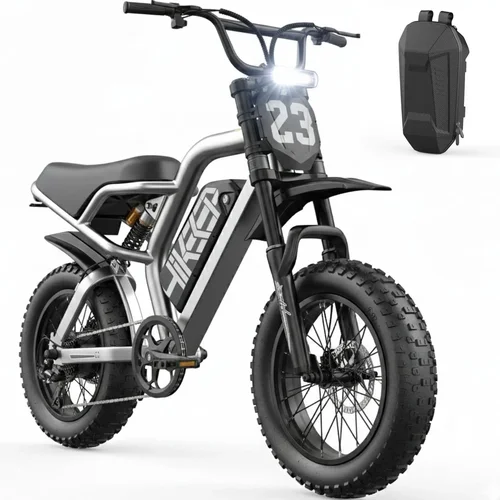
Electric bikes have revolutionized urban commuting, recreational riding, and even off-road adventures—offering a blend of pedal power and electric assistance that makes cycling accessible to more people than ever before. But with so many options flooding the market, finding a high-quality ebike under $1500 can feel like searching for a needle in a haystack. That’s where this comprehensive buyer’s guide comes in. Whether you’re a daily commuter looking to ditch traffic jams, a weekend warrior craving weekend trail rides, or someone simply wanting to stay active without breaking a sweat on hills, we’ve done the legwork for you.
In this expert-level guide, you’ll learn exactly what to prioritize when shopping for an affordable yet reliable ebike. We’ll break down the essential factors—from motor power and battery life to frame materials and warranty coverage—so you can make a confident, informed decision. You’ll also discover the different types of ebikes available in this price range, avoid common purchasing pitfalls, and get insider tips on how to stretch your budget further. By the end, you’ll know not only which models offer the best value but also how to choose the right one for your lifestyle, terrain, and riding goals.
The sub-$1500 ebike market has matured significantly over the past few years. What was once dominated by flimsy, underpowered models is now home to surprisingly capable machines from reputable brands like Rad Power Bikes, Aventon, Lectric, and even established names like Trek and Specialized (with some entry-level offerings). Advances in lithium-ion battery tech, brushless motors, and smart integration mean you no longer have to sacrifice performance or durability to stay within budget. However, not all ebikes under $1500 are created equal—some cut corners on build quality, while others skimp on after-sales support. This guide will help you separate the wheat from the chaff and invest wisely in a bike that delivers long-term satisfaction.

What to Look for When Buying an Ebike Under $1500
1. Motor Type and Power Output
The motor is the heart of any electric bike, determining how smoothly it accelerates, climbs hills, and handles varying terrain. In the under-$1500 category, you’ll typically encounter two main types: hub motors and mid-drive motors. Hub motors—located in either the front or rear wheel—are more common in this price range due to their lower cost and simplicity. They’re reliable, quiet, and sufficient for flat-city commuting or light recreational use. Rear hub motors generally offer better traction and a more natural riding feel compared to front hubs.
Mid-drive motors, while superior in performance and efficiency (especially on hills), are rare under $1500 and usually reserved for higher-end models. If you see one in your budget, it’s worth serious consideration—but verify its real-world power output. Most budget ebikes feature motors rated between 250W and 750W. In the U.S., 750W is the legal limit for Class 3 ebikes (which can reach speeds up to 28 mph with pedal assist). A 500W–750W rear hub motor is ideal for most riders, offering enough oomph for moderate inclines without draining the battery too quickly. Always check if the motor is rated as “continuous” or “peak”—continuous ratings reflect sustained performance, while peak ratings can be misleading (e.g., a “1000W peak” motor might only deliver 500W continuously).
2. Battery Capacity and Range
Battery capacity is measured in watt-hours (Wh), calculated by multiplying voltage (V) by amp-hours (Ah). For example, a 48V 10.4Ah battery equals 499.2Wh. This number directly correlates with range—the higher the Wh, the farther you can ride on a single charge. Under $1500, expect batteries ranging from 360Wh to 624Wh. A 400–500Wh battery is typical and should provide 20–40 miles of range, depending on terrain, rider weight, assist level, and weather conditions.
Lithium-ion (Li-ion) batteries are standard in this segment—avoid older lead-acid or nickel-based chemistries, which are heavier and less efficient. Look for removable batteries, as they allow you to charge indoors and swap in a spare for extended rides. Also, check the charger specs: a 2A charger will take 5–6 hours to fully charge a 500Wh battery, while a 4A fast charger can cut that to 2.5–3 hours. Some brands include fast chargers at this price point—a nice perk that adds convenience.
3. Frame Material and Build Quality
The frame is your bike’s skeleton, and its material affects weight, durability, and ride comfort. Aluminum alloy is the gold standard for budget-friendly ebikes—it’s lightweight, corrosion-resistant, and strong enough to handle daily use. Avoid steel frames unless you prioritize ultra-durability over portability; they’re heavier and can rust over time. Carbon fiber is virtually nonexistent under $1500 and reserved for premium models.
Pay attention to weld quality, cable routing, and component integration. A well-built frame will have clean welds, internal cable routing (to protect wires from weather and snags), and reinforced stress points like the head tube and bottom bracket. Test ride if possible—listen for creaks or rattles, which may indicate poor assembly or weak joints. Also, check the maximum load capacity (usually 250–300 lbs); exceeding this can damage the frame and void warranties.
4. Drivetrain and Gearing
Even with electric assist, you’ll still pedal—so a functional drivetrain matters. Most sub-$1500 ebikes come with 7-speed Shimano Tourney or Altus derailleurs, which are adequate for city riding and gentle hills. Higher-end models in this range may feature 8- or 9-speed drivetrains (like Shimano Acera), offering smoother shifts and better gear range.
Single-speed or fixed-gear ebikes exist but are rare and best suited for flat urban environments with minimal stopping. If you live in a hilly area or plan to ride varied terrain, opt for at least a 7-speed setup. Also, consider whether the bike uses a traditional chain or a belt drive. Belt drives (like Gates Carbon Drive) are cleaner, quieter, and require less maintenance—but they’re uncommon under $1500 and often add cost. Chains are more prevalent and easier to replace, though they need regular lubrication.
5. Braking System
Safety starts with stopping power. Mechanical disc brakes are common in budget ebikes and offer decent performance in dry conditions. However, hydraulic disc brakes are vastly superior—they provide stronger, more consistent braking with less hand effort and perform better in wet or muddy conditions. If your budget allows, prioritize hydraulic discs, especially if you ride in rain or on trails.
Avoid rim brakes (V-brakes or caliper brakes) on ebikes—they wear down quickly under the added weight and speed of an electric bike and lose effectiveness when wet. Also, check brake pad quality: sintered metallic pads last longer than organic ones but may be noisier. Many brands now include brake levers with motor cutoff switches, which instantly disable the motor when you squeeze the brake—a critical safety feature.
6. Display and Connectivity Features
The display is your command center, showing speed, battery level, assist mode, and sometimes trip data. Basic LCD screens are standard under $1500, offering clear readouts in daylight. Color displays are rarer but becoming more common—they’re easier to read and often support Bluetooth connectivity.
Bluetooth-enabled bikes let you sync with smartphone apps (like Aventon’s or Rad Power’s apps) to track rides, adjust settings, lock the bike remotely, or even share routes. While not essential, these features add convenience and modern appeal. Some displays also include USB ports for charging devices—useful for long commutes. Avoid bikes with no display or only LED indicator lights; you’ll miss critical info like remaining range.
7. Suspension and Ride Comfort
Suspension absorbs shocks from potholes, curbs, and rough pavement—making rides smoother and reducing fatigue. Front suspension forks are common in this price range and significantly improve comfort on uneven surfaces. Look for forks with 60–100mm of travel; anything less may feel too stiff, while more than 100mm is overkill for city riding.
Full suspension (front and rear) is extremely rare under $1500 and usually found only on niche off-road models—often at the expense of battery range or motor power. If you’re riding mostly paved roads, a quality front fork is sufficient. Also, consider tire width: wider tires (2.0”–2.4”) provide better cushioning and grip than narrow ones. Puncture-resistant tires with reflective sidewalls are a bonus for urban safety.
8. Warranty and Customer Support
An ebike is a significant investment, so protect it with a solid warranty. Most reputable brands offer at least a 1-year comprehensive warranty covering the motor, battery, and frame. Some, like Rad Power Bikes and Aventon, extend this to 2 years—a strong indicator of confidence in their products. Battery warranties are especially important; look for at least 12 months, though 18–24 months is better.
Check the brand’s customer service reputation. Read reviews about response times, repair turnaround, and parts availability. Brands with U.S.-based support centers (like Lectric or Ride1Up) often resolve issues faster than those relying on overseas distributors. Also, verify if the warranty covers labor costs or only parts—some only reimburse component replacements, leaving you to pay for installation.
Different Types of Ebikes Under $1500

Common Buying Mistakes to Avoid
❌ Mistake: Prioritizing Price Over Battery Quality
Why it’s bad: A cheap battery may save you $100 upfront but could degrade rapidly, losing 30–50% of its capacity within a year. This drastically reduces range and forces an expensive replacement sooner than expected.
What to do instead: Allocate at least 30–40% of your budget to the battery. Look for name-brand cells (like Samsung, LG, or Panasonic) and avoid generic “no-name” packs. Check user reviews for real-world battery longevity.
❌ Mistake: Ignoring Local Laws and Class Ratings
Why it’s bad: Riding a Class 3 ebike (28 mph) on bike paths restricted to Class 1 (20 mph max) can result in fines or bans. Similarly, some states prohibit throttle-only operation above 20 mph.
What to do instead: Research your state and local regulations before buying. Choose a bike that matches legal limits for your area. Many models allow you to adjust max speed via the display or app.
❌ Mistake: Overlooking Weight and Portability
Why it’s bad: Most ebikes under $1500 weigh 45–70 lbs. If you need to carry it upstairs or load it into a car, excess weight becomes a daily hassle.
What to do instead: Consider your storage and transport needs. Folding or step-through models are lighter and easier to manage. Check weight specs and look for integrated handles or wheels for maneuvering.
❌ Mistake: Skipping the Test Ride
Why it’s bad: Fit and comfort are highly personal. A bike that looks great online might feel awkward or unstable in person due to handlebar height, seat position, or frame geometry.
What to do instead: Visit local dealers or attend demo events. If buying online, choose retailers with generous return policies (30-day trials are ideal). Brands like Rad Power and Aventon offer test rides at pop-up events.
❌ Mistake: Assuming All “750W” Motors Are Equal
Why it’s bad: Some brands advertise “750W peak” motors that only deliver 350–500W continuously. This leads to poor hill-climbing and overheating on long climbs.
What to do instead: Dig into specs or third-party reviews. Look for “continuous power” ratings. Reputable brands disclose this; if it’s missing, assume it’s lower than advertised.
❌ Mistake: Neglecting After-Sales Support
Why it’s bad: Ebikes require maintenance—brake adjustments, tire changes, firmware updates. Without reliable support, small issues can become major headaches.
What to do instead: Buy from brands with strong service networks. Check if local bike shops service the brand. Read forums like Reddit’s r/ebikes for real-user support experiences.
❌ Mistake: Buying Based Solely on Range Claims
Why it’s bad: Manufacturers often quote “up to” range under ideal conditions (flat terrain, low assist, lightweight rider). Real-world range is usually 30–50% less.
What to do instead: Use range calculators (like those on Aventon’s site) and read user reviews. Plan for half the advertised range in hilly areas or cold weather.
Budget Guidelines: How Much Should You Spend?
– Entry-Level ($800–$1,000): Expect basic components—mechanical disc brakes, 7-speed drivetrain, 360–400Wh battery, and minimal accessories. Ideal for short commutes on flat terrain. Models like the Gotrax GXL V2 or Ancheer AN-EB003 fit here. Build quality is functional but may lack refinement.
– Mid-Range ($1,000–$1,300): This is the sweet spot for most buyers. You’ll find hydraulic disc brakes, 500Wh+ batteries, better displays, and improved frames. Brands like Lectric XP 3.0, Aventon Pace 350, and RadPower RadCity 5 offer excellent value here. Expect 30–50 miles of real-world range and solid reliability.
– Premium ($1,300–$1,500): For enthusiasts and daily riders, this tier delivers near-pro-level features. Look for torque sensors (for smoother pedal assist), integrated lights, puncture-resistant tires, and app connectivity. The Ride1Up Roadster V2 and Aventon Level.2 are standout options. These bikes balance performance, comfort, and durability.
– Luxury ($1,500+): While outside our scope, crossing this threshold opens doors to mid-drive motors, carbon frames, and advanced tech. If your needs justify the extra cost, consider stretching your budget—but for most, the $1,500 cap offers tremendous value.
Expert Tips for Getting the Best Deal
– Shop During Off-Seasons: Ebike sales peak in spring and summer. Buy in late fall or winter (October–February) for discounts of 10–20%. Many brands clear inventory for new models.
– Compare Direct-to-Consumer vs. Retail: Brands like Rad Power and Lectric sell direct online, cutting out middlemen and passing savings to you. Local bike shops may offer better service but often markup prices by 15–30%.
– Watch for Bundle Deals: Some retailers include free accessories (racks, locks, helmets) during promotions. These can add $150+ in value—check Black Friday, Cyber Monday, or brand anniversaries.
– Read the Fine Print on Returns: Ensure the return window is at least 14 days, preferably 30. Some brands charge restocking fees (10–15%)—avoid these if possible.
– Check for Refurbished or Open-Box Options: Certified refurbished ebikes from reputable sellers (like Rad’s official refurb store) can save 15–25% and come with full warranties.
– Join Owner Communities: Forums and Facebook groups often share exclusive discount codes or early access to sales. Members also post honest long-term reviews.
– Verify Assembly Requirements: Most ebikes ship 85% assembled. If you’re not handy, factor in $50–$100 for professional assembly at a local shop.
– Consider Financing: Some brands offer 0% APR financing (e.g., Affirm or Klarna). This lets you spread payments without interest—ideal if cash flow is tight.

Frequently Asked Questions
Q: Can I ride an ebike in the rain?
A: Yes, most modern ebikes are water-resistant (rated IPX4 or higher), meaning they can handle light rain and splashes. However, avoid submerging the battery or motor, and dry the bike after wet rides to prevent corrosion. Never high-pressure wash electrical components.
Q: How long does an ebike battery last?
A: A quality lithium-ion battery should retain 80% of its capacity after 500–800 charge cycles (roughly 2–4 years of daily use). Proper care—like avoiding full discharges and storing at 50% charge in winter—can extend lifespan.
Q: Do I need a license or insurance for an ebike under $1500?
A: In most U.S. states, no license or insurance is required for Class 1 or Class 2 ebikes (throttle-assisted up to 20 mph). Class 3 may require a helmet or have age restrictions. Check your local DMV website for specifics.
Q: Can I pedal an ebike if the battery dies?
A: Absolutely. Ebikes are regular bicycles with electric assist. Without power, they ride like a standard bike—though they’re heavier due to the motor and battery.
Q: Are folding ebikes as durable as full-size models?
A: Modern folding ebikes (like the Lectric XP or Aventon Sinch) are surprisingly robust, with reinforced hinges and quality frames. They’re ideal for portability but may sacrifice some ride comfort on long distances due to smaller wheels.
Q: What’s the difference between pedal assist and throttle?
A: Pedal assist (PAS) provides power only when you pedal, with multiple levels of support. Throttle lets you ride without pedaling (like a scooter). Most budget ebikes include both—check local laws, as some areas restrict throttle use.
Q: How often should I service my ebike?
A: Basic maintenance every 3–6 months: brake adjustments, tire pressure checks, chain lubrication, and bolt tightening. Full tune-ups at a shop are recommended annually or after 1,000 miles.
Q: Can I upgrade components later?
A: Yes, but with limits. You can swap tires, saddles, or lights easily. Upgrading the motor or battery is rarely cost-effective—it’s usually better to buy a higher-spec model upfront if you anticipate needing more power.
Q: Are ebikes eco-friendly?
A: Compared to cars, yes—ebikes produce zero emissions during use and consume far less energy per mile. Even accounting for battery production, their carbon footprint is a fraction of gasoline vehicles.
Q: What if my ebike breaks down far from home?
A: Carry a basic toolkit (multi-tool, spare tube, pump). Many brands offer roadside assistance programs or partner with local shops for repairs. Joining a cycling group or app like Ride with GPS can also help locate nearby support.
Our Final Recommendations
– Best for Budget-Conscious Buyers: Lectric XP 3.0 ($999) – Packs hydraulic disc brakes, 48V 10.4Ah battery (500Wh), and fat tires into a folding frame. Exceptional value with a 2-year warranty.
– Best Overall Value: Aventon Level.2 ($1,499) – Combines a torque sensor, 614Wh battery, hydraulic brakes, and sleek design. Ideal for commuters wanting premium feel without the premium price.
– Best Premium Option: Rad Power Bikes RadCity 5 Plus ($1,499) – Features a 750W rear hub motor, 672Wh battery, full fenders, integrated lights, and a step-through option. Built for daily reliability.
– Best for Beginners: Gotrax GXL V2 ($799) – Simple, lightweight, and easy to ride. Great for short commutes and first-time ebike owners, though it lacks hydraulic brakes.
– Best for Advanced Users: Ride1Up Roadster V2 ($1,295) – Single-speed belt drive, 750W motor, and minimalist design appeal to urban minimalists who prioritize efficiency and low maintenance.
Conclusion: Making the Right Choice
Choosing the best ebike under $1500 isn’t just about finding the cheapest option—it’s about matching the right combination of performance, comfort, and reliability to your unique needs. Whether you’re navigating city streets, exploring gravel paths, or simply seeking a greener way to get around, the sub-$1500 market now offers genuinely compelling choices that were unimaginable just a few years ago.
Remember to prioritize battery quality, motor performance, and after-sales support over flashy extras. Test ride when possible, read real user reviews, and don’t hesitate to invest a little more for features that matter—like hydraulic brakes or a removable battery. And always factor in the total cost of ownership, including accessories and maintenance.
Ultimately, the best ebike is the one you’ll ride every day. With the insights from this guide, you’re equipped to make a smart, confident purchase that delivers years of enjoyment, convenience, and freedom. So go ahead—embrace the electric revolution, one pedal-assisted mile at a time.