
Electric bikes have revolutionized personal transportation, and fat tire e-bikes stand out as the ultimate all-terrain solution for riders seeking adventure beyond paved roads. Whether you’re navigating snowy trails, sandy beaches, muddy forest paths, or simply craving a smoother ride over rough city streets, fat tire e-bikes deliver unmatched stability, traction, and comfort. As we move through 2026, the market has matured significantly—offering more refined designs, longer battery life, smarter technology, and better value than ever before. With so many options flooding the market, choosing the right fat tire e-bike can feel overwhelming. That’s where this comprehensive buying guide comes in.
This expert-level guide is designed to cut through the noise and help you make an informed decision based on your unique needs, budget, and riding style. You’ll learn how to evaluate key performance specs like motor power and battery range, understand build quality differences between budget and premium models, compare different types of fat tire e-bikes, and avoid common pitfalls that lead to buyer’s remorse. We’ll also break down real-world pricing tiers, share insider tips for scoring the best deals, and answer frequently asked questions from actual riders. By the end, you’ll have a clear roadmap to find the perfect fat tire e-bike that matches your lifestyle—whether you’re commuting daily, exploring off-grid trails, or just enjoying weekend joyrides.
The fat tire e-bike market in 2026 is more diverse and competitive than ever. Major brands like Rad Power Bikes, Aventon, Himiway, and QuietKat continue to innovate, while new entrants bring fresh ideas in modular design, integrated tech, and sustainable materials. Simultaneously, Chinese manufacturers have dramatically improved quality control, making high-performance models accessible at lower price points. However, not all fat tire e-bikes are created equal—some prioritize speed, others focus on cargo capacity, and many strike a balance between urban utility and off-road capability. This guide will help you navigate these choices with confidence, ensuring you invest in a bike that delivers long-term satisfaction, reliability, and fun.

What to Look for When Buying a Fat Tire E-Bike
1. Motor Power and Type
The motor is the heart of any e-bike, and for fat tire models, it’s especially critical due to the added rolling resistance of wide tires. Most fat tire e-bikes use either hub motors (mounted in the front or rear wheel) or mid-drive motors (located near the pedals). Hub motors are common in budget to mid-range models and offer simplicity and reliability—ideal for casual riders or those tackling flat terrain. Rear hub motors generally provide better traction and a more natural riding feel compared to front hub motors. Mid-drive motors, found in higher-end models, deliver power through the bike’s drivetrain, offering superior efficiency, better weight distribution, and enhanced hill-climbing ability. They’re particularly beneficial when riding on soft or uneven surfaces like sand or snow.
Motor power is measured in watts (W), and in the U.S., e-bikes are legally limited to 750W for Class 1 and Class 3 models. However, many fat tire e-bikes advertise “peak” or “burst” power ratings that exceed this—often up to 1000W or more—which can be useful for short bursts on steep inclines. What matters more than peak wattage is continuous power output and torque (measured in Newton-meters, or Nm). A motor with high torque (70+ Nm) will feel noticeably stronger when accelerating from a stop or climbing hills, which is essential for fat tire bikes that weigh more and face greater resistance. For example, a 750W motor with 80 Nm of torque will outperform a 1000W motor with only 50 Nm in real-world conditions. Always check the torque rating—it’s a better indicator of performance than wattage alone.
2. Battery Capacity and Range
Battery capacity determines how far you can ride on a single charge, and for fat tire e-bikes—which consume more energy due to tire drag—this is a make-or-break factor. Battery capacity is measured in watt-hours (Wh), calculated by multiplying voltage (V) by amp-hours (Ah). A typical fat tire e-bike battery ranges from 480Wh (e.g., 48V × 10Ah) to 960Wh or more. Higher Wh means longer range, but real-world distance depends on terrain, rider weight, assist level, tire pressure, and weather conditions. Most manufacturers quote “ideal” range figures (e.g., “up to 60 miles”), but expect 30–50% less in practice, especially if you’re using high assist modes or riding off-road.
Look for removable batteries with locking mechanisms—they allow you to charge indoors and deter theft. Lithium-ion (Li-ion) batteries are standard and offer good energy density and longevity, but pay attention to the cell quality. Premium brands often use Samsung, LG, or Panasonic cells, which are more reliable and longer-lasting than generic alternatives. Also consider battery placement: downtube-mounted batteries lower the center of gravity for better handling, while rear rack batteries can affect balance but free up frame space. Some 2026 models now feature dual-battery systems or fast-charging capabilities (0–80% in under 2 hours), which are game-changers for long-distance adventurers.
3. Frame Material and Build Quality
The frame is the foundation of your e-bike’s durability and ride quality. Most fat tire e-bikes use aluminum alloy frames due to their strength-to-weight ratio, corrosion resistance, and cost-effectiveness. Higher-end models may use hydroformed aluminum, which allows for sleeker, more aerodynamic tubing and better stress distribution. Steel frames are heavier but offer a smoother ride due to natural flex—ideal for rough terrain—though they’re rare in modern e-bikes due to weight concerns. Carbon fiber frames are emerging in premium models, offering exceptional stiffness and lightness, but at a steep price point.
Beyond material, examine weld quality, cable routing, and component integration. Poorly welded joints or exposed cables can lead to premature failure or maintenance headaches. Look for internal cable routing, which protects wires from dirt and damage, and reinforced dropouts for secure wheel attachment. Also consider the frame geometry: a relaxed, upright position is more comfortable for casual riders, while a sportier stance suits performance-oriented users. Test ride if possible—frame stiffness affects how the bike responds to bumps and turns. A well-built frame should feel solid, not flexy, even under heavy load or aggressive riding.
4. Tire Size and Tread Pattern
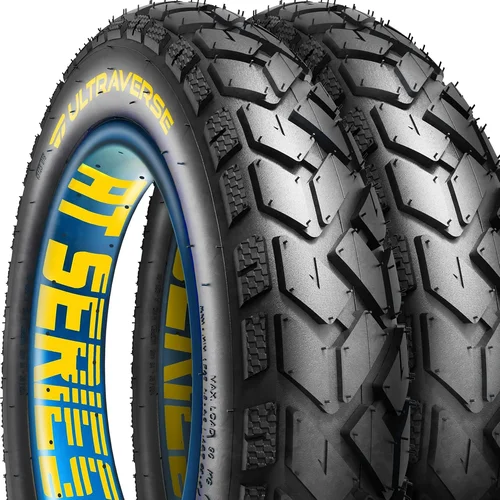
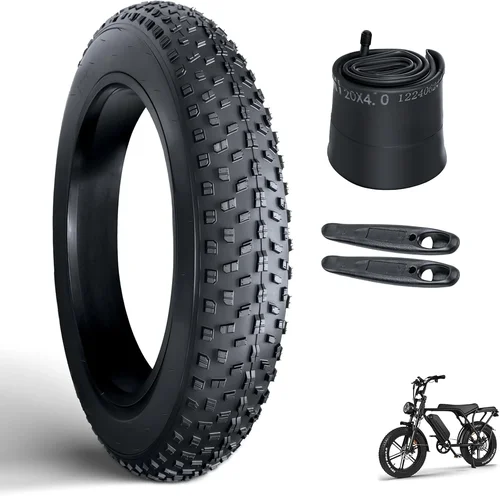
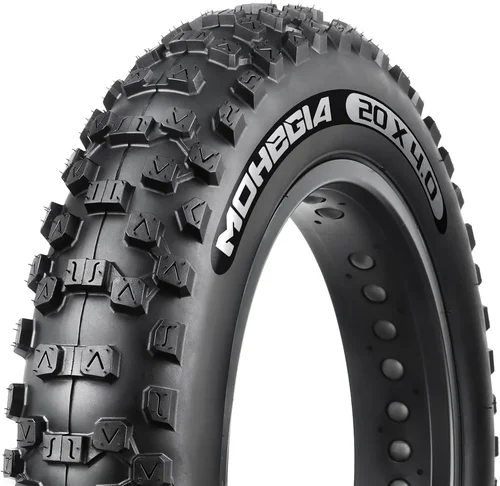
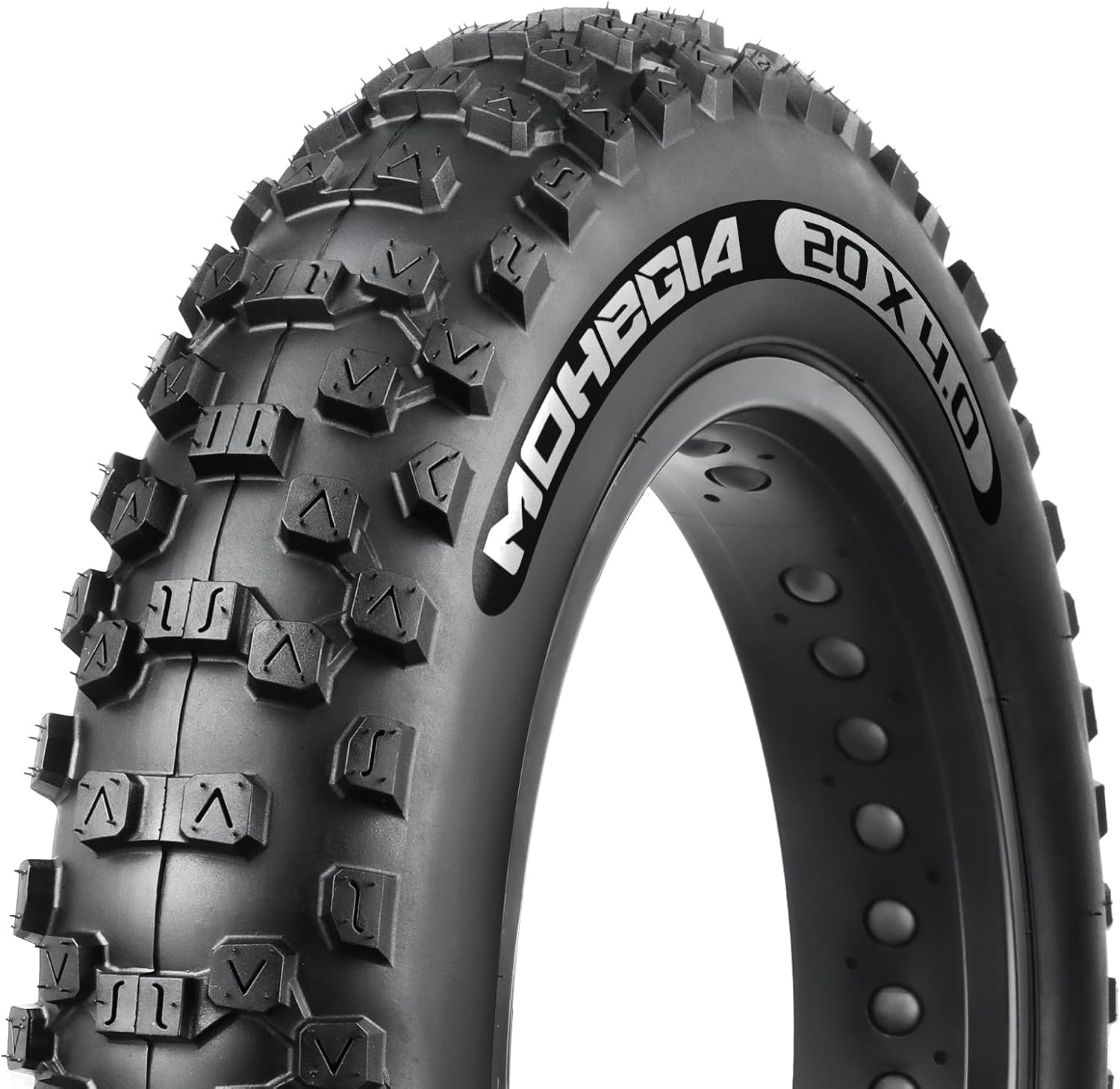
Fat tires typically range from 3.8 to 5 inches in width, with 4 inches being the sweet spot for most riders. Wider tires (4.5”+) provide maximum flotation on sand, snow, or mud but increase rolling resistance and weight. Narrower fat tires (3.8–4.0”) are more efficient on pavement and light trails. Tread pattern is equally important: aggressive knobby treads excel off-road but create noise and drag on pavement, while smoother center ribs with side knobs offer a balanced compromise. Some 2026 models feature dual-compound tires—softer rubber on the edges for grip, harder in the center for longevity.
Tire pressure also plays a crucial role. Fat tires allow for very low pressures (5–15 PSI), which increases traction and comfort but can cause pinch flats if too low. Many modern fat tire e-bikes come with tubeless-ready rims and tires, reducing puncture risk and enabling lower pressures safely. Consider whether the bike includes puncture-resistant liners or sealant compatibility. For mixed-use riders, look for versatile treads that handle both trail and street conditions without excessive wear or noise.
5. Suspension System
Suspension absorbs shocks from rough terrain, improving comfort and control. Most fat tire e-bikes feature front suspension forks with 80–120mm of travel. Air-sprung forks are lighter and more tunable but require maintenance; coil forks are simpler and more durable but heavier. Some premium models include rear suspension (full-suspension), which is excellent for technical trails but adds cost and complexity. For casual riders or urban use, a quality front fork is usually sufficient.
Pay attention to lockout features—many forks allow you to stiffen or disable suspension for efficient pedaling on smooth surfaces. Also check rebound damping, which controls how quickly the fork returns after compression. Poorly tuned rebound can make the bike feel bouncy or harsh. If you plan to ride aggressively or carry heavy loads, consider models with reinforced suspension components and adjustable preload.
6. Braking Performance
With added weight and speed, fat tire e-bikes demand reliable braking. Mechanical disc brakes are common on budget models but require frequent adjustment and lose power when wet or muddy. Hydraulic disc brakes, found on mid-range and premium bikes, offer superior modulation, consistent performance, and less hand fatigue. Look for 180–203mm rotors—larger rotors provide more stopping power, essential for heavy bikes or steep descents.
Some 2026 models now include regenerative braking (which recaptures energy during deceleration), though its real-world benefit is minimal on e-bikes. More importantly, ensure the brake levers are ergonomic and easy to reach, especially if you wear gloves. Test braking response during a demo ride—there should be no sponginess or delay. Also check for brake pad wear indicators and easy replacement access.
7. Display and Connectivity Features
The display is your interface with the bike’s systems. Basic LCD screens show speed, battery level, and assist mode, while color TFT displays offer navigation, ride stats, and smartphone integration. Look for backlit screens for night riding and intuitive button layouts. Many 2026 models support Bluetooth connectivity, allowing you to sync with apps for route planning, firmware updates, and theft tracking.
Some brands offer proprietary ecosystems—like Rad Power’s RadMobile app—that let you customize pedal assist levels, monitor battery health, and even lock the bike remotely. GPS tracking is becoming standard on premium models, providing peace of mind against theft. Consider whether the display is removable (for security) and weather-resistant (IP65 or higher). A good display enhances usability without complicating the experience.
8. Cargo Capacity and Accessories
Fat tire e-bikes are often used for utility—carrying groceries, camping gear, or even children. Check the rear rack weight limit (typically 25–50 lbs) and whether it’s compatible with panniers or baskets. Some models include integrated racks, fenders, and lights, while others require aftermarket additions. Front racks are less common but useful for balancing load.
Look for mounting points on the frame and fork for water bottles, cargo cages, or child seats. Integrated lighting (front and rear) is essential for safety and often powered by the main battery. USB charging ports are a nice bonus for powering devices on long rides. If you plan to tour or commute, prioritize models with generous accessory compatibility and modular design.
Different Types of Fat Tire E-Bikes

Common Buying Mistakes to Avoid
❌ Mistake: Focusing Only on Motor Wattage
Why it’s bad: Many buyers assume higher wattage equals better performance, but this ignores torque, efficiency, and real-world usability. A 1000W hub motor with low torque may struggle on hills compared to a 750W mid-drive with high torque. Overpowered motors can also drain batteries faster and reduce range.
What to do instead: Prioritize torque (aim for 70+ Nm) and motor type. Read independent reviews that test hill-climbing and acceleration, not just spec sheets.
❌ Mistake: Ignoring Real-World Range Claims
Why it’s bad: Manufacturers often quote range under ideal conditions (flat terrain, low assist, lightweight rider). Fat tire bikes consume 20–40% more energy than standard e-bikes, so advertised ranges can be wildly optimistic.
What to do instead: Divide the claimed range by 1.5 to estimate real-world distance. Choose a battery with at least 20–30% extra capacity beyond your daily needs.
❌ Mistake: Skipping the Test Ride
Why it’s bad: Fat tire e-bikes handle differently due to weight and tire width. What looks good on paper may feel sluggish, unstable, or uncomfortable in person.
What to do instead: Always test ride before buying. If purchasing online, choose retailers with generous return policies (30+ days) and local service support.
❌ Mistake: Overlooking Maintenance Requirements
Why it’s bad: Fat tire e-bikes have more complex drivetrains, suspension, and electrical systems. Neglecting maintenance leads to premature wear, safety issues, and costly repairs.
What to do instead: Learn basic upkeep (chain lubrication, brake adjustment, tire pressure) and factor in annual service costs ($100–$300). Choose brands with accessible parts and service networks.
❌ Mistake: Buying Based on Looks Alone
Why it’s bad: Flashy designs or retro styling don’t guarantee performance or durability. Some aesthetic-focused models cut corners on components.
What to do instead: Evaluate functionality first—motor, battery, brakes, and frame quality. Style should complement performance, not replace it.
❌ Mistake: Ignoring Local E-Bike Laws
Why it’s bad: Regulations vary by state and country. Class 3 e-bikes (28 mph top speed) may be restricted on certain trails or require helmets. Unlawful use can result in fines or confiscation.
What to do instead: Check local laws before purchasing. Ensure the bike complies with speed, power, and trail access rules in your area.
❌ Mistake: Choosing the Cheapest Option Without Research
Why it’s bad: Ultra-budget models often use low-quality batteries, weak motors, and fragile frames. They may lack warranties or customer support, leading to frustration and safety risks.
What to do instead: Set a realistic budget ($1,200 minimum for decent quality) and compare value, not just price. Invest in reliability—it pays off long-term.
Budget Guidelines: How Much Should You Spend?
Entry-Level ($800–$1,500): These bikes are best for casual riders or those new to e-bikes. Expect basic hub motors (500–750W), smaller batteries (480–672Wh), and minimal features. Build quality varies—some models are surprisingly capable, while others feel flimsy. Ideal for paved paths, light trails, and short commutes. Brands like Heybike and Ecotric offer decent entry points, but read reviews carefully.
Mid-Range ($1,500–$3,000): This is the sweet spot for most buyers. You’ll find reliable 750W motors, 672–960Wh batteries, hydraulic brakes, and better suspension. Models from Rad Power Bikes, Aventon, and Himiway dominate this tier, offering excellent value, strong customer support, and upgrade potential. Perfect for mixed-use riding, weekend adventures, and daily commuting.
Premium ($3,000–$5,000): Designed for enthusiasts and serious off-roaders. Features include mid-drive motors, full suspension, high-capacity dual batteries, and advanced displays. Brands like QuietKat, Riese & Müller, and Benno excel here. These bikes handle extreme terrain, long tours, and heavy loads with ease. Expect top-tier components and extensive warranties.
Luxury ($5,000+): The pinnacle of fat tire e-bike technology. Custom builds, carbon frames, regenerative braking, and AI-assisted ride modes are common. These are for collectors, professionals, or those who demand the absolute best. While impressive, the diminishing returns mean most riders won’t need this level of investment.
Expert Tips for Getting the Best Deal
1. Buy During Off-Season Sales: Retailers discount fat tire e-bikes in late fall and winter (October–February) to clear inventory. You can save 15–30% on last year’s models without sacrificing much performance.
2. Consider Certified Refurbished Models: Many brands offer refurbished e-bikes with full warranties at 20–40% off retail. These are thoroughly tested and often indistinguishable from new units.
3. Shop Direct from Manufacturers: Brands like Rad Power Bikes and Aventon sell direct-to-consumer, cutting out middlemen and passing savings to you. They also offer better customer service and customization.
4. Check for Bundled Deals: Some retailers include free accessories (rack, fenders, helmet) or extended warranties with purchase. Compare total value, not just bike price.
5. Leverage Local Incentives: Some cities and states offer rebates or tax credits for e-bike purchases (e.g., California’s Clean Vehicle Rebate Project). Research programs in your area—they can save hundreds.
6. Read Long-Term Reviews: YouTube channels and forums like Electric Bike Review provide real-world insights beyond marketing claims. Look for videos showing battery degradation after 6–12 months.
7. Negotiate with Local Dealers: Independent bike shops may price-match online retailers or throw in free tune-ups. Building a relationship can lead to better service and future discounts.
8. Prioritize Serviceability: Choose brands with local service centers or certified mechanics. A bike is only as good as the support behind it—especially for complex e-bike systems.
Frequently Asked Questions
Q: Are fat tire e-bikes good for city commuting?
A: Yes, but with caveats. Their wide tires absorb potholes and cracks, making rides smoother than standard e-bikes. However, they’re heavier and less efficient on pavement, reducing range. If your commute is short and includes rough roads, a fat tire e-bike can be ideal. For long, smooth commutes, consider a hybrid or commuter-specific e-bike.
Q: Can I ride a fat tire e-bike in the snow?
A: Absolutely. Fat tires provide excellent flotation on snow, especially when run at low pressure (5–10 PSI). Pair with studded tires for icy conditions. Mid-drive motors offer better traction than hub motors in slippery conditions.
Q: How long do fat tire e-bike batteries last?
A: Most lithium-ion batteries retain 80% capacity after 500–1,000 charge cycles, equating to 3–5 years of daily use. Proper care (avoiding full discharges, storing at 50% charge in winter) extends lifespan.
Q: Are fat tire e-bikes hard to pedal without power?
A: They’re heavier than regular bikes (50–80 lbs vs. 25–35 lbs), so pedaling unassisted requires more effort. However, most have efficient gearing and low-resistance modes that make it manageable for short distances.
Q: Do I need a special license or registration?
A: In most U.S. states, Class 1 and Class 3 e-bikes (pedal-assist only, under 20–28 mph) require no license or registration. Class 2 (throttle-operated) rules vary—check local laws.
Q: Can I upgrade components later?
A: Some components (tires, seats, racks) are easy to swap. Others (motor, battery, display) are integrated and difficult to upgrade. Choose a model with standard parts if you plan modifications.
Q: Are fat tire e-bikes safe for beginners?
A: Yes, with proper training. Their stability helps new riders feel confident, but the weight and power require practice. Start in low assist mode and avoid steep trails until comfortable.
Q: How do I store a fat tire e-bike in winter?
A: Store indoors in a dry place. Remove the battery and keep it at 40–60% charge. Inflate tires to prevent flat spots. Cover the bike to protect from dust.
Q: What’s the difference between Class 1, 2, and 3 e-bikes?
A: Class 1: pedal-assist only, max 20 mph. Class 2: throttle-assisted, max 20 mph. Class 3: pedal-assist only, max 28 mph. Class 3 bikes often require helmets and are restricted on some trails.
Q: Can I take a fat tire e-bike on public transit?
A: Policies vary. Most buses and trains allow e-bikes if they fit and aren’t too heavy. Folding models are easiest. Check with your local transit authority.
Our Final Recommendations
Best for Budget-Conscious Buyers: Himiway Cruiser ($1,799) – Offers a 750W motor, 840Wh battery, hydraulic brakes, and a comfortable ride. Great value with solid build quality and a 2-year warranty.
Best Overall Value: Rad Power Bikes RadRover 6 Plus ($1,999) – A proven performer with a 750W geared hub motor, 672Wh battery, integrated lights, and excellent customer support. Ideal for commuting and light off-road use.
Best Premium Option: QuietKat Ranger ($4,499) – Built for serious adventure with a 1000W mid-drive motor, 960Wh battery, full suspension, and military-grade durability. Perfect for hunting, camping, or extreme terrain.
Best for Beginners: Aventon Aventure.2 ($2,199) – User-friendly display, smooth ride, and reliable components. Includes a torque sensor for natural pedal feel and a step-through frame for easy mounting.
Best for Advanced Users: Riese & Müller Packster 70 ($6,999) – A luxury cargo fat tire e-bike with dual batteries, full suspension, and customizable storage. Designed for long-distance touring and heavy loads.
Conclusion: Making the Right Choice
Choosing the right fat tire e-bike in 2026 is about balancing performance, practicality, and personal needs. Whether you’re seeking a rugged commuter, a weekend trail explorer, or a cargo-hauling workhorse, the key is to prioritize what matters most to you—be it range, comfort, power, or price. Don’t let flashy specs or aggressive marketing sway your decision; instead, focus on real-world performance, build quality, and long-term support.
Remember, the best e-bike is the one you’ll actually ride. A slightly more expensive model with better ergonomics and reliability will bring more joy than a cheap bike that sits in the garage. Take your time, do your research, test ride when possible, and invest in a bike that matches your lifestyle. With the insights from this guide, you’re now equipped to navigate the market with confidence and find a fat tire e-bike that delivers years of adventure, convenience, and pure riding pleasure. Happy trails!