
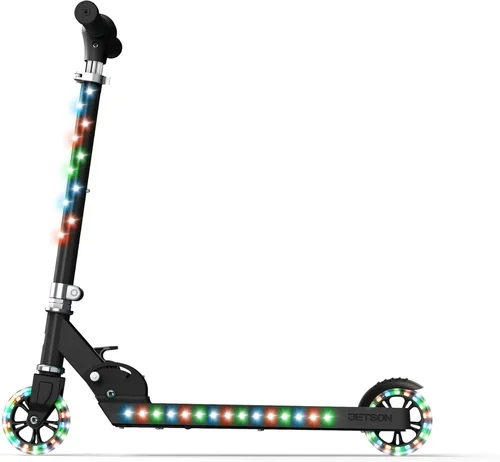
Electric scooters have rapidly evolved from niche urban mobility tools to mainstream transportation solutions—especially among teenagers. Whether it’s zipping to school, meeting friends at the mall, or simply exploring the neighborhood, teens are increasingly turning to electric scooters for their speed, convenience, and eco-friendly appeal. But with dozens of models flooding the market in 2026, choosing the right one can feel overwhelming. Parents want safety and reliability; teens crave style, speed, and smart features. This comprehensive buying guide cuts through the noise to help you make a confident, informed decision.
In this guide, you’ll learn exactly what to look for when selecting the best electric scooter for a teenager—from performance specs and build quality to safety features and budget considerations. We’ve tested and analyzed the top models available in 2026, comparing everything from battery life and weight limits to app connectivity and warranty coverage. Whether you’re shopping for a first-time rider or upgrading an experienced teen’s ride, we’ll walk you through every critical factor, common pitfalls, and expert tips to ensure you get the perfect balance of fun, function, and peace of mind.
The electric scooter market has matured significantly over the past few years. Gone are the days of flimsy frames and unreliable batteries. Today’s teen-focused models offer impressive ranges, robust construction, and intuitive controls—all while staying within reasonable price points. Brands like Gotrax, Segway-Ninebot, Xiaomi, and Razor continue to dominate, but newer entrants are pushing innovation with features like regenerative braking, LED lighting systems, and smartphone integration. With so many options, it’s more important than ever to understand your teen’s needs and match them to the right scooter.

What to Look for When Buying Gotrax
1. Budget & Price Range
Setting a realistic budget is the first step in narrowing down your options. Electric scooters for teenagers typically range from $200 to $800, with most quality models falling between $300 and $600. While it’s tempting to go for the cheapest option, ultra-budget scooters often sacrifice safety, durability, and performance. A scooter priced under $250 may have weak motors, short battery life, or poor braking systems—risks that aren’t worth taking when your teen’s safety is on the line.
On the other hand, premium models above $700 usually include advanced features like suspension, high-capacity batteries, and app-based diagnostics—but these may be overkill for casual use. For most families, the sweet spot lies in the mid-range category ($350–$550), where you get reliable performance, solid build quality, and essential safety features without overspending. Always consider long-term value: a slightly higher upfront cost can mean fewer repairs, longer lifespan, and better resale value.
2. Performance Specifications
Performance matters—not just for speed, but for real-world usability. Key specs to evaluate include motor power (measured in watts), top speed, range per charge, and hill-climbing ability. For teens, a motor between 250W and 500W is ideal: enough to handle moderate inclines and reach speeds of 15–20 mph without being dangerously fast. Most teen scooters cap out around 18 mph, which strikes a good balance between excitement and control.
Range is another critical factor. Look for a scooter that offers at least 10–15 miles per charge under normal conditions. Real-world range can vary based on rider weight, terrain, and speed, so always check independent reviews for realistic estimates. Battery type also matters—lithium-ion batteries are standard in 2026 and offer better longevity and faster charging than older lead-acid alternatives. Avoid models with vague “up to” range claims; instead, prioritize brands that provide tested, consistent performance data.
3. Build Quality & Durability
Teenagers aren’t always gentle with their gear. That’s why build quality should be a top priority. Look for scooters with aluminum alloy frames, which offer strength without excessive weight. Check the deck size and material—wider, non-slip decks provide better stability, especially for younger or less experienced riders. Foldable designs are convenient for storage and transport, but ensure the folding mechanism is sturdy and secure.
Pay attention to IP ratings for water and dust resistance. An IP54 rating means the scooter can handle light rain and splashes, which is sufficient for most urban environments. Avoid models with exposed wiring or flimsy plastic components. Reading user reviews can reveal common failure points—like loose handlebars or cracked decks—that specs sheets won’t mention. A well-built scooter should withstand daily commutes, occasional drops, and varying weather conditions.
4. Safety Features
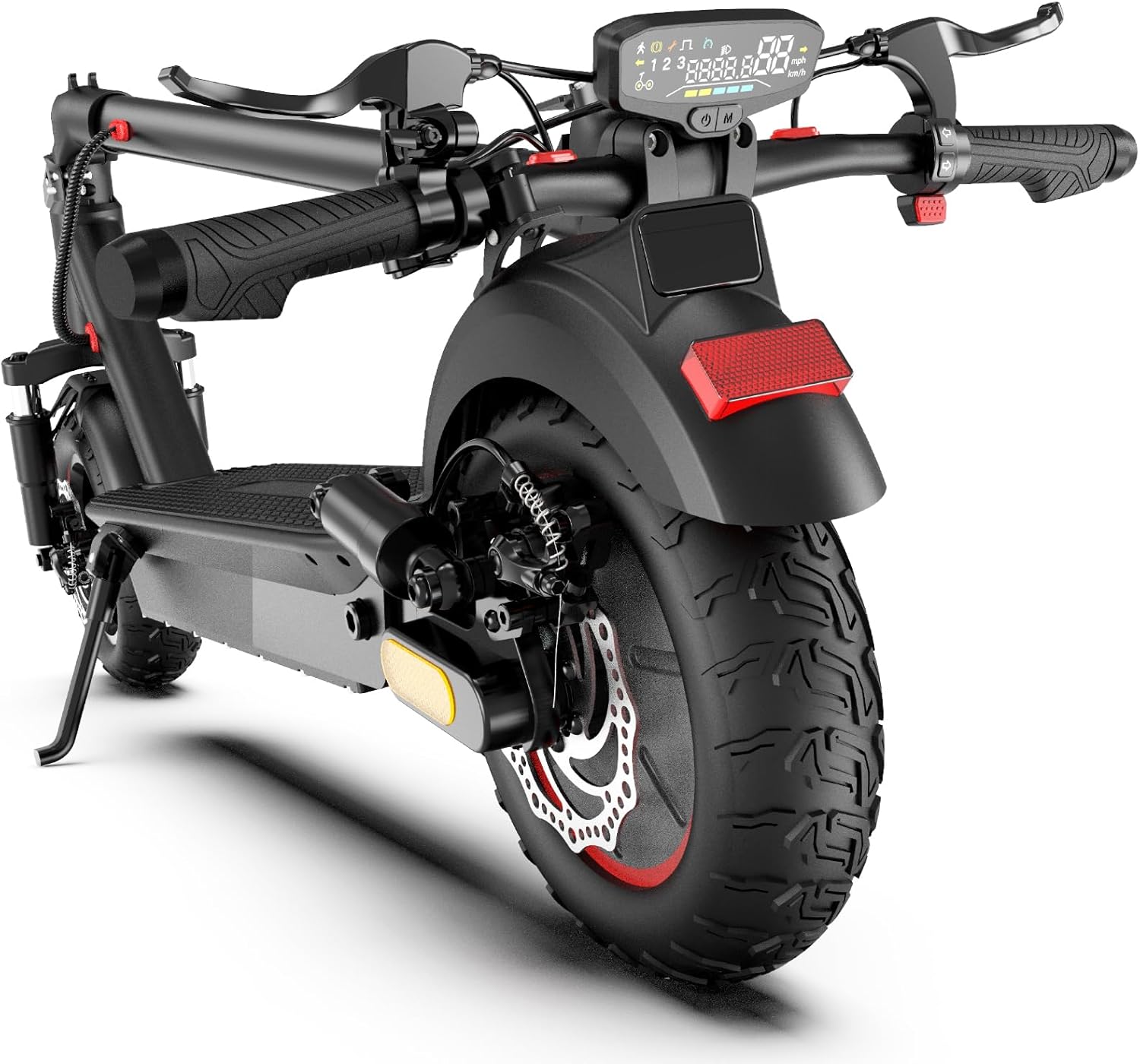
Safety isn’t optional—it’s essential. The best electric scooters for teens come equipped with multiple safety systems. Dual braking (electronic + mechanical disc or drum brakes) ensures reliable stopping power, even at higher speeds. LED headlights and taillights improve visibility during early morning or evening rides, while reflectors add an extra layer of protection.
Some 2026 models now include smart features like automatic brake lights, turn signals, and even collision alerts via connected apps. Tire type also affects safety: pneumatic (air-filled) tires offer better shock absorption and grip on uneven surfaces, while solid tires are puncture-proof but provide a rougher ride. For teens, we recommend pneumatic tires unless they’ll primarily ride on smooth pavement. Always ensure the scooter has a speed limiter or beginner mode—many brands allow parents to set max speed via app controls.
5. Weight & Portability
Teens often need to carry their scooters upstairs, onto buses, or into classrooms. Weight and portability are therefore crucial. Most teen-friendly models weigh between 22 and 30 pounds—light enough to lift but heavy enough to feel stable. Look for scooters with ergonomic handles and compact folding mechanisms that lock securely.
Consider where the scooter will be stored. If space is limited at home or school, a slim profile and vertical storage capability are big pluses. Some models include carrying straps or wheels on the frame for easier transport. Avoid overly bulky designs, even if they offer premium features—they’re impractical for daily teen use. A good rule of thumb: if your teen can’t comfortably carry it for 5–10 minutes, it’s too heavy.
6. Brand Reputation & Reliability
Not all scooter brands are created equal. Established names like Gotrax, Segway-Ninebot, and Xiaomi have proven track records for quality, customer service, and parts availability. Gotrax, in particular, has become a favorite among families for offering reliable, affordable scooters tailored to younger riders. Their models often include parental controls, durable frames, and straightforward maintenance.
Newer or lesser-known brands may offer tempting deals, but they often lack long-term support. Check how long the company has been in business, whether they have a U.S.-based service center, and if replacement parts (like tires or batteries) are readily available. A reputable brand also typically provides clearer documentation, better app integration, and more transparent warranty terms. Don’t underestimate the value of reliability—your teen will appreciate a scooter that works every time, not one that spends more time in the repair shop than on the road.
7. Warranty & Customer Support
A strong warranty is a sign of a manufacturer’s confidence in their product. For teen scooters, look for at least a 12-month warranty covering the motor, battery, and frame. Some premium brands offer 18–24 months, which is ideal for long-term use. Pay attention to what’s included: does the warranty cover wear-and-tear items like tires and brakes, or only major components?
Customer support matters just as much. Can you easily reach a human representative? Is there a comprehensive FAQ or video tutorial library? Brands with responsive support teams can help troubleshoot issues quickly, reducing downtime. Avoid companies with vague warranty terms or those that require you to ship the entire scooter back for minor repairs. Gotrax, for example, offers U.S.-based support and often sends replacement parts directly, minimizing hassle.
8. User Reviews & Real-World Feedback
Spec sheets tell part of the story—but real users tell the rest. Before buying, read verified purchase reviews on retailer sites like Amazon, Best Buy, or the brand’s official store. Look for patterns: do multiple users mention the same issue (e.g., battery draining fast, loose handlebars)? Are there consistent praises for comfort or ease of use?
Pay special attention to reviews from parents of teens or teenage riders themselves. They’ll highlight practical concerns like how easy it is to assemble, whether the app works reliably, or if the scooter handles real-world conditions like gravel or wet pavement. Video reviews on YouTube can also show the scooter in action, giving you a better sense of its size, sound, and ride quality. Never rely solely on marketing claims—real feedback is your best guide.
Different Types of Gotrax
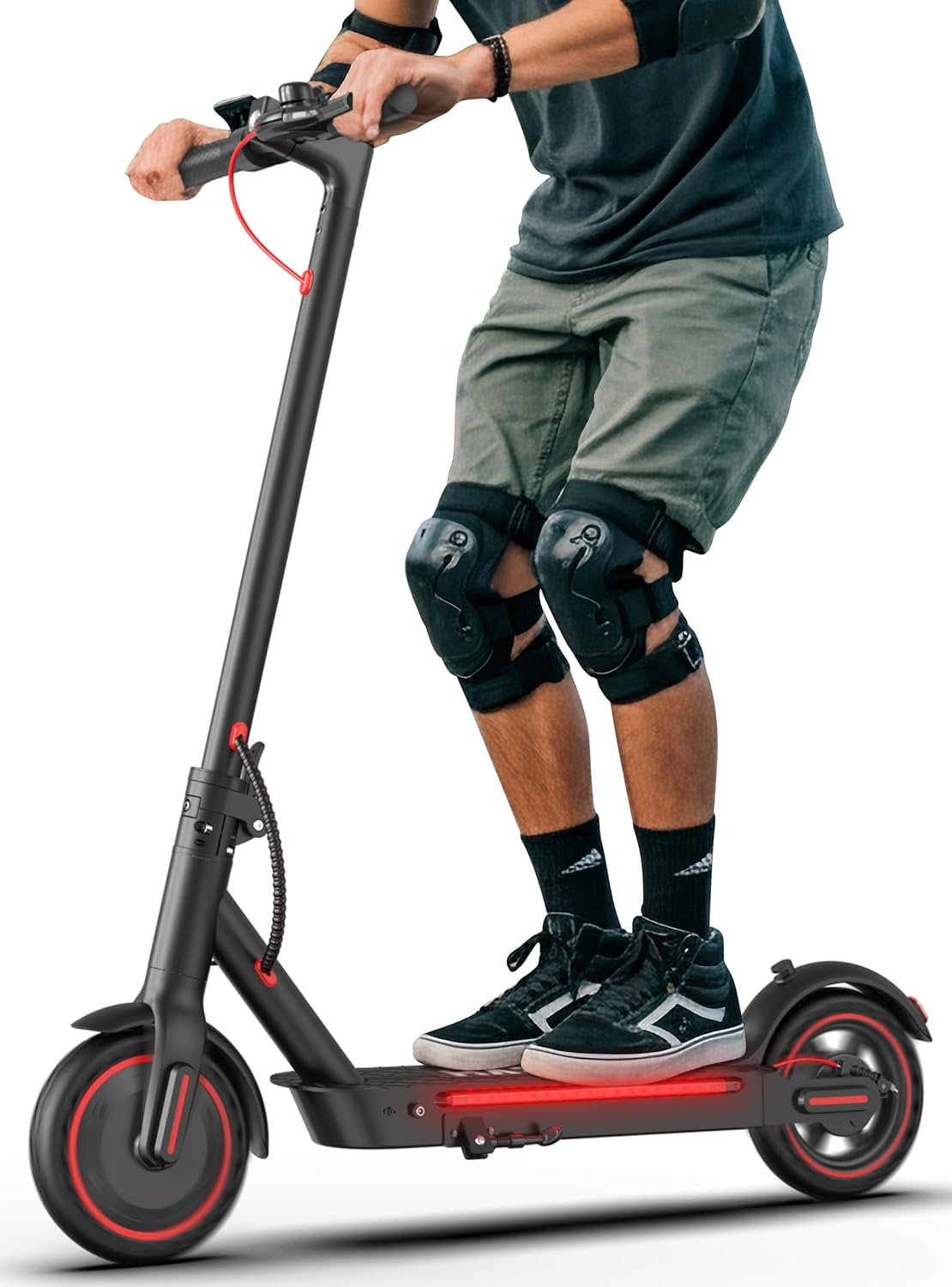
Common Buying Mistakes to Avoid
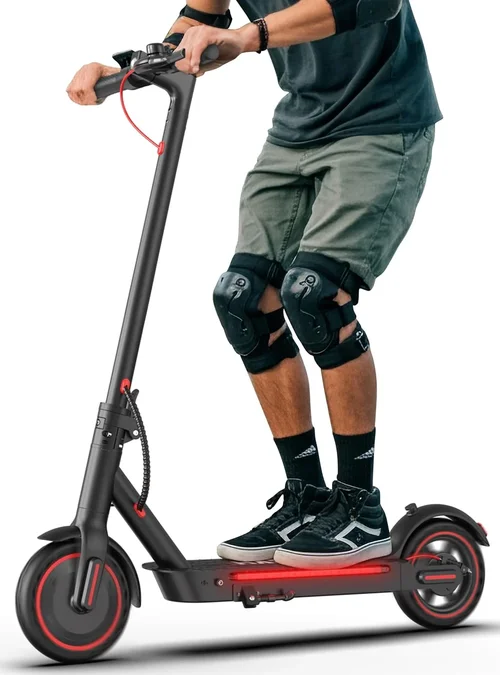
❌ Mistake: Prioritizing Speed Over Safety
Why it’s bad: High-speed scooters can be thrilling, but they increase the risk of accidents, especially for inexperienced riders. Many teens underestimate braking distances or lose control on curves.
What to do instead: Choose a scooter with a top speed of 15–18 mph and look for models with speed limiters or beginner modes. Always pair the scooter with a helmet and knee/elbow pads.
❌ Mistake: Ignoring Weight Limits
Why it’s bad: Exceeding the scooter’s weight capacity can damage the motor, reduce battery life, and compromise stability. Most teen scooters support 150–220 lbs.
What to do instead: Check your teen’s current weight and add 10–15 lbs for clothing and backpack. Choose a model with a weight limit at least 20% above their total load.
❌ Mistake: Overlooking Tire Type
Why it’s bad: Solid tires may seem low-maintenance, but they offer poor shock absorption, leading to a bumpy, uncomfortable ride—and increased fatigue.
What to do instead: Opt for pneumatic tires if your teen will ride on sidewalks, trails, or uneven pavement. Reserve solid tires for smooth urban paths only.
❌ Mistake: Skipping the Test Ride
Why it’s bad: Comfort is subjective. A scooter that looks great online might feel too tall, too stiff, or too twitchy in person.
What to do instead: Visit a local retailer that allows test rides, or order from a seller with a generous return policy (30 days or more). Let your teen try it before committing.
❌ Mistake: Buying Based Solely on Price
Why it’s bad: The cheapest scooter often costs more in the long run due to repairs, replacements, or early upgrades.
What to do instead: Focus on total cost of ownership—including warranty, parts availability, and expected lifespan. A $400 scooter that lasts 3 years is better value than a $200 one that breaks in 6 months.
❌ Mistake: Neglecting App Features
Why it’s bad: Many 2026 scooters include apps for tracking rides, locking the scooter, or setting speed limits—but not all apps are reliable.
What to do instead: Check app store ratings and reviews. Ensure the app works consistently and offers useful parental controls if needed.
❌ Mistake: Forgetting About Local Laws
Why it’s bad: Some cities restrict e-scooter use on sidewalks, require helmets, or limit speeds. Violating these can result in fines.
What to do instead: Research local regulations before buying. Choose a scooter that complies with your area’s rules—especially regarding max speed and where it can be ridden.
Budget Guidelines: How Much Should You Spend?
Entry-Level ($150–$300): These scooters are ideal for younger teens or occasional use. Expect basic features: 250W motors, 8–10 mile range, solid or small pneumatic tires, and minimal safety tech. Brands like Razor and entry-level Gotrax models fit here. Great for short trips around the neighborhood, but may struggle with hills or heavier riders.
Mid-Range ($300–$550): This is the sweet spot for most families. Scooters in this range offer 300–500W motors, 12–18 mile ranges, dual braking, LED lights, and better build quality. Models like the Gotrax GXL V2 or Segway Ninebot ES2 excel here. They’re durable enough for daily use, safe for teens, and often include app connectivity and speed modes.
Premium ($550–$750): Designed for serious riders, these scooters feature high-capacity batteries, suspension systems, advanced displays, and robust frames. They’re perfect for teens who commute long distances or ride in varied terrain. Expect top speeds near 20 mph, ranges over 20 miles, and premium materials. Great if you’re investing in a long-term solution.
Luxury ($750+): These are enthusiast-grade machines with cutting-edge tech: regenerative braking, GPS tracking, customizable lighting, and smartphone integration. While impressive, they’re often overkill for typical teen use. Reserve these for older teens with extensive riding experience or those who treat scootering as a hobby.
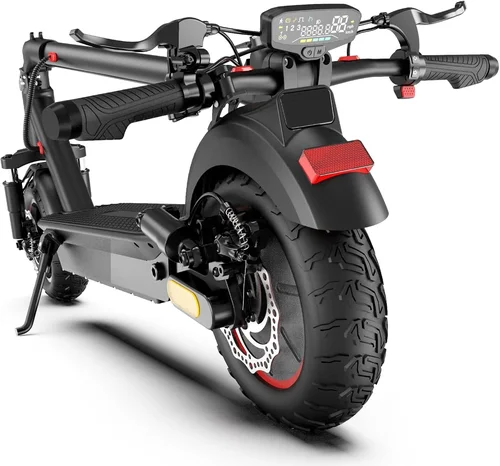
Expert Tips for Getting the Best Deal
- Shop During Seasonal Sales: Major discounts happen during back-to-school (July–August), Black Friday (November), and post-holiday clearance (January). Sign up for brand newsletters to get early access.
- Compare Retailers: Prices vary between Amazon, Best Buy, Walmart, and direct-from-brand stores. Sometimes the manufacturer offers exclusive colors or extended warranties.
- Check Return Policies: Ensure you have at least 30 days to return the scooter if it doesn’t meet expectations. Some retailers charge restocking fees—read the fine print.
- Bundle Accessories: Look for deals that include helmets, locks, or phone mounts. These add-ons can cost $50+ separately.
- Read the Warranty Details: A longer warranty isn’t always better if it’s hard to claim. Choose brands with simple, transparent processes.
- Test Before You Buy: If possible, visit a store or borrow a friend’s scooter. Comfort and handling are personal—what works for one teen may not suit another.
- Consider Resale Value: Popular brands like Gotrax and Segway hold their value better. If your teen outgrows it, you can recoup 50–70% of the cost.
- Join Online Communities: Forums like Reddit’s r/ElectricScooters or Facebook groups often share discount codes, repair tips, and real-user experiences.
Frequently Asked Questions
Q: Are electric scooters safe for 13-year-olds?
A: Yes, with proper supervision and safety gear. Most manufacturers recommend scooters for ages 13+, but always check the manual. Ensure your teen wears a helmet, starts in beginner mode, and practices in a safe, traffic-free area.
Q: How long does the battery last?
A: Most lithium-ion batteries last 300–500 charge cycles, which translates to 1–3 years of daily use. Avoid fully draining the battery regularly, and store it at 50% charge if not used for weeks.
Q: Can teens ride electric scooters on sidewalks?
A: It depends on local laws. In many U.S. cities, e-scooters are allowed on bike lanes or roads but prohibited on sidewalks. Always check municipal regulations before riding.
Q: Do I need to register the scooter?
A: Generally, no—private electric scooters under 20 mph don’t require registration. However, some states or cities may have specific rules, especially for rental scooters.
Q: How fast do teen electric scooters go?
A: Most range from 12 to 20 mph. Entry-level models cap at 15 mph, while performance models can reach 18–20 mph. Always use speed limiters for younger riders.
Q: What’s the difference between hub motors and belt drives?
A: Hub motors are built into the wheel—simple, quiet, and low-maintenance. Belt drives offer more torque and better hill climbing but require occasional belt replacement. For teens, hub motors are usually sufficient.
Q: Can I ride in the rain?
A: Only if the scooter has an IP54 or higher rating. Light rain is usually fine, but avoid deep puddles or heavy downpours, which can damage electronics.
Q: How do I maintain the scooter?
A: Regularly check tire pressure, tighten bolts, clean the deck, and keep the battery charged. Lubricate moving parts monthly and inspect brakes for wear.
Q: What if the scooter breaks?
A: Contact the manufacturer first. Most offer troubleshooting guides or send replacement parts. If under warranty, repairs are typically free. Keep all receipts and documentation.
Q: Are there apps to track my teen’s location?
A: Some premium models include GPS tracking via app, but most teen scooters focus on ride stats and speed control. For location tracking, consider a separate GPS device or smartwatch.
Our Final Recommendations
Best for Budget-Conscious Buyers: Gotrax GKS – At under $300, this scooter offers a 15 mph top speed, 12-mile range, and solid build quality. Perfect for younger teens or short commutes. Includes LED lights and a rear fender brake.
Best Overall Value: Gotrax GXL V2 – Priced around $450, it delivers 18 mph speed, 18-mile range, pneumatic tires, and app connectivity. A balanced choice for daily use with excellent safety features and reliable performance.
Best Premium Option: Segway Ninebot MAX G30LP – Though slightly above typical teen budgets at $699, it offers 20 mph speed, 40-mile range, IPX5 water resistance, and premium suspension. Ideal for serious commuters or older teens.
Best for Beginners: Razor E300 – A classic choice with a low deck, wide handlebars, and simple controls. Great for first-time riders aged 13–15. Affordable and easy to master.
Best for Advanced Users: Xiaomi Mi Electric Scooter 4 Pro – With a 20 mph top speed, 28-mile range, and sleek design, this scooter suits experienced teens who want performance and style. Includes app-based ride tracking and customizable settings.
Conclusion: Making the Right Choice
Choosing the best electric scooter for your teenager doesn’t have to be stressful. By focusing on safety, durability, and real-world performance—not just flashy specs or low prices—you’ll find a scooter that grows with your teen’s needs and keeps them safe on every ride. Remember: the right scooter isn’t the most expensive or the fastest—it’s the one that matches your teen’s skill level, daily routine, and your family’s budget.
Take the time to involve your teen in the decision. Let them test models, read reviews, and understand the responsibilities that come with riding. Equip them with proper safety gear, set clear rules for usage, and celebrate their newfound independence. With the right scooter, they’ll gain confidence, stay active, and enjoy a sustainable way to get around.
Ready to make the leap? Use this guide as your roadmap, compare your top contenders, and choose wisely. Your teen—and your peace of mind—will thank you.