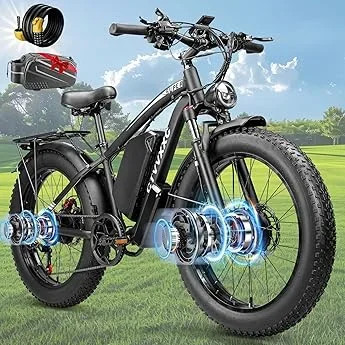
Electric bikes, or e-bikes, have surged in popularity over the past few years—and for good reason. They offer a fun, eco-friendly, and efficient way to get around, especially for teens who are eager for independence but may not yet be ready (or legally allowed) to drive. For a 13-year-old, an e-bike can be more than just a toy—it’s a gateway to exploration, physical activity, and responsibility. Whether it’s commuting to school, riding with friends, or simply enjoying weekend adventures, the right e-bike can make a big difference in a teen’s daily life.
But with so many models flooding the market, choosing the best e-bike for a 13-year-old isn’t as simple as picking the shiniest one on the shelf. Parents and teens alike need to consider safety, performance, durability, and age-appropriate features. This guide is designed to cut through the noise and help you make an informed decision. We’ll walk you through everything you need to know—from understanding key specs like motor power and battery life, to avoiding common pitfalls and finding the best value for your budget. By the end, you’ll have a clear roadmap to choosing an e-bike that’s safe, reliable, and perfect for a growing teen.
The e-bike market has evolved rapidly, with manufacturers now designing models specifically for younger riders. Brands like Gotrax, Razor, Swagtron, and Segway have introduced youth-focused e-bikes that balance fun and function. These aren’t just scaled-down versions of adult bikes—they’re engineered with smaller frames, lower top speeds, and enhanced safety features tailored to teens. As we move into 2026, the options continue to expand, offering better technology, longer battery life, and smarter designs. Whether you’re shopping for a first-time rider or upgrading from a basic model, this guide will help you navigate the choices with confidence.
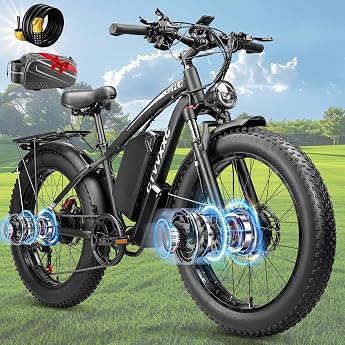
What to Look for When Buying Gotrax
1. Safety Features and Speed Limits
Safety should always be the top priority when selecting an e-bike for a 13-year-old. At this age, teens are still developing judgment and coordination, so it’s crucial to choose a bike with built-in safety mechanisms. Look for models with speed limiters—most youth e-bikes cap out at 15–20 mph, which is ideal for beginners. Some bikes even offer adjustable speed settings, allowing parents to restrict top speed as the rider gains experience.
Additionally, check for essential safety components like front and rear LED lights, reflectors, and audible alerts (like a horn or bell). Disc brakes or reliable V-brakes are a must for quick, controlled stops. Tires should be puncture-resistant and provide good traction, especially if your teen will be riding on gravel, dirt paths, or wet pavement. Helmets are non-negotiable, and many e-bike brands now partner with helmet manufacturers to offer bundled safety kits.
2. Motor Power and Performance
The motor is the heart of any e-bike, and for a teen rider, it needs to deliver enough power to handle hills and longer rides without being overwhelming. Most e-bikes for 13-year-olds come with motors ranging from 250W to 500W. A 250W motor is sufficient for flat terrain and light inclines, while a 350W or 500W motor offers better performance on steeper hills and when carrying a backpack or gear.
However, higher wattage doesn’t always mean better. A 500W motor may drain the battery faster and could be overkill for casual riding. Look for a motor with smooth acceleration and responsive throttle or pedal-assist modes. Pedal-assist (PAS) systems are especially beneficial for teens because they encourage physical activity while still providing electric support when needed. Some models offer multiple PAS levels (e.g., Eco, Normal, Sport), giving riders more control over their effort and battery usage.
3. Battery Life and Charging Time
Battery range is one of the most important factors for teens who want to ride to school, visit friends, or explore the neighborhood. Most youth e-bikes offer a range of 15 to 30 miles on a single charge, depending on terrain, rider weight, and usage mode. For a 13-year-old, a 20–25 mile range is typically sufficient for daily use.
Look for lithium-ion batteries, which are lightweight, long-lasting, and recharge quickly. Charging time usually ranges from 3 to 6 hours. Some models come with removable batteries, making it easy to charge indoors without bringing the entire bike inside. This is especially useful for families with limited garage or storage space.
4. Frame Size and Adjustability
A properly sized bike is essential for comfort, control, and safety. At 13, teens are often in a growth spurt, so choosing an e-bike with an adjustable seat post and handlebars is a smart move. Most youth e-bikes are designed for riders between 4’8″ and 5’6″, but it’s important to check the manufacturer’s height and weight recommendations.
Look for a step-through frame design, which makes it easier for teens to mount and dismount—especially if they’re wearing school clothes or carrying a backpack. The frame material also matters: aluminum is lightweight and rust-resistant, making it ideal for younger riders who may not be as careful with maintenance.
5. Weight and Portability
E-bikes are inherently heavier than traditional bikes due to the motor and battery, but for a teen, excess weight can make handling difficult—especially when starting, stopping, or lifting the bike. Most youth e-bikes weigh between 40 and 60 pounds. While this may seem heavy, it’s manageable for most teens with a little practice.
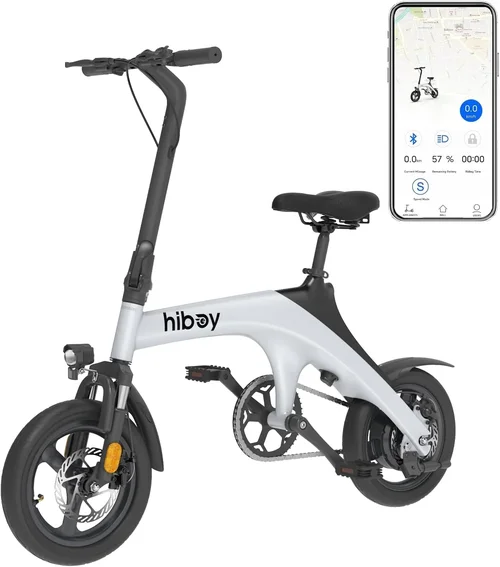
If your teen needs to carry the bike upstairs, store it in a closet, or load it into a car, consider models with foldable frames. Foldable e-bikes are more compact and easier to transport, though they may sacrifice some stability or battery capacity. Always test the weight and balance before purchasing.
6. Build Quality and Durability
Teens can be tough on gear, so durability is key. Look for e-bikes with reinforced frames, quality welds, and weather-resistant components. Check the IP rating (Ingress Protection) for water and dust resistance—IPX4 or higher means the bike can handle light rain and splashes, which is important for year-round riding.
Tires should be sturdy and suitable for the intended terrain. Pneumatic (air-filled) tires offer a smoother ride, while solid tires are puncture-proof but less comfortable. Suspension systems—either front fork or full suspension—can improve ride quality on bumpy paths, but they add weight and cost.
7. Features and Functionality
Modern e-bikes come packed with features that enhance the riding experience. For teens, useful add-ons include:
– LCD display showing speed, battery level, and distance
– USB charging port for phones or devices
– Smartphone app integration for ride tracking and anti-theft alerts
– Built-in storage compartments or rear racks for backpacks
While these features are nice to have, avoid overpaying for unnecessary tech. Focus on core functionality first—safety, performance, and comfort—then consider extras based on your teen’s needs.
8. Brand Reputation and Customer Support
Not all e-bike brands are created equal. Established brands like Gotrax, Razor, and Segway have a track record of reliability and customer service. Research online reviews, check warranty terms, and see how responsive the company is to issues like battery failures or part replacements.
A good warranty is a sign of confidence in the product. Most reputable brands offer at least a 1-year warranty on the frame and motor, with 6–12 months on the battery. Some even provide extended warranties or free maintenance for the first year.
Different Types of Gotrax

Common Buying Mistakes to Avoid
❌ Mistake: Prioritizing Speed Over Safety
Why it’s bad: High-speed e-bikes may seem exciting, but they can be dangerous for inexperienced riders. A 13-year-old may not have the reflexes or judgment to handle sudden acceleration or emergency stops at high speeds.
What to do instead: Choose a bike with a top speed of 15–20 mph and look for models with speed limiters or parental controls. Emphasize safety gear and supervised riding until the teen gains confidence.
❌ Mistake: Ignoring Local Laws and Regulations
Why it’s bad: Many states classify e-bikes by speed and motor power, and some restrict their use by minors. Riding an illegal e-bike could result in fines or confiscation.
What to do instead: Research your state and city laws before buying. In most places, Class 1 and Class 2 e-bikes (pedal-assist or throttle up to 20 mph) are allowed for teens, but Class 3 (up to 28 mph) may require a license or be restricted to adults.
❌ Mistake: Buying an Adult-Sized Bike to “Grow Into”
Why it’s bad: A bike that’s too big can be difficult to control, increasing the risk of falls or accidents. It may also discourage the teen from riding due to discomfort.
What to do instead: Choose a youth-specific model with adjustable components. Even if your teen is tall, a properly sized frame ensures better handling and safety.
❌ Mistake: Overlooking Battery and Charging Needs
Why it’s bad: A dead battery means no ride. If the bike takes too long to charge or has a short range, it may not meet daily needs.
What to do instead: Opt for a bike with at least a 20-mile range and a removable battery. Ensure there’s a convenient charging spot at home—near an outlet, away from flammable materials.
❌ Mistake: Skipping the Test Ride
Why it’s bad: Comfort and fit are subjective. What looks good online may feel awkward in person.
What to do instead: Visit a local bike shop or retailer that offers test rides. Let your teen try different models to find the best fit in terms of seat height, handlebar position, and overall feel.
❌ Mistake: Choosing Based on Price Alone
Why it’s bad: The cheapest e-bike may cut corners on safety, build quality, or battery life, leading to frustration or the need for an early replacement.
What to do instead: Balance cost with features and durability. A mid-range bike ($500–$700) often offers the best value for a teen’s needs.
❌ Mistake: Neglecting Maintenance and Upkeep
Why it’s bad: E-bikes require regular care—tire pressure checks, brake adjustments, and battery maintenance. Ignoring this can lead to breakdowns or safety issues.
What to do instead: Teach your teen basic maintenance and schedule periodic check-ups. Some brands offer maintenance packages or online tutorials.
Budget Guidelines: How Much Should You Spend?
– Entry-Level ($300–$500): These bikes are ideal for casual riders or those on a tight budget. Expect basic features, shorter battery life (10–15 miles), and limited speed (15 mph). Models like the Gotrax GXL V2 or Razor Edge fall into this category. Great for short commutes or weekend fun, but may lack durability for daily use.
– Mid-Range ($500–$800): This is the sweet spot for most families. Bikes in this range offer better build quality, longer range (20–30 miles), and more reliable components. Look for models with removable batteries, multiple pedal-assist levels, and safety features like lights and disc brakes. The Gotrax Scorpion or Swagtron EB5 Pro are excellent examples.
– Premium ($800–$1,200): Designed for serious teen riders who want performance and longevity. These bikes often feature higher-wattage motors, advanced suspension, smartphone integration, and extended warranties. They’re suitable for longer rides, hilly terrain, or off-road adventures. The Segway Ninebot S or Juiced CrossCurrent Mini are top contenders.
– Luxury ($1,200+): These are high-end e-bikes with cutting-edge technology, premium materials, and professional-grade components. While overkill for most 13-year-olds, they may appeal to tech-savvy teens or those with specific performance needs. Expect features like GPS tracking, regenerative braking, and custom tuning options.
Expert Tips for Getting the Best Deal
– Shop During Off-Peak Seasons: E-bikes are in highest demand during spring and summer. Look for discounts in late fall or winter when retailers clear inventory. Black Friday and back-to-school sales (July–August) also offer great deals.
– Compare Online and In-Store Options: Online retailers often have lower prices and wider selections, but in-store purchases allow for test rides and immediate support. Some stores price-match online competitors—ask before buying.
– Check for Bundled Deals: Many brands offer starter kits that include helmets, locks, lights, and phone mounts. These bundles can save $50–$100 compared to buying items separately.
– Read Return and Warranty Policies Carefully: Ensure the bike can be returned within 30 days if it doesn’t fit or perform as expected. Look for at least a 1-year warranty on the motor and frame.
– Consider Refurbished or Open-Box Models: Certified refurbished e-bikes from reputable sellers often come with warranties and can cost 20–30% less than new ones. Just verify the battery health and condition.
– Join Brand Newsletters for Exclusive Offers: Companies like Gotrax and Razor frequently send promo codes and early access to sales for subscribers.
– Ask About Student or Family Discounts: Some retailers offer discounts for students, educators, or military families. It never hurts to ask.
– Test Ride Before Committing: If possible, visit a local dealer or attend an e-bike demo event. Let your teen ride different models to find the most comfortable and intuitive fit.

Frequently Asked Questions
Q: Are e-bikes safe for 13-year-olds?
A: Yes, when chosen and used responsibly. Look for models with speed limiters, quality brakes, and safety features like lights and reflectors. Always ensure your teen wears a helmet and follows traffic rules.
Q: Do teens need a license to ride an e-bike?
A: In most U.S. states, no license is required for Class 1 and Class 2 e-bikes (up to 20 mph). However, some states have age restrictions—check local laws. Class 3 e-bikes (up to 28 mph) often require a helmet and may be restricted to riders 16 or older.
Q: How fast do youth e-bikes go?
A: Most are limited to 15–20 mph. This is fast enough for fun and commuting but slow enough to maintain control and safety.
Q: Can a 13-year-old ride an e-bike to school?
A: It depends on local laws and school policies. Some schools allow it, while others prohibit motorized vehicles on campus. Always check with the school and ensure the route is safe.
Q: How long do e-bike batteries last?
A: With proper care, lithium-ion batteries last 3–5 years or 500–1,000 charge cycles. Avoid extreme temperatures and don’t leave the battery fully drained for long periods.
Q: Are e-bikes good exercise for teens?
A: Yes—especially models with pedal-assist. Riding an e-bike encourages physical activity while reducing strain on hills or long distances. It’s a great way to stay active without overexertion.
Q: What should I do if the e-bike breaks down?
A: Contact the manufacturer or retailer first. Most offer customer support and repair services. Keep the warranty information and purchase receipt handy.
Q: Can I upgrade parts on a youth e-bike?
A: Some components like seats, pedals, or lights can be upgraded. However, modifying the motor or battery may void the warranty and affect safety. Consult the manufacturer before making changes.
Q: Are e-bikes weatherproof?
A: Most are water-resistant (IPX4), meaning they can handle light rain. Avoid submerging the bike or riding in heavy downpours. Store indoors when not in use.
Q: How do I maintain an e-bike?
A: Regularly check tire pressure, clean the chain, inspect brakes, and charge the battery properly. Follow the manufacturer’s maintenance schedule and keep the bike clean and dry.
Our Final Recommendations
– Best for Budget-Conscious Buyers: Gotrax GXL V2 – At under $400, this commuter e-bike offers reliable performance, a 15-mile range, and a top speed of 15.5 mph. It’s lightweight, easy to handle, and perfect for short rides to school or around the neighborhood.
– Best Overall Value: Gotrax Scorpion – Priced around $600, the Scorpion features a 350W motor, 25-mile range, and removable battery. It includes front suspension, LED lights, and a sturdy frame—making it ideal for daily use and light off-road adventures.
– Best Premium Option: Segway Ninebot S – With a sleek design, app connectivity, and a 23-mile range, this model offers advanced features for tech-savvy teens. It’s slightly more expensive (around $900) but delivers excellent build quality and smart functionality.
– Best for Beginners: Razor Edge Electric Scooter Bike – While technically a scooter-bike hybrid, the Razor Edge is perfect for first-time riders. It’s easy to balance, has a low center of gravity, and maxes out at 15 mph—great for building confidence.
– Best for Advanced Users: Juiced CrossCurrent Mini – For teens who want more power and range, this compact e-bike offers a 500W motor, 40-mile range, and off-road capability. It’s on the higher end ($1,100+) but built for serious riders.
Conclusion: Making the Right Choice
Choosing the best e-bike for a 13-year-old is about more than just picking a cool-looking ride—it’s about finding a balance between safety, performance, and fun. As we’ve explored, the ideal e-bike should match your teen’s size, skill level, and intended use, while also fitting within your budget and lifestyle. From understanding motor power and battery life to avoiding common pitfalls and knowing where to shop, this guide has equipped you with the knowledge to make a confident decision.
Remember, the best e-bike is one that your teen will actually use. Involve them in the selection process, let them test ride different models, and prioritize features that matter most—whether that’s portability, range, or off-road capability. And don’t forget the importance of safety gear and ongoing maintenance. With the right bike, your teen can enjoy freedom, fitness, and adventure for years to come.
Now that you’re armed with expert insights and practical tips, it’s time to take the next step. Whether you’re shopping online or visiting a local dealer, keep this guide handy as your go-to resource. The perfect e-bike is out there—safe, reliable, and ready to roll.