
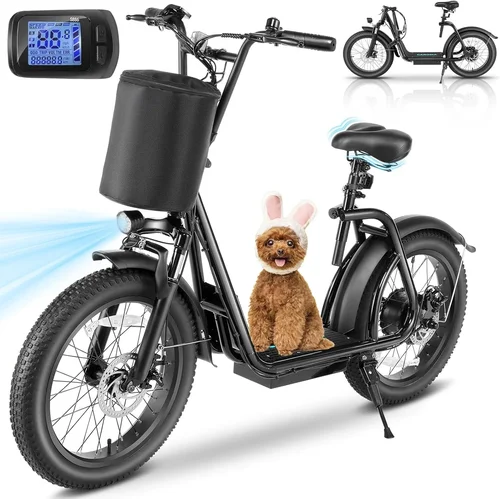
Mopeds have evolved far beyond their humble beginnings as simple, low-powered two-wheelers for short commutes. Today, they’re a smart, eco-friendly, and cost-effective transportation solution for adults navigating city streets, college campuses, or suburban neighborhoods. Whether you’re looking to cut down on gas expenses, reduce your carbon footprint, or simply enjoy the freedom of open-air travel, a modern moped can be an excellent investment. With advancements in electric powertrains, battery technology, and safety features, today’s mopeds offer impressive performance, reliability, and style—all without requiring a motorcycle license in many states.
This comprehensive buying guide is designed to help you make an informed decision when choosing the best moped for your lifestyle. We’ll walk you through everything from budget considerations and performance specs to build quality, safety features, and long-term value. Whether you’re a first-time buyer or upgrading from an older model, this guide will equip you with the knowledge to find a moped that fits your needs, preferences, and riding environment. By the end, you’ll know exactly what to look for, what to avoid, and how to get the best deal—so you can ride with confidence starting day one.
The moped market in 2026 is more diverse and competitive than ever. From sleek electric models with smartphone integration to classic gas-powered scooters with retro styling, there’s a wide range of options catering to different budgets, performance expectations, and aesthetic tastes. Major brands like Vespa, Honda, Yamaha, and emerging electric leaders such as NIU, Segway, and Super Soco are pushing the boundaries of what mopeds can do. At the same time, budget-friendly options from brands like Razor, Gotrax, and X-Treme are making personal mobility accessible to a broader audience. With so many choices, it’s easy to feel overwhelmed—but that’s where this guide comes in. We’ll break down the key factors, compare categories, and highlight common pitfalls so you can ride away with the perfect moped for your needs.

What to Look for When Buying a Moped
1. Budget & Price Range
Your budget is the foundation of your moped-buying journey. Mopeds vary dramatically in price, from under $500 for basic electric models to over $5,000 for premium gas-powered or high-performance electric scooters. Setting a realistic budget helps narrow your options and prevents overspending on features you don’t need. Consider not just the upfront cost, but also long-term expenses like maintenance, insurance, fuel or electricity, and potential repairs.
For most adult riders, a mid-range moped between $1,500 and $3,000 offers the best balance of performance, durability, and value. Entry-level models under $1,000 are great for short, occasional trips but may lack speed, range, or build quality. Premium models above $3,500 often include advanced features like GPS tracking, regenerative braking, and high-capacity batteries—ideal for daily commuters or tech enthusiasts.
2. Performance Specifications
Performance is where mopeds truly differentiate themselves. Key specs to evaluate include top speed, range (on a single charge or tank), motor power (in watts or horsepower), and acceleration. For city commuting, a top speed of 20–30 mph is usually sufficient, but if you plan to ride on highways or hilly terrain, look for models with higher power output.
Electric mopeds typically list motor power in watts (e.g., 500W, 1000W, 2000W). A 500W motor is fine for flat urban areas, but 1000W or higher is recommended for hills or heavier riders. Gas-powered mopeds often use engine displacement (cc), with 50cc being standard for mopeds (limited to 30 mph in most states). Some 150cc models blur the line between moped and scooter, offering faster speeds but requiring registration and a license.
Range is equally important. Electric models should offer at least 20–30 miles per charge for daily use, while gas mopeds can often exceed 100 miles per tank. Always check real-world range reviews—manufacturer claims can be optimistic.
3. Build Quality & Durability
A moped is a long-term investment, so build quality matters. Look for sturdy frames made from steel or high-grade aluminum, weather-resistant components, and reliable braking systems (disc brakes are superior to drum brakes). Check for rust-resistant coatings, sealed electronics (especially on electric models), and quality welds or joints.
Durability also extends to tires, suspension, and overall design. Pneumatic (air-filled) tires provide better shock absorption than solid rubber, especially on uneven roads. Front and rear suspension systems improve ride comfort and control, particularly on longer trips or rough surfaces.
Brand reputation often correlates with build quality. Established manufacturers like Honda, Vespa, and Yamaha have decades of engineering experience, while newer electric brands like NIU and Segway have earned trust through consistent performance and innovation.
4. Features & Functionality
Modern mopeds come packed with features that enhance convenience, safety, and usability. Key features to consider include:
– Digital displays: Show speed, battery level, trip distance, and more.
– LED lighting: Brighter, more energy-efficient, and longer-lasting than halogen bulbs.
– Smart connectivity: Bluetooth or app integration for GPS tracking, anti-theft alerts, and ride analytics.
– Storage options: Under-seat compartments, rear racks, or front baskets for carrying groceries, backpacks, or work items.
– Regenerative braking: Recovers energy during braking to extend battery life (common on electric models).
– USB charging ports: Keep your phone or devices powered on the go.
While features add value, avoid overpaying for gimmicks. Focus on what you’ll actually use. For example, if you don’t ride at night, ultra-bright LED lights may be unnecessary.
5. Brand Reputation & Reliability
Choosing a reputable brand increases your chances of getting a reliable, well-supported moped. Established manufacturers typically offer better customer service, wider dealer networks, and longer track records of performance. They’re also more likely to honor warranties and provide genuine replacement parts.
Research customer reviews, expert ratings, and recall history. Brands like Honda and Vespa are known for longevity and resale value, while electric leaders like NIU and Super Soco have built strong reputations for innovation and battery efficiency. Avoid unknown or no-name brands with limited support—especially for electric models, where battery and motor issues can be costly to fix.
6. Warranty & Support
A solid warranty is a sign of manufacturer confidence in their product. Most reputable moped brands offer at least a 1-year warranty, with some extending to 2 or even 3 years. Electric models often have separate warranties for the battery (typically 6–12 months) and the motor or frame.
Check what the warranty covers: Does it include parts, labor, and shipping? Are there exclusions for wear items like tires or brakes? Also, consider the availability of local service centers. If you live in a rural area, a brand with limited support could leave you stranded if something breaks.
7. Size & Portability
While most mopeds are designed for adult riders, size and weight can vary significantly. Consider your storage space, parking situation, and whether you’ll need to carry the moped upstairs or onto public transit.
Electric mopeds tend to be heavier due to battery weight—some exceed 100 pounds. If portability is a concern, look for models with foldable handlebars or lightweight frames. Gas mopeds are generally lighter but may require more maintenance.
Also consider seat height and ergonomics. A seat that’s too high or too low can cause discomfort on longer rides. Test ride when possible to ensure a comfortable fit.
8. User Reviews & Ratings
Never rely solely on manufacturer specs or marketing claims. Real-world user reviews provide invaluable insights into reliability, comfort, and real-world performance. Look for patterns in feedback: Are multiple users reporting battery degradation after six months? Do riders complain about poor suspension on bumpy roads?
Websites like Amazon, RevZilla, and specialized forums (e.g., Electric Scooter Insider, ScooterLab) are great resources. Pay attention to reviews from users with similar needs—commuters, students, or recreational riders—and note how the moped performs in different conditions (rain, hills, cold weather).
Different Types of Mopeds
Common Buying Mistakes to Avoid
❌ Mistake: Ignoring Local Laws and Regulations
Why it’s bad: Moped laws vary widely by state and country. In some places, electric mopeds under 20 mph don’t require registration or a license, while in others, even 50cc gas models do. Riding illegally can result in fines, impoundment, or insurance issues.
What to do instead: Check your local Department of Motor Vehicles (DMV) or transportation authority website. Know the speed limits, helmet requirements, and whether you need insurance or a license. Some cities also restrict where mopeds can be ridden (e.g., bike lanes vs. roads).
❌ Mistake: Overlooking Battery Life on Electric Models
Why it’s bad: Battery degradation is a real issue. A moped advertised with a 40-mile range might only deliver 25 miles after a year, especially if charged improperly or used in cold weather.
What to do instead: Look for models with lithium-ion batteries (not lead-acid), and check warranty coverage. Avoid fully draining the battery—keep it between 20% and 80% for longevity. Consider removable batteries if you need to charge indoors.
❌ Mistake: Choosing Based on Looks Alone
Why it’s bad: A stylish moped with poor performance or build quality will quickly become a disappointment. Prioritizing aesthetics over function leads to buyer’s remorse.
What to do instead: Balance style with substance. Use design as a tiebreaker, not the main criterion. Read reviews, compare specs, and prioritize reliability and comfort.
❌ Mistake: Skipping the Test Ride
Why it’s bad: You wouldn’t buy a car without a test drive—why do it with a moped? Comfort, handling, and ergonomics are hard to judge from specs alone.
What to do instead: Visit a local dealer or attend a demo event. If buying online, check the return policy. Some retailers offer 30-day trials or free returns.
❌ Mistake: Neglecting Safety Features
Why it’s bad: Mopeds are more vulnerable than cars. Without proper lighting, brakes, or visibility, you’re at higher risk in traffic.
What to do instead: Choose models with front and rear disc brakes, bright LED lights, reflective elements, and a horn. Always wear a helmet, even if not required by law.
❌ Mistake: Buying the Cheapest Option Without Research
Why it’s bad: Ultra-budget mopeds often use low-quality components, have poor customer support, and break down frequently. The savings aren’t worth the hassle.
What to do instead: Set a realistic budget and compare value, not just price. A $1,500 moped that lasts 5 years is a better deal than a $600 one that fails in 6 months.
❌ Mistake: Forgetting About Maintenance and Repairs
Why it’s bad: All mopeds require upkeep—tire changes, brake adjustments, chain lubrication (on gas models), or battery checks (on electric). Ignoring maintenance leads to breakdowns.
What to do instead: Learn basic maintenance or find a reliable mechanic. Choose brands with accessible parts and service networks.
Budget Guidelines: How Much Should You Spend?
– Entry-Level ($500 – $1,200): Ideal for short, occasional trips or students on a tight budget. Expect basic electric models with 15–25 mile range, 20–25 mph top speed, and minimal features. Brands like Gotrax, Razor, and X-Treme dominate this space. Build quality may be lower, and warranties are often limited.
– Mid-Range ($1,200 – $2,500): The sweet spot for most adult riders. These mopeds offer reliable performance, better build quality, and useful features like digital displays, LED lights, and improved suspension. Models from NIU, Segway, and Honda fit here. Great for daily commuting and weekend rides.
– Premium ($2,500 – $4,000): For enthusiasts and daily commuters who want top-tier performance and durability. Expect high-capacity batteries (40+ mile range), powerful motors (1000W+), smart connectivity, and premium materials. Brands like Super Soco, Vespa, and Yamaha offer excellent options in this range.
– Luxury ($4,000+): Top-tier models with cutting-edge technology, designer styling, and exceptional craftsmanship. Think limited-edition Vespa models or high-performance electric mopeds with GPS tracking, app control, and regenerative braking. These are for riders who value prestige and innovation.
Expert Tips for Getting the Best Deal
– Buy during off-peak seasons: Late fall and winter often bring discounts as dealers clear inventory. Spring and summer are peak buying times, so prices may be higher.
– Shop online and in-store: Compare prices across retailers like Amazon, RevZilla, Cycle Gear, and local dealers. Online stores often have better deals, but in-store purchases let you test ride and get immediate support.
– Look for bundle deals: Some retailers offer free helmets, locks, or maintenance kits with purchase. These add-ons can save you $100 or more.
– Check for manufacturer rebates: Brands occasionally run promotions, especially on new models. Sign up for newsletters to stay informed.
– Consider certified pre-owned: Gently used mopeds from reputable dealers can offer significant savings with warranty coverage.
– Read the fine print on warranties: Understand what’s covered, for how long, and what voids it (e.g., modifications, improper charging).
– Test multiple models: Don’t settle for the first one you try. Ride at least two or three to compare comfort and handling.
– Negotiate: Even online, some retailers may price-match or offer discounts. It never hurts to ask.

Frequently Asked Questions
Q: Do I need a license to ride a moped?
A: It depends on your location and the moped’s specs. In most U.S. states, gas mopeds under 50cc and electric models under 20 mph don’t require a motorcycle license, but you may need a standard driver’s license. Always check local laws.
Q: How far can a moped travel on a single charge or tank?
A: Electric mopeds typically range from 20 to 60 miles, depending on battery size, terrain, and rider weight. Gas mopeds can go 80 to 150 miles per tank. Real-world range is often 10–20% less than advertised.
Q: Are electric mopeds worth it?
A: Yes, especially for city commuting. They’re cheaper to operate, require less maintenance, and produce zero emissions. However, they need regular charging and may not suit long-distance travel.
Q: Can I ride a moped in the rain?
A: Most modern mopeds are weather-resistant, but avoid deep puddles or heavy downpours. Electric models should have sealed motors and batteries. Always dry your moped after wet rides to prevent rust.
Q: How fast do mopeds go?
A: Most mopeds are limited to 20–30 mph. High-performance models can reach 40–50 mph, but these may require registration and a license.
Q: What’s the difference between a moped and a scooter?
A: Traditionally, mopeds have smaller engines (50cc or less) and may have pedals. Scooters are larger, with engines up to 250cc, and no pedals. Today, the terms are often used interchangeably, especially for electric models.
Q: How long do moped batteries last?
A: Lithium-ion batteries typically last 2–4 years or 500–1,000 charge cycles. Proper care (avoiding full discharges, storing in moderate temperatures) can extend life.
Q: Can I carry a passenger on a moped?
A: Some models are designed for two riders, but most are single-seat. Check the manufacturer’s specifications and local laws—many states prohibit passengers on mopeds.
Q: Are mopeds safe?
A: They can be safe with proper precautions. Always wear a helmet, use turn signals, stay visible, and avoid high-speed roads. Choose models with good brakes and lighting.
Q: Where can I charge an electric moped?
A: Most can be charged at home using a standard outlet. Some have removable batteries for indoor charging. Public charging stations are rare, so plan your routes accordingly.
Our Final Recommendations
– Best for Budget-Conscious Buyers: Gotrax MXL V2 – At under $800, this electric moped offers 25-mile range, 20 mph top speed, and a lightweight frame. Great for students and short commutes.
– Best Overall Value: NIU NQi GT – Priced around $2,200, it delivers 60-mile range, smart app integration, and premium build quality. Ideal for daily urban commuting.
– Best Premium Option: Vespa Primavera 50 – A timeless design with reliable performance, excellent resale value, and Italian craftsmanship. Perfect for style and substance.
– Best for Beginners: Segway E22 – Easy to ride, foldable, and affordable at $1,200. Great for first-time riders and apartment dwellers.
– Best for Advanced Users: Super Soco CPX – A high-performance electric moped with 75-mile range, 45 mph top speed, and advanced features like GPS tracking and regenerative braking. Built for tech-savvy riders.
Conclusion: Making the Right Choice
Choosing the best moped for adults isn’t just about speed or style—it’s about finding a reliable, safe, and practical solution that fits your lifestyle, budget, and riding environment. Whether you’re commuting to work, running errands, or exploring your city, the right moped can save you time, money, and stress while reducing your environmental impact.
Throughout this guide, we’ve covered the essential factors: budget, performance, build quality, features, brand reputation, warranty, and user feedback. We’ve compared different types, highlighted common mistakes, and provided expert tips to help you get the best deal. Now, it’s time to prioritize your needs. Are you looking for affordability, performance, or prestige? Do you need long range, portability, or smart features?
Take your time, do your research, and don’t rush the decision. Test ride when possible, read real user reviews, and consider the total cost of ownership. And remember—your moped is more than just a vehicle. It’s freedom, convenience, and a step toward smarter, greener transportation.
Ready to ride? Start your journey today with confidence, knowing you’ve made an informed, expert-backed choice. The open road—or city street—awaits.