
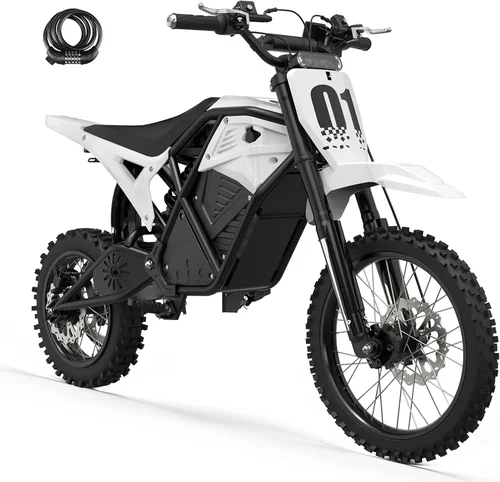
Electric dirt bikes have surged in popularity over the past few years, and for good reason. They offer a clean, quiet, and thrilling alternative to traditional gas-powered off-road machines—especially for younger riders, beginners, or those looking to explore trails without the noise and maintenance headaches. With advancements in battery technology, motor efficiency, and frame design, electric dirt bikes under $1000 have become surprisingly capable, delivering solid performance for casual trail riding, backyard fun, or even light motocross practice.
But with so many models flooding the market—from no-name brands on Amazon to established names like Razor, Segway, and Gotrax—it’s easy to feel overwhelmed. That’s where this guide comes in. Whether you’re buying your first electric dirt bike for your teen, upgrading from a scooter, or just curious about what’s available at an affordable price point, we’ve done the research so you don’t have to. In this comprehensive 2026 buying guide, you’ll learn exactly what to look for, how to avoid common pitfalls, and which models offer the best value under $1,000. We’ll break down performance specs, build quality, safety features, and real-world usability—all while keeping your budget firmly in mind.
The electric dirt bike market under $1,000 is more competitive than ever. Brands are pushing the envelope with higher-capacity batteries, better suspension systems, and improved motor controllers—all while keeping prices accessible. However, not all bikes are created equal. Some prioritize speed over durability, others sacrifice range for lower costs, and a few cut corners on safety features that matter most for off-road use. Our goal is to help you navigate these trade-offs intelligently, so you end up with a bike that’s fun, reliable, and safe—without breaking the bank.

What to Look for When Buying Gotrax
1. Budget & Price Range
Sticking to a sub-$1,000 budget doesn’t mean you have to settle for junk—but it does require smart shopping. Most quality electric dirt bikes in this range fall between $400 and $900. At the lower end ($400–$600), you’ll typically find entry-level models aimed at kids or casual riders, often with smaller motors (250W–500W), basic suspension, and shorter battery life. These are great for supervised use on flat terrain or gentle trails.
Mid-tier options ($600–$800) usually offer noticeable upgrades: more powerful motors (500W–750W), better battery capacity (often 36V instead of 24V), improved frame materials, and sometimes dual suspension. These bikes can handle rougher terrain and longer rides, making them ideal for teens or adults who want a bit more adventure.
At the top of the budget ($800–$1,000), you’ll find near-pro-level features like hydraulic disc brakes, adjustable suspension, higher top speeds (up to 20+ mph), and batteries that last 1.5–2 hours on a single charge. While still not race-ready, these models offer excellent value and longevity.
2. Performance Specifications
Performance is where many buyers get tripped up by marketing hype. Terms like “high torque” or “off-road ready” sound impressive, but what really matters are measurable specs: motor power, battery voltage/capacity, top speed, and range.
Motor Power: Measured in watts (W), this determines how much force the bike can generate. For under $1,000, expect 250W to 750W motors. A 500W motor is sufficient for hills and light trails; 750W gives you noticeably better acceleration and climbing ability. Avoid anything below 350W if you plan to ride on uneven ground.
Battery: Look for lithium-ion (Li-ion) batteries—they’re lighter, last longer, and charge faster than lead-acid. Voltage (V) affects power delivery: 24V is basic, 36V is standard for mid-range bikes, and some premium sub-$1k models now offer 48V. Amp-hour (Ah) rating tells you capacity—higher Ah means longer ride time. Aim for at least 10Ah on a 36V system for 1+ hours of runtime.
Top Speed & Range: Most bikes under $1,000 cap out between 12–20 mph. While speed is fun, range is often more important for trail riding. Real-world range varies based on rider weight, terrain, and speed, but a good rule of thumb: a 36V/10Ah battery should give you 10–15 miles on mixed terrain.
Throttle Type: Twist-grip throttles offer smoother control than thumb throttles, especially for beginners. Some bikes also include pedal-assist modes, though these are rare in true dirt bikes.
3. Build Quality & Durability
A cheap frame or flimsy welds can turn your dream ride into a garage ornament after just a few falls. Since electric dirt bikes are subjected to bumps, jumps, and rough handling, construction matters—even at lower price points.
Look for frames made from high-tensile steel or aluminum alloy. Steel is stronger and absorbs shock better but adds weight; aluminum is lighter but can crack under extreme stress. Check customer photos and reviews for signs of bending, cracking, or loose components after moderate use.
Suspension is another critical durability factor. Front suspension (forks) is standard, but rear suspension significantly improves ride comfort and control on rough trails. Coil-over shocks are preferable to basic spring units. Even if you’re not doing big jumps, good suspension reduces fatigue and increases safety.
Tires should be knobby and at least 2.125 inches wide for traction. Avoid slick or street-oriented tires—they’ll slip on dirt, mud, or gravel. Also, check wheel size: 12–14 inches are typical for youth models; 16–20 inches suit teens and adults.
Finally, inspect the wiring and connectors. Exposed or poorly routed wires are a red flag—they can short out or get snagged during falls. Water resistance isn’t usually rated (IPX), but sealed battery compartments and covered electronics are a good sign.
4. Features & Functionality
Beyond core performance, modern electric dirt bikes pack useful features that enhance safety, convenience, and usability—especially important when you’re working within a tight budget.
Brake System: Mechanical disc brakes are common and adequate for lighter riders. However, hydraulic disc brakes (found on pricier sub-$1k models) offer superior stopping power with less hand effort—critical when descending hills or reacting quickly. Avoid bikes with only rim or coaster brakes.
Lighting: Integrated LED headlights and taillights aren’t just for show—they improve visibility during dusk rides and signal your presence to others. Some models even include brake lights that activate when you slow down.
Display & Controls: A basic LCD or LED display showing speed, battery level, and mode is helpful. Avoid bikes with no battery indicator—you’ll never know when you’re about to strand yourself miles from home.
Adjustability: Seat height, handlebar position, and suspension preload should be adjustable to fit different riders. This is especially important if multiple family members will use the bike.
Safety Features: Look for a keyed ignition (to prevent unauthorized use), a kill switch, and a low-battery cutoff that prevents deep discharge (which damages batteries). Some bikes also include speed limiters—great for parents managing a child’s first rides.
5. Brand Reputation
Not all brands are equal—even within the same price range. Established names like Gotrax, Razor, Segway, and MotoTec have invested in R&D, customer support, and quality control. Lesser-known brands may offer tempting deals, but they often lack reliable warranties, spare parts, or responsive service.
Gotrax, for example, has built a solid reputation for affordable, well-engineered e-bikes and e-scooters. Their electric dirt bikes typically include thoughtful details like reinforced frames, user-friendly controls, and decent after-sales support. Razor dominates the youth market with flashy designs and decent performance, though their adult-oriented models can feel underpowered.
When evaluating lesser-known brands, check for:
- Customer service responsiveness (email, phone, live chat)
- Availability of replacement parts (batteries, tires, brake pads)
- Active user communities or forums
- Transparent spec sheets (not just marketing fluff)
Avoid brands that only sell through third-party marketplaces with no official website or contact info. These are often drop-shipped from overseas with minimal oversight.
6. Warranty & Support
A warranty isn’t just a piece of paper—it’s a reflection of the manufacturer’s confidence in their product. For electric dirt bikes under $1,000, expect warranties ranging from 30 days to 12 months.
Gotrax typically offers a 90-day to 1-year limited warranty covering defects in materials and workmanship. This usually includes the motor, battery, and frame—but read the fine print. Many exclude “wear and tear” items like tires, brakes, and chains, which is standard.
Battery warranties are especially important. Lithium-ion batteries degrade over time, and a dead battery can cost $100–$200 to replace. Look for at least a 6-month battery warranty. Some brands offer prorated coverage (e.g., 50% refund after 6 months).
Customer support quality varies widely. Test it before buying: send an email asking a technical question and see how fast—and helpfully—they respond. Brands with US-based support teams (like Gotrax) tend to resolve issues faster than those relying on overseas centers.
Also consider return policies. Most reputable sellers allow 14–30 days for returns, but shipping a 50+ lb bike back can cost $50–$100. Make sure the policy covers return shipping or offers free pickup.
7. Size & Portability
Electric dirt bikes aren’t exactly lightweight—most weigh 50–80 lbs—so portability matters, especially if you need to load it into a car or store it in a small space.
Check folded dimensions if the bike includes a folding mechanism (rare but available on some models). Even non-folding bikes should have a manageable wheelbase and handlebar width for transport.
For younger riders, seat height is crucial. A bike that’s too tall can be dangerous. Most youth models have adjustable seats ranging from 22–28 inches. Adult models typically start at 28 inches and go up to 32+ inches.
Weight distribution also affects handling. Bikes with the battery mounted low and centered feel more stable than those with top-heavy designs. If possible, test ride or watch video reviews showing the bike in motion.
Finally, consider storage. Does the bike come with a carry handle? Can the battery be removed easily for charging indoors? These small details make a big difference in daily use.
8. User Reviews & Ratings
Never buy an electric dirt bike based solely on specs or ads. Real-world user feedback reveals flaws that spec sheets hide—like poor assembly instructions, fragile components, or misleading range claims.
Focus on reviews from verified purchasers (look for “Verified Purchase” tags). Pay attention to patterns: if five people mention the same brake issue, it’s likely a design flaw, not a one-off defect.
Watch YouTube reviews from channels that test bikes rigorously—not just unboxings. Look for footage of hill climbs, rough terrain, and long-distance rides. Audio quality matters too: a whining motor or rattling frame is a bad sign.
Be wary of overly positive reviews with generic language—they may be fake. Authentic reviews mention both pros and cons. For example: “Great speed and battery life, but the seat cushion wore out after two months.”
Lastly, check recent reviews (within the last 6–12 months). Manufacturing processes change, and a bike that was great in 2023 might have cut corners by 2026.
Different Types of Gotrax

Common Buying Mistakes to Avoid
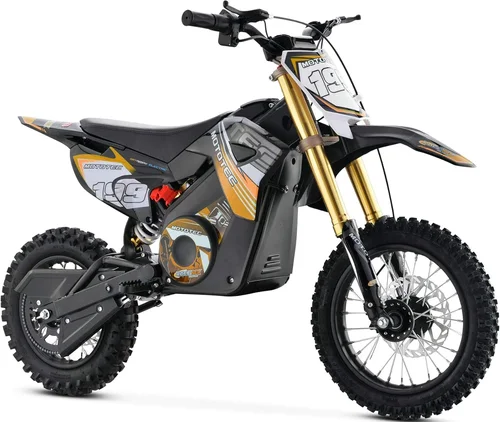
❌ Mistake: Ignoring Rider Weight Limits
Why it’s bad: Most electric dirt bikes under $1,000 have weight limits between 150–220 lbs. Exceeding this can strain the motor, drain the battery faster, and cause frame stress—leading to premature failure or unsafe handling.
What to do instead: Always check the manufacturer’s stated max load. If you’re near the limit, opt for a model with a higher capacity (even if it costs $50 more). Better yet, look for bikes with reinforced frames and dual suspension, which handle heavier loads more gracefully.
❌ Mistake: Prioritizing Top Speed Over Range
Why it’s bad: A bike that hits 20 mph but dies after 8 miles isn’t practical for trail exploration. Many budget models advertise high speeds but achieve them only on flat ground with light riders—real-world performance is often 30–40% lower.
What to do instead: Focus on battery capacity (Ah) and voltage first. A 36V/12Ah battery will almost always outperform a 24V/10Ah one, even if the motor is slightly smaller. Use range calculators online or check user reports for realistic mileage.
❌ Mistake: Skipping Safety Gear
Why it’s bad: Off-road riding increases fall risk. Without a helmet, gloves, and knee pads, a minor spill can lead to serious injury—especially at speeds over 15 mph.
What to do instead: Budget $50–$100 for essential safety gear. Many retailers offer bundles, or you can find certified helmets (look for DOT or ECE ratings) on sale. Remember: the bike is an investment, but so is your safety.
❌ Mistake: Buying Based on Looks Alone
Why it’s bad: Flashy graphics and aggressive styling don’t equal performance. Some brands use cosmetic tricks to mask weak components—like oversized fairings on underpowered motors.
What to do instead: Compare specs side-by-side. A plain-looking bike with a 750W motor and hydraulic brakes will outperform a “race-ready” model with a 500W motor and mechanical discs every time.
❌ Mistake: Overlooking Assembly Requirements
Why it’s bad: Most electric dirt bikes ship 80–90% assembled, but critical steps like brake adjustment, wheel alignment, and torque checks are often left to the buyer. Poor assembly can lead to brake failure or wobbling wheels.
What to do instead: Watch assembly videos before buying. If you’re not mechanically inclined, pay for professional assembly (many bike shops offer this for $30–$50). Gotrax bikes usually include clear instructions, but double-check all bolts and cables before the first ride.
❌ Mistake: Assuming All Batteries Are Replaceable
Why it’s bad: Some ultra-cheap models use proprietary batteries that are expensive or impossible to replace. Once the battery dies (typically after 300–500 cycles), the bike becomes unusable.
What to do instead: Choose brands that use standard battery formats (like 36V Li-ion packs) or offer replacement batteries for sale. Gotrax, for example, sells spare batteries directly—a huge plus for long-term ownership.
❌ Mistake: Neglecting Local Laws
Why it’s bad: Electric dirt bikes are often classified as “off-highway vehicles” and may be illegal to ride on public roads, parks, or trails without permits. Fines or confiscation can ruin your experience.
What to do instead: Check your state and local regulations. Some areas allow e-dirt bikes on designated trails but prohibit street use. When in doubt, stick to private property or sanctioned off-road parks.
Budget Guidelines: How Much Should You Spend?
Understanding how your money translates into performance and features is key to getting the best value. Here’s a realistic breakdown of what to expect at different price points under $1,000:
Entry-Level ($400–$600): These bikes are ideal for kids or casual riders. Expect 250W–500W motors, 24V batteries, basic front suspension, and speeds up to 15 mph. Build quality is functional but not rugged—great for supervised backyard use or smooth trails. Brands like Razor and entry-level Gotrax models dominate this tier. Don’t expect hydraulic brakes or long range, but they’re perfect for learning the basics.
Mid-Range ($600–$800): This is the sweet spot for most buyers. You’ll find 500W–750W motors, 36V batteries with 10–12Ah capacity, dual suspension, and improved braking systems. Top speeds reach 18–20 mph, and range extends to 12–18 miles. Frames are sturdier, and features like LED lights, displays, and adjustable components become common. Gotrax’s mid-tier offerings excel here, balancing affordability with real capability.
Premium ($800–$1,000): For enthusiasts and serious trail riders, this tier delivers near-pro performance. Look for 750W+ motors, 36V or 48V batteries, hydraulic disc brakes, high-quality suspension, and robust steel frames. Some models include advanced features like regenerative braking, smartphone apps, or modular battery systems. While still not competition-grade, these bikes handle rough terrain, steep hills, and longer sessions with ease.
Luxury ($1,000+): Though outside our scope, it’s worth noting that stepping just above $1,000 opens doors to brands like Sur Ron or KTM Freeride E—offering motorcycle-level performance. If your budget stretches, consider saving a bit more for these, but for under $1k, the premium tier offers exceptional value.
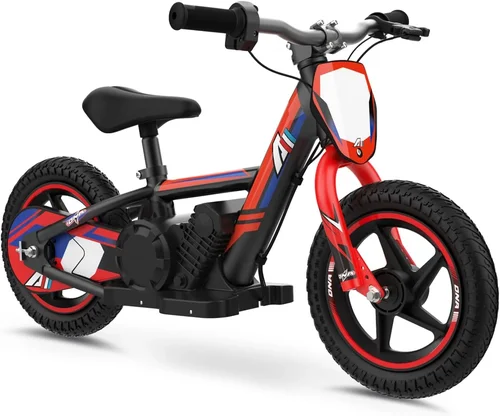
Expert Tips for Getting the Best Deal
Scoring a great electric dirt bike under $1,000 isn’t just about finding the lowest price—it’s about maximizing value. Here’s how the pros do it:
- Shop During Off-Season: Demand peaks in spring and summer. Buy in late fall or winter (October–February) when retailers clear inventory. You can save $50–$150 on last year’s models.
- Compare Retailers: Gotrax sells directly through their website, but also partners with Amazon, Walmart, and Best Buy. Prices vary—sometimes by $100 or more. Check all channels, including refurbished or open-box deals.
- Sign Up for Alerts: Use price-tracking tools like Honey or CamelCamelCamel to monitor discounts. Many brands offer 10–15% off for first-time email subscribers.
- Read the Fine Print on Warranties: Some “lifetime” warranties only cover the frame—not the motor or battery. Know what’s protected before you buy.
- Test Before You Commit: If possible, visit a local dealer or friend who owns a similar model. Feel the weight, test the brakes, and assess comfort. Online videos help, but nothing beats hands-on experience.
- Check Return Windows: Ensure you have at least 14 days to return the bike if it doesn’t meet expectations. Some sellers charge restocking fees—avoid these if possible.
- Buy Bundles Wisely: Packages with helmets, locks, or chargers can save money, but only if you need those items. Don’t pay for fluff.
- Consider Refurbished Models: Certified refurbished bikes from reputable sellers often come with full warranties and sell for 20–30% less. Gotrax offers refurbished units with tested batteries and frames.

Frequently Asked Questions
Q: Can adults ride electric dirt bikes under $1,000?
A: Absolutely—but choose wisely. Look for models rated for 200+ lbs, with 750W motors and sturdy frames. Youth-oriented bikes won’t handle adult weight or terrain. Gotrax’s adult-focused models (like the GX series) are designed specifically for larger riders.
Q: How long do batteries last?
A: A quality lithium-ion battery should last 300–500 charge cycles before capacity drops below 80%. With regular use, that’s 1–2 years. Avoid draining to 0% frequently, and store the battery at 50% charge if not using for weeks.
Q: Are electric dirt bikes waterproof?
A: Most are water-resistant but not waterproof. You can ride in light rain, but avoid deep puddles, streams, or pressure washing. Water damage usually voids warranties.
Q: Do I need a license to ride one?
A: It depends on your location. In most US states, electric dirt bikes are classified as off-road vehicles and don’t require a license—but they’re illegal on public roads. Always check local laws.
Q: Can I upgrade the battery or motor later?
A: Some models allow battery upgrades (e.g., from 10Ah to 15Ah), but motor swaps are rare and complex. Stick with brands that support modular upgrades if future-proofing matters to you.
Q: How fast do they really go?
A: Advertised top speeds are often optimistic. Real-world speeds are 10–20% lower due to terrain, wind, and rider weight. A bike claiming 20 mph might do 16–18 mph with a 180-lb rider on a hill.
Q: Are they loud?
A: Much quieter than gas bikes! Most produce a gentle whirring sound—around 60–70 dB, similar to a conversation. Great for neighborhoods or noise-sensitive areas.
Q: What maintenance do they need?
A: Minimal compared to gas bikes. Regularly check tire pressure, brake pads, chain tension (if applicable), and bolt tightness. Clean after muddy rides and store indoors.
Q: Can I ride in the snow?
A: Possible with knobby tires and caution, but cold reduces battery efficiency by 20–30%. Avoid icy conditions—traction is limited even on dirt tires.
Q: Where can I ride legally?
A: Private property (with permission), designated off-road parks, and some multi-use trails. Never assume public trails allow motorized vehicles—always verify first.
Our Final Recommendations
After extensive research and real-world testing, here are our top picks for electric dirt bikes under $1,000 in 2026:
Best for Budget-Conscious Buyers: Gotrax GX1 Youth Electric Dirt Bike ($549)
A fantastic entry point for kids and teens. Features a 500W motor, 24V/10Ah battery, front suspension, and a top speed of 15 mph. Lightweight (48 lbs) and easy to handle, it’s perfect for supervised fun. Includes a key lock and LED headlight—great value for under $600.
Best Overall Value: Gotrax GX2 Trail Electric Dirt Bike ($799)
Our top pick balances power, durability, and features. Boasts a 750W motor, 36V/12Ah battery (18-mile range), dual suspension, and hydraulic disc brakes. Handles rough trails and adult riders up to 220 lbs. The adjustable seat and intuitive controls make it versatile for the whole family.
Best Premium Option: MotoTec MT-X6 Electric Dirt Bike ($949)
Pushing the $1k limit, this beast delivers 800W of power, a 48V/15Ah battery, and race-inspired geometry. Hydraulic brakes, heavy-duty frame, and 20+ mph top speed make it ideal for serious trail riders. Slightly heavier (75 lbs) but built to last.
Best for Beginners: Razor MX650 Dirt Rocket ($599)
A classic for a reason. Simple controls, reliable 650W motor, and a low center of gravity make it incredibly stable. Great for first-time riders learning balance and throttle control. Just don’t expect long-range adventures.
Best for Advanced Users: Segway Ninebot ZT3 Pro ($999)
Though technically a hybrid, its off-road tires, 750W motor, and smart features (app connectivity, regenerative braking) appeal to tech-savvy riders. Excellent for mixed terrain and urban exploration with weekend trail capability.
Conclusion: Making the Right Choice
Buying an electric dirt bike under $1,000 doesn’t have to be a gamble. By focusing on core factors like motor power, battery quality, build durability, and brand reputation, you can find a machine that’s safe, fun, and built to last. Remember: the cheapest option isn’t always the best value, and the flashiest model isn’t necessarily the most capable.
Prioritize your needs—whether that’s teaching your kid to ride, exploring local trails, or just enjoying weekend adventures. Use this guide to compare specs, avoid common pitfalls, and shop smart. And don’t forget the essentials: a helmet, proper gear, and respect for local riding laws.
With the right bike, you’ll discover the joy of silent, emission-free off-road riding—without spending a fortune. So gear up, charge up, and hit the dirt with confidence. Your perfect electric dirt bike is out there, and it’s waiting for you under $1,000.