
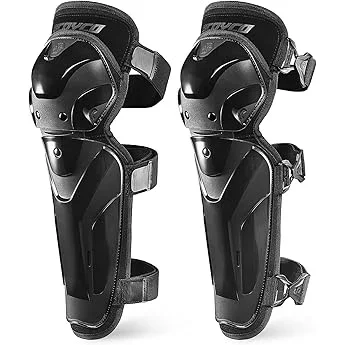
Motocross isn’t just a sport—it’s a high-octane blend of skill, speed, and survival. Every time you hit the track, you’re pushing your limits, navigating jumps, berms, and whoops at breakneck speeds. And while your bike is engineered for performance, your body remains the most vulnerable component in the equation. That’s why investing in top-tier motocross knee pads isn’t optional—it’s essential.
Knee injuries are among the most common and debilitating in off-road riding. From hyperextension and ligament tears to direct impacts from crashes or debris, your knees absorb tremendous stress during every ride. Even a minor slip can result in weeks off the bike—or worse, long-term damage. The right knee pads act as your first line of defense, absorbing shock, stabilizing joints, and shielding against abrasions. But with so many options flooding the market—ranging from budget-friendly sleeves to professional-grade hard-shell systems—it’s easy to feel overwhelmed.
This comprehensive buying guide cuts through the noise. Whether you’re a weekend warrior, a competitive racer, or a parent outfitting your young rider, we’ll walk you through everything you need to know to make an informed decision. You’ll learn how to evaluate protection levels, understand material science, compare fit systems, and avoid costly mistakes. We’ve tested dozens of models, analyzed real-world crash data, and consulted with orthopedic specialists and pro riders to bring you the most up-to-date, expert-backed advice for 2025. By the end, you’ll know exactly what to look for—and what to avoid—when choosing the best motocross knee pads for your needs.
The motocross gear market has evolved rapidly over the past decade. What once consisted of bulky, restrictive pads has transformed into sleek, ergonomic systems that balance mobility with maximum protection. Brands like Fox Racing, Alpinestars, Leatt, and 100% have pushed the envelope with innovations in D3O impact foam, CE-certified armor, and moisture-wicking fabrics. At the same time, new entrants are offering surprisingly capable gear at lower price points, making quality protection more accessible than ever. However, not all knee pads are created equal. Some prioritize comfort over safety, while others sacrifice breathability for durability. This guide will help you navigate those trade-offs and find the sweet spot that matches your riding style, budget, and risk tolerance.

What to Look for When Buying Motocross Knee Pads
1. Protection Level & Certification
When it comes to motocross knee pads, protection isn’t just about padding—it’s about certified impact resistance. The most reliable way to gauge a pad’s protective capability is through CE certification, specifically EN 1621-1, which tests how well armor reduces force transmission during an impact. Look for Level 1 (lower impact) or Level 2 (higher impact) ratings. Level 2 is ideal for aggressive riding, racing, or riders who frequently crash.
Beyond certification, consider the type of armor used. Hard-shell plastic shells offer excellent abrasion resistance but can be stiff. Soft-shell systems using materials like D3O or SAS-TEC provide excellent energy absorption and conform better to your knee, but may wear faster. Hybrid designs combine both—hard caps over soft foam—for balanced performance. Always check if the pads cover the patella (kneecap), medial/lateral sides, and even the upper shin, as full-coverage designs prevent rotational injuries.
2. Fit & Comfort
No matter how protective a knee pad is, it’s useless if you can’t stand wearing it. Fit is arguably the most important factor—ill-fitting pads shift during rides, chafe your skin, or restrict movement, increasing fatigue and reducing control. A good motocross knee pad should feel like a second skin: snug but not tight, secure without pinching.
Look for adjustable straps (usually two or three per leg), silicone grippers along the top and bottom edges to prevent slippage, and ergonomic shaping that follows the natural contour of your knee. Many premium models now use pre-curved designs and articulated joints to enhance mobility. Try them on with your riding pants—some pads are designed to fit under specific brands or styles, and compatibility matters.
Comfort also ties into breathability. Long rides in hot conditions can turn non-breathable pads into sweat-soaked ovens. Mesh panels, perforated foam, and moisture-wicking liners help regulate temperature and reduce odor. If you ride in humid climates or during summer months, prioritize ventilation.
3. Build Quality & Durability
Motocross knee pads endure extreme abuse: rocks, crashes, mud, repeated flexing, and constant friction against boots and gear. Cheap materials may save money upfront but fail quickly under real-world conditions. Inspect stitching—reinforced seams with double or triple stitching last longer. Check the quality of straps: elastic should retain tension over time, and buckles shouldn’t snap under pressure.
The armor itself should resist cracking, peeling, or deformation after multiple impacts. Hard shells made from high-impact polycarbonate or thermoplastic polyurethane (TPU) tend to outlast cheaper ABS plastics. Soft armor like D3O maintains its properties even after repeated compression, unlike memory foams that degrade.
Also consider abrasion resistance. The outer layer should withstand scrapes against asphalt, dirt, and gear without tearing. Brands like Alpinestars use Cordura or similar high-denier fabrics for added toughness. If you ride in rocky terrain or frequently slide out, durability becomes non-negotiable.
4. Weight & Mobility
Heavier knee pads might offer more protection, but they also increase leg fatigue—especially during long motos or technical sections requiring constant knee movement. Modern designs aim to minimize weight without sacrificing safety. Lightweight foams, strategic cutouts, and minimalist shells help keep bulk down.
However, don’t sacrifice protection for lightness. A 10-ounce difference won’t matter much over a 30-minute race, but compromised armor could cost you a season. The key is balance: look for pads that distribute weight evenly and don’t restrict your range of motion. Test them by squatting, lunging, and mimicking riding positions—if they bind or pull, they’re too stiff.
Pro riders often prefer slightly heavier, full-coverage systems for maximum safety, while trail riders might opt for lighter, more flexible options. Know your priorities.
5. Ease of Use & Adjustability
You shouldn’t need a PhD to put on your knee pads. Quick-adjust straps, pull tabs, and intuitive closure systems make a big difference—especially when you’re suiting up in a hurry or adjusting mid-ride. Some models feature tool-free strap tensioning or magnetic buckles for one-handed operation.
Consider how easy it is to remove them after a sweaty ride. Pads that trap moisture or cling to skin can be frustrating to peel off. Look for wide openings, smooth interiors, and anti-slip linings that don’t grip too tightly.
Also think about compatibility with other gear. Do they fit comfortably under your boots? Do they interfere with knee braces or shin guards? Some riders layer pads over braces for extra protection, so modularity matters.
6. Brand Reputation & User Reviews
Not all brands are created equal. Established names like Fox Racing, Alpinestars, and Leatt have decades of R&D and pro-level validation. They invest heavily in testing, athlete feedback, and material innovation. While newer brands can offer great value, they may lack long-term reliability data.
Read user reviews—but read them critically. Look for patterns: if multiple riders report strap failures or poor fit after six months, that’s a red flag. Pay attention to comments from riders with similar body types or riding styles. Verified purchase reviews on retailer sites (like RevZilla, MotoSport, or Amazon) tend to be more trustworthy than anonymous forum posts.
Also check if the brand offers consistent sizing across product lines. Inconsistent fit charts are a common complaint among riders who own multiple pieces from the same brand.
7. Warranty & Customer Support
A strong warranty signals confidence in product quality. Most reputable brands offer at least a one-year warranty against manufacturing defects. Some, like Leatt, provide extended coverage or even crash replacement programs—where you can get discounted replacements after a documented crash.
Before buying, check the brand’s return policy and customer service reputation. Can you exchange sizes easily? Do they respond promptly to inquiries? A company that stands behind its products is more likely to resolve issues quickly if something goes wrong.
Avoid brands with no-contact support or vague warranty terms. If you’re spending $100+ on knee pads, you deserve reliable backup.
8. Price vs. Value
Price doesn’t always equal performance—but it often reflects materials, testing, and design sophistication. That said, the most expensive option isn’t always the best for your needs. A $200 set of pro-level pads might be overkill for casual trail riding, while a $40 sleeve could leave you exposed on the track.
Focus on value: what do you get for your money? Does the price include features like CE Level 2 armor, adjustable straps, and breathable fabric? Compare specs side-by-side rather than relying solely on cost. Sometimes paying $20 more gets you significantly better protection and comfort.
Remember: knee pads are insurance. The cost of a single doctor visit or missed workdays far exceeds even the priciest set. Invest wisely.
Different Types of Motocross Knee Pads

Common Buying Mistakes to Avoid
❌ Mistake: Prioritizing Style Over Safety
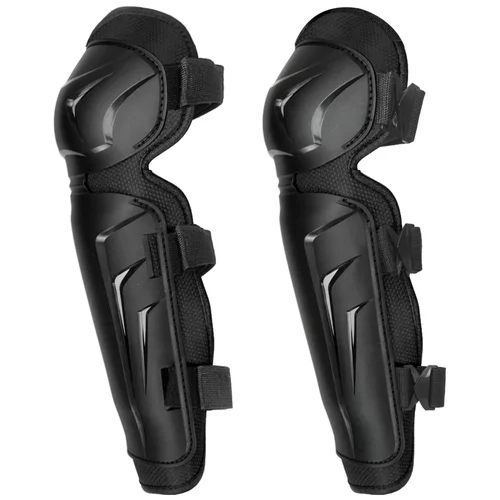
Why it’s bad: Flashy colors or trendy designs might look cool, but they don’t protect your knees. Many budget pads focus on aesthetics while skimping on armor thickness, strap quality, or coverage area. A stylish pad with minimal CE certification won’t save you from a hard landing.
What to do instead: Always check protection specs first. Look for CE Level 1 or 2 ratings, full patella coverage, and reinforced sides. Style can come second—your knees will thank you.
❌ Mistake: Ignoring Fit and Sizing Charts
Why it’s bad: Knee pads that are too loose slide down during rides, leaving your knee exposed. Too tight, and they cut off circulation or cause numbness. Generic “one-size-fits-all” claims are often misleading.
What to do instead: Measure your knee circumference and compare it to the brand’s sizing chart. Try them on with your riding pants and boots. If buying online, choose retailers with free returns or size exchanges.
❌ Mistake: Assuming All Pads Are Race-Ready
Why it’s bad: Many pads marketed as “motocross” are actually designed for light trail use. They lack the impact resistance needed for high-speed crashes or jumps. Using inadequate protection increases injury risk significantly.
What to do instead: Match the pad to your riding intensity. If you race or ride aggressively, invest in CE Level 2 hybrid or hard-shell systems. Casual riders can opt for lighter options—but never skip certification.
❌ Mistake: Overlooking Compatibility with Other Gear
Why it’s bad: Knee pads that don’t fit under your boots or clash with shin guards create pressure points, reduce mobility, and increase fatigue. Some integrated systems even interfere with knee braces.
What to do instead: Test your full gear setup before heading to the track. Ensure there’s no pinching, rubbing, or restricted movement. Consider modular designs if you use multiple protective layers.
❌ Mistake: Buying Based Solely on Price
Why it’s bad: The cheapest pads often use low-density foam, weak straps, and uncertified armor. They may fail on first impact. Conversely, the most expensive option may include features you don’t need.
What to do instead: Evaluate value, not just cost. Compare protection level, materials, warranty, and user feedback. Aim for the best balance of safety and affordability for your needs.
❌ Mistake: Neglecting Maintenance and Replacement
Why it’s bad: Dirt, sweat, and UV exposure degrade foam and elastic over time. Worn-out pads lose protective properties and may even cause skin irritation. Continuing to use damaged gear is risky.
What to do instead: Clean pads regularly with mild soap and water. Inspect for cracks, fraying, or loss of elasticity. Replace every 1–3 years depending on usage—don’t wait for a crash to discover they’re worn out.
❌ Mistake: Skipping the Trial Period
Why it’s bad: Comfort and fit are highly personal. What works for a pro rider may not suit your body type or riding style. Buying without testing increases the chance of disappointment or returns.
What to do instead: Whenever possible, try before you buy. Visit local shops, attend demo days, or order from retailers with generous return policies. Your knees deserve the right fit.
Budget Guidelines: How Much Should You Spend?
Entry-Level ($30–$70): Ideal for beginners, casual trail riders, or those on a tight budget. These pads typically feature soft-shell sleeves with basic foam padding and minimal straps. Look for CE Level 1 certification if available. While they won’t withstand high-speed impacts, they offer decent abrasion resistance and are comfortable for short rides. Examples include the Fox Racing Launch Pro or 100% Accord Knee Guards.
Mid-Range ($80–$150): This is the sweet spot for most riders. You’ll find hybrid designs with CE Level 2 armor, adjustable straps, breathable fabrics, and improved coverage. Brands like Alpinestars and Leatt offer excellent options here—such as the Alpinestars Paragon Lite or Leatt AirFlex Pro. These pads balance protection, comfort, and durability, making them suitable for regular track days and aggressive trail riding.
Premium ($150–$250): Designed for serious riders, racers, and enduro enthusiasts. Expect top-tier materials like D3O or SAS-TEC, full shin-knee integration, reinforced stitching, and advanced ventilation. Models like the Fox Racing Titan Sport CE or Leatt 3DF AirFit Gen.2 fall into this category. They offer maximum protection and are built to last through seasons of hard use.
Luxury ($250+): Reserved for professionals or riders with specific medical needs (e.g., post-surgery recovery). These include custom-molded braces, medical-grade hinges, and modular systems compatible with orthopedic devices. While overkill for most, they provide unparalleled stability and injury prevention for high-risk scenarios.
Expert Tips for Getting the Best Deal
1. Shop During Off-Season Sales: Retailers often discount motocross gear in late summer or early fall, after the peak riding season. Black Friday, Cyber Monday, and end-of-year clearance events can yield 20–40% off premium models. Sign up for brand newsletters to get early access.
2. Buy Direct from Brands or Authorized Retailers: While Amazon and eBay offer convenience, authorized dealers (like MotoSport, RevZilla, or Rocky Mountain ATV/MC) provide better warranties, accurate sizing, and expert support. They also honor crash replacement programs.
3. Bundle with Other Gear: Many retailers offer discounts when you buy knee pads with pants, jerseys, or boots. A $20 savings on a $120 pad might not seem like much, but it adds up—and ensures compatibility.
4. Check for Crash Replacement Programs: Brands like Leatt, Fox, and Alpinestars offer discounted replacements if your pads are damaged in a crash. Register your product and keep proof of purchase—it could save you hundreds.
5. Read the Fine Print on Returns: Some retailers charge restocking fees or only accept returns within 14 days. Others allow 30–60 days and cover return shipping. Choose wisely, especially when ordering online.
6. Test Fit at Local Shops: Even if you plan to buy online, visit a local motocross store to try on different models. Note what fits well, then search for the best price online. Many shops also price-match.
7. Consider Refurbished or Open-Box Options: Some retailers sell returned or demo items at steep discounts. As long as they’re inspected and come with a warranty, these can be a great way to save on high-end gear.
8. Join Rider Communities: Forums like ThumperTalk or Reddit’s r/motocross often have members selling gently used gear. You can find nearly new pads for half the retail price—just inspect carefully for damage.

Frequently Asked Questions
Q: Do I really need CE-certified knee pads for casual riding?
A: Yes—even casual riders face unexpected falls or debris impacts. CE certification ensures the pads meet minimum safety standards. While Level 1 may suffice for slow trail rides, Level 2 is recommended if you ride at speed or on rough terrain.
Q: Can I wear knee pads over my riding pants?
A: Most motocross knee pads are designed to be worn under pants for a streamlined fit and better protection. However, some hard-shell models can be worn over lightweight pants. Always check compatibility—wearing them over thick jeans or baggy pants can cause shifting.
Q: How often should I replace my knee pads?
A: Replace them every 1–3 years, depending on usage. Signs include cracked armor, frayed straps, loss of elasticity, or visible wear on the outer shell. If you’ve been in a major crash, replace them immediately—even if they look fine, internal damage may compromise protection.
Q: Are expensive knee pads worth it?
A: For frequent or aggressive riders, yes. Premium pads offer better impact absorption, longer lifespan, and superior comfort. However, casual riders may find mid-range options sufficient. Focus on protection level and fit rather than price alone.
Q: Can knee pads prevent all injuries?
A: No—but they significantly reduce the risk and severity of common knee injuries like abrasions, contusions, and ligament strains. They cannot prevent all trauma, especially in high-energy crashes, but they are a critical layer of defense.
Q: Do knee pads work with knee braces?
A: Some are designed to be worn over braces, while others integrate with them. Look for “brace-compatible” or modular systems. Avoid doubling up on rigid shells, as this can create pressure points.
Q: How do I clean my knee pads?
A: Hand-wash with mild soap and cool water. Avoid bleach or harsh detergents. Air-dry away from direct sunlight to prevent fabric degradation. Never machine wash or dry—heat can damage foam and elastic.
Q: What’s the difference between motocross and mountain bike knee pads?
A: Motocross pads prioritize impact protection and abrasion resistance for high-speed crashes. MTB pads often focus more on lightweight flexibility for pedaling. While some overlap exists, motocross-specific designs offer broader coverage and sturdier construction.
Q: Should kids wear the same knee pads as adults?
A: No—children need properly sized pads that fit their smaller frames. Ill-fitting adult pads won’t protect effectively and may hinder movement. Look for youth-specific models with adjustable straps and scaled-down armor.
Q: Can I use knee pads for other sports?
A: While some multi-sport pads exist, motocross-specific designs are optimized for riding dynamics. Using them for skateboarding, skiing, or BMX may not provide adequate protection for those activities’ unique impact patterns.
Our Final Recommendations
Best for Budget-Conscious Buyers: Fox Racing Launch Pro Knee Guards – At around $50, these offer solid CE Level 1 protection, comfortable fit, and reliable durability. Perfect for beginners or occasional riders who want quality without breaking the bank.
Best Overall Value: Alpinestars Paragon Lite Knee Guards – Priced around $120, these hybrid pads feature CE Level 2 armor, excellent breathability, and a secure fit. They strike the ideal balance between performance, comfort, and price for most riders.
Best Premium Option: Leatt 3DF AirFit Gen.2 – With D3O smart foam, full shin coverage, and a 60-day comfort guarantee, these $220 pads are a top choice for racers and enduro riders who demand maximum protection and innovation.
Best for Beginners: 100% Accord Knee Guards – Lightweight, easy to wear, and affordably priced under $60, these soft-shell sleeves are ideal for new riders learning the ropes and building confidence on the bike.
Best for Advanced Users: Fox Racing Titan Sport CE – Built for the track, these hard-shell hybrids offer CE Level 2 certification, adjustable straps, and rugged construction. At $180, they’re a favorite among pro riders and serious competitors.
Conclusion: Making the Right Choice
Choosing the right motocross knee pads isn’t just about picking the shiniest gear on the shelf—it’s about understanding your riding style, assessing your risk factors, and investing in protection that matches your needs. From certification and fit to durability and budget, every factor plays a role in keeping you safe and riding longer.
Remember, your knees are irreplaceable. A few extra dollars spent on quality pads today could save you from surgery, rehab, and months off the bike tomorrow. Use this guide to cut through marketing hype, avoid common pitfalls, and find the perfect balance of safety, comfort, and value.
Whether you’re hitting local trails or lining up at the starting gate, don’t leave protection to chance. Equip yourself with the best motocross knee pads your budget allows—and ride with confidence, knowing you’ve made a smart, informed choice. Your future self will thank you every time you walk away from a crash unscathed. Now go ride smart, ride safe, and keep the rubber side down.