
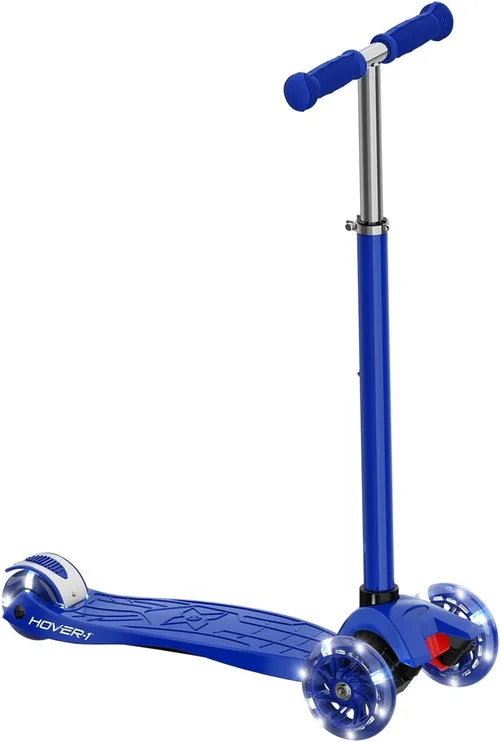
Electric scooters have evolved from novelty gadgets into serious personal transportation tools—especially for teens. Whether it’s commuting to school, hanging out with friends, or just exploring the neighborhood, an electric scooter offers freedom, fun, and a surprisingly eco-friendly way to get around. But with so many models flooding the market in 2026, choosing the right one can feel overwhelming. Parents want safety and reliability; teens want speed, style, and features. Balancing those needs is where this guide comes in.
In this comprehensive buying guide, you’ll learn exactly what to look for when selecting the best electric scooter for a teenager in 2026. We’ll break down critical factors like performance specs, build quality, safety features, and budget considerations—all tailored specifically for teen riders. You’ll also discover common pitfalls to avoid, expert tips for getting the best deal, and our top recommendations across different categories. By the end, you’ll have the confidence to make a smart, informed decision that keeps your teen safe, happy, and riding smoothly for years to come.
The electric scooter market has matured significantly over the past few years. What once was dominated by flimsy, short-lived models now includes robust, feature-rich options designed with younger riders in mind. Brands like Gotrax, Segway-Ninebot, Xiaomi, and Razor have stepped up their game, offering scooters that blend durability, smart tech, and age-appropriate power levels. However, not all scooters are created equal—and what works for a 12-year-old may be dangerously overpowered for a 16-year-old beginner. This guide cuts through the noise to help you find the perfect match.

What to Look for When Buying Gotrax
1. Budget & Price Range
Your budget is the first filter in your search—but it shouldn’t be the only one. Electric scooters for teens typically range from $200 to $800, with most reliable models falling between $300 and $500. At the lower end ($200–$300), you’ll find basic models with modest speed and range, often lacking advanced safety features. Mid-range scooters ($350–$500) offer better build quality, longer battery life, and improved braking systems. Premium models ($500+) include high-capacity batteries, suspension, app connectivity, and superior tires.
While it’s tempting to go cheap, remember: a scooter is only as safe as its weakest component. Investing in a slightly more expensive model often means better brakes, sturdier frames, and longer warranties—critical for teen riders who may not yet have the reflexes or experience to handle mechanical failures.
2. Performance Specifications
Performance isn’t just about speed—it’s about how well the scooter handles real-world conditions. Key specs to evaluate include motor power (measured in watts), top speed, range per charge, and hill-climbing ability. For teens, a motor between 250W and 500W is ideal: enough to reach speeds of 15–20 mph without being dangerously fast. Most teen-friendly scooters offer a range of 10–18 miles on a single charge, which is sufficient for school commutes or weekend adventures.
Pay close attention to torque and acceleration. A scooter that struggles to start from a stop or climb gentle inclines can frustrate a rider and even become unsafe at intersections. Look for models with smooth, responsive throttles and regenerative braking, which helps extend battery life while providing smoother stops.
3. Build Quality & Durability
Teens aren’t always gentle with their gear—so durability matters. Check the frame material: aluminum alloy is lightweight yet strong, while steel is heavier but more rugged. Avoid plastic-heavy constructions, especially in the deck and handlebars. The folding mechanism should feel solid and lock securely; wobbly joints are a red flag.
Tires are another durability factor. Solid rubber tires require no maintenance and resist punctures but offer a rougher ride. Air-filled (pneumatic) tires provide better shock absorption and grip but need occasional inflation and are prone to flats. For teens, hybrid or honeycomb tires—which combine puncture resistance with decent cushioning—are often the best compromise.
4. Safety Features
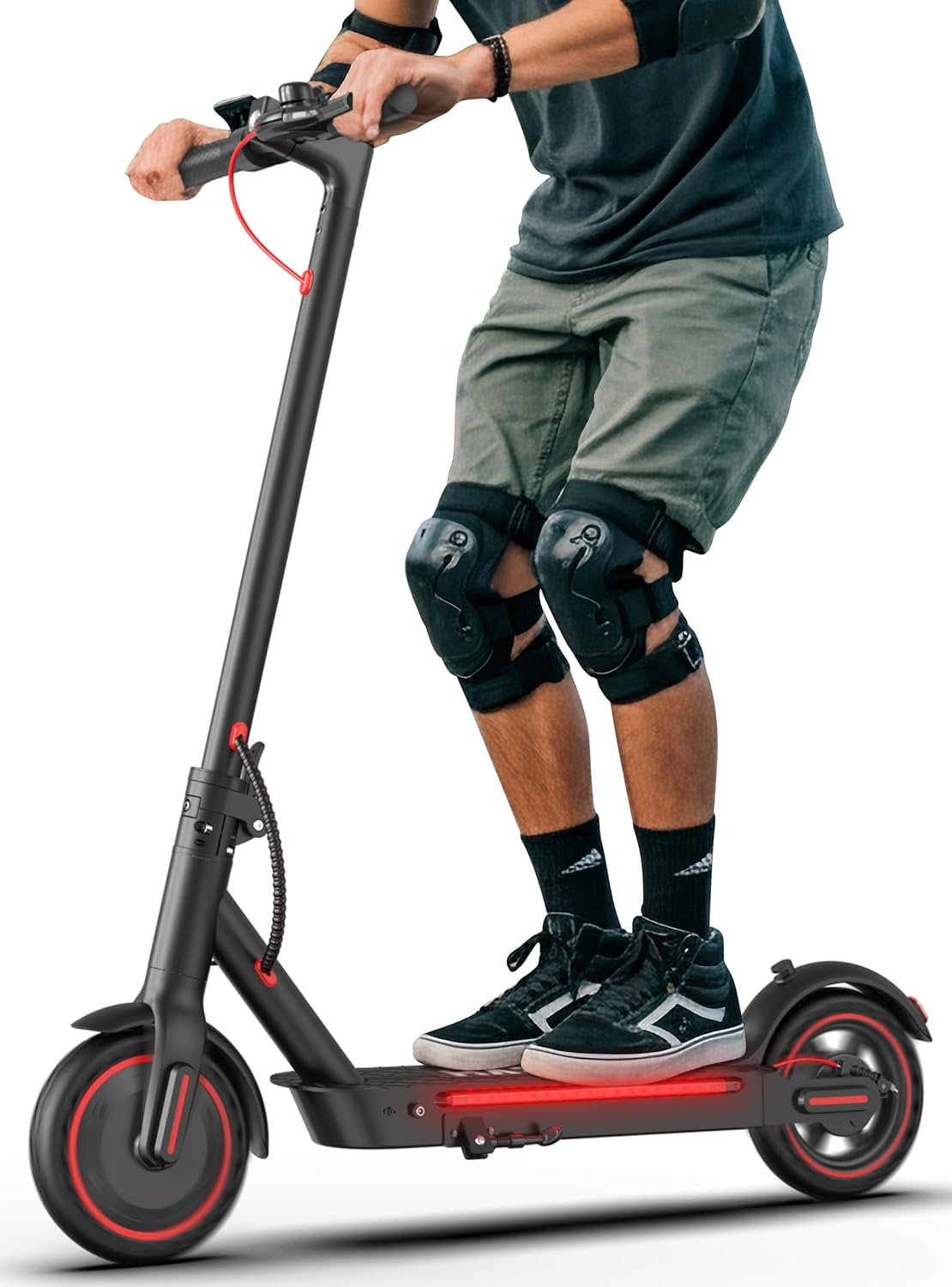
Safety should never be an afterthought. Essential safety features include reliable braking systems (disc brakes or electronic brakes are preferable to foot brakes), bright LED headlights and taillights, reflectors, and non-slip decks. Some 2026 models now include turn signals, brake-activated rear lights, and even collision alerts via smartphone apps.
Speed limiters are particularly valuable for younger or less experienced riders. Many scooters allow parents to set maximum speed via an app—a great way to gradually increase freedom as skills improve. Always ensure the scooter meets CPSC (Consumer Product Safety Commission) standards and carries certifications like UL 2271 for battery safety.
5. Weight & Portability
Teens often need to carry their scooters upstairs, onto buses, or into classrooms. Weight is therefore a crucial consideration. Most teen scooters weigh between 22 and 35 pounds. Anything over 30 pounds becomes cumbersome for smaller riders. Look for models with ergonomic handles, balanced weight distribution, and smooth-folding mechanisms.
Portability also includes storage. Some scooters feature built-in baskets or under-deck compartments for backpacks or water bottles. While not essential, these extras can make daily use more convenient—especially for students juggling books and laptops.
6. Battery Life & Charging Time
Battery technology has improved dramatically, but real-world performance still varies. Lithium-ion batteries are standard and offer good energy density, but capacity (measured in watt-hours or Ah) determines actual range. A 7.8Ah battery might give you 12 miles, while a 10.4Ah could push 18+. Always check user reviews for real-world range—manufacturer claims are often optimistic.
Charging time typically ranges from 3 to 6 hours. Faster charging is convenient but can reduce battery lifespan over time. If your teen uses the scooter daily, consider models with removable batteries—this allows swapping in a fresh pack instead of waiting to recharge.
7. Brand Reputation & Customer Support
Not all brands are equal when it comes to reliability and post-purchase support. Established names like Gotrax, Segway-Ninebot, and Xiaomi have proven track records, extensive service networks, and responsive customer service. Lesser-known brands may offer tempting prices but often lack spare parts or warranty fulfillment.
Before buying, search for reviews mentioning long-term reliability, ease of repairs, and how the company handles warranty claims. A brand that stands behind its products with clear policies and accessible support is worth the slight premium.
8. Warranty & Return Policy
A good warranty signals confidence in product quality. Most reputable scooters come with a 12-month limited warranty covering motor, battery, and frame defects. Some premium brands offer 18–24 months. Pay attention to what’s excluded—wear items like tires and brake pads are often not covered.
Return policies matter too, especially if buying online. Look for retailers offering at least a 14-day return window with free return shipping. This gives your teen a chance to test the scooter in real conditions before committing.
Different Types of Gotrax
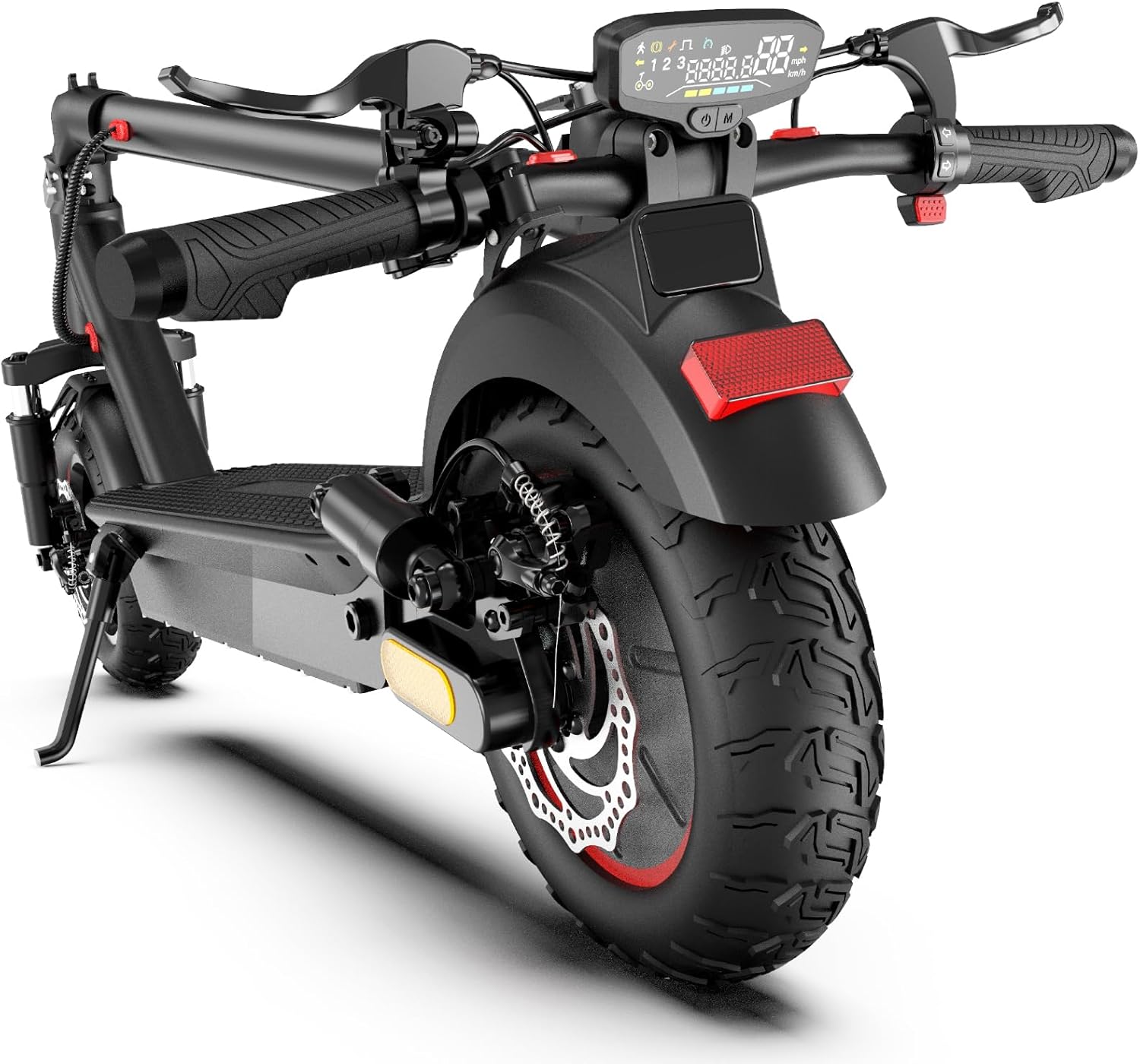
Common Buying Mistakes to Avoid
❌ Mistake: Prioritizing Speed Over Safety
Why it’s bad: High-speed scooters (25+ mph) may seem exciting, but they’re often too powerful for teens, increasing the risk of accidents, especially on uneven pavement or in traffic. Many states also have legal speed limits for e-scooters (typically 15–20 mph).
What to do instead: Choose a scooter with a top speed of 15–20 mph and look for models with speed limiters or beginner modes. Let your teen build confidence gradually.
❌ Mistake: Ignoring Weight Limits
Why it’s bad: Every scooter has a maximum rider weight limit (usually 220–300 lbs). Exceeding it can damage the motor, reduce range, and compromise braking performance—creating a serious safety hazard.
What to do instead: Check the specs carefully and add a 20–30 lb buffer to the stated limit to ensure safe operation under real-world conditions (e.g., carrying a backpack).
❌ Mistake: Overlooking Tire Type
Why it’s bad: Solid tires may seem low-maintenance, but they provide a jarring ride on rough roads and offer poor grip in wet conditions—increasing fall risk.
What to do instead: Opt for pneumatic or honeycomb tires if your teen will ride on varied terrain. If choosing solid tires, ensure the scooter has suspension to absorb shocks.
❌ Mistake: Skipping the Test Ride
Why it’s bad: Comfort and handling vary widely between models. A scooter that looks great online might feel unstable or awkward in person.
What to do instead: Whenever possible, visit a local retailer to test ride. If buying online, choose retailers with generous return policies so your teen can try it risk-free.
❌ Mistake: Neglecting Maintenance Needs
Why it’s bad: Even “maintenance-free” scooters need occasional checks—brake adjustments, tire pressure, bolt tightening. Ignoring these can lead to sudden failures.
What to do instead: Teach your teen basic maintenance routines and schedule monthly inspections. Keep a small toolkit handy for quick fixes.
❌ Mistake: Buying Based Solely on Looks
Why it’s bad: Flashy designs or celebrity endorsements don’t guarantee quality. Some stylish models sacrifice durability or safety for aesthetics.
What to do instead: Focus on specs, reviews, and brand reputation first. Let your teen pick from a shortlist of safe, reliable options.
Budget Guidelines: How Much Should You Spend?
Entry-Level ($200–$300): These scooters are best for occasional use or younger teens just starting out. Expect basic motors (250W), short ranges (8–12 miles), and minimal features. Build quality may be questionable, so stick to reputable brands even in this tier. Ideal for light campus or neighborhood riding.
Mid-Range ($350–$500): This is the sweet spot for most teen riders. You’ll get reliable 350W–500W motors, 12–18 mile ranges, better brakes, and improved frames. Many include LED lights, digital displays, and app connectivity. Models like the Gotrax GXL V2 or Segway Ninebot ES2 fall here—offering excellent value without breaking the bank.
Premium ($500–$700): Designed for serious commuters or tech-savvy teens, these scooters feature high-capacity batteries, full suspension, smartphone integration, and advanced safety systems. Ranges often exceed 20 miles, and top speeds reach 20 mph. Great for longer commutes or riders who want a smoother, more responsive experience.
Luxury ($700+): These are enthusiast-grade machines with top-tier components, premium materials, and cutting-edge tech (like GPS tracking, anti-theft alarms, and customizable ride modes). While impressive, they’re often overkill for typical teen use—unless your child is into extreme commuting or scooter customization.
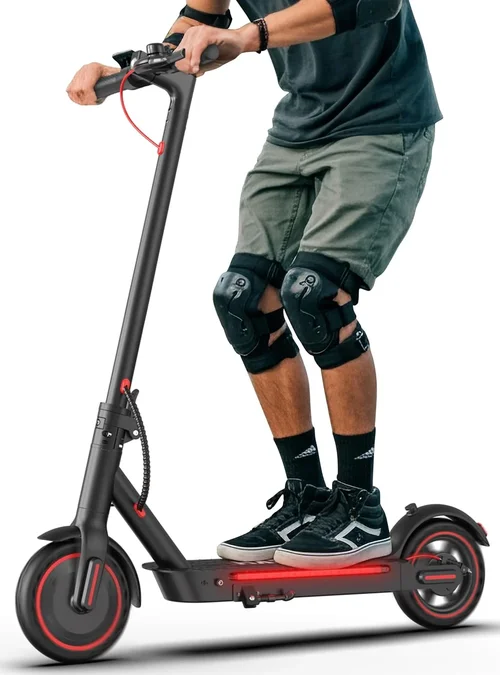
Expert Tips for Getting the Best Deal
- Shop during seasonal sales: Major discounts happen during back-to-school (July–August), Black Friday, and post-holiday clearance events. Sign up for brand newsletters to get early access.
- Compare retailers: Prices can vary significantly between Amazon, Best Buy, Walmart, and direct-from-brand sites. Check for bundle deals (e.g., free helmet or extended warranty).
- Read verified buyer reviews: Look for patterns in complaints—repeated mentions of battery failure or brake issues are red flags. Focus on reviews from users with similar needs (e.g., “used by 15-year-old for school commute”).
- Consider refurbished models: Certified refurbished scooters from reputable sellers often come with warranties and cost 20–30% less. Just ensure they’ve been thoroughly inspected.
- Check local laws: Some cities require registration, helmets, or restrict where scooters can be ridden. Make sure your purchase complies to avoid fines or confiscation.
- Negotiate add-ons: When buying in-store, ask if the retailer will throw in a free lock, helmet, or maintenance kit—especially during slow sales periods.
- Use price-tracking tools: Browser extensions like Honey or CamelCamelCamel can alert you when prices drop on specific models.
- Prioritize warranty over flashy extras: A longer warranty is more valuable than RGB lights or a phone charger. It protects your investment and ensures peace of mind.
Frequently Asked Questions
Q: Are electric scooters safe for teens?
A: Yes—when chosen wisely and used responsibly. Look for scooters with strong brakes, stable builds, and speed limiters. Always pair with a helmet and teach basic road safety rules. According to the NHTSA, most e-scooter injuries result from rider error, not equipment failure.
Q: How fast do teen electric scooters go?
A: Most are capped between 15 and 20 mph, which is fast enough for efficient travel but slow enough to maintain control. Avoid models exceeding 20 mph unless your teen has significant experience.
Q: Do teens need a license to ride an electric scooter?
A: In most U.S. states, no license is required for scooters under 20 mph. However, some cities mandate helmets for riders under 18 or prohibit riding on sidewalks. Always check local regulations.
Q: How long do electric scooter batteries last?
A: With proper care, lithium-ion batteries typically last 300–500 charge cycles—roughly 2–3 years of daily use. Avoid draining to 0% regularly and store in moderate temperatures to extend lifespan.
Q: Can electric scooters handle hills?
A: It depends on the motor and gradient. A 350W scooter can handle gentle inclines (up to 10%), but steeper hills require 500W+ motors and good torque. Check the manufacturer’s “gradeability” spec.
Q: What’s the difference between hub motors and belt drives?
A: Hub motors (built into the wheel) are quieter, simpler, and more common in teen scooters. Belt drives offer more torque but require maintenance and can slip. For most teens, hub motors are ideal.
Q: Should I buy a scooter with app connectivity?
A: Apps can offer useful features like ride tracking, speed limiting, and firmware updates—but they’re not essential. If your teen is responsible with tech, it’s a nice bonus. Just ensure the app doesn’t drain the battery excessively.
Q: How do I maintain an electric scooter?
A: Clean the deck regularly, check tire pressure (if pneumatic), tighten bolts monthly, and inspect brakes. Store indoors when not in use and avoid riding in heavy rain unless the scooter is rated IPX4 or higher.
Q: Can two teens share one scooter?
A: Absolutely not. Sharing exceeds weight limits, unbalances the scooter, and voids warranties. Each rider should have their own properly sized scooter.
Our Final Recommendations
Best for Budget-Conscious Buyers: Gotrax GXL V2 – At around $350, it offers a 15.5 mph top speed, 12-mile range, and solid build quality. Includes LED lights, disc brake, and app connectivity. Perfect for beginners and daily school commutes.
Best Overall Value: Segway Ninebot ES2 – Priced near $450, it delivers smooth acceleration, 15 mph speed, 15-mile range, and excellent ride comfort thanks to its suspension. The app allows parental controls and firmware updates—ideal for growing teens.
Best Premium Option: Xiaomi Mi Electric Scooter 4 Pro – At $650, it’s built like a tank with a 20 mph top speed, 28-mile range, and dual braking system. Features a bright display, turn signals, and IP54 water resistance. Best for serious commuters.
Best for Beginners: Razor E300S – A classic choice at $300, with a low deck, 15 mph speed, and simple operation. No app or complex features—just reliable, straightforward riding. Great for younger teens or first-time riders.
Best for Advanced Users: Gotrax G4 – With a 20 mph top speed, 25-mile range, and full suspension, this $550 scooter handles rough terrain with ease. Includes a large deck, phone holder, and customizable LED lights—perfect for teens who want performance and style.
Conclusion: Making the Right Choice
Choosing the right electric scooter for your teen isn’t just about picking the flashiest model or the cheapest option—it’s about finding the perfect balance of safety, performance, durability, and value. By focusing on key factors like build quality, safety features, and real-world range, you can avoid common pitfalls and invest in a scooter that will serve your teen well for years.
Remember, the best scooter is the one that matches your teen’s skill level, usage needs, and your family’s budget. Don’t rush the decision. Take time to compare models, read reviews, and—most importantly—let your teen test ride if possible. A little research now can prevent frustration, accidents, or wasted money down the road.
Ultimately, an electric scooter should empower your teen with independence while keeping them safe. With the insights from this guide, you’re equipped to make a confident, informed choice. So go ahead—find that perfect ride, gear up with a helmet, and let the adventures begin. Happy scooting!