
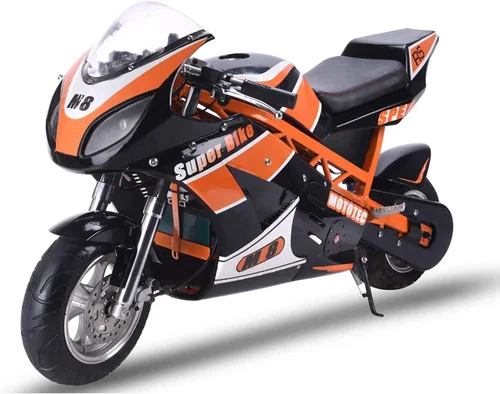
Electric dirt bikes have evolved from niche off-road curiosities into serious contenders in the world of street-legal two-wheelers. As cities embrace cleaner transportation and riders seek thrilling yet eco-friendly alternatives to gas-powered motorcycles, the demand for street legal electric dirt bikes has surged dramatically. These machines blend the agility and ruggedness of traditional dirt bikes with the quiet efficiency of electric propulsion—and crucially, they’re fully compliant with road regulations, meaning you can legally ride them on public streets, bike lanes, and even highways (depending on local laws). Whether you’re commuting through urban jungles, exploring backroads on weekends, or simply craving an adrenaline rush without the noise and emissions, a street legal electric dirt bike offers a unique blend of versatility and sustainability.
This comprehensive buying guide is designed to cut through the hype and help you make a smart, informed decision in 2026. The market is now flooded with options—from budget-friendly commuter models to high-performance machines rivaling gasoline counterparts—but not all are created equal. Some promise long range but fall short in real-world conditions; others boast impressive top speeds but lack essential safety features or durability. Our goal is to equip you with the knowledge to evaluate every critical aspect: performance, build quality, legal compliance, battery technology, after-sales support, and more. By the end of this guide, you’ll know exactly what to prioritize based on your riding style, budget, and intended use.
The street legal electric dirt bike segment has matured rapidly over the past few years. Major manufacturers like Zero Motorcycles, Cake, Sur Ron, and newer entrants such as Talaria and Stealth have pushed the boundaries of what’s possible with electric powertrains. Simultaneously, regulatory bodies in the U.S., EU, and elsewhere have clarified classification standards (e.g., L3e-A1, DOT/EPA compliance), making it easier than ever to register and insure these vehicles. Yet, despite this progress, confusion remains—especially around what “street legal” truly means, how range claims translate to real-world usage, and whether a given model will hold up under daily wear and tear. This guide demystifies those complexities and delivers actionable insights tailored to real riders in 2026.

What to Look for When Buying a Street Legal Electric Dirt Bike
1. Legal Compliance & Registration Requirements
Before anything else, ensure the bike you’re considering is genuinely street legal in your region. “Street legal” isn’t just marketing jargon—it means the vehicle meets federal, state, or national standards for road use. In the U.S., this typically involves DOT (Department of Transportation) certification for lighting, mirrors, turn signals, horn, VIN, and EPA compliance for emissions (even though EVs produce zero tailpipe emissions). In Europe, look for CE marking and L-category vehicle classification (e.g., L3e for motorcycles). Some states or countries also require specific license classes or insurance. Always verify local regulations before purchasing—what’s legal in California may not be in Texas or Germany. Reputable brands will provide documentation proving compliance, and many offer pre-registered units or assist with registration paperwork.
2. Performance Specifications
Performance isn’t just about speed—it’s a combination of motor power, torque, top speed, acceleration, and hill-climbing ability. Most street legal electric dirt bikes feature brushless DC motors ranging from 5 kW to 30+ kW. For city commuting and light trail use, a 7–10 kW motor is sufficient, delivering 0–60 km/h (0–37 mph) in under 5 seconds. Enthusiasts and off-road adventurers should aim for 15–30 kW for serious torque and sustained high-speed capability. Pay close attention to continuous vs. peak power ratings—peak power is short-term burst output, while continuous power reflects real-world performance. Also consider gearing: single-speed setups are common and efficient, but some models offer multi-speed transmissions for better highway efficiency. Finally, check the drivetrain—chain, belt, or shaft drive—each with trade-offs in maintenance, noise, and efficiency.
3. Battery Technology & Range
The battery is the heart of any electric vehicle. Most modern street legal electric dirt bikes use lithium-ion (Li-ion) or lithium iron phosphate (LiFePO4) cells. Li-ion offers higher energy density (lighter weight, more range), while LiFePO4 provides longer cycle life and better thermal stability (safer, especially in hot climates). Battery capacity is measured in kilowatt-hours (kWh)—a 3 kWh pack might deliver 60–80 km (37–50 miles) in mixed riding, while a 6–7 kWh pack can exceed 150 km (93 miles). However, real-world range depends heavily on riding style, terrain, rider weight, and weather. Aggressive throttle use or steep hills can cut range by 30–50%. Look for bikes with swappable batteries if you plan long rides—this allows you to carry a spare and extend range indefinitely. Also check charging time: Level 1 (standard wall outlet) can take 6–10 hours; Level 2 (240V charger) reduces this to 2–4 hours. Fast-charging capability (under 1 hour) is rare but emerging in premium models.
4. Build Quality & Durability
Unlike scooters or e-bikes, electric dirt bikes endure harsh conditions—mud, rocks, jumps, and vibrations. Frame material matters: high-tensile steel offers toughness and repairability, while aluminum alloys reduce weight but can be harder to weld if damaged. Suspension quality is critical—look for adjustable front forks (USD or conventional) and rear mono-shocks with sufficient travel (200–300 mm ideal for mixed use). Wheels should be spoked (not cast) for impact resistance, and tires must be dual-sport rated (DOT-approved for road, knobby enough for dirt). Brakes need to be robust: hydraulic disc brakes front and rear with ABS or traction control are increasingly common in higher-end models. Water resistance is another key factor—IP67 rating means the bike can handle heavy rain and puddle splashes, essential for all-weather commuting.
5. Features & Functionality
Modern electric dirt bikes come packed with tech. Essential street-legal features include LED headlights, brake lights, turn signals, mirrors, and a functional horn. Beyond compliance, consider convenience and safety extras: regenerative braking (extends range by recapturing energy during deceleration), smartphone connectivity (for ride tracking, GPS, and diagnostics), ride modes (Eco, Sport, Off-Road), and cruise control. Digital dashboards with speedometer, odometer, battery percentage, and trip data are standard. Some models even offer app-based firmware updates, anti-theft alarms, or remote diagnostics. Don’t overlook ergonomics: seat height, handlebar position, and footpeg placement affect comfort on long rides. Test ride if possible—what looks good on spec sheets may feel awkward in practice.
6. Brand Reputation & After-Sales Support
With so many startups entering the EV space, brand reliability is paramount. Established players like Zero Motorcycles and Cake have proven track records, global service networks, and extensive warranty coverage. Emerging brands like Talaria and Stealth offer incredible performance at lower prices but may lack widespread dealer support. Research customer service responsiveness—can you get parts quickly? Are there certified technicians nearby? Check forums and Reddit communities for real-user experiences. A strong warranty (typically 2 years on the bike, 3–5 years on the battery) signals confidence in product quality. Avoid brands that sell direct-only with no physical service centers unless you’re comfortable DIY repairs.
7. Warranty & Support
A comprehensive warranty protects your investment. Look for coverage that includes the motor, controller, battery, and frame. Battery warranties are especially important—most guarantee 70–80% capacity retention over 3–5 years or a set number of charge cycles (e.g., 1,000–2,000). Some brands offer extended warranties or battery replacement programs. Read the fine print: many exclude damage from crashes, improper charging, or off-road abuse (even if the bike is capable). Support channels matter too—24/7 phone support, online chat, detailed service manuals, and video tutorials can save you hours of frustration. International buyers should confirm whether warranties are honored globally or region-locked.
8. User Reviews & Real-World Feedback
Spec sheets don’t tell the whole story. User reviews reveal quirks, reliability issues, and hidden strengths. Platforms like YouTube, RevZilla, Electric Bike Review, and specialized forums (e.g., Endless Sphere, Electric Motorcycle Talk) offer unfiltered insights. Pay attention to recurring themes: Does the bike overheat on long climbs? Is the app buggy? Are replacement parts expensive? Look for long-term reviews (6+ months) to assess durability. Be wary of overly positive reviews that read like ads—authentic feedback includes both praise and criticism. If a model has dozens of reviews averaging 4.5+ stars with detailed pros/cons, it’s likely a solid choice.
Different Types of Street Legal Electric Dirt Bikes

Common Buying Mistakes to Avoid
❌ Mistake: Ignoring Local Registration Laws
Why it’s bad: Buying a bike that isn’t street legal in your area can result in fines, impoundment, or inability to insure. Some models are only approved for off-road use or lack required equipment like mirrors or turn signals.
What to do instead: Verify DOT/EPA or EU type approval before purchasing. Contact your local DMV or transport authority if unsure. Choose brands that provide registration assistance.
❌ Mistake: Overestimating Real-World Range
Why it’s bad: Manufacturers often quote range under ideal conditions (flat terrain, moderate speed, light rider). In reality, aggressive riding, hills, wind, and cold weather can slash range by half.
What to do instead: Multiply advertised range by 0.6–0.7 for a realistic estimate. If you need 100 km daily, buy a bike rated for 150+ km. Consider swappable batteries for flexibility.
❌ Mistake: Choosing Based Solely on Top Speed
Why it’s bad: A bike that hits 120 km/h but has poor suspension, weak brakes, or short range may be unsafe or impractical for daily use. Speed means little without control and endurance.
What to do instead: Prioritize balanced performance—adequate speed for your needs, strong brakes, good suspension, and sufficient range. Test ride to assess handling.
❌ Mistake: Skipping the Test Ride
Why it’s bad: Ergonomics vary widely. A bike that looks great online might feel cramped, unstable, or uncomfortable after 20 minutes.
What to do instead: Always test ride if possible. Attend demo days, visit dealers, or rent before buying. Pay attention to seat height, reach to bars, and footpeg position.
❌ Mistake: Neglecting After-Sales Support
Why it’s bad: Complex electronics can fail. Without reliable service, a minor issue could leave you stranded for weeks.
What to do instead: Research service networks. Choose brands with local dealers or certified technicians. Check warranty terms and parts availability.
❌ Mistake: Falling for “Too Good to Be True” Deals
Why it’s bad: Extremely cheap bikes often cut corners on safety, battery quality, or legal compliance. They may use counterfeit cells or lack proper certifications.
What to do instead: Stick to reputable brands. If a price seems unrealistically low, investigate thoroughly. Read reviews and verify certifications.
Budget Guidelines: How Much Should You Spend?
Entry-Level ($2,500 – $4,500): These bikes are ideal for beginners or casual commuters. Expect modest power (5–8 kW), limited range (50–80 km), basic suspension, and minimal features. Examples include the Sur Ron LBX (with street kit) or entry-level Cake models. Build quality is decent but not race-grade. Great for learning and short urban trips.
Mid-Range ($5,000 – $9,000): This is the sweet spot for most riders. Bikes here offer 8–15 kW motors, 80–130 km range, better suspension, hydraulic brakes, and full street-legal kits. Brands like Talaria, Stealth, and Zero’s lower-tier models excel here. You get reliable performance, good durability, and useful tech like ride modes and smartphone integration.
Premium ($10,000 – $18,000): For enthusiasts and serious adventurers. These machines deliver 15–30 kW, 130–200+ km range, premium components (Öhlins suspension, Brembo brakes), advanced electronics (ABS, traction control), and robust build quality. Zero SR/F, Cake Kalk OR, and high-end Talaria variants fall here. Ideal for long tours, mixed terrain, and daily reliability.
Luxury ($20,000+): Top-tier performance and exclusivity. Think hand-built frames, aerospace materials, custom tuning, and cutting-edge battery tech. These bikes blur the line between motorcycle and hyperbike—examples include limited-edition Stealth models or bespoke builds. Only for collectors or professionals who demand the absolute best.
Expert Tips for Getting the Best Deal
- Buy During Off-Season: Late fall and winter see fewer buyers. Dealers often discount current-year models to clear inventory for new arrivals. You can save 10–15% by shopping between November and February.
- Consider Certified Pre-Owned: Many brands now offer certified used programs with extended warranties. A one-year-old premium bike can cost 20–30% less than new but still have most of its lifespan ahead.
- Negotiate Extras: Even if the price is firm, ask for free accessories—phone mounts, upgraded chargers, or spare fuses. Some dealers include first service for free.
- Check Manufacturer Rebates: In 2026, several states and countries offer EV incentives for two-wheelers. California’s Clean Vehicle Rebate Project (CVRP) and EU green mobility grants can reduce your net cost significantly.
- Join Owner Communities: Forums and Facebook groups often share exclusive discount codes, group buys, or early access to sales. Members sometimes sell gently used gear at a fraction of retail.
- Read the Fine Print on Returns: Ensure the seller offers a 14–30 day return window. Some online-only retailers charge restocking fees or don’t cover return shipping—factor this into your decision.
- Inspect Before Finalizing: If buying online, request detailed photos/video of the actual unit (not stock images). Check for scratches, loose bolts, or software glitches.
- Bundle with Insurance: Some insurers offer discounts for bundling motorcycle and auto policies. Shop around—electric bikes can be cheaper to insure than gas bikes due to lower theft rates and cleaner records.

Frequently Asked Questions
Q: Can I really ride a street legal electric dirt bike on highways?
A: It depends on the bike’s top speed and local laws. Most street legal models can reach 80–120 km/h (50–75 mph), which is sufficient for highways in many areas. However, some states require a minimum speed capability (e.g., 65 mph) or specific licensing. Always check your local DMV regulations.
Q: How long do electric dirt bike batteries last?
A: Quality lithium batteries typically retain 70–80% capacity after 3–5 years or 1,000–2,000 full charge cycles. With proper care (avoiding deep discharges and extreme temperatures), many last 5–7 years before needing replacement.
Q: Are electric dirt bikes reliable for daily commuting?
A: Yes, especially mid-range and premium models. With fewer moving parts than gas bikes, they require less maintenance. Regular checks on tires, brakes, and suspension are still needed, but oil changes and exhaust systems are history.
Q: Do I need a special license to ride one?
A: In most U.S. states, a standard motorcycle endorsement is required. In the EU, an A1 or A2 license depending on power output. Some jurisdictions classify them as mopeds if under 45 km/h—verify your local rules.
Q: Can I take my electric dirt bike on trails?
A: Absolutely—that’s their strength! Most are designed for dual-sport use. Just ensure your trail allows motorized vehicles and that you follow Leave No Trace principles.
Q: What happens if the battery dies mid-ride?
A: Unlike gas bikes, you can’t “coast” far. Most bikes have a low-battery warning and reserve mode that limits speed to extend range. Carry a portable charger or plan routes near charging stations. Swappable batteries eliminate this worry entirely.
Q: Are they safe in the rain?
A: Yes, if they have adequate water resistance (IP65 or higher). Avoid submerging the bike or charging in wet conditions. Dry connectors thoroughly before plugging in.
Q: How do I maintain an electric dirt bike?
A: Maintenance is minimal: keep the chain lubed, check tire pressure, inspect brakes, and update firmware. No oil changes, air filters, or spark plugs. Annual professional servicing is recommended for suspension and electronics.
Q: Can I upgrade the battery later?
A: Some brands offer higher-capacity battery upgrades. However, compatibility varies—check with the manufacturer. Third-party upgrades may void your warranty.
Q: Are they quieter than gas bikes?
A: Significantly. Electric motors produce a soft whine instead of engine roar. This reduces noise pollution and allows for early-morning or late-night rides without disturbing neighbors.
Our Final Recommendations
Best for Budget-Conscious Buyers: Sur Ron LBX + Street Kit – At around $4,500, it delivers surprising performance (8 kW motor, 70+ km range) with a robust steel frame. Perfect for beginners and light commuters. Add the official street kit for full DOT compliance.
Best Overall Value: Talaria Sting – Priced at ~$6,500, it punches above its weight with 13 kW peak power, 100+ km range, and excellent build quality. Swappable battery, hydraulic brakes, and aggressive styling make it a fan favorite.
Best Premium Option: Zero SR/F – At $18,000, it’s a technological marvel. 30 kW motor, 200+ km range, Cypher III operating system, and premium suspension. Ideal for serious riders who want reliability and cutting-edge features.
Best for Beginners: Cake Kalk INK – Minimalist design, 6 kW motor, and intuitive controls. Lightweight (under 100 lbs) and easy to handle. Great for learning the ropes without overwhelming power.
Best for Advanced Users: Stealth B-52 – A beast at 30+ kW and 150+ km range. Built for speed demons and off-road warriors. Carbon fiber components, race-grade suspension, and track-focused ergonomics. Not for the faint of heart.
Conclusion: Making the Right Choice
Choosing the best street legal electric dirt bike in 2026 isn’t just about specs—it’s about aligning your purchase with your lifestyle, riding goals, and practical needs. Whether you’re dodging traffic in the city, carving up mountain trails, or embarking on cross-country adventures, the right bike will enhance every mile. Remember to prioritize legal compliance, real-world range, build quality, and after-sales support over flashy marketing claims. Test ride whenever possible, read honest reviews, and don’t rush the decision.
Electric dirt bikes represent more than a trend—they’re a sustainable, exhilarating, and increasingly viable alternative to traditional motorcycles. As battery tech improves and infrastructure expands, their appeal will only grow. By using this guide as your roadmap, you’re not just buying a vehicle; you’re investing in freedom, fun, and a cleaner future. So gear up, charge up, and hit the road—your perfect electric ride is out there waiting.