
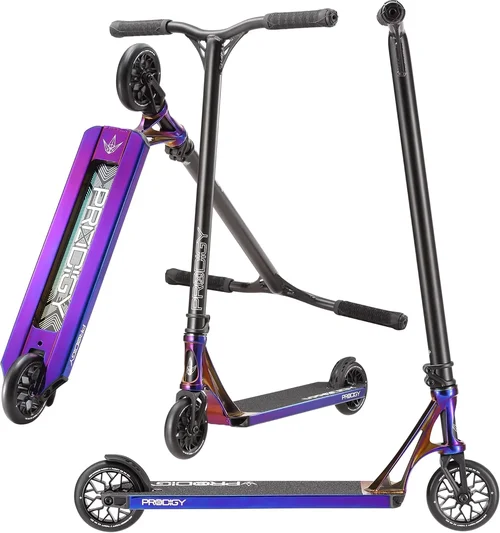
Electric scooters have evolved from niche urban gadgets to mainstream transportation solutions, and 2026 is shaping up to be a pivotal year in their development. With cities becoming more congested, fuel prices fluctuating, and environmental concerns taking center stage, e-scooters offer a practical, eco-friendly, and often fun alternative for daily commuting, weekend adventures, or even last-mile delivery services. Whether you’re a student navigating campus, a professional dodging traffic, or a parent running errands, there’s an electric scooter designed to fit your lifestyle. But with hundreds of models flooding the market—ranging from budget-friendly foldables to high-performance machines capable of highway speeds—choosing the right one can feel overwhelming. That’s where this comprehensive buying guide comes in.
This guide is built for real people making real decisions. We’ve tested dozens of e-scooters across multiple categories, analyzed thousands of user reviews, and consulted with industry experts to deliver actionable, up-to-date advice tailored to 2026’s best options. You’ll learn how to evaluate key specs like range, speed, and build quality, understand the trade-offs between portability and performance, avoid common purchasing pitfalls, and ultimately find the scooter that aligns with your budget, needs, and expectations. From entry-level commuter models to premium off-road beasts, we’ll break down everything you need to know—without the fluff or marketing hype.
The e-scooter market has matured significantly over the past few years. Gone are the days when most models were unreliable, underpowered, or poorly constructed. Today’s top-tier scooters feature advanced battery management systems, regenerative braking, smartphone connectivity, and even AI-assisted ride modes. At the same time, affordable options have become more capable than ever, offering respectable range and safety features at under $500. However, this abundance of choice means buyers must be more discerning than ever. A scooter that looks great on paper might disappoint in real-world use if it lacks durability, has poor after-sales support, or doesn’t match your typical riding conditions. Our goal is to arm you with the knowledge to cut through the noise and make a confident, informed decision.

What to Look for When Buying an E-Scooter
1. Budget & Price Range
Your budget is the single most important factor in narrowing down your options. E-scooters span a wide price spectrum—from as little as $200 for basic, short-range models to over $3,000 for high-end performance machines. While it’s tempting to go for the cheapest option, remember that e-scooters are mechanical devices subject to wear and tear. A $300 scooter might get you from point A to B for a few months, but it likely won’t survive daily commutes, rough terrain, or harsh weather.
Set a realistic budget based on how often you plan to ride and what you’ll use the scooter for. If you’re commuting 5 miles each way, five days a week, investing in a mid-range or premium model ($600–$1,500) will save you money in the long run through better reliability, longer battery life, and lower maintenance costs. Conversely, if you only need occasional weekend rides or campus shuttling, a budget model under $500 could suffice. Always factor in potential add-ons like helmets, locks, or extended warranties when calculating total cost.
2. Performance Specifications
Performance boils down to three core metrics: top speed, range, and motor power. Top speed matters if you need to keep up with traffic or enjoy a thrill, but most city riders find 15–20 mph more than adequate. Be wary of manufacturers who inflate speed claims—real-world speeds are often 10–20% lower due to rider weight, terrain, and battery level.
Range is arguably more critical. A scooter advertised with a 30-mile range might only deliver 18–22 miles under typical conditions (e.g., hilly routes, cold weather, or heavier riders). Look for models that specify “real-world range” or provide testing conditions. For daily commuters, aim for at least 1.5x your one-way distance to account for variables. Motor power (measured in watts) affects acceleration and hill-climbing ability. A 250W motor works for flat city streets, but 500W or higher is recommended for hills or heavier riders.
3. Build Quality & Durability
An e-scooter is only as good as its weakest component. Frame material matters—aluminum alloys are lightweight and rust-resistant, while steel offers strength but adds weight. Look for reinforced joints, sealed electronics, and IP ratings for water and dust resistance (IP54 or higher is ideal for urban use). Suspension systems (front, rear, or dual) significantly improve comfort on uneven surfaces and reduce fatigue on longer rides.
Pay attention to wheel type: solid rubber tires are puncture-proof but offer a harsher ride; pneumatic (air-filled) tires provide better shock absorption but require maintenance and can go flat. Many modern scooters now use honeycomb or tubeless tires as a middle ground. Also inspect the deck size—larger decks offer better stability and foot placement, especially for taller riders.
4. Features & Functionality
Modern e-scooters come packed with features that enhance safety, convenience, and usability. Essential features include bright LED headlights and taillights (with brake-activated lighting), reliable braking systems (disc brakes are superior to drum or electronic brakes), and intuitive displays showing speed, battery level, and ride mode.
Advanced features worth considering include:
– Regenerative braking (recaptures energy during braking to extend range)
– App connectivity (for firmware updates, ride tracking, and anti-theft alerts)
– Multiple ride modes (Eco, Sport, Cruise Control)
– Foldable design with secure locking mechanisms
– USB charging ports for devices
Avoid models that overload on gimmicks—like built-in speakers or RGB lighting—unless they serve a practical purpose. Focus on features that improve your actual riding experience.
5. Brand Reputation
Not all e-scooter brands are created equal. Established brands like Segway-Ninebot, Xiaomi, Apollo, and Dualtron have proven track records for quality, innovation, and customer support. They invest in R&D, rigorous testing, and global service networks. Lesser-known or generic brands may offer tempting prices, but they often cut corners on components, lack spare parts, or disappear after a few years—leaving you stranded if something breaks.
Research brand history: How long have they been in business? Do they offer firmware updates? Are replacement parts readily available? User forums and long-term reviews (12+ months) are invaluable for gauging real-world reliability. A reputable brand might cost more upfront but pays dividends in peace of mind and longevity.
6. Warranty & Support
A strong warranty is a sign of confidence in a product’s durability. Most reputable brands offer at least a 12-month warranty covering motor, battery, and frame defects. Some premium models include 18–24 months or even lifetime frame warranties. Pay close attention to what’s covered—many warranties exclude “wear and tear” items like tires, brakes, and batteries, which degrade naturally over time.
Customer support is equally important. Can you reach someone by phone or chat? Is there a local service center? Do they respond promptly to inquiries? Check recent reviews for mentions of warranty claims or repair experiences. A scooter with a great spec sheet is useless if you can’t get it fixed when it breaks.
7. Size & Portability
If you plan to carry your scooter on public transit, store it under a desk, or take it on trips, portability is crucial. Look for lightweight models (under 30 lbs for easy lifting) with compact folding mechanisms. Measure the folded dimensions—some scooters are surprisingly bulky even when folded.
Consider wheel size too: smaller wheels (6–8 inches) make scooters more compact but less stable on rough terrain; larger wheels (10+ inches) improve ride quality but increase weight and size. Some models include carrying handles or wheels for easier transport when folded.
8. User Reviews & Ratings
Never buy an e-scooter based solely on manufacturer specs or flashy ads. Real user reviews reveal hidden flaws, quirks, and long-term performance trends. Look for patterns: Do multiple users report battery degradation after six months? Are brakes failing prematurely? Is the app buggy?
Focus on verified purchase reviews from trusted platforms like Amazon, Best Buy, or specialized e-scooter forums. Pay extra attention to reviews from riders with similar weight, usage patterns, and environments as yours. A scooter that excels in sunny California might struggle in rainy Seattle or hilly Denver.
Different Types of E-Scooters

Common Buying Mistakes to Avoid
❌ Mistake: Prioritizing Top Speed Over Real-World Range
Why it’s bad: Many buyers fixate on high top speeds (e.g., “40 mph!”) but ignore whether the scooter can actually sustain that speed or deliver usable range. A scooter that hits 35 mph but dies after 10 miles isn’t practical for most riders.
What to do instead: Focus on real-world range estimates and motor efficiency. Look for reviews that test range under load and incline. For most urban riders, 15–20 mph with 15–25 miles of range is ideal.
❌ Mistake: Ignoring Rider Weight Limits
Why it’s bad: Exceeding the recommended weight limit strains the motor, drains the battery faster, and can cause premature wear or failure. Some budget scooters list limits as low as 220 lbs but perform poorly near that threshold.
What to do instead: Choose a scooter rated for at least 20–30 lbs above your weight. Heavier riders should opt for models with 500W+ motors and reinforced frames.
❌ Mistake: Overlooking Braking Systems
Why it’s bad: Poor brakes are a leading cause of e-scooter accidents. Electronic brakes alone are insufficient for emergency stops, especially at higher speeds or on wet surfaces.
What to do instead: Prioritize scooters with dual braking systems (e.g., disc + electronic) and test braking responsiveness if possible. Regenerative braking is a bonus but shouldn’t replace mechanical brakes.
❌ Mistake: Buying Based Solely on Price
Why it’s bad: The cheapest scooter often costs more in the long run due to repairs, replacements, or early obsolescence. You’re not just buying a vehicle—you’re investing in reliability and safety.
What to do instead: Calculate total cost of ownership, including potential maintenance, battery replacement (typically every 2–3 years), and resale value. Mid-range models often offer the best balance.
❌ Mistake: Neglecting Local Laws and Regulations
Why it’s bad: E-scooter laws vary widely by city and state. Some areas restrict speed, require helmets, ban riding on sidewalks, or limit where you can park. Riding illegally can result in fines or confiscation.
What to do instead: Research your local regulations before buying. Choose a scooter that complies with speed and power limits in your area. Some models offer “legal mode” settings to cap speed.
❌ Mistake: Skipping Test Rides
Why it’s bad: Specs don’t tell the whole story. A scooter might feel unstable, have a cramped deck, or suffer from vibration at certain speeds—issues you won’t notice until you ride it.
What to do instead: Visit local retailers or attend e-scooter demo events. If buying online, choose retailers with generous return policies (30 days or more) so you can test it risk-free.
❌ Mistake: Forgetting About Maintenance
Why it’s bad: E-scooters require periodic upkeep: tire checks, brake adjustments, bolt tightening, and battery care. Neglect leads to reduced performance and safety risks.
What to do instead: Learn basic maintenance or find a local shop that services your brand. Keep a toolkit handy and follow the manufacturer’s maintenance schedule.
Budget Guidelines: How Much Should You Spend?
Entry-Level ($200–$500): These scooters are ideal for light, occasional use—think weekend joyrides, campus shuttling, or short errands. Expect modest range (8–15 miles), lower top speeds (12–18 mph), and basic features like LED lights and simple displays. Build quality varies widely; stick to reputable brands like Gotrax, Razor, or Segway’s budget line. Great for teens or first-time riders, but not recommended for daily commuting.
Mid-Range ($500–$1,000): This is the sweet spot for most buyers. Scooters in this tier offer reliable performance, 15–25 miles of range, speeds up to 20 mph, and better build quality with features like app connectivity, dual braking, and improved suspension. Brands like Xiaomi, Apollo, and NIU dominate here. Perfect for daily commuters who need dependability without breaking the bank.
Premium ($1,000–$2,000): Designed for enthusiasts and serious commuters, these models deliver high performance, long range (25–40+ miles), and advanced features like regenerative braking, smartphone integration, and robust suspension. Motors range from 500W to 1,000W+, enabling hill climbing and faster acceleration. Ideal for riders covering longer distances or tackling varied terrain.
Luxury ($2,000+): The top tier includes off-road beasts, dual-motor powerhouses, and scooters with cutting-edge tech like AI ride optimization, carbon fiber frames, and swappable batteries. These are built for speed, durability, and all-conditions riding. While overkill for most, they’re perfect for adrenaline seekers, delivery professionals, or those who treat their scooter as a primary vehicle.
Expert Tips for Getting the Best Deal
– Buy during off-peak seasons: Prices often drop in late fall and winter when demand is lower. Black Friday, Cyber Monday, and post-holiday sales offer significant discounts—sometimes 20–30% off.
– Check manufacturer websites directly: Brands like Segway, Apollo, and Dualtron frequently run exclusive promotions, bundle deals (free helmet + lock), or offer extended warranties not available on third-party retailers.
– Consider refurbished or open-box models: Certified refurbished scooters from reputable sellers come with warranties and can save you 15–40%. Ensure they include full diagnostics and battery health reports.
– Read the fine print on warranties: Some brands prorate warranties or require registration within 30 days. Keep your receipt and register immediately.
– Use price-tracking tools: Set alerts on Amazon, Google Shopping, or CamelCamelCamel to monitor price drops on specific models.
– Join e-scooter communities: Forums like Reddit’s r/ElectricScooters or Facebook groups often share flash deals, discount codes, or group buys.
– Negotiate with local dealers: Independent shops may match online prices or throw in free accessories to win your business.
– Test before you commit: If buying in-store, ask for a demo ride. Online? Choose retailers with hassle-free returns (e.g., 30-day window, free return shipping).

Frequently Asked Questions
Q: How long do e-scooter batteries last?
A: Most lithium-ion batteries last 300–500 full charge cycles before capacity drops to 80%. With regular use, that’s typically 2–3 years. Proper care—avoiding extreme temperatures, not draining to 0%, and storing at 50% charge—can extend lifespan.
Q: Can I ride an e-scooter in the rain?
A: It depends on the IP rating. Scooters with IP54 or higher can handle light rain and splashes, but avoid deep puddles or heavy downpours. Never submerge the scooter or charge a wet unit.
Q: Are e-scooters safe?
A: When used responsibly, yes. Always wear a helmet, follow traffic laws, avoid distracted riding, and maintain your scooter. Choose models with good brakes, lights, and stability. Safety also depends on infrastructure—dedicated bike lanes reduce risk.
Q: How fast can e-scooters go?
A: Most consumer models cap at 15–25 mph for legal compliance. High-performance scooters can reach 40–60 mph, but such speeds require protective gear and experience. Always respect local speed limits.
Q: Do I need a license to ride an e-scooter?
A: In most U.S. states and many countries, no license is required for scooters under 20 mph and 750W. However, some cities require registration or restrict where you can ride. Check local laws.
Q: Can I take my e-scooter on a plane?
A: Most airlines allow e-scooters with batteries under 160Wh in checked luggage (not carry-on). Larger batteries may require special approval. Foldable travel scooters are designed for this purpose.
Q: How do I maintain my e-scooter?
A: Regularly check tire pressure (if pneumatic), tighten bolts, clean the deck and sensors, update firmware, and store in a dry place. Lubricate moving parts as needed and inspect brakes monthly.
Q: What’s the difference between hub motors and belt-driven motors?
A: Hub motors are integrated into the wheel—simple, quiet, and low-maintenance but less efficient on hills. Belt-driven motors use a belt and pulley system, offering better torque and hill-climbing but require occasional belt replacement.
Q: Can I upgrade my scooter’s battery?
A: Some models allow battery swaps or upgrades, but it’s often complex and voids warranties. Only attempt with manufacturer-approved parts and technical knowledge.
Q: Are e-scooters eco-friendly?
A: Compared to cars, yes—they produce zero emissions during use and have a smaller carbon footprint over their lifecycle. However, battery production and disposal have environmental impacts, so proper recycling is essential.
Our Final Recommendations
Best for Budget-Conscious Buyers: Gotrax G4 – At under $500, it delivers 20 miles of range, 18 mph top speed, and solid build quality with app connectivity and dual braking. Perfect for students and casual riders.
Best Overall Value: Apollo City 2026 – Priced around $900, it offers 30+ miles of range, 25 mph speed, excellent suspension, and a sleek design. Ideal for daily commuters who want reliability and comfort.
Best Premium Option: Dualtron Thunder 3 – A powerhouse with dual 1,500W motors, 60 mph top speed, and 70-mile range. Built for thrill-seekers and long-distance riders who demand top-tier performance.
Best for Beginners: Segway Ninebot ES2 – Lightweight, intuitive, and packed with safety features like shock absorption and LED underdeck lighting. Great for first-time riders learning the ropes.
Best for Advanced Users: Kaabo Wolf Warrior 11 – An off-road beast with 50 mph speed, 60-mile range, and rugged construction. Designed for experienced riders tackling trails and steep hills.
Conclusion: Making the Right Choice
Choosing the best e-scooter isn’t about finding the most powerful or flashiest model—it’s about matching the right tool to your unique needs, lifestyle, and environment. Whether you’re commuting across town, exploring local trails, or simply looking for a fun way to get around, the perfect scooter is out there. By prioritizing factors like range, build quality, safety features, and brand support—and avoiding common pitfalls like overspending on speed or ignoring local laws—you’ll set yourself up for years of reliable, enjoyable rides.
Remember, the best scooter is the one you’ll actually use. Don’t let specs overwhelm you; focus on real-world performance and comfort. Test when you can, read honest reviews, and invest in quality that lasts. And once you’re on the road, ride smart: wear a helmet, stay visible, and respect others. The future of urban mobility is electric—and it starts with your next ride.