
Electric bikes with throttle functionality have revolutionized personal transportation, offering riders instant power at the twist of a wrist or push of a button. Whether you’re commuting through city traffic, tackling steep hills, or simply want a little extra boost on long rides, e-bikes with throttle provide an effortless and exhilarating experience. Unlike pedal-assist-only models that require continuous pedaling to activate the motor, throttle-operated e-bikes deliver immediate propulsion—making them ideal for riders who value convenience, accessibility, or those recovering from injury. As we move into 2026, the market for throttle-enabled e-bikes has never been more dynamic, with innovations in battery technology, motor efficiency, and smart integration reshaping what’s possible.
This comprehensive buying guide is designed to help you navigate the crowded e-bike landscape with confidence. Whether you’re a first-time buyer or upgrading from an older model, you’ll learn how to evaluate critical factors like motor power, battery range, build quality, and legal compliance. We’ll break down the different types of throttle systems, compare top-performing models across price ranges, and highlight common pitfalls to avoid. By the end of this guide, you’ll have a clear understanding of what makes an e-bike with throttle truly stand out—and how to choose one that aligns perfectly with your lifestyle, budget, and riding goals.
The e-bike market in 2026 is more competitive than ever, with brands ranging from established giants like Rad Power Bikes and Aventon to emerging innovators such as Lectric and Heybike. Throttle functionality remains a key differentiator, especially for riders who prioritize ease of use over pure fitness-oriented cycling. From compact folding commuter bikes to rugged off-road fat-tire models, throttle-equipped e-bikes now span nearly every category. However, not all throttles are created equal—some offer smooth, responsive control, while others feel jerky or underpowered. This guide cuts through the marketing noise to deliver expert insights, real-world performance data, and actionable advice so you can make a smart, informed purchase.

What to Look for When Buying E-Bikes with Throttle
1. Throttle Type and Performance
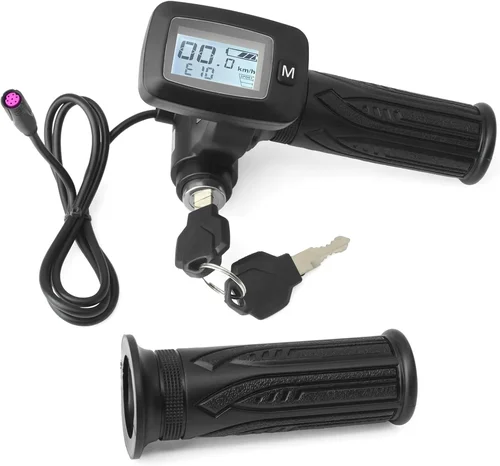
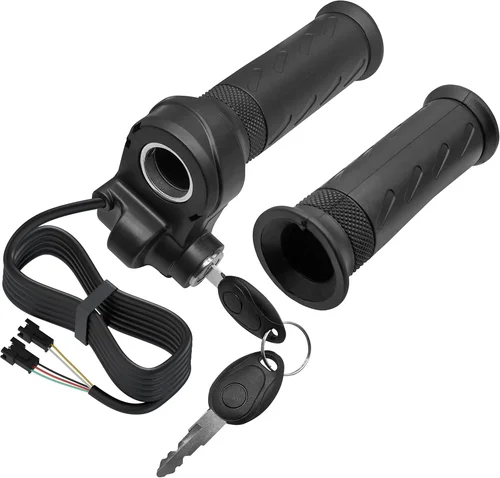
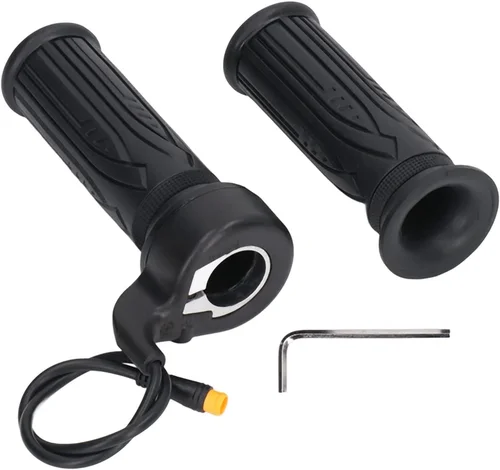
The type of throttle on an e-bike significantly impacts your riding experience. There are two primary types: twist-grip throttles (similar to motorcycles) and thumb or push-button throttles. Twist-grip throttles offer intuitive, variable speed control—the more you twist, the faster you go—making them popular on performance-oriented models. Thumb throttles, often found on budget or commuter e-bikes, require pressing a lever with your thumb and are generally simpler but less precise. High-quality throttles deliver smooth acceleration without sudden jerks, while cheaper versions may have lag or inconsistent power delivery. Look for models with responsive, linear throttle response and consider how the throttle integrates with pedal-assist modes—some bikes allow seamless transitions between the two.
2. Motor Power and Torque
Motor specifications are crucial for throttle performance. Most e-bikes with throttle feature hub motors (in the front or rear wheel) or mid-drive motors (located near the pedals). Hub motors are common on budget and commuter models, offering simplicity and reliability, while mid-drive motors provide better weight distribution and efficiency, especially on hills. Motor power is measured in watts (W), with 250W to 750W being the typical range for street-legal e-bikes in the U.S. However, torque—measured in Newton-meters (Nm)—is equally important, especially for throttle use. Higher torque (e.g., 60+ Nm) ensures strong acceleration and hill-climbing ability. For example, a 750W motor with 80 Nm of torque will feel significantly more powerful than a 500W motor with 40 Nm, even if both are legally classified the same.
3. Battery Capacity and Range
Battery performance directly affects how far and how long you can ride using throttle mode. Battery capacity is measured in watt-hours (Wh), which indicates total energy storage. A higher Wh rating generally means longer range. For instance, a 48V 14Ah battery equals 672Wh, while a 36V 10Ah battery is only 360Wh. When using throttle exclusively, range drops significantly compared to pedal-assist—expect 15–30 miles on a full charge depending on terrain, rider weight, and speed. Look for removable batteries for easy charging and replacement, and check if the battery uses high-quality cells (like Samsung or LG). Fast-charging capability (e.g., 3–4 hours from 0–100%) is a valuable feature for daily commuters.
4. Build Quality and Frame Material
Durability matters, especially if you plan to use your e-bike regularly or in harsh conditions. Frame material plays a big role: aluminum alloy is lightweight, rust-resistant, and common in mid-to-high-end models, while steel frames are heavier but more durable and often found on budget bikes. Check for reinforced joints, quality welds, and weather-resistant components. Suspension systems—front forks, rear shocks, or full suspension—improve comfort on rough terrain but add weight and cost. For city commuting, a rigid fork may suffice, but off-road or long-distance riders should consider at least front suspension. Also, inspect the quality of brakes (disc brakes are superior to rim brakes), tires (puncture-resistant models are worth the investment), and drivetrain components.
5. Legal Compliance and Classifications
E-bikes in the U.S. are classified into three categories based on speed and motor activation. Class 1: pedal-assist only, up to 20 mph. Class 2: throttle-assisted up to 20 mph. Class 3: pedal-assist only, up to 28 mph. Most throttle e-bikes fall under Class 2, which is legal on bike paths and roads in most states, but regulations vary. Some cities restrict throttle use on multi-use trails, so check local laws before buying. Additionally, ensure the bike meets UL 2849 safety certification, which verifies electrical system safety and reduces fire risk. Non-compliant bikes may be cheaper but pose safety hazards and could be illegal to ride in certain areas.
6. Weight and Portability
E-bikes with throttle tend to be heavier than traditional bikes due to the motor and battery. Average weights range from 40 to 70 pounds, which affects portability, especially if you need to carry the bike upstairs or store it in a small apartment. Folding e-bikes with throttle (like the Lectric XP 3.0) offer a compromise, allowing compact storage and transport. If portability is a priority, look for models with lightweight frames, foldable designs, and ergonomic handles. However, lighter bikes often come at a higher price or with reduced battery capacity. Consider your storage space and transportation needs before prioritizing weight.
7. Features and Smart Integration
Modern e-bikes come packed with features that enhance usability and safety. Integrated LED lights (front and rear) are essential for night riding and often powered by the main battery. Displays vary from basic LCD screens showing speed and battery level to full-color touchscreens with GPS, ride tracking, and smartphone connectivity. Some models offer app integration for firmware updates, anti-theft tracking, and ride analytics. Other useful features include USB charging ports, fenders, rear racks, and phone mounts. While not essential, these extras can significantly improve your daily riding experience, especially for commuters.
8. Brand Reputation and Customer Support
Not all e-bike brands are created equal. Established brands like Rad Power Bikes, Aventon, and Trek have proven track records, extensive dealer networks, and reliable customer service. Emerging brands may offer better value but can lack long-term support. Research warranty terms—most reputable brands offer 1–2 years on the frame and electrical components. Check online reviews for common issues like battery degradation, motor failures, or poor售后 support. Brands with U.S.-based service centers or local dealers make repairs and part replacements much easier. Avoid no-name brands sold exclusively through third-party marketplaces unless they have strong independent reviews.
9. Warranty and Return Policy
A solid warranty protects your investment. Look for at least a 1-year comprehensive warranty covering the motor, battery, and controller. Some premium brands offer 2–3 years. Battery warranties are especially important—lithium-ion batteries degrade over time, and a good warranty (e.g., 1–2 years or 500–800 charge cycles) ensures replacement if capacity drops below 70%. Return policies vary: some retailers offer 14–30 day trial periods, while others have strict no-return rules. Buying from a retailer with a generous return window allows you to test the bike in real-world conditions and return it if it doesn’t meet expectations.
Different Types of E-Bikes with Throttle

Common Buying Mistakes to Avoid
❌ Mistake: Ignoring Local E-Bike Laws
Why it’s bad: Riding a throttle e-bike on restricted paths or exceeding speed limits can result in fines, confiscation, or legal trouble. Some states ban Class 2 e-bikes from bike trails, while others require helmets or registration.
What to do instead: Research your state and city regulations before purchasing. Check with local bike shops or transportation departments. Opt for a bike that can be configured to comply with local rules, such as limiting top speed via a display setting.
❌ Mistake: Prioritizing Price Over Battery Quality
Why it’s bad: Cheap batteries degrade quickly, losing capacity within a year. Low-quality cells may overheat or fail prematurely, posing safety risks and requiring costly replacements.
What to do instead: Choose bikes with name-brand batteries (Samsung, LG, Panasonic) and check warranty terms. Avoid models with non-removable batteries unless you’re certain about long-term support.
❌ Mistake: Overlooking Weight and Portability
Why it’s bad: A 60-pound e-bike is difficult to lift, store, or transport. If you live in an apartment or take public transit, this can become a major inconvenience.
What to do instead: Consider your daily routine. If you need to carry the bike upstairs or fit it in a car trunk, look for lighter models or folding designs. Test the weight in-store if possible.
❌ Mistake: Skipping the Test Ride
Why it’s bad: E-bikes vary widely in ride feel, throttle response, and comfort. Buying online without testing can lead to disappointment, especially with fit and handling.
What to do instead: Visit local dealers or attend e-bike demo events. If buying online, choose retailers with generous return policies (30 days or more) and free return shipping.
❌ Mistake: Assuming All Throttles Are Equal
Why it’s bad: Some throttles feel sluggish or jerky, making city riding frustrating. Others lack fine control, causing sudden bursts of speed.
What to do instead: Read detailed reviews that describe throttle performance. Look for terms like “smooth acceleration,” “responsive,” or “linear power delivery.” Avoid models with complaints about throttle lag.
❌ Mistake: Neglecting After-Sales Support
Why it’s bad: E-bikes require maintenance and occasional repairs. Brands with poor customer service or no local dealers can leave you stranded with a broken bike.
What to do instead: Choose brands with U.S.-based support, clear warranty terms, and accessible spare parts. Check forums and Reddit for user experiences with repairs and replacements.
❌ Mistake: Buying Based Solely on Range Claims
Why it’s bad: Manufacturers often quote range under ideal conditions (flat terrain, low speed, pedal-assist only). Real-world throttle use can cut range by 40–60%.
What to do instead: Take range estimates with a grain of salt. Look for independent test results or user reviews that report actual mileage. Plan for 50–70% of the advertised range when using throttle frequently.
Budget Guidelines: How Much Should You Spend?
Entry-Level ($600 – $1,200): This tier includes budget-friendly models from brands like Heybike, Swagtron, and Ancheer. Expect basic components, lower-capacity batteries (360–500Wh), and hub motors around 500W. Build quality may be inconsistent, and warranties are often limited. These bikes are best for casual riders, short commutes, or those on a tight budget. While they offer throttle functionality, performance and durability may not hold up under daily use.
Mid-Range ($1,200 – $2,500): This is the sweet spot for most buyers. Brands like Rad Power Bikes, Aventon, and Lectric offer well-balanced models with reliable motors (750W), decent batteries (500–700Wh), and better build quality. You’ll find features like integrated lights, fenders, racks, and improved displays. These bikes are suitable for daily commuting, weekend adventures, and moderate off-road use. Most include solid warranties and good customer support.
Premium ($2,500 – $4,000): Designed for enthusiasts and serious riders, premium e-bikes feature high-torque motors (80+ Nm), long-range batteries (700–1000Wh), and advanced components. Expect full suspension, hydraulic disc brakes, and smart features like GPS and app connectivity. Brands like Trek, Specialized, and Riese & Müller dominate this space. These bikes excel in performance, comfort, and durability, making them ideal for long-distance touring or rugged terrain.
Luxury ($4,000+): At this level, you’re paying for top-tier engineering, premium materials, and cutting-edge technology. Examples include the Stromer ST5, Delfast Prime, and Super73 ZX. These bikes often feature mid-drive motors, regenerative braking, carbon fiber frames, and ultra-long range (up to 100+ miles). They’re built for performance, style, and innovation, but come with a steep price tag. Best for collectors, tech enthusiasts, or those who want the absolute best.
Expert Tips for Getting the Best Deal
1. Buy During Seasonal Sales: The best time to buy an e-bike is during end-of-season sales (late fall/winter) or major holidays like Black Friday, Memorial Day, or Independence Day. Many retailers offer discounts of 10–25%, plus free shipping or accessories.
2. Shop Direct from Manufacturers: Brands like Rad Power Bikes, Lectric, and Aventon sell directly to consumers, cutting out middlemen and passing savings to you. They often have exclusive deals, extended warranties, and better customer support than third-party retailers.
3. Consider Refurbished or Open-Box Models: Certified refurbished e-bikes from reputable brands can save you 20–40% off retail. These units are inspected, tested, and often come with the same warranty as new bikes. Check manufacturer websites or certified resellers.
4. Test Before You Buy: Whenever possible, test ride multiple models. Pay attention to throttle response, braking, comfort, and how the bike handles at low and high speeds. A 15-minute ride can reveal more than hours of online research.
5. Read Independent Reviews: Avoid relying solely on manufacturer specs or sponsored content. Seek out unbiased reviews from sources like Electric Bike Review, DC Rainmaker, or YouTube channels dedicated to e-bike testing.
6. Check Return and Warranty Policies: A 30-day return window gives you time to evaluate the bike in real conditions. Ensure the warranty covers the battery and motor—key components that can fail. Avoid brands with “limited” or “pro-rated” warranties.
7. Look for Bundled Deals: Some retailers offer packages including helmets, locks, racks, or phone mounts at a discount. These can add value and save you money compared to buying accessories separately.
8. Join Online Communities: Forums like Reddit’s r/ebikes or Facebook groups provide real user feedback, deal alerts, and troubleshooting tips. Members often share exclusive discount codes or early access to sales.

Frequently Asked Questions
Q: Are e-bikes with throttle legal in the U.S.?
A: Yes, Class 2 e-bikes (throttle-assisted up to 20 mph) are legal in most states and can be ridden on roads and bike lanes. However, some cities and trails restrict throttle use, so always check local regulations before riding.
Q: How far can I ride on throttle alone?
A: Range varies by battery capacity, terrain, and rider weight. On average, expect 15–30 miles using throttle exclusively. A 672Wh battery may deliver 25 miles on flat ground, but hills and high speeds can reduce this to 15 miles or less.
Q: Can I convert a regular bike to an e-bike with throttle?
A: Yes, conversion kits (like those from Bafang or Voilamart) allow you to add a motor and throttle to a standard bike. However, ensure the frame can handle the weight and stress, and that the kit meets local e-bike laws.
Q: Do I need a license or insurance for a throttle e-bike?
A: In most states, no license or insurance is required for Class 2 e-bikes. However, some states (like New York) have specific rules, and commercial use (e.g., delivery) may require registration.
Q: How long do e-bike batteries last?
A: Lithium-ion batteries typically last 500–1,000 charge cycles, or 2–4 years with regular use. Capacity gradually declines, and most warranties cover replacement if it drops below 70% within the warranty period.
Q: Can I ride an e-bike with throttle in the rain?
A: Most e-bikes are water-resistant (IP65 rating), meaning they can handle light rain. Avoid submerging the battery or motor, and dry the bike after wet rides to prevent corrosion.
Q: Is throttle mode bad for the motor or battery?
A: Using throttle occasionally won’t harm the system. However, constant high-speed throttle use generates more heat and drains the battery faster, potentially reducing lifespan over time. Mixing throttle with pedal-assist is more efficient.
Q: What’s the difference between hub and mid-drive motors?
A: Hub motors are simpler, cheaper, and easier to maintain, but less efficient on hills. Mid-drive motors use the bike’s gears, offering better torque and efficiency, especially on varied terrain, but cost more and are complex to service.
Q: Can I upgrade the battery on my e-bike?
A: Some brands offer higher-capacity battery upgrades, but compatibility varies. Check with the manufacturer before purchasing third-party batteries, as they may void the warranty or cause safety issues.
Q: Are folding e-bikes with throttle worth it?
A: Yes, if portability is a priority. Models like the Lectric XP 3.0 or Aventon Sinch offer full-size performance in a compact form. Ideal for apartment dwellers, commuters using public transit, or travelers.
Our Final Recommendations
Best for Budget-Conscious Buyers: Lectric XP 3.0 – At under $1,000, this folding fat-tire e-bike delivers impressive performance with a 750W motor, 672Wh battery, and responsive twist throttle. It’s lightweight, portable, and packed with features like integrated lights and a rear rack.
Best Overall Value: Rad Power Bikes RadCity 5 Plus – A top-tier commuter e-bike with a powerful 750W motor, 672Wh battery, and smooth thumb throttle. It includes fenders, lights, a rack, and a comfortable step-through frame. Excellent customer support and a 2-year warranty make it a reliable long-term investment.
Best Premium Option: Aventon Aventure.2 – This fat-tire adventure e-bike features a 750W motor, 80 Nm of torque, and a 720Wh battery for extended range. The responsive twist throttle, full suspension, and premium components make it ideal for off-road enthusiasts and long-distance riders.
Best for Beginners: Heybike Cityscape – A user-friendly commuter e-bike with a simple thumb throttle, 500W motor, and 540Wh battery. It’s affordable, easy to assemble, and includes essential features like lights and a rear rack—perfect for new riders.
Best for Advanced Users: Specialized Turbo Vado SL 5.0 – A high-performance Class 3 e-bike with a lightweight mid-drive motor, 320Wh battery (expandable to 600Wh), and optional throttle kit. Designed for speed and efficiency, it’s ideal for tech-savvy riders who want cutting-edge performance.
Conclusion: Making the Right Choice
Choosing the best e-bike with throttle in 2026 comes down to understanding your needs, budget, and riding environment. Whether you’re navigating city streets, exploring mountain trails, or simply seeking a more convenient way to get around, the right e-bike can transform your daily routine. Prioritize key factors like throttle type, motor performance, battery capacity, and build quality—and don’t overlook legal compliance and after-sales support.
Remember, the cheapest option isn’t always the best long-term value. Investing in a reliable, well-supported e-bike from a reputable brand ensures years of safe, enjoyable riding. Take advantage of test rides, seasonal sales, and expert reviews to make an informed decision. And once you’ve chosen your e-bike, maintain it regularly to maximize performance and lifespan.
Ultimately, the perfect e-bike with throttle is one that fits your lifestyle, enhances your mobility, and brings you joy every time you ride. With the insights from this guide, you’re now equipped to find it. Happy riding!