
Electric bikes with throttle have revolutionized personal transportation, offering a seamless blend of pedal-assist power and instant-on electric propulsion. Whether you’re commuting through city traffic, tackling steep hills, or simply looking for a more effortless ride, an e-bike with throttle gives you the freedom to ride without pedaling—delivering pure electric power at the twist of a handle or press of a button. As we move into 2026, the market for throttle-equipped e-bikes has exploded with innovation, making it both exciting and overwhelming for buyers. With advancements in battery technology, motor efficiency, and smart features, today’s e-bikes are more capable, reliable, and accessible than ever before.
This comprehensive buying guide is designed to cut through the noise and help you make an informed decision. Whether you’re a first-time buyer or upgrading from an older model, you’ll learn everything you need to know about choosing the best e-bike with throttle for your lifestyle, budget, and riding needs. From understanding key performance specs to comparing different categories and avoiding common pitfalls, this guide covers it all. We’ll walk you through the most important factors to consider, break down pricing tiers, and share expert tips to ensure you get the best value for your investment. By the end, you’ll have the confidence to choose an e-bike that doesn’t just meet your expectations—it exceeds them.

What to Look for When Buying an E-Bike with Throttle
1. Motor Power and Type
The motor is the heart of any e-bike, and for throttle models, it’s especially critical. Most e-bikes with throttle use either hub motors (mounted in the front or rear wheel) or mid-drive motors (located near the pedals). Hub motors are common in budget and mid-range models because they’re simpler and more affordable. Rear hub motors offer better traction and a more natural riding feel, while front hub motors can feel lighter but may reduce steering precision. Mid-drive motors, found in premium models, provide superior balance, efficiency, and hill-climbing ability by leveraging the bike’s gears.
Motor power is measured in watts (W), with most consumer e-bikes ranging from 250W to 750W. In the U.S., 750W is the legal limit for Class 2 and Class 3 e-bikes (which allow throttle use), though some states have lower limits. A 500W motor is sufficient for flat terrain and light loads, but if you plan to carry cargo, ride uphill frequently, or want faster acceleration, a 750W motor is ideal. Look for motors with high torque ratings (measured in Newton-meters or Nm)—higher torque means better hill-climbing and quicker starts from a stop. Brands like Bafang, Bosch, and Shengyi are known for reliable, high-performance motors.
2. Battery Capacity and Range
Battery capacity determines how far you can ride on a single charge, and it’s one of the most important factors for throttle users who rely heavily on electric power. Battery capacity is measured in watt-hours (Wh), calculated by multiplying voltage (V) by amp-hours (Ah). For example, a 48V 15Ah battery delivers 720Wh of energy. As a rule of thumb, 400–500Wh is adequate for short commutes (15–25 miles), while 600Wh and above is better for longer rides or hilly terrain.
Lithium-ion (Li-ion) batteries are the standard due to their high energy density, long lifespan, and low self-discharge. Avoid older or cheaper models with lead-acid or nickel-based batteries—they’re heavier, less efficient, and degrade faster. Removable batteries are a major plus, allowing you to charge indoors or swap in a spare. Some high-end models even feature dual-battery systems for extended range. Always check the manufacturer’s claimed range, but keep in mind that real-world range varies based on terrain, rider weight, throttle usage, and weather. Using throttle continuously will drain the battery much faster than pedal-assist mode.
3. Throttle Type and Control
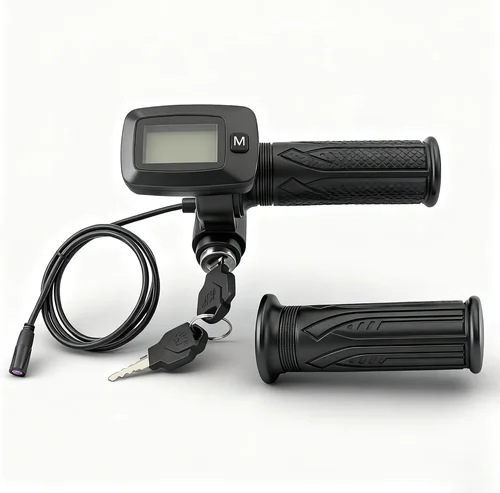
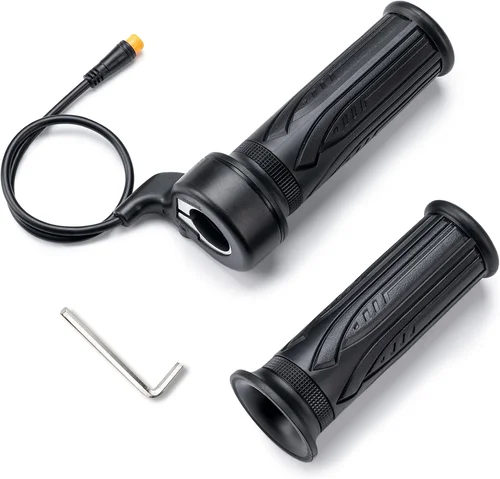
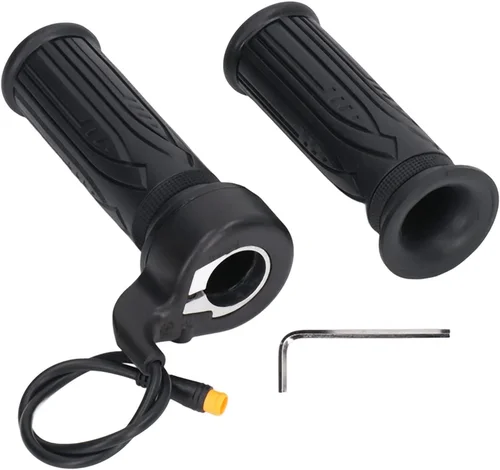
Not all throttles are created equal. The two main types are twist-grip and thumb (or button) throttles. Twist-grip throttles, similar to those on motorcycles, allow for smooth, variable speed control by twisting the right handlebar grip. They’re intuitive and offer fine-tuned acceleration, making them popular on performance and commuter e-bikes. Thumb throttles are activated by pressing a lever or button with your thumb—they’re simpler and often found on budget models, but can feel less responsive.
Some e-bikes offer hybrid throttle systems that combine both types or allow you to switch between them. Look for throttles with progressive engagement—meaning the speed increases gradually as you apply more pressure—rather than an on/off switch. This improves safety and control, especially in traffic or on slippery surfaces. Also, check if the throttle works independently of pedal-assist or only when pedaling (some regions require pedal-assist activation for throttle use). A good throttle should feel smooth, responsive, and ergonomic.
4. Frame Material and Build Quality
The frame is the foundation of your e-bike’s durability, comfort, and ride quality. Most e-bikes use aluminum alloy frames due to their strength-to-weight ratio, corrosion resistance, and affordability. High-end models may use carbon fiber for even lighter weight and vibration damping, but these are rare and expensive. Steel frames are strong and absorb road shock well but are heavier and prone to rust if not properly treated.
Pay attention to frame geometry—step-through frames are easier to mount and ideal for casual riders or those with mobility issues, while traditional diamond frames offer better rigidity and performance. Weld quality, tube thickness, and reinforcement at stress points (like the bottom bracket and head tube) are indicators of build quality. Look for brands that use hydroformed tubing or double-butted frames for added strength without excess weight. A well-built frame should feel solid, not flex or creak under load.
5. Braking System
With the added speed and weight of an e-bike, reliable brakes are non-negotiable. Mechanical disc brakes are common on entry-level models and offer decent stopping power, but they require regular cable adjustments and can fade under heavy use. Hydraulic disc brakes, found on mid-to-high-end e-bikes, provide superior modulation, consistent performance in wet conditions, and less hand fatigue. They’re self-adjusting and more reliable over time.
For urban commuting or hilly terrain, hydraulic disc brakes are strongly recommended. Some premium models also feature regenerative braking, which recaptures a small amount of energy during braking to extend battery life—though the benefit is minimal on most consumer e-bikes. Avoid rim brakes (V-brakes or caliper brakes) on e-bikes, as they wear down quickly under the stress of heavier bikes and higher speeds. Always test the brakes during a demo ride—they should engage smoothly and stop the bike confidently without squealing or grabbing.
6. Suspension and Comfort Features
Riding comfort is crucial, especially if you plan to use your e-bike for long commutes or off-road adventures. Front suspension forks absorb bumps and improve control on rough pavement or trails. Full suspension (front and rear) is ideal for mountain e-bikes but adds weight and cost. For city riding, a quality front suspension fork with 80–120mm of travel is usually sufficient.
Comfort also comes from ergonomic design: adjustable handlebars, a well-padded saddle, and ergonomic grips reduce fatigue on longer rides. Some e-bikes feature suspension seatposts or gel saddles for extra cushioning. Tire width matters too—wider tires (2.0” or more) provide better grip and shock absorption, especially on uneven surfaces. Look for puncture-resistant tires with reflective sidewalls for added safety.
7. Display and Smart Features
The display is your command center, showing speed, battery level, assist mode, and sometimes navigation or ride stats. Basic LCD displays show essential info, while color TFT screens offer more detail and customization. Some high-end models include Bluetooth connectivity, allowing you to sync with smartphone apps for route tracking, firmware updates, or anti-theft alerts.
Smart features like GPS tracking, anti-theft alarms, and automatic lights are becoming more common. Integrated lighting—front and rear LED lights powered by the main battery—is a major safety advantage, especially for night riding. USB charging ports let you power your phone or other devices on the go. While not essential, these features enhance convenience and security. Make sure the display is easy to read in sunlight and weather-resistant.
8. Weight and Portability
E-bikes are heavier than traditional bikes due to the motor and battery, typically ranging from 40 to 70 pounds. If you need to carry your bike upstairs, load it into a car, or store it in a small space, weight and portability become critical. Folding e-bikes with throttle are a great solution for commuters who combine biking with public transit. Models like the Swagtron EB5 Pro or ANCHEER Folding E-Bike offer compact designs and decent performance.
Look for features like foldable frames, removable batteries, and lightweight materials. However, don’t sacrifice performance for portability—some ultra-light models have weaker motors or smaller batteries. If you don’t need to fold or carry your bike often, a standard frame with a sturdy kickstand and rear rack may be more practical. Always check the weight limit (payload capacity), which includes rider, cargo, and accessories.
9. Warranty and Customer Support
A good warranty protects your investment and reflects the manufacturer’s confidence in their product. Most reputable brands offer at least a 1-year warranty on the frame and motor, with 6–12 months on the battery. Premium brands like Rad Power Bikes or Aventon often provide 2-year comprehensive coverage. Look for warranties that cover both parts and labor, and check if they include in-home service or require you to ship the bike.
Customer support is just as important. Read reviews about how responsive and helpful the company is when issues arise. Brands with local service centers or partnerships with bike shops make repairs easier. Avoid no-name brands with vague warranty terms or no customer service contact. A strong warranty and support network can save you hundreds in repair costs and downtime.
10. User Reviews and Real-World Feedback
Spec sheets tell part of the story, but real user experiences reveal the rest. Look for detailed reviews on platforms like Amazon, Reddit (r/ebikes), or specialized forums like Electric Bike Review. Pay attention to comments about reliability, battery life, throttle responsiveness, and after-sales service. Common red flags include frequent motor failures, poor battery longevity, or unresponsive customer support.
Video reviews on YouTube can show the bike in action—how it handles hills, accelerates, and rides on different surfaces. Look for long-term reviews (6+ months) to assess durability. Also, check for recalls or widespread issues reported by users. A bike with consistently positive feedback across multiple sources is more likely to deliver a satisfying experience.
Different Types of E-Bikes with Throttle

Common Buying Mistakes to Avoid
❌ Mistake: Ignoring Local E-Bike Laws
Why it’s bad: E-bike regulations vary widely by state and country. In the U.S., Class 2 e-bikes (with throttle) are limited to 20 mph and 750W, but some states ban throttle use on bike paths or require helmets. Riding an illegal e-bike can result in fines or confiscation.
What to do instead: Research your local laws before buying. Check speed limits, where you can ride, and whether helmets or licenses are required. Choose a compliant model to avoid legal issues.
❌ Mistake: Choosing Based on Price Alone
Why it’s bad: The cheapest e-bikes often cut corners on motor quality, battery life, and safety features. You may end up with a bike that breaks down frequently or has poor range.
What to do instead: Set a realistic budget and prioritize value over the lowest price. Mid-range models ($1,200–$2,000) often offer the best balance of performance, durability, and features.
❌ Mistake: Overlooking Battery Replacement Costs
Why it’s bad: E-bike batteries degrade over time and typically need replacement every 3–5 years. A new battery can cost $400–$800, which is a significant hidden expense.
What to do instead: Choose a model with a reputable battery brand (like Samsung or LG cells) and check if replacements are readily available. Some brands offer battery upgrade programs or trade-in discounts.
❌ Mistake: Not Test Riding Before Buying
Why it’s bad: E-bikes handle differently based on weight distribution, suspension, and throttle response. A bike that looks great online might feel awkward or uncomfortable in real life.
What to do instead: Visit local dealers or attend e-bike demo events. Test ride multiple models to compare comfort, handling, and throttle feel. If buying online, choose retailers with generous return policies.
❌ Mistake: Ignoring Maintenance Needs
Why it’s bad: E-bikes require regular maintenance—brake adjustments, tire checks, chain lubrication, and software updates. Neglecting maintenance can lead to safety issues and costly repairs.
What to do instead: Learn basic maintenance or find a local shop that services e-bikes. Choose models with accessible components and clear service guides.
❌ Mistake: Buying Without Considering Storage
Why it’s bad: E-bikes are bulky and heavy. Storing one in a small apartment or on a balcony without protection can lead to damage or theft.
What to do instead: Measure your storage space and consider a folding model if space is limited. Invest in a sturdy lock and consider indoor storage or a bike cover.
❌ Mistake: Falling for Overhyped Marketing Claims
Why it’s bad: Some brands exaggerate range, speed, or durability. A “50-mile range” claim might only apply under ideal conditions with minimal throttle use.
What to do instead: Read independent reviews and real-world test data. Look for third-party certifications like UL 2849 for electrical safety.
Budget Guidelines: How Much Should You Spend?
Entry-Level ($600 – $1,200): These e-bikes are ideal for casual riders or those on a tight budget. Expect basic components—hub motors around 350–500W, 36V batteries with 300–500Wh capacity, mechanical disc brakes, and minimal features. Brands like Swagtron, ANCHEER, and ECOTRIC offer decent options in this range. While they’re affordable, they may lack durability, long-term reliability, and customer support. Best for flat terrain and short commutes.
Mid-Range ($1,200 – $2,500): This is the sweet spot for most buyers. You’ll find 500–750W motors, 48V batteries with 600–750Wh capacity, hydraulic disc brakes, and better build quality. Models from Rad Power Bikes, Aventon, and Lectric XP offer excellent value with features like integrated lights, racks, and smartphone connectivity. These bikes are suitable for daily commuting, light cargo, and moderate hills.
Premium ($2,500 – $4,500): Designed for enthusiasts and serious riders, these e-bikes feature mid-drive motors (like Bosch or Bafang), high-capacity batteries (750Wh+), full suspension, and advanced displays. Brands like Trek, Specialized, and Riese & Müller dominate this space. They offer superior performance, comfort, and longevity—ideal for long-distance touring, mountain trails, or heavy cargo.
Luxury ($4,500+): Top-tier e-bikes with cutting-edge technology, custom builds, and premium materials. Think carbon fiber frames, dual batteries, GPS tracking, and AI-assisted riding modes. These are for collectors, tech lovers, or those who want the absolute best. While impressive, the diminishing returns mean most riders won’t need this level of investment.
Expert Tips for Getting the Best Deal
1. Buy During Seasonal Sales: The best time to buy an e-bike is during end-of-season sales (late summer to early fall) or major holidays like Black Friday and Cyber Monday. Many retailers offer discounts of 10–25% or bundle deals with free accessories.
2. Consider Certified Refurbished Models: Reputable brands like Rad Power Bikes and Aventon sell certified refurbished e-bikes at 20–30% off retail. These come with full warranties and are thoroughly tested—great for saving money without sacrificing quality.
3. Shop at Local Bike Shops: While online prices may be lower, local shops offer test rides, expert advice, and in-person support. Some even price-match online retailers. Building a relationship with a local dealer can pay off in the long run.
4. Check for Manufacturer Rebates or Incentives: Some states and cities offer rebates for e-bike purchases to promote green transportation. For example, California’s Clean Vehicle Rebate Project (CVRP) offers up to $1,000 off. Check your local government websites.
5. Read the Fine Print on Warranties: A “2-year warranty” might only cover the frame, not the battery or motor. Make sure you understand what’s included and whether labor costs are covered. Some brands require registration within 30 days to activate coverage.
6. Test Ride Multiple Models: Even if you plan to buy online, visit a dealer to test ride similar models. Pay attention to throttle response, braking, and comfort. A 10-minute ride can reveal issues that specs don’t show.
7. Negotiate or Ask for Extras: Many dealers are willing to throw in free accessories (lights, locks, helmets) or discount installation fees. Don’t be afraid to ask—especially if you’re buying in person.
8. Monitor Price Drops and Flash Sales: Use price tracking tools like Honey or CamelCamelCamel to monitor e-bike prices. Some brands run limited-time flash sales with deep discounts.

Frequently Asked Questions
Q: Can I ride an e-bike with throttle on bike paths?
A: It depends on local laws. In many U.S. states, Class 2 e-bikes (with throttle) are allowed on bike paths, but some cities or parks ban them. Always check local regulations before riding.
Q: How long does an e-bike battery last?
A: Most lithium-ion batteries last 500–1,000 charge cycles, which translates to 3–5 years with regular use. Proper care—avoiding extreme temperatures and not draining to 0%—can extend lifespan.
Q: Do I need a license to ride an e-bike with throttle?
A: In most U.S. states, no license is required for Class 2 e-bikes under 750W and 20 mph. However, some states require helmets for riders under 18. Check your local DMV or transportation department.
Q: Can I convert a regular bike to an e-bike with throttle?
A: Yes, conversion kits are available ($400–$1,200) and include a motor, battery, and throttle. However, they may void warranties and require technical skill. Pre-built e-bikes are often more reliable.
Q: How fast can an e-bike with throttle go?
A: Class 2 e-bikes are limited to 20 mph with throttle. Some models can go faster in pedal-assist mode, but exceeding 20 mph with throttle may be illegal in your area.
Q: Are e-bikes with throttle good for hills?
A: Yes, especially models with 750W motors and high torque. Throttle gives you instant power to climb steep inclines without pedaling, making them ideal for hilly areas.
Q: Can I ride an e-bike in the rain?
A: Most e-bikes are water-resistant but not waterproof. Avoid submerging the battery or motor. Riding in light rain is generally safe, but dry and store your bike afterward.
Q: How much weight can an e-bike carry?
A: Payload capacity varies by model, typically 220–350 lbs. Check the manufacturer’s specs and avoid exceeding the limit to prevent damage or safety risks.
Q: Do e-bikes require special maintenance?
A: Basic maintenance is similar to regular bikes—chain lubrication, tire pressure, brake checks. However, e-bikes also need battery care, motor inspection, and occasional software updates.
Q: Can I take my e-bike on a plane?
A: Most airlines prohibit lithium-ion batteries over 100Wh in checked luggage. Some allow them in carry-on with restrictions. Check airline policies before traveling.
Our Final Recommendations
Best for Budget-Conscious Buyers: Lectric XP 3.0 – At under $1,000, this folding e-bike offers 750W motor, 48V battery, hydraulic brakes, and a 40-mile range. It’s lightweight, portable, and packed with features usually found on more expensive models.
Best Overall Value: Rad Power Bikes RadCity 5 Plus – A top-rated commuter e-bike with a 750W motor, 672Wh battery, integrated lights, and a comfortable step-through frame. Priced around $1,800, it’s reliable, well-supported, and perfect for daily use.
Best Premium Option: Trek Allant+ 7S – A high-end commuter with Bosch Performance Line motor, 625Wh battery, full suspension, and smart connectivity. At $4,200, it’s built for performance, comfort, and long-term durability.
Best for Beginners: Aventon Pace 500.3 – Easy to ride, with a 500W motor, 48V battery, and intuitive controls. The step-through design and affordable $1,600 price make it ideal for new riders.
Best for Advanced Users: Specialized Turbo Levo SL – A lightweight mountain e-bike with a 240W motor, 320Wh battery, and full suspension. Designed for trail enthusiasts who want pedal-assist efficiency with throttle capability.
Conclusion: Making the Right Choice
Choosing the best e-bike with throttle in 2026 doesn’t have to be overwhelming. By focusing on your specific needs—whether it’s commuting, cargo hauling, or off-road adventure—you can narrow down the options and find a bike that fits your lifestyle and budget. Prioritize motor power, battery capacity, build quality, and safety features, and don’t overlook the importance of warranty and customer support.
Remember, the cheapest option isn’t always the best long-term investment, and the most expensive model may have features you don’t need. Test ride when possible, read real user reviews, and take advantage of seasonal deals to get the best value. With the right e-bike, you’ll enjoy effortless rides, reduced commute times, and a healthier, more sustainable way to get around.
Now that you’re equipped with expert knowledge, it’s time to make your move. Whether you’re zipping through city streets or exploring mountain trails, the perfect e-bike with throttle is out there—waiting to take you further, faster, and with less effort. Ride smart, ride safe, and enjoy the journey.