
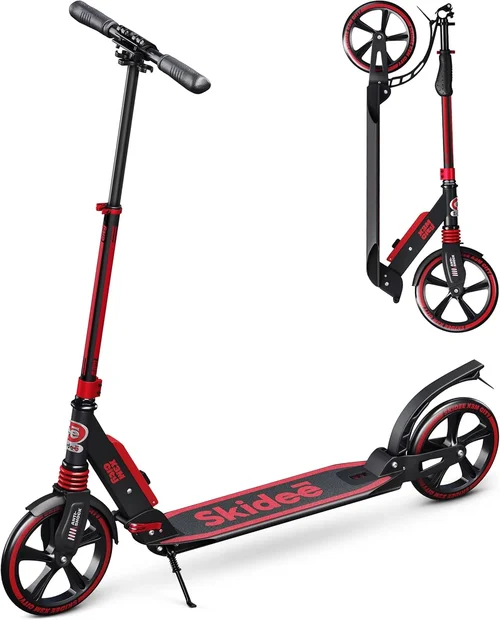
Electric scooters have evolved from niche urban curiosities to mainstream transportation solutions, and nowhere is this more evident than in the affordable segment of the market. As cities grow denser, traffic worsens, and environmental awareness rises, millions are turning to electric scooters as a practical, eco-friendly, and cost-effective way to commute, run errands, or simply get around. The good news? You no longer need to spend thousands to get a reliable, feature-packed ride. In 2026, the best affordable electric scooters deliver impressive performance, solid build quality, and smart features—all without breaking the bank.
This comprehensive buying guide is designed for anyone looking to make an informed decision in a crowded and often confusing marketplace. Whether you’re a first-time buyer, a student navigating campus, a commuter tired of traffic, or someone seeking a fun weekend ride, this guide will walk you through everything you need to know. We’ll break down the essential factors to consider, compare different types of scooters, highlight common pitfalls, and offer expert-backed recommendations to help you find the perfect balance of price, performance, and value. By the end, you’ll not only know what to look for—you’ll know exactly which scooter fits your lifestyle and budget.
The affordable electric scooter market in 2026 is more competitive than ever. Brands like Gotrax, Xiaomi, Segway-Ninebot, and Razor have pushed innovation while keeping prices accessible, often under $500. Meanwhile, newer entrants and direct-to-consumer startups are offering impressive specs at even lower price points. With advancements in battery technology, motor efficiency, and smart connectivity, today’s budget scooters rival models that cost twice as much just a few years ago. This guide cuts through the noise, focusing on real-world performance, durability, and long-term value—so you can ride with confidence, not regret.

What to Look for When Buying Gotrax
1. Budget & Price Range
Your budget is the foundation of your buying decision. Affordable electric scooters typically range from $200 to $600, with most high-value models falling between $300 and $500. While it’s tempting to go for the cheapest option, remember that price often reflects quality. A $200 scooter may save you money upfront but could cost more in repairs, replacements, or frustration down the line. Conversely, spending $600 doesn’t guarantee the best experience—some mid-range models offer better value than premium-priced competitors.
Set a realistic budget based on how often you’ll use the scooter and your financial comfort zone. If you plan to ride daily for commuting, investing $400–$500 in a durable, well-reviewed model makes sense. For occasional use—like weekend joyrides or short trips to the store—a $250–$350 scooter may suffice. Always factor in potential add-ons like helmets, locks, or replacement tires, which can add $50–$100 to your total cost.
2. Performance Specifications
Performance is where many budget scooters differentiate themselves. Key specs to evaluate include motor power, top speed, range, and hill-climbing ability. Most affordable scooters feature motors between 250W and 500W. A 250W motor is fine for flat terrain and light riders, but a 350W–500W motor provides better acceleration and can handle moderate inclines (up to 10–15% grade).
Top speed typically ranges from 15 to 20 mph. While 15 mph is sufficient for city riding and safety, 18–20 mph offers a more responsive experience, especially in traffic. Range is equally important—most budget scooters offer 10–18 miles per charge. Real-world range depends on rider weight, terrain, speed, and weather. A 15-mile range is ideal for daily commuters; anything under 10 miles may require midday charging.
Don’t overlook torque and acceleration. A scooter with strong low-end torque feels more responsive when starting from a stop, which is crucial at intersections or when merging into bike lanes. Check reviews for real-world performance, as manufacturer claims can be optimistic.
3. Build Quality & Durability
An affordable scooter doesn’t have to feel cheap—but many do. Build quality determines how well your scooter withstands daily wear and tear. Look for a sturdy frame made from aluminum or reinforced steel. Aluminum is lightweight and corrosion-resistant, ideal for portability and outdoor use. Avoid plastic-heavy frames, which can crack or flex under stress.
Check the deck size and grip. A wider, non-slip deck (at least 6–7 inches wide) provides better stability, especially for taller riders. Handlebar construction matters too—folding mechanisms should feel solid, not wobbly. Test the folding latch: it should lock securely and not rattle when riding.
Tires are another durability factor. Pneumatic (air-filled) tires offer superior shock absorption and comfort on rough roads, but they’re prone to punctures. Solid or honeycomb tires are puncture-proof but transmit more vibration. For city riding with potholes and cracks, pneumatic tires are worth the maintenance. For smooth pavements or indoor use, solid tires may suffice.
4. Features & Functionality
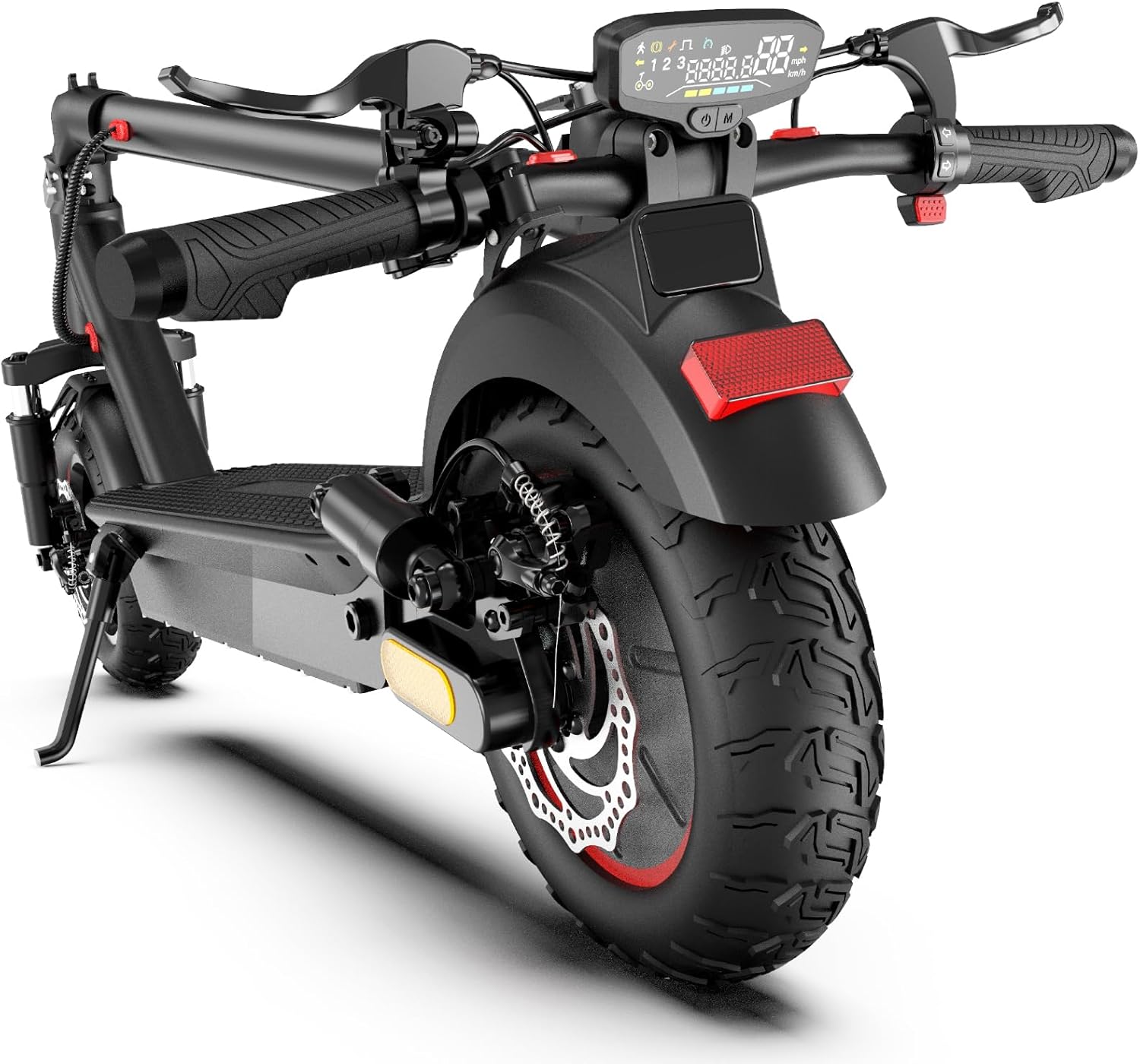
Modern affordable scooters come packed with features that enhance safety, convenience, and ride quality. Start with the display: a clear LCD or LED screen showing speed, battery level, and mode is essential. Some models include Bluetooth connectivity and companion apps, allowing you to track rides, adjust settings, or lock the scooter remotely.
Lighting is critical for safety. Look for bright front headlights (at least 100 lumens), rear brake lights, and side reflectors. Integrated turn signals are rare in budget models but worth seeking if you ride at night. A horn or bell is also important for alerting pedestrians and vehicles.
Braking systems vary: mechanical disc brakes offer strong stopping power but require maintenance; electronic brakes are low-maintenance but less effective in emergencies. The best budget scooters combine both—electronic braking for everyday use and a mechanical disc or drum brake as a backup. Regenerative braking, which recharges the battery slightly during deceleration, is a nice bonus that extends range.
Other features to consider include cruise control (great for long, flat rides), multiple speed modes (Eco, Normal, Sport), and water resistance (IP54 or higher). While not all features are necessary, they can significantly improve your riding experience.
5. Brand Reputation
Brand matters—especially in the budget segment, where quality control can vary widely. Established brands like Gotrax, Xiaomi, and Segway-Ninebot have proven track records, better customer support, and more reliable supply chains. They also tend to offer consistent firmware updates and spare parts availability.
Newer or lesser-known brands may offer tempting prices, but research is crucial. Check for customer reviews, warranty terms, and return policies. A brand with a strong presence on Amazon, Best Buy, or direct websites often has better accountability than one sold exclusively through third-party resellers.
Gotrax, for example, has built a solid reputation for delivering reliable, no-frills scooters at competitive prices. Their models are widely available, well-reviewed, and backed by a 1-year warranty. While they may not have the flashiest designs, they prioritize functionality and durability—key traits for budget-conscious buyers.
6. Warranty & Support
A good warranty is a sign of a manufacturer’s confidence in their product. Most reputable brands offer at least a 1-year limited warranty covering defects in materials and workmanship. Some extend coverage to 18 or 24 months, especially on higher-end models. Read the fine print: warranties often exclude wear items like tires, brakes, and batteries.
Customer support is equally important. Can you easily reach a human? Is there a help center or FAQ section? Do they offer replacement parts? Brands with U.S.-based support (like Gotrax) tend to resolve issues faster than those relying on overseas teams.
Return policies also matter. A 30-day return window gives you time to test the scooter in real conditions. Some retailers (like Amazon) offer extended holiday return periods, which can be useful if you buy during Black Friday or Cyber Monday.
7. Size & Portability
Portability determines how easy it is to carry, store, and transport your scooter. Weight is the biggest factor—most affordable scooters weigh between 25 and 35 pounds. Anything over 30 pounds becomes cumbersome for daily carrying, especially up stairs or onto public transit.
Folding mechanism quality is crucial. A well-designed fold should be quick, secure, and not add bulk. Look for scooters that fold down to a compact size (ideally under 40 inches long) and have a built-in handle or carrying strap. Some models even include a trolley mode, where the scooter rolls on its rear wheel when folded.
Consider your storage space. If you live in an apartment or take the scooter on buses, a lighter, more compact model is worth the trade-off in range or power. For garage or car trunk storage, size is less critical.
8. User Reviews & Ratings
Never buy a scooter based solely on specs or marketing claims. User reviews reveal real-world performance, reliability, and common issues. Look for patterns: if multiple users report the same problem (e.g., battery degradation after 6 months), it’s likely a design flaw.
Focus on verified purchase reviews on trusted platforms like Amazon, Best Buy, or the manufacturer’s site. Pay attention to long-term reviews (6+ months) to assess durability. Video reviews on YouTube can also show the scooter in action—watch for handling, braking, and folding mechanics.
Ratings should be above 4.0, with at least 500 reviews for statistical reliability. A 4.5-star rating with 2,000 reviews is more trustworthy than a 4.8 with only 50. Also check the Q&A section—real customers often ask practical questions about weight limits, charging time, or compatibility with accessories.
Different Types of Gotrax
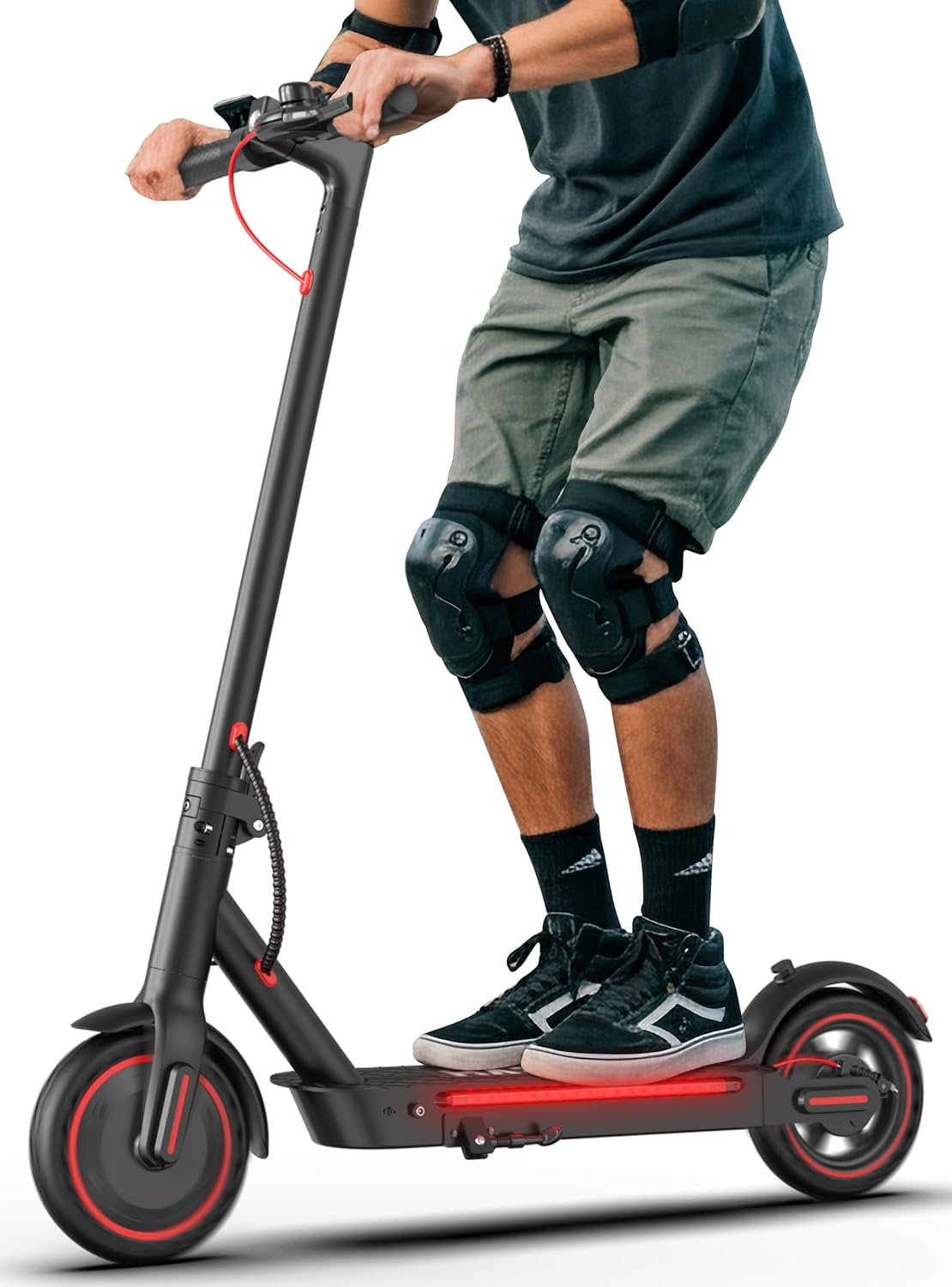
Common Buying Mistakes to Avoid
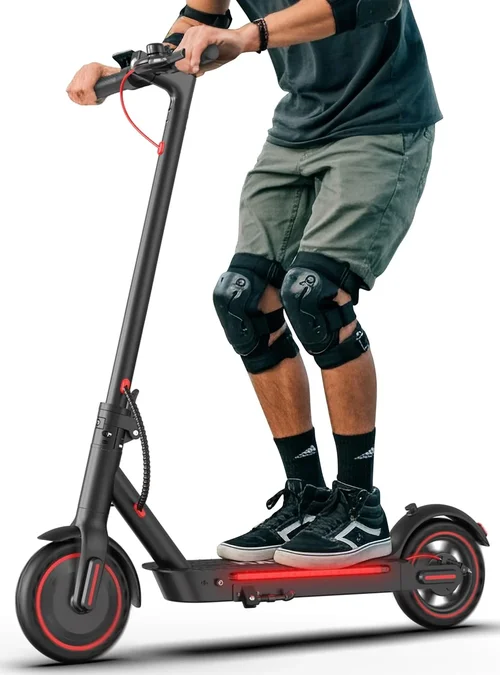
❌ Mistake: Prioritizing Price Over Quality
Why it’s bad: The cheapest scooter often comes with weak motors, poor brakes, and flimsy frames. You may end up replacing it within a year, costing more than a mid-range model would have.
What to do instead: Aim for the best value, not the lowest price. Spend $350–$500 on a well-reviewed scooter with solid specs and a reputable brand. It will last longer and perform better.
❌ Mistake: Ignoring Real-World Range
Why it’s bad: Manufacturers often advertise range under ideal conditions (light rider, flat terrain, slow speed). In reality, range can be 20–30% lower.
What to do instead: Divide the advertised range by 1.3 to estimate real-world performance. If you need 12 miles, choose a scooter rated for at least 15–16 miles.
❌ Mistake: Overlooking Weight Limits
Why it’s bad: Most budget scooters support 220–260 lbs. Exceeding this can damage the motor, reduce range, and void the warranty.
What to do instead: Check the weight limit before buying. If you’re near or over the limit, look for a model with a higher capacity or consider a mid-tier scooter.
❌ Mistake: Skipping Safety Features
Why it’s bad: Riding without lights, reflectors, or reliable brakes increases accident risk, especially at night or in traffic.
What to do instead: Choose a scooter with at least a front headlight, rear brake light, and dual braking system. Always wear a helmet and consider adding turn signals or a mirror.
❌ Mistake: Not Testing Before Buying
Why it’s bad: Scooters feel different in person—some are twitchy, others sluggish. Buying online without testing can lead to disappointment.
What to do instead: Visit a local retailer if possible. If buying online, choose a seller with a generous return policy (30 days or more).
❌ Mistake: Ignoring Maintenance Needs
Why it’s bad: Pneumatic tires need air, brakes wear down, and batteries degrade. Neglecting maintenance shortens lifespan.
What to do instead: Learn basic upkeep: check tire pressure monthly, clean the deck, and store the scooter indoors. Keep spare parts like fuses or brake pads on hand.
❌ Mistake: Buying Without Researching the Brand
Why it’s bad: Unknown brands may use counterfeit parts, have poor QC, or disappear after a year, leaving you without support.
What to do instead: Stick to brands with verified customer service, warranty coverage, and positive long-term reviews. Gotrax, Xiaomi, and Segway are safe bets.
Budget Guidelines: How Much Should You Spend?
- Entry-Level ($200–$300): Ideal for light use, students, or short trips. Expect basic features, 10–12 mile range, and 15 mph top speed. Models like the Gotrax GXL V2 or Razor E300 fall here. Great for beginners but may lack durability for daily commuting.
- Mid-Range ($350–$500): The sweet spot for most buyers. These scooters offer 15–18 mile range, 18–20 mph speed, better build quality, and useful features like app connectivity and dual braking. The Gotrax G4 or Xiaomi Mi Electric Scooter 3 are excellent examples. Perfect for daily commuters and urban riders.
- Premium ($500–$600): For enthusiasts and those in hilly areas. Expect 500W+ motors, 20+ mph speeds, suspension, and advanced safety features. These scooters handle rough terrain and heavier riders with ease. The Gotrax GMAX or Segway Ninebot ES4 fit this tier.
- Luxury ($600+): While outside the “affordable” range, some buyers stretch for top-tier models with carbon fiber frames, 25+ mile range, and smart features. These are for serious riders or those who want the best without going full premium.
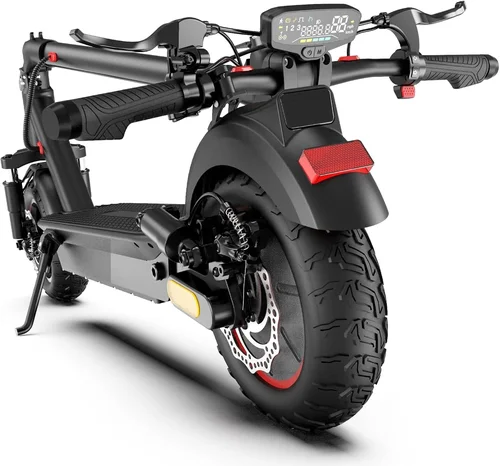
Expert Tips for Getting the Best Deal
- Buy During Sales Events: Black Friday, Cyber Monday, and Amazon Prime Day offer discounts of 20–30% on popular models. Sign up for brand newsletters to get early access.
- Shop Direct vs. Retail: Buying directly from Gotrax or Xiaomi often includes exclusive deals, extended warranties, or free shipping. Retailers like Best Buy may offer in-store pickup and easier returns.
- Check Refurbished Options: Certified refurbished scooters from reputable sellers can save you $50–$100 and come with warranties. Ensure they’re inspected and tested.
- Bundle Accessories: Some retailers offer scooter + helmet + lock bundles at a discount. This saves money and ensures compatibility.
- Read Return Policies Carefully: Some sellers charge restocking fees or only accept returns in original packaging. Choose retailers with hassle-free returns.
- Test Ride When Possible: Visit local stores or scooter demo events. Feeling the ride helps you avoid buyer’s remorse.
- Monitor Price Drops: Use tools like CamelCamelCamel (for Amazon) or Honey to track price history and get alerts when scooters go on sale.
- Consider Long-Term Costs: Factor in battery replacement (every 2–3 years), tire changes, and potential repairs. A slightly more expensive scooter with better support may cost less over time.
Frequently Asked Questions
Q: How long does the battery last on an affordable electric scooter?
A: Most lithium-ion batteries in budget scooters last 300–500 charge cycles, or about 2–3 years with daily use. After that, capacity drops to 70–80%, reducing range. Proper care—avoiding full discharges and extreme temperatures—can extend lifespan.
Q: Can I ride an electric scooter in the rain?
A: Only if it has an IP54 or higher rating. IP54 means splash-resistant, not waterproof. Avoid deep puddles or heavy rain. Always dry the scooter after wet rides to prevent corrosion.
Q: How fast can affordable scooters go?
A: Most range from 15 to 20 mph. Some models have a “sport mode” that unlocks higher speeds, but this reduces range. Always obey local speed limits and wear protective gear.
Q: Are electric scooters legal in my city?
A: Laws vary by location. Many cities allow scooters on bike lanes and roads with speed limits under 25 mph. Some require helmets, lights, or registration. Check your local Department of Transportation website.
Q: How much weight can a budget scooter support?
A: Typically 220–260 lbs. Heavier riders should look for models with reinforced frames and higher motor power. Exceeding the limit can damage the scooter and void the warranty.
Q: Do I need to charge the scooter after every use?
A: Not necessarily. It’s best to keep the battery between 20% and 80% for longevity. Charge when it drops below 20%, but avoid leaving it plugged in overnight.
Q: Can I take my scooter on public transportation?
A: Most buses and trains allow folded scooters, but policies vary. Check with your local transit authority. Lightweight, compact models are easier to manage.
Q: What’s the difference between hub motors and belt-driven motors?
A: Hub motors (common in budget scooters) are inside the wheel—simple, quiet, and low-maintenance. Belt-driven motors offer more torque and better hill climbing but require periodic belt replacement. For most city riders, hub motors are sufficient.
Q: How do I maintain my electric scooter?
A: Regularly check tire pressure, clean the deck and wheels, inspect brakes, and store indoors. Lubricate the folding mechanism and avoid overcharging. Keep the firmware updated if applicable.
Q: Can I upgrade my scooter’s battery or motor?
A: Generally not recommended. Modifications can void the warranty, cause safety issues, or damage the scooter. If you need more power or range, consider upgrading to a better model.
Our Final Recommendations
- Best for Budget-Conscious Buyers: Gotrax GXL V2 – At around $280, it offers solid performance, 15-mile range, and a reliable build. Great for students and casual riders.
- Best Overall Value: Gotrax G4 – Priced at $450, it delivers 18-mile range, 20 mph speed, app connectivity, and dual braking. Ideal for daily commuters seeking balance.
- Best Premium Option: Gotrax GMAX – At $550, it features a 500W motor, 22-mile range, and suspension. Perfect for hilly areas and longer rides.
- Best for Beginners: Xiaomi Mi Electric Scooter 3 – User-friendly, lightweight, and well-reviewed. Offers smooth ride quality and intuitive controls.
- Best for Advanced Users: Segway Ninebot ES4 – With dual batteries, 28-mile range, and high-speed modes, it’s a performance beast under $600.
Conclusion: Making the Right Choice
Choosing the best affordable electric scooter in 2026 doesn’t have to be overwhelming. By focusing on your needs—whether it’s daily commuting, weekend fun, or portability—you can narrow down the options and find a scooter that fits your lifestyle and budget. Remember, the cheapest option isn’t always the best value, and the most expensive isn’t always necessary. Prioritize build quality, real-world performance, and reliable support.
Use this guide as your roadmap: evaluate key factors like range, motor power, and safety features; avoid common pitfalls like ignoring weight limits or skipping reviews; and take advantage of sales and expert tips to get the best deal. Whether you go with a trusted brand like Gotrax or explore other top contenders, the right scooter will save you time, money, and stress—while adding a little joy to your daily routine.
Don’t rush the decision. Take your time, do your research, and when you find the right scooter, you’ll wonder how you ever got around without it. Happy riding!