
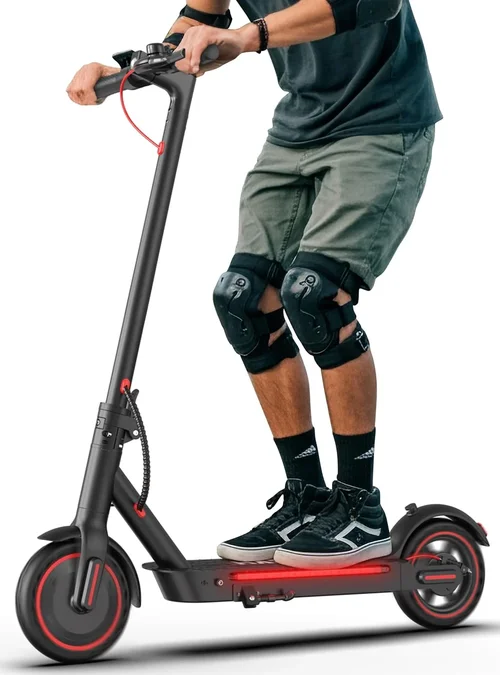
Electric scooters have exploded in popularity over the past few years, and for good reason. They’re eco-friendly, cost-effective, and incredibly convenient for short commutes, campus travel, or weekend errands. Whether you’re navigating city streets, zipping through a college campus, or just looking for a fun way to get around without burning gas, an electric scooter can be a game-changer. But with so many models flooding the market—ranging from ultra-cheap knockoffs to high-end performance machines—it’s easy to feel overwhelmed. That’s exactly why this guide exists: to cut through the noise and help you find the best affordable electric scooter that actually delivers on its promises.
In this comprehensive buyer’s guide, you’ll learn everything you need to know to make a smart, informed decision—even if you’ve never ridden an e-scooter before. We’ll break down the key factors that matter most, compare different types of scooters based on your needs and budget, highlight common pitfalls to avoid, and share expert tips to help you get the best value for your money. By the end, you’ll not only understand what separates a decent scooter from a dud but also know exactly which model fits your lifestyle, commute, and financial goals. The market is crowded, but with the right knowledge, you can confidently choose a reliable, safe, and enjoyable ride that won’t break the bank.
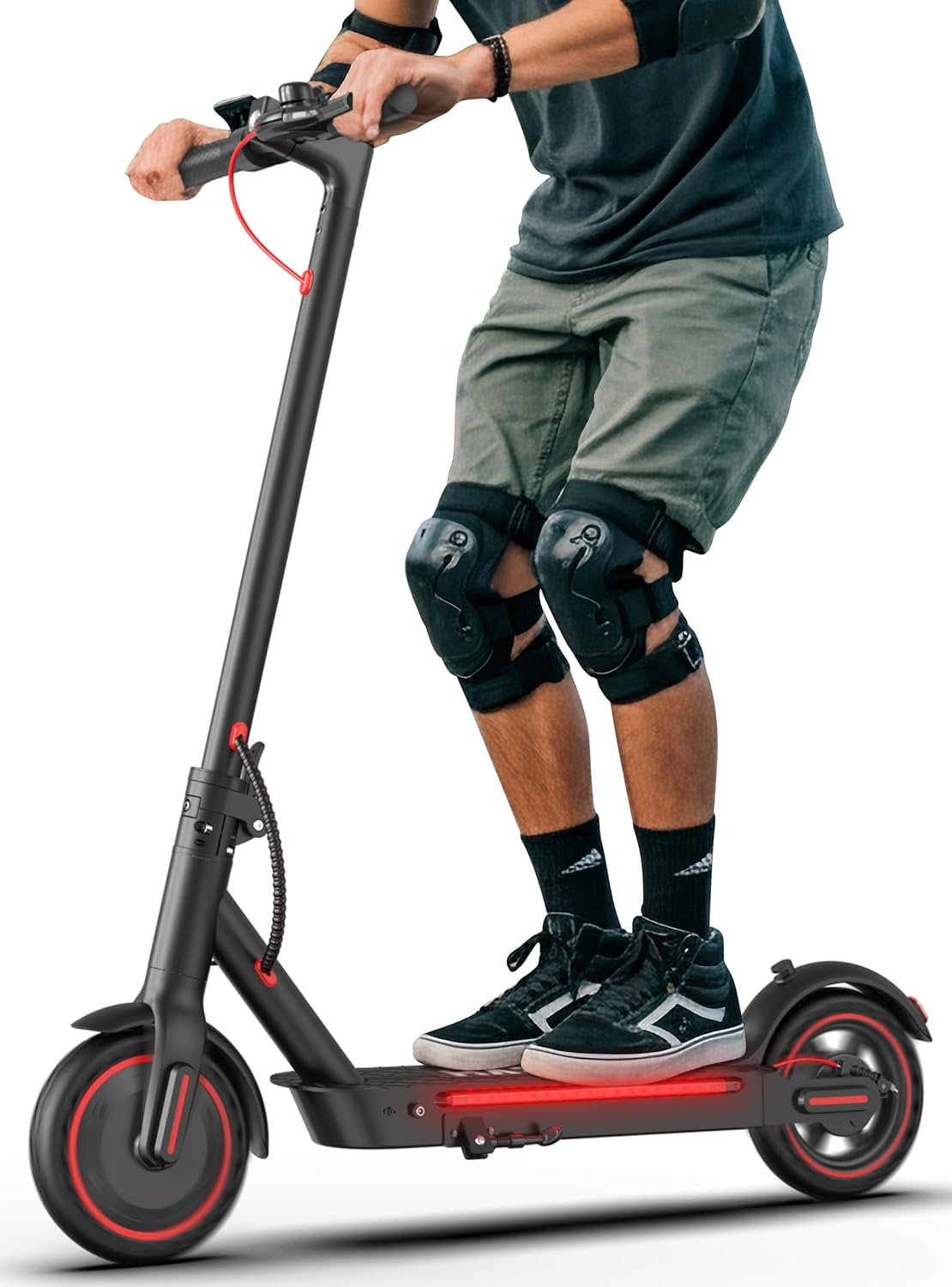
What to Look for When Buying Gotrax
1. Budget & Price Range
When shopping for an affordable electric scooter, your budget is the foundation of your entire decision-making process. While “affordable” means different things to different people, most buyers are looking for quality scooters under $600—with excellent options often available between $300 and $500. It’s tempting to go for the cheapest model you can find, but remember: price often reflects build quality, battery life, safety features, and longevity. A $200 scooter might save you money upfront, but if it breaks down after three months or lacks essential safety components like lights or brakes, it ends up costing you more in repairs, replacements, or frustration.
Set a realistic budget that includes not just the scooter itself but also potential add-ons like helmets, locks, phone mounts, or replacement tires. Also consider long-term costs: cheaper scooters may use lower-quality lithium-ion batteries that degrade faster, requiring earlier replacement. Aim for the sweet spot where price aligns with durability and performance—typically in the $350–$500 range for most casual riders. This tier offers solid motors, decent range (15–25 miles), and reputable brands that stand behind their products.
2. Performance Specifications
Performance specs are where many buyers get tripped up—but they’re crucial for matching the scooter to your needs. The three main performance metrics to focus on are motor power (measured in watts), top speed, and range (how far it can go on a single charge). For city commuting or campus use, a 250W–350W motor is usually sufficient, offering speeds of 15–18 mph and ranges of 15–20 miles. If you live in a hilly area or plan to carry heavier loads (like backpacks or groceries), consider a 500W motor or higher, which provides better torque and climbing ability.
Range is especially important because manufacturers often quote “ideal condition” ranges that assume flat terrain, light riders, and no wind. In real-world use, expect 20–30% less. Always check user reviews for real-world range reports. Similarly, top speed matters less than acceleration and hill-climbing ability—especially if you’re merging into traffic or navigating inclines. Don’t overlook braking performance either: regenerative braking (which recharges the battery slightly while slowing down) and disc or drum brakes offer safer, more controlled stops than basic foot brakes.
3. Build Quality & Durability
A scooter might look sleek online, but if it’s built with flimsy materials, it won’t last. Look for frames made from aircraft-grade aluminum or reinforced steel—these resist bending and corrosion better than plastic or thin metal. Check the weight capacity: most affordable scooters support 220–265 lbs, but if you’re near or above that limit, verify the specs carefully. Deck size also matters; a wider, non-slip deck gives you more stability, especially at higher speeds or in wet conditions.
Tires are another durability factor. Solid rubber tires are puncture-proof and low-maintenance but offer a rougher ride on uneven pavement. Air-filled (pneumatic) tires provide better shock absorption and grip but require occasional inflation and are prone to flats. Some mid-range models now feature honeycomb or semi-pneumatic tires—a great compromise. Finally, inspect hinge mechanisms, folding locks, and cable routing. Loose or rattling parts are red flags for poor assembly or weak design.
4. Features & Functionality
Modern affordable scooters come packed with features that enhance safety, convenience, and usability. Essential features include bright LED headlights and taillights (with brake-activated rear lights), a clear digital display showing speed, battery level, and mode, and multiple speed modes (eco, normal, sport). Some models even include cruise control, which maintains a steady speed without holding the throttle—ideal for long straightaways.
Connectivity is becoming more common: Bluetooth-enabled scooters let you lock/unlock, track rides, or update firmware via a smartphone app. While not necessary, these extras add peace of mind and customization. Water resistance is another key feature—look for at least an IP54 rating, meaning the scooter can handle light rain and splashes. Avoid models with no IP rating if you live in a rainy climate. Lastly, consider ease of folding and portability: a well-designed fold should be quick, secure, and allow the scooter to stand upright when folded.
5. Brand Reputation
Not all scooter brands are created equal. Established names like Gotrax, Xiaomi, Segway-Ninebot, and Razor have spent years refining their designs, sourcing reliable components, and building customer trust. They’re more likely to use quality batteries (often from Samsung or LG), offer consistent firmware updates, and provide responsive customer service. In contrast, unknown brands or generic “Amazon-only” sellers may cut corners on safety certifications, use counterfeit batteries, or disappear after a few months—leaving you stranded with a broken scooter and no support.
Research the brand’s history: How long have they been in business? Do they have a physical headquarters or US-based support team? Check third-party review sites like Wirecutter, Consumer Reports, or YouTube channels dedicated to e-scooter testing. A strong brand doesn’t guarantee perfection, but it significantly reduces your risk of buying a lemon. Gotrax, for example, has built a solid reputation for offering reliable, entry-level scooters with good value—making them a frequent recommendation in this category.
6. Warranty & Support
A good warranty is your safety net. Most reputable brands offer at least a 12-month limited warranty covering defects in materials and workmanship. Some extend this to 18 or even 24 months. Pay attention to what’s included: Does it cover the battery? Motor? Electronics? Many warranties exclude “wear and tear” items like tires or brake pads—but that’s normal. What matters is coverage for core components.
Equally important is customer support accessibility. Can you reach a human being quickly? Is there a US-based support line or chat? Are replacement parts readily available? Brands with strong support networks make troubleshooting and repairs much easier. Avoid companies that only offer email support with week-long response times. Also check return policies: a 30-day money-back guarantee gives you time to test the scooter in real conditions and return it if it doesn’t meet your expectations.
7. Size & Portability
If you plan to carry your scooter on public transit, store it under a desk, or take it on trips, portability is non-negotiable. Look for lightweight models (under 30 lbs is ideal) with a compact fold. Measure the folded dimensions—some scooters are surprisingly bulky even when folded. Handlebar height adjustability is a nice bonus for taller or shorter riders, ensuring a comfortable riding posture.
Consider how you’ll transport it: Does it have a carrying handle? Can it roll while folded (some have rear wheels for this)? If you’re commuting by bike or bus, every ounce and inch counts. That said, don’t sacrifice stability for lightness—a super-light scooter may feel wobbly at speed. Strike a balance: aim for under 32 lbs with a sturdy frame and smooth-folding mechanism.
8. User Reviews & Ratings
Spec sheets tell one story; real user experiences tell another. Always read verified purchase reviews on retailer sites like Amazon, Best Buy, or the manufacturer’s website. Look for patterns: Do multiple users report the same issue (e.g., “battery died after 4 months”)? Are complaints about customer service consistent? Pay special attention to reviews from people with similar needs—commuters, students, or hilly-area riders—as their experiences will be most relevant to you.
Be wary of overly glowing reviews that sound scripted or lack detail. Genuine reviews often mention minor flaws (“great scooter, but the bell is weak”) alongside strengths. Video reviews on YouTube are especially valuable—they show the scooter in action, demonstrate folding, and reveal build quality details you can’t see in photos. Use review aggregators like Trustpilot or Reddit’s r/ElectricScooters to get unfiltered opinions.
Different Types of Gotrax
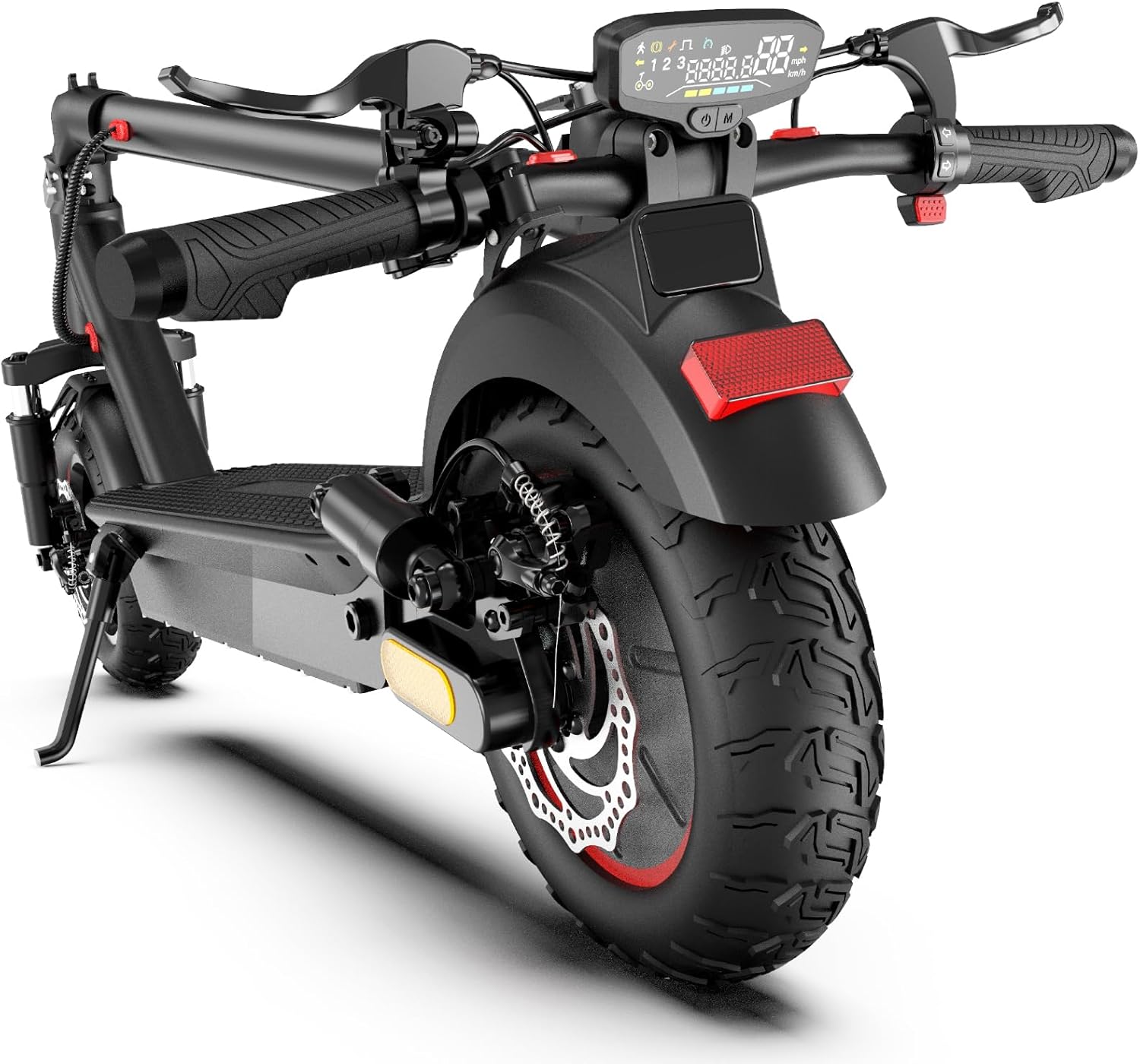
Common Buying Mistakes to Avoid
❌ Mistake: Prioritizing Price Over Quality
Why it’s bad: The cheapest scooters often use subpar batteries, weak motors, and flimsy frames that fail quickly. You might save $100 upfront but end up replacing the scooter within a year—costing more in the long run.
What to do instead: Invest in a reputable brand within your budget. Look for models with at least a 1-year warranty and positive user feedback on durability. Think of it as buying a reliable tool, not a disposable toy.
❌ Mistake: Ignoring Real-World Range Claims
Why it’s bad: Manufacturers often advertise range based on ideal conditions (light rider, flat ground, no wind). In reality, you’ll likely get 20–30% less—especially if you’re heavier or ride in hilly areas.
What to do instead: Divide the advertised range by 1.3 to estimate real-world performance. If you need 15 miles, choose a scooter rated for at least 20 miles. Check user reviews for actual range reports.
❌ Mistake: Overlooking Safety Features
Why it’s bad: Riding without lights, reliable brakes, or traction control increases your risk of accidents—especially at night or in wet weather.
What to do instead: Ensure the scooter has front and rear lights, a responsive braking system (disc or regenerative), and at least an IP54 water resistance rating. Always wear a helmet.
❌ Mistake: Buying Without Testing Portability
Why it’s bad: A scooter that’s too heavy or awkward to fold defeats the purpose if you need to carry it often. Many buyers regret choosing a powerful but bulky model.
What to do instead: If possible, visit a store to test the weight and fold mechanism. Otherwise, check detailed video reviews that show real people lifting and folding the scooter.
❌ Mistake: Skipping the Warranty Check
Why it’s bad: Without warranty coverage, a failed battery or motor can cost $100–$200 to replace—wiping out any initial savings.
What to do instead: Confirm warranty length and what’s covered before buying. Prefer brands with US-based support and easy access to replacement parts.
❌ Mistake: Assuming All Brands Are Equal
Why it’s bad: Unknown brands may use counterfeit batteries or lack safety certifications (like UL 2271 for batteries), posing fire or performance risks.
What to do instead: Stick to established brands with transparent sourcing and certifications. Gotrax, Xiaomi, and Segway all meet international safety standards.
❌ Mistake: Neglecting Local Laws
Why it’s bad: Some cities restrict e-scooter speeds, require helmets, or ban riding on sidewalks. Using an illegal scooter could result in fines or confiscation.
What to do instead: Research your local regulations before buying. Choose a scooter that complies with speed limits (usually 15–20 mph in urban areas) and includes necessary safety gear.
Budget Guidelines: How Much Should You Spend?
- Entry-Level ($200–$350): Ideal for occasional use, short commutes, or teens. Expect basic features: 250W motor, 12–15 mile range, solid tires, and minimal water resistance. Great for learning, but may struggle on hills or with heavier riders. Best for those prioritizing affordability over performance.
- Mid-Range ($350–$500): The sweet spot for most buyers. These scooters offer 300–500W motors, 18–25 mile ranges, pneumatic or hybrid tires, better brakes, and improved build quality. Perfect for daily commuting, moderate hills, and riders up to 220 lbs. Brands like Gotrax GXL V2 and Xiaomi Mi Essential shine here.
- Premium ($500–$700): For enthusiasts and frequent riders. Expect 500–800W motors, 25+ mile ranges, advanced suspension, app connectivity, and high IP ratings (IP65). These handle rough terrain, longer distances, and heavier loads with ease. Great if you rely on your scooter as primary transportation.
- Luxury ($700+): Top-tier performance with premium materials, dual motors, ultra-long range (30+ miles), and cutting-edge tech like GPS tracking or regenerative braking. Overkill for casual use, but worth it for professionals or long-distance commuters.
Expert Tips for Getting the Best Deal
- Shop During Sales Seasons: Major discounts happen during Black Friday, Cyber Monday, Amazon Prime Day, and back-to-school periods (July–August). Sign up for brand newsletters to get early access to deals.
- Buy Direct or From Authorized Retailers: Purchasing from the manufacturer’s website (like Gotrax.com) or authorized sellers (Best Buy, Walmart) ensures warranty validity and access to genuine parts. Avoid third-party Amazon sellers with no brand affiliation.
- Compare Total Cost of Ownership: A $400 scooter with a 2-year battery life may be cheaper long-term than a $300 model needing a $120 battery replacement after 10 months. Factor in maintenance and part availability.
- Check Return Policies: Opt for retailers offering at least 30-day returns. This gives you time to test the scooter in your real environment and return it if it doesn’t meet expectations.
- Look for Refurbished or Open-Box Deals: Certified refurbished scooters from reputable brands often come with full warranties and sell for 20–30% less. These are rigorously tested and ideal for budget-conscious buyers.
- Test Ride If Possible: Visit local electronics stores or scooter shops to test ride models. Feel the acceleration, braking, and comfort firsthand. If unavailable, watch detailed video reviews that simulate real-world use.
- Join Online Communities: Forums like Reddit’s r/ElectricScooters or Facebook groups share deal alerts, repair tips, and honest reviews. Members often post exclusive discount codes.
- Consider Bundles: Some brands offer starter kits with helmets, locks, and lights at a discounted rate. These can save you $30–$50 compared to buying items separately.

Frequently Asked Questions
Q: How long do electric scooter batteries last?
A: Most lithium-ion batteries last 300–500 charge cycles, which translates to 1–3 years of daily use. Proper care—like avoiding full discharges and storing at 50% charge in winter—can extend lifespan. Replace the battery when range drops below 70% of original capacity.
Q: Can I ride an electric scooter in the rain?
A: Only if it has at least an IP54 rating. This means it can handle light rain and splashes but shouldn’t be submerged or ridden in heavy downpours. Always dry the scooter thoroughly after wet rides to prevent corrosion.
Q: Are electric scooters legal in my city?
A: Laws vary widely. Many cities allow e-scooters on bike lanes and roads but ban them on sidewalks. Speed limits typically range from 15–20 mph. Check your local Department of Transportation website or city ordinances before riding.
Q: How fast do affordable electric scooters go?
A: Most entry-level models reach 15–18 mph, while mid-range scooters can hit 20–25 mph. Speeds above 25 mph usually require premium models. Remember: higher speed reduces range and increases braking distance.
Q: Do I need a license or insurance?
A: In most US states, no license or insurance is required for scooters under 20 mph. However, some cities mandate helmets for all riders or have age restrictions (e.g., 16+). Always verify local rules.
Q: Can I take my scooter on a plane?
A: Generally no—lithium batteries over 100Wh are prohibited in checked luggage and restricted in carry-ons. Most affordable scooters have batteries under 100Wh, but airlines may still restrict them. Check with your airline before traveling.
Q: How do I maintain my electric scooter?
A: Regularly check tire pressure (if pneumatic), tighten bolts, clean the deck and chain (if applicable), and store in a dry place. Avoid overcharging—unplug once fully charged. Lubricate moving parts every 3–6 months.
Q: What’s the difference between hub motors and belt drives?
A: Hub motors (common in affordable scooters) are built into the wheel—simple, quiet, and low-maintenance. Belt drives offer more torque and better hill climbing but require periodic belt replacement. For most casual riders, hub motors are sufficient.
Q: Can kids ride adult electric scooters?
A: Not recommended. Adult scooters are heavier, faster, and harder to control. Choose a model designed for kids with lower speed limits (8–12 mph), smaller decks, and parental controls.
Q: What should I do if my scooter stops working?
A: First, check the basics: Is it charged? Is the power button pressed? Are there any error codes on the display? If unresolved, contact customer support with your warranty info. Keep receipts and photos of the issue for faster service.
Our Final Recommendations
- Best for Budget-Conscious Buyers: Gotrax GXL V2 ($399) – Offers excellent value with a 250W motor, 18-mile range, pneumatic tires, and solid build quality. Perfect for students and short commutes.
- Best Overall Value: Xiaomi Mi Electric Scooter Essential ($449) – Renowned for reliability, sleek design, and smooth ride. Features a 250W motor, 18.6-mile range, and IP54 rating. A favorite among urban commuters.
- Best Premium Option: Segway Ninebot ES4 ($599) – Dual battery system extends range to 28 miles, includes Bluetooth app, and has superior suspension. Ideal for longer commutes and varied terrain.
- Best for Beginners: Gotrax G2 ($299) – Lightweight (26 lbs), simple controls, and a gentle learning curve. Great for first-time riders or teens under supervision.
- Best for Advanced Users: Apollo Air Pro ($649) – 500W motor, 25-mile range, hydraulic brakes, and app integration. Built for performance-minded riders who want reliability without luxury pricing.
Conclusion: Making the Right Choice
Choosing the best affordable electric scooter isn’t just about finding the lowest price—it’s about finding the right balance of performance, durability, safety, and value that matches your lifestyle. Whether you’re a student zipping across campus, a professional navigating city traffic, or a parent looking for a safe ride for your teen, there’s a scooter out there that fits your needs without overspending. By focusing on key factors like build quality, real-world range, brand reputation, and warranty support, you can avoid common pitfalls and invest in a ride that lasts.
Remember, the cheapest option isn’t always the most economical, and the flashiest features aren’t always the most useful. Prioritize your must-haves—whether that’s portability, hill-climbing power, or all-weather reliability—and let those guide your decision. Take advantage of seasonal sales, read real user reviews, and don’t hesitate to test before you buy. With the insights from this guide, you’re now equipped to make a confident, informed choice that delivers years of smooth, eco-friendly rides.
Your perfect electric scooter is out there—safe, affordable, and ready to roll. All it takes is knowing what to look for. Happy riding!