
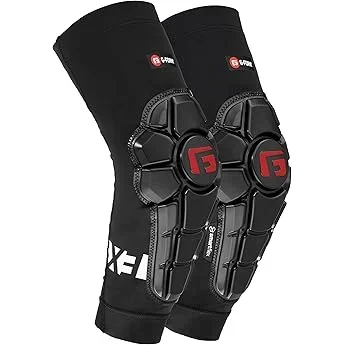
Mountain biking is an exhilarating sport that blends adrenaline, skill, and a deep connection with nature. Whether you’re carving through tight singletrack, launching off jumps, or navigating rocky descents, the thrill is undeniable. But with that excitement comes risk—especially to your joints. Among the most vulnerable areas during a crash or fall are your elbows. A sudden impact can result in painful scrapes, fractures, or even long-term injuries that sideline your riding for weeks. That’s why investing in a quality pair of mountain bike elbow pads isn’t just a smart move—it’s essential.
This comprehensive buying guide is designed to help you navigate the crowded market of protective gear and make an informed decision that aligns with your riding style, budget, and safety needs. Whether you’re a weekend warrior, a trail enthusiast, or a downhill shredder pushing the limits, understanding what makes a great elbow pad can mean the difference between a minor scare and a season-ending injury. We’ll walk you through the key factors to consider, compare different types of pads, highlight common pitfalls, and offer expert-backed recommendations to ensure you get the best protection without compromising comfort or performance.
The market for mountain bike elbow pads has evolved significantly over the past decade. What once consisted of bulky, restrictive armor has transformed into sleek, breathable, and highly effective protective gear. Today’s pads use advanced materials like D3O, Koroyd, and multi-density foams, combined with ergonomic designs that allow for full range of motion. Brands like Fox Racing, POC, G-Form, and Leatt have pushed the envelope with innovations in ventilation, fit systems, and impact absorption. With so many options available—ranging from minimalist slip-on sleeves to full-coverage hard-shell guards—it’s easy to feel overwhelmed. But don’t worry: by the end of this guide, you’ll have a clear understanding of what to look for, how to avoid overpaying, and which models deliver the best value for your specific needs.

What to Look for When Buying Mountain Bike Elbow Pads
1. Protection Level & Impact Absorption
The primary purpose of elbow pads is to absorb and disperse impact energy during a crash. This is determined by the type of padding and shell material used. Look for pads that feature high-density foam, such as EVA (ethylene-vinyl acetate) or specialized smart materials like D3O, which hardens on impact but remains flexible at rest. Hard-shell pads typically offer the highest level of protection, ideal for aggressive downhill or enduro riding, while soft-shell or sleeve-style pads are better suited for cross-country or trail riding where mobility is key. Always check for certifications like EN 1621-1, which ensures the pad meets European safety standards for motorcycle and mountain bike armor. A pad that passes this test has been rigorously evaluated for impact resistance and energy dissipation.
2. Fit & Comfort
Even the most protective pad is useless if it doesn’t stay in place or causes discomfort during long rides. A proper fit ensures the pad covers the elbow joint completely without shifting during movement. Look for adjustable straps, silicone grippers, or compression sleeves that keep the pad snug. Pads that are too tight can restrict blood flow and cause numbness, while loose ones may slide down and leave your elbow exposed. Many modern designs use anatomical shaping and pre-curved sleeves to mimic the natural bend of the arm, reducing pressure points. Try on pads with your riding gloves and jersey to simulate real-world conditions—comfort should never be sacrificed for protection.
3. Breathability & Ventilation
Mountain biking is a physically demanding sport, and overheating can quickly become an issue, especially on long climbs or in warm climates. Pads with mesh panels, laser-cut ventilation holes, or moisture-wicking liners help regulate temperature and reduce sweat buildup. Some high-end models incorporate airflow channels that direct cool air over the skin while expelling heat. If you ride in hot weather or tend to overheat easily, prioritize pads with superior ventilation. However, be cautious: excessive venting can sometimes compromise structural integrity, so balance breathability with protection based on your riding intensity.
4. Weight & Mobility
Every gram counts when you’re pedaling uphill or navigating technical terrain. Heavy, bulky pads can fatigue your arms and restrict movement, affecting your handling and control. Lightweight materials like TPU (thermoplastic polyurethane) shells and low-profile foams offer excellent protection without the bulk. Sleeve-style pads are generally lighter than strapped hard-shell models, making them ideal for riders who value agility. However, don’t assume lighter always means better—some ultra-light pads sacrifice coverage or durability. Test how the pads feel during dynamic movements like leaning into corners or reaching for brakes to ensure they don’t hinder your riding.
5. Coverage Area
Elbow pads vary widely in how much of the arm they protect. Basic models may only cover the elbow cap, while advanced versions extend down the forearm and up toward the bicep. Extended coverage is particularly important for downhill, freeride, or bike park riders who face higher-speed impacts and more complex crash scenarios. Look for pads that shield the medial and lateral sides of the elbow, as these areas are commonly injured in falls. Some pads also include additional padding over the triceps or ulna for comprehensive protection. Consider your riding style: cross-country riders might prefer minimal coverage for speed, while aggressive riders should opt for full-arm defense.
6. Durability & Build Quality
Your elbow pads will endure abrasion, moisture, UV exposure, and repeated impacts—so durability is non-negotiable. Check the stitching, strap attachments, and shell material for signs of robust construction. Reinforced seams, abrasion-resistant fabrics, and high-quality buckles or Velcro closures are indicators of a well-made product. Pads made with ripstop nylon or Cordura fabric tend to last longer under harsh conditions. Avoid cheap plastics or flimsy straps that can snap under stress. A durable pad not only lasts longer but also maintains its protective properties over time, ensuring consistent performance ride after ride.
7. Ease of Use & Adjustability
You shouldn’t need a manual to put on your pads or adjust them mid-ride. Look for intuitive closure systems—such as pull-tabs, quick-release buckles, or elastic sleeves—that allow for fast on-and-off without compromising security. Adjustable straps let you fine-tune the fit for different arm sizes or layering over jerseys. Some pads feature dual straps (one above and one below the elbow) for maximum stability. Avoid overly complicated designs with too many parts that can fail or get lost. The best pads strike a balance between secure fit and user-friendly design.
8. Style & Aesthetics
While safety is paramount, let’s be honest—most riders care about how their gear looks. Fortunately, modern elbow pads come in a wide range of colors, patterns, and designs to match your kit. From stealthy blacks and grays to bold neon accents, you can find pads that complement your bike and riding attire. Some brands even offer customizable options or limited-edition graphics. While aesthetics shouldn’t override performance, feeling confident in your gear can boost morale on the trail. Just ensure that style enhancements don’t compromise functionality—like reflective elements that improve visibility without adding bulk.
Different Types of Mountain Bike Elbow Pads

Common Buying Mistakes to Avoid
❌ Mistake: Prioritizing Price Over Protection
Why it’s bad: Choosing the cheapest pads available often means sacrificing critical safety features like certified impact absorption, proper coverage, and durable construction. In a crash, subpar padding may compress completely, leaving your elbow vulnerable to direct impact.
What to do instead: View elbow pads as a long-term investment in your health and riding longevity. Allocate a reasonable portion of your gear budget to protection—especially if you ride aggressively or frequently.
❌ Mistake: Ignoring Fit and Sizing Charts
Why it’s bad: Pads that are too small can cut off circulation, while oversized ones shift during rides, exposing your elbow at the worst moment. Many riders assume “one size fits all,” but arm circumference and length vary significantly.
What to do instead: Always consult the manufacturer’s sizing guide and measure your arm at the bicep, forearm, and elbow. If possible, try them on with your typical riding layers.
❌ Mistake: Overlooking Ventilation in Hot Climates
Why it’s bad: Non-breathable pads trap heat and moisture, leading to chafing, rashes, and discomfort that can distract you on technical terrain. Overheating also increases fatigue, reducing reaction time.
What to do instead: Choose pads with mesh panels, airflow channels, or moisture-wicking liners. Consider removable liners for washing and drying between rides.
❌ Mistake: Buying Based Solely on Brand Hype
Why it’s bad: Popular brands often charge premium prices for marketing rather than superior performance. Some lesser-known brands offer comparable or better protection at lower costs.
What to do instead: Research independent reviews, test ride feedback, and safety certifications. Focus on features and real-world performance, not just logos.
❌ Mistake: Neglecting to Test Mobility
Why it’s bad: Pads that restrict arm movement can affect your ability to steer, brake, or bail safely. Stiff shells or tight sleeves may feel secure at rest but hinder dynamic motion.
What to do instead: Mimic riding positions—bend your elbows, reach forward, and simulate leaning into turns. Ensure full range of motion without pinching or binding.
❌ Mistake: Forgetting About Maintenance and Care
Why it’s bad: Sweat, dirt, and UV exposure degrade padding and fabrics over time. Neglected pads lose elasticity, develop odors, and may fail prematurely.
What to do instead: Follow care instructions—hand wash with mild detergent, air dry, and store in a cool, dry place. Replace pads after significant impacts or visible wear.
❌ Mistake: Assuming All Pads Are Created Equal
Why it’s bad: Protection levels vary drastically between models. A pad marketed as “armor” might only offer basic padding, while others meet rigorous safety standards.
What to do instead: Look for certifications like EN 1621-1 or CE marking. Read detailed specs, not just marketing claims.
Budget Guidelines: How Much Should You Spend?
Entry-Level ($30 – $60): These pads are ideal for casual riders, beginners, or those on a tight budget. Expect basic EVA foam padding, minimal coverage, and simple slip-on or single-strap designs. While they offer some protection against scrapes and light impacts, they may lack durability and advanced features. Brands like G-Form and SixSixOne offer decent entry-level options, but don’t expect long-term resilience or high-speed crash protection.
Mid-Range ($60 – $120): This is the sweet spot for most mountain bikers. Pads in this range typically include certified impact protection, better ventilation, adjustable straps, and improved fit systems. You’ll find models from reputable brands like Fox Racing, Leatt, and POC that balance performance, comfort, and value. These are suitable for trail, all-mountain, and light enduro riding.
Premium ($120 – $180): Designed for aggressive riders and professionals, premium pads feature advanced materials like D3O or Koroyd, extended coverage, and modular designs. They often include dual-density foams, reinforced shells, and ergonomic shaping for maximum protection without sacrificing mobility. These are essential for downhill, bike park, or high-speed enduro disciplines.
Luxury ($180+): At this tier, you’re paying for cutting-edge technology, custom fit options, and ultra-premium materials. Brands like POC and TSG offer pads with titanium reinforcements, magnetic closures, and integrated cooling systems. While overkill for most riders, these are worth considering if you demand the absolute best in safety and innovation.
Expert Tips for Getting the Best Deal
1. Shop During Off-Season Sales: Retailers often discount protective gear in late fall and winter when mountain biking activity slows. Look for end-of-season clearance events from brands like REI, Jenson USA, or Chain Reaction Cycles.
2. Sign Up for Newsletters: Many online retailers offer exclusive discounts to subscribers. You might get 10–15% off your first purchase or early access to sales.
3. Compare Prices Across Platforms: Use price comparison tools or check multiple sites (e.g., Amazon, Backcountry, Moosejaw) to ensure you’re getting the best deal. Watch for free shipping thresholds.
4. Consider Last Year’s Models: New versions of pads are released annually, but the differences are often minor. Previous-year models are usually discounted and offer nearly identical performance.
5. Check Return Policies: Ensure the retailer allows returns or exchanges in case the fit isn’t right. Some brands offer free return shipping, which is invaluable when buying online.
6. Bundle with Other Gear: Some retailers offer discounts when you buy pads alongside knee pads, jerseys, or helmets. This can save you 10–20% on your total order.
7. Read User Reviews Carefully: Look for detailed feedback about fit, durability, and real-world performance. Pay attention to comments from riders with similar body types or riding styles.
8. Test Before You Buy (If Possible): Visit local bike shops to try on different models. Even if you buy online later, knowing your preferred fit and style saves time and money.
Frequently Asked Questions
Q: Do I really need elbow pads if I’m not riding downhill?
A: Absolutely. Even on mild trails, falls can happen unexpectedly due to loose rocks, roots, or rider error. Elbow injuries are common in all disciplines, and pads provide crucial protection against abrasions, fractures, and impact trauma. Think of them as insurance for your joints.
Q: Can I wear elbow pads over my jersey?
A: Yes, most modern pads are designed to be worn over or under clothing. Sleeve-style pads are typically worn under jerseys, while hard-shell models with straps go over. Check the product description for layering recommendations.
Q: How do I clean my elbow pads?
A: Hand wash with mild soap and cold water. Avoid bleach or fabric softeners, which can degrade materials. Air dry away from direct sunlight to prevent UV damage. Some pads have removable liners for easier cleaning.
Q: How often should I replace my elbow pads?
A: Replace them after a significant impact, visible wear (cracks, thinning foam), or every 2–3 years with regular use. Even without visible damage, padding can lose effectiveness over time due to compression and environmental exposure.
Q: Are more expensive pads always better?
A: Not necessarily. While price often correlates with quality, the best pad is the one that fits your riding style, body, and needs. A $200 pad may be overkill for a casual rider, while a $50 model could offer sufficient protection for light trail use.
Q: Can elbow pads restrict blood flow?
A: Yes, if they’re too tight. This can cause numbness, tingling, or reduced circulation. Always choose the correct size and ensure straps are snug but not constricting. If your fingers feel cold or tingly, loosen the pads immediately.
Q: Do elbow pads help with elbow tendonitis?
A: While not a medical treatment, some riders find that padded sleeves provide mild compression and support that reduces strain during long rides. However, consult a healthcare professional for proper diagnosis and treatment.
Q: Are there gender-specific elbow pads?
A: Some brands offer women’s-specific designs with narrower sleeves and adjusted proportions for better fit. However, many unisex models work well for all riders when sized correctly.
Q: Can I use motorcycle elbow pads for mountain biking?
A: Generally not recommended. Motorcycle pads are heavier, bulkier, and designed for higher-speed impacts. They may restrict movement and overheat during pedaling. Stick to pads specifically engineered for mountain biking.
Q: What’s the difference between D3O and regular foam?
A: D3O is a smart material that remains soft and flexible under normal conditions but instantly hardens upon impact to absorb energy. It offers superior protection compared to traditional EVA foam, which can bottom out under high-force impacts.
Our Final Recommendations
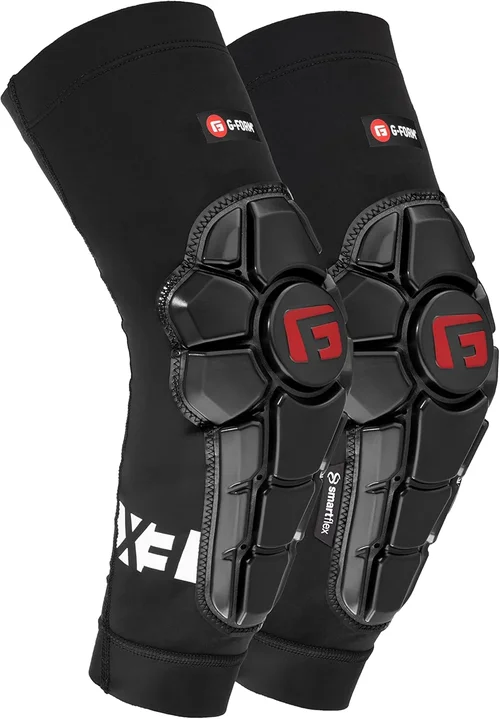
Best for Budget-Conscious Buyers: G-Form Pro-X Elbow Pads – At around $50, these slip-on sleeves offer certified impact protection, excellent breathability, and a low-profile design. Ideal for trail and cross-country riders who want reliable safety without breaking the bank.
Best Overall Value: Fox Racing Launch Pro Elbow Guards – Priced around $90, these hybrid pads combine a hard shell with soft padding, adjustable straps, and great ventilation. They strike the perfect balance between protection, comfort, and affordability for all-mountain riders.
Best Premium Option: POC VPD 2.0 Elbow Guards – At $160, these are top-tier pads featuring VPD (Visco-Elastic Polymer Dough) technology, extended coverage, and a sleek, ergonomic design. Perfect for aggressive enduro and downhill riders who demand the best.
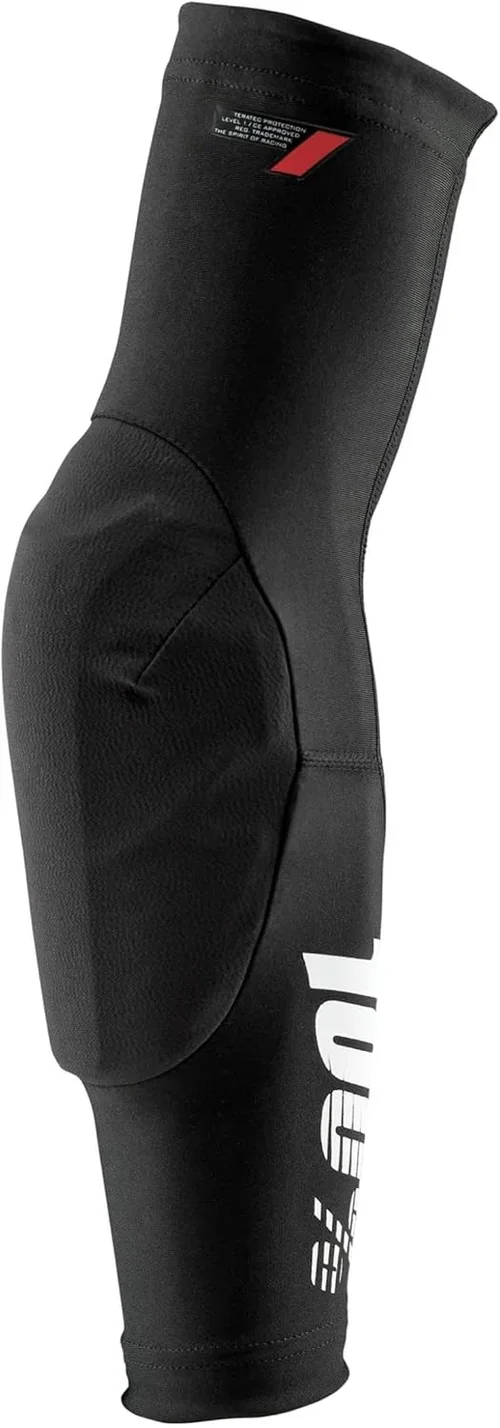
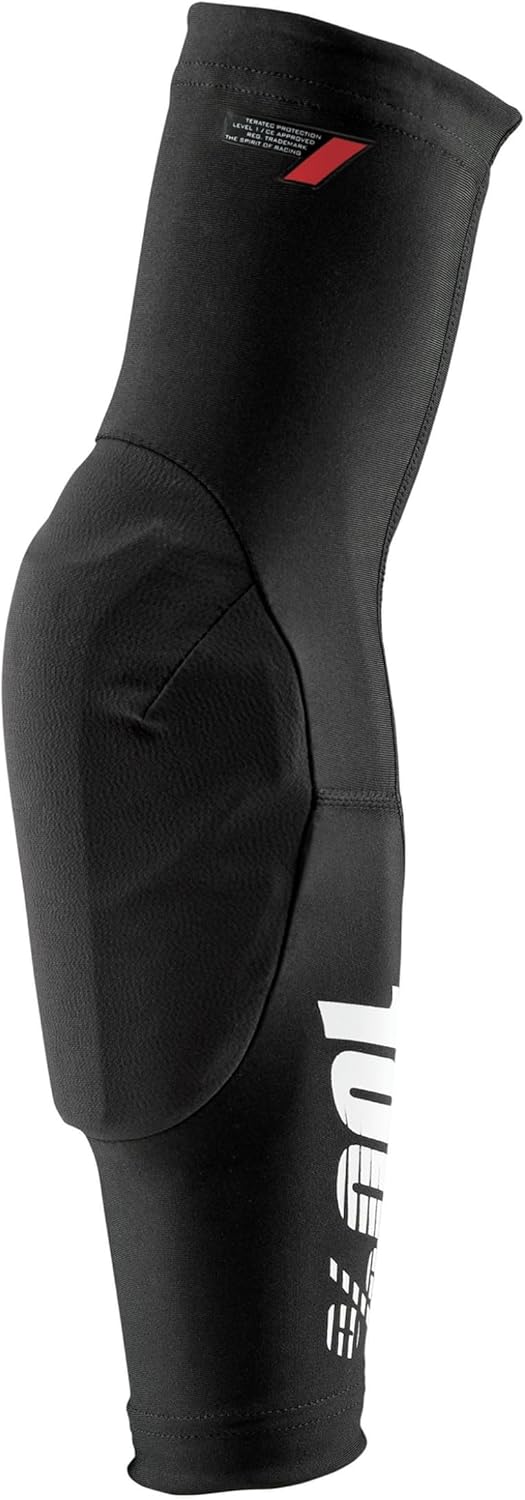
Best for Beginners: SixSixOne Evo Elbow Pads – Affordable ($45), easy to wear, and offering solid protection, these are great for new riders learning the ropes. The simple slip-on design encourages consistent use.
Best for Advanced Users: Leatt AirFlex Pro Elbow Guards – With 3D-molded armor, anti-bacterial lining, and a compression fit, these $130 pads are engineered for high-performance riding. They’re lightweight, breathable, and built to withstand serious abuse.
Conclusion: Making the Right Choice
Choosing the right mountain bike elbow pads is about more than just avoiding injury—it’s about enhancing your confidence, performance, and enjoyment on the trail. The best pads seamlessly blend protection, comfort, and mobility, allowing you to ride harder and longer without fear. As we’ve explored, key factors like impact absorption, fit, ventilation, and durability should guide your decision, not just price or brand name.
Remember, no two riders are alike. Your ideal pad depends on your riding style, terrain, body type, and personal preferences. A downhill shredder needs vastly different protection than a cross-country endurance rider. Take the time to assess your needs, read reviews, and, if possible, try before you buy. And don’t forget to maintain your pads properly—clean them regularly and replace them when necessary to ensure they’re always ready when you need them most.
Ultimately, the right elbow pads are an investment in your safety and longevity as a rider. They’re the silent guardians that let you push your limits, knowing you’re protected. So gear up wisely, ride with confidence, and keep exploring the trails with the peace of mind that comes from being properly equipped. Your elbows—and your future self—will thank you.