
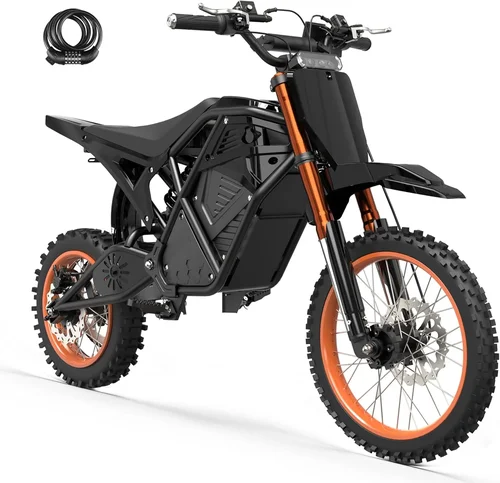
Electric street bikes have revolutionized urban commuting, offering a clean, efficient, and exhilarating alternative to traditional transportation. Whether you’re navigating congested city streets, running errands, or simply enjoying a weekend ride, an electric street bike can transform your daily routine. As we move into 2025, the market has matured significantly—offering more reliable technology, longer battery life, smarter features, and better value than ever before. However, with so many models, brands, and specifications to consider, choosing the right electric street bike can feel overwhelming. That’s where this comprehensive guide comes in.
This buying guide is designed to help you cut through the noise and make a confident, informed decision. Whether you’re a first-time buyer or upgrading from an older model, we’ll walk you through every critical factor—from performance specs and build quality to budget considerations and long-term support. You’ll learn how to evaluate key features, avoid common pitfalls, understand different categories of electric street bikes, and ultimately find the perfect match for your lifestyle. By the end of this guide, you’ll have the knowledge and tools to choose a bike that delivers not just on paper, but in real-world use.
The electric street bike market in 2025 is more diverse and competitive than ever. Major brands like Rad Power Bikes, Aventon, Trek, Specialized, and newer entrants like Heybike and Engwe are pushing the boundaries of design, range, and affordability. Innovations in battery technology, motor efficiency, and smart integration have made e-bikes more accessible and enjoyable for a wider audience. From lightweight commuter models to high-performance speedsters, there’s an electric street bike for nearly every need and budget. This guide will help you navigate that landscape with clarity and confidence.

What to Look for When Buying an Electric Street Bike
1. Budget & Price Range
Your budget is the foundation of your buying decision. Electric street bikes can range from under $800 for basic models to over $5,000 for premium, high-performance machines. Setting a realistic budget helps narrow your options and prevents overspending on features you don’t need. However, it’s important to balance cost with value—cheaper bikes may save money upfront but could cost more in repairs, replacements, or dissatisfaction down the line.
When determining your budget, consider not just the purchase price but also ongoing costs like maintenance, battery replacement (typically every 3–5 years), and potential accessories (lights, locks, racks). A mid-range bike ($1,200–$2,500) often offers the best balance of quality, features, and durability for most riders. Entry-level models are great for casual use or short commutes, while premium bikes deliver superior components, longer range, and advanced tech.
2. Performance Specifications
Performance is where electric street bikes truly differentiate themselves. The two most critical performance metrics are motor power and battery capacity. Motor power is measured in watts (W), with most street e-bikes ranging from 250W to 750W. In the U.S., Class 1 and Class 2 e-bikes are limited to 750W, while Class 3 can reach up to 28 mph. Higher wattage generally means better hill-climbing ability and faster acceleration, but it also drains the battery faster.
Battery capacity is measured in watt-hours (Wh), which directly impacts range. A 400Wh battery might give you 25–35 miles, while a 700Wh battery can push 50–70 miles, depending on terrain, rider weight, and assist level. Look for lithium-ion batteries from reputable manufacturers like Samsung, LG, or Panasonic—they offer better longevity and safety.
Other performance factors include pedal-assist levels (usually 3–5 levels), throttle type (thumb, twist, or pedal-activated), and top speed. Class 1 bikes offer pedal-assist only up to 20 mph, Class 2 adds a throttle, and Class 3 allows pedal-assist up to 28 mph. Choose based on your local regulations and riding style.
3. Build Quality & Durability
A well-built electric street bike should feel solid, stable, and capable of handling daily use. Frame material is a key indicator of quality. Aluminum alloy frames are lightweight, rust-resistant, and common in mid-to-high-end models. Steel frames are heavier but offer superior shock absorption and durability, making them ideal for rough roads or cargo hauling. Carbon fiber frames are rare in street e-bikes due to cost but offer the best strength-to-weight ratio.
Pay attention to component quality—especially the drivetrain, brakes, and suspension. Shimano and SRAM are trusted names in gear systems, while hydraulic disc brakes (like those from Tektro or Magura) provide reliable stopping power in all weather. Front suspension forks improve comfort on uneven pavement, though full suspension is uncommon on street-focused e-bikes due to weight and cost.
Weld quality, cable routing, and finish details also matter. A bike with clean welds, internal cable routing, and a powder-coated finish is likely built to last. Avoid bikes with flimsy plastic parts, exposed wires, or poor alignment—these are red flags for long-term reliability.
4. Features & Functionality
Modern electric street bikes come packed with features that enhance safety, convenience, and ride quality. Integrated lighting is a must—front and rear LED lights powered by the main battery ensure visibility without needing separate batteries. Many models now include brake-activated taillights and daytime running lights for added safety.
A digital display is essential for monitoring speed, battery level, distance, and assist mode. Look for backlit, weather-resistant screens with intuitive controls. Some high-end models offer Bluetooth connectivity, GPS tracking, and smartphone integration via apps—allowing you to track rides, lock the bike remotely, or receive firmware updates.
Other useful features include fenders (to keep you dry in rain), rear racks (for carrying groceries or bags), kickstands, and USB charging ports. Some bikes even include anti-theft systems like alarms or built-in locks. While not all features are necessary, they can significantly improve your daily riding experience.
5. Brand Reputation
Buying from a reputable brand matters—especially when it comes to reliability, customer service, and long-term support. Established brands like Rad Power Bikes, Aventon, and Trek have proven track records, extensive dealer networks, and responsive customer support. They also tend to use higher-quality components and offer better warranties.
Newer or lesser-known brands may offer tempting prices, but they often cut corners on build quality, battery sourcing, or after-sales service. Research brand reviews on sites like Trustpilot, Reddit, or specialized e-bike forums. Look for consistent feedback about durability, repair turnaround times, and how the company handles warranty claims.
6. Warranty & Support
A strong warranty is a sign of a manufacturer’s confidence in their product. Most reputable e-bike brands offer at least a 1-year comprehensive warranty, with some extending to 2–3 years. Pay close attention to what’s covered: frame, motor, battery, and electronics should all be included. Battery warranties are especially important—look for at least 1–2 years, with some brands offering up to 3 years or 500–1,000 charge cycles.
Customer support is just as crucial. Can you easily reach a human being? Do they offer live chat, phone support, or email? Are replacement parts readily available? Brands with strong support networks make ownership stress-free, especially if something goes wrong.
Avoid brands with vague warranty terms, no U.S. presence, or poor communication. A good warranty isn’t just about coverage—it’s about peace of mind.
7. Size & Portability
Electric street bikes are generally heavier than traditional bikes due to the motor and battery—typically weighing 40–70 lbs. This affects portability, especially if you need to carry the bike upstairs, store it in a small apartment, or transport it in a car.
Frame size and geometry also matter for comfort and control. Most brands offer multiple frame sizes (S, M, L) or step-through designs for easier mounting. Test ride if possible to ensure the bike fits your body and riding posture.
If portability is a priority, consider folding e-bikes like the Rad Power Bikes RadMini or Aventon Sinch. These models sacrifice some performance and range for compactness but are ideal for urban dwellers with limited storage.
8. User Reviews & Ratings
Never rely solely on manufacturer specs or marketing claims. Real-world user reviews provide invaluable insights into how a bike performs over time. Look for detailed reviews on YouTube, e-bike forums, and retail sites like REI or Amazon. Pay attention to recurring themes—positive or negative.
Common review topics include battery life under real conditions, comfort on long rides, reliability of electronics, and ease of maintenance. Be wary of bikes with mostly 5-star reviews and no critical feedback—this can indicate fake or incentivized reviews.
Also check for long-term reviews (6+ months) to assess durability. A bike that works great out of the box may develop issues after a few months of daily use.
Different Types of Electric Street Bikes

Common Buying Mistakes to Avoid
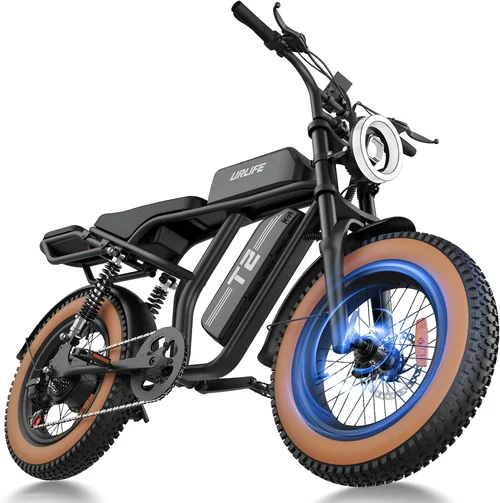
❌ Mistake: Prioritizing Price Over Quality
Why it’s bad: Choosing the cheapest bike available often leads to disappointment. Low-cost models may use inferior batteries, weak motors, or flimsy frames that wear out quickly. You might end up spending more on repairs or replacements than if you’d bought a better bike initially.
What to do instead: Focus on value, not just price. A $1,500 bike with a reliable motor, good battery, and solid warranty is often a smarter investment than a $900 bike that fails within a year.
❌ Mistake: Ignoring Local Laws and Classifications
Why it’s bad: E-bike laws vary by state and city. Riding a Class 3 bike (28 mph) in an area where only Class 1 or 2 are allowed can result in fines or confiscation. Some cities restrict e-bike use on sidewalks or certain trails.
What to do instead: Check your local regulations before buying. Ensure the bike’s class, speed, and throttle type comply with local rules. When in doubt, opt for a Class 1 or 2 model for maximum flexibility.
❌ Mistake: Overlooking Test Rides
Why it’s bad: Specs don’t tell the whole story. A bike might look great on paper but feel uncomfortable, unbalanced, or sluggish in real life. Without a test ride, you risk buying a bike that doesn’t suit your body or riding style.
What to do instead: Visit local dealers or attend e-bike demo events. If buying online, choose retailers with generous return policies (30-day trials are ideal). Ride the bike on hills, test the brakes, and assess comfort over 10–15 minutes.
❌ Mistake: Neglecting Battery Health and Charging Habits
Why it’s bad: Lithium-ion batteries degrade over time, especially if mistreated. Charging to 100% every time, leaving the bike in extreme temperatures, or draining the battery completely can shorten its lifespan.
What to do instead: Charge between 20% and 80% for daily use, store the bike in a cool, dry place, and avoid leaving it plugged in overnight. Use the manufacturer’s charger only.
❌ Mistake: Skipping Essential Accessories
Why it’s bad: Many buyers forget that an e-bike isn’t complete without basic safety and utility gear. Riding without lights, a helmet, or a lock increases risk and inconvenience.
What to do instead: Budget for accessories from day one. At minimum, get a helmet, U-lock, front and rear lights (if not included), and a water bottle holder. Consider a rear rack, phone mount, and puncture-resistant tires.
❌ Mistake: Assuming All E-Bikes Are the Same
Why it’s bad: E-bikes vary widely in design, performance, and intended use. A folding bike won’t handle long commutes well, and a commuter bike may struggle on steep hills. Buying the wrong type leads to frustration.
What to do instead: Match the bike to your primary use case. Ask yourself: Will I ride daily? How far? On hills or flat roads? Do I need to carry gear? Answer these questions before shopping.
❌ Mistake: Not Researching After-Sales Support
Why it’s bad: Even the best bikes need maintenance. If the brand has no local service centers or slow response times, a minor issue can become a major headache.
What to do instead: Choose brands with strong U.S. support networks. Check for nearby dealers, service centers, or certified repair shops. Read reviews about customer service experiences.
Budget Guidelines: How Much Should You Spend?
Entry-Level ($800–$1,200): These bikes are ideal for casual riders, short commutes, or occasional use. Expect basic components, modest range (20–30 miles), and limited features. Brands like Heybike and Engwe offer affordable options, but build quality and longevity may be compromised. Best for riders on a tight budget or those testing the e-bike waters.
Mid-Range ($1,200–$2,500): This is the sweet spot for most buyers. Bikes in this range offer reliable motors (500–750W), decent batteries (400–600Wh), and quality components from brands like Rad Power Bikes, Aventon, and Lectric. You’ll get features like integrated lights, digital displays, and good warranties. Perfect for daily commuting, errands, and recreational riding.
Premium ($2,500–$4,000): For enthusiasts and serious commuters, premium e-bikes deliver top-tier performance, longer range (50–70 miles), and advanced features like Bluetooth connectivity, GPS, and hydraulic disc brakes. Brands like Trek, Specialized, and Riese & Müller dominate this space. These bikes are built to last and perform in all conditions.
Luxury ($4,000+): At this level, you’re paying for cutting-edge technology, premium materials, and exceptional craftsmanship. Expect carbon fiber frames, Bosch or Shimano motors, smart integration, and bespoke designs. These bikes are for collectors, long-distance riders, or those who want the absolute best. While not necessary for most, they represent the pinnacle of e-bike innovation.
Expert Tips for Getting the Best Deal
1. Buy During Off-Peak Seasons: E-bike sales peak in spring and summer. Shop in late fall or winter (October–February) for discounts, clearance deals, and end-of-model-year sales. Many brands offer 10–20% off during these periods.
2. Compare Retailers: Don’t buy from the first site you visit. Compare prices on the manufacturer’s site, Amazon, REI, and specialty e-bike retailers. Some offer free shipping, extended warranties, or bundled accessories.
3. Look for Bundle Deals: Some retailers offer packages that include helmets, locks, racks, and lights at a discounted rate. These can save you $100–$300 compared to buying separately.
4. Check for Rebates and Incentives: Some cities and states offer e-bike purchase rebates (e.g., California’s Clean Vehicle Rebate Project). Check local government websites for available programs that can reduce your cost by hundreds of dollars.
5. Read the Fine Print on Returns: Ensure the retailer offers at least a 14-day return window, preferably 30 days. Some charge restocking fees or require you to pay return shipping—factor this into your decision.
6. Consider Certified Pre-Owned: Reputable brands like Rad Power Bikes offer certified refurbished models at 20–30% off. These come with warranties and have been inspected and repaired, making them a safe, cost-effective option.
7. Test Ride Before You Buy: If possible, visit a local dealer or attend a demo event. A 10-minute ride can reveal issues with fit, comfort, or handling that specs alone can’t show.
8. Negotiate Accessories: When buying from a local shop, ask if they’ll throw in a free helmet, lock, or service package. Many are willing to sweeten the deal to close a sale.

Frequently Asked Questions
Q: How far can an electric street bike go on a single charge?
A: Range varies widely based on battery capacity, terrain, rider weight, and assist level. Most mid-range e-bikes offer 30–50 miles per charge. High-capacity batteries (600Wh+) can exceed 70 miles. Always check real-world reviews, as manufacturer claims are often optimistic.
Q: Are electric street bikes legal everywhere?
A: In the U.S., e-bikes are regulated at the state level. Most states follow the three-class system (Class 1, 2, 3), but some have additional restrictions on speed, age, or where you can ride. Always verify local laws before purchasing.
Q: Do I need a license or insurance to ride an e-bike?
A: In most states, no license or insurance is required for Class 1 and 2 e-bikes. Class 3 bikes may require a helmet and have age restrictions. Insurance is optional but recommended for high-value bikes.
Q: How long do e-bike batteries last?
A: A quality lithium-ion battery typically lasts 3–5 years or 500–1,000 charge cycles. Proper care (avoiding full discharges and extreme temperatures) can extend its life. Replacement batteries cost $400–$800.
Q: Can I ride an e-bike in the rain?
A: Yes, most e-bikes are designed to handle light to moderate rain. Look for IP ratings (e.g., IP65) indicating water resistance. Avoid submerging the bike or riding through deep puddles.
Q: How fast do electric street bikes go?
A: Class 1 and 2 e-bikes are limited to 20 mph. Class 3 models can reach 28 mph with pedal assist. Throttle-only speed is capped at 20 mph for Class 2 bikes.
Q: Are e-bikes good for hills?
A: Yes, especially models with 500W+ motors and torque sensors. Mid-drive motors (like Bosch or Shimano) offer better hill-climbing performance than hub motors.
Q: Can I pedal an e-bike without battery power?
A: Absolutely. E-bikes are fully functional bicycles. Without power, they ride like traditional bikes, though they are heavier due to the motor and battery.
Q: What’s the difference between hub and mid-drive motors?
A: Hub motors are located in the wheel and are simpler, cheaper, and quieter. Mid-drive motors are mounted near the pedals, offering better weight distribution, efficiency, and hill performance—but at a higher cost.
Q: How much maintenance do e-bikes require?
A: Regular maintenance includes tire checks, brake adjustments, chain lubrication, and battery care. Most tasks are similar to regular bikes. Annual professional tune-ups are recommended.
Our Final Recommendations
Best for Budget-Conscious Buyers: Rad Power Bikes RadCity 5 Plus – At around $1,699, this commuter e-bike offers excellent value with a 750W motor, 672Wh battery, integrated lights, and a comfortable step-through frame. It’s reliable, well-supported, and perfect for daily urban use.
Best Overall Value: Aventon Level.2 – Priced at $1,799, this bike delivers premium features at a mid-range price: 750W motor, 614Wh battery, hydraulic disc brakes, and a sleek design. It’s versatile, stylish, and built to last.
Best Premium Option: Specialized Turbo Vado SL 5.0 – At $4,200, this lightweight, high-performance e-bike features a custom motor, 70-mile range, and smart integration. Ideal for serious riders who want speed, efficiency, and cutting-edge tech.
Best for Beginners: Lectric XP 3.0 – For under $1,000, this folding e-bike is affordable, easy to use, and surprisingly capable. Great for new riders or those with limited storage space.
Best for Advanced Users: Riese & Müller Supercharger2 – A luxury cargo e-bike with dual batteries, Bosch Performance Line motor, and full suspension. Priced at $6,500+, it’s built for long-distance, heavy-load adventures.
Conclusion: Making the Right Choice
Choosing the best electric street bike in 2025 is about more than just specs and price—it’s about finding a machine that fits your lifestyle, meets your needs, and delivers lasting satisfaction. By considering factors like budget, performance, build quality, and support, you can avoid common pitfalls and make a smart investment. Whether you’re commuting to work, exploring the city, or simply enjoying the ride, the right e-bike can transform your daily experience.
Remember, the best bike isn’t necessarily the most expensive or feature-packed—it’s the one that aligns with your priorities. Take your time, do your research, test ride when possible, and don’t hesitate to ask questions. With the insights from this guide, you’re now equipped to navigate the market with confidence.
So go ahead—embrace the future of urban mobility. Your perfect electric street bike is out there, waiting to take you farther, faster, and with less effort than ever before. Happy riding!