
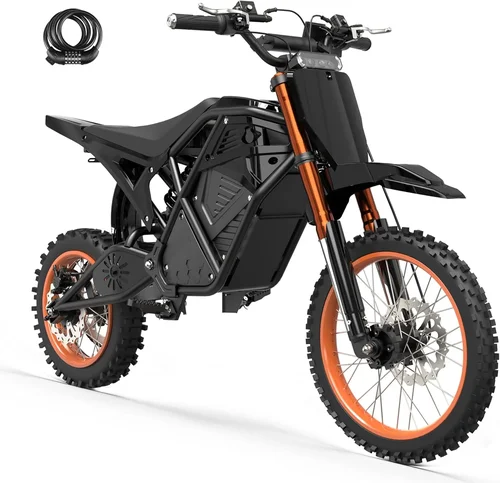
Electric bikes have revolutionized the way people commute, explore, and stay active—offering a perfect blend of pedal power and motor assistance that makes riding easier, faster, and more accessible than ever. Whether you’re navigating city streets, tackling hilly terrain, or simply looking for a greener alternative to driving, an e-bike can be a game-changer. But with so many options flooding the market, finding the right one under $1500 can feel overwhelming. That’s where this guide comes in.
In this comprehensive buying guide, we’ll walk you through everything you need to know to make a smart, informed decision when shopping for an e-bike under $1500. We’ll break down the key features to prioritize, compare different types of e-bikes, highlight common pitfalls to avoid, and share expert tips to help you get the best value for your money. Our goal isn’t just to list bikes—it’s to empower you with the knowledge to choose the one that fits your lifestyle, budget, and riding goals.
The e-bike market has matured rapidly over the past few years, and the good news is that you no longer need to spend thousands to get a reliable, high-performing electric bike. Today, there are dozens of well-engineered models under $1500 that offer impressive range, solid build quality, and useful features like pedal assist, LCD displays, and integrated lights. However, not all e-bikes are created equal. Some cut corners on battery life or motor power, while others skimp on customer support or durability. By understanding what truly matters—and what’s just marketing fluff—you can avoid disappointment and ride away with confidence.

What to Look for When Buying an E-Bike
1. Motor Type and Power
The motor is the heart of any e-bike, determining how much assistance you get and how smoothly it performs. Most e-bikes under $1500 use either hub motors (mounted in the front or rear wheel) or mid-drive motors (located near the pedals). Hub motors are more common in this price range because they’re simpler and cheaper to produce. Rear hub motors generally offer better traction and a more natural riding feel, while front hub motors can feel twitchy on loose surfaces.
Motor power is measured in watts (W), and in the U.S., e-bikes are legally limited to 750W for Class 1 and Class 3 models. Don’t be fooled by brands advertising “peak” or “burst” power—what matters is continuous wattage. A 500W–750W motor is ideal for most riders, providing enough oomph for hills and headwinds without draining the battery too quickly. Look for motors from reputable manufacturers like Bafang, Shengyi, or MXUS, which are known for reliability and smooth power delivery.
2. Battery Capacity and Range
Battery performance is arguably the most critical factor after the motor. E-bike batteries are rated in watt-hours (Wh), which tells you how much energy they can store. A higher Wh rating means longer range. For example, a 48V 10.4Ah battery equals 499Wh (48 × 10.4), while a 36V 14Ah battery equals 504Wh—so even though the voltages differ, their capacities are nearly identical.
Under $1500, expect batteries ranging from 360Wh to 600Wh. Real-world range depends on factors like terrain, rider weight, assist level, and tire pressure, but as a rule of thumb:
– 360–450Wh: 20–35 miles
– 450–550Wh: 30–50 miles
– 550Wh+: 40–60+ miles
Lithium-ion (Li-ion) batteries are standard and should be removable for easy charging. Avoid sealed or non-removable batteries unless you have secure outdoor charging access. Also, check the battery’s cycle life—most quality batteries last 500–1,000 full charge cycles before capacity drops below 80%.
3. Frame Material and Build Quality
The frame is what holds everything together, so durability and weight matter. Most budget e-bikes use aluminum alloy frames, which offer a great balance of strength, corrosion resistance, and affordability. Higher-end models might use hydroformed or double-butted aluminum for reduced weight and improved ride quality, but these are rare under $1500.
Avoid steel frames unless you prioritize ultra-heavy-duty use—they’re strong but significantly heavier, which negates some of the e-bike’s efficiency. Check welds for smoothness and consistency; rough or uneven welds can indicate poor manufacturing. Also, inspect cable routing—internal routing looks cleaner and protects wires from damage, though it’s less common in this price bracket.
Pay attention to component quality too: look for branded parts like Shimano drivetrains, Tektro or Zoom brakes, and Kenda or CST tires. Generic or unbranded components often fail sooner and are harder to replace.
4. Pedal Assist Levels and Throttle
Pedal assist (PAS) systems come in multiple levels—usually 3 to 5—that determine how much motor support you get while pedaling. More levels give you finer control over effort and battery usage. For instance, Level 1 might add 25% assistance for flat commutes, while Level 5 could boost you by 200% for steep climbs.
Throttle functionality allows you to ride without pedaling at all, similar to a scooter. It’s incredibly useful for starting from stops, navigating traffic, or giving your legs a break. However, throttle use drains the battery faster, so it’s best used sparingly. Most e-bikes under $1500 include both PAS and throttle, but verify this before buying—some budget models omit the throttle to cut costs.
5. Braking System
Safety should never be compromised, especially when riding at higher speeds with motor assistance. Mechanical disc brakes are common in this price range and offer reliable stopping power in dry conditions. However, hydraulic disc brakes are superior—they require less hand force, modulate better in wet weather, and last longer.
Avoid rim brakes (V-brakes) on e-bikes. They wear down quickly under the added weight and speed of an electric bike and lose effectiveness when wet. If a bike only offers rim brakes under $1500, consider it a red flag unless it’s a very lightweight, low-speed model.
Also, check for brake levers with motor cut-off switches—these instantly disable the motor when you squeeze the brake, preventing dangerous power surges during emergency stops.
6. Tires and Suspension
Tires affect comfort, grip, and rolling resistance. Wider tires (2.0″ to 2.4″) provide better stability and cushioning, especially on rough roads or gravel paths. Look for puncture-resistant tires with decent tread—brands like Schwalbe, Maxxis, or Innova offer good options even in budget builds.
Suspension comes in two forms: front suspension forks and full suspension. Most e-bikes under $1500 have front suspension only, which helps absorb bumps and improves control. However, cheap suspension forks can be heavy and underdamped, offering little real benefit. If comfort is a priority, test the fork’s travel (usually 80–100mm) and rebound feel. Lockout features are a bonus—they let you stiffen the fork for efficient pedaling on smooth surfaces.
Full suspension is extremely rare under $1500 and often compromises elsewhere (like weaker motors or smaller batteries), so it’s usually not worth the trade-off unless you’re doing serious off-roading.
7. Display and Connectivity
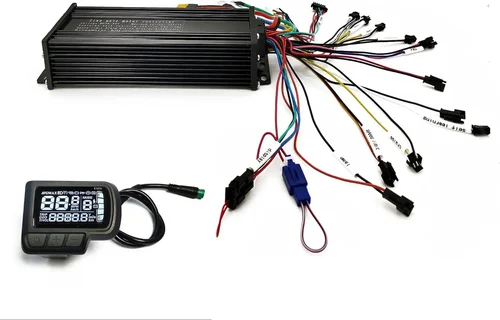
The display shows essential info like speed, battery level, assist mode, and sometimes trip distance or time. Basic LCD screens are standard, but some models offer backlit displays, USB charging ports, or Bluetooth connectivity for app integration.
While fancy displays aren’t necessary, a clear, readable screen is crucial—especially in sunlight. Avoid bikes with tiny, monochrome displays that are hard to interpret at a glance. Some brands like Aventon or Rad Power Bikes include intuitive interfaces with dedicated buttons for easy mode switching.
App connectivity (via Bluetooth) is becoming more common and allows you to track rides, update firmware, or lock the bike remotely. It’s a nice-to-have, not a must-have, but can enhance the overall experience.
8. Weight and Portability
E-bikes are inherently heavier than traditional bikes due to the motor and battery. Most models under $1500 weigh between 45 and 65 pounds. If you need to carry your bike upstairs, load it into a car, or store it in a small apartment, weight becomes a major factor.
Look for bikes with step-through frames if mobility is a concern—they’re easier to mount and dismount. Some models include integrated rear racks or folding mechanisms, though true folding e-bikes under $1500 are rare and often sacrifice performance for portability.
Consider where you’ll store the bike: garage, balcony, or indoor space? Measure doorways and storage areas beforehand to avoid surprises.
Different Types of E-Bikes

Common Buying Mistakes to Avoid
❌ Mistake: Focusing Only on Price
Why it’s bad: The cheapest e-bike isn’t always the best value. Models under $800 often use low-capacity batteries, weak motors, and flimsy components that fail within months. You end up spending more on repairs or replacements than if you’d bought a slightly pricier, better-built bike.
What to do instead: Set a realistic budget between $1,000 and $1,500. This range offers the best balance of quality, performance, and longevity. Prioritize reputable brands with transparent specs and good warranties.
❌ Mistake: Ignoring Real-World Range Claims
Why it’s bad: Manufacturers often advertise “up to 60 miles” based on ideal conditions: flat terrain, minimal assist, lightweight rider. In reality, most riders get 30–40% less range, especially in hilly areas or with frequent throttle use.
What to do instead: Divide the advertised range by 1.5 to estimate real-world performance. If a bike claims 50 miles, expect 30–35. Also, check user reviews for actual range reports—they’re more reliable than marketing copy.
❌ Mistake: Overlooking Warranty and Customer Support
Why it’s bad: E-bikes have complex electronics. If something breaks—like the controller, display, or battery—you need responsive support. Some budget brands offer only 90-day warranties or slow email responses, leaving you stranded.
What to do instead: Choose brands with at least a 1-year comprehensive warranty and local service options. Read reviews about their customer service. Brands like Aventon, Lectric, and Heybike are known for solid support even at lower price points.
❌ Mistake: Buying Without Test Riding
Why it’s bad: E-bikes feel different from regular bikes. Motor engagement, weight distribution, and handlebar comfort vary widely. What looks good on paper might feel awkward or unstable in person.
What to do instead: Visit local bike shops or attend e-bike demo events. If buying online, check the return policy—many brands offer 14–30 day trial periods. Never commit to a non-returnable purchase without riding it first.
❌ Mistake: Neglecting Local Laws and Classifications
Why it’s bad: E-bikes are classified by speed and throttle use (Class 1, 2, or 3). Some cities restrict where Class 3 bikes (28 mph) can ride, or ban throttles altogether. Buying the wrong class could limit your routes or result in fines.
What to do instead: Research your local regulations before buying. Most urban commuters do fine with Class 1 (pedal-assist only, up to 20 mph) or Class 2 (throttle-assisted, 20 mph max). Class 3 is better for experienced riders on open roads.
❌ Mistake: Assuming All “750W” Motors Are Equal
Why it’s bad: Some brands use “750W peak” motors that only deliver high power for seconds, not continuously. These can’t sustain hill climbs or carry heavier loads effectively.
What to do instead: Look for “continuous 500W–750W” ratings. Check motor brand and reviews. Bafang M200 or M300 series motors are reliable choices in this range.
❌ Mistake: Skipping Essential Accessories
Why it’s bad: Many budget e-bikes don’t include basics like lights, fenders, or racks. Buying these separately can add $100–$200 to your total cost, pushing you over budget.
What to do instead: Factor accessories into your total cost. Some brands bundle essentials (e.g., Aventon’s Pace series includes lights and fenders). Alternatively, choose a model with mounting points so you can add them later.
Budget Guidelines: How Much Should You Spend?
Entry-Level ($800–$1,000): This tier is best for casual riders or those on a tight budget. Expect basic components, smaller batteries (360–450Wh), and simpler designs. Bikes here may lack hydraulic brakes, have limited PAS levels, or use lower-tier motors. Ideal for flat commutes under 15 miles. Examples include the Lectric XP Lite or Swagtron EB7 Plus.
Mid-Range ($1,000–$1,300): The sweet spot for most buyers. You’ll find better batteries (480–550Wh), reliable motors (500W–750W continuous), and improved components like mechanical or entry-level hydraulic disc brakes. Many include useful features like integrated lights, rear racks, and decent displays. Great for daily commuting, light trails, or weekend adventures. Top picks: Aventon Pace 350, RadPower RadCity 5, or Heybike Cityscape.
Premium ($1,300–$1,500): For enthusiasts and serious commuters who want near-top-tier performance without breaking the bank. These bikes often feature high-capacity batteries (550–600Wh), powerful motors with smooth torque sensors, and upgraded drivetrains (e.g., Shimano Altus or Acera). Expect better suspension, puncture-resistant tires, and thoughtful details like internal cable routing or app connectivity. Models like the Aventon Level.2 or RadPower RadRover 6 Plus fall here.
Luxury ($1,500+): While outside our scope, it’s worth noting that spending more gets you premium materials (carbon forks, lighter alloys), advanced tech (GPS tracking, smart locks), and superior craftsmanship. But for under $1500, you can still get 80–90% of the performance with smart shopping.
Expert Tips for Getting the Best Deal
– Shop during off-seasons: Late fall and winter are ideal times to buy. Retailers discount older models to clear inventory for new releases. Look for Black Friday, Cyber Monday, or end-of-year sales.
– Compare direct-to-consumer vs. local shops: Brands like Lectric, Aventon, and Rad Power sell online with lower overhead, passing savings to you. But local shops offer test rides, assembly, and in-person support. Weigh convenience against cost.
– Read verified buyer reviews: Skip the glossy product pages. Sites like Amazon, Best Reviews, or EBR (Electric Bike Review) feature real user experiences—including long-term reliability and customer service issues.
– Check return and exchange policies: Ensure the seller offers at least a 14-day return window. Some brands charge restocking fees or require you to pay return shipping—factor this into your decision.
– Look for bundle deals: Some retailers offer free accessories (helmets, locks, phone mounts) with purchase. These can save $50–$100 and enhance safety and usability.
– Consider refurbished or open-box models: Certified pre-owned e-bikes from reputable sellers often come with warranties and cost 15–30% less. Just verify battery health and motor condition.
– Register your bike: Once purchased, register it with the manufacturer and consider a third-party tracker (like Apple AirTag). E-bike theft is rising, and registration aids recovery.
– Maintain your investment: Regular maintenance—tire pressure checks, brake adjustments, chain lubrication—extends lifespan and prevents costly repairs. Many local shops offer affordable tune-up packages.

Frequently Asked Questions
Q: Can I ride an e-bike in the rain?
A: Yes, most e-bikes under $1500 are designed to handle light to moderate rain. Look for IP65 or higher water resistance ratings on the battery and motor. Avoid submerging the bike or washing it with high-pressure hoses. Dry it thoroughly after wet rides to prevent corrosion.
Q: How long does it take to charge the battery?
A: Most 48V 10–14Ah batteries take 4–6 hours to fully charge with the included charger. Charging from 20% to 80% takes about 3 hours—this “partial charging” is actually better for battery longevity than frequent full cycles.
Q: Do I need a license or insurance to ride an e-bike?
A: In most U.S. states, no license or insurance is required for Class 1 and Class 2 e-bikes. Class 3 may require a helmet and have age restrictions. Always check your local laws—requirements vary by city and state.
Q: Can I pedal an e-bike if the battery dies?
A: Absolutely. E-bikes function like regular bikes when the battery is dead, though they’re heavier. You’ll just need to pedal harder, especially on hills.
Q: How often should I replace the battery?
A: A quality lithium-ion battery lasts 3–5 years or 500–1,000 charge cycles. Signs it’s nearing end-of-life include significantly reduced range, slow charging, or swelling. Replacement costs $300–$600, so factor this into long-term ownership.
Q: Are e-bikes good for exercise?
A: Yes! Even with pedal assist, you’re still pedaling and engaging your muscles. Using lower assist levels or turning off the motor periodically increases workout intensity. Many users report improved fitness and weight loss.
Q: Can I upgrade components later?
A: Some parts are upgradeable—tires, seats, lights, and even batteries (if compatible). However, motors and controllers are usually integrated and not user-replaceable. Check compatibility before investing in upgrades.
Q: What’s the difference between torque sensor and cadence sensor?
A: Cadence sensors detect if you’re pedaling and provide fixed assistance. Torque sensors measure how hard you’re pedaling and adjust motor output accordingly—resulting in a smoother, more natural ride. Torque sensors are rare under $1500 but appear in premium models like the Aventon Level.2.
Q: Are e-bikes safe for seniors or people with mobility issues?
A: Yes, especially step-through models with low standover height and stable geometry. The motor assistance reduces strain on joints, making cycling accessible to older adults or those recovering from injury. Always consult a doctor if you have health concerns.
Q: How do I store my e-bike long-term?
A: Store in a dry, temperature-controlled space (not a cold garage). Charge the battery to 50–60% before storage and recharge it every 2–3 months to prevent deep discharge. Cover the bike to protect from dust.
Our Final Recommendations
Best for Budget-Conscious Buyers: Lectric XP 3.0 ($999)
Packs a 500W rear hub motor, 48V 10.4Ah battery (≈40 miles range), and includes fenders, rack, and lights. Lightweight at 49 lbs and folds for storage. Perfect for city commuters who want value without sacrificing essentials.
Best Overall Value: Aventon Pace 350 Step-Through ($1,299)
Features a 350W motor (smooth torque sensor!), 48V 11.6Ah battery, hydraulic disc brakes, and a bright LCD display. Comfortable upright geometry and includes integrated lights and rear rack. Ideal for daily riders seeking reliability and comfort.
Best Premium Option: Rad Power Bikes RadCity 5 Plus ($1,499)
Boasts a 750W geared hub motor, 48V 14Ah battery (≈50+ miles), hydraulic brakes, and a full suite of commuter features: fenders, rack, lights, and a suspension seatpost. Built to last with excellent customer support.
Best for Beginners: Heybike Cityscape ($1,099)
User-friendly with a simple display, 500W motor, and step-through frame. Includes throttle, 48V 12.5Ah battery, and comes fully assembled. Great first e-bike for those new to electric riding.
Best for Advanced Users: Aventon Level.2 ($1,499)
Equipped with a torque sensor for natural pedal feel, 750W motor, 48V 14Ah battery, and Shimano Altus drivetrain. Offers app connectivity, hydraulic brakes, and aggressive commuter styling. For riders who want performance and tech.
Conclusion: Making the Right Choice
Choosing the right e-bike under $1500 doesn’t have to be stressful—it just requires clarity about your needs and a willingness to look beyond flashy ads. Focus on core components like motor quality, battery capacity, and braking performance. Prioritize brands with strong warranties and responsive support. And never skip the test ride if possible.
Remember, the best e-bike is the one you’ll actually use. Whether you’re commuting to work, exploring trails, or simply enjoying weekend rides, there’s a capable, affordable electric bike out there waiting for you. Use this guide as your roadmap, stay within budget, and ride with confidence. Your future self—and your carbon footprint—will thank you.