
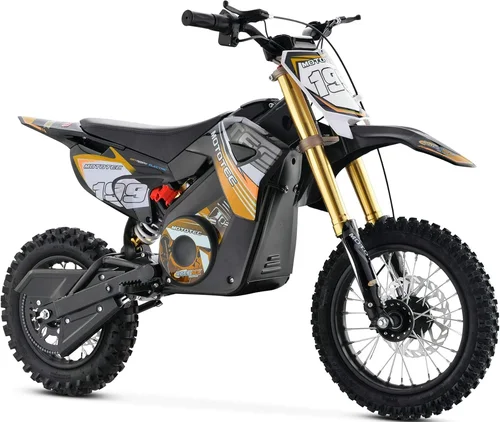
Buying a dirt bike for an 11-year-old is one of the most exciting—and nerve-wracking—decisions a parent can make. It’s not just about picking the coolest-looking machine; it’s about finding a balance between safety, performance, durability, and age-appropriate design. At this age, kids are typically transitioning from beginner-level mini bikes to more capable machines that can grow with their skills. Whether your child is hitting local trails, practicing in the backyard, or dreaming of motocross stardom, the right dirt bike can fuel confidence, build responsibility, and create lifelong memories.
This comprehensive guide is designed to take the guesswork out of the process. We’ll walk you through every critical factor—from engine size and seat height to safety features and brand reliability—so you can make a smart, informed decision. You’ll learn how to match your child’s physical size and riding experience to the ideal bike, avoid common pitfalls, and stretch your budget without sacrificing quality. By the end, you’ll know exactly what to look for, where to shop, and how to ensure your young rider stays safe while having a blast.
The market for youth dirt bikes has evolved dramatically in recent years. Gone are the days when parents had to settle for underpowered, poorly built Chinese imports. Today’s 11-year-olds have access to high-quality, purpose-built machines from trusted brands like Honda, Yamaha, Kawasaki, KTM, and Husqvarna—many of which are engineered specifically for younger riders. Electric options are also gaining traction, offering quieter operation and instant torque. With so many choices, it’s easier than ever to find a bike that fits your child’s needs—but only if you know what to prioritize.

What to Look for When Buying a Dirt Bike for an 11-Year-Old
1. Engine Size and Power Output
Engine displacement (measured in cubic centimeters or cc) is one of the most important specs when choosing a dirt bike for an 11-year-old. For this age group, engines typically range from 50cc to 150cc. An 11-year-old with little to no experience should start with a 50cc or 65cc bike, while more confident or physically larger kids may handle an 85cc or even a 125cc model.
Why does this matter? Too much power too soon can be dangerous. A high-torque engine can cause wheelies, loss of control, or panic reactions. On the flip side, a bike that’s too small or underpowered will quickly become boring and limit skill development. Look for bikes with smooth power delivery—many modern youth models feature progressive throttle response and adjustable power settings to match rider skill.
For example, the Honda CRF125F has a 124cc air-cooled engine that’s forgiving yet capable, making it ideal for intermediate riders. Meanwhile, the Kawasaki KX85 offers a 84cc two-stroke engine that’s popular among kids moving up from smaller bikes and entering competitive racing.
2. Seat Height and Rider Fit
A bike that’s too tall or too short can make riding uncomfortable or unsafe. The ideal seat height allows your child to place both feet flat on the ground when seated—this boosts confidence and improves control during stops and low-speed maneuvers.
Most 11-year-olds have an inseam between 24 and 28 inches. As a general rule:
- 50cc–65cc bikes: Seat height 24–26 inches
- 85cc bikes: Seat height 28–30 inches
- 125cc bikes: Seat height 30–32 inches
If your child is on the shorter side, consider models with adjustable suspension or lowered seat options. Some brands, like KTM, offer “low seat” versions of their youth bikes. Always have your child sit on the bike before buying—comfort and reach to the handlebars and controls are just as important as seat height.
3. Weight and Maneuverability
A heavy bike is harder to control, especially for younger riders who may not have developed full strength and coordination. Most youth dirt bikes weigh between 100 and 160 pounds. Lighter bikes (under 130 lbs) are easier to pick up after a fall and more responsive on tight trails.
Two-stroke engines tend to be lighter than four-strokes, but they require more maintenance and have a sharper powerband. Four-strokes are heavier but offer smoother, more predictable power—ideal for learning. For example, the Yamaha YZ85 weighs around 140 lbs and is praised for its balanced handling, while the electric Sur Ron LBX tips the scales at just 110 lbs and is incredibly nimble.
Consider where your child will ride. If it’s mostly flat, open areas, a slightly heavier bike may be fine. But for technical trails or frequent tip-overs, a lighter machine is a safer bet.
4. Safety Features and Design
Safety should never be an afterthought. Look for bikes with features designed to protect young riders. Key safety elements include:
- Kill switch: Allows immediate engine shutdown in an emergency.
- Throttle limiter: Lets parents restrict top speed as skills improve.
- Adjustable suspension: Helps absorb impacts and maintain traction.
- Disc brakes (front and rear): Provide reliable stopping power.
- Chain guard and footpeg design: Reduce injury risk from moving parts.
Many modern youth bikes also come with reinforced frames and impact-resistant plastics. Electric models like the Razor MX650 include speed governors and soft-start technology to prevent sudden acceleration. Always ensure your child wears proper safety gear—helmet, goggles, gloves, boots, and chest protector—no matter how “safe” the bike seems.
5. Build Quality and Durability
A dirt bike takes a beating. Jumps, rocks, mud, and frequent falls mean the bike must be built to last. Cheaply made bikes with thin frames, weak suspension, or plastic components may save money upfront but will cost more in repairs or replacements.
Stick with reputable brands known for quality construction. Honda, Yamaha, Kawasaki, and KTM have decades of experience building durable, reliable machines. Even their youth models undergo rigorous testing. Look for:
- Steel or aluminum frames with reinforced welds
- Quality suspension components (forks and shocks)
- Metal footpegs and skid plates
- Weather-resistant electrical systems (especially for electric bikes)
Avoid no-name brands sold on Amazon or eBay with vague specifications. While they may look similar, they often use inferior materials and lack proper engineering. A well-built bike not only lasts longer but also performs better and safer.
6. Maintenance Requirements
All dirt bikes require maintenance, but some are more demanding than others. Two-stroke engines need regular oil mixing and top-end rebuilds every 20–30 hours of riding. Four-strokes require oil changes, air filter cleaning, and valve adjustments—but generally last longer between major services.
Electric dirt bikes have far fewer moving parts and require minimal maintenance—no oil, no spark plugs, no carburetors. Just charge the battery and check tire pressure. This makes them ideal for busy families or kids who ride frequently.
Consider your willingness and ability to perform basic maintenance. If you’re not mechanically inclined, a four-stroke or electric bike may be a better choice. Many dealerships offer service packages, so factor in long-term costs when comparing models.
7. Brand Reputation and Dealer Support
Not all dirt bike brands are created equal. Established manufacturers invest heavily in R&D, testing, and customer support. They also offer better access to parts, service manuals, and local dealers.
Brands like Honda and Yamaha are known for reliability and resale value. KTM and Husqvarna dominate the racing scene with high-performance two-strokes. Electric pioneers like Sur Ron and Cake offer cutting-edge technology with instant torque and whisper-quiet operation.
Before buying, check if there’s a certified dealer nearby. You’ll need them for warranty claims, parts, and professional servicing. A strong dealer network means faster repairs and better long-term support. Online-only brands may offer lower prices, but you could be on your own when something breaks.
8. Warranty and Return Policy
A solid warranty protects your investment. Most reputable brands offer at least a 6-month to 1-year limited warranty covering defects in materials and workmanship. Some, like Honda, extend coverage to 12 months or more.
Read the fine print: Does the warranty cover parts and labor? Is it transferable? What voids it (e.g., racing, improper maintenance)? Electric bikes often have separate warranties for the battery (typically 6–12 months) and motor.
Also check the return policy. Some retailers allow returns within 30 days if the bike is unused. Others charge restocking fees. If buying online, ensure the seller has a clear return process. Never buy a bike “as-is” unless you’re prepared for potential issues.
Different Types of Dirt Bikes for 11-Year-Olds

Common Buying Mistakes to Avoid
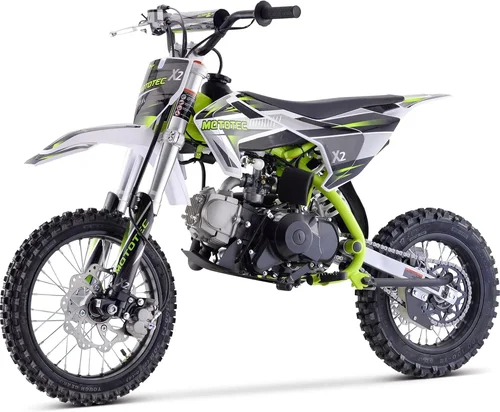
❌ Mistake: Buying Based on Looks Alone
Why it’s bad: A flashy paint job or aggressive stance doesn’t guarantee performance or safety. Kids are drawn to bold graphics, but parents must focus on specs, fit, and reliability.
What to do instead: Prioritize function over form. Choose a bike that matches your child’s size and skill level, even if it’s not the “coolest” looking. A well-fitting, safe bike will keep them riding longer—and safer.
❌ Mistake: Oversizing the Bike
Why it’s bad: A bike that’s too big can be intimidating and hard to control. Kids may struggle to reach the ground, operate controls, or recover from falls, increasing injury risk.
What to do instead: Always test the seat height and overall fit. If your child can’t touch the ground comfortably, look for a smaller model or one with adjustable suspension. It’s better to grow into a bike than out of control on one.
❌ Mistake: Ignoring Maintenance Needs
Why it’s bad: Dirt bikes aren’t toys—they’re mechanical machines that require regular upkeep. Neglecting maintenance leads to breakdowns, poor performance, and safety hazards.
What to do instead: Learn basic maintenance tasks (oil changes, air filter cleaning, chain lubrication) or budget for professional service. Choose a bike with manageable maintenance requirements for your lifestyle.
❌ Mistake: Skimping on Safety Gear
Why it’s bad: No bike is 100% safe, and accidents happen—even to experienced riders. Without proper gear, a minor fall can become a serious injury.
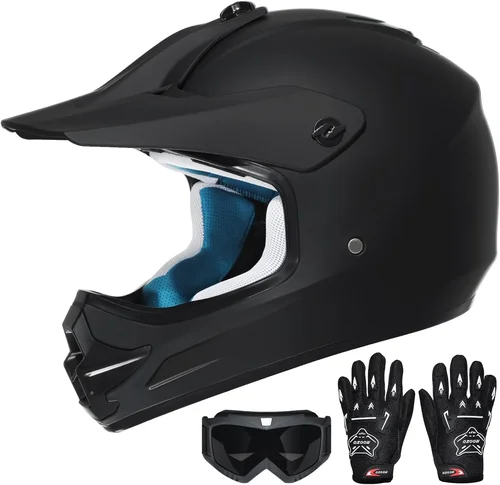
What to do instead: Invest in high-quality safety equipment: DOT-approved helmet, goggles, gloves, boots, and a chest protector. Replace gear after any significant impact. Safety gear is non-negotiable.
❌ Mistake: Buying Used Without Inspection
Why it’s bad: Used bikes can hide damage, wear, or improper modifications. A cheap deal may end up costing more in repairs.
What to do instead: If buying used, inspect the bike thoroughly or bring a mechanic. Check for frame cracks, suspension leaks, engine noise, and tire condition. Ask for maintenance records and avoid bikes with racing history unless you’re prepared for high wear.
❌ Mistake: Overlooking Local Laws and Regulations
Why it’s bad: Some areas restrict where minors can ride dirt bikes. Riding on public land without permits or in prohibited zones can result in fines or confiscation.
What to do instead: Research local laws before buying. Many states require helmets, restrict engine sizes for minors, or limit riding to designated areas. Ensure your child rides legally and responsibly.
Budget Guidelines: How Much Should You Spend?
When it comes to dirt bikes for 11-year-olds, price doesn’t always equal performance—but it often reflects quality, safety, and longevity. Here’s a realistic breakdown of what to expect at different price points:
Entry-Level ($800 – $1,500): This range includes basic pit bikes, older used models, and some electric starters. Bikes like the Razor MX650 or generic 110cc pit bikes fall here. They’re great for casual backyard use but may lack durability, suspension quality, or dealer support. Ideal for first-time riders on a tight budget—but expect more maintenance and shorter lifespan.
Mid-Range ($1,800 – $3,500): This is the sweet spot for most families. You’ll find reliable four-stroke models like the Honda CRF125F, Yamaha TT-R125, and Kawasaki KLX140. These bikes offer excellent build quality, safety features, and dealer support. They’re durable enough for regular trail use and can last several years with proper care. Electric options like the Sur Ron LBX also fit here, offering high performance with low upkeep.
Premium ($3,500 – $5,000): For serious young riders or those entering competition, premium bikes deliver top-tier performance. Models like the KTM 85 SX, Husqvarna TC 85, and Yamaha YZ125 offer race-ready engines, advanced suspension, and lightweight frames. These are built for speed and agility but require more skill and maintenance. Best for kids with experience and a passion for racing.
Luxury ($5,000+): At this level, you’re paying for cutting-edge technology, brand prestige, and extreme performance. Electric hyper-bikes like the Cake Kalk OR or custom-built two-strokes fall here. These are overkill for most 11-year-olds but may appeal to families deeply invested in the sport. Resale value can be high, but initial cost and maintenance are significant.
Expert Tips for Getting the Best Deal
Finding the right dirt bike at the right price takes strategy. Use these expert tips to maximize value and avoid overspending:
- Buy at the Right Time: Late summer and fall are the best times to shop. Dealers often discount current-year models to clear inventory for next year’s lineup. You can save $200–$500 or more during seasonal sales.
- Consider Certified Pre-Owned: Many dealerships offer certified used bikes with warranties. These have been inspected, serviced, and often come with perks like free first service. You get near-new quality at a used price.
- Shop Local Dealers First: While online retailers may offer lower prices, local dealers provide test rides, expert advice, and ongoing support. They’re also more likely to honor warranties and offer trade-in options.
- Negotiate Extras: Don’t just focus on the sticker price. Ask for free gear (helmet, gloves), service packages, or discounted maintenance plans. Many dealers will throw in extras to close the deal.
- Check for Rebates and Promotions: Manufacturers often run rebates, especially on youth models. Honda, for example, frequently offers $200–$500 off select CRF models. Sign up for brand newsletters to stay informed.
- Test Ride Before Buying: If possible, let your child test ride the bike. Many dealers allow demo days or short test rides. This ensures the bike fits and feels right.
- Read the Fine Print on Financing: If financing, compare interest rates and terms. Some dealers offer 0% APR for qualified buyers, but watch for hidden fees or balloon payments.
- Join Owner Forums: Online communities like ThumperTalk or Reddit’s r/dirtbikes are goldmines for real-world reviews, maintenance tips, and deal alerts. Other parents often share where they found great prices.

Frequently Asked Questions
Q: What’s the best engine size for an 11-year-old?
A: It depends on experience and size. Beginners should start with 50cc–65cc. Intermediate riders can handle 85cc–125cc. Always prioritize fit and control over power.
Q: Are electric dirt bikes safe for kids?
A: Yes—when used properly. Electric bikes are quieter, easier to control, and have fewer moving parts. Models like the Sur Ron LBX include speed limiters and soft-start for safety. Always supervise young riders and enforce gear use.
Q: Can my 11-year-old ride a full-size dirt bike?
A: Generally, no. Full-size bikes (250cc+) are too tall, heavy, and powerful for most 11-year-olds. They’re designed for adults and can be dangerous for younger riders. Stick to youth-specific models.
Q: How often should a dirt bike be serviced?
A: It varies by model and usage. As a rule, change oil every 10–15 hours, clean the air filter every 5–10 hours, and inspect the chain and brakes before each ride. Two-strokes need more frequent top-end rebuilds.
Q: Is a two-stroke or four-stroke better for a beginner?
A: Four-strokes are generally better for beginners due to smoother power delivery and lower maintenance. Two-strokes are lighter and more responsive but require more skill and upkeep.
Q: Where can my child legally ride a dirt bike?
A: It depends on your location. Many states allow riding on private property with permission, designated OHV trails, or motocross tracks. Public roads are usually off-limits. Check with your local DMV or parks department.
Q: How long will a youth dirt bike last?
A: With proper maintenance, a quality bike can last 5–10 years. Four-strokes often outlast two-strokes. Electric bikes have fewer wear parts but battery life may degrade over 3–5 years.
Q: Should I buy new or used?
A: New bikes come with warranties and the latest tech. Used bikes save money but require careful inspection. For first-time buyers, new is often safer. For experienced families, certified pre-owned can be a great value.
Q: Do I need insurance for a youth dirt bike?
A: Not always, but it’s wise. Some states require liability coverage for off-road vehicles. Even if not mandatory, insurance can protect against theft, damage, or injury claims—especially if riding on public land.
Q: Can a dirt bike help my child develop responsibility?
A: Absolutely. Owning a dirt bike teaches maintenance, safety awareness, and respect for machinery. Involving your child in cleaning, tuning, and gear checks builds valuable life skills.
Our Final Recommendations
After evaluating safety, performance, value, and real-world feedback, here are our top picks for 11-year-olds in 2025:
Best for Budget-Conscious Buyers: Razor MX650 – At under $1,000, this electric bike offers quiet operation, adjustable speed, and low maintenance. Perfect for beginners in quiet neighborhoods or backyards. Limited range and power, but excellent value.
Best Overall Value: Honda CRF125F – Reliable, durable, and easy to ride. The 124cc four-stroke engine is smooth and forgiving, while the low seat height fits most 11-year-olds. Backed by Honda’s legendary dealer network and warranty.
Best Premium Option: KTM 85 SX – For serious young racers, this two-stroke beast delivers race-ready performance. Lightweight, responsive, and built to win. Requires skill and maintenance, but unmatched on the track.
Best for Beginners: Yamaha TT-R125LE – With electric start, low seat height, and user-friendly power, this bike is ideal for first-time riders. Durable, safe, and fun—perfect for learning the basics.
Best for Advanced Users: Sur Ron LBX – This electric powerhouse combines instant torque, lightweight design, and silent operation. With adjustable power modes and a 60+ mile range, it’s perfect for trail enthusiasts who want performance without the noise.
Conclusion: Making the Right Choice
Choosing the best dirt bike for an 11-year-old isn’t just about horsepower or price—it’s about matching the right machine to your child’s size, skill, and passion. A well-chosen bike fosters confidence, encourages outdoor activity, and creates memories that last a lifetime. By focusing on safety, fit, and quality, you’ll set your young rider up for success—whether they’re cruising trails or chasing checkered flags.
Remember, the best bike is the one your child can control, enjoy, and grow with. Don’t rush the decision. Test ride, ask questions, and involve your child in the process. And most importantly, prioritize safety at every turn. With the right preparation and the right bike, your 11-year-old is ready to hit the dirt with confidence.
Now it’s your turn. Use this guide to narrow your options, compare models, and make a choice you can feel good about. The adventure starts the moment they twist the throttle—so make it count.