
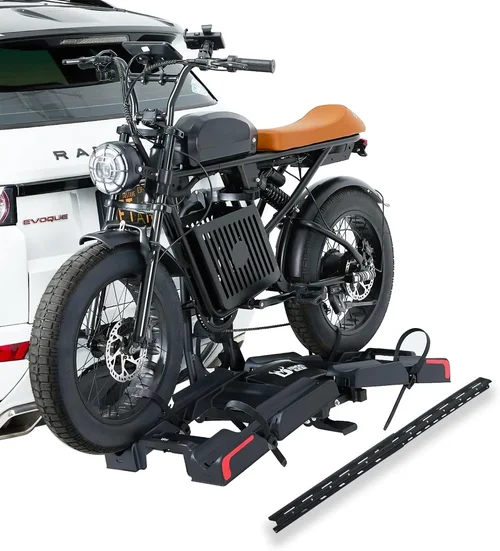
Electric bikes—or e-bikes—have revolutionized personal transportation in the United States, offering a sustainable, efficient, and fun way to commute, explore, or stay active. Whether you’re navigating city streets, cruising through suburban neighborhoods, or tackling rugged mountain trails, there’s an e-bike designed to match your lifestyle. As we move into 2026, the e-bike market continues to evolve rapidly, with advancements in battery technology, motor efficiency, smart features, and design aesthetics. With more Americans embracing eco-friendly alternatives to cars and traditional bicycles, choosing the right e-bike has never been more important—or more overwhelming.
This comprehensive buying guide is crafted to help you cut through the noise and make a confident, informed decision. We’ll walk you through every critical factor to consider, from budget and performance to build quality and brand reputation. You’ll learn how different types of e-bikes serve different needs, what common pitfalls to avoid, and how to get the best value for your investment. Whether you’re a first-time buyer or upgrading from an older model, this guide equips you with expert insights, real-world comparisons, and actionable tips to find the perfect e-bike for your needs. By the end, you’ll not only know what to look for—but how to find it at the right price.
The U.S. e-bike market is booming, with sales expected to surpass $2 billion by 2026, according to industry analysts. Major brands like Rad Power Bikes, Trek, Specialized, and Aventon are leading the charge, while innovative startups continue to push boundaries with cutting-edge designs and features. From foldable commuter models to high-performance mountain e-bikes, the variety is staggering. But with so many options, it’s easy to feel lost. That’s where this guide comes in—to simplify your search, highlight what truly matters, and help you invest wisely in a vehicle that will serve you for years to come.

What to Look for When Buying an E-Bike
1. Budget & Price Range
Your budget is the foundation of your e-bike purchase. E-bikes in the U.S. range from under $1,000 to over $8,000, and while it’s tempting to go for the cheapest option, skimping on price can lead to disappointment in performance, durability, and longevity. Entry-level models often use lower-capacity batteries, weaker motors, and basic components that may wear out quickly. On the other hand, premium e-bikes offer superior engineering, longer warranties, and advanced features like regenerative braking or integrated GPS.
To make the most of your budget, define your priorities early. Are you using the bike for daily commuting, weekend adventures, or fitness? A $1,500 commuter e-bike with a reliable motor and decent range may be perfect for city use, while a $4,000+ mountain e-bike is better suited for off-road enthusiasts. Remember: a higher upfront cost often translates to lower maintenance and replacement expenses over time.
2. Performance Specifications
Performance is where e-bikes truly differentiate themselves. Key specs to evaluate include motor power (measured in watts), battery capacity (watt-hours or Wh), range (miles per charge), and top speed. In the U.S., most e-bikes are classified as Class 1, 2, or 3 under federal law, which affects their motor assistance and speed limits. Class 1 offers pedal-assist up to 20 mph, Class 2 includes a throttle and also caps at 20 mph, and Class 3 provides pedal-assist up to 28 mph—ideal for faster commutes.
Motor power typically ranges from 250W to 750W. A 500W motor is sufficient for flat terrain and light hills, while 750W models are better for steep inclines or heavier riders. Battery capacity determines how far you can go on a single charge—look for at least 400Wh for city commuting and 600Wh+ for longer rides or off-road use. Real-world range varies based on terrain, rider weight, assist level, and weather, so always check independent reviews for realistic estimates.
3. Build Quality & Durability
A well-built e-bike should feel solid, stable, and capable of withstanding daily use. Frame material is a major factor—aluminum alloy is lightweight, corrosion-resistant, and common in mid-to-high-end models, while steel is heavier but more durable and often found in budget bikes. Carbon fiber frames are rare and expensive but offer the best strength-to-weight ratio.
Pay attention to component quality: brakes (disc brakes are superior to rim brakes), drivetrain (Shimano or SRAM are trusted brands), and suspension (front or full suspension for off-road use). Weld quality, cable routing, and waterproofing also matter—especially if you ride in rain or snow. A durable e-bike may cost more upfront but will save you money on repairs and replacements down the line.
4. Features & Functionality
Modern e-bikes come packed with features that enhance safety, convenience, and ride quality. Integrated lighting (front and rear) is essential for visibility, especially in urban environments. A digital display should show speed, battery level, assist mode, and trip data—some even offer GPS navigation or smartphone connectivity.
Other useful features include regenerative braking (which recharges the battery slightly during braking), torque sensors (for smoother pedal assist), and app integration for ride tracking and anti-theft alerts. Fenders, racks, and kickstands add practicality for commuters. Consider whether you need a step-through frame for easy mounting or a suspension seatpost for comfort on rough roads.
5. Brand Reputation
Not all e-bike brands are created equal. Established brands like Trek, Specialized, and Giant have decades of experience in cycling and strong dealer networks. Direct-to-consumer brands like Rad Power Bikes and Aventon offer great value and customer service, often with longer warranties than traditional retailers.
Research customer reviews, warranty terms, and service availability. A reputable brand stands behind its products with responsive support, accessible spare parts, and clear return policies. Avoid unknown brands with no track record—especially those sold exclusively through third-party marketplaces with limited accountability.
6. Warranty & Support
A strong warranty is a sign of confidence in product quality. Most reputable e-bike brands offer at least a 1-year warranty on the entire bike, with 2–3 years on the battery and motor. Some, like Rad Power Bikes, provide up to 2 years of full coverage and 3 years on the battery.
Read the fine print: what’s covered? Labor costs? Battery degradation? Is the warranty transferable if you resell the bike? Also, consider customer support responsiveness—can you reach a human quickly? Are there online resources, video tutorials, or community forums? Good support can make a huge difference when troubleshooting issues.
7. Size & Portability
E-bikes are heavier than traditional bikes—typically 40–70 pounds—so size and portability matter, especially if you need to carry it upstairs, store it in a small apartment, or transport it in a car. Step-through frames are easier to mount and dismount, while foldable models like the Tern Vektron or Brompton Electric are ideal for urban dwellers with limited space.
Check the bike’s dimensions, weight, and whether it includes a carrying handle or wheels for rolling. If you plan to take your e-bike on public transit, ensure it meets size and weight limits. Some commuters prefer lighter models under 50 pounds for easier handling.
8. User Reviews & Ratings
User reviews offer unfiltered insights that spec sheets can’t provide. Look for patterns in feedback: Are multiple users reporting the same issue with the battery or brakes? Do riders praise the comfort on long rides? Platforms like Trustpilot, Reddit (r/ebikes), and YouTube reviews are goldmines of honest opinions.
Pay attention to how the company responds to negative reviews. A brand that addresses concerns professionally and offers solutions is more trustworthy than one that ignores criticism. Also, consider the reviewer’s use case—someone using the bike for daily commuting may have different priorities than a weekend trail rider.
Different Types of E-Bikes

Common Buying Mistakes to Avoid
❌ Mistake: Ignoring Local Laws and Regulations
Why it’s bad: E-bike laws vary by state and even city. Riding a Class 3 e-bike on a path restricted to lower classes can result in fines or confiscation. Some areas prohibit throttles or require helmets and registration.
What to do instead: Check your state’s Department of Motor Vehicles (DMV) or Department of Transportation (DOT) website for e-bike classifications and rules. Always ride within legal limits and wear a helmet.
❌ Mistake: Overlooking Battery Replacement Costs
Why it’s bad: E-bike batteries degrade over time and typically need replacement every 3–5 years, costing $400–$800. Some budget models use proprietary batteries that are expensive or hard to find.
What to do instead: Choose a brand with widely available, standardized batteries (like Bosch or Shimano). Factor battery replacement into your long-term cost of ownership.
❌ Mistake: Buying Based Solely on Price
Why it’s bad: The cheapest e-bike may save you money upfront but cost more in repairs, replacements, and frustration. Poor-quality components fail faster and compromise safety.
What to do instead: Balance price with quality. Invest in a mid-range model from a reputable brand—it will last longer and perform better.
❌ Mistake: Not Test Riding Before Buying
Why it’s bad: An e-bike that looks great online might feel uncomfortable, too heavy, or poorly balanced in person. Fit and handling are critical for safety and enjoyment.
What to do instead: Visit a local dealer or attend an e-bike demo event. Test ride multiple models to compare comfort, responsiveness, and ease of use.
❌ Mistake: Neglecting Maintenance Needs
Why it’s bad: E-bikes require regular maintenance—brake adjustments, tire checks, chain lubrication, and software updates. Ignoring this leads to breakdowns and safety risks.
What to do instead: Learn basic maintenance or find a reliable bike shop. Schedule tune-ups every 6–12 months, especially if you ride frequently.
❌ Mistake: Forgetting About Charging Logistics
Why it’s bad: If you live in an apartment without easy access to outlets, charging your e-bike can be a hassle. Some batteries are heavy and difficult to remove.
What to do instead: Choose a model with a removable battery and consider a second battery for longer trips. Plan your charging routine before you buy.
❌ Mistake: Overestimating Range Needs
Why it’s bad: Buying a high-capacity battery for short commutes wastes money and adds weight. Conversely, underestimating range leaves you stranded.
What to do instead: Calculate your average daily distance and add 20–30% for safety. Most commuters need 20–40 miles of range—far less than some manufacturers claim.
Budget Guidelines: How Much Should You Spend?
Entry-Level ($800 – $1,500): These e-bikes are ideal for casual riders or those on a tight budget. Expect basic components, limited range (15–30 miles), and minimal features. Brands like Ancheer or Swagtron offer affordable options, but build quality and support may be lacking. Best for light use on flat terrain.
Mid-Range ($1,500 – $3,500): This is the sweet spot for most buyers. You’ll find reliable motors (500W–750W), decent batteries (400–600Wh), and quality components from brands like Rad Power Bikes, Aventon, and Lectric. These bikes offer good range, comfort, and features like integrated lights and racks. Perfect for commuting, errands, and weekend rides.
Premium ($3,500 – $6,000): Designed for enthusiasts and frequent riders, these e-bikes feature high-end motors (Bosch, Shimano), long-range batteries (600–1000Wh), and advanced suspension. Models from Trek, Specialized, and Giant excel in performance and durability. Ideal for mountain biking, long-distance touring, or heavy cargo loads.
Luxury ($6,000+): Top-tier e-bikes offer cutting-edge technology, lightweight carbon frames, and bespoke designs. Brands like Riese & Müller, Stromer, and Benno deliver exceptional comfort, smart integration, and premium materials. These are for serious riders who demand the best in performance, style, and innovation.
Expert Tips for Getting the Best Deal
- Buy During Off-Peak Seasons: E-bike sales peak in spring and summer. Shop in late fall or winter for discounts, clearance models, or holiday promotions.
- Compare Online and In-Store Prices: Some retailers price-match, while others offer exclusive online deals. Check both before committing.
- Look for Bundle Deals: Many brands offer packages with helmets, locks, lights, or extra batteries at a discount.
- Check for Rebates and Incentives: Some states and cities offer e-bike purchase rebates (e.g., California’s Clean Cars 4 All program). Utility companies may also provide incentives.
- Read Return Policies Carefully: Ensure you can return or exchange the bike within 14–30 days if it doesn’t meet your expectations.
- Consider Certified Pre-Owned: Reputable dealers sell refurbished e-bikes with warranties at 20–40% off retail.
- Join Brand Loyalty Programs: Sign up for newsletters to get early access to sales, exclusive discounts, and product updates.
- Negotiate Accessories: If buying in-store, ask for free or discounted add-ons like fenders, racks, or phone mounts.

Frequently Asked Questions
Q: Are e-bikes legal in all U.S. states?
A: Yes, but regulations vary. Most states follow the three-class system (Class 1, 2, 3), but some have additional rules about where e-bikes can be ridden, helmet requirements, and age restrictions. Always check local laws before riding.
Q: How long do e-bike batteries last?
A: Most lithium-ion batteries last 500–1,000 charge cycles, equating to 3–5 years of regular use. Capacity gradually decreases over time, but proper care (avoiding extreme temperatures and full discharges) can extend lifespan.
Q: Can I ride an e-bike in the rain?
A: Yes, most e-bikes are water-resistant (rated IP54 or higher), but avoid submerging them or using high-pressure hoses. Dry the bike after wet rides to prevent corrosion.
Q: Do I need a license or insurance to ride an e-bike?
A: In most states, no license or insurance is required for Class 1 and 2 e-bikes. Class 3 may require a helmet and have age restrictions. Check your state’s DMV for specifics.
Q: How fast can e-bikes go?
A: Class 1 and 2 e-bikes are limited to 20 mph with motor assistance. Class 3 models can reach 28 mph. Some high-performance models can go faster, but only without motor assist.
Q: Can I pedal an e-bike if the battery dies?
A: Yes, e-bikes function like regular bicycles when the battery is dead. However, they are heavier, so pedaling requires more effort.
Q: Are e-bikes good for exercise?
A: Absolutely. Even with motor assist, you still pedal and burn calories. Using lower assist levels or turning off the motor increases workout intensity.
Q: How do I charge an e-bike battery?
A: Most batteries are removable and charged with a standard wall outlet. Charging takes 3–6 hours, depending on capacity. Avoid overcharging—most modern batteries have built-in protection.
Q: Can I take my e-bike on public transportation?
A: Many buses and trains allow e-bikes, but rules vary. Folding e-bikes are more likely to be permitted. Check with your local transit authority.
Q: What’s the difference between hub motors and mid-drive motors?
A: Hub motors are located in the wheel and are simpler, quieter, and cheaper. Mid-drive motors are mounted near the pedals, offering better weight distribution, efficiency on hills, and compatibility with gears—ideal for performance riding.
Our Final Recommendations
Best for Budget-Conscious Buyers: Rad Power Bikes RadCity 5 Plus – At around $1,800, this commuter e-bike offers excellent value with a 750W motor, 617Wh battery, integrated lights, fenders, and a rear rack. It’s reliable, well-supported, and perfect for daily use.
Best Overall Value: Aventon Level.2 – Priced at $1,999, this versatile e-bike combines comfort, performance, and style. With a 500W motor, 614Wh battery, and sleek design, it’s ideal for city and light trail riding.
Best Premium Option: Specialized Turbo Vado SL 5.0 – At $4,500, this lightweight commuter e-bike features a custom motor, long-range battery, and premium components. It’s perfect for serious riders who want top-tier performance and refinement.
Best for Beginners: Lectric XP 3.0 – For under $1,000, this foldable e-bike is affordable, easy to use, and packed with features. It’s a great entry point for new riders.
Best for Advanced Users: Trek Fuel EXe 9.8 – This $7,500 mountain e-bike delivers pro-level performance with a Bosch motor, full suspension, and trail-ready geometry. It’s built for serious off-road adventures.
Conclusion: Making the Right Choice
Choosing the best e-bike in the U.S. in 2026 doesn’t have to be overwhelming. By focusing on your needs—whether that’s commuting, recreation, or adventure—and evaluating key factors like budget, performance, and build quality, you can find a model that fits your lifestyle and delivers years of reliable service. Avoid common pitfalls, take advantage of expert tips, and don’t hesitate to test ride before you buy.
Remember, the right e-bike is not the most expensive or the flashiest—it’s the one that feels right, performs well, and meets your daily needs. Whether you’re reducing your carbon footprint, saving on gas, or simply enjoying the freedom of two wheels, your e-bike is more than a purchase—it’s an investment in mobility, health, and sustainability. So take your time, do your research, and ride with confidence. The perfect e-bike is out there—and now you know how to find it.