The electric bike revolution is here—and it’s not slowing down. In 2025, e-bikes have evolved from niche novelties into serious transportation solutions, fitness tools, and even daily workhorses for millions of riders worldwide. Whether you’re commuting through city traffic, exploring mountain trails, or simply looking for a greener way to get around, there’s an e-bike designed for your lifestyle. But with so many brands flooding the market—from legacy bicycle manufacturers to tech-forward startups—it’s easy to feel overwhelmed. That’s exactly why this comprehensive buying guide exists: to cut through the noise, clarify your options, and help you make a confident, informed decision.
In this guide, we’ll walk you through everything you need to know before purchasing your first (or next) e-bike. You’ll learn how to evaluate key specs like motor power, battery range, and build quality, understand the differences between e-bike categories, avoid common pitfalls, and discover which brands consistently deliver value, reliability, and innovation. We’ve tested dozens of models, analyzed thousands of user reviews, and consulted with industry experts to bring you the most up-to-date, practical advice for 2025. By the end, you won’t just know which e-bike to buy—you’ll know why.
The e-bike market has matured dramatically over the past few years. What was once dominated by clunky, underpowered machines now features sleek, intelligent designs with smartphone integration, regenerative braking, and batteries that last over 100 miles on a single charge. Major players like Trek, Specialized, and Bosch have doubled down on e-bike development, while newcomers like Rad Power Bikes, Aventon, and VanMoof have disrupted the space with direct-to-consumer models that offer impressive performance at accessible prices. Meanwhile, regulations continue to evolve, infrastructure improves, and public acceptance grows. This is the perfect time to invest in an e-bike—but only if you choose wisely.

What to Look for When Buying an E-Bike
1. Budget & Price Range
Your budget is the single most important factor in narrowing down your e-bike options. E-bikes range from under $1,000 for basic commuter models to over $10,000 for high-end cargo or performance machines. However, price doesn’t always equal value. A $1,500 e-bike from a reputable brand with solid components can outperform a $2,500 model from a lesser-known manufacturer with cut corners.
When setting your budget, consider not just the upfront cost but also long-term expenses: maintenance, battery replacement (typically every 3–5 years), insurance, and potential upgrades. Aim to spend at least $1,200 for a reliable entry-level bike, $2,000–$3,500 for a well-rounded mid-tier option, and $4,000+ if you need premium features like full suspension, extended range, or cargo capacity.
2. Motor Type & Power Output
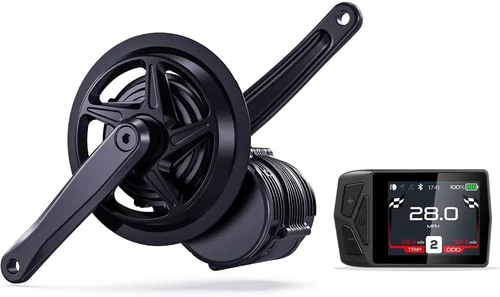
The motor is the heart of your e-bike. Most modern e-bikes use either hub motors (located in the front or rear wheel) or mid-drive motors (integrated into the crankset). Mid-drive motors are generally superior—they offer better weight distribution, leverage the bike’s gears for efficient climbing, and provide a more natural riding feel. Hub motors are simpler and cheaper but can feel unbalanced, especially on hills.
Motor power is measured in watts (W). In the U.S., Class 1 and Class 3 e-bikes are limited to 750W peak output, though many European models go higher. For flat city commuting, a 250W–500W motor is sufficient. If you plan to tackle steep hills or carry heavy loads, look for 500W–750W. Torque (measured in Newton-meters, Nm) matters more than raw wattage—higher torque means stronger acceleration and hill-climbing ability. Aim for at least 50 Nm for urban use and 80+ Nm for off-road or cargo applications.
3. Battery Capacity & Range
Battery capacity is measured in watt-hours (Wh)—a number that directly correlates with how far you can ride. A 400Wh battery might give you 25–40 miles, while a 700Wh+ pack can deliver 60–100+ miles, depending on terrain, rider weight, assist level, and weather.
Look for lithium-ion batteries from reputable suppliers like Samsung, LG, or Panasonic. Avoid generic or unbranded cells. Removable batteries are ideal for charging convenience, especially if you live in an apartment. Also check the charger speed: some fast chargers can top up a battery in 2–3 hours, while standard ones take 5–6.
Range anxiety is real—but manageable. Always assume real-world range will be 20–30% lower than manufacturer claims. If you need to cover 30 miles daily, choose a bike rated for at least 50 miles.
4. Frame Material & Build Quality
E-bike frames are typically made from aluminum alloy or carbon fiber. Aluminum is lightweight, corrosion-resistant, and affordable—making it the standard for most consumer models. Carbon fiber is lighter and absorbs vibrations better but comes at a significant premium and is less repairable.
Pay attention to weld quality, cable routing (internal is cleaner and more durable), and component integration. A well-built frame should feel solid when you lift it, with no creaks or flex. Test ride if possible—notice how the bike handles bumps and corners. Cheap frames often use thin tubing that cracks under stress, especially with the added weight of motor and battery.
5. Drivetrain & Gearing
Unlike traditional bikes, e-bikes don’t always need complex gearing—but it still matters. Single-speed or internally geared hubs (like Shimano Nexus or Enviolo) are common on urban e-bikes for simplicity and low maintenance. However, if you ride varied terrain, a multi-speed derailleur system (e.g., Shimano Deore, SRAM NX) gives you better control over cadence and efficiency.
Mid-drive motors work best with multi-speed drivetrains because they can shift under load. Hub motors paired with single speeds are fine for flat cities but struggle on inclines. Also consider belt drives (like Gates Carbon Drive)—they’re quieter, cleaner, and last longer than chains, though they require compatible frames and can’t be repaired on the go.
6. Braking System
With added speed and weight, reliable brakes are non-negotiable. Mechanical disc brakes are common on budget models but require frequent adjustment. Hydraulic disc brakes offer superior stopping power, modulation, and require less hand effort—essential for safety, especially in wet conditions or on descents.
Avoid rim brakes on e-bikes. They wear out faster, lose effectiveness when wet, and can’t handle the extra kinetic energy of a 50–70 lb bike moving at 20+ mph. If a bike only offers rim brakes, consider it a red flag unless it’s a very low-speed, lightweight model.
7. Display & Smart Features
The display is your command center. Basic LCD screens show speed, battery level, and assist mode. Higher-end models include color touchscreens with GPS navigation, ride tracking, anti-theft alerts, and smartphone connectivity via Bluetooth or ANT+.
Consider what features matter to you. Do you want to track fitness metrics? Control lights or a horn? Lock the bike remotely? Some brands (like VanMoof or Cowboy) offer app-based ecosystems with over-the-air updates and community features. Others keep it simple with physical buttons and minimal tech.
8. Warranty & Customer Support
A good warranty signals confidence in product quality. Look for at least a 2-year frame warranty and 1-year coverage on electrical components. Premium brands often offer 3–5 years. Battery warranties vary widely—some cover only 1 year, while others guarantee 70% capacity after 2–3 years.
Customer support is equally important. Can you easily reach a human? Are replacement parts readily available? Brands with strong U.S. or EU service networks (like Trek, Giant, or Rad Power Bikes) make repairs and troubleshooting far less stressful. Avoid brands that rely solely on third-party distributors with spotty support.
Different Types of E-Bikes

Common Buying Mistakes to Avoid
❌ Mistake: Ignoring Local E-Bike Laws
Why it’s bad: E-bike regulations vary by country, state, and even city. In the U.S., Class 1 (pedal-assist up to 20 mph) and Class 3 (pedal-assist up to 28 mph) are widely allowed on bike paths, but throttle-operated Class 2 bikes may be restricted. Riding an illegal bike can result in fines or confiscation.
What to do instead: Check your local Department of Transportation or DMV website before buying. Choose a Class that matches your intended use and legal access.
❌ Mistake: Overlooking Test Rides
Why it’s bad: E-bikes feel different from regular bikes—heavier, more responsive, and often with unique handling due to motor placement. Buying online without riding can lead to buyer’s remorse if the bike doesn’t suit your body or riding style.
What to do instead: Visit local dealers or attend e-bike demo events. If buying online, choose retailers with generous return policies (e.g., 14–30 days).
❌ Mistake: Prioritizing Top Speed Over Range
Why it’s bad: Many budget e-bikes advertise high speeds (20–28 mph) but have tiny batteries that drain quickly at those speeds. You might reach your destination fast—but be stranded on the way back.
What to do instead: Focus on real-world range for your typical trip. A slower bike with a 60-mile range is more practical than a fast one with 20 miles.
❌ Mistake: Skimping on Accessories
Why it’s bad: E-bikes are heavy and fast—riding without proper lights, a helmet, or reflective gear increases accident risk. Panniers or baskets are essential for carrying items safely.
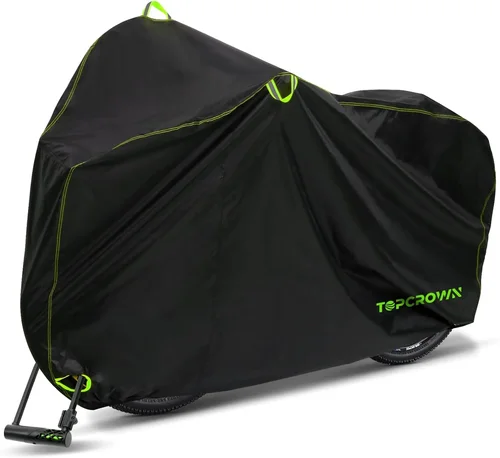
What to do instead: Budget an extra $200–$500 for essential accessories. Many brands sell compatible kits (lights, locks, racks) designed specifically for their models.
❌ Mistake: Assuming All “750W” Motors Are Equal
Why it’s bad: Some brands use “peak” wattage (a brief burst) instead of “continuous” wattage (sustained output). A 750W peak motor might only deliver 350W continuously—leading to poor hill performance.
What to do instead: Look for continuous wattage ratings and torque specs. Reputable brands like Bosch, Shimano, and Brose publish detailed motor performance data.
❌ Mistake: Neglecting Maintenance Needs
Why it’s bad: E-bikes require more maintenance than regular bikes due to added complexity. Neglecting brake adjustments, chain lubrication, or firmware updates can lead to costly failures.
What to do instead: Learn basic maintenance or find a local shop experienced with e-bikes. Schedule annual tune-ups, especially before winter.
Budget Guidelines: How Much Should You Spend?
Entry-Level ($800 – $1,500): These bikes are best for casual riders or short, flat commutes. Expect basic hub motors, non-removable batteries, minimal features, and lower-quality components. Brands like Ancheer or Ecotric offer models here, but reliability varies. Ideal if you’re testing the e-bike waters—but upgrade within 1–2 years if you become a regular rider.
Mid-Range ($1,500 – $3,500): This is the sweet spot for most buyers. You’ll find well-built aluminum frames, reliable mid-drive or quality hub motors, removable batteries with 400–600Wh capacity, hydraulic disc brakes, and useful features like integrated lights and racks. Brands like Rad Power Bikes, Aventon, Lectric, and Gazelle excel here. Great for daily commuting, light cargo, and weekend adventures.
Premium ($3,500 – $6,000): For enthusiasts and serious commuters. Expect top-tier motors (Bosch Performance Line, Shimano EP8), high-capacity batteries (700Wh+), advanced displays, premium drivetrains, and superior build quality. Models from Trek, Specialized, Riese & Müller, and Stromer offer exceptional performance, comfort, and durability. Ideal for long distances, hilly terrain, or multi-hour rides.
Luxury ($6,000+): These are the Ferraris of e-bikes. Think carbon fiber frames, regenerative braking, AI-assisted riding modes, ultra-long range (100+ miles), and bespoke designs. Brands like Riese & Müller, Stromer ST5, and Delfast offer cutting-edge tech and concierge-level service. Best for tech lovers, long-distance tourers, or those who want the absolute best—no compromises.
Expert Tips for Getting the Best Deal
1. Buy During Off-Seasons: E-bike sales peak in spring and summer. Shop in late fall or winter (October–February) for discounts of 10–25%. Many retailers clear inventory for new models.
2. Consider Certified Pre-Owned: Reputable dealers like Trek, Giant, or Rad Power Bikes sell certified used e-bikes with warranties. You can save 20–40% off retail while getting a inspected, serviced bike.
3. Bundle Accessories: Some retailers offer free helmets, locks, or lights with purchase. Others provide discount codes for first-time buyers—check their website or sign up for newsletters.
4. Leverage Employer Programs: Some companies offer commuter benefits or subsidies for e-bike purchases. In the U.S., the proposed federal e-bike tax credit (up to $1,500) may become law in 2025—stay informed.
5. Read Return Policies Carefully: Not all “30-day returns” are equal. Some charge restocking fees, require original packaging, or exclude test rides. Choose retailers with hassle-free policies (e.g., Rad Power Bikes offers 14-day returns with free shipping).
6. Join Owner Communities: Facebook groups, Reddit forums (like r/ebikes), and brand-specific communities often share exclusive discount codes, recall info, and maintenance tips.
7. Negotiate at Local Shops: Independent bike shops may match online prices or throw in free tune-ups. Building a relationship with a local mechanic pays off long-term.
8. Check for Firmware Updates: Some e-bikes ship with outdated software that limits performance. Ask if the model has received recent updates—and whether they’re easy to install.

Frequently Asked Questions
Q: How long do e-bike batteries last?
A: Most lithium-ion e-bike batteries retain 70–80% of their original capacity after 500–1,000 charge cycles, which typically translates to 3–5 years of daily use. Proper care—avoiding extreme temperatures, not draining to 0%, and storing at 50–70% charge—can extend lifespan.
Q: Can I ride an e-bike in the rain?
A: Yes, but with caution. Most e-bikes are IP-rated for water resistance (e.g., IP65 means protected against water jets). Avoid submerging the battery or motor. Dry the bike after wet rides and check connectors for corrosion.
Q: Do I need a license or insurance for an e-bike?
A: In most U.S. states and EU countries, no license or insurance is required for Class 1–3 e-bikes. However, some cities or rental services may have specific rules. Always check local laws.
Q: How much does an e-bike weigh?
A: Typical e-bikes weigh 40–70 lbs (18–32 kg). Commuter models are lighter (40–50 lbs), while cargo and mountain e-bikes can exceed 70 lbs. Folding models range from 35–50 lbs.
Q: Can I pedal an e-bike if the battery dies?
A: Absolutely. E-bikes function like regular bikes when unpowered—though they’re heavier, so pedaling requires more effort. Some models even have walk-assist modes for pushing uphill.
Q: Are e-bikes worth it for fitness?
A: Yes! Studies show e-bike riders get comparable cardiovascular benefits to traditional cyclists, often riding longer and more frequently due to reduced fatigue. Use lower assist levels to maximize workout intensity.
Q: What’s the difference between pedal-assist and throttle?
A: Pedal-assist (PAS) provides power only when you pedal, offering a natural riding experience. Throttle lets you ride without pedaling—like a scooter. Class 2 e-bikes have throttles; Class 1 and 3 do not.
Q: How do I secure my e-bike from theft?
A: Use a high-quality U-lock (e.g., Kryptonite New York Fahgettaboudit) through the frame and rear wheel. Add a secondary chain or cable for the front wheel. Consider GPS trackers (like Invoxia or Apple AirTag) and register your bike with national databases.
Q: Can I upgrade my e-bike’s battery later?
A: It depends on the brand and model. Some allow battery swaps or upgrades; others use proprietary systems. Check compatibility before buying—and factor future battery costs into your budget.
Q: Are e-bikes environmentally friendly?
A: Yes, significantly. Even accounting for battery production and electricity use, e-bikes emit far less CO₂ per mile than cars—and even most public transit. They reduce traffic congestion and parking demand, too.
Our Final Recommendations
Best for Budget-Conscious Buyers: Rad Power Bikes RadCity 5 Plus ($1,699)
A versatile commuter with a powerful 750W geared hub motor, 672Wh removable battery (up to 50 miles), hydraulic disc brakes, and integrated lights. Excellent customer support and a 1-year warranty make it a standout under $2,000.
Best Overall Value: Aventon Level.2 ($1,799)
Combines a smooth 500W mid-drive motor, 614Wh battery, Shimano hydraulic brakes, and a bright color display. Comfortable geometry, reliable components, and a sleek design offer premium feel without the premium price.
Best Premium Option: Specialized Turbo Vado SL 5.0 ($4,500)
Lightweight (33 lbs!), ultra-efficient, and packed with tech. Features a custom 240W motor, 700Wh battery, and MasterMind TCD display with GPS and ride analytics. Perfect for long-distance commuters who want performance and refinement.
Best for Beginners: Lectric XP 3.0 ($999)
An affordable folding e-bike with 500W motor, 46-mile range, and surprisingly solid build quality. Great for first-time riders, apartment dwellers, or those needing portability. Includes a rear rack and fenders.
Best for Advanced Users: Trek Allant+ 9.9S ($6,499)
Built for serious riders, this Bosch-equipped speed pedelec offers 28 mph top speed, 750Wh battery, full suspension, and a carbon frame. Ideal for tech-savvy commuters or eMTB enthusiasts wanting urban agility.
Conclusion: Making the Right Choice
Choosing the right e-bike isn’t just about specs or price—it’s about aligning your purchase with your lifestyle, needs, and values. Whether you’re replacing car trips, exploring nature, or simply enjoying the freedom of two wheels with a little electric boost, the perfect e-bike is out there. Use this guide to prioritize what matters most: range for your commute, comfort for long rides, durability for daily use, or smart features for convenience.
Remember, the best e-bike is the one you’ll actually ride. Don’t get seduced by flashy tech or aggressive marketing. Focus on real-world performance, reliable support, and a design that fits your body and routine. Test ride when you can, read owner reviews, and don’t rush the decision.
The e-bike market in 2025 offers more choice and innovation than ever before. With the right knowledge, you can navigate it confidently—and enjoy years of efficient, joyful, sustainable riding. So charge up, hop on, and embrace the future of mobility. Your perfect ride awaits.