
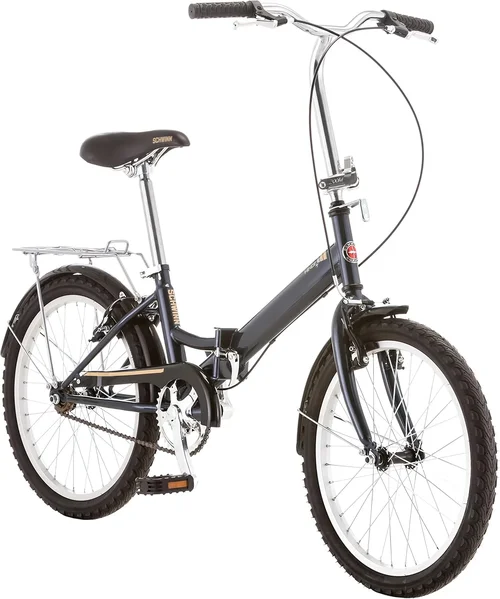
Electric bikes have revolutionized personal transportation, offering an eco-friendly, cost-effective, and fun way to commute, explore, or simply stay active. As we move into 2026, the e-bike market has matured significantly—especially in the affordable segment. What was once a niche product with limited options has exploded into a competitive landscape where high-quality, feature-rich e-bikes are now available for under $1,500. Whether you’re a daily commuter tired of traffic, a weekend adventurer looking to extend your range, or someone seeking a low-impact way to stay fit, there’s never been a better time to buy a cheap e-bike.
This comprehensive buying guide is designed to help you navigate the crowded and often confusing world of budget electric bicycles. We’ll cut through the marketing hype, compare real-world performance, and highlight the key factors that matter most when you’re shopping on a budget. You’ll learn how to evaluate everything from motor power and battery life to build quality and after-sales support—all without overspending. By the end of this guide, you’ll have the knowledge and confidence to choose the best cheap e-bike for your specific needs, whether you’re riding city streets, tackling light trails, or just cruising around the neighborhood.
The affordable e-bike segment has seen remarkable innovation in recent years. Brands that once focused only on premium models are now offering compelling entry-level options, while new players are entering the market with aggressive pricing and solid specs. However, not all “cheap” e-bikes are created equal. Some sacrifice durability for low cost, while others cut corners on safety or customer service. Our goal is to help you avoid those pitfalls and find a reliable, well-built e-bike that delivers excellent value for money. Let’s dive into what you need to know before making your purchase.
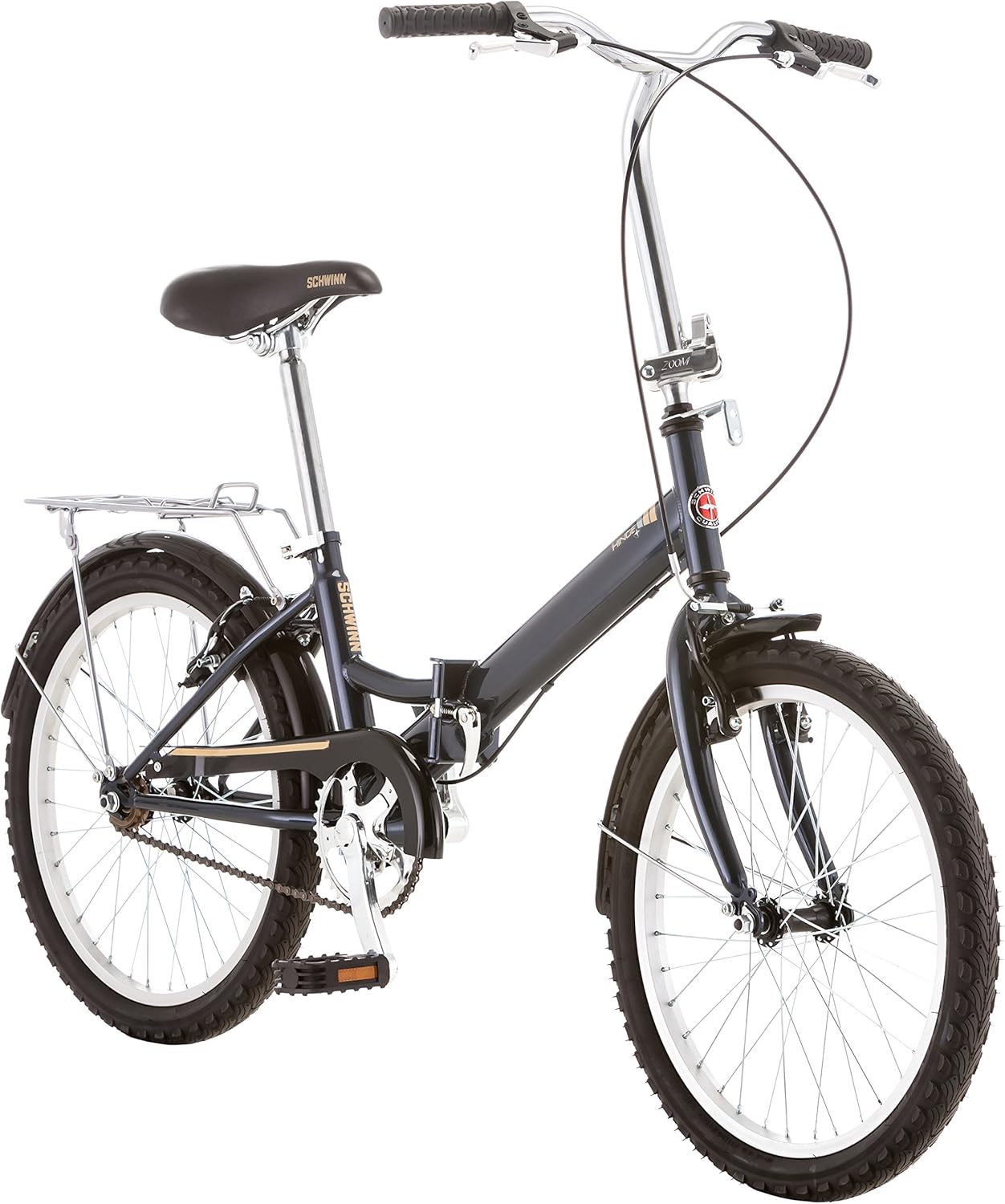
What to Look for When Buying a Cheap E-Bike
1. Budget & Price Range
When shopping for a cheap e-bike, your budget is the starting point—but it shouldn’t be the only factor. In 2026, you can find capable e-bikes ranging from $600 to $1,500, with most high-value options falling between $800 and $1,200. At the lower end ($600–$800), expect basic components, limited range, and fewer features. Mid-tier models ($800–$1,200) typically offer better motors, longer-lasting batteries, and improved build quality. Above $1,200, you start seeing premium features like hydraulic disc brakes, torque sensors, and integrated lighting—but even some sub-$1,000 bikes now include these.
It’s tempting to go for the absolute cheapest option, but remember: an e-bike is a long-term investment. A $700 bike that needs frequent repairs or fails after a year may end up costing more than a $1,000 model that lasts five years. Set a realistic budget based on your usage frequency and terrain. If you plan to ride daily in hilly areas, spending closer to $1,200 will pay off in reliability and performance. For occasional flat-road commuting, a $900 bike might be perfect.
2. Motor Type and Power
The motor is the heart of any e-bike, and its type and power output directly affect your riding experience. Most budget e-bikes use either hub motors (located in the front or rear wheel) or mid-drive motors (mounted near the pedals). Hub motors are more common in affordable models because they’re simpler and cheaper to produce. Rear hub motors offer better traction and a more natural feel, while front hubs can feel twitchy on loose surfaces.
Motor power is measured in watts (W). In the U.S., e-bikes are legally limited to 750W for Class 1 and Class 3 models, but many budget bikes hover around 350W–500W. Don’t be fooled by “peak power” claims—look for continuous power ratings instead. A 500W continuous motor will handle moderate hills and carry heavier riders more effectively than a 750W peak motor that overheats quickly.
Also consider whether the motor uses a cadence sensor or a torque sensor. Cadence sensors activate the motor when you start pedaling, providing a boost based on pedal speed. Torque sensors measure how hard you’re pedaling and adjust assistance accordingly—offering a smoother, more intuitive ride. While torque sensors are rarer in budget bikes, some sub-$1,200 models now include them, so it’s worth checking.
3. Battery Capacity and Range
Battery performance is arguably the most critical factor for daily riders. Battery capacity is measured in watt-hours (Wh), which indicates how much energy it can store. A higher Wh rating generally means longer range. For example, a 48V 10Ah battery equals 480Wh. Most budget e-bikes offer batteries between 360Wh and 600Wh.
Real-world range depends on multiple factors: rider weight, terrain, assist level, tire pressure, and weather. A 480Wh battery might give you 30–50 miles on eco mode on flat ground, but only 15–20 miles on high assist uphill. Always check if the battery is removable—this makes charging convenient and allows for spare batteries on long trips.
Lithium-ion (Li-ion) batteries are standard in 2026 and offer good energy density and lifespan (typically 500–1,000 charge cycles). Avoid older lead-acid or nickel-based batteries, which are heavier and degrade faster. Also, verify the battery’s BMS (Battery Management System)—a quality BMS protects against overcharging, overheating, and deep discharge, extending battery life.
4. Build Quality & Durability
A cheap price tag shouldn’t mean cheap construction. Look for frames made from aluminum alloy (6061 or 7005 are common), which offer a good balance of strength, weight, and corrosion resistance. Avoid steel frames unless the bike is specifically designed for heavy-duty use—they’re durable but significantly heavier.
Check the welds: clean, consistent welds indicate better manufacturing. Test the bike’s stiffness by gently rocking it—excessive flex suggests poor frame design. Components like brakes, drivetrain, and suspension (if included) should feel solid, not flimsy. Even at lower price points, reputable brands use name-brand components like Shimano, Tektro, or Kenda.
Pay attention to IP ratings for water resistance. While no e-bike is fully waterproof, an IPX4 or higher rating means it can handle light rain and splashes. This is crucial if you ride in wet climates. Also, inspect cable routing—internal routing protects wires from damage and gives a cleaner look.
5. Features & Functionality
Modern budget e-bikes come packed with features that were once reserved for premium models. Here’s what to look for:
– Display: A clear, backlit LCD or LED display shows speed, battery level, assist mode, and sometimes trip data. Avoid bikes with only basic LED indicators—they offer minimal feedback.
– Assist Levels: Most bikes offer 3–5 pedal-assist levels. More levels give finer control over power usage.
– Throttle: A thumb or twist throttle allows full electric propulsion without pedaling. Great for hills or quick starts, but check local laws—some areas restrict throttle use.
– Lighting: Integrated front and rear lights powered by the main battery are a huge safety plus. Look for models with automatic activation or brake-light features.
– Fenders & Rack: Useful for commuting and carrying gear. Many budget bikes include these, but verify compatibility if you plan to add panniers.
– Suspension: Front suspension forks absorb bumps on rough roads or trails. Full suspension is rare under $1,500, but a quality front fork can make a big difference.
Don’t get swayed by gimmicks like Bluetooth apps or GPS tracking unless you truly need them. Focus on core functionality that enhances safety, comfort, and usability.
6. Brand Reputation & Customer Support
With so many new e-bike brands flooding the market, brand reputation matters more than ever. Established names like Rad Power Bikes, Aventon, and Lectric have built trust through consistent quality and responsive customer service. Newer brands may offer great specs on paper, but their long-term reliability and support networks are untested.
Research online reviews on trusted platforms like Electric Bike Report, Reddit’s r/ebikes, or YouTube channels dedicated to e-bike testing. Pay attention to comments about warranty claims, replacement parts availability, and response times. A brand that offers live chat, detailed FAQs, and local service partnerships is a safer bet than one with only email support and vague policies.
Also, check if the brand has a U.S.-based or EU-based service center. Importing a bike from overseas might save money upfront, but repairs and returns can become logistical nightmares.
7. Warranty & Support
A solid warranty is your safety net against defects and premature failures. Most reputable budget e-bike brands offer:
– 1–2 years on the frame
– 6–12 months on the battery
– 6–12 months on the motor and electrical components
Some brands, like Rad Power Bikes, extend battery warranties to 2 years—a sign of confidence in their product. Avoid brands that offer only 90-day warranties or none at all. Also, read the fine print: some warranties void if you modify the bike or use it commercially.
Customer support should be accessible and helpful. Can you easily reach a human? Do they provide troubleshooting guides? Are replacement parts stocked and shipped quickly? These details separate good brands from great ones.
8. Size, Fit, and Portability
An e-bike that doesn’t fit properly will be uncomfortable and unsafe. Most budget models come in one or two frame sizes (e.g., S/M and L/XL). Check the standover height—you should be able to stand over the top tube with both feet flat on the ground.
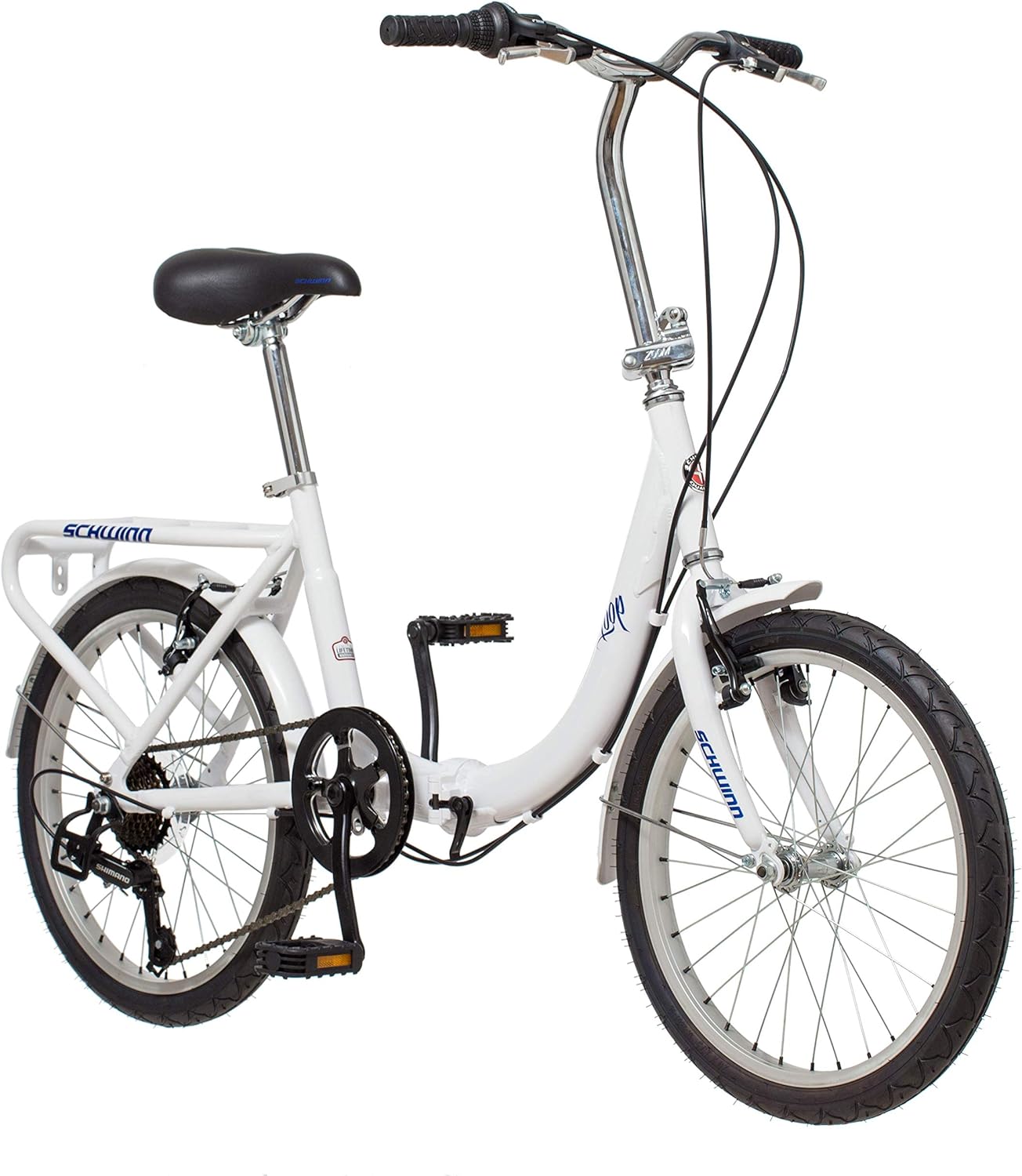
Step-through frames are ideal for shorter riders, seniors, or those with mobility issues. They make mounting and dismounting easier and are increasingly common in affordable models.
If you need to store the bike in a small apartment or carry it upstairs, consider weight and foldability. Most budget e-bikes weigh 45–65 lbs. Folding models like the Lectric XP or Swagtron EB7 are great for urban dwellers but often sacrifice ride quality and range. Non-folding bikes are generally sturdier and more efficient.
Test ride whenever possible. Even if buying online, some brands partner with local dealers for demos. Comfort, handling, and ergonomics are hard to judge from specs alone.
Different Types of Cheap E-Bikes
Common Buying Mistakes to Avoid
❌ Mistake: Prioritizing Price Over Quality
Why it’s bad: The cheapest e-bike often comes with subpar components, weak motors, and poor batteries that degrade quickly. You may end up replacing it within a year, negating any initial savings.
What to do instead: Aim for the “sweet spot” between $900 and $1,200. At this range, you get reliable motors, decent batteries, and better build quality without overspending.
❌ Mistake: Ignoring Local Laws and Regulations
Why it’s bad: E-bike classifications vary by region. Using a Class 3 bike (28 mph top speed) on bike paths where only Class 1 (20 mph) is allowed can result in fines or confiscation.
What to do instead: Check your city or state’s e-bike laws before buying. Choose a bike that matches legal limits for your intended use.
❌ Mistake: Overlooking Battery Replacement Costs
Why it’s bad: Batteries degrade over time and typically need replacement every 3–5 years. A $400–$600 battery can significantly increase the total cost of ownership.
What to do instead: Choose a brand with affordable, readily available replacement batteries. Avoid proprietary designs that lock you into expensive upgrades.
❌ Mistake: Buying Without Test Riding
Why it’s bad: An e-bike that looks good on paper might feel unstable, uncomfortable, or poorly balanced in real life.
What to do instead: Visit local dealers, attend e-bike expos, or use brands that offer demo programs. If buying online, check return policies—some allow 14–30 day trials.
❌ Mistake: Skipping the Warranty Fine Print
Why it’s bad: Some warranties exclude common issues like battery degradation or water damage, leaving you with repair costs.
What to do instead: Read the warranty terms carefully. Look for coverage on key components and clear procedures for claims.
❌ Mistake: Assuming All “750W” Motors Are Equal
Why it’s bad: Some brands advertise “750W peak” motors that deliver far less continuous power, leading to overheating and reduced performance.
What to do instead: Look for continuous wattage ratings and real-world test reviews. A 500W continuous motor is often more reliable than a 750W peak motor.
❌ Mistake: Neglecting Maintenance Needs
Why it’s bad: E-bikes require regular maintenance—brake adjustments, tire checks, chain lubrication—just like regular bikes. Ignoring this leads to safety risks and shorter lifespan.
What to do instead: Learn basic maintenance or find a local bike shop that services e-bikes. Budget $100–$200 annually for upkeep.
Budget Guidelines: How Much Should You Spend?
– Entry-Level ($600–$800): Best for occasional riders on flat terrain. Expect basic hub motors (350W–500W), 360–400Wh batteries, and minimal features. Brands like Swagtron and Ancheer dominate this space. Ideal for short commutes or recreational use, but may struggle with hills or heavy loads.
– Mid-Range ($800–$1,200): The sweet spot for most buyers. You’ll find 500W motors, 480–600Wh batteries, integrated lighting, fenders, and better components. Models from Rad Power Bikes, Aventon, and Lectric offer excellent value here. Suitable for daily commuting, light cargo, and varied terrain.
– Premium ($1,200–$1,500): For enthusiasts and frequent riders. Expect torque sensors, hydraulic disc brakes, higher-capacity batteries, and advanced displays. Some models include smartphone connectivity and app integration. Great for hilly cities or longer rides.
– Luxury ($1,500+): While outside the “cheap” category, some near-luxury models offer features like full suspension, carbon components, and premium drivetrains. Only consider if you’re a serious rider or need top-tier performance.
Expert Tips for Getting the Best Deal
– Buy During Off-Peak Seasons: Retailers discount e-bikes in January–March to clear inventory. You can save 15–25% during these months.
– Compare Total Cost of Ownership: Factor in battery replacement, maintenance, and potential repairs. A slightly more expensive bike with lower upkeep costs may be cheaper long-term.
– Use Price Tracking Tools: Websites like Honey or CamelCamelCamel alert you when prices drop on specific models.
– Check for Refurbished or Open-Box Deals: Many brands sell certified refurbished e-bikes at 20–30% off with full warranties.
– Read Return Policies Carefully: Ensure you can return the bike within 14–30 days if it doesn’t meet expectations. Some brands charge restocking fees.
– Join Online Communities: Forums and Facebook groups often share exclusive discount codes or flash sales.
– Consider Financing Options: Some retailers offer 0% APR financing for 6–12 months, making higher-end models more accessible.
– Verify Assembly Requirements: Most e-bikes ship 85% assembled. If you’re not handy, budget $50–$100 for professional assembly.

Frequently Asked Questions
Q: Can I ride an e-bike in the rain?
A: Yes, most modern e-bikes are designed to handle light to moderate rain, especially those with IPX4 or higher ratings. Avoid submerging the bike or riding through deep puddles. Dry the battery compartment and connectors after wet rides to prevent corrosion.
Q: How long does an e-bike battery last?
A: A quality lithium-ion battery typically lasts 500–1,000 full charge cycles, which translates to 3–5 years of daily use. Proper care—like avoiding full discharges and storing at 50–80% charge in winter—can extend lifespan.
Q: Do I need a license or insurance for an e-bike?
A: In most U.S. states and EU countries, Class 1 and Class 2 e-bikes (up to 20 mph) do not require a license, registration, or insurance. Class 3 bikes (up to 28 mph) may have additional requirements. Always check local laws.
Q: Can I pedal an e-bike if the battery dies?
A: Absolutely. E-bikes function like regular bicycles when the battery is dead. The added weight of the motor and battery makes pedaling slightly harder, but it’s still rideable.
Q: Are cheap e-bikes safe?
A: Safety depends on build quality and components, not price alone. Look for bikes with reliable brakes (disc brakes preferred), sturdy frames, and proper lighting. Avoid models with vague specifications or no safety certifications.
Q: How fast can a cheap e-bike go?
A: Most budget e-bikes are limited to 20 mph (Class 1/2) or 28 mph (Class 3) under motor assist. Actual speed depends on terrain, rider weight, and assist level. Throttle-only speeds are usually capped at 20 mph.
Q: Can I upgrade components on a budget e-bike?
A: Yes, many components like tires, seats, and lights can be upgraded. However, motor and battery upgrades are complex and often not cost-effective. Stick to compatible, brand-recommended parts.
Q: What’s the difference between pedal assist and throttle?
A: Pedal assist provides power only when you pedal, while throttle lets you ride without pedaling. Throttle is great for hills or quick starts but uses more battery. Some areas restrict throttle use, so check local rules.
Q: How do I maintain my e-bike?
A: Regular maintenance includes checking tire pressure, cleaning the chain, inspecting brakes, and ensuring bolts are tight. Keep the battery charged between 20–80% for longevity. Service at a certified shop annually.
Q: Are there financing options for e-bikes?
A: Yes, many retailers offer installment plans through services like Affirm, Klarna, or PayPal Credit. Some credit unions also provide green loans for eco-friendly transportation.
Our Final Recommendations
– Best for Budget-Conscious Buyers: Lectric XP 3.0 ($999) – A folding e-bike with a 500W motor, 480Wh battery, and impressive 45-mile range. Great for urban commuters who need portability without sacrificing performance.
– Best Overall Value: Rad Power Bikes RadCity 5 Plus ($1,299) – Combines a powerful 750W motor, 672Wh battery, hydraulic brakes, and full commuter features. Ideal for daily riders in hilly areas.
– Best Premium Option (Under $1,500): Aventon Level.2 ($1,399) – Features a torque sensor, 52V 14Ah battery, and sleek design. Offers a premium ride feel at a competitive price.
– Best for Beginners: Swagtron EB7 Plus ($799) – Affordable, lightweight, and easy to handle. Perfect for first-time e-bike buyers or casual riders.
– Best for Advanced Users: Himiway Cruiser ($1,199) – Boasts a 750W motor, 48V 17.5Ah battery, and fat tires for off-road capability. Excellent for riders who want power and versatility.
Conclusion: Making the Right Choice
Choosing the best cheap e-bike in 2026 doesn’t have to be overwhelming. By focusing on key factors like motor performance, battery capacity, build quality, and brand support, you can find a reliable, feature-rich e-bike that fits your budget and lifestyle. Remember, the cheapest option isn’t always the best value—invest in a bike that will serve you well for years, not just months.
Prioritize your needs: Are you commuting daily? Exploring trails? Carrying cargo? Your use case will guide your decision more than any spec sheet. Take advantage of test rides, seasonal sales, and expert reviews to make an informed choice. And don’t forget the importance of maintenance and safety—your e-bike is only as good as the care you give it.
With the right knowledge and a clear understanding of what matters most, you’re ready to join the growing community of e-bike riders who enjoy cleaner, healthier, and more enjoyable transportation. Happy riding!