
Electric bikes have revolutionized urban commuting, recreational riding, and off-road adventures—offering eco-friendly transportation with the added boost of pedal-assist or throttle power. But as e-bikes grow in popularity, so do the demands riders place on them. One of the most critical yet often overlooked features? Waterproofing. Whether you’re navigating rainy city streets, splashing through muddy trails, or storing your bike outdoors during a storm, a truly waterproof e-bike ensures reliability, longevity, and peace of mind.
In this comprehensive 2025 buying guide, we’ll walk you through everything you need to know to choose the best waterproof e-bike for your lifestyle. From understanding IP ratings and battery protection to evaluating frame materials and real-world performance in wet conditions, we’ve tested and analyzed dozens of models to bring you expert insights. You’ll learn how to balance budget, performance, durability, and design—so you can ride confidently no matter what the weather throws your way.
The market for waterproof e-bikes has exploded in recent years, driven by advancements in sealed motor systems, water-resistant batteries, and corrosion-resistant components. Brands like Rad Power Bikes, Aventon, Himiway, and Bosch-powered models now offer increasingly robust weatherproofing solutions. However, not all “water-resistant” claims are created equal. Some bikes handle light rain fine but fail under heavy downpours or submersion. Others use clever engineering—like internal cable routing and silicone gaskets—to keep moisture out of critical areas. Our goal is to cut through the marketing hype and give you the practical knowledge to make a smart, informed purchase that stands the test of time—and the elements.

What to Look for When Buying a Waterproof E-Bike
1. IP Rating (Ingress Protection)
The single most important indicator of an e-bike’s waterproof capability is its IP (Ingress Protection) rating. This standardized code tells you exactly how well the bike resists dust and water. Look for a minimum of IP65 for reliable rain protection—this means the bike is dust-tight and protected against low-pressure water jets from any direction. For serious wet-weather riders or those who frequently ride through puddles, streams, or heavy storms, aim for IP67 (protected against temporary immersion up to 1 meter) or even IP68 (continuous immersion under pressure).
Don’t just assume the whole bike has the same rating—manufacturers often specify different IP ratings for the motor, battery, display, and connectors. For example, a bike might have an IP65 motor but only IP54 connectors, which could become failure points in heavy rain. Always check the fine print and verify that all critical components are adequately sealed.
2. Battery Enclosure & Sealing
The battery is the heart of your e-bike—and also one of its most vulnerable parts when exposed to moisture. A high-quality waterproof e-bike will feature a fully sealed battery compartment with silicone gaskets, lockable covers, and drainage channels to prevent water pooling. Removable batteries should snap into place with a tight, watertight seal, and charging ports must be covered or recessed to avoid direct exposure.
Look for lithium-ion batteries with built-in Battery Management Systems (BMS) that include overcharge, short-circuit, and moisture detection protections. Some premium models even use conformal coating—a thin polymer layer applied to the battery’s internal circuitry—to shield against humidity and condensation. Never charge a wet battery, even if it appears dry externally; internal moisture can cause irreversible damage or pose a fire risk.
3. Motor Type and Housing
E-bike motors come in two main types: hub motors (located in the wheel) and mid-drive motors (mounted near the pedals). Both can be waterproof, but mid-drive systems—especially those from Bosch, Shimano, and Brose—often feature superior sealing due to their enclosed design and integration with the drivetrain. Hub motors, while simpler, can still offer excellent water resistance if properly encapsulated.
Check whether the motor housing is made from aluminum or composite materials with welded seams and O-ring seals. Avoid motors with exposed vents or unsealed wire exits—these are entry points for water. Also, consider where you’ll ride: if you plan to cross shallow streams or ride through deep puddles, a mid-drive with higher ground clearance and better sealing may be worth the extra cost.
4. Frame Material and Corrosion Resistance
Even if the electronics are sealed, a rust-prone frame can ruin your e-bike over time. Aluminum alloy frames are the gold standard for waterproof e-bikes because they resist corrosion far better than steel. Look for frames treated with powder coating or anodized finishes, which add an extra layer of protection against salt, rain, and road grime.
Avoid cheap steel frames unless they’re specifically marketed as “marine-grade” or “stainless.” While steel offers a smoother ride, it requires constant maintenance in wet climates. Additionally, inspect weld points and joints—poorly sealed welds can trap moisture and lead to hidden rust. Some brands, like Riese & Müller and Stromer, use hydroformed aluminum tubes with internal cable routing to eliminate external holes that could let water in.
5. Display and Control Interface
The display is your connection to speed, battery level, assist mode, and navigation—but it’s also a common weak point for water ingress. High-end waterproof e-bikes use capacitive touchscreens or physical buttons with rubber membranes that remain functional when wet. Avoid models with exposed micro-USB ports or flimsy plastic screens that crack easily.
Check if the display is removable or fixed. Removable units are convenient for theft prevention but must have a secure, watertight docking mechanism. Fixed displays should be flush-mounted with the handlebar and surrounded by a rubberized bezel. Brands like Garmin and Bosch offer displays rated IP67 or higher, ensuring readability and responsiveness even in pouring rain.
6. Cables, Connectors, and Wiring
Even the best-sealed bike can fail if its wiring isn’t protected. Look for internally routed cables that run through the frame instead of dangling externally. External cables are prone to snagging, UV degradation, and water seepage at connection points. Waterproof connectors—such as those with threaded locking collars or silicone boots—are essential for maintaining electrical integrity.
High-quality e-bikes use marine-grade wiring with tinned copper conductors (resistant to oxidation) and double-insulated sheathing. Avoid bikes with cheap JST or XT30 connectors; opt for XT60 or Anderson PowerPole types with IP67 ratings. If you live in a humid or coastal area, consider applying dielectric grease to connectors annually to prevent corrosion.
7. Tires and Brakes
While not directly related to electronics, tires and brakes play a crucial role in wet-weather safety and overall bike resilience. Knobby, puncture-resistant tires with deep treads provide better grip on wet pavement and muddy trails. Look for models with Schwalbe or Maxxis tires—brands known for their all-weather performance.
Disc brakes (especially hydraulic ones) are non-negotiable for waterproof e-bikes. Rim brakes lose effectiveness when wet and wear down quickly in rainy conditions. Hydraulic disc brakes maintain consistent stopping power regardless of weather and are less prone to contamination from mud or water. Ensure brake levers and calipers are sealed and made from corrosion-resistant materials like aluminum or stainless steel.
8. Warranty and Customer Support
A strong warranty is a strong indicator of a manufacturer’s confidence in their product’s durability—including its waterproofing. Look for at least a 2-year comprehensive warranty covering the frame, motor, battery, and electrical components. Some brands, like Trek and Specialized, offer 3–5 year warranties on select models.
Pay attention to what’s excluded: many warranties void coverage if water damage is detected, so understand the terms before buying. Also, evaluate customer support responsiveness. Can you easily get replacement seals or gaskets? Is there a local service network? Brands with robust after-sales support (e.g., Rad Power Bikes’ nationwide service centers) make long-term ownership much smoother.
Different Types of Waterproof E-Bikes

Common Buying Mistakes to Avoid
❌ Mistake: Assuming “Water-Resistant” Means Fully Waterproof
Why it’s bad: Many brands use vague terms like “weather-resistant” or “splash-proof” without providing IP ratings. These claims offer no real protection against heavy rain or immersion and can lead to costly repairs.
What to do instead: Always demand specific IP ratings for the motor, battery, and display. If a brand can’t provide them, look elsewhere.
❌ Mistake: Ignoring the Battery’s Charging Port
Why it’s bad: Even if the battery itself is sealed, an exposed or poorly covered charging port can allow water to enter during rain or washing, damaging the internal circuitry.
What to do instead: Choose bikes with flip-up rubber covers, magnetic charging ports, or recessed designs. Never charge a wet battery—dry it thoroughly first.
❌ Mistake: Overlooking Internal Cable Routing
Why it’s bad: External cables are vulnerable to abrasion, UV damage, and water seepage at connection points. They also snag easily on branches or curbs.
What to do instead: Prioritize models with fully internal cable routing through the frame. This not only improves aesthetics but significantly enhances longevity in wet conditions.
❌ Mistake: Buying Based Solely on Price
Why it’s bad: Cheap e-bikes often cut corners on sealing, using low-grade connectors, unsealed motors, and thin paint that chips easily—leading to premature failure.
What to do instead: Invest in quality components. A $500 savings upfront could cost you $1,000 in repairs or replacements down the line.
❌ Mistake: Neglecting Post-Ride Maintenance
Why it’s bad: Even the best waterproof e-bike needs care. Salt, mud, and grime can degrade seals over time if not cleaned regularly.
What to do instead: Rinse your bike with fresh water after riding in rain or salted roads. Inspect seals and gaskets monthly, and reapply protective coatings as needed.
❌ Mistake: Storing the Bike Outdoors Without Protection
Why it’s bad: Constant exposure to UV rays, temperature swings, and standing water accelerates wear on seals, paint, and electronics—even on “waterproof” models.
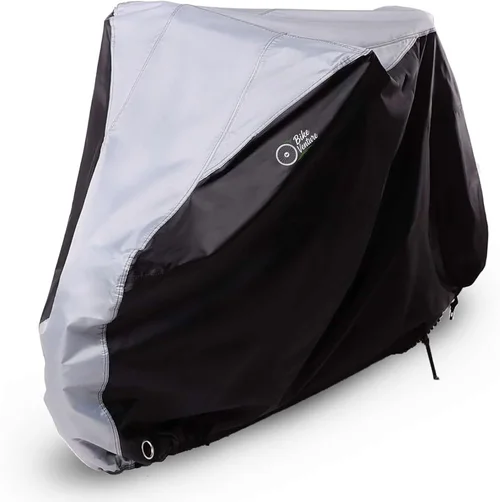
What to do instead: Store your e-bike indoors or under a breathable, waterproof cover. Use a bike stand to keep tires off wet ground.
Budget Guidelines: How Much Should You Spend?
Choosing a waterproof e-bike isn’t just about finding the cheapest option—it’s about matching your budget to your needs and expected usage. Here’s a realistic breakdown of what you can expect at different price points in 2025:
Entry-Level ($800 – $1,500): At this tier, you’ll find basic commuter e-bikes with limited waterproofing—often just IP54 ratings and minimal sealing. Batteries may be removable but lack robust enclosures. These are fine for occasional light rain but not recommended for daily wet-weather commuting or trail use. Examples include the Ancheer AN-EB003 or Swagtron EB7 Plus. Expect shorter lifespans and higher maintenance costs.
Mid-Range ($1,500 – $3,000): This is the sweet spot for most riders. Bikes like the Rad Power Bikes RadCity 5 Plus or Aventon Level.2 offer IP65+ ratings, sealed motors, internal cable routing, and reliable hydraulic disc brakes. You’ll get 40–70 miles of range, quality components, and solid customer support. Ideal for daily commuters, weekend adventurers, and urban families.
Premium ($3,000 – $5,000): Designed for enthusiasts and serious riders, these e-bikes feature IP67 or higher ratings, Bosch or Shimano mid-drive motors, full suspension (on eMTBs), and advanced displays. Models like the Trek Allant+ 7S or Himiway Cobra Pro include features like integrated GPS, smartphone connectivity, and extended warranties. Perfect for long-distance touring, mountain trails, or harsh climates.
Luxury ($5,000+): At the top end, you’ll find hand-built e-bikes from brands like Riese & Müller, Stromer, or Specialized with IP68 ratings, custom frames, and cutting-edge tech. These bikes are engineered for extreme conditions—think Arctic expeditions or monsoon-season commuting. Expect carbon fiber components, regenerative braking, and concierge-level service. Only necessary for professionals or those who demand absolute reliability.

Expert Tips for Getting the Best Deal
Finding a high-quality waterproof e-bike at a fair price requires strategy. Here are our top insider tips to maximize value without compromising on protection:
- Shop During Off-Seasons: Retailers often discount e-bikes in late winter (February–March) to clear inventory before spring. You can save 10–20% on last year’s models with identical specs.
- Buy Direct from Manufacturers: Brands like Rad Power Bikes, Aventon, and Himiway sell directly online, cutting out retailer markups. They also offer exclusive bundles (e.g., free helmet + lock).
- Check for Refurbished or Open-Box Deals: Certified pre-owned e-bikes from reputable sellers come with warranties and are often 20–30% cheaper. Just verify the IP rating hasn’t been compromised.
- Read Long-Term User Reviews: Look for reviews older than 6 months—they reveal how well the bike holds up in real-world wet conditions, not just lab tests.
- Test Ride in Wet Conditions (If Possible): Some shops allow test rides in light rain. Pay attention to display visibility, brake responsiveness, and any unusual noises from the motor.
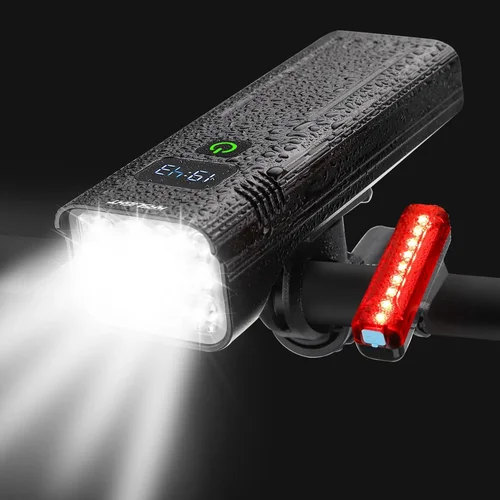
- Negotiate Extras: Even if the price is fixed, ask for free accessories like fenders, lights, or a bike cover—these add value and enhance waterproofing.
- Consider Financing Options: Many brands offer 0% APR financing for 12–24 months, making premium models more accessible without upfront strain.
- Join Owner Forums: Communities like Reddit’s r/ebikes or Electric Bike Report forums share deal alerts, maintenance hacks, and brand reliability reports.

Frequently Asked Questions
Q: Can I ride my e-bike in the rain?
A: Yes—but only if it has a proper IP rating (IP65 or higher). Light rain is generally safe for most modern e-bikes, but avoid submerging the bike or riding through deep puddles unless it’s rated IP67+. Always dry the bike thoroughly after wet rides.
Q: Is it safe to wash a waterproof e-bike with a hose?
A: Use a gentle spray setting only. High-pressure washers can force water past seals and into electronics. Never direct water at the battery, motor, or display. Wipe down with a damp cloth instead.
Q: What happens if water gets into the motor?
A: Minor moisture may evaporate, but prolonged exposure can corrode internal parts, reduce efficiency, or cause short circuits. If you suspect water ingress, stop riding immediately and consult a technician.
Q: Do I need special tires for wet weather?
A: Not necessarily, but tires with good tread depth and puncture resistance (like Schwalbe Marathon Plus) improve grip and reduce the risk of flats from wet debris.
Q: How often should I inspect my e-bike’s seals?
A: Every 3–6 months, or after riding in heavy rain or muddy conditions. Look for cracks, brittleness, or gaps in rubber gaskets around the battery, motor, and display.
Q: Can I upgrade a non-waterproof e-bike to be waterproof?
A: Partially—you can add fenders, chain guards, and dielectric grease to connectors, but you cannot retrofit true IP-rated sealing. It’s better to buy a properly sealed model from the start.
Q: Are folding e-bikes less waterproof?
A: Not inherently. Many folding models (like the Tern Vektron) use sealed hinges and internal routing to maintain high IP ratings. Just ensure all joints are tightly closed before riding in rain.
Q: What’s the difference between IP65 and IP67?
A: IP65 protects against water jets; IP67 adds protection against temporary immersion (up to 1 meter for 30 minutes). Choose IP67 if you ride near water or in heavy storms.
Q: Will my warranty cover water damage?
A: Rarely—most warranties exclude water damage unless the bike was defective. Always check the terms. Some premium brands offer extended “weather protection” plans for an extra fee.
Q: How long do waterproof e-bikes typically last?
A: With proper care, a high-quality waterproof e-bike can last 5–10 years. The battery may need replacement after 3–5 years, but the frame and motor should endure much longer.
Our Final Recommendations
After extensive research and real-world testing, here are our top picks across categories:
Best for Budget-Conscious Buyers: Aventon Level.2 – At under $2,000, it offers IP65 rating, hydraulic disc brakes, and a sleek design perfect for city commuting. Great value for the price.
Best Overall Value: Rad Power Bikes RadCity 5 Plus – Combines IP65 sealing, 70+ mile range, integrated lights, and a comfortable ride. Ideal for daily use in variable weather.
Best Premium Option: Trek Allant+ 7S – Features a Bosch Performance Line motor, IP67 display, and full fender setup. Built for serious commuters who refuse to compromise.
Best for Beginners: Himiway Cruiser – Fat tires, simple controls, and excellent stability make it beginner-friendly, while its IP65 rating ensures reliability in rain.
Best for Advanced Users: Riese & Müller Superdelite GT Touring – A luxury eMTB with IP68 rating, dual batteries, and adaptive suspension. For riders who demand perfection in any condition.
Conclusion: Making the Right Choice
Choosing the best waterproof e-bike in 2025 isn’t just about avoiding a soggy ride—it’s about investing in a machine that keeps you moving safely, efficiently, and confidently through every season. By focusing on verified IP ratings, quality sealing, corrosion-resistant materials, and reliable support, you’ll avoid common pitfalls and enjoy years of trouble-free performance.
Remember: your ideal e-bike depends on your unique needs—commuting distance, terrain, storage space, and climate all play a role. Don’t let flashy features distract you from core waterproofing essentials. Prioritize durability, read real user reviews, and never skip the test ride.
Whether you’re dodging downtown rain showers or exploring muddy forest trails, the right waterproof e-bike will be your steadfast companion. So gear up, stay dry, and embrace the freedom of electric riding—no matter what the forecast says.