
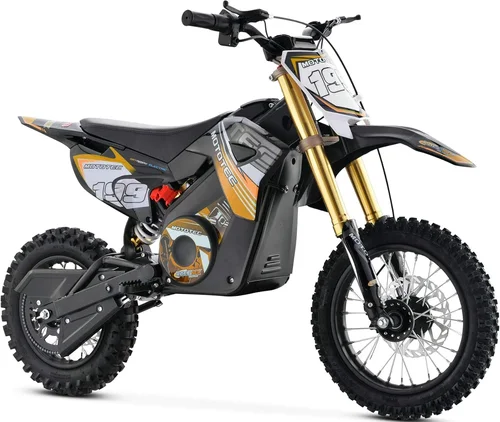
Electric dirt bikes have exploded in popularity over the past few years, and for good reason. They’re quiet, eco-friendly, low-maintenance, and surprisingly powerful. Whether you’re a weekend trail rider, a motocross enthusiast, or a parent looking for a safe off-road vehicle for your teen, electric dirt bikes offer an exciting alternative to traditional gas-powered models. With zero emissions, instant torque, and whisper-quiet operation, they’re not just the future of off-road riding—they’re the present.
But with so many options flooding the market in 2025, choosing the right electric dirt bike can feel overwhelming. From budget-friendly beginner models to high-performance machines capable of tackling professional tracks, the range is vast. That’s where this comprehensive buying guide comes in. We’ve tested, researched, and compared dozens of models to help you make an informed decision. By the end of this article, you’ll know exactly what to look for, how to avoid common pitfalls, and which bikes deliver the best value for your needs.
The electric dirt bike market is evolving rapidly. Major brands like Sur Ron, Segway, and Cake are pushing the boundaries of performance and design, while new startups are introducing innovative features like swappable batteries, regenerative braking, and app-based ride analytics. At the same time, prices have become more accessible, making electric off-road riding a realistic option for a wider audience. Whether you’re riding on forest trails, open deserts, or backyard tracks, there’s never been a better time to go electric. Let’s dive into the key factors that will help you choose the perfect bike.

What to Look for When Buying Electric Dirt Bikes
1. Budget & Price Range
Your budget is one of the most important factors when choosing an electric dirt bike. Prices can range from under $1,000 for basic youth models to over $15,000 for high-end performance machines. It’s easy to get carried away by flashy features, but it’s crucial to align your spending with your actual needs and intended use.
Entry-level bikes typically cost between $800 and $2,000. These are ideal for kids, teens, or casual riders who want to explore trails without breaking the bank. They often come with lower power outputs (under 5 kW), smaller batteries, and simpler suspension systems. While they won’t win any races, they’re perfect for learning the basics and building confidence.
Mid-range models ($2,000–$6,000) offer a sweet spot for most riders. You’ll find bikes with 5–10 kW motors, longer battery life (2–4 hours of ride time), and improved suspension and braking systems. Brands like Sur Ron and Segway dominate this space with reliable, durable options that balance performance and affordability.
Premium electric dirt bikes ($6,000–$12,000) are built for serious off-road enthusiasts and competitive riders. These machines often feature dual suspension, high-torque motors (10+ kW), advanced battery management systems, and lightweight aluminum or carbon fiber frames. They’re designed to handle aggressive terrain and long rides without overheating or losing power.
Luxury and professional-grade models ($12,000+) are the pinnacle of electric dirt bike technology. Think of bikes like the Cake Kalk OR or the upcoming Zero FXE升级版. These are engineered for maximum performance, with top-tier components, customizable ride modes, and cutting-edge electronics. They’re overkill for casual riders but essential for professionals or those who demand the absolute best.
2. Performance Specifications
Performance is where electric dirt bikes truly shine—and where they can vary the most. Unlike gas bikes, electric motors deliver 100% torque instantly, giving you explosive acceleration from a standstill. But not all electric bikes are created equal. Here’s what to look for in the specs.
Start with motor power, measured in kilowatts (kW). A 3–5 kW motor is sufficient for light trail riding and beginners. For more aggressive terrain or faster speeds, aim for 5–10 kW. High-performance models can exceed 15 kW, rivaling 250cc gas bikes in power output.
Next, consider torque. Electric motors generate peak torque at zero RPM, which means instant throttle response. Look for bikes with at least 100 Nm of torque for serious off-road capability. Higher torque translates to better hill climbing, faster acceleration, and improved handling in technical sections.
Battery capacity is equally important. Measured in watt-hours (Wh), it determines how long you can ride on a single charge. A 2,000–3,000 Wh battery will give you 1–2 hours of moderate riding. For longer adventures, look for 4,000+ Wh batteries. Some premium models offer swappable batteries, allowing you to carry a spare and extend your ride time significantly.
Top speed is another key metric. Most electric dirt bikes range from 30 to 60 mph. Youth models cap out around 20–25 mph for safety, while performance bikes can hit 70+ mph. Keep in mind that higher speeds drain the battery faster, so balance speed with range based on your riding style.
Finally, check the bike’s weight. Lighter bikes (under 100 lbs) are easier to maneuver and better for beginners. Heavier models (120+ lbs) offer more stability at high speeds but can be harder to control on tight trails. Frame material also plays a role—aluminum is common, but carbon fiber is used in high-end models for reduced weight and increased strength.
3. Build Quality & Durability
An electric dirt bike is a significant investment, so you want it to last. Build quality directly impacts how well the bike handles rough terrain, how often it needs repairs, and how safe it is to ride.
Start with the frame. Look for high-strength materials like chromoly steel or aircraft-grade aluminum. These materials offer excellent strength-to-weight ratios and resist bending or cracking under stress. Avoid cheap steel frames that can rust or fatigue over time.
Suspension is critical for off-road performance. A good electric dirt bike should have adjustable front forks and a rear shock absorber. Look for travel of at least 8–10 inches for serious trail riding. Premium models often feature inverted forks and linkage rear suspension for better control and comfort.
Brakes matter just as much. Hydraulic disc brakes are the gold standard—they offer strong, consistent stopping power even in wet or muddy conditions. Avoid mechanical or drum brakes, which are less reliable and harder to maintain.
Tires should be knobby and durable, designed for off-road grip. Look for tubeless tires if possible, as they’re less prone to punctures and allow lower tire pressures for better traction.
Water resistance is another often-overlooked factor. While no electric bike is fully waterproof, many are rated IP65 or higher, meaning they can handle splashes, rain, and light mud. Check the manufacturer’s rating and avoid submerging the bike or riding through deep water.
Finally, inspect the welds, fasteners, and overall finish. A well-built bike will have clean welds, tight tolerances, and no loose parts. If possible, test ride the bike or watch detailed reviews to see how it performs under real-world conditions.
4. Features & Functionality
Modern electric dirt bikes come packed with features that enhance safety, performance, and convenience. While not all are essential, some can make a big difference in your riding experience.
Regenerative braking is a standout feature. It captures energy during braking and feeds it back into the battery, extending your range by 5–10%. This is especially useful on long downhill sections or technical trails where you’re constantly slowing down.
Ride modes allow you to adjust power output, throttle response, and braking strength. Most bikes offer 2–4 modes, such as Eco, Trail, Sport, and Race. Eco mode conserves battery, while Race mode unleashes full power. This flexibility lets you adapt to different terrains and riding styles.
App connectivity is becoming more common. Brands like Sur Ron and Cake offer companion apps that let you monitor battery health, track ride data, adjust settings, and even lock the bike remotely. While not essential, these features add a layer of control and security.
LED lighting is standard on most models, but quality varies. Look for bright, durable headlights and taillights with multiple brightness settings. Some bikes even have turn signals and brake lights for street-legal use.
Quick-release wheels and tool-less adjustments make maintenance easier. Being able to remove the front wheel without tools or adjust suspension on the fly saves time and hassle.
Finally, consider portability. If you plan to transport the bike frequently, look for models with folding handlebars, removable batteries, or lightweight designs. Some bikes even come with integrated carrying handles or transport wheels.
5. Brand Reputation
Not all electric dirt bike brands are created equal. Choosing a reputable manufacturer ensures better build quality, customer support, and long-term reliability.
Sur Ron is arguably the most well-known brand in the electric dirt bike space. Their Light Bee series has become a benchmark for performance and value. Known for rugged builds and strong community support, Sur Ron bikes are popular among trail riders and off-road enthusiasts.
Segway, better known for personal transporters, has made a strong push into electric motorcycles with their X260 and X300 models. They offer solid performance, good warranties, and wide dealer networks, making them a reliable choice.
Cake, a Swedish brand, focuses on minimalist design and sustainability. Their Kalk series is lightweight, stylish, and built for serious off-road use. While expensive, Cake bikes are engineered for durability and performance.
Other notable brands include Zero Motorcycles (known for high-end electric motorcycles), Talaria (a rising star with the Sting model), and Oset (specializing in youth electric bikes). Each has its strengths, so research which brand aligns with your needs.
Avoid no-name brands or bikes sold exclusively through online marketplaces with little customer feedback. These often cut corners on materials, safety, and support, leading to frustration and potential hazards.
6. Warranty & Support
A good warranty can save you thousands in repair costs. Most reputable brands offer at least a 1-year warranty on the bike and battery, with some extending to 2–3 years.
Look for comprehensive coverage that includes the motor, battery, controller, and frame. Some brands also cover labor costs for repairs, which can be a huge relief if something goes wrong.
Customer support is just as important. Can you easily reach a technician? Are replacement parts readily available? Brands with strong dealer networks or online support portals tend to offer better service.
Battery warranties are especially critical. Lithium-ion batteries degrade over time, and a failing battery can cost $500–$1,500 to replace. Look for warranties that cover battery capacity loss (e.g., 70% capacity after 2 years).
7. Size & Portability
Size matters—especially if you’re sharing the bike with family members or transporting it frequently.
For kids and teens, look for youth-specific models with lower seat heights (24–28 inches), lighter frames, and reduced power output. Oset and Kuberg specialize in youth bikes that are safe, fun, and easy to control.
Adult riders should consider seat height, wheelbase, and overall weight. A seat height of 30–34 inches is standard for most adult bikes. Taller riders may prefer 35+ inches, while shorter riders might struggle with high seats.
Portability is key if you plan to trailer or carry the bike. Folding handlebars, removable batteries, and lightweight designs make loading and unloading easier. Some bikes even come with integrated transport wheels.
Storage space is another consideration. If you have limited garage space, a compact bike or one with vertical storage capability can be a lifesaver.
8. User Reviews & Ratings
Never buy an electric dirt bike without reading user reviews. Real-world feedback reveals issues that specs sheets can’t—like poor customer service, hidden defects, or unexpected maintenance needs.
Check multiple sources: Amazon, YouTube reviews, forums like Reddit’s r/electricbikes, and brand-specific communities. Look for patterns in complaints or praise. If multiple users report the same problem—like battery failure or weak suspension—it’s a red flag.
Pay attention to long-term reviews. A bike might perform well in the first few months but degrade quickly. Reviews from owners who’ve ridden 500+ miles are especially valuable.
Also, consider the reviewer’s experience level. A beginner might complain about a bike being “too powerful,” while an expert might praise the same feature. Match the review to your skill level.
Different Types of Electric Dirt Bikes
Common Buying Mistakes to Avoid
❌ Mistake: Ignoring Battery Life and Charging Time
Why it’s bad: A bike with a small battery might seem fine on paper, but in reality, you’ll be recharging every hour—cutting your ride short and increasing downtime.
What to do instead: Calculate your expected ride time and choose a battery with at least 20–30% extra capacity. Also, check charging time—some bikes take 8+ hours to charge, while others support fast charging in under 2 hours.
❌ Mistake: Overlooking Safety Gear
Why it’s bad: Electric bikes are fast and quiet, which can catch riders off guard. Without proper gear, even a minor fall can lead to serious injury.
What to do instead: Invest in a DOT-approved helmet, gloves, boots, knee/elbow pads, and a chest protector. Safety gear is non-negotiable—especially for beginners.
❌ Mistake: Buying Based on Price Alone
Why it’s bad: The cheapest bike isn’t always the best value. Low-cost models often use inferior components that fail quickly, leading to higher long-term costs.
What to do instead: Focus on total cost of ownership—including maintenance, battery replacement, and resale value. A mid-range bike with better build quality often saves money over time.
❌ Mistake: Not Test Riding Before Buying
Why it’s bad: Specs don’t tell the whole story. A bike might look great on paper but feel unstable, uncomfortable, or underpowered in real life.
What to do instead: Visit a dealer or attend demo events. If that’s not possible, watch detailed video reviews that show the bike in action on various terrains.
❌ Mistake: Ignoring Local Laws and Regulations
Why it’s bad: Some areas restrict electric dirt bikes on public trails or require registration, insurance, or licensing. Riding illegally can result in fines or confiscation.
What to do instead: Check your local and state regulations. Some bikes are street-legal with lights and mirrors, while others are trail-only.
❌ Mistake: Skipping the Warranty Check
Why it’s bad: Without a solid warranty, a single component failure—like a dead battery or fried controller—can cost hundreds to repair.
What to do instead: Read the warranty terms carefully. Look for coverage on the battery, motor, and frame, and understand what voids the warranty (e.g., water damage, modifications).
❌ Mistake: Choosing the Wrong Size
Why it’s bad: A bike that’s too big or too small is hard to control, uncomfortable, and potentially dangerous.
What to do instead: Match the bike to your height, weight, and skill level. Test seat height, reach to the handlebars, and overall balance before committing.
Budget Guidelines: How Much Should You Spend?
– Entry-Level ($800 – $2,000): Ideal for kids, teens, or casual riders. Expect basic components, limited range (1–2 hours), and lower power. Great for learning and light trail use. Examples: Oset MX10, Kuberg Ranger.
– Mid-Range ($2,000 – $5,000): The sweet spot for most buyers. Offers strong performance, good build quality, and 2–4 hours of ride time. Perfect for weekend warriors and intermediate riders. Examples: Sur Ron Light Bee, Segway X260.
– Premium ($5,000 – $12,000): For enthusiasts and serious off-roaders. Features high-torque motors, advanced suspension, and long-range batteries. Built for aggressive riding and competition. Examples: Talaria Sting, Cake Kalk OR.
– Luxury ($12,000+): Top-tier machines with cutting-edge tech, lightweight materials, and professional-grade performance. Best for experts, racers, or collectors. Examples: Zero FXE升级版, custom-built electric motocross bikes.

Expert Tips for Getting the Best Deal
– Buy during off-season sales: Prices often drop in late fall and winter when demand is lower. Look for holiday promotions or end-of-year clearances.
– Shop at authorized dealers: They offer better warranties, service, and return policies than online-only sellers.
– Consider certified pre-owned: Gently used bikes from reputable sellers can save you 20–40% off retail price.
– Negotiate add-ons: Ask for free gear, extended warranties, or discounted accessories with your purchase.
– Check return policies: Ensure you can return or exchange the bike within 14–30 days if it doesn’t meet your expectations.
– Join online communities: Forums and Facebook groups often share exclusive deals, discount codes, and insider tips.
– Test ride multiple models: Don’t settle for the first bike you try. Compare handling, comfort, and performance across brands.
– Monitor battery health: Even new bikes can have defective batteries. Test range and charging speed during the return window.

Frequently Asked Questions
Q: Are electric dirt bikes street legal?
A: It depends on the model and your location. Some electric dirt bikes are street-legal with lights, mirrors, turn signals, and registration. Others are designed for off-road use only. Always check local laws before riding on public roads.
Q: How long do electric dirt bike batteries last?
A: Most lithium-ion batteries last 500–1,000 charge cycles, which translates to 2–5 years of regular use. Capacity gradually decreases over time, so expect about 70–80% of original range after 2–3 years.
Q: Can I ride an electric dirt bike in the rain?
A: Most electric dirt bikes are water-resistant (IP65 or higher), meaning they can handle light rain and splashes. However, avoid deep water, submersion, or high-pressure washing, as this can damage electrical components.
Q: How fast do electric dirt bikes go?
A: Speeds vary widely. Youth models top out at 20–25 mph, while performance bikes can reach 60–70 mph. Some high-end models exceed 80 mph with modifications.
Q: Do electric dirt bikes require maintenance?
A: Yes, but much less than gas bikes. You’ll need to check tire pressure, chain tension, brake pads, and battery health. No oil changes, air filters, or spark plugs are needed.
Q: Can I upgrade my electric dirt bike?
A: Many components can be upgraded, including batteries, motors, suspension, and tires. However, modifications may void your warranty, so proceed with caution.
Q: Are electric dirt bikes safe for kids?
A: Yes, when used with proper gear and supervision. Youth models are designed with lower power, speed limiters, and safety features. Always follow age and weight recommendations.
Q: How far can I ride on a single charge?
A: Range depends on battery size, terrain, rider weight, and riding style. Most bikes offer 20–60 miles per charge. Eco mode and flat terrain extend range; aggressive riding and hills reduce it.
Q: Where can I charge an electric dirt bike?
A: You can charge at home using a standard 110V outlet. Some models support 220V for faster charging. Public charging stations are rare, so plan your rides accordingly.
Q: What’s the difference between hub motors and mid-drive motors?
A: Hub motors are built into the wheel and are simpler and cheaper. Mid-drive motors are mounted near the pedals (or crank) and offer better weight distribution and efficiency. Most electric dirt bikes use hub motors for simplicity and durability.
Our Final Recommendations
– Best for Budget-Conscious Buyers: Sur Ron Light Bee LBX – At around $4,500, it delivers exceptional performance, build quality, and range. A favorite among trail riders for its reliability and value.
– Best Overall Value: Segway X260 – Priced under $4,000, it offers strong power, good suspension, and a solid warranty. Great for beginners and intermediates.
– Best Premium Option: Cake Kalk OR – At $12,000+, it’s a work of art. Lightweight, powerful, and built for serious off-road adventures. Ideal for enthusiasts who want the best.
– Best for Beginners: Oset MX10 – Perfect for kids and new riders. Safe, easy to control, and built to last. Starts at under $1,500.
– Best for Advanced Users: Talaria Sting – With 15+ kW of power and race-ready suspension, it’s a beast on the trails. Priced around $8,000, it’s a top choice for competitive riders.
Conclusion: Making the Right Choice
Choosing the right electric dirt bike in 2025 comes down to understanding your needs, budget, and riding goals. Whether you’re a parent buying your child’s first bike or a seasoned rider upgrading to a high-performance machine, the key is to prioritize what matters most: safety, performance, durability, and value.
Don’t rush the decision. Take time to research, compare models, and read real user experiences. Test ride when possible, and always factor in the total cost of ownership—not just the sticker price. With the right bike, you’ll enjoy years of quiet, powerful, and eco-friendly off-road adventures.
The electric dirt bike revolution is here, and it’s only getting better. As technology advances and prices continue to fall, there’s never been a better time to make the switch. So gear up, charge up, and hit the trails—your perfect electric ride is waiting.