
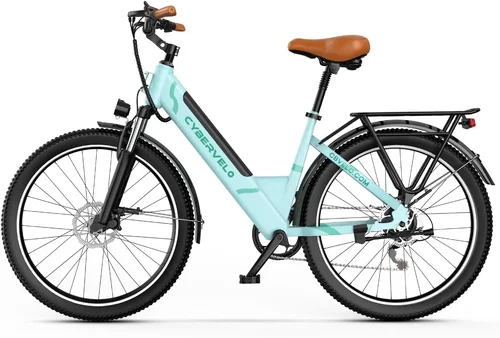
Electric bikes—or e-bikes—have transformed the way we commute, explore, and stay active. Once considered a niche alternative for cyclists with mobility challenges, e-bikes have surged into the mainstream, becoming a practical, eco-friendly, and fun mode of transportation for millions. Whether you’re navigating city streets, cruising through parks, or tackling hilly trails, an electric bike can make your ride smoother, faster, and more enjoyable. With advancements in battery technology, motor efficiency, and smart integration, the e-bike market in 2026 is more diverse and competitive than ever.
This guide is designed to help you cut through the noise and make a confident, informed decision when choosing your next electric bike. We’ll walk you through the most critical factors to consider—from budget and performance to build quality and brand reputation—so you can find a model that fits your lifestyle, terrain, and riding goals. You’ll also learn about the different types of e-bikes available, common pitfalls to avoid, and expert tips for getting the best value. Whether you’re a first-time buyer or upgrading from an older model, this comprehensive guide will equip you with the knowledge to choose wisely.
The electric bike market has exploded in recent years, with hundreds of models spanning a wide range of styles, features, and price points. From sleek commuter bikes with integrated lights and fenders to rugged fat-tire models built for off-road adventures, there’s an e-bike for nearly every need. Major brands like Rad Power Bikes, Trek, Specialized, and Gotrax continue to innovate, while new startups bring fresh designs and competitive pricing. As cities invest in bike infrastructure and environmental concerns grow, e-bikes are becoming a smarter, greener alternative to cars and public transit. With so many options available, understanding what truly matters—beyond flashy specs and marketing claims—is essential.

What to Look for When Buying an Electric Bike
1. Budget & Price Range
Your budget is the foundation of your e-bike purchase. E-bikes can range from under $500 to over $8,000, and while it’s tempting to go for the cheapest option, doing so can lead to disappointment in performance, durability, and longevity. A realistic budget helps narrow your choices and ensures you’re not overspending on features you don’t need—or underspending on a bike that won’t last.
When setting your budget, consider not just the upfront cost but also long-term expenses like maintenance, battery replacement, and accessories. Entry-level e-bikes (under $1,000) often use lower-quality components and may lack essential features like reliable brakes or weather-resistant wiring. Mid-range models ($1,000–$3,000) typically offer the best balance of performance, build quality, and value. Premium e-bikes ($3,000–$6,000) come with high-end motors, advanced suspension, and smart connectivity, while luxury models ($6,000+) are built for enthusiasts who demand top-tier performance and craftsmanship.
2. Performance Specifications
Performance is where e-bikes truly differentiate themselves. The key specs to evaluate include motor power, battery capacity, range, and top speed. These factors directly impact how the bike handles different terrains and how far you can ride on a single charge.
Motor power is measured in watts (W), with most e-bikes ranging from 250W to 750W. In the U.S., Class 1 and Class 2 e-bikes are limited to 750W, while Class 3 can go up to 750W with higher speed limits. A 250W motor is sufficient for flat city riding, but if you live in a hilly area or plan to carry heavy loads, a 500W or 750W motor will provide better assistance. Mid-drive motors, found on higher-end models, are more efficient and offer better weight distribution than hub motors, making them ideal for off-road and long-distance riding.
Battery capacity is measured in watt-hours (Wh), which determines how long the battery lasts. A 400Wh battery might give you 25–40 miles of range, while a 700Wh+ battery can push 60–100 miles, depending on terrain, rider weight, and assist level. Look for lithium-ion batteries from reputable manufacturers like Samsung or LG, as they offer better longevity and safety. Removable batteries are a major plus—they allow you to charge indoors and swap in a spare for extended rides.
Range is one of the most misunderstood specs. Manufacturers often quote “up to” a certain distance, but real-world range varies widely. Factors like wind, hills, tire pressure, and how often you use the motor all affect how far you can go. A good rule of thumb: expect about 60–70% of the advertised range under normal conditions.
Top speed is regulated by class. Class 1 e-bikes assist up to 20 mph, Class 2 up to 20 mph with throttle, and Class 3 up to 28 mph with pedal assist only. If you need to keep up with traffic or cover long distances quickly, a Class 3 model may be worth the extra cost.
3. Build Quality & Durability
An e-bike is a significant investment, and you want it to last. Build quality determines how well the bike withstands daily use, weather exposure, and mechanical stress. Start by examining the frame material. Aluminum alloy is the most common—it’s lightweight, rust-resistant, and strong enough for most riders. Steel frames are heavier but offer a smoother ride and are more durable for rough use. Carbon fiber is used in high-end models for its strength-to-weight ratio but comes at a premium price.
Weld quality matters too. Look for smooth, consistent welds without cracks or gaps. A poorly welded frame can fail under stress, especially on rough terrain. Check the finish—powder-coated frames resist scratches and corrosion better than painted ones.
Component quality is equally important. Reliable brakes (preferably hydraulic disc brakes), durable drivetrains (like Shimano or SRAM), and puncture-resistant tires contribute to a bike’s longevity. Avoid models with plastic gears or flimsy wiring—these are signs of cost-cutting that can lead to early failure.
Test the bike’s weight and balance. A well-balanced e-bike feels stable and easy to control, even when the motor is off. Heavier bikes (over 60 lbs) can be difficult to lift or maneuver, especially if you need to carry them upstairs or load them onto a rack.
4. Features & Functionality
Modern e-bikes come packed with features that enhance safety, comfort, and convenience. While not all are essential, some can significantly improve your riding experience.
Integrated lighting is a must for urban riders. Front and rear LED lights powered by the bike’s battery ensure visibility in low-light conditions without needing separate batteries. Some models even have automatic lights that turn on at dusk.
A digital display shows critical information like speed, battery level, assist mode, and distance traveled. Look for a backlit, weather-resistant screen that’s easy to read in sunlight. Advanced displays may include GPS, Bluetooth connectivity, or smartphone integration for navigation and ride tracking.
Fenders and racks add practicality. Fenders keep you dry and clean in wet weather, while rear racks let you carry groceries, bags, or even a child seat. If you plan to commute or run errands, these features are worth prioritizing.
Suspension systems improve comfort on rough roads or trails. Front suspension forks are common on hybrid and mountain e-bikes, while full suspension (front and rear) is found on high-end off-road models. For city riding, a rigid fork or basic suspension may be sufficient.
Smart features like anti-theft alarms, app connectivity, and regenerative braking are becoming more common. While not essential, they can add peace of mind and efficiency. Just be aware that complex electronics may increase repair costs if something goes wrong.
5. Brand Reputation
Not all e-bike brands are created equal. A reputable brand often means better engineering, customer support, and long-term reliability. Established companies like Trek, Specialized, and Giant have decades of experience in bicycle manufacturing and rigorous quality control. Newer brands like Rad Power Bikes and Aventon have built strong reputations through innovation and customer-focused design.
Research customer reviews, professional ratings, and warranty policies. Brands with strong reputations typically offer better after-sales service, including easy access to replacement parts and responsive customer support. Avoid unknown brands with no online presence or poor reviews—these may disappear overnight, leaving you stranded with a broken bike and no support.
Gotrax, for example, has gained popularity for offering affordable e-bikes with solid performance for the price. While not as premium as Trek or Specialized, Gotrax models are well-regarded for entry-level and commuter use, especially among budget-conscious buyers.
6. Warranty & Support
A good warranty is a sign of a manufacturer’s confidence in their product. Most reputable e-bike brands offer at least a 1-year warranty on the frame and motor, with some extending coverage to 2–3 years. Battery warranties are typically shorter—often 6 months to 1 year—but some brands offer up to 2 years.
Read the fine print. Some warranties only cover manufacturing defects, not wear and tear or damage from accidents. Others require you to register the bike or use authorized dealers for service. Make sure you understand what’s covered and what’s not.
Customer support matters too. Can you easily reach a real person by phone or chat? Are there local service centers or authorized repair shops? Brands with strong support networks make it easier to get help when you need it.
7. Size & Portability
E-bikes come in various frame sizes and styles, so choosing the right fit is crucial for comfort and control. Most brands offer small, medium, and large frames based on rider height. A properly sized bike allows you to reach the handlebars and pedals comfortably without straining your back or arms.
Step-through frames are popular for their ease of mounting and dismounting, especially for riders with limited mobility or those wearing skirts or dresses. Traditional diamond frames offer more rigidity and are preferred by performance-oriented riders.
Portability matters if you need to store the bike in a small apartment, carry it on public transit, or load it into a car. Folding e-bikes, like those from Gotrax or Swagtron, are compact and lightweight, making them ideal for urban dwellers. However, they often sacrifice battery life and performance for portability.
Consider the bike’s weight. Most e-bikes weigh between 40 and 70 pounds. Heavier models are harder to lift but often more stable. If you need to carry the bike frequently, look for models under 50 lbs or with integrated carrying handles.
8. User Reviews & Ratings
While specs and marketing materials give you the basics, real-world feedback from other riders provides invaluable insights. Check reviews on retailer websites, YouTube, and e-bike forums. Look for patterns—do multiple users mention the same pros or cons?
Pay attention to long-term reviews. A bike that performs well in the first month may develop issues after six months or a year. Common complaints include battery degradation, motor noise, poor customer service, or component failures.
Be cautious of overly positive or suspiciously negative reviews. Some may be fake. Focus on detailed, balanced reviews that discuss both strengths and weaknesses.
Different Types of Electric Bikes

Common Buying Mistakes to Avoid
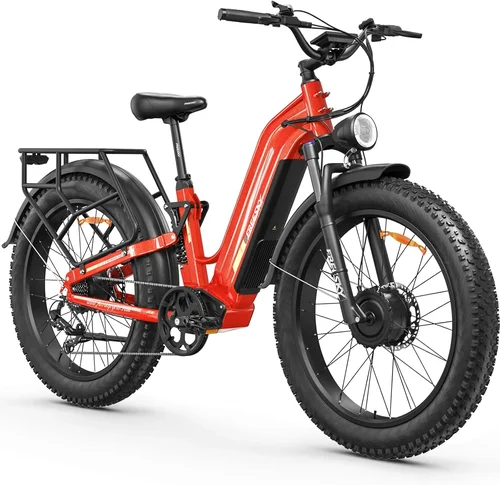
❌ Mistake: Ignoring the Motor Type
Why it’s bad: Hub motors and mid-drive motors serve different purposes. Hub motors are simpler and cheaper but less efficient on hills. Mid-drive motors offer better balance and performance but cost more. Choosing the wrong type can lead to frustration, especially on inclines.
What to do instead: Match the motor to your riding needs. For flat cities, a hub motor is fine. For hills or off-road use, invest in a mid-drive motor.
❌ Mistake: Overestimating Battery Range
Why it’s bad: Relying on the advertised range can leave you stranded. Real-world conditions often reduce range by 30–40%.
What to do instead: Plan routes with charging options or carry a spare battery. Use lower assist levels when possible to extend range.
❌ Mistake: Skipping the Test Ride
Why it’s bad: A bike that looks good on paper may feel uncomfortable or unstable in person.
What to do instead: Always test ride before buying. Pay attention to fit, handling, and motor responsiveness.
❌ Mistake: Choosing Based on Price Alone
Why it’s bad: The cheapest bike often has the shortest lifespan and poorest support.
What to do instead: Balance price with quality. Aim for the best value in your budget range, not the lowest price.
❌ Mistake: Neglecting Local Laws
Why it’s bad: E-bike regulations vary by state and city. Riding an illegal class or speed can result in fines.
What to do instead: Check local laws before buying. Ensure your bike complies with speed, power, and licensing requirements.
❌ Mistake: Forgetting About Maintenance
Why it’s bad: E-bikes require regular upkeep—brake adjustments, tire checks, battery care. Neglect leads to breakdowns.
What to do instead: Learn basic maintenance or budget for professional servicing. Keep the battery charged and store it properly.
Budget Guidelines: How Much Should You Spend?
– Entry-Level ($500–$1,000): Ideal for casual riders or those on a tight budget. Expect basic components, limited range (20–30 miles), and minimal features. Models like the Gotrax GXL V2 offer decent value for short commutes.
– Mid-Range ($1,000–$3,000): The sweet spot for most buyers. These bikes offer reliable motors, good batteries, and essential features like lights and fenders. Brands like Aventon, Rad Power Bikes, and Trek’s lower-tier models shine here.
– Premium ($3,000–$6,000): For enthusiasts and daily riders who demand performance. Expect high-end motors, long-range batteries, advanced suspension, and smart features. Models from Specialized, Bosch-powered bikes, and Riese & Müller fall into this tier.
– Luxury ($6,000+): Top-tier craftsmanship, cutting-edge technology, and premium materials. These are for serious riders who want the best in comfort, speed, and durability. Think of brands like Stromer, Benno, or custom builds.
Expert Tips for Getting the Best Deal
– Buy during off-season sales: Late fall and winter often bring discounts as retailers clear inventory.
– Shop at local bike shops: They often offer better service, test rides, and assembly. Some also price-match online retailers.
– Look for bundle deals: Some retailers include free accessories like locks, helmets, or racks with purchase.
– Check manufacturer rebates: Some brands offer seasonal promotions or referral discounts.
– Consider certified pre-owned: Gently used e-bikes from reputable sellers can save you hundreds.
– Read return policies: Ensure you can return or exchange the bike if it doesn’t meet expectations.
– Join online communities: Forums and Facebook groups often share deals and honest reviews.

Frequently Asked Questions
Q: How long do e-bike batteries last?
A: Most lithium-ion e-bike batteries last 500–1,000 charge cycles, which translates to 3–5 years with regular use. Proper care—like avoiding full discharges and storing at 50–70% charge—can extend lifespan.
Q: Can I ride an e-bike in the rain?
A: Yes, most e-bikes are designed to handle light to moderate rain. Look for IP-rated components (e.g., IP65) for better water resistance. Avoid submerging the bike or charging wet batteries.
Q: Do I need a license to ride an e-bike?
A: In most U.S. states, no license is required for Class 1, 2, or 3 e-bikes. However, some states require helmets or restrict where you can ride. Check local laws.
Q: How fast can e-bikes go?
A: Class 1 and 2 e-bikes assist up to 20 mph. Class 3 models assist up to 28 mph. Some high-performance models can go faster, but motor assistance cuts off at the legal limit.
Q: Are e-bikes worth the cost?
A: For many riders, yes. They reduce car dependency, improve fitness, and offer a fun, efficient way to travel. The savings on gas, parking, and public transit can offset the initial cost over time.
Q: Can I convert a regular bike to an e-bike?
A: Yes, conversion kits are available for $300–$1,000. However, they may not match the performance or integration of a purpose-built e-bike.
Q: What’s the difference between pedal assist and throttle?
A: Pedal assist provides power only when you pedal, while throttle lets you ride without pedaling. Class 2 e-bikes have throttles; Class 1 and 3 do not.
Our Final Recommendations
– Best for Budget-Conscious Buyers: Gotrax GXL V2 – Affordable, reliable, and great for city commuting.
– Best Overall Value: Rad Power Bikes RadCity 5 Plus – Excellent performance, features, and customer support at a fair price.
– Best Premium Option: Specialized Turbo Vado SL – Lightweight, powerful, and packed with smart features.
– Best for Beginners: Aventon Pace 350 – Easy to ride, comfortable, and beginner-friendly.
– Best for Advanced Users: Trek Allant+ 9.9S – High-end components, long range, and top-tier build quality.
Conclusion: Making the Right Choice
Choosing the right electric bike in 2026 is about more than just specs and price—it’s about finding a bike that fits your lifestyle, terrain, and goals. By considering factors like budget, performance, build quality, and features, you can narrow your options and avoid common pitfalls. Whether you’re commuting to work, exploring trails, or simply enjoying a weekend ride, the right e-bike can transform your experience.
Take your time, do your research, and don’t rush the decision. Test ride when possible, read real user reviews, and prioritize long-term value over short-term savings. With the right bike, you’ll enjoy years of reliable, eco-friendly, and joyful riding. Start your journey today—your perfect e-bike is out there waiting.