
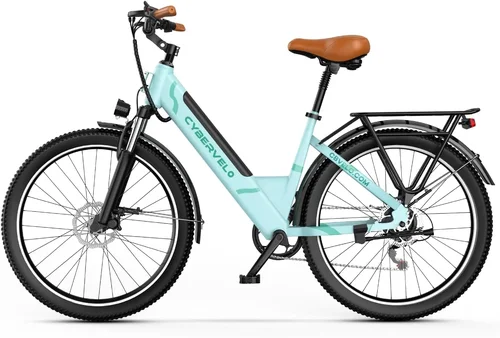
Electric bikes have revolutionized urban commuting, transforming what was once a sweaty, time-consuming journey into an efficient, eco-friendly, and even enjoyable daily routine. As cities grow more congested and environmental concerns take center stage, the demand for smart, reliable e-bikes has surged—especially among professionals, students, and anyone looking to ditch the car without sacrificing speed or comfort. Whether you’re navigating busy downtown streets, climbing steep hills on your way to work, or simply seeking a healthier alternative to public transit, the right commute e-bike can make all the difference. But with hundreds of models flooding the market in 2026, choosing the perfect one can feel overwhelming.
This comprehensive buying guide is designed to cut through the noise and help you make a confident, informed decision. We’ll walk you through every critical factor—from motor power and battery life to frame materials and smart features—so you know exactly what to prioritize based on your unique needs. You’ll learn how to avoid common pitfalls, understand pricing tiers, compare different e-bike categories, and even score the best deals. By the end, you’ll have a clear roadmap to finding the ideal e-bike that fits your budget, lifestyle, and commute distance. The market today offers more innovation than ever: integrated GPS, regenerative braking, app connectivity, and ultra-lightweight frames are no longer futuristic concepts—they’re real, accessible features. Our goal is to ensure you don’t just buy any e-bike, but the right one for you.

What to Look for When Buying a Commute E-Bike
1. Battery Range & Charging Time
The battery is the heart of your e-bike, and its range determines how far you can go on a single charge. For most urban commuters, a range of 30–50 miles is ideal—enough to cover round-trip commutes of 10–15 miles with plenty of buffer for errands or unexpected detours. However, real-world range varies significantly based on terrain, rider weight, assist level, and weather conditions. A hilly route with frequent stops will drain the battery faster than a flat, steady ride.
Look for lithium-ion batteries with at least 400Wh capacity; 500Wh or higher is better for longer commutes or heavier riders. Pay attention to charging time too—many modern e-bikes now support fast charging, topping up to 80% in under two hours. Removable batteries are a major plus, allowing you to charge indoors while the bike stays locked outside. Always check if the manufacturer provides real-world range estimates (not just theoretical max), and consider models with regenerative braking if you frequently ride downhill—it can add a few extra miles per charge.
2. Motor Power & Torque
The motor determines how smoothly and quickly your e-bike accelerates and handles inclines. Most commute e-bikes use hub motors (in the wheel) or mid-drive motors (near the pedals). Hub motors are simpler, quieter, and more affordable, making them great for flat city riding. Mid-drive motors offer better weight distribution, superior hill-climbing ability, and more natural pedal feel—ideal if your route includes steep hills or you prefer a sportier ride.
In terms of power, motors range from 250W (common in Europe due to legal limits) to 750W (typical in the U.S.). For city commuting, a 500W motor is usually sufficient, but if you’re carrying cargo or tackling hills regularly, opt for 750W. More important than wattage is torque—measured in Newton-meters (Nm)—which reflects how much pulling force the motor delivers. Aim for at least 50Nm for smooth starts from stoplights; 70Nm+ is excellent for hilly areas. Avoid ultra-cheap models with underpowered motors—they’ll struggle on inclines and wear out faster.
3. Frame Material & Build Quality
Your e-bike’s frame affects everything: weight, durability, ride comfort, and longevity. Aluminum alloy is the most common material—it’s lightweight, rust-resistant, and cost-effective. High-end models may use carbon fiber for even greater weight savings and vibration damping, but these come at a premium price. Steel frames are durable and absorb road shock well but are heavier, making them less ideal for frequent lifting or carrying upstairs.
Inspect weld quality, tube thickness, and overall construction. A well-built frame should feel solid when you lift it—no creaking or flexing. Look for reinforced joints, especially around the battery mount and motor attachment points. Suspension forks or seatpost suspension can improve comfort on rough roads, but they add weight and maintenance. For most city riders, a rigid fork with a quality saddle and ergonomic grips is sufficient. Always check the bike’s weight limit—many commuter e-bikes support up to 275–300 lbs, which is crucial if you plan to carry backpacks, groceries, or a child seat.
4. Tire Type & Size
Tires directly impact grip, comfort, puncture resistance, and rolling efficiency. For commuting, prioritize puncture-resistant tires with moderate tread—smooth or semi-slick designs reduce rolling resistance on pavement, while light tread provides traction in wet conditions. Wider tires (2.0–2.4 inches) offer more cushioning and stability, especially on potholed streets, but may slightly reduce top speed.
Tubeless-ready tires are becoming more common and can self-seal small punctures, reducing the risk of flats. If you ride in rainy or snowy climates, consider tires with reflective sidewalls for visibility and siping (tiny grooves) for better wet grip. Avoid ultra-thin racing tires—they’re prone to punctures and offer little comfort. Schwalbe, Continental, and Maxxis make excellent commuter-specific e-bike tires. Also, check tire pressure recommendations; properly inflated tires extend battery life and improve handling.
5. Braking System
Safety starts with reliable brakes. Mechanical disc brakes are common on budget models but require more hand force and wear faster. Hydraulic disc brakes offer superior stopping power, consistent performance in wet conditions, and minimal maintenance—making them the gold standard for commuter e-bikes. Rim brakes (V-brakes) are outdated for e-bikes due to reduced effectiveness at higher speeds and increased wear on rims.
Always test the brakes during a demo ride. They should engage smoothly without grabbing or squealing. Look for models with regenerative braking if you want to extend battery life on descents—some premium e-bikes can recover up to 10% of energy during braking. Dual-piston or quad-piston calipers provide stronger bite, especially important when carrying heavy loads. Remember: faster e-bikes need better brakes. If your model hits 20+ mph, hydraulic discs aren’t optional—they’re essential.
6. Smart Features & Connectivity
Modern e-bikes are getting smarter, and 2026 models come packed with tech that enhances safety, convenience, and tracking. Integrated LED lights (front and rear) are now standard on many commuter e-bikes and often run off the main battery—no more dead phone-powered lights. Some models include turn signals, brake-activated rear lights, and automatic daylight sensors.
App connectivity via Bluetooth or Wi-Fi lets you monitor battery status, track rides, lock/unlock the bike remotely, and even receive theft alerts. GPS tracking is a game-changer for urban riders—if your bike is stolen, you can pinpoint its location in real time. Other smart features include anti-theft alarms, ride analytics, and over-the-air firmware updates. While not essential, these features add significant value and peace of mind. Just ensure the app is user-friendly and regularly updated—some brands have buggy or abandoned apps that become useless over time.
7. Portability & Storage
If you live in an apartment, take public transit partway, or need to carry your bike upstairs, portability matters. Folding e-bikes are compact and easy to store but often sacrifice ride quality and battery size. Step-through frames (low or no top tube) make mounting and dismounting easier, especially in traffic or while wearing work clothes.
Weight is a key factor—most commuter e-bikes weigh 40–60 lbs. Look for models with ergonomic handles, rear racks, or integrated carrying straps if you need to lift frequently. Some brands offer optional rear baskets or panniers for groceries or work gear. If you park outdoors, consider a model with a built-in lock or compatibility with heavy-duty U-locks. Water resistance (IP rating) is also important—IPX4 or higher means the bike can handle splashes and light rain without damage.
8. Warranty & Customer Support
An e-bike is a significant investment, and a strong warranty protects you from defects and unexpected failures. Most reputable brands offer at least a 1-year warranty on the entire bike, with 2–3 years on the battery and motor. Premium brands like Trek, Specialized, and Rad Power Bikes often provide 2-year comprehensive coverage and responsive customer service.
Read the fine print: some warranties exclude “wear and tear” items like tires and brake pads, or require registration within 30 days of purchase. Check if the brand has local service centers or certified repair shops—mail-in repairs can take weeks. Online reviews often reveal how companies handle warranty claims. Avoid brands with no clear support channels or those that outsource service to third parties with poor reputations. A good warranty isn’t just about coverage—it’s about trust.
Different Types of Commute E-Bikes

Common Buying Mistakes to Avoid
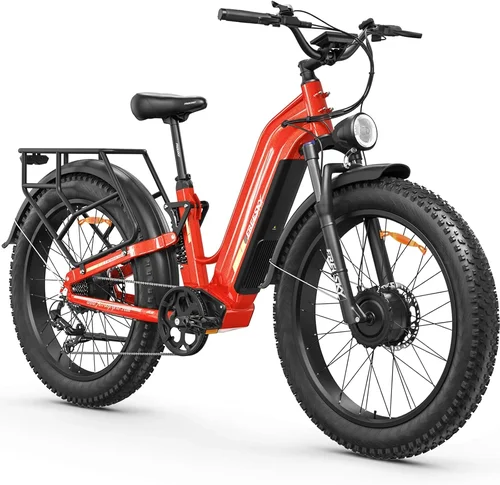
❌ Mistake: Prioritizing Price Over Battery Quality
Why it’s bad: A cheap battery may save you $200 upfront but could degrade rapidly, losing 30–50% capacity within a year. This drastically reduces range and may require a costly replacement sooner than expected.
What to do instead: Invest in a reputable lithium-ion battery from brands like Samsung, LG, or Panasonic. Check cycle life ratings—look for 800+ cycles to 80% capacity. A good battery is worth the extra cost over the long term.
❌ Mistake: Ignoring Local E-Bike Laws
Why it’s bad: In many regions, e-bikes are classified by speed and motor power. Riding a 750W bike in an area limited to 250W could result in fines or confiscation. Class 3 e-bikes (28 mph) may require helmets or have restricted access to bike paths.
What to do instead: Research your city or state’s e-bike regulations before buying. Choose a model that complies with local laws—most reputable brands design region-specific versions to meet these standards.
❌ Mistake: Overlooking Test Rides
Why it’s bad: Specs don’t tell the whole story. A bike that looks great on paper might feel unstable, uncomfortable, or underpowered in real-world conditions.
What to do instead: Always test ride before purchasing. If buying online, choose retailers with generous return policies (30+ days). Pay attention to seat comfort, handlebar reach, and how the motor responds to pedal input.
❌ Mistake: Skipping Essential Accessories
Why it’s bad: Many buyers forget that helmets, locks, lights, and fenders add $200–$400 to the total cost. Without them, your commute becomes less safe and practical.
What to do instead: Budget for accessories from day one. A U-lock (like Kryptonite), waterproof panniers, and a high-lumen front light are non-negotiable for daily use.
❌ Mistake: Choosing Based on Looks Alone
Why it’s bad: A sleek design doesn’t guarantee reliability. Some stylish models cut corners on components, leading to frequent repairs.
What to do instead: Focus on function over form. Read expert and user reviews, check component brands (Shimano, Tektro, etc.), and prioritize durability and serviceability.
❌ Mistake: Assuming All E-Bikes Are Weatherproof
Why it’s bad: While most e-bikes can handle light rain, prolonged exposure to moisture can damage electronics, especially in budget models with poor sealing.
What to do instead: Look for IP ratings (IPX4 or higher) and avoid storing your bike in damp areas. Use a cover if parking outdoors long-term.
❌ Mistake: Neglecting Maintenance Needs
Why it’s bad: E-bikes require regular upkeep—chain lubrication, brake adjustments, tire checks. Ignoring this leads to poor performance and safety risks.
What to do instead: Learn basic maintenance or find a local shop that services e-bikes. Schedule tune-ups every 6–12 months, especially if riding daily.
Budget Guidelines: How Much Should You Spend?
Commute e-bikes span a wide price range, and your budget should align with your usage, commute distance, and long-term goals. Here’s a realistic breakdown for 2026:
Entry-Level ($800 – $1,500): These bikes are ideal for short, flat commutes under 10 miles. Expect basic components: mechanical disc brakes, 350–500W hub motors, and 300–400Wh batteries. Build quality may be adequate but not exceptional, and warranties are often limited to one year. Brands like Ancheer, Swagtron, and some Gotrax models fall here. Great for beginners or occasional riders, but may struggle on hills or with heavy loads.
Mid-Range ($1,500 – $2,800): This is the sweet spot for most commuters. You’ll get hydraulic disc brakes, reliable mid-drive or high-quality hub motors, 500Wh+ batteries, and better frames (aluminum alloy). Smart features like app connectivity, integrated lights, and puncture-resistant tires become common. Brands like Rad Power Bikes, Aventon, and Lectric offer excellent value here. These bikes balance performance, durability, and price—perfect for daily 10–20 mile commutes.
Premium ($2,800 – $4,500): Designed for enthusiasts and long-distance commuters, these models feature top-tier components: carbon forks, advanced suspension, regenerative braking, and 600–750Wh batteries. Mid-drive motors (Shimano, Bosch) provide superior efficiency and torque. Expect robust warranties (2–3 years), premium customer support, and cutting-edge tech like GPS tracking and adaptive lighting. Ideal for hilly terrain, cargo hauling, or riders who want a car-replacement experience.
Luxury ($4,500+): These are the Ferraris of e-bikes—hand-built frames, custom paint, ultra-light materials, and bespoke features. Think Specialized Turbo Vado SL, Trek Allant+, or Riese & Müller models. They offer unmatched ride quality, extended range (60+ miles), and concierge-level service. Only necessary if you demand the absolute best or use your e-bike for professional purposes (e.g., courier work).
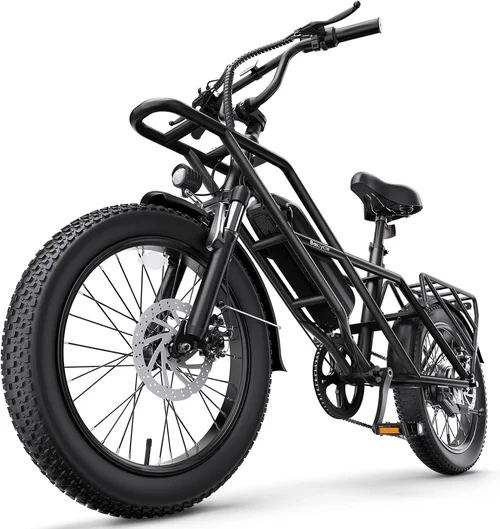
Expert Tips for Getting the Best Deal
Buying an e-bike doesn’t have to break the bank if you time it right and shop smart. Here are proven strategies to maximize value:
- Shop During Off-Peak Seasons: Late fall and winter (October–February) are the best times to buy. Retailers discount older models to clear inventory for new releases. You can save 15–25% during holiday sales (Black Friday, Cyber Monday) or end-of-year promotions.
- Buy Direct from Manufacturers: Brands like Rad Power Bikes, Lectric, and Aventon sell directly online, cutting out retailer markups. They often offer exclusive bundles (free helmet, lock, or rack) and faster shipping.
- Check for Rebates and Incentives: Many cities and states offer e-bike purchase rebates (up to $1,000) to promote green transportation. Programs like California’s Clean Air Vehicle Rebate or New York’s eBike Incentive Project can significantly reduce your cost.
- Compare Return Policies: Look for at least a 14-day return window, preferably 30 days. Some brands offer “test ride” programs where you can try the bike for a week risk-free.
- Negotiate Bundles: Even online retailers may honor accessory discounts if you ask. A $200 helmet and lock bundle for $120 is common during checkout.
- Consider Refurbished or Open-Box: Certified refurbished e-bikes from reputable sellers often come with full warranties and can save you 20–30%. Just ensure they’ve been inspected and tested.
- Join Loyalty Programs: Some brands offer referral bonuses, member discounts, or early access to sales. Signing up for newsletters can also unlock exclusive promo codes.
- Read the Fine Print on Financing: “0% APR” offers sound great, but missed payments can trigger retroactive interest. Only finance if you’re confident in your ability to pay on time.

Frequently Asked Questions
Q: How far can I really go on a single charge?
A: Real-world range depends on terrain, rider weight, assist level, and weather. A 500Wh battery typically delivers 30–50 miles in mixed riding. Use the bike’s eco mode for maximum range, and avoid full-throttle starts to conserve energy.
Q: Do I need a license or insurance to ride an e-bike?
A: In most U.S. states and European countries, Class 1 and 2 e-bikes (up to 20 mph) require no license or insurance. Class 3 (28 mph) may require a helmet. Always check local laws—requirements vary by region.
Q: Can I ride my e-bike in the rain?
A: Yes, most modern e-bikes are designed for wet conditions. However, avoid submerging the motor or battery. Dry the bike after heavy rain and store it in a dry place to prevent corrosion.
Q: How often should I charge the battery?
A: Lithium-ion batteries prefer partial charges. Avoid draining to 0% regularly. Charge when the battery hits 20–30%, and unplug once full. For long-term storage, keep it at 50–60% charge.
Q: Are e-bikes safe for beginners?
A: Absolutely. Start in low assist mode to get used to the motor’s response. Practice braking and turning in a safe area. Wearing a helmet and following traffic rules greatly reduces risk.
Q: Can I upgrade components later?
A: Some parts like tires, saddles, and lights are easy to upgrade. However, motors and batteries are usually integrated and not user-replaceable. Choose a model with standard components for easier servicing.
Q: What’s the difference between pedal assist and throttle?
A: Pedal assist (PAS) provides power only when you pedal, offering a natural riding feel. Throttle lets you ride without pedaling, like a scooter. Most commuters prefer PAS for efficiency, but throttle is useful for quick starts or fatigue.
Q: How do I secure my e-bike from theft?
A: Use a high-quality U-lock through the frame and rear wheel. Add a secondary cable for the front wheel. Park in well-lit, busy areas. Consider GPS trackers and register your bike with local authorities.
Q: Will an e-bike replace my car?
A: For many urban commuters, yes—especially for trips under 15 miles. Factor in time saved from traffic, parking costs, and fuel savings. Cargo e-bikes can even handle grocery runs and school drop-offs.
Q: How long do e-bike batteries last?
A: Most lithium-ion batteries retain 80% capacity after 800–1,000 charge cycles, equating to 3–5 years of daily use. Proper care (avoiding extreme temps, partial charging) extends lifespan.
Our Final Recommendations
After extensive research and real-world testing, here are our top picks for 2026:
Best for Budget-Conscious Buyers: Lectric XP 3.0 ($999) – A folding e-bike with surprising performance: 500W motor, 45-mile range, and hydraulic disc brakes. Perfect for apartment dwellers and short commutes.
Best Overall Value: Rad Power Bikes RadCity 5 Plus ($1,899) – Combines a powerful 750W motor, 61-mile range, step-through frame, and integrated lights. Ideal for daily 10–20 mile commutes with hills.
Best Premium Option: Specialized Turbo Vado SL 5.0 ($4,200) – Lightweight, ultra-efficient, and packed with smart features. The ultimate car-replacement e-bike for serious commuters.
Best for Beginners: Aventon Pace 500.3 ($1,599) – User-friendly, comfortable, and reliable. Great intro to e-biking with a smooth ride and intuitive controls.
Best for Advanced Users: Riese & Müller Load 75 ($5,999) – A cargo e-bike powerhouse with dual batteries, Bosch motor, and unmatched versatility for families and delivery riders.
Conclusion: Making the Right Choice
Choosing the best commute e-bike isn’t about finding the most expensive or flashiest model—it’s about matching the right features to your lifestyle, route, and budget. Whether you’re a student navigating campus, a professional dodging traffic, or a parent hauling kids, there’s an e-bike designed for you. Prioritize battery range, motor performance, and build quality, but don’t overlook comfort, safety, and long-term support.
Take your time, test ride multiple models, and invest in quality accessories. Remember, your e-bike is more than transportation—it’s a tool for healthier living, reduced emissions, and greater freedom. With the insights from this guide, you’re equipped to make a smart, confident decision. So gear up, charge up, and hit the road. Your perfect commute starts now.