
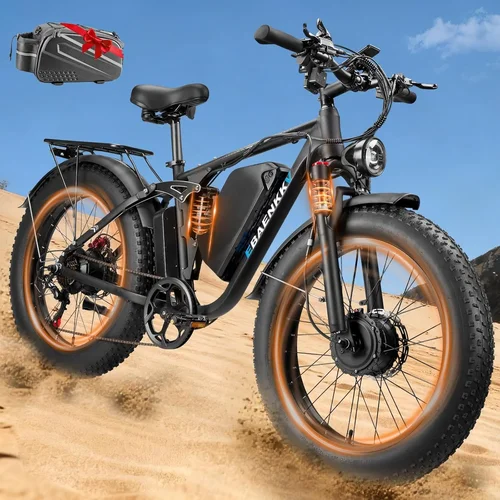
Electric dirt bikes have revolutionized off-road riding, offering a cleaner, quieter, and increasingly powerful alternative to traditional gas-powered machines. As we move through 2026, the market for electric dirt bikes under $2,000 has matured significantly, delivering performance and reliability that was unimaginable just a few years ago. Whether you’re a weekend trail rider, a parent looking for a safe first bike for your child, or an eco-conscious adventurer seeking sustainable thrills, there’s never been a better time to go electric. This comprehensive buyer’s guide is designed to cut through the noise and help you make an informed decision—without overspending.
In this guide, you’ll learn exactly what to look for when shopping for an electric dirt bike under $2,000. We’ll break down the most important factors—from motor power and battery life to build quality and safety features—so you can match your needs with the right machine. You’ll also discover common pitfalls to avoid, expert tips for scoring the best deal, and a detailed comparison of different bike types available in this price range. By the end, you’ll have a clear roadmap to finding a bike that delivers fun, durability, and value—all within your budget.
The electric dirt bike market has exploded in recent years, with manufacturers like Razor, Sur-Ron, Segway, and newer entrants like Talaria and CSC Motorcycles pushing the boundaries of what’s possible at affordable prices. While high-end models can easily exceed $5,000, the sub-$2,000 segment now offers surprisingly capable machines suitable for beginners, teens, and even experienced riders looking for a lightweight trail companion. Advances in lithium-ion battery technology, brushless motors, and frame design have made these bikes more efficient, durable, and enjoyable than ever. This guide will help you navigate that progress and find the perfect electric dirt bike for your adventures.

What to Look for When Buying Electric Dirt Bikes Under $2000
1. Budget & Price Range
Sticking to a $2,000 budget doesn’t mean you have to compromise on quality—but it does require smart shopping. In this price range, you’ll find everything from entry-level kids’ bikes under $500 to near-pro-level trail machines approaching the $2,000 ceiling. The key is understanding what you’re getting for your money. Lower-priced models often use simpler components, smaller batteries, and less robust frames, while higher-end options in this range may include advanced suspension, higher-capacity batteries, and better motors.
Set a realistic budget based on how often you’ll ride and who will be using the bike. If it’s for casual weekend use or a teenager just starting out, a mid-tier model around $800–$1,200 may be ideal. But if you’re an adult rider planning regular trail excursions, consider stretching toward $1,500–$2,000 for significantly better performance and longevity. Remember: a slightly higher upfront cost can save you money in repairs or replacements down the line.
2. Performance Specifications
Performance is where electric dirt bikes truly shine, and under $2,000, you can still get impressive specs. Focus on three core metrics: motor power (measured in watts), top speed, and range (how far you can ride on a single charge). Most bikes in this range feature motors between 500W and 3,000W. A 500W–1,000W motor is fine for kids or light trail use, while 1,500W–3,000W models offer enough torque for hills, jumps, and adult riders.
Top speeds typically range from 15 mph (for youth models) to over 40 mph on high-performance units. However, speed isn’t everything—acceleration and hill-climbing ability matter more for off-road riding. Look for bikes with peak torque ratings and gearless direct-drive or mid-drive motors, which deliver smoother power delivery than hub motors.
Battery range is equally critical. Most sub-$2,000 bikes use 36V or 48V lithium-ion batteries with capacities between 10Ah and 20Ah. A 48V 15Ah battery might give you 20–30 miles of range on moderate terrain, while a 36V 10Ah pack may only last 10–15 miles. Always check real-world user reviews, as manufacturer claims often assume ideal conditions.
3. Build Quality & Durability
An electric dirt bike takes a beating—rocks, mud, jumps, and constant vibration. That’s why build quality is non-negotiable. Look for frames made from high-tensile steel or aluminum alloy. Steel is tougher and absorbs shocks better, while aluminum is lighter but can fatigue over time. Avoid bikes with flimsy plastic body panels or thin-walled tubing—they’re prone to cracking.
Suspension matters too. Entry-level bikes may have basic front forks and no rear suspension, which leads to a harsh ride on rough trails. Mid-range models often include adjustable front suspension and rear shock absorbers, greatly improving comfort and control. Check travel distance: 4–6 inches is standard for trail riding.
Wheels and tires should be sturdy and appropriately sized. Youth bikes usually have 12″–16″ wheels, while adult models use 19″–21″. Knobby, off-road tires provide better grip, but ensure they’re mounted on durable rims—some budget bikes use weak alloy wheels that bend easily.
4. Features & Functionality
Modern electric dirt bikes come packed with features that enhance safety, usability, and fun. Key ones to look for include:
- Regenerative braking: Recovers energy during braking, extending range slightly.
- Multiple ride modes: Eco, Normal, and Sport settings let you tailor power output to conditions.
- LED lighting: Essential for early morning or evening rides.
- Digital display: Shows speed, battery level, trip distance, and sometimes GPS.
- Throttle type: Twist-grip throttles offer precise control; thumb throttles are simpler but less intuitive.
- Kickstand and footpegs: Often overlooked but crucial for practicality.
Some higher-end models even include Bluetooth connectivity, app integration, or removable batteries for easy charging. While not essential, these extras can significantly improve the riding experience—especially if you plan to use the bike regularly.
5. Brand Reputation
Not all electric dirt bike brands are created equal. Established names like Razor, Segway-Ninebot, and Sur-Ron have proven track records for reliability and customer service. Razor dominates the youth market with safe, well-designed bikes, while Sur-Ron (and its Talaria offshoot) targets serious off-road enthusiasts with high-performance models like the Sur-Ron LBX, which often dips below $2,000 during sales.
Newer brands like CSC Motorcycles, Eco-Rider, and QuietKat are gaining traction with innovative designs and competitive pricing. However, be cautious with unknown brands sold exclusively through Amazon or eBay—they may lack proper certifications, spare parts, or warranty support.
Research brand history, read long-term user reviews, and check if they offer U.S.-based customer service. A reputable brand stands behind its products and provides clear documentation, including user manuals and safety guidelines.
6. Warranty & Support
A solid warranty is a strong indicator of a manufacturer’s confidence in their product. Most reputable brands offer at least a 6-month to 1-year warranty covering the motor, battery, and frame. Some, like Segway, provide up to 2 years on certain components. Pay attention to what’s included: batteries often have separate warranties (typically 6–12 months) due to their limited lifespan.
Support matters too. Can you easily reach customer service? Are replacement parts (brake pads, tires, chargers) readily available? Do they offer repair guides or video tutorials? Avoid brands that only list an email address with no phone support or physical service centers.
If buying online, check return policies. Many retailers allow 14–30 days for returns, but some charge restocking fees or require you to cover shipping. Always test the bike thoroughly upon arrival—especially the brakes, throttle response, and battery charging.
7. Size & Portability
Electric dirt bikes vary widely in size and weight. Youth models weigh 30–50 lbs and are designed for riders 8–14 years old. Adult bikes range from 80–150 lbs, with larger frames suited for riders over 5’6″. Make sure the seat height, handlebar position, and footpeg placement match the rider’s body size—poor ergonomics lead to fatigue and reduced control.
Portability is another consideration. If you need to transport the bike in a car trunk or SUV, look for models with foldable handlebars or removable batteries. Some bikes, like the Razor MX650, are compact enough to fit in most vehicles without disassembly. Heavier models may require a trailer or truck bed.
Also consider storage. Bikes with upright seating and narrow profiles are easier to store in garages or sheds. Avoid models with bulky fairings or wide handlebars if space is limited.
8. User Reviews & Ratings
Never buy an electric dirt bike based solely on specs or marketing claims. Real-world user reviews reveal hidden flaws—like batteries that degrade quickly, motors that overheat, or brakes that fail under load. Platforms like Amazon, RevZilla, and specialized forums (e.g., Electric Bike Report, Sur-Ron Owners Group) offer honest feedback from actual riders.
Look for patterns in reviews. If multiple users report the same issue—say, loose chains or faulty chargers—it’s likely a design flaw. Conversely, consistent praise for durability, range, or customer service is a good sign. Pay extra attention to reviews from riders similar to you in weight, skill level, and usage (e.g., trail vs. backyard).
Be wary of fake reviews. Genuine reviews often include photos, detailed experiences, and balanced pros/cons. Overly generic or excessively positive reviews with no criticism may be fabricated.
Different Types of Electric Dirt Bikes Under $2000

Common Buying Mistakes to Avoid
❌ Mistake: Ignoring Rider Weight and Skill Level
Why it’s bad: A bike designed for a 100-lb teen won’t handle a 200-lb adult safely. Overloading strains the motor, drains the battery faster, and increases wear on brakes and suspension. Similarly, giving a high-speed bike to a beginner can lead to accidents.
What to do instead: Match the bike’s weight capacity and power output to the rider. Check the manufacturer’s recommended weight limit and choose a model with a motor and frame rated for that load. For beginners, opt for bikes with adjustable speed limiters or training modes.
❌ Mistake: Prioritizing Top Speed Over Range
Why it’s bad: A bike that hits 40 mph but only lasts 10 miles isn’t practical for trail riding. You’ll spend more time charging than riding, especially on longer excursions.
What to do instead: Focus on real-world range estimates from user reviews. If you plan to ride 15+ miles, aim for a 48V 15Ah+ battery. Consider carrying a spare battery if the model allows it.
❌ Mistake: Skipping Safety Gear
Why it’s bad: Even electric bikes can reach dangerous speeds. Without a helmet, gloves, knee pads, and eye protection, a fall can result in serious injury—especially on uneven terrain.
What to do instead: Budget for safety gear from day one. Invest in a DOT-approved helmet, padded gloves, and protective clothing. Teach younger riders proper braking and turning techniques before hitting trails.
❌ Mistake: Buying Based on Looks Alone
Why it’s bad: Flashy graphics and aggressive styling don’t guarantee performance. Some visually impressive bikes have weak motors, poor brakes, or fragile frames.
What to do instead: Prioritize function over form. Read detailed reviews, check component quality, and verify certifications (like UL certification for the battery).
❌ Mistake: Overlooking Maintenance Needs
Why it’s bad: Electric dirt bikes still require regular maintenance—chain lubrication, tire pressure checks, brake adjustments, and battery care. Neglecting these leads to premature failure.
What to do instead: Learn basic maintenance or find a local shop that services e-bikes. Choose models with accessible components and clear service instructions.
❌ Mistake: Assuming All Bikes Are Street-Legal
Why it’s bad: Most electric dirt bikes under $2,000 are not street-legal due to lack of lights, mirrors, turn signals, or compliance with local e-bike laws. Riding on public roads could result in fines or confiscation.
What to do instead: Check your local regulations. If you need road capability, look for models classified as Class 1 or Class 2 e-bikes with proper lighting and speed governors.
❌ Mistake: Not Testing Before Buying
Why it’s bad: Online specs don’t reveal how a bike feels to ride. Throttle response, seat comfort, and handling vary widely between models.
What to do instead: Visit local dealers or events where you can test ride. If buying online, choose retailers with generous return policies and try the bike in a safe, open area upon delivery.
Budget Guidelines: How Much Should You Spend?
Understanding how your budget aligns with performance and features is crucial. Here’s a breakdown of what to expect at different price points under $2,000:
Entry-Level ($300–$700): Ideal for kids and casual riders. These bikes typically have 500W–1,000W motors, 36V batteries, and basic suspension. Expect speeds of 15–20 mph and ranges of 10–15 miles. Models like the Razor MX350 or Segway Ninebot Zing E10 fall here. Great for backyard fun but not suited for serious trail use.
Mid-Range ($800–$1,400): The sweet spot for most buyers. You’ll find 1,500W–2,000W motors, 48V batteries, and improved suspension. Ranges extend to 20–30 miles, with top speeds of 25–35 mph. Bikes like the CSC XP8000 or Eco-Rider ER-2000 offer excellent value, balancing power, durability, and features. Perfect for teens and adults exploring light to moderate trails.
Premium ($1,500–$2,000): For enthusiasts and frequent riders. These models boast 2,500W–3,000W motors, high-capacity 48V 20Ah batteries, and professional-grade suspension. Expect 30–40 mph speeds, 30–40 mile ranges, and robust frames. The Sur-Ron LBX (often discounted below $2,000) and Talaria Sting are standout options, capable of handling jumps, hills, and long rides.
Luxury ($2,000+): While technically above our limit, some premium models dip below $2,000 during sales. These offer top-tier components, advanced electronics, and race-inspired designs. If you can stretch your budget slightly, they’re worth considering for serious off-road use.
Expert Tips for Getting the Best Deal
- Buy during off-seasons: Prices drop in late fall and winter when demand is low. Spring and summer see peak pricing.
- Shop authorized dealers: Avoid third-party sellers on Amazon or eBay unless verified. Authorized dealers honor warranties and provide support.
- Sign up for newsletters: Brands like Sur-Ron, Segway, and CSC often send exclusive discount codes to subscribers.
- Consider refurbished or open-box: Many retailers sell returned or demo bikes at 15–30% off with full warranties.
- Check local classifieds: Facebook Marketplace or Craigslist may have lightly used bikes from owners upgrading.
- Negotiate bundle deals: Ask if the seller includes free shipping, a helmet, or spare parts.
- Verify certifications: Ensure the bike meets UL 2849 (safety standard for e-bikes) and has a certified charger.
- Read the fine print: Some “under $2,000” listings exclude taxes, shipping, or battery—factor these into your total.

Frequently Asked Questions
Q: Are electric dirt bikes safe for kids?
A: Yes, when matched to the child’s age, size, and skill level. Look for models with speed limiters, parental controls, and lower power output (500W–1,000W). Always supervise young riders and enforce helmet use.
Q: How long do batteries last?
A: Most lithium-ion batteries last 500–1,000 charge cycles, equating to 2–5 years with regular use. Avoid fully draining the battery and store it at 50–70% charge if not riding for weeks.
Q: Can I ride in the rain?
A: Most electric dirt bikes are water-resistant (IP54 or IP65 rated), meaning they can handle splashes and light rain. Avoid submerging the bike or riding through deep puddles, as water can damage the motor and electronics.
Q: Do I need a license to ride?
A: It depends on your location and the bike’s power/speed. In most U.S. states, off-road electric dirt bikes don’t require a license if ridden on private property or designated trails. Public road use typically requires registration and licensing.
Q: How fast do they charge?
A: Charging time varies by battery size and charger output. A 48V 15Ah battery with a 3A charger takes about 5 hours. Fast chargers (5A–10A) can reduce this to 2–3 hours but may shorten battery life if used excessively.
Q: Can I upgrade the battery?
A: Some models allow battery upgrades, but compatibility varies. Check if the bike’s BMS (battery management system) supports higher-capacity packs. Upgrading may void the warranty, so proceed with caution.
Q: What’s the difference between hub and mid-drive motors?
A: Hub motors are built into the wheel—simple and affordable but less efficient on hills. Mid-drive motors sit near the pedals (or crank), offering better weight distribution and torque. Most sub-$2,000 dirt bikes use hub motors, but some premium models feature mid-drives.
Q: Are they quieter than gas bikes?
A: Absolutely. Electric motors produce minimal noise—mostly tire and chain sound. This makes them ideal for riding in noise-sensitive areas or early mornings without disturbing neighbors.
Q: How do I maintain the chain?
A: Clean and lubricate the chain every 5–10 rides, especially after muddy or wet conditions. Use a bicycle-specific chain lube and wipe off excess to prevent dirt buildup.
Q: Can I ride on sand or snow?
A: Yes, but with limitations. Sand requires wide, knobby tires and high torque—mid-range to premium bikes handle it best. Snow riding demands studded tires and caution, as ice reduces traction significantly.
Our Final Recommendations
Best for Budget-Conscious Buyers: Razor MX650 Dirt Rocket ($650) – A proven performer for teens and light riders. 1,000W motor, 36V battery, and durable steel frame make it a reliable entry point.
Best Overall Value: CSC XP8000 ($1,299) – Packs a 2,000W motor, 48V 20Ah battery, and full suspension into a sub-$1,500 package. Excellent range (30+ miles) and build quality for the price.
Best Premium Option: Sur-Ron LBX (on sale) (~$1,999) – Near-pro-level performance with a 6,000W peak motor, 72V battery (downgraded for U.S. compliance), and race-ready suspension. Often available below $2,000 during promotions.
Best for Beginners: Segway Ninebot Zing E10 ($499) – Lightweight, safe, and easy to control. Perfect for kids and first-time riders with a 500W motor and adjustable speed settings.
Best for Advanced Users: Talaria Sting R (~$1,899) – A high-torque, 3,000W beast with regenerative braking, app connectivity, and aggressive trail capability. Ideal for experienced riders seeking speed and agility.
Conclusion: Making the Right Choice
Choosing the right electric dirt bike under $2,000 doesn’t have to be overwhelming. By focusing on your specific needs—rider size, intended use, performance expectations, and budget—you can find a machine that delivers excitement, reliability, and long-term value. Remember to prioritize safety, read real user reviews, and avoid common pitfalls like overspending on speed or ignoring maintenance.
The electric dirt bike market in 2026 offers more options than ever, blending innovation with affordability. Whether you’re introducing a child to off-road riding or upgrading your own trail rig, there’s a perfect bike waiting within your budget. Take your time, do your research, and don’t rush the decision. With the insights from this guide, you’re now equipped to make a confident, informed purchase that will keep you riding for years to come.
Ready to hit the trails? Start by identifying your top priorities, then explore the recommended models above. And most importantly—wear your helmet, respect the terrain, and enjoy the silent thrill of electric power.