
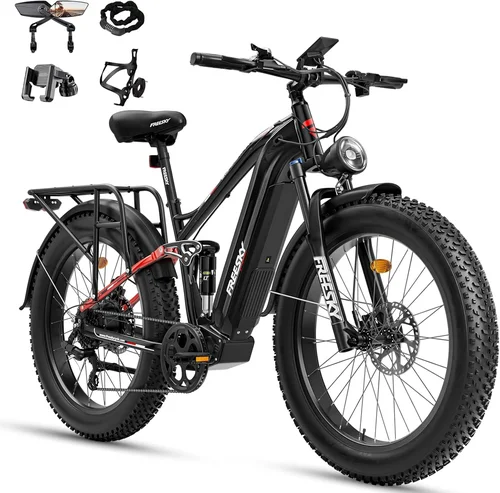
The electric bike market has exploded in recent years, transforming from a niche curiosity into a mainstream transportation and recreation solution. With rising fuel costs, growing environmental awareness, and increasing traffic congestion in urban areas, more people than ever are turning to e-bikes as a practical, fun, and sustainable alternative. But with so many options flooding the market—ranging from ultra-cheap imports to high-end models costing thousands—it’s easy to feel overwhelmed, especially if you’re working with a tight budget. That’s exactly why this guide exists: to cut through the noise, help you avoid costly mistakes, and empower you to make a smart, informed decision without breaking the bank.
In this comprehensive buyer’s guide, you’ll learn everything you need to know to find the best budget e-bike for your lifestyle, needs, and financial situation. We’ll walk you through the most important factors to consider—from motor power and battery life to build quality and warranty coverage—and explain how to balance performance with affordability. You’ll also discover common pitfalls that trap unsuspecting buyers, get expert tips on timing your purchase for maximum savings, and see real-world comparisons of different e-bike categories. Whether you’re commuting to work, running errands around town, or just looking for a new way to enjoy weekend rides, this guide will equip you with the knowledge to choose a reliable, feature-rich e-bike that delivers excellent value for under $1,500—and often much less.
The budget e-bike segment has matured dramatically over the past few years. What once meant flimsy frames, weak motors, and batteries that died after 10 miles now includes surprisingly capable machines from reputable brands. Today’s sub-$1,200 e-bikes can offer pedal-assist speeds up to 20 mph, ranges exceeding 40 miles on a single charge, hydraulic disc brakes, integrated lighting, and even smartphone connectivity. Meanwhile, direct-to-consumer brands and online retailers have driven prices down by cutting out middlemen, while advancements in lithium-ion battery tech have made energy-dense packs more affordable than ever. This means you no longer have to sacrifice safety, reliability, or performance just because you’re shopping on a budget. Our goal is to help you navigate this rapidly evolving landscape and find an e-bike that fits both your wallet and your expectations.

What to Look for When Buying a Budget E-Bike
1. Budget & Price Range
Setting a realistic budget is the single most important step in your e-bike buying journey. While “budget” means different things to different people, for the purposes of this guide, we define it as anything under $1,500—with many excellent options available between $600 and $1,200. It’s tempting to go for the cheapest model available, but remember: e-bikes are complex machines with motors, batteries, electronics, and mechanical components. A rock-bottom price often signals corners cut in materials, assembly, or safety testing.
Instead of focusing solely on the lowest number, think in terms of value per dollar. Ask yourself: What features matter most to me? Do I need long-range commuting capability, or will short neighborhood trips suffice? Will I be riding in hilly terrain or mostly flat areas? Answering these questions helps you allocate your budget wisely. For example, spending an extra $200 might get you a higher-capacity battery that doubles your range—a worthwhile upgrade if you plan to use your e-bike for daily errands or work commutes. Conversely, if you only need occasional weekend rides, you might prioritize comfort and ease of use over raw performance.
2. Motor Type and Power
The motor is the heart of any e-bike, and its type and power output directly impact your riding experience. Most budget e-bikes use either hub motors (located in the front or rear wheel) or mid-drive motors (mounted near the pedals). Hub motors are far more common in this price range due to their simplicity and lower cost. Rear-hub motors generally provide better traction and a more natural riding feel, while front-hub motors can feel twitchy but are easier to service.
Motor power is measured in watts (W), and in the U.S., Class 1 and Class 3 e-bikes are limited to 750W peak output. However, don’t be fooled by brands advertising “1000W” or “1200W” motors—these often refer to peak or theoretical maximums, not continuous power. For budget buyers, a 500W–750W rear-hub motor is ideal for most scenarios, offering enough oomph for gentle hills and quick starts without draining the battery too fast. If you live in a flat area and weigh under 200 lbs, even a 350W motor may suffice.
Also consider torque. Measured in Newton-meters (Nm), torque determines how easily the bike accelerates and climbs hills. Budget e-bikes typically offer 40–60 Nm, which is adequate for moderate inclines. Higher torque (70+ Nm) usually appears in pricier models but isn’t essential unless you’re tackling steep hills regularly.
3. Battery Capacity and Range
Battery capacity is measured in watt-hours (Wh), calculated by multiplying voltage (V) by amp-hours (Ah). A higher Wh rating means more stored energy and longer range. Most budget e-bikes come with 36V or 48V systems and batteries ranging from 10Ah to 15Ah, translating to 360Wh to 720Wh. Real-world range depends heavily on factors like rider weight, terrain, assist level, wind, and tire pressure—but as a rough guide, expect 20–40 miles from a 48V 10Ah battery and 35–60 miles from a 48V 15Ah pack.
Look for removable batteries—they allow you to charge indoors, swap in a spare, or replace the pack when it eventually degrades (all lithium-ion batteries lose capacity over time). Also check the charger specs: a 2A charger will take 4–6 hours to fully charge a 500Wh battery, while a 4A fast charger can do it in half the time. Some budget brands skimp on charger quality, so verify that yours includes overcharge protection and temperature monitoring.
Battery chemistry matters too. Nearly all modern e-bikes use lithium-ion (Li-ion), but subtypes like NMC (nickel-manganese-cobalt) offer better energy density and longevity than older LFP (lithium iron phosphate) cells. While you won’t always see this detail listed, reputable brands like Aventon, Rad Power Bikes, and Lectric openly disclose their battery specs—a good sign of transparency.
4. Build Quality & Durability
At the budget level, build quality can vary wildly. Pay close attention to frame material: aluminum alloy (often labeled 6061 or 7005) is standard and offers a great balance of strength, weight, and corrosion resistance. Avoid steel frames unless they’re specifically designed for heavy-duty use—they’re durable but significantly heavier, which defeats the purpose of an e-bike’s efficiency.
Check weld quality—clean, consistent welds indicate better manufacturing standards. Look for internal cable routing (wires hidden inside the frame), which protects components from weather and snags. Test the suspension (if included): basic coil springs are common on budget models, but air forks offer better adjustability and performance (though rarely found under $1,000).
Don’t overlook smaller details like sealed bearings in wheels and bottom brackets, puncture-resistant tires (look for “Kevlar belt” or “puncture guard” labeling), and IP ratings for water resistance (IP65 means dust-tight and protected against water jets—ideal for rainy commutes). A well-built budget e-bike should feel solid when you lift it, with no creaking or flexing in the frame.
5. Features & Functionality
Modern budget e-bikes pack surprising features for the price. Essential ones include pedal-assist levels (usually 3–5), a clear LCD or LED display showing speed, battery level, and assist mode, and integrated front/rear lights powered by the main battery. Some models even include USB ports for charging phones—a handy perk for commuters.
Consider drivetrain quality. Most budget e-bikes use 7-speed Shimano Tourney or Altus derailleurs, which are reliable for casual riding but may struggle under heavy load or frequent shifting. If you plan to ride daily, look for at least an 8-speed system with a clutch mechanism to reduce chain slap.
Brakes are critical. Mechanical disc brakes are common and adequate for light use, but hydraulic discs offer superior stopping power with less hand effort—especially important when riding at higher speeds or in wet conditions. Rim brakes (V-brakes) are increasingly rare on new e-bikes due to their poor performance when wet or under load.
Other nice-to-haves include fenders, rear racks, kickstands, and smartphone app integration (for tracking rides, locking the bike, or adjusting settings). While not essential, these features enhance practicality and reduce the need for aftermarket purchases.
6. Brand Reputation & Transparency
With dozens of new e-bike brands launching every year—many via crowdfunding or Amazon storefronts—it’s crucial to buy from companies with proven track records. Established names like Rad Power Bikes, Aventon, Lectric, and Heybike have built reputations through consistent product quality, responsive customer service, and honest marketing. They also tend to provide detailed spec sheets, user manuals, and video tutorials—signs of a company that stands behind its products.
Beware of “too good to be true” deals from unknown brands offering 1,000W motors, 100-mile ranges, and full suspension for $500. These often use misleading specs, low-grade components, or counterfeit parts. Check for third-party certifications like UL 2849 (safety standard for e-bike electrical systems)—this certification is becoming a gold standard and is increasingly required in cities like New York.
Read customer reviews on multiple platforms (not just the brand’s website). Look for patterns: Are multiple users reporting the same battery issues? Is customer support slow to respond? Authentic reviews often mention specific model numbers and usage contexts, while fake ones are vague or overly enthusiastic.
7. Warranty & Support
A solid warranty is your safety net against defects and premature failures. Most reputable budget brands offer at least a 1-year comprehensive warranty covering the motor, battery, and frame. Some, like Lectric, extend this to 2 years. Pay attention to what’s excluded: batteries often have separate warranties (e.g., 1 year or 500 charge cycles), and wear items like tires, chains, and brake pads are typically not covered.
Customer support matters just as much. Can you reach a human being quickly? Do they offer live chat, phone support, or just email? Are replacement parts readily available? Brands with U.S.-based support centers (like Rad and Aventon) generally resolve issues faster than those relying on overseas distributors.
Also check return policies. Many direct-to-consumer brands offer 30-day test rides with free returns, but some charge restocking fees or require you to cover return shipping (which can exceed $100 for a large e-bike box). Always read the fine print before clicking “buy.”
8. Size, Fit, and Portability
An e-bike that doesn’t fit you properly will be uncomfortable, inefficient, and potentially unsafe. Most budget models come in one or two frame sizes (small/medium or medium/large). Check the standover height—the distance from the ground to the top tube—to ensure you can comfortably put both feet flat when stopped.
Step-through frames are popular for their ease of mounting and dismounting, especially for riders with limited mobility or those wearing skirts/dresses. Traditional top-tube frames offer slightly more rigidity but require lifting your leg higher.
If you need to store your e-bike in a small apartment or carry it upstairs, consider weight and foldability. Most budget e-bikes weigh 45–65 lbs—too heavy for most people to lift regularly. Folding models (like the Lectric XP or Heybike Mars) can drop below 50 lbs and collapse to fit in car trunks or under desks, but they often sacrifice range and stability compared to full-size bikes.
Test ride whenever possible. Even if buying online, visit a local dealer or attend an e-bike demo event. Pay attention to handlebar reach, saddle comfort, and how the bike feels under power. A few minutes on the saddle can save you from weeks of regret.
Different Types of Budget E-Bikes

Common Buying Mistakes to Avoid
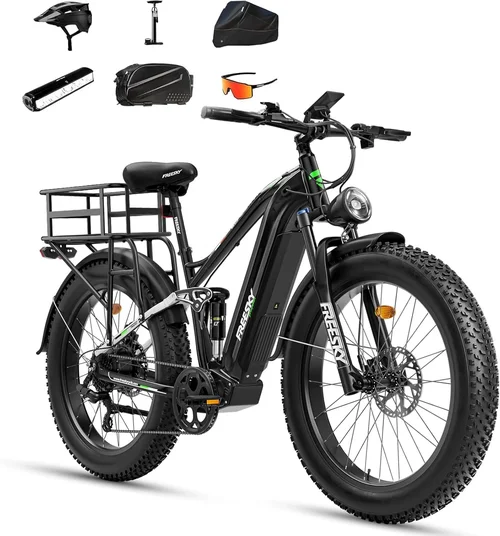
❌ Mistake: Prioritizing Price Over Safety Certifications
Why it’s bad: Cheap e-bikes from unknown brands may lack UL 2849 certification, meaning their electrical systems haven’t been independently tested for fire or shock hazards. With lithium-ion batteries involved, this is a serious risk—especially if the bike is left charging unattended.
What to do instead: Always verify that the e-bike meets UL 2849 or equivalent safety standards. Reputable brands display this prominently on their websites. If it’s not listed, assume it’s not certified.
❌ Mistake: Ignoring Real-World Range Claims
Why it’s bad: Manufacturers often quote range based on ideal conditions: lightweight rider, flat terrain, lowest assist level. In reality, most users get 30–50% less range, especially in cold weather or hilly areas.
What to do instead: Divide the advertised range by 1.5 to estimate real-world performance. If a bike claims 60 miles, expect 35–40 miles under normal use. Also check if the battery is removable—this allows you to carry a spare for longer trips.
❌ Mistake: Overlooking Assembly and Maintenance Requirements
Why it’s bad: Many budget e-bikes ship partially assembled and require final setup (brakes, gears, wheels). If you’re not mechanically inclined, this can lead to unsafe riding conditions or costly shop fees ($50–$100).
What to do instead: Choose brands that offer free or low-cost professional assembly (some include it in the price). Alternatively, watch detailed assembly videos beforehand and invest in basic tools (hex keys, torque wrench).
❌ Mistake: Buying Based Solely on Motor Wattage
Why it’s bad: A 1,000W motor sounds impressive, but if it’s poorly tuned or paired with a weak battery, it won’t deliver meaningful performance. Worse, it may drain the battery in minutes or overheat on hills.
What to do instead: Focus on continuous power (not peak) and real-world user reports. A well-tuned 500W motor with good torque often outperforms a cheap 1,000W unit.
❌ Mistake: Neglecting Local Laws and Classifications
Why it’s bad: E-bike laws vary by state and city. Class 3 bikes (28 mph top speed) may be restricted from bike paths or require helmets. Importing a non-compliant bike could result in fines or confiscation.
What to do instead: Confirm your e-bike is Class 1 or 2 (pedal-assist only, max 20 mph) unless you specifically need Class 3 and live in an area that allows it. Most budget models are Class 2 by default.
❌ Mistake: Skipping the Test Ride
Why it’s bad: E-bikes handle differently than regular bikes—especially under power. A bike that looks great online might feel unstable, too heavy, or uncomfortable in person.
What to do instead: Attend local e-bike expos, visit dealers, or take advantage of 30-day return policies. Even a 5-minute ride can reveal issues with balance, noise, or responsiveness.
❌ Mistake: Forgetting About Long-Term Costs
Why it’s bad: The cheapest e-bike upfront may cost more over time due to frequent repairs, battery replacements ($300–$600), or lack of spare parts.
What to do instead: Factor in total cost of ownership. A $200 more expensive bike with a 2-year warranty and readily available parts may save you money in the long run.
Budget Guidelines: How Much Should You Spend?
Entry-Level ($500–$800): This tier includes basic models ideal for occasional use, short flat commutes, or casual riders. Expect 350W–500W hub motors, 36V 10Ah batteries (20–30 mile range), mechanical disc brakes, and minimal features (basic LED display, no app). Brands like Swagtron, Ancheer, and Ecotric dominate here. While functional, these bikes often use lower-grade components and may lack UL certification—so buyer beware.
Mid-Range ($800–$1,200): This is the sweet spot for most budget-conscious buyers. You’ll find 500W–750W motors, 48V 10–14Ah batteries (30–50 mile range), hydraulic disc brakes, integrated lights, and better build quality. Brands like Lectric, Heybike, and Aventon offer excellent value here, with strong warranties and U.S.-based support. These bikes handle hills, daily commutes, and light cargo loads with ease.
Premium ($1,200–$1,500): At this level, you gain access to higher-end features like torque sensors (for smoother pedal assist), larger batteries (15–17.5Ah), premium drivetrains (Shimano Deore), and enhanced suspension. Models like the RadCity 5 Plus or Aventon Level.2 offer near-mid-tier performance at a budget-friendly price. Ideal for serious commuters or riders in hilly regions.
Luxury ($1,500+): While outside our strict “budget” definition, some buyers stretch into this range for top-tier reliability, brand prestige, or specialized needs (e.g., cargo hauling, long-distance touring). However, within our recommended budget, you can still get 90% of the performance of luxury models by choosing wisely.
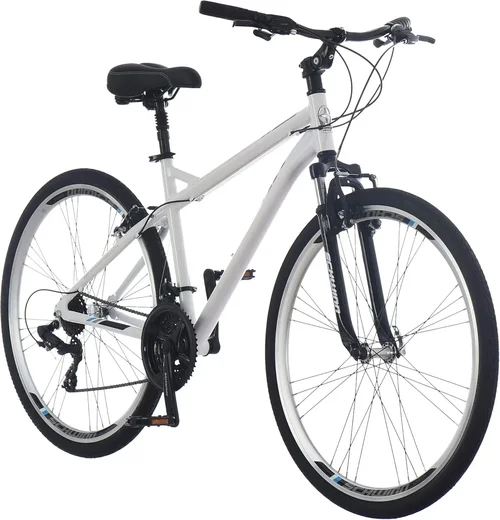
Expert Tips for Getting the Best Deal
- Shop during seasonal sales: Major discounts happen in January (post-holiday clearance), July (summer promotions), and November (Black Friday/Cyber Monday). Many brands offer $100–$300 off or free accessories during these periods.
- Buy direct from the manufacturer: Cutting out retailers often saves 10–20%. Plus, you get access to exclusive bundles (e.g., free rack + fender package).
- Check refurbished or open-box deals: Brands like Rad and Lectric sell certified refurbished units at 15–30% off with full warranties. These are inspected, tested, and often indistinguishable from new.
- Join email lists for early access: Subscribers often get first dibs on sales, limited editions, or referral codes for extra savings.
- Negotiate bundle pricing: If buying multiple items (bike + helmet + lock), ask if the brand offers a package discount. Some will throw in free shipping or accessories.
- Read the return policy carefully: Ensure it covers at least 30 days, includes free return shipping, and doesn’t charge restocking fees. Avoid brands that make returns difficult.
- Verify local incentives: Some cities and states offer rebates or tax credits for e-bike purchases (e.g., California’s Clean Air Vehicle program). These can reduce your effective cost by $200–$1,000.
- Consider financing options: Many brands offer 0% APR financing through Affirm or Klarna, allowing you to spread payments over 6–12 months without extra cost.
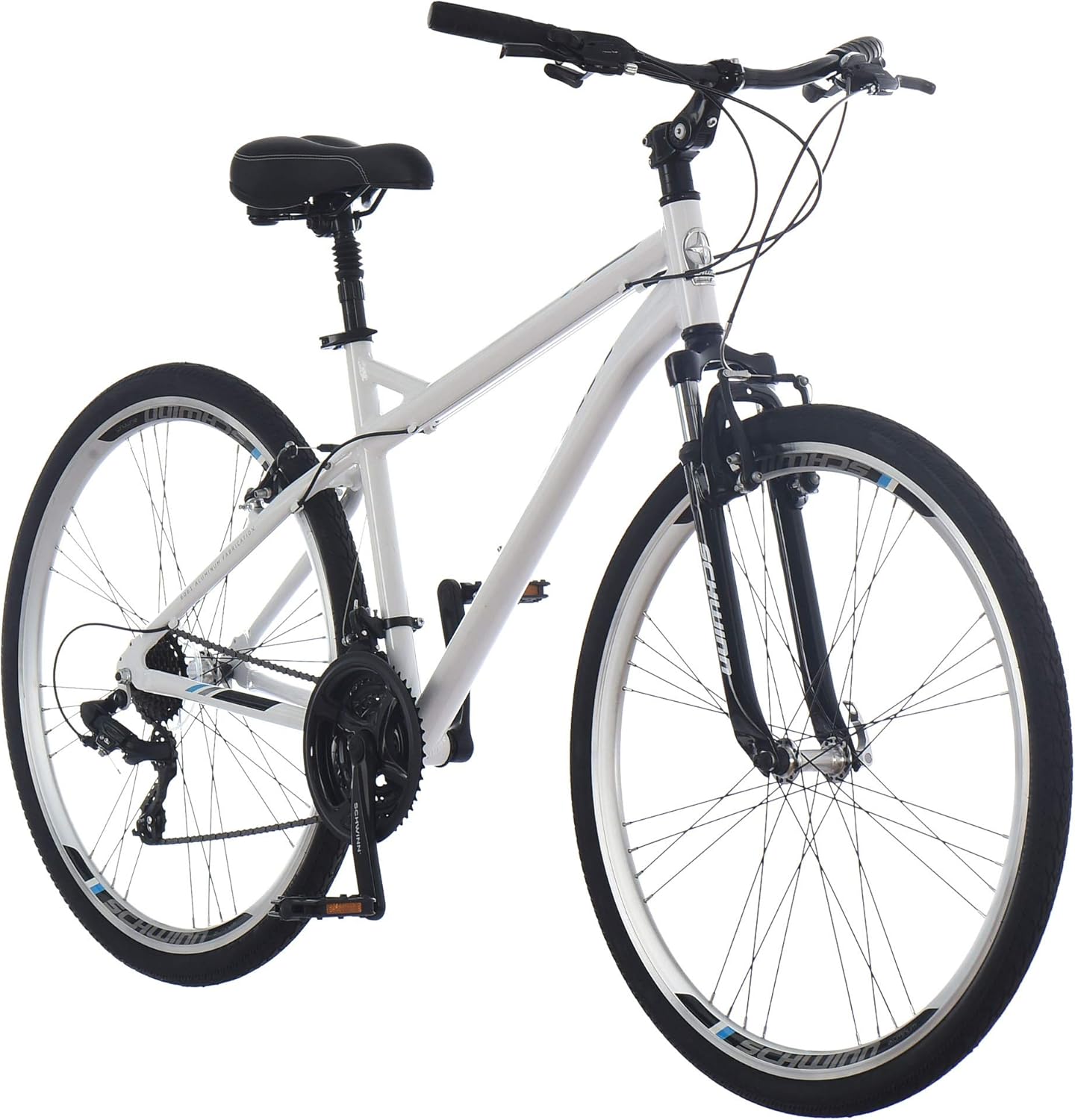
Frequently Asked Questions
Q: Can I really get a good e-bike for under $1,000?
A: Absolutely! While you won’t get premium components or ultra-long range, many sub-$1,000 e-bikes from reputable brands offer excellent value. Models like the Lectric XP 3.0 ($999) or Heybike Cityscape ($899) include 750W motors, 48V 12.5Ah batteries, hydraulic brakes, and integrated lights—features once reserved for $1,500+ bikes.
Q: How long do budget e-bike batteries last?
A: Most lithium-ion batteries retain 80% of their capacity after 500–800 full charge cycles, which translates to 2–4 years of daily use. Proper care (avoiding extreme temperatures, not draining to 0%) can extend this lifespan. Replacement costs $300–$600, but warranties often cover early degradation.
Q: Are budget e-bikes safe to ride in the rain?
A: Yes, if they have an IP65 rating or higher. This means the electrical components are protected against water jets. Avoid submerging the bike or charging a wet battery. Always dry connectors before plugging in.
Q: Do I need a special license or insurance for a budget e-bike?
A: In most U.S. states, Class 1 and 2 e-bikes (under 20 mph) are treated like regular bicycles—no license, registration, or insurance required. However, check local laws, as some cities have specific rules.
Q: Can I upgrade components on a budget e-bike later?
A: Yes, to an extent. You can swap tires, saddles, pedals, and even add a better headlight. However, upgrading the motor or battery is usually impractical due to compatibility and cost. Focus on buying a bike with a solid foundation.
Q: What’s the difference between pedal-assist and throttle?
A: Pedal-assist (PAS) provides power only when you’re pedaling, while throttle lets you ride without pedaling (like a scooter). Most budget e-bikes are Class 2, meaning they include both. Throttle is great for starting from stops or climbing steep hills effortlessly.
Q: How much does a budget e-bike weigh?
A: Typically 45–65 lbs. Lighter models (under 50 lbs) are easier to maneuver and store, while heavier ones offer more stability and cargo capacity.
Q: Can I ride a budget e-bike off-road?
A: Only if it’s designed for it (e.g., fat tire or MTB-style). Standard commuter e-bikes have slick tires and minimal suspension, making them unsuitable for trails. Attempting off-road riding on a city bike can damage components and void warranties.
Q: What should I do if my e-bike arrives damaged?
A: Document the damage with photos immediately, contact customer support within 24–48 hours, and refuse delivery if severely damaged. Most reputable brands will send a replacement part or arrange a return at no cost.
Q: Is it worth paying extra for a torque sensor?
A: Torque sensors measure how hard you’re pedaling and adjust assist accordingly, providing a smoother, more natural ride. They’re rare under $1,200 but worth seeking out if you prioritize ride quality over raw power.
Our Final Recommendations
Best for Budget-Conscious Buyers: Lectric XP 3.0 ($999) – Packs a 750W rear hub motor, 48V 12.5Ah removable battery (45+ mile range), hydraulic disc brakes, and folds down for storage. Backed by a 2-year warranty and stellar customer support.
Best Overall Value: Aventon Pace 350 Step-Through ($1,199) – Combines sleek design with practical features: 500W motor, 48V 14Ah battery, integrated lights, fenders, and a comfortable upright geometry. UL 2849 certified and built for daily commuting.
Best Premium Option (Under $1,500): Rad Power Bikes RadCity 5 Plus ($1,499) – Offers a torque sensor, 750W geared hub motor, 48V 14Ah battery, and premium accessories (rack, fenders, suspension seatpost). Ideal for hilly cities and long commutes.
Best for Beginners: Heybike Cityscape ($899) – Simple operation, step-through frame, 750W motor, and 48V 12.5Ah battery. Great for first-time e-bike riders who want reliability without complexity.
Best for Advanced Users: Engwe Engine Pro ($1,299) – Full suspension, fat tires, 750W motor, and dual battery option (up to 100 miles range). Perfect for riders who want off-road capability on a budget.
Conclusion: Making the Right Choice
Finding the best budget e-bike isn’t about chasing the lowest price—it’s about identifying the right balance of performance, reliability, safety, and value for your specific needs. By focusing on key factors like motor quality, battery capacity, build materials, and brand reputation, you can avoid the pitfalls that trap so many first-time buyers. Remember, a well-chosen budget e-bike can transform your daily routine, reduce your carbon footprint, and deliver years of joyful riding—all without draining your savings.
Don’t rush the decision. Take advantage of test rides, seasonal sales, and generous return policies. Prioritize safety certifications and warranty coverage, and don’t be swayed by flashy specs that don’t translate to real-world performance. Whether you’re commuting across town, exploring local trails, or simply rediscovering the joy of cycling, there’s a budget e-bike out there that’s perfect for you.
Now that you’re armed with expert knowledge, it’s time to take action. Compare your top contenders, check for current promotions, and make your purchase with confidence. Your ideal e-bike is waiting—and with the insights from this guide, you’re ready to ride smarter, safer, and farther than ever before.