
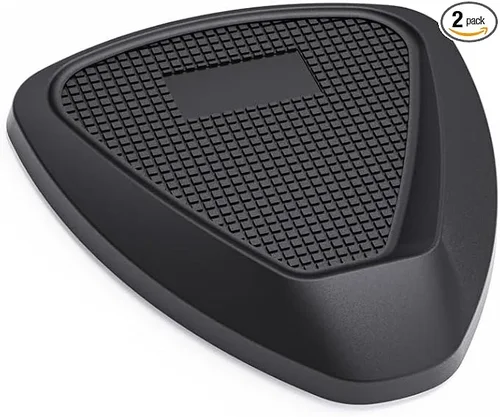
Whether you’re a weekend warrior hitting scenic backroads or a daily commuter navigating city traffic, your motorcycle’s kickstand is one of those small but critical components that often gets overlooked—until it fails. A simple slip on hot asphalt, a wobble on uneven pavement, or a sunk-in stand on soft grass can turn a routine stop into a costly repair or even a safety hazard. That’s where a high-quality motorcycle kickstand pad comes in: a seemingly minor accessory that delivers major peace of mind.
This comprehensive buying guide is designed to help you make an informed, confident decision when selecting the best motorcycle kickstand pad for your needs. We’ll walk you through everything from material science and design considerations to real-world performance, budget planning, and expert tips for maximizing value. Whether you ride a lightweight scooter, a heavy touring bike, or a sporty naked streetfighter, understanding what makes a kickstand pad truly effective will save you time, money, and frustration down the road.
The market today offers a surprising variety of kickstand pads—ranging from basic rubber discs under $10 to precision-machined aluminum platforms with anti-slip textures and integrated mounting systems. With so many options, it’s easy to get overwhelmed or settle for a subpar product that doesn’t deliver when you need it most. Our goal is to cut through the noise, highlight the key factors that matter, and equip you with the knowledge to choose a pad that enhances stability, protects your bike, and lasts for years of reliable use.

What to Look for When Buying a Motorcycle Kickstand Pad
1. Material Composition
The material your kickstand pad is made from directly impacts its durability, grip, weight, and resistance to environmental factors like heat, UV rays, and moisture. The three most common materials are rubber, thermoplastic elastomer (TPE), and metal (typically aluminum or stainless steel).
Rubber pads are affordable and offer excellent shock absorption, making them ideal for lighter bikes or occasional use. However, standard rubber can degrade over time when exposed to gasoline, oil, or extreme temperatures—common hazards in motorcycle environments. Look for high-grade, oil-resistant rubber if you go this route.
Thermoplastic elastomers strike a balance between flexibility and toughness. They’re more resistant to cracking and fading than traditional rubber and often feature textured surfaces for better traction. TPE pads are a smart mid-range choice for riders who want longevity without the bulk of metal.
Metal kickstand pads—especially those crafted from aircraft-grade aluminum—are the gold standard for heavy-duty applications. They won’t compress, melt, or degrade, and they provide rock-solid stability on virtually any surface. The downside? They’re heavier and can scratch delicate flooring if used indoors. Some premium models include rubberized bases or feet to mitigate this risk.
Always check the product description for specifics like “oil-resistant,” “UV-stabilized,” or “non-marking” to ensure the material suits your riding conditions.
2. Size and Surface Area
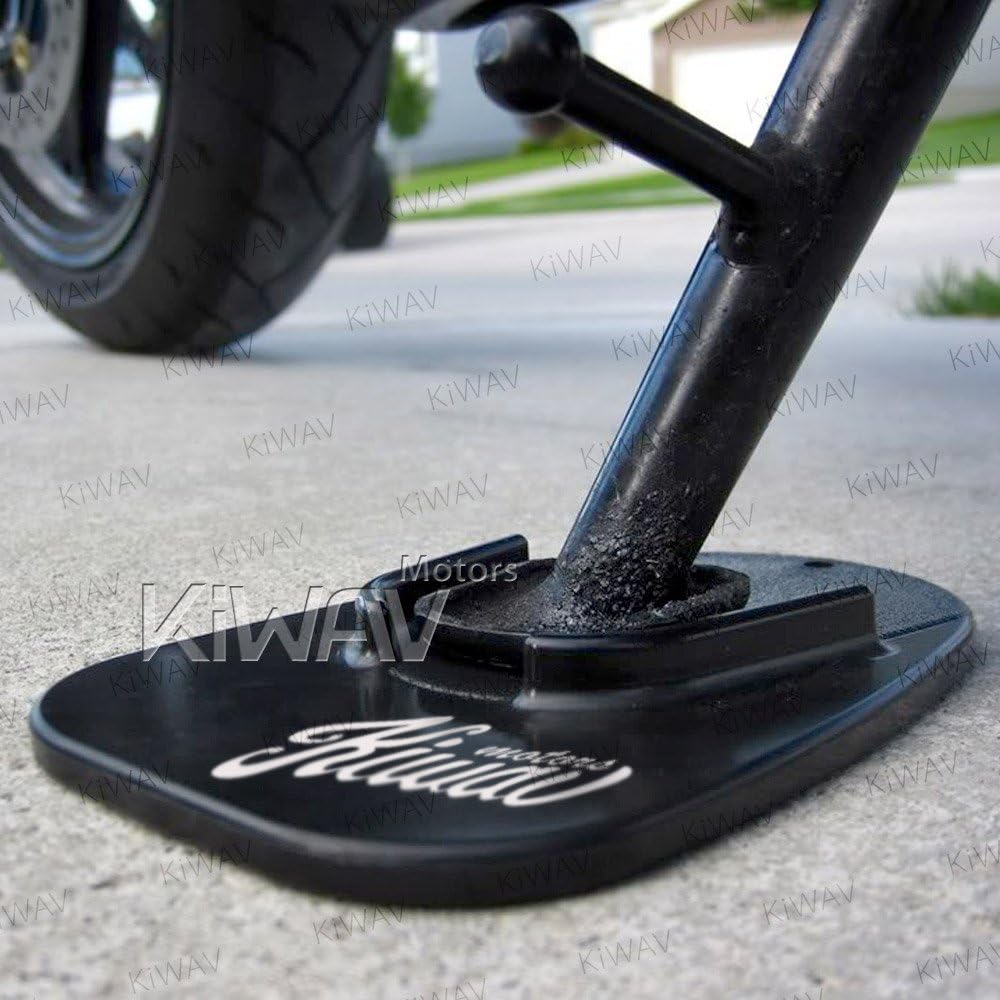
A kickstand pad’s effectiveness hinges on its ability to distribute your bike’s weight over a larger footprint. A small pad might work fine on smooth, level concrete, but it can easily sink into gravel, grass, or soft soil—causing your bike to tip over.
As a rule of thumb, aim for a pad with at least 4–6 inches in diameter for standard motorcycles. Touring bikes, cruisers, and adventure models with higher curb weights benefit from larger pads (6–8 inches or more). Wider surface areas reduce ground pressure significantly: a 6-inch pad spreads the load over nearly twice the area of a 4-inch one.
Consider your typical parking scenarios. If you frequently stop on dirt trails, sandy beaches, or uneven driveways, prioritize maximum surface area. Urban riders who park exclusively on paved surfaces can get away with slightly smaller pads—but never sacrifice too much coverage for aesthetics.
Also note the pad’s thickness. Thicker pads (¼ inch or more) provide better cushioning and prevent the kickstand foot from bottoming out, especially on bikes with short stand extensions.
3. Grip and Traction Features
Even the sturdiest pad won’t help if it slides out from under your bike. Look for surface textures that enhance grip—such as diamond plate patterns, raised ribs, or cross-hatch etching. These features bite into asphalt, prevent slippage on wet surfaces, and resist shifting when the bike settles.
Some pads incorporate dual-layer designs: a rigid core for structural support topped with a high-friction outer layer. Others use embedded grit or silicone coatings for extra tackiness. Avoid smooth, glossy finishes—they may look sleek but offer minimal traction, especially in rain or snow.
If you ride in wet or snowy climates, pay special attention to drainage. Pads with recessed channels or perforations allow water to escape, reducing hydroplaning risks and keeping the contact patch dry.
💡 Pro Tip:
Test grip by placing the pad on a slightly inclined surface (like a driveway slope) and gently rocking your bike. If it shifts or slides, the traction isn’t sufficient for real-world use.
4. Compatibility and Fit
Not all kickstand pads are universal. Your bike’s kickstand foot size and shape dictate which pads will work safely. Measure the diameter or width of your existing stand foot before buying. Most pads list compatible sizes (e.g., “fits 1.5″ to 2.5″ feet”), but some require drilling or adhesive mounting.
Magnetic or strap-on designs offer flexibility for bikes with irregularly shaped stands, while screw-on or bolt-through models provide the most secure attachment. Avoid pads that rely solely on friction unless they’re specifically rated for your bike’s weight class.
Adventure and dual-sport riders should also consider how the pad affects ground clearance. A thick pad might interfere with off-road articulation or snag on rocks. In these cases, a low-profile, quick-release design is preferable.
Always verify compatibility with your motorcycle model—some manufacturers (like BMW or Harley-Davidson) have proprietary stand designs that limit aftermarket options.
5. Durability and Weather Resistance
Your kickstand pad will face constant exposure to the elements: scorching sun, freezing temps, road salt, oil spills, and abrasive debris. A pad that cracks, warps, or loses grip after a few months isn’t worth the investment.
Look for products explicitly rated for outdoor use. UV-stabilized materials resist fading and brittleness, while chemical-resistant compounds won’t swell or degrade when exposed to fuel or cleaning agents. Metal pads naturally excel here but may corrode if not properly coated (anodized aluminum is ideal).
Check user reviews for long-term feedback—especially from riders in extreme climates. A pad that performs well in Arizona’s desert heat might fail miserably in Minnesota’s icy winters.
Also consider impact resistance. If you frequently park on rough terrain or drop your bike (we’ve all been there), a shatterproof design is essential. Avoid brittle plastics that can crack under stress.
6. Ease of Installation and Portability
A great pad is useless if it’s a hassle to install or too bulky to carry. Most riders prefer quick-mount solutions that don’t require tools or permanent modifications.
Snap-on, magnetic, or Velcro-backed pads are ideal for temporary use—perfect for riders who only need extra stability occasionally. Permanent mounts (screwed or bolted) offer superior security but aren’t practical if you switch bikes often.
Portability matters too. If you travel with your bike or store it in tight spaces, choose a pad that’s lightweight and compact. Folding or collapsible designs are rare but exist for niche applications. More commonly, slim-profile pads (under ½ inch thick) stow easily in saddlebags or under seats.
Consider whether the pad adds visual clutter. Some riders dislike the “aftermarket look” of large pads, especially on custom or vintage bikes. In such cases, low-visibility black or matte finishes blend better with factory aesthetics.
7. Brand Reputation and User Reviews
With countless generic brands flooding online marketplaces, it’s tempting to grab the cheapest option. But kickstand pads are one area where brand reliability pays off.
Established names like SW-Motech, Grip-Pup, Kriega, and Rox Risers have built reputations on rigorous testing and rider-focused design. They often provide detailed specs, compatibility charts, and responsive customer service—luxuries missing from no-name sellers.
That said, don’t dismiss lesser-known brands outright. Read verified purchase reviews carefully. Look for patterns: Do multiple users report cracking after winter? Does the pad slip on tile? Real-world feedback trumps marketing claims every time.
Pay attention to review recency. Materials and manufacturing processes evolve—a pad praised in 2020 might be outdated by 2026. Prioritize reviews from the last 12–18 months.
8. Warranty and Return Policy
A solid warranty signals manufacturer confidence. While most kickstand pads aren’t expensive, a 1–2 year warranty against defects is a good sign of quality. Some premium brands even offer lifetime guarantees.
More importantly, check the return policy before buying. If the pad doesn’t fit or perform as expected, you should be able to return it hassle-free—especially when ordering online. Avoid retailers with restocking fees or short return windows (under 30 days).
If buying directly from a brand’s website, see if they offer fitment guarantees or compatibility support. A few companies will even send sample sizes or adapters upon request.
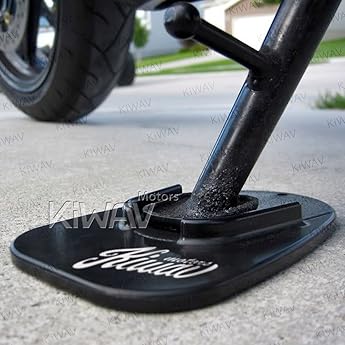
Different Types of Motorcycle Kickstand Pads
Common Buying Mistakes to Avoid
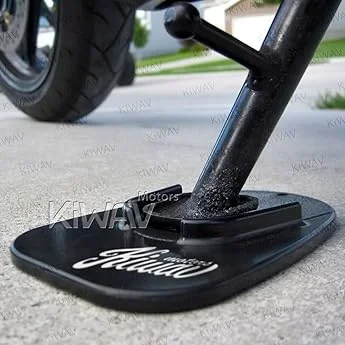
❌ Mistake: Choosing Based Solely on Price
Why it’s bad: The cheapest pad may save you $10 upfront but cost you hundreds in repairs if your bike tips over. Low-cost rubber pads often lack oil resistance and crack within months, especially in extreme temperatures.
What to do instead: Treat the kickstand pad as a safety investment. Allocate at least $25–$40 for a quality TPE or aluminum model that matches your bike’s weight and usage.
❌ Mistake: Ignoring Kickstand Foot Size
Why it’s bad: A pad too small won’t fully support the stand foot, creating a pivot point that increases tipping risk. Conversely, an oversized pad may not seat properly or could interfere with nearby components.
What to do instead: Measure your kickstand foot’s diameter or width with calipers or a ruler. Compare it to the pad’s specified compatibility range. When in doubt, opt for adjustable or universal designs.
❌ Mistake: Overlooking Surface Type
Why it’s bad: A smooth rubber pad might work on garage tile but will slip on wet asphalt or sink into grass. Riders who frequently park on soft ground need maximum surface area and traction.
What to do instead: Match the pad to your most common parking surfaces. Urban riders can prioritize compactness; off-road or rural riders should choose large, grippy platforms.
❌ Mistake: Assuming All “Universal” Pads Fit All Bikes
Why it’s bad: Many “universal” pads are designed for standard round feet and fail on rectangular, angled, or recessed stands found on BMWs, Ducatis, or Harley baggers.
What to do instead: Check manufacturer fitment guides or contact customer support before purchasing. Some brands offer bike-specific models—worth the extra cost for peace of mind.
❌ Mistake: Neglecting Long-Term Maintenance
Why it’s bad: Dirt, oil, and debris can reduce a pad’s grip over time. A neglected pad becomes slick and unreliable, defeating its purpose.
What to do instead: Clean your pad regularly with mild soap and water. Inspect for cracks, warping, or wear every few months. Replace if traction diminishes.
❌ Mistake: Buying Without Reading Recent Reviews
Why it’s bad: Product quality can change between production batches. A pad with glowing reviews in 2022 might be made with inferior materials in 2026.
What to do instead: Focus on reviews from the past year. Look for detailed feedback about real-world performance, not just star ratings.
❌ Mistake: Forgetting About Aesthetics on Custom Bikes
Why it’s bad: A bulky, brightly colored pad can ruin the clean lines of a custom chopper or retro café racer.
What to do instead: Choose low-profile, matte-black, or brushed-metal finishes that blend with your bike’s style. Some brands offer color-matched options.
Budget Guidelines: How Much Should You Spend?
Entry-Level ($8 – $20): This tier includes basic rubber discs and thin TPE pads. Suitable for lightweight scooters, mopeds, or occasional use on paved surfaces. Expect limited durability—replace every 6–12 months. Best for riders on a tight budget or those who rarely park on challenging terrain.
Mid-Range ($20 – $50): The sweet spot for most riders. These pads use high-quality TPE or reinforced rubber with textured surfaces, decent thickness, and better weather resistance. Ideal for commuters, sport bikes, and mid-weight cruisers. Look for brands like Grip-Pup or Rox Risers in this range.
Premium ($50 – $90): Designed for heavy bikes and demanding conditions. Aluminum platforms with rubber bases dominate here, offering unmatched stability and longevity. Perfect for touring, adventure, and cruiser riders who prioritize safety and reliability. SW-Motech and Kriega excel in this category.
Luxury ($90+): Custom-fit, OEM-style, or artisanal pads with premium finishes, integrated mounting systems, and brand-matched aesthetics. Reserved for show bikes, luxury tourers, or collectors who demand perfection. Often include lifetime warranties and personalized support.
Remember: spending more doesn’t always mean better—but spending too little almost always does when it comes to safety-critical accessories.
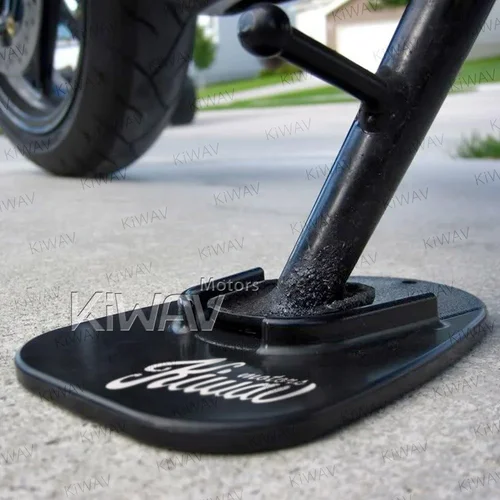
Expert Tips for Getting the Best Deal
1. Buy During Off-Season Sales: Motorcycle gear sees discounts in late fall and winter (November–February). Retailers clear inventory before spring riding season. Sign up for newsletters from RevZilla, Cycle Gear, or MotoSport to catch flash sales.
2. Bundle with Other Accessories: Many online stores offer discounts when you buy multiple items. Pair your kickstand pad with a phone mount, tank bag, or tool kit to save 10–15%.
3. Check Manufacturer Direct: Brands like SW-Motech often run exclusive promotions on their websites, including free shipping or gift cards. You’ll also get accurate fitment info and direct support.
4. Consider Refurbished or Open-Box: High-end pads rarely show wear, so certified refurbished units from reputable sellers can save 20–30% with full functionality.
5. Read the Fine Print on Returns: Ensure the seller accepts returns within 30–60 days, even if the item is opened. Some retailers charge restocking fees—avoid these unless absolutely necessary.
6. Test Fit Before Finalizing: If buying locally, ask to test the pad on your bike before purchasing. For online orders, keep packaging intact until you confirm fit and function.
7. Join Rider Forums: Communities like AdvRider, Reddit’s r/motorcycles, or brand-specific groups often share exclusive discount codes or group-buy opportunities.
8. Don’t Overlook Local Bike Shops: While prices may be slightly higher, supporting local businesses often comes with personalized advice, free installation, and easier returns.
Frequently Asked Questions
Q: Will a kickstand pad damage my garage floor?
A: Most quality pads are designed to be non-marking. Rubber and TPE models won’t leave residue, while aluminum pads with rubber bases protect both your bike and flooring. Avoid bare metal pads on epoxy or painted surfaces.
Q: Can I use a kickstand pad on a center stand?
A: Generally no. Center stands distribute weight differently and often require specialized platforms. Kickstand pads are engineered for side stands only. Using one on a center stand could create instability.
Q: Do I really need a pad if I only ride on pavement?
A: Yes—especially if you park on slopes, hot asphalt (which can soften), or slick surfaces like tile or painted lines. Even small shifts can cause a tip-over. A pad adds insurance against the unexpected.
Q: How do I clean my kickstand pad?
A: Use mild dish soap, warm water, and a soft brush. Avoid harsh solvents like brake cleaner or gasoline, which can degrade rubber and TPE. Rinse thoroughly and let air dry.
Q: Are magnetic pads secure enough?
A: High-strength neodymium magnets (like those in Rox Risers) are very secure for street use. However, they may not hold on extremely heavy bikes (>800 lbs) or in high-vibration environments like off-road trails. For peace of mind, choose bolt-on models for heavy-duty applications.
Q: Can a kickstand pad prevent theft?
A: No—it’s not a security device. However, a stable bike is less likely to fall and attract attention, and some riders use brightly colored pads as a visual deterrent. Always use a disc lock or chain for theft prevention.
Q: What’s the difference between a kickstand pad and a stand extender?
A: A pad sits under the existing stand foot to increase surface area. An extender replaces or lengthens the stand itself, often adding height for better ground clearance. Pads are simpler and cheaper; extenders require more installation but solve different problems.
Q: Will a pad affect my bike’s warranty?
A: No. Aftermarket kickstand pads are considered non-invasive accessories and won’t void your manufacturer warranty unless improperly installed and causing damage (which is rare with quality products).
Q: How often should I replace my kickstand pad?
A: Inspect it every 3–6 months. Replace if you notice cracking, excessive wear, loss of grip, or deformation. Most quality pads last 2–5 years depending on usage and climate.
Q: Are there eco-friendly options?
A: Yes. Some brands use recycled rubber or biodegradable TPE. Look for certifications like OEKO-TEX or REACH compliance if sustainability is a priority.
Our Final Recommendations
Best for Budget-Conscious Buyers: Grip-Pup Universal Rubber Pad ($15–$20)
A no-frills, reliable option for light to mid-weight bikes. Oil-resistant rubber, 5-inch diameter, and easy snap-on installation. Perfect for commuters who need basic protection without breaking the bank.
Best Overall Value: Rox Risers Ruggedized Kickstand Pad ($35–$45)
Combines TPE durability with a textured surface and universal fit. Lightweight, weatherproof, and trusted by adventure riders worldwide. Excellent balance of price, performance, and longevity.
Best Premium Option: SW-Motech Center Stand Pad ($70–$90)
While technically designed for center stands, SW-Motech’s aluminum platform with rubber base sets the standard for stability and build quality. Adaptable for side stands with minor modification—ideal for heavy touring bikes.
Best for Beginners: Kriega US-20 Universal Pad ($25–$30)
Simple, effective, and backed by Kriega’s reputation for rugged gear. Comes with clear fitment instructions and works on 90% of modern motorcycles. Great first upgrade for new riders.
Best for Advanced Users: Custom CNC-Machined Aluminum Pad by MotoCaddy ($100+)
Handcrafted to order with bike-specific dimensions, anodized finishes, and optional laser engraving. For riders who demand precision, aesthetics, and maximum performance.
Conclusion: Making the Right Choice
Choosing the right motorcycle kickstand pad isn’t just about preventing a tipped bike—it’s about protecting your investment, ensuring your safety, and riding with confidence wherever the road takes you. From material science to real-world fitment, the details matter. A well-chosen pad delivers silent, reliable support mile after mile, whether you’re parked at a scenic overlook or squeezed into a crowded city curb.
As you weigh your options, prioritize your specific needs: bike weight, typical terrain, climate, and aesthetic preferences. Don’t let price alone dictate your decision—invest in quality that matches your riding style. And remember, the best pad is the one you actually use. If it’s too bulky to carry or a hassle to install, it’ll end up forgotten in a drawer.
Take the time to measure, research, and read recent reviews. Use the guidelines in this guide to narrow your choices, and don’t hesitate to reach out to manufacturers for fitment advice. Your motorcycle deserves the same thoughtful care you give its engine, tires, and electronics—and that includes the humble but heroic kickstand pad.
So go ahead: upgrade that small but vital piece of your ride. The next time you park on soft ground or a steep incline, you’ll be glad you did. Safe riding—and may your stands always stay firm.