
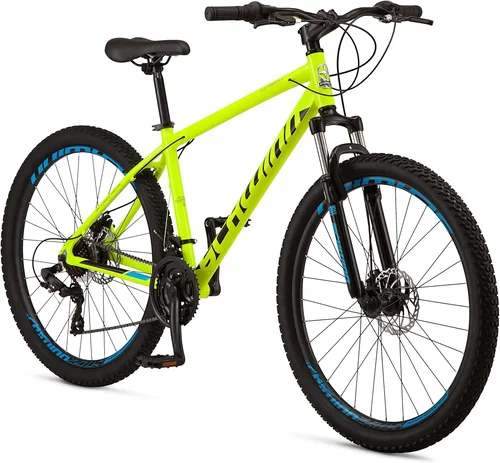
Full suspension mountain bikes have revolutionized off-road cycling, offering riders unmatched control, comfort, and confidence on technical terrain. Whether you’re tackling rocky descents, root-strewn trails, or steep climbs, the dual suspension system absorbs impacts and maintains traction where hardtails simply can’t keep up. Yet for many riders—especially those new to the sport or working within a tight budget—the idea of owning a quality full suspension MTB can feel out of reach. With prices often starting well above $2,000 and climbing rapidly into premium territory, it’s easy to assume that performance and affordability are mutually exclusive.
That’s where this guide comes in. We’re here to demystify the process of finding a capable, reliable full suspension mountain bike without breaking the bank. Whether you’re a weekend warrior, a trail enthusiast, or someone just getting serious about mountain biking, understanding what truly matters in a budget-friendly full suspension setup can make all the difference. This comprehensive buying guide will walk you through every critical factor—from frame materials and suspension travel to component quality and brand reputation—so you can make an informed decision that aligns with your riding style, terrain, and financial reality. You’ll learn how to spot hidden value, avoid common pitfalls, and stretch your dollar further than you thought possible.
The market for budget full suspension mountain bikes has evolved dramatically over the past few years. Thanks to advancements in manufacturing, increased competition among brands, and the rise of direct-to-consumer models, high-performance features once reserved for elite-level machines are now accessible at surprisingly affordable price points. From aluminum frames with modern geometry to hydraulic disc brakes and 12-speed drivetrains, today’s entry-level and mid-range full suspension bikes offer more capability than ever before. However, not all budget bikes are created equal. Some cut corners in critical areas like suspension tuning or drivetrain durability, while others deliver exceptional value by prioritizing rider experience over flashy branding. Our goal is to help you navigate this landscape with confidence, so you end up with a bike that doesn’t just meet your expectations—but exceeds them.

What to Look for When Buying a Full Suspension MTB
1. Budget & Price Range
Your budget is the single most important factor when shopping for a full suspension mountain bike. It sets the boundaries for what’s possible and helps you focus your search on realistic options. For 2026, the sweet spot for a capable, trail-ready full suspension MTB typically falls between $1,500 and $2,500. At this price range, you’ll find bikes with modern geometry, quality suspension components, and reliable drivetrains that can handle everything from local singletrack to weekend adventures at mountain bike parks.
Below $1,500, options become limited—you’ll mostly encounter entry-level models with basic components, heavier frames, and less refined suspension performance. While these bikes can still be fun and functional for casual riders or beginners, they may struggle on more demanding terrain or require frequent upgrades. On the other end, bikes above $2,500 start to offer significant improvements in weight, suspension performance, and component quality, but the marginal gains often don’t justify the cost unless you’re riding aggressively or competing.
When setting your budget, remember to factor in additional costs like pedals (many budget bikes don’t include them), a helmet, gloves, and possibly a basic tool kit. Also consider future maintenance—full suspension bikes require more upkeep than hardtails, so setting aside $100–$200 annually for service is wise. A good rule of thumb: spend no more than 70% of your total cycling budget on the bike itself, leaving room for essential gear and upkeep.
2. Frame Material & Construction
The frame is the foundation of any mountain bike, and its material directly impacts weight, durability, ride quality, and cost. For budget full suspension bikes, aluminum alloy is by far the most common—and for good reason. Modern aluminum frames are lighter, stiffer, and more corrosion-resistant than ever, thanks to advanced forming techniques like hydroforming and butted tubing. These processes allow manufacturers to vary wall thickness along the tube, reducing weight where possible while maintaining strength where it’s needed most.
Look for frames labeled as “double-butted” or “triple-butted,” which indicate higher-quality construction. Brands like Trek, Giant, and Specialized use proprietary aluminum alloys (e.g., Alpha Aluminum, ALUXX, or M5) that offer excellent strength-to-weight ratios. Avoid bikes with overly heavy or poorly welded frames—these often signal cost-cutting in manufacturing.
Carbon fiber frames are rare in the budget segment, appearing only in select mid-to-high-end models. While carbon offers superior vibration damping and lighter weight, it comes at a significant premium and isn’t necessary for most recreational riders. Stick with well-engineered aluminum for the best balance of performance, durability, and value.
Also pay attention to frame geometry. Modern trail bikes feature slack head angles (65–66°), long reach measurements, and low bottom brackets—all of which enhance stability at speed and on steep terrain. A bike with outdated geometry (e.g., steep head tube angle, short wheelbase) will feel nervous and less confident, even if the components are decent.
3. Suspension Travel & Tuning
Suspension travel refers to how far the front fork and rear shock can compress—typically measured in millimeters (mm). For trail and all-mountain riding, most budget full suspension bikes offer between 120mm and 150mm of travel front and rear. This range strikes a great balance between climbing efficiency and descending capability.
More travel isn’t always better. A 160mm+ bike may excel on rough descents but will feel sluggish on climbs and technical terrain. Conversely, a 100mm trail bike might be efficient uphill but lack control on fast, rocky descents. Match your travel to your riding style: 120–130mm is ideal for cross-country and light trail riding; 140–150mm suits aggressive trail and all-mountain use.
Equally important is suspension tuning. A well-tuned shock and fork provide smooth small-bump sensitivity, progressive bottom-out resistance, and minimal pedal bob. Unfortunately, many budget bikes come with basic coil shocks or low-end air shocks that lack adjustability. Look for bikes with air-sprung rear shocks (lighter and more tunable than coil) and forks with compression and rebound damping controls.
Brands like RockShox (Recon, Judy, or Monarch shocks) and Fox (32 or Float DPS) offer reliable, serviceable suspension at accessible price points. Avoid proprietary or obscure suspension systems that are hard to service or lack aftermarket support. If possible, test ride the bike to feel how the suspension responds—does it absorb roots and rocks smoothly, or does it feel harsh and uncontrolled?
4. Drivetrain & Gearing
The drivetrain is the heart of your bike’s shifting performance, and it’s one area where budget bikes often show their limitations. In 2026, a 1x (single chainring) drivetrain is standard on nearly all full suspension MTBs—and for good reason. It simplifies shifting, reduces weight, eliminates front derailleur issues, and provides a wide gear range when paired with a large-cassette.
For budget builds, Shimano Deore (10 or 11-speed) and SRAM NX (11 or 12-speed) are the most common and reliable options. Shimano Deore offers excellent value, smooth shifting, and broad compatibility. SRAM NX is slightly lighter and features a wider 11-50T cassette, giving you lower gears for steep climbs. Both are solid choices for trail riding.
Avoid bikes with outdated 2x or 3x drivetrains unless you specifically need ultra-wide gear ranges for bikepacking or extreme climbing. Also steer clear of no-name or generic drivetrain components—these often lack durability and precise shifting.
Pay attention to the cassette range. A 10-51T or 11-50T cassette provides enough range for most trail conditions. If you live in a hilly area or plan to ride steep alpine trails, prioritize a wider range. Chain quality matters too—look for bikes with at least a KMC or Shimano chain, which last longer and shift more smoothly than generic alternatives.
5. Brakes: Stopping Power Matters
Hydraulic disc brakes are non-negotiable on any full suspension mountain bike—even on a budget. They offer consistent, powerful stopping in all conditions, require less hand effort, and modulate better than mechanical discs or rim brakes. In wet, muddy, or steep terrain, reliable brakes can mean the difference between a safe descent and a crash.
For budget bikes, Shimano MT200/MT400 or SRAM Level T brakes are common and effective. They may not have the bleeding-edge performance of top-tier models, but they’re more than capable for trail riding. Look for at least 160mm rotors front and rear—180mm is better for heavier riders or aggressive descents.
Avoid bikes with mechanical disc brakes or, worse, rim brakes. These lack the power and consistency needed for full suspension riding, especially when the bike is loaded with water, gear, or mud. Also check brake lever reach adjustability—this allows you to customize lever position for smaller or larger hands, improving comfort and control.
6. Wheels & Tires
Wheels and tires significantly influence ride quality, traction, and rolling resistance. On a budget full suspension bike, you’ll typically find alloy rims (usually 27.5” or 29”) with tubeless-ready capabilities. Tubeless setups reduce puncture risk, allow lower tire pressures for better grip, and eliminate the hassle of inner tubes—so prioritize bikes that support it.
Wheel size affects handling: 29ers roll faster and smoother over obstacles, making them ideal for cross-country and flow trails. 27.5” wheels are more agile and playful, better suited to tight, technical terrain. Many modern bikes offer “mullet” setups (29” front, 27.5” rear), blending the best of both worlds.
Tire choice is equally important. Look for bikes with reputable brands like Maxxis, Schwalbe, or Continental. A 2.3”–2.6” wide tire with aggressive tread provides excellent grip on loose or rocky trails. Avoid bikes with overly narrow or slick tires—these compromise traction and control.
Check if the wheels are hand-built or machine-laced. Hand-built wheels are often stronger and better tensioned, though harder to find on budget models. At minimum, ensure the hubs have sealed bearings and reasonable engagement (look for 28–36 points of engagement).
7. Brand Reputation & Support
Not all bike brands are created equal—especially when it comes to customer service, warranty support, and long-term reliability. Established brands like Trek, Giant, Specialized, Cannondale, and Santa Cruz have decades of experience and robust dealer networks. Even their budget models benefit from rigorous testing, quality control, and accessible service.
Emerging direct-to-consumer brands (like YT Industries, Canyon, or Polygon) often offer exceptional value by cutting out the middleman. However, they may have limited local support, longer shipping times, and less flexible return policies. If you choose a DTC brand, research their warranty terms, service options, and customer reviews thoroughly.
Avoid obscure or no-name brands sold exclusively through online marketplaces. These bikes often use generic components, lack proper documentation, and may not meet safety standards. A reputable brand ensures you’re getting a safe, well-designed product with recourse if something goes wrong.
8. Warranty & After-Sales Support
A strong warranty is a sign of a manufacturer’s confidence in their product—and your safety net if things go wrong. Most reputable brands offer at least a 2-year warranty on the frame and 1 year on components. Some, like Trek and Giant, provide lifetime frame warranties (often transferable), which is a huge advantage if you plan to keep the bike long-term.
Read the fine print: many warranties require regular maintenance, proof of purchase, and registration within a certain timeframe. Also check what’s covered—some exclude wear items like tires, chains, or brake pads, while others cover manufacturing defects only.
After-sales support matters too. Can you easily find replacement parts? Is there a local dealer or service center? Do they offer crash replacement programs? These factors become critical if you damage your frame or need a warranty claim. A bike with a great spec sheet but poor support can turn into a costly headache.
Different Types of Full Suspension MTBs

Common Buying Mistakes to Avoid
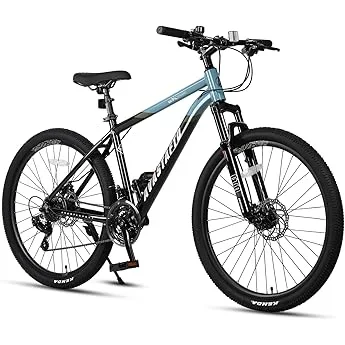
❌ Mistake: Prioritizing Price Over Geometry
Why it’s bad: A cheap bike with outdated geometry will feel unstable, inefficient, and uncomfortable—even if it has shiny components. Modern trail geometry (slack head angle, long reach, low BB) is essential for confidence on descents and control on technical terrain.
What to do instead: Always check the geometry chart before buying. Compare reach, stack, head angle, and wheelbase to current standards. A slightly more expensive bike with better geometry is almost always worth the investment.
❌ Mistake: Ignoring Suspension Tuning
Why it’s bad: Many budget bikes come with poorly tuned shocks and forks that feel harsh, bottom out easily, or pedal inefficiently. This ruins the ride experience and can lead to premature wear.
What to do instead: Look for bikes with reputable suspension brands (RockShox, Fox) and adjustable damping. If possible, test ride the bike or watch detailed reviews that discuss suspension feel.
❌ Mistake: Overlooking Drivetrain Quality
Why it’s bad: A weak or outdated drivetrain leads to poor shifting, chain drops, and frequent maintenance. It can also limit your ability to tackle steep climbs or fast descents.
What to do instead: Stick with Shimano Deore or SRAM NX and above. Avoid 2x systems unless you have a specific need. Ensure the cassette has a wide range (at least 11-46T).
❌ Mistake: Skipping the Test Ride
Why it’s bad: Specs don’t tell the whole story. A bike that looks great on paper might feel awkward, too stiff, or poorly balanced in real life.
What to do instead: Visit local bike shops or demo events. Even if you buy online, test similar models first. Pay attention to how the bike handles corners, climbs, and descends.
❌ Mistake: Forgetting About Maintenance Costs
Why it’s bad: Full suspension bikes require more upkeep than hardtails—suspension service, pivot bearings, brake bleeds, etc. Ignoring this can lead to unexpected expenses.
What to do instead: Budget $100–$200 annually for maintenance. Learn basic service skills or find a reliable local shop. Choose bikes with serviceable, standard components.
❌ Mistake: Buying Based on Brand Hype Alone
Why it’s bad: Just because a brand is popular doesn’t mean their budget model is good. Some brands cut corners on entry-level bikes to protect premium margins.
What to do instead: Research specific models, not just brands. Read independent reviews, check forums, and compare component specs across competitors.
❌ Mistake: Neglecting Fit and Sizing
Why it’s bad: A bike that doesn’t fit properly causes discomfort, reduces control, and increases injury risk—especially on long or technical rides.
What to do instead: Use the manufacturer’s size chart and consider a professional bike fit if possible. Pay attention to reach, stack, and standover height.
Budget Guidelines: How Much Should You Spend?
– Entry-Level ($1,200–$1,600): Expect basic aluminum frames, entry-level suspension (coil shocks, minimal adjustability), and lower-tier drivetrains (Shimano Altus/Acera or SRAM X5). These bikes are best for beginners or light trail use. You’ll likely need upgrades within a year.
– Mid-Range ($1,600–$2,500): This is the sweet spot for most riders. You’ll find modern geometry, air-sprung suspension, 1×11 or 1×12 drivetrains (Deore or NX), and hydraulic disc brakes. Bikes in this range offer excellent value and can handle aggressive trail riding with minimal upgrades.
– Premium ($2,500–$3,500): For enthusiasts and serious trail riders. Expect lighter frames, higher-end suspension (Fox 34, RockShox Pike), better drivetrains (SLX, GX), and improved wheels. These bikes are durable, tunable, and ready for all-day adventures.
– Luxury ($3,500+): Top-tier performance with carbon frames, elite suspension, wireless shifting, and ultra-lightweight builds. Ideal for racers, bikepackers, or those who want the best. Overkill for casual riders.
Expert Tips for Getting the Best Deal
– Buy at the Right Time: Late summer and fall (August–October) are prime times for discounts as shops clear out inventory for new models. Black Friday and end-of-year sales can yield 15–25% off.
– Consider Last Year’s Model: Bikes from the previous year often see steep discounts while offering nearly identical performance. Check for “2025 model” sales in early 2026.
– Shop Direct-to-Consumer Brands: Canyon, YT, and Polygon offer high-spec bikes at lower prices by eliminating retail markups. Just ensure they ship to your area and have good return policies.
– Look for Package Deals: Some retailers bundle helmets, pedals, or service plans with bike purchases. These can save $100–$200 in added value.
– Check Return & Exchange Policies: Especially important for online purchases. Ensure you can return or exchange the bike within 30 days if it doesn’t fit or meet expectations.
– Negotiate at Local Shops: Many bike shops will match online prices or throw in free service, fitting, or accessories if you buy in-store.
– Inspect Before You Ride: Check for shipping damage, loose bolts, and proper assembly. Most shops offer free first tune-ups—take advantage.
– Join Loyalty Programs: Brands like Trek and Giant offer member discounts, exclusive sales, and early access to new models.

Frequently Asked Questions
Q: Can I get a good full suspension MTB under $1,500?
A: Yes, but with compromises. You’ll find entry-level models with basic suspension, heavier frames, and lower-tier components. They’re fine for beginners or light trail use, but may require upgrades sooner. Prioritize geometry and suspension brand over flashy specs.
Q: Is a 29er or 27.5” wheel better for me?
A: 29ers roll faster and smoother, ideal for cross-country and flow trails. 27.5” wheels are more playful and agile, better for tight, technical terrain. Many riders prefer 29ers for general trail riding, but it depends on your style and local trails.
Q: Do I need a dropper post?
A: Highly recommended. A dropper post lets you lower your saddle on descents for better control and maneuverability. Many budget bikes now include them—look for at least 100mm of travel.
Q: Should I go tubeless?
A: Absolutely. Tubeless setups reduce flats, allow lower tire pressures for better grip, and improve ride quality. Most budget full suspension bikes are tubeless-ready—just add sealant and valves.
Q: How often should I service my suspension?
A: Basic maintenance (cleaning, checking sag) every ride. Full service (seals, oil) every 50–100 hours of riding or annually. Check your fork and shock manuals for specifics.
Q: Can I upgrade components later?
A: Yes, but prioritize frame, suspension, and wheels—these are costly to replace. Drivetrain, brakes, and cockpit parts are easier and cheaper to upgrade over time.
Q: Are direct-to-consumer bikes reliable?
A: Many are, especially brands like Canyon and YT. However, they may lack local support. Research warranty terms, shipping costs, and return policies before buying.
Q: What’s the difference between trail and enduro bikes?
A: Trail bikes (120–150mm travel) balance climbing and descending. Enduro bikes (150–180mm) prioritize downhill performance and are heavier, less efficient on climbs. Choose based on your terrain.
Q: Do I need a full suspension bike as a beginner?
A: Not necessarily. A hardtail is cheaper, lighter, and easier to maintain—great for learning fundamentals. But if you ride technical trails often, a full suspension bike offers more confidence and control.
Q: How do I know if a bike fits me?
A: Use the manufacturer’s size chart based on your height and inseam. Test ride if possible. Key fit points: standover clearance, reach (should feel stretched but not strained), and saddle height.
Our Final Recommendations
– Best for Budget-Conscious Buyers: Giant Stance 29 2 ($1,650) – Modern geometry, RockShox suspension, Shimano Deore drivetrain, and tubeless-ready wheels. Excellent value for trail riding.
– Best Overall Value: Trek Fuel EX 5 ($2,299) – Balanced 130mm travel, Alpha Aluminum frame, SRAM NX Eagle, and lifetime frame warranty. A true do-it-all trail machine.
– Best Premium Option: Specialized Stumpjumper Alloy 29 ($2,700) – M5 alloy frame, Fox Float DPS shock, Shimano SLX, and progressive geometry. Ready for aggressive trail and enduro use.
– Best for Beginners: Cannondale Trail SE 4 ($1,499) – SmartForm C3 alloy frame, 120mm travel, and reliable components. Great entry point with room to grow.
– Best for Advanced Users: YT Jeffsy Core 3 ($2,499) – Direct-to-consumer gem with Fox 34 fork, RockShox Super Deluxe shock, and SRAM GX Eagle. High performance at a competitive price.
Conclusion: Making the Right Choice
Choosing the right full suspension mountain bike on a budget doesn’t have to be overwhelming—or expensive. By focusing on key factors like frame quality, suspension performance, drivetrain reliability, and brand support, you can find a bike that delivers real trail capability without draining your wallet. Remember, the best bike isn’t the one with the most travel or the flashiest components—it’s the one that fits your body, matches your riding style, and inspires you to get out and ride.
Don’t let budget constraints limit your adventure. With the insights from this guide, you’re equipped to make a smart, informed decision that balances performance, durability, and value. Whether you’re climbing alpine trails, shredding local singletrack, or exploring backcountry routes, the right full suspension MTB will open up new possibilities and deepen your connection to the trail.
So take your time, do your research, test ride when you can, and prioritize what truly matters to you. And when you finally find that perfect bike—within your budget and built for your adventures—you’ll know it was worth the wait. Now go ride.