
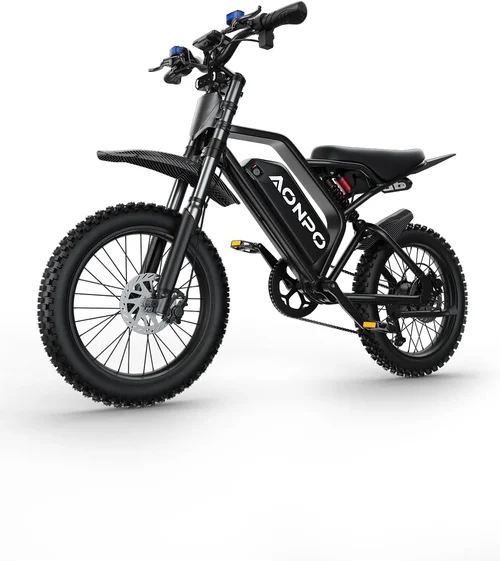
Electric off-road motorcycles have surged in popularity over the past few years, and for good reason. They combine the thrill of traditional dirt biking with the quiet efficiency, instant torque, and eco-friendly operation of electric powertrains. Whether you’re a weekend warrior hitting the trails, a motocross enthusiast looking to go green, or an adventurer seeking silent exploration in remote terrain, electric off-road motorcycles offer a compelling alternative to gas-powered bikes. As battery technology improves and manufacturers invest more in R&D, these machines are becoming faster, lighter, and more capable than ever before.
This comprehensive buyer’s guide is designed to help you navigate the rapidly evolving world of electric off-road motorcycles in 2026. We’ll walk you through everything you need to know—from performance specs and build quality to budget considerations and brand reliability. You’ll learn how to evaluate key features, avoid common pitfalls, and ultimately choose the right bike for your riding style, terrain, and financial situation. Whether you’re a beginner or a seasoned rider, this guide will equip you with the knowledge to make a confident, informed purchase.
The market today offers a wide range of options, from entry-level trail bikes under $5,000 to high-performance race machines exceeding $20,000. Major players like Zero Motorcycles, Cake, KTM, and Sur Ron are pushing the boundaries, while emerging brands are introducing innovative designs and competitive pricing. With so many choices, it’s easy to feel overwhelmed. That’s why we’ve distilled the essentials into a clear, actionable roadmap. By the end of this guide, you’ll know exactly what to prioritize, what to avoid, and which models deliver the best value for your needs.
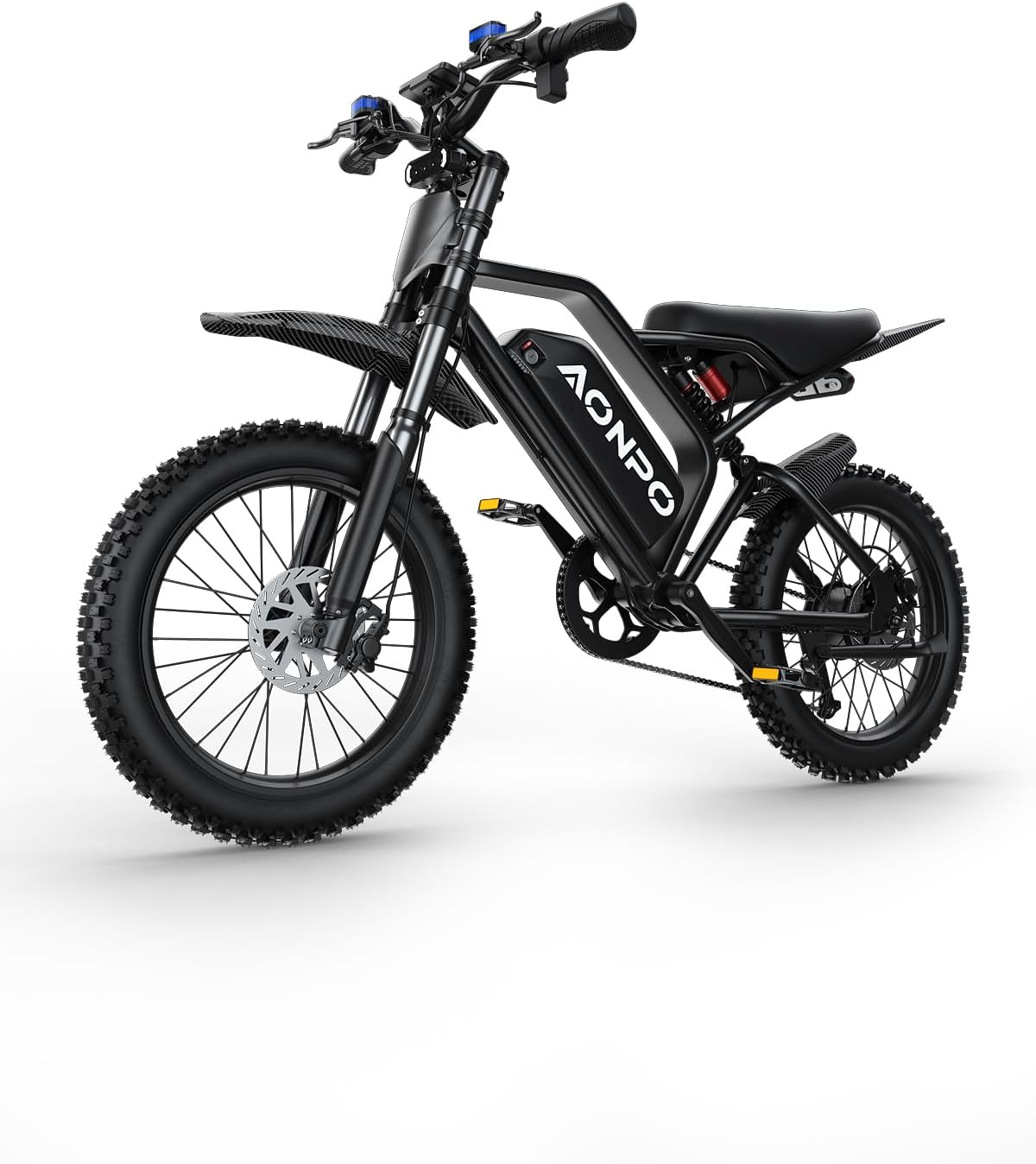
What to Look for When Buying an Electric Off-Road Motorcycle
1. Budget & Price Range
Your budget is the foundation of your buying decision. Electric off-road motorcycles vary dramatically in price, from affordable entry-level models to premium race-ready machines. Setting a realistic budget upfront helps narrow your options and prevents overspending on features you may not need. Consider not just the upfront cost, but also long-term expenses like maintenance, battery replacement, and potential upgrades.
Entry-level bikes typically range from $3,000 to $7,000 and are ideal for casual trail riding or beginners. Mid-range models ($7,000–$15,000) offer better performance, longer range, and improved build quality, making them suitable for serious off-roaders. Premium bikes ($15,000–$25,000) deliver race-level power, advanced suspension, and top-tier components. Luxury or competition-focused models can exceed $25,000 and are built for professional riders or extreme performance enthusiasts.
2. Performance Specifications
Performance is where electric motorcycles truly shine. Unlike gas engines, electric motors deliver 100% torque instantly, providing explosive acceleration off the line. When evaluating performance, focus on three key metrics: power (measured in horsepower or kilowatts), torque (in lb-ft or Nm), and top speed.
For off-road use, torque is often more important than top speed. A bike with high torque will climb steep hills, power through mud, and accelerate quickly from a stop—critical for technical terrain. Look for models with at least 50 lb-ft of torque for trail riding, and 80+ lb-ft for aggressive or competitive use. Power output typically ranges from 10 kW (13 hp) on lightweight bikes to over 50 kW (67 hp) on high-performance models.
Range is another critical performance factor. Most electric off-road motorcycles offer between 30 and 80 miles per charge, depending on riding style, terrain, and battery capacity. Aggressive riding or hilly trails will drain the battery faster. Consider bikes with swappable batteries if you plan on long rides or multi-day adventures.
3. Build Quality & Durability
Off-road riding is inherently tough on equipment. Your bike will face mud, rocks, jumps, and constant vibration. That’s why build quality and durability are non-negotiable. Look for motorcycles with robust frames made from high-strength steel or aluminum alloys. Weld quality, frame geometry, and suspension mounting points should feel solid and well-engineered.
Suspension components are equally important. Quality forks and rear shocks absorb impacts and maintain traction. Look for adjustable suspension with at least 8–10 inches of travel for serious off-road use. Premium models often feature inverted forks, linkage rear suspension, and compression/rebound damping adjustments.
Tires, wheels, and braking systems also contribute to durability. Knobby, puncture-resistant tires are essential for grip on loose terrain. Spoked wheels are stronger than cast wheels for off-road abuse. Hydraulic disc brakes with large rotors provide reliable stopping power, especially when descending steep trails.
4. Features & Functionality
Modern electric off-road motorcycles come packed with features that enhance performance, safety, and convenience. Pay attention to the electronics and rider aids included.
Regenerative braking is a standout feature—it recaptures energy during deceleration and feeds it back into the battery, extending range. Some bikes allow you to adjust regen levels via the display or handlebar controls.
Ride modes are another valuable feature. Most electric bikes offer multiple modes (e.g., Eco, Trail, Sport, Race) that adjust power delivery, throttle response, and regen strength. This lets you tailor performance to your skill level and terrain.
A digital display or smartphone integration provides real-time data like speed, battery level, range estimate, and trip stats. Some models even offer GPS navigation, ride tracking, and over-the-air software updates.
Other useful features include LED lighting for night riding, quick-release battery systems, and waterproof connectors. Consider whether the bike has a kickstand, luggage racks, or accessory mounts if you plan on long trips.
5. Brand Reputation & Reliability
Not all electric motorcycle brands are created equal. Established manufacturers with a track record in the industry—like Zero, KTM, and Husqvarna—tend to offer better engineering, customer support, and long-term reliability. Emerging brands may offer innovative designs or lower prices, but they often lack proven durability or widespread service networks.
Research brand reputation by reading owner reviews, checking forums, and looking at warranty claims. Brands with strong dealer networks and certified service centers make maintenance and repairs much easier. Also, consider how long the company has been in business and whether they’ve released multiple generations of the same model—this often indicates refinement and reliability.
Customer service responsiveness is another key factor. If you run into an issue, you want a brand that stands behind its products with timely support and accessible parts.
6. Warranty & Support
A solid warranty is a sign of confidence in a product’s quality. Most reputable electric off-road motorcycles come with a 1–2 year comprehensive warranty covering the frame, motor, and electronics. Some brands extend coverage to 3 years or offer extended plans for purchase.
Pay special attention to battery warranty. Lithium-ion batteries degrade over time, and replacement can cost $2,000–$4,000. Look for warranties that cover battery capacity loss (e.g., 70% capacity after 3 years) rather than just defects. Some manufacturers offer battery health monitoring via apps.
Support also includes access to service centers, online resources, and spare parts availability. Brands with global or national dealer networks make it easier to get help when you need it. Check if the manufacturer provides service manuals, video tutorials, or remote diagnostics.
7. Size & Portability
Size matters—especially if you plan to transport your bike frequently. Electric off-road motorcycles vary in weight from under 100 lbs (lightweight trail bikes) to over 250 lbs (full-size race machines). Heavier bikes offer more stability and durability but are harder to maneuver in tight trails and more difficult to load onto trailers.
Consider the bike’s dimensions: seat height, wheelbase, and overall length. Taller seat heights (34–37 inches) suit experienced riders but can be intimidating for beginners. Shorter wheelbases improve agility but may reduce high-speed stability.
Portability also includes ease of transport. Look for bikes with foldable footpegs, removable batteries, or lightweight designs if you’ll be trailering or carrying the bike often. Some models are designed to fit in the bed of a pickup truck without a ramp.
8. User Reviews & Ratings
Nothing beats real-world experience. Before making a purchase, read user reviews on forums, YouTube, and retailer sites. Look for patterns—consistent praise for reliability or complaints about battery life can reveal important insights.
Pay attention to reviews from riders with similar skill levels and usage patterns. A bike praised by weekend trail riders might not hold up under professional motocross conditions. Also, check how long reviewers have owned the bike—short-term reviews may miss long-term durability issues.
Ratings on sites like RevZilla, Cycle World, or Electric Bike Review can provide a quick snapshot, but dive deeper into detailed written or video reviews for a fuller picture.
Different Types of Electric Off-Road Motorcycles

Common Buying Mistakes to Avoid
❌ Mistake: Ignoring Battery Life and Charging Time
Why it’s bad: A bike with a small battery may leave you stranded on long rides. Slow charging can ruin your adventure if you need a quick top-up. Many buyers focus only on power and forget about real-world range and charging logistics.
What to do instead: Check the battery capacity (in kWh), estimated range under your riding conditions, and charging time (Level 1 vs. Level 2). Look for bikes with fast-charging capability or swappable batteries for extended trips.
❌ Mistake: Overlooking Suspension and Frame Quality
Why it’s bad: Cheap suspension leads to poor handling, reduced traction, and increased fatigue. A weak frame can crack under stress, leading to safety risks and costly repairs.
What to do instead: Prioritize bikes with reputable suspension brands (e.g., WP, Showa, KYB) and reinforced frames. Test ride if possible to feel how the bike handles bumps and jumps.
❌ Mistake: Buying Based on Price Alone
Why it’s bad: The cheapest bike often sacrifices durability, performance, and support. You may end up spending more on repairs or upgrades than if you’d bought a better model upfront.
What to do instead: Balance price with value. Consider total cost of ownership, including maintenance, battery life, and resale value. A mid-range bike with solid reviews often offers the best long-term value.
❌ Mistake: Not Considering Terrain and Riding Style
Why it’s bad: A motocross bike is overkill for gentle forest trails, while a lightweight trail bike won’t handle rocky mountain terrain. Mismatched bikes lead to frustration and poor performance.
What to do instead: Match the bike to your primary use. Trail riders should prioritize comfort and range; racers need power and agility. Research which models excel in your specific terrain.
❌ Mistake: Skipping the Test Ride
Why it’s bad: Specs don’t tell the whole story. A bike might look great on paper but feel uncomfortable or unbalanced in real life.
What to do instead: Always test ride before buying, if possible. Many dealers offer demo days or rental programs. Pay attention to ergonomics, weight distribution, and throttle response.
❌ Mistake: Ignoring Warranty and Service Network
Why it’s bad: A bike with no local service centers or a weak warranty can leave you stranded with a broken machine and no support.
What to do instead: Choose a brand with a strong dealer network in your area. Verify warranty terms, especially for the battery and motor. Check online for user experiences with customer service.
❌ Mistake: Forgetting About Resale Value
Why it’s bad: Some electric bikes depreciate quickly, especially from lesser-known brands. You could lose thousands when it’s time to upgrade.
What to do instead: Research resale values on forums and resale sites. Established brands like Zero and KTM tend to hold value better. Keep maintenance records to boost resale appeal.
Budget Guidelines: How Much Should You Spend?
Entry-Level ($3,000 – $7,000): This tier is ideal for beginners, casual riders, or those on a tight budget. Bikes in this range, like the Sur Ron LBX or Cake Kalk OR, offer solid performance for trail riding and light off-road use. Expect modest range (30–50 miles), basic suspension, and limited features. These bikes are great for learning but may lack the durability for aggressive riding.
Mid-Range ($7,000 – $15,000): This is the sweet spot for most buyers. Models like the Zero FXE or KTM Freeride E-XC deliver excellent performance, longer range (50–80 miles), and higher build quality. You’ll get better suspension, more power, and useful features like ride modes and regenerative braking. These bikes handle technical terrain well and are suitable for serious off-road enthusiasts.
Premium ($15,000 – $25,000): For advanced riders and professionals, premium bikes offer race-level performance. The Zero SR/F Off-Road or Husqvarna EE 5 feature high-output motors, lightweight frames, and top-tier components. Expect 80+ miles of range, fast charging, and advanced electronics. These machines are built for competition, long adventures, or extreme terrain.
Luxury ($25,000+): At this level, you’re paying for cutting-edge technology, bespoke design, and maximum performance. Limited-edition models or custom builds may include carbon fiber parts, AI-assisted ride tuning, or ultra-fast charging. These are for collectors, pro riders, or those who want the absolute best—no compromises.
Expert Tips for Getting the Best Deal
1. Time Your Purchase: Look for end-of-season sales (late summer/fall) when dealers clear inventory for new models. Manufacturers often offer rebates or financing deals during holidays like Black Friday or Memorial Day.
2. Buy from Authorized Dealers: While online retailers may offer lower prices, authorized dealers provide better support, warranty service, and often include free setup or training. They’re also more likely to honor recalls and software updates.
3. Negotiate Add-Ons: Don’t just focus on the bike price. Ask for free gear (helmet, gloves), extended warranties, or charging equipment. Dealers may throw in extras to close the deal.
4. Check for Incentives: Some states and countries offer tax credits or rebates for electric vehicle purchases. Research local programs—you could save hundreds or even thousands.
5. Read the Fine Print: Understand warranty terms, return policies, and shipping costs. Some “free shipping” deals have hidden fees or long delivery times.
6. Test Before You Buy: Attend demo days, rent a similar model, or visit a dealer for a test ride. This helps you avoid buyer’s remorse and ensures the bike fits your needs.
7. Consider Financing: Many brands offer low-interest financing or lease options. This can make a premium bike more affordable by spreading payments over 2–5 years.
8. Join Owner Communities: Online forums and social media groups often share deals, discount codes, or group buys. Members may also sell used bikes at fair prices.

Frequently Asked Questions
Q: How far can an electric off-road motorcycle go on a single charge?
A: Range varies widely based on battery size, riding style, and terrain. Most bikes offer 30–80 miles per charge. Eco mode and flat terrain extend range, while aggressive riding or hills reduce it. Swappable batteries or fast charging can help on long trips.
Q: Are electric off-road motorcycles street-legal?
A: Some models, like the Zero FXS or KTM Freeride E-XC, are street-legal with headlights, turn signals, and mirrors. Others are off-road only. Check local regulations and look for DOT/EPA certification if you plan to ride on roads.
Q: How long do electric motorcycle batteries last?
A: Lithium-ion batteries typically last 500–1,000 charge cycles, or 3–5 years with regular use. Capacity gradually decreases over time. Most manufacturers warranty batteries for 2–3 years or a certain number of cycles.
Q: Do electric bikes require less maintenance than gas bikes?
A: Yes. Electric motors have far fewer moving parts—no oil changes, air filters, or spark plugs. However, you still need to maintain suspension, brakes, tires, and the battery. Regular inspections are still important.
Q: Can I ride an electric off-road motorcycle in the rain?
A: Most electric bikes are water-resistant (IP67 rated), meaning they can handle rain and puddles. Avoid submerging the bike or charging in wet conditions. Always dry connectors before plugging in.
Q: Are electric off-road motorcycles quiet?
A: Yes—much quieter than gas bikes. This is a major advantage for trail riding, as it reduces noise pollution and allows for stealthy exploration. Some riders miss the engine sound, but many appreciate the peace.
Q: How fast do electric off-road motorcycles go?
A: Top speeds range from 45 mph on trail bikes to over 90 mph on high-performance models. Acceleration is often faster than gas bikes due to instant torque, even if top speed is lower.
Q: Can I upgrade the battery or motor later?
A: Some brands offer upgrade kits, but most electric bikes are not easily modifiable. Check with the manufacturer before buying if future upgrades are important to you.
Q: Are there charging stations for electric motorcycles on trails?
A: Not yet widespread, but growing. Some adventure parks and campgrounds are installing EV chargers. For remote trips, portable chargers or solar panels can help.
Q: Is insurance required for electric off-road motorcycles?
A: It depends on local laws and whether the bike is street-legal. Off-road-only bikes may not require insurance, but it’s wise to get coverage for theft or damage.
Our Final Recommendations
Best for Budget-Conscious Buyers: Sur Ron LBX – At around $4,500, this lightweight trail bike delivers impressive performance with 6 kW of power, 40+ mile range, and a durable frame. Ideal for beginners and casual riders.
Best Overall Value: Zero FXE – Priced around $12,000, the FXE offers excellent range (up to 70 miles), street-legal capability, and Zero’s proven reliability. A great balance of performance, features, and support.
Best Premium Option: Zero SR/F Off-Road – With 80+ miles of range, 110 mph top speed, and race-ready components, this $20,000+ machine is built for serious adventurers and competitive riders.
Best for Beginners: Cake Kalk OR – Simple, lightweight, and intuitive, the Kalk OR is perfect for new riders. Its clean design and smooth power delivery make learning safe and fun.
Best for Advanced Users: Husqvarna EE 5 – A full-size electric motocross bike with 50+ kW of power, advanced suspension, and pro-level handling. Designed for experienced riders seeking top-tier performance.
Conclusion: Making the Right Choice
Choosing the best electric off-road motorcycle in 2026 comes down to understanding your needs, prioritizing key features, and doing your research. Whether you’re drawn to the silence of electric power, the thrill of instant torque, or the environmental benefits, there’s a bike out there that’s perfect for you.
Remember to balance performance with practicality—don’t overspend on features you won’t use, but don’t skimp on essentials like build quality and battery life. Test ride when possible, read real user reviews, and choose a brand with strong support and warranty coverage.
The electric off-road revolution is here, and it’s only getting better. With advancing technology, expanding charging infrastructure, and more models hitting the market, now is an exciting time to go electric. Take your time, weigh your options, and invest in a bike that will deliver years of adventure, reliability, and pure riding joy.
Ready to hit the trails? Start your search with confidence—you’ve got the knowledge to make the right choice.