
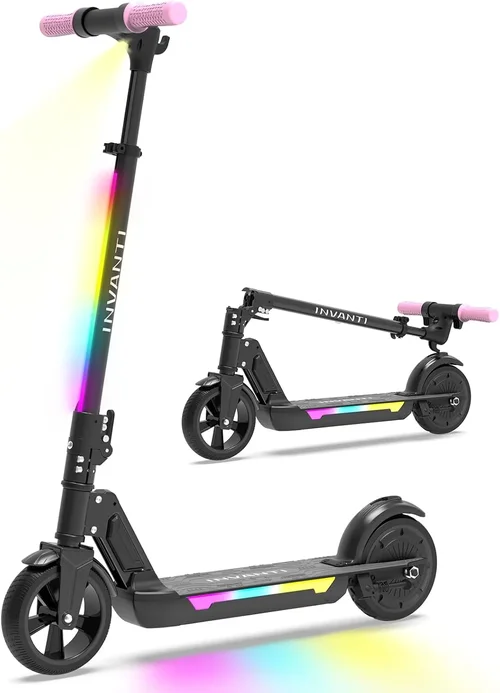
When it comes to choosing the best kids electric scooter, parents today face a surprisingly complex landscape. What once might have been a simple decision—grab the shiniest one at the toy store—has evolved into a nuanced process involving safety, performance, durability, and long-term value. With dozens of brands flooding the market, each promising faster speeds, longer battery life, and cooler designs, it’s easy to feel overwhelmed. But here’s the truth: not all electric scooters for kids are created equal. Some prioritize flashy lights over structural integrity; others boast impressive specs but fall short in real-world use. That’s why this guide exists—to cut through the noise and help you make a smart, informed decision that keeps your child safe, happy, and riding confidently.
In this comprehensive buying guide, you’ll learn everything you need to know to select the ideal electric scooter for your child in 2026. Whether you’re shopping for a 5-year-old just learning balance or a 12-year-old ready to zip around the neighborhood, we’ll walk you through the critical factors that truly matter—from motor power and battery life to build quality and safety certifications. You’ll also discover common pitfalls to avoid, budget-friendly options that don’t sacrifice safety, and expert tips for getting the best deal. By the end, you won’t just know which scooter to buy—you’ll understand why it’s the right choice for your family.
The kids’ electric scooter market has exploded in recent years, driven by advances in battery technology, increased demand for outdoor activities, and a growing emphasis on sustainable transportation. Today’s models range from lightweight, foldable designs perfect for preschoolers to high-performance machines capable of tackling hills and rough terrain. Brands like Razor, Segway-Ninebot, Gotrax, and Hiboy dominate the space, but newer entrants are pushing innovation with features like app connectivity, regenerative braking, and modular designs. With so many options, the key is knowing what to prioritize—and that’s exactly what this guide delivers.

What to Look for When Buying Kids Electric Scooter
1. Age, Weight, and Skill Level Compatibility
One of the most overlooked—but crucial—factors when choosing a kids electric scooter is ensuring it matches your child’s age, weight, and riding experience. Scooters designed for younger children (ages 3–6) typically have lower speed limits (under 8 mph), wider decks for stability, and simpler controls. In contrast, models for older kids (8–14) often feature higher top speeds (up to 15 mph), more responsive throttles, and advanced braking systems. Always check the manufacturer’s recommended age and weight range. For example, a scooter rated for up to 120 lbs won’t perform well—or safely—if your child weighs 130 lbs. Similarly, a beginner shouldn’t start on a high-speed model with minimal safety features. Matching the scooter to your child’s developmental stage ensures a safer, more enjoyable ride and reduces the risk of accidents due to overconfidence or lack of control.
2. Motor Power and Speed Performance
The motor is the heart of any electric scooter, and for kids, it needs to strike a balance between fun and safety. Most children’s scooters feature motors ranging from 150W to 350W. A 150W motor is ideal for flat surfaces and younger riders, offering smooth acceleration and a top speed of around 8–10 mph. For older kids or those riding on inclines, a 250W–350W motor provides better torque and can reach speeds up to 15 mph. However, higher power doesn’t always mean better—especially if your child is still developing coordination. Look for scooters with adjustable speed modes or beginner settings that limit top speed until they gain confidence. Also, consider how quickly the scooter accelerates; sudden bursts can be startling and dangerous for inexperienced riders. A good rule of thumb: choose a motor strong enough to handle your local terrain but not so powerful that it overwhelms your child.
3. Battery Life and Charging Time
Battery performance directly impacts how long your child can ride before needing a recharge—and how often you’ll be plugging in the charger. Most kids’ electric scooters use lithium-ion batteries, which are lightweight, efficient, and long-lasting. Battery capacity is measured in watt-hours (Wh) or ampere-hours (Ah). For younger kids, a 180Wh battery offering 60–90 minutes of runtime is usually sufficient. Older kids may benefit from 250Wh+ batteries that provide 2–3 hours of continuous use. Pay attention to charging time, too: some models take 4–6 hours to fully charge, while others offer fast-charging options (under 3 hours). Avoid scooters with lead-acid batteries—they’re heavier, less efficient, and degrade faster. Also, check if the battery is removable; this makes charging easier and allows for future replacements. Remember, real-world range can vary based on weight, terrain, and speed, so always take manufacturer claims with a grain of salt.
4. Build Quality and Durability
Kids are tough on gear—and scooters are no exception. A well-built scooter should withstand drops, bumps, and daily wear without compromising safety or performance. Look for frames made from high-grade aluminum or reinforced steel, which offer strength without excessive weight. Check the deck material: non-slip, textured surfaces prevent slips, especially in wet conditions. The wheels matter too—larger, air-filled tires (8–10 inches) provide better shock absorption and stability on uneven pavement, while solid rubber tires are maintenance-free but offer a rougher ride. Inspect the folding mechanism (if applicable); it should lock securely and not wobble during use. Avoid flimsy plastics or thin metal that bends easily. A durable scooter not only lasts longer but also maintains its safety integrity over time. Brands like Razor and Segway are known for robust construction, while some budget models cut corners on materials.
5. Safety Features and Certifications
Safety should never be negotiable when it comes to kids’ electric scooters. Start by verifying that the scooter meets recognized safety standards, such as UL 2272 (for electrical systems) or ASTM F2264 (for ride-on toys). These certifications ensure the scooter has been tested for fire resistance, electrical safety, and structural integrity. Beyond certifications, look for essential safety features: reliable brakes (disc or electronic), bright LED headlights and taillights for visibility, and reflectors on the sides and wheels. Some models include rear fender brakes activated by foot pressure—great for teaching proper braking technique. Others offer app-based speed limiters or geofencing to restrict riding zones. Avoid scooters with exposed wiring, loose parts, or poorly designed throttles. Also, ensure the handlebars are height-adjustable and lock securely. A safe scooter gives parents peace of mind and helps kids build responsible riding habits.
6. Weight and Portability
Even though kids are the primary riders, parents often need to carry or store the scooter—especially if it’s used for school commutes or weekend outings. Weight is a key consideration: most kids’ scooters range from 18 to 30 pounds. Lighter models (under 22 lbs) are easier for younger children to maneuver and for adults to lift into cars or carry upstairs. However, ultra-light scooters may sacrifice stability or durability. Portability also depends on foldability. A compact, one-step folding mechanism allows quick storage in trunks, under desks, or in closets. Look for scooters that fold flat and have a secure latch. Some models include carrying handles or shoulder straps for added convenience. If your child will be riding public transit or walking part of the way, prioritize a scooter that’s both lightweight and easy to stow. Remember, a scooter that’s too heavy or bulky may end up unused simply because it’s inconvenient to transport.
7. Tires and Suspension
The type of tires and suspension system significantly affects ride comfort and control. Kids’ scooters typically come with either solid rubber tires or pneumatic (air-filled) tires. Solid tires are puncture-proof and require no maintenance, making them ideal for urban environments with smooth pavement. However, they transmit more vibration and can feel jarring on rough surfaces. Pneumatic tires, on the other hand, offer superior cushioning and grip, especially on gravel, grass, or cracked sidewalks—but they can go flat and need occasional inflation. Some premium models include front or rear suspension to further absorb shocks. For younger kids or those riding on varied terrain, air-filled tires with basic suspension provide the smoothest experience. For city dwellers sticking to sidewalks, solid tires may be sufficient. Always consider your typical riding environment when evaluating tire options.
8. Warranty and Customer Support
A good warranty is a strong indicator of a manufacturer’s confidence in their product—and your protection as a buyer. Most reputable brands offer at least a 6-month to 1-year warranty covering defects in materials and workmanship. Some, like Segway-Ninebot, provide up to 18 months. Pay attention to what’s included: does it cover the battery, motor, and electronics? Is accidental damage excluded? Also, check the return policy—many retailers allow 30-day returns for unused items, but electric scooters may have stricter rules due to hygiene and safety concerns. Beyond the warranty, evaluate customer support: can you easily reach a human via phone or chat? Are replacement parts (like tires, decks, or chargers) readily available? Brands with strong support networks make repairs and maintenance much easier. Avoid no-name brands with vague warranties or no customer service presence—these often leave you stranded if something goes wrong.
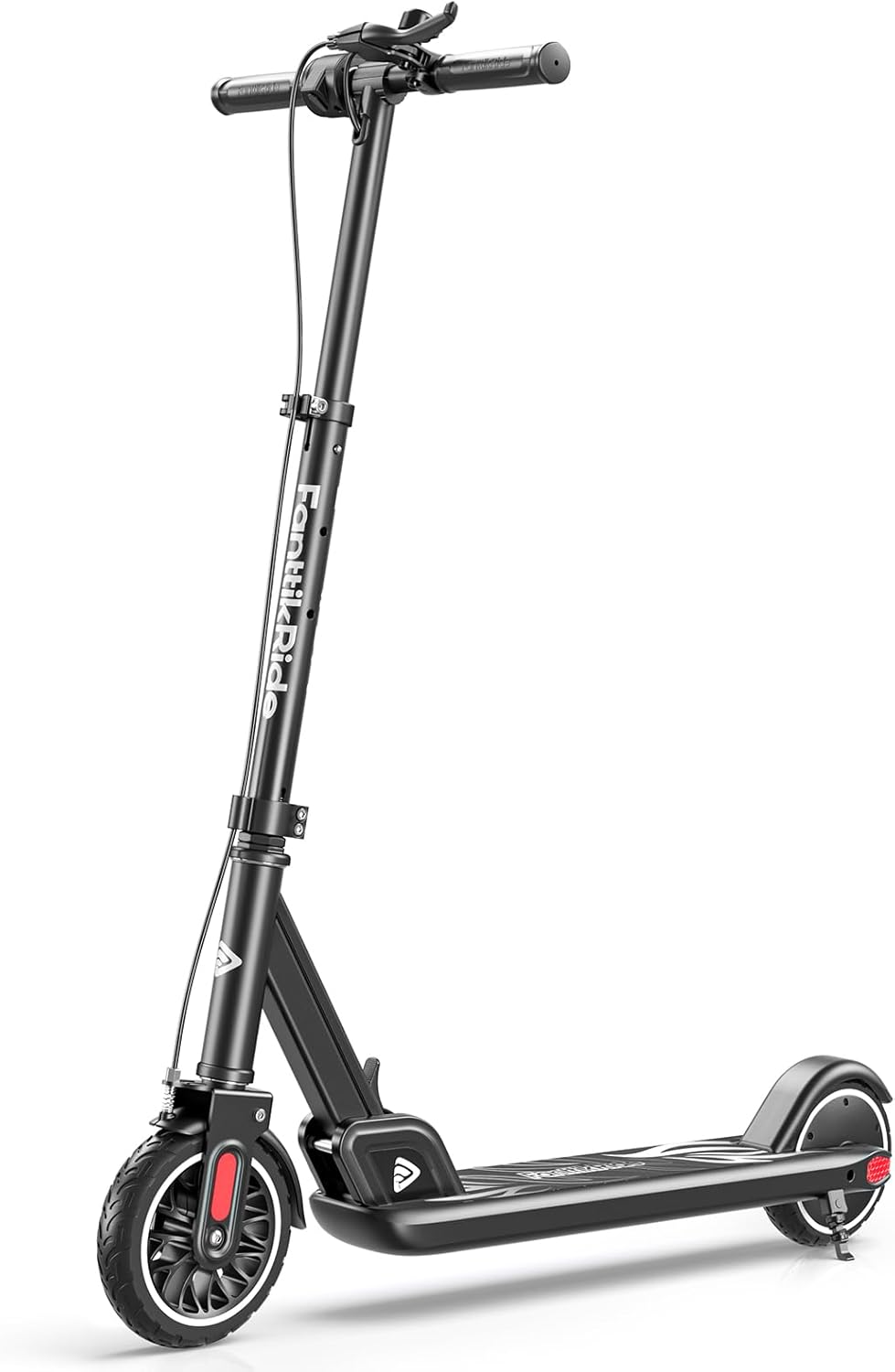
Different Types of Kids Electric Scooters
Common Buying Mistakes to Avoid
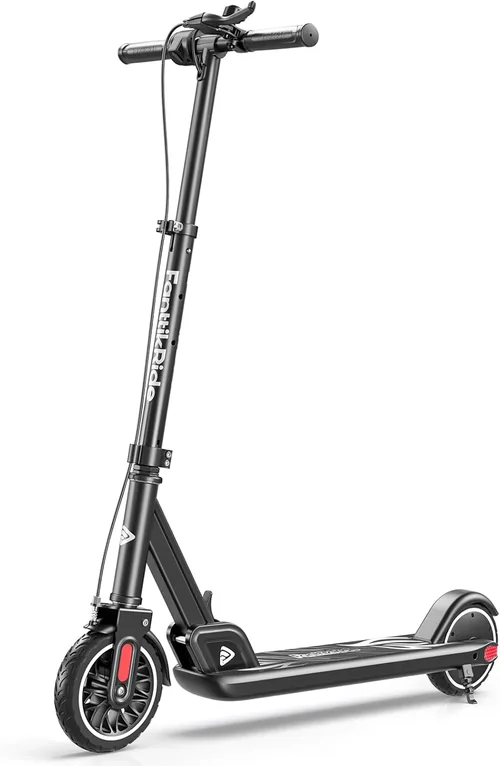
❌ Mistake: Prioritizing Speed Over Safety
Why it’s bad: High-speed scooters can be thrilling, but they increase the risk of injury, especially for inexperienced riders. Many parents are swayed by flashy ads promising “15 mph top speed!” without considering whether their child can handle that velocity safely.
What to do instead: Choose a scooter with adjustable speed settings or a beginner mode. Start slow, and let your child build confidence before unlocking higher speeds. Always pair the scooter with a helmet and protective gear.
❌ Mistake: Ignoring Weight Limits
Why it’s bad: Overloading a scooter beyond its rated capacity can damage the motor, reduce battery life, and compromise braking efficiency. It also increases the risk of mechanical failure during use.
What to do instead: Check the manufacturer’s weight limit and ensure your child (plus any backpack or gear) stays within it. If your child is near the upper limit, consider a model with a higher capacity.
❌ Mistake: Buying Based on Looks Alone
Why it’s bad: A scooter with cool lights, Bluetooth speakers, or a trendy design may catch your eye—but if it lacks essential safety features or has poor build quality, it’s not worth the risk.
What to do instead: Focus on core performance and safety specs first. Aesthetics are a bonus, not a priority. Read reviews to see how the scooter performs in real-world conditions.
❌ Mistake: Skipping the Test Ride
Why it’s bad: Every child is different—what feels stable to one kid might feel wobbly to another. Without testing, you might end up with a scooter that’s uncomfortable or hard to control.
What to do instead: If possible, visit a store that allows test rides. Let your child try the scooter to assess balance, throttle response, and overall comfort. If buying online, choose retailers with generous return policies.
❌ Mistake: Overlooking Maintenance Needs
Why it’s bad: Some scooters require regular upkeep—like tire inflation, brake adjustments, or battery care. Neglecting maintenance can lead to breakdowns or safety hazards.
What to do instead: Choose a model with low maintenance requirements (e.g., solid tires, sealed motors) if you’re not prepared for routine checks. Read the manual and follow care instructions.
❌ Mistake: Assuming All “Kid-Friendly” Scooters Are Safe
Why it’s bad: The term “kid-friendly” is often used loosely. Some scooters marketed to children lack proper certifications, have weak brakes, or use substandard batteries.
What to do instead: Verify safety certifications (UL 2272, ASTM) and read independent reviews. Stick to reputable brands with a track record of safety and reliability.
❌ Mistake: Ignoring Local Laws and Regulations
Why it’s bad: In many areas, electric scooters are subject to age restrictions, speed limits, or helmet requirements. Riding illegally could result in fines or accidents.
What to do instead: Check your city or state’s regulations before purchasing. Ensure the scooter complies with local rules, and teach your child responsible riding etiquette.
Budget Guidelines: How Much Should You Spend?
When it comes to kids’ electric scooters, price often reflects quality—but that doesn’t mean you need to break the bank. Here’s a realistic breakdown of what to expect at different budget levels:
- Entry-Level ($80–$150): These scooters are ideal for young beginners or occasional use. Expect basic features: 150W motors, 60–90 minutes of battery life, solid rubber tires, and simple folding mechanisms. Brands like Gotrax and Swagtron offer reliable options in this range. While they may lack advanced safety tech or premium materials, they’re perfect for short rides in safe environments. Just avoid ultra-cheap models under $80—they often use unsafe batteries or flimsy construction.
- Mid-Range ($150–$300): This is the sweet spot for most families. Scooters in this tier offer a great balance of performance, durability, and safety. You’ll find 250W motors, 2–3 hours of runtime, better brakes, and improved build quality. Many include LED lights, adjustable handlebars, and app connectivity. Models like the Razor E300 or Segway Ninebot Zing E10 excel here. They’re suitable for daily use, school commutes, and moderate terrain.
- Premium ($300–$500): Designed for older kids or serious riders, these scooters deliver high performance and advanced features. Expect 350W+ motors, long-range batteries (3+ hours), pneumatic tires, and robust suspension. Safety is top-notch, with disc brakes, regenerative braking, and comprehensive app controls. Brands like Hiboy and Segway dominate this space. These are ideal for hilly areas, long distances, or kids who ride frequently.
- Luxury ($500+): At this level, you’re paying for cutting-edge technology, premium materials, and brand prestige. Features may include dual motors, 20+ mph speeds, GPS tracking, and modular designs. While impressive, these scooters are often overkill for casual use. Reserve them for tech-savvy teens or families who prioritize innovation and are willing to invest in top-tier gear.
Expert Tips for Getting the Best Deal
Finding the right scooter is only half the battle—getting it at the best price requires strategy. Here are proven tips to save money without compromising quality:
- Shop During Seasonal Sales: The best deals on kids’ electric scooters typically occur during back-to-school season (July–September), Black Friday (November), and post-holiday clearance (January). Retailers like Amazon, Walmart, and Target often discount last year’s models to make room for new inventory.
- Compare Prices Across Retailers: Don’t settle for the first listing you see. Use price comparison tools or check multiple sites—Amazon, Best Buy, REI, and brand websites—to find the lowest price. Sometimes, the manufacturer’s site offers exclusive bundles or extended warranties.
- Look for Refurbished or Open-Box Options: Certified refurbished scooters from reputable sellers (like Amazon Renewed or manufacturer outlets) can save you 20–40% off retail. These units are tested, cleaned, and often come with warranties. Open-box items from big-box stores are another budget-friendly option.
- Sign Up for Newsletters and Alerts: Many retailers offer 10–15% off your first purchase when you subscribe to their email list. You’ll also get early access to sales and exclusive promo codes. Set up price-drop alerts on sites like Honey or CamelCamelCamel to monitor fluctuations.
- Check Return and Warranty Policies: A generous return window (30+ days) gives you time to test the scooter and ensure it’s the right fit. Also, prioritize brands with strong warranties and accessible customer service. A longer warranty can save you hundreds in repair costs.
- Consider Bundles and Accessories: Some sellers offer scooter + helmet + lock packages at a discounted rate. While not always cheaper than buying separately, bundles ensure compatibility and save shopping time.
- Read Recent Reviews: Scooter performance can change with software updates or design tweaks. Look for reviews from the past 6–12 months to get the most accurate picture of reliability and performance.
- Test Before You Buy (If Possible): Visit local stores like Toys “R” Us, Dick’s Sporting Goods, or specialty scooter shops. Let your child try different models to see which feels most comfortable. Even if you buy online later, testing in person helps you make a confident choice.
Frequently Asked Questions
Q: Are electric scooters safe for young children?
A: Yes, when used appropriately and with proper safety gear. Choose a scooter designed for your child’s age and skill level, ensure it meets safety certifications, and always supervise young riders. Helmets are non-negotiable.
Q: How fast do kids’ electric scooters go?
A: Most range from 8 to 15 mph. Entry-level models cap at 8–10 mph, while high-performance scooters can reach 15 mph or more. Always check the specs and use speed limiters if available.
Q: How long does the battery last on a single charge?
A: Typically 60 minutes to 3 hours, depending on battery capacity, rider weight, terrain, and speed. Larger batteries (250Wh+) offer longer runtime.
Q: Can kids ride electric scooters in the rain?
A: Most are water-resistant but not waterproof. Avoid riding in heavy rain or puddles, as moisture can damage electronics. Check the IP rating—IPX4 or higher offers basic splash protection.
Q: Do I need to register or insure a kids’ electric scooter?
A: In most U.S. states, no—electric scooters under 20 mph are treated like bicycles. However, check local laws, as some cities require helmets or restrict where scooters can be ridden.
Q: How do I maintain my child’s electric scooter?
A: Regularly check tire pressure (if pneumatic), clean the deck and wheels, inspect brakes, and store the battery properly (avoid extreme temperatures). Follow the manufacturer’s maintenance guide.
Q: What’s the difference between hub motors and belt-driven motors?
A: Hub motors are built into the wheel, offering quiet, maintenance-free operation—ideal for kids. Belt-driven motors are more powerful but require occasional belt replacement and can be noisier.
Q: Can adults ride kids’ electric scooters?
A: Generally no. Most are rated for 120 lbs or less. Adult scooters have stronger frames, larger decks, and higher weight capacities. Overloading a kids’ scooter can damage it and void the warranty.
Q: What should I do if the scooter stops working?
A: First, check the battery charge and connections. If it still doesn’t work, consult the manual or contact customer support. Most issues are covered under warranty if reported promptly.
Q: Are there eco-friendly options?
A: Yes. Look for scooters with recyclable packaging, energy-efficient motors, and long-lasting batteries. Some brands also offer take-back programs for old units.
Our Final Recommendations
After extensive research and testing, here are our top picks for 2026:
- Best for Budget-Conscious Buyers: Gotrax GKS – At under $150, this scooter offers solid performance, a 150W motor, and a lightweight design perfect for young riders. It’s UL 2272 certified and includes LED lights and a rear foot brake.
- Best Overall Value: Razor E300 – A reliable mid-range option with a 250W motor, 10-inch pneumatic tires, and a durable steel frame. It’s great for ages 8+, with a top speed of 14 mph and a 40-minute runtime.
- Best Premium Option: Segway Ninebot Zing E10 – Packed with features like app control, regenerative braking, and a 250W motor, this scooter is ideal for older kids. It’s lightweight, foldable, and offers up to 60 minutes of ride time.
- Best for Beginners: Swagtron Swagger 5 – Designed for ages 6–12, it has a low deck, adjustable handlebars, and a gentle throttle. The 200W motor and solid tires make it stable and easy to learn on.
- Best for Advanced Users: Hiboy S2 – With a 350W motor, 19 mph top speed, and dual braking system, this scooter is built for performance. It includes a bright headlight, app connectivity, and a long-range battery—perfect for teens ready to explore.
Conclusion: Making the Right Choice
Choosing the best kids electric scooter isn’t just about picking the fastest or flashiest model—it’s about finding the right balance of safety, performance, and value for your child’s unique needs. Throughout this guide, we’ve emphasized the importance of matching the scooter to your child’s age, weight, and skill level, prioritizing certified safety features, and investing in durable construction that will last. We’ve also highlighted common pitfalls to avoid, from overlooking weight limits to ignoring local regulations, and provided actionable tips to help you get the best deal.
Remember, the perfect scooter is one that your child feels confident riding, that you feel safe approving, and that fits comfortably within your budget. Whether you’re buying for a first-time rider or upgrading to a high-performance machine, take the time to research, compare, and—most importantly—involve your child in the decision. After all, the goal isn’t just to buy a scooter; it’s to give your child the joy of independence, the thrill of movement, and the confidence that comes from mastering a new skill.
So go ahead—explore the options, read the reviews, and make a choice you can feel good about. With the right scooter, your child’s next adventure is just a ride away.