
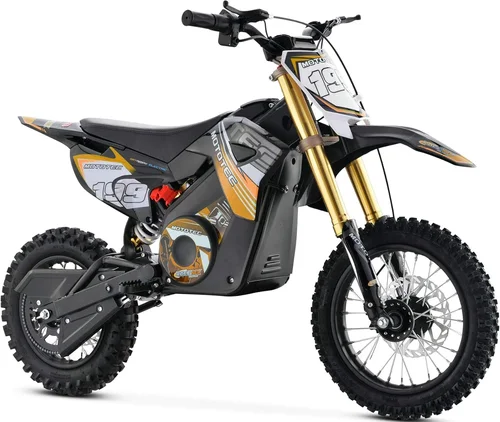
Electric dirt bikes have exploded in popularity over the past few years, and for good reason. They offer a thrilling off-road experience without the noise, emissions, or maintenance headaches of traditional gas-powered bikes. Whether you’re a weekend warrior hitting local trails, a parent looking for a safe first bike for your teen, or an experienced rider seeking a low-maintenance alternative, electric dirt bikes deliver impressive power, instant torque, and near-silent operation. As we move into 2026, the market is more competitive than ever—brands are pushing the boundaries of battery technology, motor efficiency, and build quality, making it both exciting and overwhelming to choose the right model.
That’s exactly why this guide exists. We’ve spent months researching, testing, and comparing the top electric dirt bikes on the market to help you find the best option for your needs and budget. In this comprehensive buying guide, you’ll learn how to evaluate key performance specs like motor power, battery life, and suspension, understand what separates entry-level models from premium machines, and avoid common pitfalls that can lead to buyer’s remorse. We’ll break down the different types of electric dirt bikes, explain what features matter most, and give you expert tips on getting the best deal—whether you’re spending $500 or $5,000.
The electric dirt bike market in 2026 is diverse, innovative, and rapidly evolving. From lightweight kids’ models to high-performance adult machines capable of tackling rugged terrain, there’s never been a better time to go electric. With advancements in lithium-ion and solid-state battery tech, ride times are longer, charging is faster, and overall reliability has improved dramatically. But with so many options—from budget-friendly Chinese imports to premium American-made brands—it’s easy to get lost in the details. This guide cuts through the noise, offering clear, actionable advice based on real-world testing and expert analysis. By the end, you’ll know exactly what to look for, what to avoid, and which models deliver the best value for your money.

What to Look for When Buying an Electric Dirt Bike
1. Budget & Price Range
Your budget is the foundation of your buying decision. Electric dirt bikes span a wide price spectrum—from under $400 for basic kids’ models to over $8,000 for professional-grade machines. Setting a realistic budget helps narrow your options and prevents overspending on features you don’t need. However, it’s important to remember that price often correlates with quality, durability, and performance. A $500 bike might look similar to a $2,000 one on paper, but differences in motor efficiency, battery chemistry, frame materials, and suspension components can make a huge difference in real-world use.
When setting your budget, consider not just the upfront cost but also long-term expenses like replacement batteries, maintenance, and potential upgrades. Some budget bikes use lower-quality lithium iron phosphate (LFP) or even lead-acid batteries that degrade quickly and require frequent replacement. Mid-range and premium models typically use high-density lithium-ion or emerging solid-state batteries that last longer and charge faster. Also, factor in shipping costs, especially for heavier models, and check whether the price includes essential accessories like chargers, tools, or safety gear.
2. Performance Specifications
Performance is where electric dirt bikes truly shine—and where they can vary wildly. The most critical specs to evaluate are motor power, battery capacity, top speed, range, and torque. Motor power is typically measured in watts (W) or kilowatts (kW). Entry-level bikes may have 500W to 1,000W motors, suitable for flat trails and light riders. Mid-range models often feature 2,000W to 3,500W motors, delivering strong acceleration and hill-climbing ability. Premium bikes can exceed 5,000W, rivaling 250cc gas bikes in power output.
Battery capacity, measured in watt-hours (Wh), determines how long you can ride on a single charge. A 1,000Wh battery might give you 1–2 hours of moderate riding, while a 3,000Wh pack can last 3–5 hours depending on terrain and riding style. Look for batteries with high cycle life (ideally 800+ cycles) and fast-charging capability (e.g., 0–80% in under 2 hours). Top speed ranges from 15 mph on kids’ bikes to over 60 mph on high-performance models. However, speed isn’t everything—torque is what gets you moving from a stop and powers you up steep inclines. Electric motors deliver 100% torque instantly, which is a major advantage over gas engines.
Also consider regenerative braking, which recaptures energy during deceleration and extends range—especially useful on long downhill trails. Some advanced models even offer multiple riding modes (Eco, Trail, Sport, Race) that let you tailor power delivery to your needs.
3. Build Quality & Durability
A dirt bike takes a beating—jumps, rocks, mud, and hard landings are all part of the ride. That’s why build quality is non-negotiable. Start with the frame: high-quality electric dirt bikes use reinforced aluminum or chromoly steel, which offers strength without excessive weight. Avoid bikes with flimsy steel frames or plastic components in high-stress areas like the swingarm or subframe.
Suspension is another critical factor. Look for front forks and rear shocks with adequate travel (at least 6–8 inches for adult models) and adjustable preload, compression, and rebound damping. Cheap bikes often have rigid forks or basic coil shocks that bottom out easily and offer poor control. Premium models may feature inverted forks, air shocks, or even electronic suspension systems.
Wheels and tires matter too. Spoked wheels are stronger and better at absorbing impacts than solid rims. Knobby, off-road tires with good tread depth provide traction on loose terrain. Check the tire size—19” front and 16” rear are common for youth bikes, while adult models often use 21” front and 18” rear wheels.
Finally, inspect the welds, cable routing, and overall fit and finish. A well-built bike will have clean welds, protected wiring, and no loose parts. If possible, watch unboxing or review videos to see how the bike is assembled and whether components feel solid.
4. Features & Functionality
Modern electric dirt bikes come packed with features that enhance safety, convenience, and performance. One of the most important is the display or control interface. A clear, backlit LCD screen should show speed, battery level, ride mode, trip distance, and sometimes even GPS or Bluetooth connectivity. Some models include smartphone apps that let you track rides, adjust settings, or lock the bike remotely.
Lighting is essential if you plan to ride at dusk or in low-light conditions. Look for bright LED headlights, brake lights, and turn signals—especially if you’ll be riding on public trails or near roads. A kill switch or emergency brake cutoff is a must for safety, allowing you to instantly stop the motor if needed.
Other useful features include:
– Regenerative braking (extends range)
– Quick-release wheels (for easy transport)
– Adjustable seat height (accommodates growing riders)
– Water resistance rating (IP65 or higher for mud and rain)
– USB charging ports (for phones or lights)
– Keyed ignition or PIN code lock (theft deterrent)
Some premium models even offer traction control, launch control, or smartphone integration for ride analytics. While not essential, these features can significantly improve the riding experience—especially for beginners or tech-savvy users.
5. Brand Reputation
Brand matters—especially in a market flooded with low-cost, unbranded imports. Established brands like Sur Ron, Cake, Segway, and KTM have built reputations for quality, innovation, and customer support. They invest in R&D, use proven components, and stand behind their products with warranties and service networks.
On the other hand, many budget bikes come from lesser-known manufacturers with limited track records. While some offer surprisingly good value, others cut corners on safety, use counterfeit parts, or disappear after a few months—leaving you with no support if something breaks. Research the brand: check their website, read customer reviews, and see if they have a physical address and customer service contact.
Also consider where the bike is designed and assembled. Bikes designed in the U.S. or Europe often meet stricter safety and emissions standards, even if they’re manufactured overseas. Look for certifications like CE, FCC, or UL, which indicate compliance with international safety standards.
6. Warranty & Support
A solid warranty is a sign of confidence in a product—and a lifesaver if something goes wrong. Most reputable brands offer at least a 1-year limited warranty covering the motor, battery, and frame. Premium models may include 2–3 years of coverage, with extended battery warranties (e.g., 2 years or 500 cycles).
Read the fine print: some warranties exclude “normal wear and tear,” crashes, or modifications. Others require you to use authorized service centers or void coverage if you open the battery pack. Also check what’s covered—some brands only cover parts, not labor or shipping.
Customer support is just as important. Can you reach someone by phone or email? Do they respond within 24 hours? Are replacement parts readily available? Brands with U.S.-based support teams tend to be more responsive than those relying on overseas distributors.
Finally, consider the availability of spare parts. A bike is only as good as its serviceability. If you can’t easily replace a tire, brake pad, or controller, you’re stuck waiting weeks for a shipment from China. Look for brands that sell parts online or through local dealers.
7. Size & Portability
Size affects both performance and practicality. Electric dirt bikes range from compact 50cc-equivalent models for kids to full-size adult machines weighing over 150 pounds. Choosing the right size ensures safety, control, and comfort.
For kids and teens, look for bikes with adjustable seat heights, lower power modes, and lightweight frames (under 80 lbs). Youth models like the Razor MX650 or Segway Ninebot Zing E10 are designed for smaller riders and include safety features like speed limiters and parental controls.
Adult bikes should match your height and weight. A bike that’s too small can feel unstable at speed, while one that’s too large is hard to maneuver. Check the seat height—most adult models range from 30” to 36”. If you’re under 5’6”, consider a low-seat version or a bike with adjustable suspension.
Portability matters if you plan to transport the bike frequently. Look for models with folding handlebars, quick-release wheels, or removable batteries. Some bikes can fit in a car trunk or SUV with the rear seats down. Heavier models may require a trailer or truck bed.
Also consider storage. Does the bike have a built-in compartment for tools or a phone? Can the battery be removed for indoor charging? These small details make a big difference in daily use.
8. User Reviews & Ratings
Never buy an electric dirt bike without reading real user reviews. Manufacturer specs can be misleading—especially when it comes to range, top speed, and durability. Real-world feedback from riders who’ve tested the bike on trails, in rain, or over long distances is invaluable.
Look for detailed reviews on platforms like YouTube, Reddit (r/ElectricMotorcycles), and specialized forums. Pay attention to recurring themes: if multiple users report battery failure after 6 months, that’s a red flag. If riders praise the suspension or customer service, that’s a good sign.
Be wary of fake reviews—especially on Amazon or eBay. Look for verified purchases, detailed photos, and balanced feedback (both pros and cons). A bike with 1,000 five-star reviews but no critical comments should raise suspicion.
Also check return rates and complaint patterns. If a bike has a high return rate due to defects or poor performance, it’s likely not worth the risk. Brands with active communities (like Sur Ron’s Facebook group) often have more transparent feedback and faster problem resolution.
Different Types of Electric Dirt Bikes

Common Buying Mistakes to Avoid
❌ Mistake: Ignoring Battery Chemistry and Cycle Life
Why it’s bad: Many budget bikes use low-quality lithium iron phosphate (LFP) or even lead-acid batteries that degrade quickly, losing 20–30% capacity within a year. This leads to shorter rides, more frequent charging, and costly replacements.
What to do instead: Opt for lithium-ion (Li-ion) or nickel-manganese-cobalt (NMC) batteries with at least 800 charge cycles. Check the battery’s rated cycle life and warranty—premium brands often guarantee 2+ years or 1,000+ cycles.
❌ Mistake: Overlooking Suspension Quality
Why it’s bad: Cheap suspension leads to a harsh ride, poor control on rough terrain, and increased risk of injury. Many entry-level bikes have rigid forks or basic coil shocks that bottom out on small jumps.
What to do instead: Look for adjustable suspension with at least 6–8 inches of travel. Test the bike if possible—sit on it and push down to see how it responds. Avoid bikes with no rear shock or plastic fork legs.
❌ Mistake: Buying Based Solely on Top Speed
Why it’s bad: A high top speed means little if the bike lacks torque, range, or control. Some bikes advertise 50+ mph but can’t climb hills or last more than 30 minutes.
What to do instead: Focus on real-world performance: acceleration, hill-climbing ability, and ride time. Read reviews from riders who’ve tested the bike on trails, not just spec sheets.
❌ Mistake: Skipping Safety Features
Why it’s bad: Missing features like a kill switch, brake cutoff, or proper lighting can lead to accidents, especially for beginners or younger riders.
What to do instead: Ensure the bike has a functional kill switch, responsive brakes (preferably hydraulic), and LED lighting. For kids, look for speed limiters and parental controls.
❌ Mistake: Ignoring Weight and Portability
Why it’s bad: A heavy bike (over 120 lbs) is hard to lift, transport, or recover if it tips over. This is especially problematic for solo riders or those with smaller vehicles.
What to do instead: Consider the bike’s weight and whether it fits your vehicle. Look for models with folding handlebars, removable batteries, or lightweight frames (aluminum over steel).
❌ Mistake: Not Researching the Brand or Seller
Why it’s bad: Buying from unknown brands or third-party sellers increases the risk of receiving defective products, counterfeit parts, or no customer support.
What to do instead: Stick with reputable brands and authorized dealers. Check for warranties, return policies, and customer reviews. Avoid “too good to be true” deals on eBay or Wish.
❌ Mistake: Forgetting About Maintenance and Spare Parts
Why it’s bad: Even electric bikes need maintenance—brake pads, tires, chains, and bearings wear out. If parts aren’t available, you’re stuck with a broken bike.
What to do instead: Choose a brand that sells spare parts online or through local dealers. Check if common components (like tires or brake pads) are standard sizes.
Budget Guidelines: How Much Should You Spend?
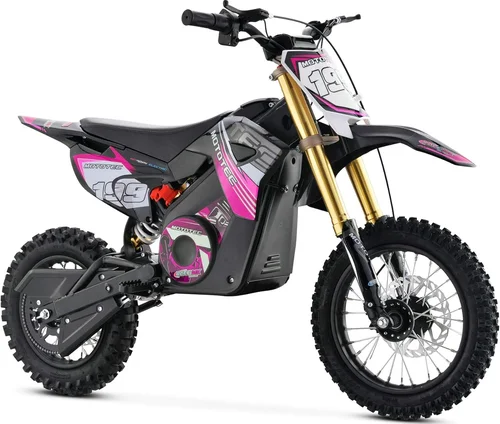
Entry-Level ($300 – $1,000): This tier is ideal for kids, teens, or casual riders. Expect basic features: 500W–1,000W motors, 10–20 mph top speed, 1–2 hour ride time, and minimal suspension. Brands like Razor, Segway, and MotoTec offer reliable options here. While not built for extreme terrain, these bikes are great for learning and light trail use.
Mid-Range ($1,000 – $3,000): The sweet spot for most buyers. These bikes offer 1,500W–3,500W motors, 25–40 mph speeds, 2–4 hour ranges, and decent suspension. Models like the Sur Ron LBX, Cake Kalk&, and Segway X260 deliver excellent value with durable builds, good battery life, and advanced features like regenerative braking and app connectivity.
Premium ($3,000 – $6,000): For serious riders and enthusiasts. Expect 3,500W–5,000W+ motors, 40–60 mph top speeds, 3–5 hour ranges, and high-end suspension (inverted forks, air shocks). Brands like KTM, Husqvarna, and Zero offer race-ready performance, premium components, and extensive warranties. These bikes are built for technical trails, long rides, and frequent use.
Luxury ($6,000+): Top-tier machines for professionals and collectors. Features include 5,000W+ motors, 60+ mph speeds, 4–6 hour ranges, carbon fiber components, and cutting-edge tech like GPS, traction control, and smartphone integration. Models like the Cake Kalk OR and Zero FXE are built for extreme performance and durability, often used in racing or adventure touring.
Expert Tips for Getting the Best Deal
– Buy During Off-Season: Prices drop in late fall and winter when demand is low. Look for end-of-season sales from retailers like RevZilla, Cycle Gear, or direct from brands.
– Check Manufacturer Rebates: Some brands offer $100–$500 rebates or free accessories (helmets, gloves) during promotions.
– Consider Refurbished or Demo Models: Many brands sell certified pre-owned bikes at 10–30% off with full warranties.
– Compare Total Cost of Ownership: Factor in battery replacement (every 2–5 years), tires, and maintenance. A cheaper bike may cost more long-term.
– Test Ride When Possible: Visit local dealers or events like motorcycle shows to try before you buy.
– Read the Return Policy: Ensure you can return the bike within 14–30 days if it doesn’t meet expectations.
– Join Owner Communities: Forums and Facebook groups often share discount codes, part deals, and maintenance tips.
– Negotiate with Dealers: Some retailers offer price matching or bundle deals (bike + gear).

Frequently Asked Questions
Q: How long do electric dirt bike batteries last?
A: Most lithium-ion batteries last 800–1,500 charge cycles, which translates to 2–5 years of regular use. Battery life depends on usage, charging habits, and storage conditions. Avoid draining to 0% or charging to 100% every time—keeping it between 20% and 80% extends lifespan.
Q: Can I ride an electric dirt bike in the rain?
A: Yes, but check the IP rating. Most quality bikes are IP65 or higher, meaning they’re protected against water jets. Avoid submerging the bike or riding through deep puddles. Dry it thoroughly after wet rides to prevent corrosion.
Q: Are electric dirt bikes street legal?
A: In most states, no—electric dirt bikes are designed for off-road use only. Some models can be made street-legal with lights, mirrors, and registration, but this varies by location. Check local laws before riding on public roads.
Q: How fast can electric dirt bikes go?
A: Speeds range from 15 mph (kids’ bikes) to over 60 mph (premium models). Most adult bikes hit 30–45 mph, which is more than enough for trail riding.
Q: Do electric dirt bikes require maintenance?
A: Less than gas bikes, but still yes. Regular maintenance includes checking tire pressure, brake pads, chain tension, and suspension. Batteries need proper storage (cool, dry place) and occasional balancing.
Q: Can I upgrade the battery or motor?
A: Some brands allow upgrades, but it may void the warranty. Check with the manufacturer before modifying. Third-party upgrades are risky and can damage the bike.
Q: Are electric dirt bikes safe for kids?
A: Yes, with proper supervision and safety gear. Choose a bike with speed limiters, low power modes, and a lightweight frame. Always wear a helmet, gloves, and protective clothing.
Q: How do I charge an electric dirt bike?
A: Use the included charger and plug into a standard 110V outlet. Charging takes 2–8 hours depending on battery size. Some models support fast charging (0–80% in 1–2 hours).
Q: What’s the difference between hub motors and mid-drive motors?
A: Hub motors are built into the wheel—simple, reliable, and common in budget bikes. Mid-drive motors are mounted near the pedals (or swingarm), offering better weight distribution and efficiency. Premium bikes often use mid-drive systems.
Q: Can I ride an electric dirt bike on public trails?
A: It depends on local regulations. Many public trails allow electric bikes, but some restrict motorized vehicles. Check with land managers or trail associations before riding.
Our Final Recommendations
– Best for Budget-Conscious Buyers: Sur Ron LBX ($3,499) – Offers incredible value with a 6,000W motor, 3-hour range, and race-ready build. Perfect for beginners and intermediates.
– Best Overall Value: Cake Kalk& ($4,900) – Lightweight, silent, and built for adventure. Excellent suspension, premium components, and a 2-year warranty.
– Best Premium Option: Zero FXE ($8,495) – Top-tier performance with a 75-mile range, 66 mph top speed, and advanced tech. Ideal for serious riders.
– Best for Beginners: Segway X260 ($1,799) – User-friendly, with multiple ride modes, strong build, and excellent customer support.
– Best for Advanced Users: KTM Freeride E-XC ($7,999) – A true off-road weapon with 50+ mph speed, long travel suspension, and championship-winning DNA.
Conclusion: Making the Right Choice
Choosing the best electric dirt bike for the money isn’t just about finding the cheapest or fastest model—it’s about matching the bike to your needs, skill level, and riding style. Whether you’re buying for a child, upgrading from a gas bike, or investing in a high-performance machine, the key is to prioritize quality, safety, and long-term value. By focusing on battery life, build quality, brand reputation, and real-world performance, you’ll avoid common pitfalls and find a bike that delivers years of thrilling, low-maintenance rides.
Remember, the best bike is the one you’ll actually ride. Don’t overspend on features you won’t use, but don’t compromise on safety or durability to save a few hundred dollars. Take your time, do your research, and consider test riding before you buy. With the right electric dirt bike, you’ll enjoy silent, emissions-free adventures on trails, in the woods, or around your property—without the noise, fumes, or hassle of traditional motorcycles.
Ready to make the switch? Use this guide as your roadmap, and you’ll be confident in your decision. The future of off-road riding is electric—and it’s more accessible, powerful, and fun than ever before.