
The electric dirt bike revolution is here—and it’s transforming how riders tackle trails, commute off-road, and experience the thrill of two-wheeled adventure. As we move into 2026, e-bike dirt bikes—often called electric motocross or e-dirt bikes—have evolved from niche novelties into serious performance machines capable of rivaling their gas-powered counterparts in power, agility, and versatility. Whether you’re a seasoned off-road enthusiast looking to go green, a weekend warrior seeking silent trail access, or a commuter who wants to ditch traffic with rugged capability, choosing the right e-dirt bike can feel overwhelming. With dozens of brands flooding the market—from established giants like Zero Motorcycles and Sur Ron to emerging innovators like Cake, Talaria, and Segway—each promising cutting-edge tech and unmatched performance, it’s easy to get lost in specs, jargon, and marketing hype.
That’s exactly why this comprehensive buying guide exists. We’ve spent months researching, testing, and comparing the top e-dirt bikes of 2026 to bring you an expert-level roadmap that cuts through the noise. In this guide, you’ll learn not just which models are leading the pack, but how to evaluate them based on your unique needs—whether that’s raw torque for hill climbs, long-range battery life for multi-hour rides, lightweight portability for trailhead transport, or budget-friendly entry points that don’t sacrifice safety or reliability. We’ll break down every critical factor, from motor power and suspension travel to frame materials and after-sales support, so you can make a confident, informed decision. By the end, you won’t just know what to buy—you’ll understand why it’s the right choice for you.
The e-dirt bike market in 2026 is more dynamic than ever. Advancements in lithium-ion battery chemistry, regenerative braking, smart connectivity (like Bluetooth-enabled ride analytics), and modular designs have pushed these machines into new performance tiers. At the same time, regulatory clarity in many regions has opened up legal pathways for street-legal e-motocross bikes, while off-road parks increasingly welcome quiet, emissions-free alternatives. This convergence of innovation, accessibility, and environmental awareness means there’s never been a better time to invest in an electric dirt bike. But with prices ranging from under $3,000 to over $15,000, and features varying wildly even within similar price brackets, a strategic approach is essential. This guide equips you with that strategy—so you ride smarter, safer, and more sustainably.

What to Look for When Buying an E-Bike Dirt Bike
1. Motor Power & Torque Output
The heart of any e-dirt bike is its electric motor—and in 2026, you’ll find everything from modest 3kW hub motors ideal for casual trail riding to monstrous 15kW+ mid-drive systems that deliver instant, gas-like acceleration. Motor power (measured in kilowatts or kW) directly impacts top speed and hill-climbing ability, but torque (measured in Newton-meters or Nm) is what gives you that satisfying “push” off the line and through technical terrain. For most riders, a motor between 5kW and 10kW strikes the perfect balance between performance and efficiency. Look for peak torque ratings above 100 Nm if you plan on tackling steep inclines or carrying gear. Mid-drive motors (mounted near the crankset) generally offer better weight distribution and chain efficiency than rear hub motors, though they’re often more expensive and complex to maintain.
2. Battery Capacity & Range
Battery technology has come a long way, but range anxiety remains a real concern—especially on remote trails where charging isn’t an option. Battery capacity is measured in watt-hours (Wh), and in 2026, expect anything from 1,000Wh (entry-level) to 4,000Wh+ (premium). A 2,000Wh battery typically delivers 30–50 miles of mixed riding, depending on terrain, rider weight, and assist mode. Always look for removable batteries—they allow for easy swapping on long rides or convenient indoor charging. Also consider battery chemistry: newer lithium iron phosphate (LFP) cells offer longer lifespans and better thermal stability than traditional NMC batteries, though they’re slightly heavier. Fast-charging capability (0–80% in under 2 hours) is another valuable feature for riders who need quick turnaround times.
3. Build Quality & Frame Material
Off-road riding punishes equipment, so durability isn’t optional—it’s mandatory. The frame is your bike’s skeleton, and in 2026, high-end e-dirt bikes use aerospace-grade aluminum alloys (like 6061 or 7075) or even carbon fiber composites for strength-to-weight optimization. Avoid cheap steel frames unless you’re on a tight budget—they’re heavy and prone to fatigue cracks. Check weld quality, gusset reinforcements, and how well the motor and battery are integrated into the frame structure. A well-designed frame will absorb impacts without transferring stress to critical components. Additionally, inspect suspension mounts, axle interfaces, and cable routing—these details reveal whether the manufacturer prioritized longevity over cost-cutting.
4. Suspension & Handling
Great power means nothing without control. Quality suspension is non-negotiable for serious off-road use. Look for adjustable front forks (at least 8–10 inches of travel) and rear shock absorbers with rebound and compression damping. In 2026, many premium models feature inverted forks (USD—upside-down) for increased stiffness and reduced unsprung weight. Pay attention to linkage designs on the rear—progressive rate shocks help manage big hits while maintaining small-bump sensitivity. Geometry matters too: a slack head tube angle (around 65–67 degrees) improves stability at speed, while a shorter wheelbase enhances maneuverability in tight singletrack. Test rides are invaluable here—what looks good on paper may feel twitchy or wallowy in real-world conditions.
5. Weight & Portability
E-dirt bikes are inherently heavier than traditional dirt bikes due to batteries and motors, but smart engineering can mitigate this. In 2026, the lightest full-size models weigh around 110 lbs (50 kg), while heavier beasts tip the scales at 160+ lbs (73+ kg). If you plan to load your bike onto a truck bed, carry it up stairs, or hike it to remote trailheads, every pound counts. Consider foldable or modular designs—some brands now offer quick-release battery and motor systems that let you break down the bike for transport. Also check tire size: 20-inch wheels are lighter and more portable but sacrifice traction; 24–26-inch wheels offer better roll-over but add bulk.
6. Braking System
With speeds exceeding 50 mph on some models, stopping power is as crucial as go-power. Hydraulic disc brakes are standard in 2026, but not all are created equal. Look for dual-piston or even four-piston calipers paired with large rotors (203mm front/rear minimum). Regenerative braking—which recaptures energy during deceleration—is becoming common and can extend range by 5–10%, though it shouldn’t replace mechanical brakes for safety. ABS is rare on off-road e-bikes (due to terrain variability), but some street-legal models include it as an option. Always verify brake lever feel and modulation—a spongy lever can mean air in the lines or low-quality fluid.
7. Legal Status & Street Legality
One of the biggest shifts in 2026 is the growing number of street-legal e-dirt bikes. If you want to ride on public roads, ensure your model meets local regulations for lights, mirrors, turn signals, horn, VIN, and registration. The U.S. DOT and EU L7e categories now cover many high-performance e-motocross bikes, but requirements vary by state and country. Even if you only ride off-road, check noise ordinances—many parks ban bikes exceeding 96 dB, and electric models often run below 70 dB, giving you access where gas bikes are prohibited. Always carry proof of compliance (like a Certificate of Conformity) when riding in regulated areas.
8. Warranty & After-Sales Support
E-dirt bikes are complex machines, and repairs can be costly. A strong warranty signals manufacturer confidence. In 2026, leading brands offer 2–3 years on the frame and 1–2 years on electrical components. Battery warranties are especially important—look for coverage of at least 2 years or 500 charge cycles (whichever comes first). More importantly, assess the brand’s support network: Do they have certified service centers near you? Is parts availability reliable? Can you get firmware updates or troubleshooting help online? Brands like Zero and Cake excel here, while some Chinese imports may leave you stranded with no local support.
Different Types of E-Bike Dirt Bikes
Common Buying Mistakes to Avoid
❌ Mistake: Prioritizing Top Speed Over Real-World Usability
Why it’s bad: A bike advertised as “60 mph capable” might achieve that only in ideal conditions with a lightweight rider on flat ground—and drain its battery in 20 minutes. High-speed claims often ignore range, heat management, and control at lower speeds.
What to do instead: Focus on sustained performance metrics like continuous power output, real-world range tests, and low-end torque. Ask: “Can this bike climb a 30% grade while carrying 200 lbs?” That’s more useful than a speedometer peak.
❌ Mistake: Ignoring Weight Distribution
Why it’s bad: A heavy rear end (from a bulky battery) can make the front wheel lift easily, reducing steering precision and increasing crash risk on descents.
What to do instead: Look for central battery placement or split-pack designs. Test the bike’s balance by lifting the front wheel slightly—if it feels tail-heavy, it likely is.
❌ Mistake: Overlooking Serviceability
Why it’s bad: Proprietary parts, sealed motors, or non-standard connectors can turn a minor repair into a $1,000 ordeal—or leave you waiting months for a replacement.
What to do instead: Choose brands that use industry-standard components (like Shimano brakes or Bosch-style connectors) and publish service manuals online. Avoid “black box” electronics with no user-accessible diagnostics.
❌ Mistake: Assuming All “Off-Road” Bikes Are Equal
Why it’s bad: Some e-bikes labeled “dirt bikes” are really fat-tire commuter hybrids with minimal suspension and weak motors—fine for gravel paths but dangerous on rocky trails.
What to do instead: Verify suspension travel (minimum 8 inches), tire tread pattern (knobby, not slick), and frame strength. True off-road bikes will have reinforced swingarms and skid plates.
❌ Mistake: Skipping the Test Ride
Why it’s bad: Spec sheets don’t reveal how a bike feels under load—its throttle response, brake modulation, or how it handles roots and ruts.
What to do instead: Attend demo days, rent before you buy, or insist on a return policy that allows real-world testing. Your body knows better than any spec sheet.
❌ Mistake: Neglecting Insurance and Registration
Why it’s bad: Even if your bike is street-legal, riding without proper registration or liability insurance can result in fines or denial of coverage in an accident.
What to do instead: Check your local DMV requirements before purchase. Some insurers now offer specialized e-moto policies—don’t assume your auto policy covers it.
❌ Mistake: Buying Based Solely on Brand Hype
Why it’s bad: Flashy marketing and influencer endorsements don’t guarantee reliability. Some “trending” brands cut corners on safety or support.
What to do instead: Research independent reviews, owner forums, and long-term reliability reports. A lesser-known brand with transparent engineering may outperform a hyped name.
Budget Guidelines: How Much Should You Spend?
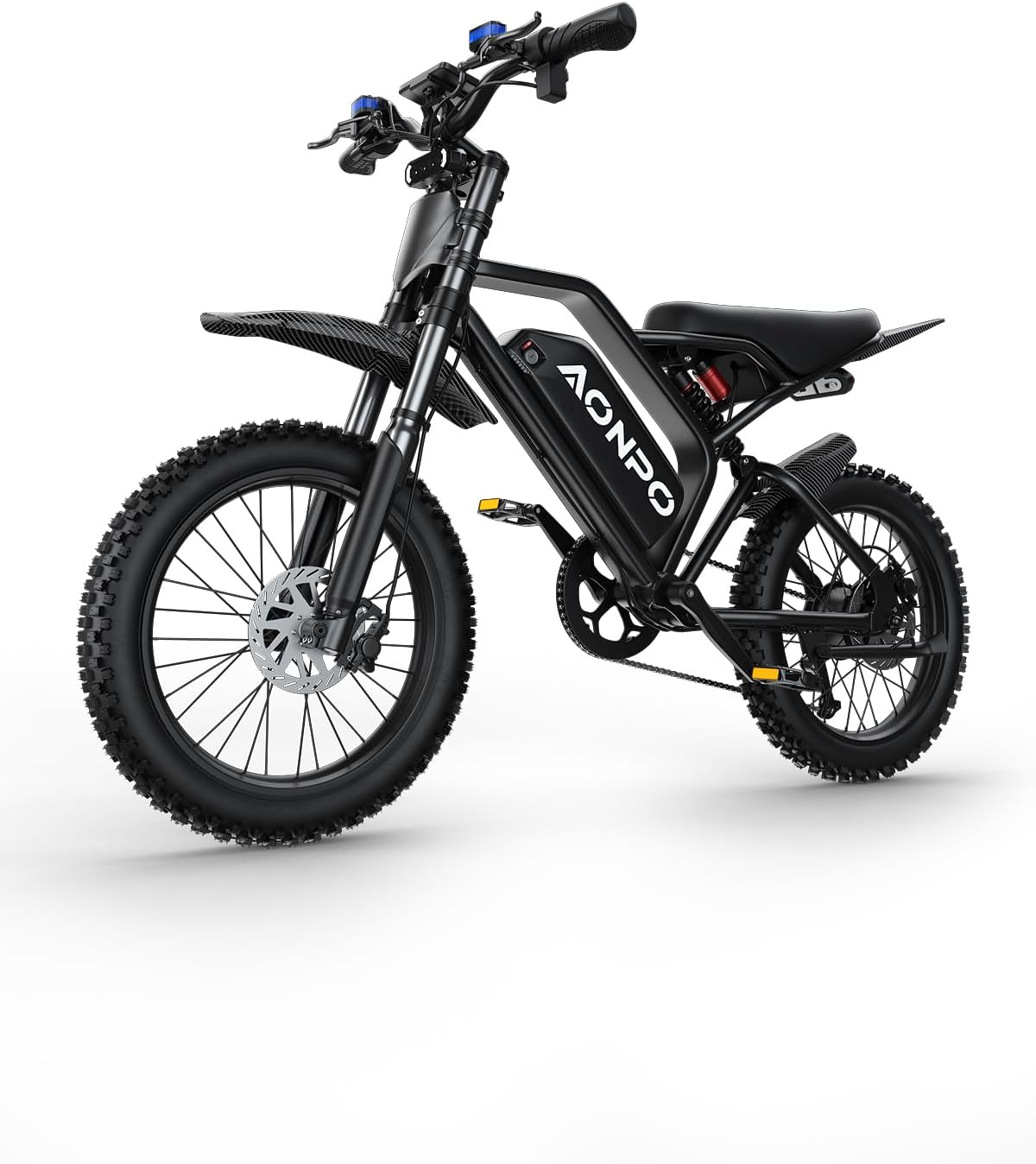
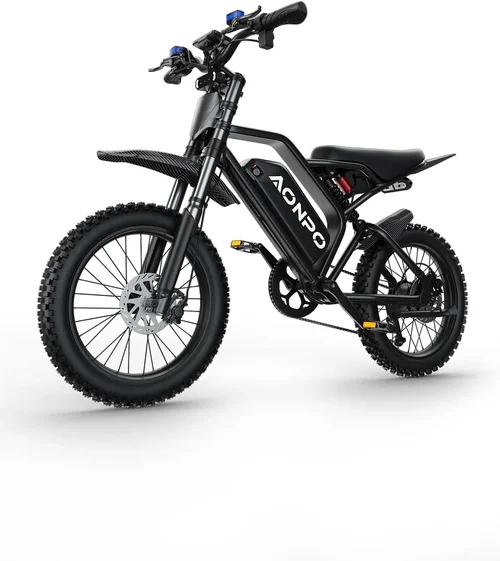
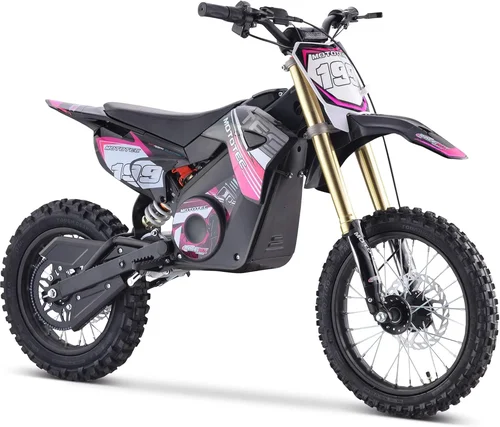
Entry-Level ($1,500 – $3,500): This tier is perfect for beginners, kids, or casual riders. Expect modest motors (3–5kW), basic suspension, and non-removable batteries. Models like the Segway X160 or entry-level Sur Ron clones offer surprising fun for the price, but don’t expect race-day performance. Build quality may be inconsistent, so stick to reputable retailers.
Mid-Range ($3,500 – $7,000): The sweet spot for most buyers. Here, you’ll find reliable 5–8kW motors, quality hydraulic brakes, removable LFP batteries, and decent suspension travel. Brands like Talaria Sting, Cake Kalk OR, and upgraded Sur Ron models dominate this space. These bikes handle serious trail work while remaining affordable to maintain.
Premium ($7,000 – $12,000): For enthusiasts and semi-pros. Think 10kW+ motors, race-tuned suspension (Öhlins or WP equivalents), carbon fiber elements, and advanced battery management. Zero FXE and Cake Kalk& fall here—offering near-moto performance with zero emissions. Expect excellent warranties and global service networks.
Luxury ($12,000+): Reserved for professionals, collectors, or those who want the absolute best. Features include dual-battery systems, adaptive suspension, GPS tracking, and bespoke finishes. The Zero SR/S or custom-built e-motocross rigs live here. You’re paying for cutting-edge tech, exclusivity, and bragging rights—not just function.
Expert Tips for Getting the Best Deal
- Buy in Late Fall or Winter: Most dealers clear inventory before new model year releases (typically spring). You can save 10–15% on previous-year models.
- Shop Direct from Manufacturers: Brands like Cake, Zero, and Talaria often offer exclusive online discounts, extended warranties, or free accessories not available through retailers.
- Negotiate Bundles: Ask for free upgrades—extra battery, upgraded tires, or service packages. Many sellers inflate margins on add-ons.
- Check for Rebates: Some states and countries offer EV incentives for e-motorcycles. California’s Clean Vehicle Rebate Project (CVRP) can knock $1,000+ off eligible models.
- Read the Fine Print on Returns: Ensure you have at least 14 days to test the bike. Some “final sale” policies don’t allow returns even for defects.
- Join Owner Communities: Facebook groups and Reddit forums (like r/ebikes or r/motocross) often share discount codes, flash sales, or used deals from trusted members.
- Consider Certified Pre-Owned: High-end models depreciate fast. A 1-year-old Zero FX with full warranty can save you $3,000+ versus new.
- Verify Firmware Updates: Some bikes ship with outdated software that limits performance. Ensure the seller updates it before delivery.

Frequently Asked Questions
Q: Are e-dirt bikes street legal?
A: It depends on the model and your location. In 2026, many high-performance e-dirt bikes (like the Zero FXE or Cake Kalk&) meet DOT and EU L7e standards for street use, provided they have lights, mirrors, turn signals, and proper registration. Always check local laws—some states require motorcycle licenses, while others treat them like e-bikes.
Q: How long do e-dirt bike batteries last?
A: Most lithium batteries last 500–1,000 full charge cycles before capacity drops to 80%. With proper care (avoiding extreme temps and deep discharges), that’s 3–5 years of regular use. LFP batteries can last even longer—up to 2,000 cycles.
Q: Can I ride an e-dirt bike in the rain?
A: Yes, but with caution. All 2026 models are IP65 or higher rated (dust-tight and protected against water jets). However, avoid submerging the battery or riding through deep puddles. Dry the bike thoroughly after wet rides to prevent corrosion.
Q: Do e-dirt bikes require a license?
A: If street-legal, yes—you’ll typically need a motorcycle endorsement. Off-road-only models don’t require a license in most areas, but always verify local regulations.
Q: How fast can e-dirt bikes go?
A: Entry-level models top out around 35 mph, while high-performance bikes reach 70+ mph. Speed is electronically limited on many models for safety and legality.
Q: Are e-dirt bikes reliable?
A: Top-tier brands (Zero, Cake, Talaria) are highly reliable with robust engineering. Budget models may have issues with connectors, controllers, or battery management. Stick to brands with proven track records.
Q: Can I upgrade my e-dirt bike later?
A: Some components (tires, brakes, suspension) are easily upgraded. Motors and batteries are often proprietary, so major upgrades may not be feasible. Choose modular designs if future-proofing matters.
Q: What’s the difference between an e-dirt bike and an electric mountain bike (eMTB)?
A: E-dirt bikes have motorcycle-style frames, higher power outputs, minimal pedal assistance (or none), and are built for aggressive off-road use. E-MTBs are pedal-assist bikes with lower power, designed for trail riding with human input.
Q: How do I maintain an e-dirt bike?
A: Regular maintenance includes cleaning after rides, checking tire pressure, inspecting brake pads, lubricating chains (if applicable), and updating firmware. Service motors and controllers annually at certified centers.
Q: Are e-dirt bikes environmentally friendly?
A: Yes—zero tailpipe emissions, quieter operation, and lower lifecycle impact than gas bikes. However, battery production has environmental costs, so responsible recycling is key.
Our Final Recommendations
Best for Budget-Conscious Buyers: Talaria Sting MX ($4,999) – Offers 8kW peak power, removable 2.4kWh LFP battery, and quality suspension at a mid-range price. Ideal for trail riders who want performance without luxury markup.
Best Overall Value: Cake Kalk OR ($8,900) – Swedish engineering meets brutal simplicity. With 11kW motor, 3.2kWh battery, and aerospace-grade aluminum frame, it’s a trail dominator with exceptional build quality and global support.
Best Premium Option: Zero FXE ($11,995) – The only street-legal e-motocross bike with true dual-sport capability. 30+ mile range, 46 hp, and Zero’s legendary reliability make it perfect for urban adventurers.
Best for Beginners: Sur Ron LBX Pro ($3,799) – Lightweight (112 lbs), intuitive controls, and forgiving power delivery. Great for learning off-road skills before stepping up to higher-performance models.
Best for Advanced Users: Custom Talaria XXX ($12,500+) – Built for racing and extreme terrain. Features 15kW motor, Öhlins suspension, and carbon fiber subframe. Only for experienced riders seeking maximum capability.
Conclusion: Making the Right Choice
Choosing the best e-bike dirt bike in 2026 isn’t about finding the fastest or most expensive model—it’s about aligning technology with your riding style, budget, and long-term goals. Whether you’re carving through desert washes, commuting silently through city streets, or teaching your kid their first wheelie, the right e-dirt bike will enhance every moment while reducing your environmental footprint. We’ve covered everything from motor specs and battery chemistry to legal nuances and hidden costs, so you’re equipped to navigate this exciting market with confidence.
Remember: the perfect bike is the one you’ll actually ride. Don’t get seduced by specs alone—test, compare, and listen to your instincts. Prioritize safety, support, and real-world usability over flashy claims. And when you do make your purchase, treat it as the start of a journey, not just a transaction. Join rider communities, maintain your machine diligently, and explore responsibly. The future of off-road riding is electric—and it’s brighter, quieter, and more accessible than ever. Now go find your ride, and let the trails unfold.