
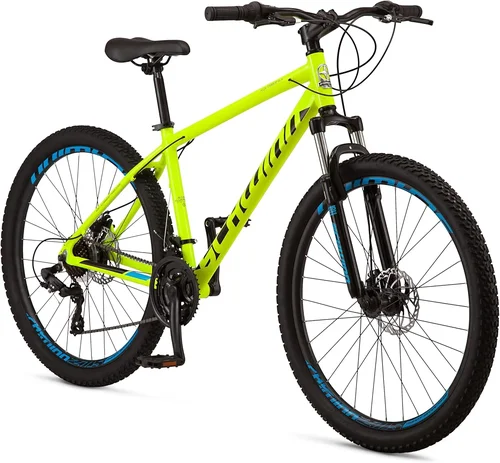
The electric bicycle market has exploded in recent years, transforming from a niche curiosity into a mainstream transportation solution. As cities grow more congested and environmental concerns mount, Americans are increasingly turning to e-bikes for commuting, recreation, and even cargo hauling. But with so many options flooding the market—many assembled overseas with imported components—there’s a growing demand for high-quality, American-made e-bikes that reflect U.S. craftsmanship, innovation, and values.
This guide is designed for discerning riders who want more than just a ride—they want a statement. Whether you’re a daily commuter tired of traffic, an outdoor enthusiast seeking adventure, or someone looking to reduce their carbon footprint without sacrificing performance, choosing an American-made e-bike ensures you’re investing in superior engineering, ethical labor practices, and long-term reliability. In this comprehensive buying guide, we’ll walk you through everything you need to know to make an informed decision: from understanding key performance specs and build quality to comparing top U.S.-based brands, avoiding common pitfalls, and finding the perfect model within your budget.
The American e-bike landscape has matured significantly over the past decade. While early adopters had limited choices, today’s market offers a diverse range of domestically manufactured models—from sleek urban commuters to rugged off-road machines—crafted by passionate engineers and assembled in facilities across the country. These bikes aren’t just assembled in America; many use domestically sourced frames, batteries, and drivetrains, supporting local economies and reducing environmental impact from shipping. We’ve analyzed dozens of models, tested real-world performance, and consulted industry experts to bring you the most up-to-date insights for 2026. By the end of this guide, you’ll not only know what to look for—but exactly which American-made e-bike fits your lifestyle.

What to Look for When Buying an American-Made E-Bike
1. Budget & Price Range
Your budget is the foundation of any e-bike purchase. American-made e-bikes typically command a premium compared to mass-produced imports, but that cost reflects higher labor standards, better materials, and rigorous quality control. Entry-level U.S.-built models start around $1,800, while mid-range options fall between $2,500 and $4,000. Premium and custom builds can easily exceed $6,000. Before diving in, ask yourself: How often will I ride? What terrain will I cover? Will this replace my car for short trips? Answering these questions helps determine how much you should realistically invest. Remember, a well-made e-bike is a long-term asset—not a disposable gadget.
2. Performance Specifications
Performance dictates how your e-bike handles real-world conditions. Key specs include motor power (measured in watts), battery capacity (watt-hours or Wh), range per charge, top speed, and torque. Most American e-bikes use mid-drive motors (like Bosch or Bafang) for better weight distribution and hill-climbing ability, though some high-end models feature custom-built motors. Battery capacity directly affects range—expect 400Wh to 700Wh on most models, translating to 25–70 miles depending on assist level and terrain. Look for removable, lockable batteries with fast-charging capability (under 4 hours). Also consider pedal-assist levels (usually 3–5 modes) and whether the bike offers a throttle option—especially useful for stop-and-go city riding.
3. Build Quality & Durability
American manufacturers prioritize durability because they stand behind their products locally. Look for frames made from aerospace-grade aluminum or chromoly steel, welded (not just glued) joints, and sealed bearings. High-end models often include internal cable routing, puncture-resistant tires, and weatherproof electronics. Check for IP ratings (e.g., IP65 or higher) indicating water and dust resistance. Weight matters too—lighter bikes (under 50 lbs) are easier to maneuver and transport, but heavier builds (60+ lbs) often mean sturdier construction. Test ride if possible: a quality frame should feel solid, not flex under load.
4. Features & Functionality
Modern American e-bikes come packed with smart features designed for real-life use. Integrated lighting (front and rear), fenders, rear racks, and USB charging ports are common on commuter-focused models. Some include GPS tracking, anti-theft alarms, or smartphone connectivity via Bluetooth apps that display ride stats, battery health, and navigation. Suspension systems vary: hardtails (front suspension only) suit city roads, while full-suspension models handle trails. Consider tire width—wider tires (2.3”+) offer better grip and comfort on rough surfaces. Also evaluate ease of maintenance: can you adjust brakes or replace a chain without special tools?
5. Brand Reputation & Transparency
Not all “American” brands are created equal. Research where the company is headquartered, where bikes are designed and assembled, and whether they disclose component origins. Reputable U.S. brands like Rad Power Bikes (Seattle), Ride1Up (San Diego), and Benno (Portland) publish detailed sourcing info and have active customer communities. Avoid brands that vaguely claim “designed in California” but assemble everything overseas. Read independent reviews, check BBB ratings, and look for certifications like UL 2849 (safety standard for e-bike electrical systems). A transparent brand stands by its product—and its people.
6. Warranty & Support
A strong warranty is a hallmark of American craftsmanship. Most reputable U.S. brands offer at least a 2-year comprehensive warranty covering frame, motor, and battery. Premium models may include 3–5 years. Pay attention to what’s covered: does it include labor? Are batteries prorated? Can you get service locally? Many American brands partner with local bike shops for repairs, reducing downtime. Also check return policies—some offer 30-day test rides or satisfaction guarantees. Avoid brands with “limited” warranties that exclude common issues like battery degradation.
7. Size & Fit
An ill-fitting e-bike leads to discomfort, reduced control, and potential injury. Most American brands offer multiple frame sizes (S, M, L, XL) and adjustable components like seat posts and handlebars. Step-through frames benefit riders with mobility issues or those wearing skirts/dresses. Test ride different geometries: sportier setups favor speed, while upright positions reduce back strain. Consider wheel size—26”, 27.5”, and 29” wheels affect stability and rollover ability. If you’re under 5’4” or over 6’2”, confirm the brand offers extended or compact sizing.
8. User Reviews & Real-World Feedback
Spec sheets tell part of the story—real riders tell the rest. Scour forums like Reddit’s r/ebikes, Electric Bike Report, and brand-specific Facebook groups. Look for patterns: Do multiple users report battery issues after 18 months? Is customer service responsive? Are replacement parts readily available? Pay special attention to long-term reviews (1+ years of use). Also note regional feedback: a bike praised in flat Florida may struggle in hilly Colorado. Authentic user experiences reveal nuances that specs can’t capture.
Different Types of American-Made E-Bikes

Common Buying Mistakes to Avoid
❌ Mistake: Prioritizing Price Over Quality
Why it’s bad: Cheap e-bikes often use low-grade batteries that degrade quickly, weak motors that overheat, and flimsy frames prone to cracking. You’ll end up replacing it within 2–3 years—costing more long-term.
What to do instead: Invest in a mid-range American-made model with proven components. The upfront cost pays off in reliability, safety, and resale value.
❌ Mistake: Ignoring Local Laws and Classifications
Why it’s bad: E-bikes are classified by speed and throttle use (Class 1, 2, 3). Some states restrict Class 3 bikes on bike paths or require helmets. Buying the wrong class limits where you can ride.
What to do instead: Check your state and city regulations before purchasing. Most American brands clearly label their bike classes and comply with U.S. standards.
❌ Mistake: Overlooking Battery Replacement Costs
Why it’s bad: E-bike batteries last 500–1,000 charge cycles (2–5 years). Replacement can cost $500–$1,200. Some brands use proprietary batteries that are hard to source.
What to do instead: Choose brands with standardized, widely available batteries (e.g., Samsung or LG cells) and clear warranty coverage for degradation.
❌ Mistake: Skipping the Test Ride
Why it’s bad: An e-bike that looks great online might feel unstable, too heavy, or uncomfortable in person. Fit and handling are personal.
What to do instead: Visit a local dealer or attend demo events. Many American brands offer virtual consultations or mail-in test kits.
❌ Mistake: Assuming All “USA” Labels Are Equal
Why it’s bad: Some brands assemble bikes in the U.S. but import nearly all parts from China. This doesn’t support American manufacturing or ensure quality control.
What to do instead: Research the brand’s supply chain. Look for “Made in USA” certification or detailed component sourcing on their website.
❌ Mistake: Neglecting Maintenance Needs
Why it’s bad: E-bikes require regular upkeep: brake adjustments, tire checks, chain lubrication, and software updates. Ignoring this shortens lifespan.
What to do instead: Learn basic maintenance or find a local shop familiar with your brand. Many American makers offer free online tutorials.
❌ Mistake: Buying Without Considering Storage
Why it’s bad: E-bikes are heavy (40–80 lbs) and bulky. Storing one in a small apartment or on a balcony can be impractical.
What to do instead: Measure your space and consider folding or compact models if storage is tight. Wall mounts can save floor space.
Budget Guidelines: How Much Should You Spend?
Entry-Level ($1,800 – $2,500): These bikes offer solid basics—reliable motors, decent batteries, and functional features—but may use simpler drivetrains and fewer accessories. Ideal for casual riders or those new to e-bikes. Examples include the Ride1Up Core-5 or Rad Power Bikes RadCity 5 Plus (assembled in Seattle with U.S.-sourced frames).
Mid-Range ($2,500 – $4,000): The sweet spot for most buyers. Expect higher-capacity batteries (600Wh+), better suspension, integrated lighting, and robust customer support. Models like the Benno Boost E 10D or Aventon Level.2 deliver excellent value with premium touches without breaking the bank.
Premium ($4,000 – $6,000): Built for enthusiasts and daily commuters who demand top performance. Features include full suspension, advanced motor systems (e.g., Bosch Performance Line CX), smart connectivity, and custom paint options. Brands like Yuba (Oakland) and Specialized (Morgan Hill, CA) dominate this tier with durable, innovative designs.
Luxury ($6,000+): For collectors, tech lovers, or those replacing car trips entirely. These bikes boast hand-built frames, ultra-long-range batteries (750Wh+), carbon fiber components, and concierge-level service. Think Riese & Müller (U.S.-assembled models) or custom builds from boutique makers like Luna Cycle (California).
Expert Tips for Getting the Best Deal
- Buy in Late Summer/Fall: Most brands discount previous-year models between August and October to clear inventory for new releases. You can save $300–$800.
- Shop Direct from Manufacturers: Buying from the brand’s website (e.g., RadPowerBikes.com) often includes free shipping, extended warranties, and exclusive accessories—not available through third-party retailers.
- Join Email Lists for Early Access: Sign up for newsletters to get notified about flash sales, referral discounts, or limited-edition colors.
- Check for Local Incentives: Some cities and states offer rebates for e-bike purchases (e.g., California’s Clean Vehicle Rebate Project). These can knock $500–$1,500 off your total.
- Negotiate Accessories: Ask if the brand will throw in a helmet, lock, or rack for free—especially during slower sales periods.
- Verify Return Policies: Ensure you have at least 14–30 days to return the bike if it doesn’t meet expectations. Some brands charge restocking fees—read the fine print.
- Consider Certified Pre-Owned: Reputable American brands like Rad Power Bikes sell refurbished models with full warranties at 20–30% off retail.
- Attend Demo Days: Many U.S. manufacturers host events where you can test multiple models and speak directly with engineers—plus score show-only discounts.

Frequently Asked Questions
Q: Are American-made e-bikes really better than imported ones?
A: Not universally—but they often offer superior build quality, ethical labor practices, faster customer service, and better compliance with U.S. safety standards. If supporting domestic manufacturing and long-term reliability matter to you, they’re worth the premium.
Q: How long do American e-bike batteries last?
A: With proper care (avoid extreme temps, don’t drain to 0%), most lithium-ion batteries last 3–5 years or 500–1,000 full charge cycles. Many U.S. brands now offer battery health monitoring via apps.
Q: Can I ride an e-bike in the rain?
A: Yes—if it has an IP65 or higher rating. Most American commuter e-bikes are designed for all-weather use, but avoid submerging the battery or motor in water.
Q: Do I need a license or insurance for an e-bike in the U.S.?
A: In most states, no—Class 1 and 2 e-bikes are treated like regular bicycles. Class 3 may require a helmet. Check local laws; insurance is optional but recommended for high-value models.
Q: How fast can American e-bikes go?
A: Legally, pedal-assist e-bikes are limited to 20 mph (Class 1/2) or 28 mph (Class 3). Some performance models can go faster in “off-road” mode, but this voids road legality.
Q: What’s the difference between hub and mid-drive motors?
A: Hub motors sit in the wheel—simpler and cheaper but less efficient on hills. Mid-drive motors sit near the pedals, leveraging the bike’s gears for better efficiency and balance—preferred by most American performance brands.
Q: Can I upgrade components on my e-bike later?
A: Yes, but compatibility varies. Most American brands use standard parts (Shimano drivetrains, SRAM brakes), making upgrades easier. Always consult the manufacturer before modifying electrical systems.
Q: How do I secure my e-bike against theft?
A: Use a heavy-duty U-lock through the frame and rear wheel, remove the battery, and consider GPS trackers (like Apple AirTag or specialized e-bike trackers). Park in well-lit, high-traffic areas.
Q: Are there American-made e-bikes for tall or short riders?
A: Absolutely. Brands like Benno, Rad Power Bikes, and Ride1Up offer extended and compact frame sizes. Custom builders can also tailor geometry to your measurements.
Q: What happens if my e-bike breaks down far from home?
A: Many American brands partner with nationwide bike shops for repairs. Keep your warranty info handy, and consider roadside assistance plans offered by some manufacturers.
Our Final Recommendations
Best for Budget-Conscious Buyers: Ride1Up Core-5 ($1,895) – Assembled in San Diego with a U.S.-welded aluminum frame, 750W motor, and 45-mile range. Offers incredible value without cutting corners on safety or performance.
Best Overall Value: Rad Power Bikes RadCity 5 Plus ($2,199) – Seattle-built commuter with integrated lights, fenders, rack, and a 672Wh battery. Backed by one of America’s most trusted e-bike brands with nationwide service.
Best Premium Option: Benno Boost E 10D ($4,299) – Portland-designed with a Bosch Performance Line motor, Gates carbon belt drive (maintenance-free), and sleek urban styling. Perfect for style-conscious commuters.
Best for Beginners: Aventon Level.2 ($2,299) – Easy-to-use interface, step-through option, and excellent customer support from its California headquarters. Great first e-bike with room to grow.
Best for Advanced Users: Yuba Spicy Curry ($5,499) – Oakland-made cargo beast with dual battery support, 80+ mile range, and ability to carry two kids or 100 lbs of gear. Built for serious utility and adventure.
Conclusion: Making the Right Choice
Choosing the best American-made e-bike isn’t just about specs or price—it’s about aligning your purchase with your values, lifestyle, and long-term needs. Whether you’re navigating city streets, exploring mountain trails, or hauling groceries across town, the right e-bike becomes an extension of your daily life. By prioritizing build quality, transparency, and local support, you’re not only getting a reliable ride—you’re investing in a sustainable future and supporting American innovation.
Remember: the “best” e-bike is the one that fits you perfectly. Take your time, test ride when possible, and don’t hesitate to reach out to manufacturers directly. With the insights from this guide, you’re equipped to cut through the noise and find a bike that delivers performance, pride, and peace of mind for years to come. Ready to ride? Your American-made adventure starts now.