
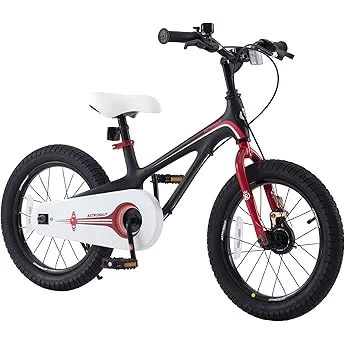
Electric bikes, or e-bikes, have surged in popularity over the past decade—not just among adults, but increasingly among younger riders too. For parents considering an e-bike for their 12-year-old, the decision comes with both excitement and responsibility. At this age, kids are typically eager for more independence, adventure, and responsibility—and an e-bike can be a fantastic way to support that growth while promoting outdoor activity, environmental awareness, and safe transportation. However, choosing the right model isn’t as simple as picking the shiniest bike on the shelf. Safety, legality, durability, and age-appropriateness must all be carefully weighed.
This comprehensive buyer’s guide is designed to help parents, guardians, and even teens themselves navigate the growing market of youth-oriented e-bikes in 2026. Whether you’re looking for a first-time starter bike for neighborhood cruising or a more capable off-road model for weekend trails, we’ll walk you through every critical factor—from motor power and battery life to frame size and local regulations. You’ll learn how to avoid common pitfalls, understand what features truly matter for a 12-year-old rider, and find the best value within your budget. By the end, you’ll have the confidence to make an informed, responsible choice that balances fun, safety, and long-term usability.
The market for kids’ e-bikes has evolved rapidly. No longer just scaled-down versions of adult models, today’s youth e-bikes are purpose-built with smaller frames, lower weight limits, intuitive controls, and enhanced safety features. Brands like Rad Power Bikes, Trek, Specialized, and newer entrants like Lectric and Aventon now offer dedicated youth lines. Meanwhile, regulations vary widely by state and country—some places restrict motor power or require helmets and licensing—so it’s essential to understand your local rules before purchasing. With so many options and considerations, this guide cuts through the noise to deliver expert, practical advice tailored specifically for 12-year-olds.

What to Look for When Buying an E-Bike for a 12-Year-Old
1. Safety Features & Compliance
Safety should always be the top priority when selecting an e-bike for a preteen. Unlike adult riders, 12-year-olds may lack the experience to anticipate hazards or react quickly in unexpected situations. Look for models equipped with reliable mechanical or hydraulic disc brakes—these provide consistent stopping power even in wet conditions. Integrated lights (front and rear) are also crucial for visibility during early morning or evening rides. Additionally, check if the bike meets CPSC (Consumer Product Safety Commission) standards and complies with local e-bike classifications. In most U.S. states, Class 1 e-bikes (pedal-assist only, max speed 20 mph) are legally allowed for minors, while throttle-operated models may be restricted. Always verify age and speed limits in your area.
2. Motor Power & Performance
For a 12-year-old, a motor between 250W and 500W is usually ideal. Anything above 750W is typically overkill and may pose safety risks due to rapid acceleration. A 250W–350W motor offers gentle assistance perfect for flat neighborhoods and mild hills, while a 500W motor can handle steeper inclines and heavier loads (like carrying a backpack). Pay attention to whether the motor is hub-driven (located in the wheel) or mid-drive (near the pedals). Hub motors are simpler and more affordable, making them common in youth models, whereas mid-drives offer better weight distribution but are rarer and pricier in this segment. Also, note that higher wattage doesn’t always mean better performance—efficiency, torque, and responsiveness matter just as much.
3. Battery Life & Charging Time
Battery capacity is measured in watt-hours (Wh), which directly impacts range. For most 12-year-olds, a 300Wh–500Wh battery provides enough juice for 15–30 miles per charge, depending on terrain, rider weight, and assist level. Look for lithium-ion batteries (lighter and longer-lasting than older lead-acid types) with removable designs for easy charging indoors. Charging time typically ranges from 3 to 6 hours—opt for models with fast-charging capability if your child plans to ride daily. Avoid bikes with non-removable batteries sealed inside the frame, as these can be difficult to replace or repair. Also, consider battery warranty: a 2-year coverage is standard, but some premium brands offer up to 3 years.
4. Frame Size & Ergonomics
A properly sized bike ensures comfort, control, and injury prevention. Most 12-year-olds fall into the 24-inch or 26-inch wheel category, with frame heights ranging from 13″ to 16″. Have your child test-ride the bike: they should be able to stand over the top tube with both feet flat on the ground and reach the handlebars without straining. Adjustable seat posts and handlebars are a huge plus, allowing the bike to grow with your child. Lightweight aluminum frames (under 50 lbs total weight) are preferable—heavy bikes are harder to maneuver and more dangerous if the rider loses balance. Avoid oversized adult frames marketed as “youth” models; they often compromise handling and safety.
5. Build Quality & Durability
Kids are tough on gear. Look for reinforced welds, puncture-resistant tires (like Schwalbe or Kenda), and rust-proof components. Suspension systems—even basic front forks—can improve ride comfort on rough pavement or trails, but full suspension adds weight and cost. For casual riders, a rigid fork may suffice. Check component brands: reputable names like Shimano (gears and brakes), Tektro (brakes), and KMC (chains) signal better reliability than generic parts. Water resistance is another key factor—IPX4 rating or higher means the bike can withstand light rain and splashes, which is realistic for everyday use.
6. Ease of Use & Controls
At age 12, simplicity is key. Avoid overly complex displays with dozens of settings. A basic LCD screen showing speed, battery level, and assist mode is sufficient. Thumb throttles should have smooth engagement (no sudden jerks), and pedal-assist should respond naturally to pedaling effort. Some bikes offer app connectivity for tracking rides or setting speed limits—a useful feature for tech-savvy families. Ensure the gear shifter (if present) is easy to operate; twist-grip shifters are often more intuitive for younger riders than trigger shifters. Also, check that the power button and mode selector are clearly labeled and accessible.
7. Brand Reputation & Customer Support
Stick with established brands known for quality and service. Companies like Trek, Specialized, and Rad Power Bikes have dedicated customer support teams, widespread service networks, and transparent warranty policies. Read recent reviews to see how they handle repairs, replacements, and software updates. Avoid unknown brands selling ultra-cheap e-bikes online—these often use subpar components, lack safety certifications, and disappear when issues arise. A reputable brand may cost more upfront but saves money and stress in the long run.
8. Warranty & Return Policy
A solid warranty protects your investment. Look for at least a 1-year comprehensive warranty covering the frame, motor, and battery. Some brands offer extended coverage for critical components (e.g., 2 years on battery, 3 on motor). Read the fine print: many warranties void if the bike is modified, used off-road (unless designed for it), or serviced by unauthorized technicians. Also, check the return window—30 days is standard, but some retailers offer 60-day trials. This gives your child time to test the bike in real-world conditions and ensure it’s a good fit.
Different Types of E-Bikes for 12-Year-Olds

Common Buying Mistakes to Avoid
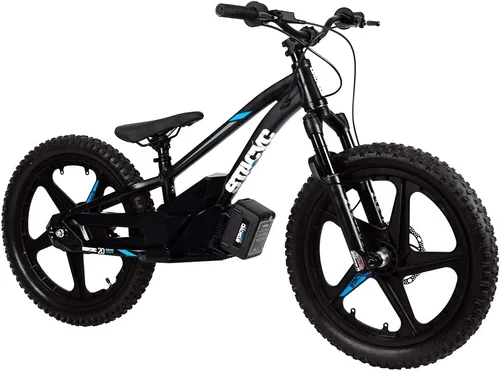
❌ Mistake: Choosing an Adult-Sized Bike “Because It’ll Last Longer”
Why it’s bad: An oversized bike is harder to control, increases fall risk, and can cause strain or injury. Kids may feel intimidated or unsafe, leading to disuse.
What to do instead: Prioritize proper fit over longevity. Many quality youth e-bikes accommodate growth with adjustable components, and you can always upgrade in 2–3 years.
❌ Mistake: Ignoring Local E-Bike Laws
Why it’s bad: Riding an illegal e-bike (e.g., one with a throttle in a no-throttle zone) can result in fines, confiscation, or liability in accidents.
What to do instead: Research your city, state, or country’s e-bike regulations before buying. When in doubt, choose a Class 1 (pedal-assist only) model—it’s widely permitted for minors.
❌ Mistake: Overlooking Maintenance Requirements
Why it’s bad: E-bikes need regular upkeep—brake adjustments, tire pressure checks, battery care—and neglect can lead to breakdowns or safety hazards.
What to do instead: Teach your child basic maintenance (or do it together) and budget for annual tune-ups at a local bike shop.
❌ Mistake: Buying Based Solely on Price
Why it’s bad: Ultra-cheap e-bikes often use unsafe batteries, weak motors, and flimsy frames that fail quickly or pose fire risks.
What to do instead: Aim for the mid-range tier ($900–$1,500) where you get reliable components, safety certifications, and decent warranties.
❌ Mistake: Skipping the Test Ride
Why it’s bad: Comfort and handling are subjective. What looks good online may feel awkward or unbalanced in person.
What to do instead: Visit a local dealer that carries youth e-bikes or look for brands offering generous return policies (e.g., 30–60 days).
❌ Mistake: Forgetting About Insurance
Why it’s bad: E-bikes can be expensive, and accidents or theft can happen. Standard homeowner’s policies may not cover e-bike damage or liability.
What to do instead: Add a rider to your home insurance or purchase dedicated e-bike insurance (e.g., from Velosurance or Markel).
❌ Mistake: Assuming All “Kid-Friendly” Bikes Are Equal
Why it’s bad: Marketing terms like “junior” or “youth” don’t guarantee safety or suitability. Some are just cosmetic downsizing.
What to do instead: Look for specific design features: lower standover height, shorter reach, lighter weight, and age-appropriate motor tuning.
Budget Guidelines: How Much Should You Spend?
Entry-Level ($600–$900): These bikes are best for occasional, short-distance riding on flat terrain. Expect basic components, limited range (10–15 miles), and minimal features like single-speed drivetrains or basic LED lights. Brands in this range include lesser-known direct-to-consumer labels. While tempting for tight budgets, scrutinize safety certifications and battery quality closely.
Mid-Range ($900–$1,500): This is the sweet spot for most families. You’ll find reputable brands offering 24″ or 26″ wheels, 300–400Wh batteries, reliable disc brakes, and thoughtful ergonomics. Models like the Rad Power Bikes RadMission 1 Youth or Trek Dual Sport+ 24 deliver excellent value with room to grow. These bikes balance performance, safety, and durability without breaking the bank.
Premium ($1,500–$2,200): Ideal for active kids who ride frequently or tackle varied terrain. Expect higher-end motors (500W), advanced suspension, premium drivetrains (e.g., Shimano Altus or Acera), and smart features like app integration or GPS tracking. Brands like Specialized (Turbo Levo Jr.) and Trek dominate here, offering top-tier build quality and customer support.
Luxury ($2,200+): Reserved for enthusiasts or those seeking cutting-edge tech. These bikes may include carbon fiber elements, regenerative braking, ultra-long-range batteries, or AI-assisted riding modes. While impressive, they’re often over-engineered for typical 12-year-old use and come with steep maintenance costs.
Expert Tips for Getting the Best Deal
– Shop during off-season months: Late fall and winter often bring discounts as retailers clear inventory for new models. Look for holiday sales around Black Friday or Presidents’ Day.
– Compare online and in-store options: Online retailers (like REI, Backcountry, or direct brand sites) often have better prices and return policies, but local shops offer test rides and immediate support.
– Sign up for newsletters: Many brands offer 10–15% off your first purchase or early access to sales.
– Check for student or family discounts: Some companies (e.g., Trek) offer educational pricing or bundle deals with helmets and locks.
– Read recent user reviews: Focus on feedback from parents of 10–14-year-olds—they’ll highlight real-world issues like battery degradation or comfort over time.
– Negotiate add-ons: Ask dealers to include free accessories (helmet, lock, water bottle holder) or a complimentary tune-up.
– Verify return and exchange policies: Ensure you can swap sizes or return the bike if it doesn’t fit after a few rides.
– Consider financing: Brands like Rad Power Bikes and Lectric offer 0% APR plans, spreading cost over 6–12 months with no interest.

Frequently Asked Questions
Q: Is an e-bike safe for a 12-year-old?
A: Yes—when chosen wisely and used responsibly. Ensure the bike meets safety standards, fits properly, and complies with local laws. Always require a helmet and supervise initial rides until your child demonstrates confident handling.
Q: Do 12-year-olds need a license to ride an e-bike?
A: In most U.S. states, no license is required for Class 1 e-bikes ridden by minors. However, some cities or parks may have additional rules. Check your local Department of Motor Vehicles or transportation authority.
Q: How fast can a kid’s e-bike go?
A: Most youth e-bikes are capped at 15–20 mph. Class 1 models (pedal-assist only) typically max out at 20 mph, while some beginner-friendly bikes limit speed to 15 mph for added safety.
Q: Can a 12-year-old ride an e-bike on sidewalks?
A: It depends on local laws. Many cities prohibit e-bikes on sidewalks regardless of age due to pedestrian safety concerns. Stick to bike lanes, multi-use paths, or quiet streets unless explicitly permitted.
Q: How long does the battery last?
A: Battery lifespan is measured in charge cycles—typically 500–1,000 cycles before capacity drops to 70–80%. With proper care (avoiding extreme temperatures, not draining to 0%), a good battery should last 3–5 years.
Q: Should I get a bike with a throttle?
A: Throttles offer convenience but reduce pedaling exercise and can encourage risky speeding. For 12-year-olds, a pedal-assist-only (Class 1) bike is often safer and more educational.
Q: What if my child outgrows the bike quickly?
A: Choose a model with adjustable seat and handlebars. Many 24″ bikes fit riders up to age 14 or 15. Alternatively, consider resale value—popular brands retain resale well.
Q: Are e-bikes hard to maintain?
A: Not significantly more than regular bikes. Basic tasks (tire inflation, chain lubrication) are the same. The motor and battery require minimal upkeep but should be inspected annually by a professional.
Q: Can my child ride in the rain?
A: Most e-bikes are water-resistant (IPX4), meaning they can handle light rain. Avoid submerging the battery or riding through deep puddles. Dry the bike after wet rides to prevent corrosion.
Q: What accessories are essential?
A: A certified helmet is non-negotiable. Add a sturdy U-lock, front/rear lights (even if the bike has them), a bell, and reflective gear for visibility. A rear rack or basket can be useful for carrying books or snacks.
Our Final Recommendations
Best for Budget-Conscious Buyers: Lectric XP Lite Youth ($799) – A lightweight, 20″ wheel e-bike with 300Wh battery, 20 mph top speed, and foldable design. Perfect for casual riders who want affordability without sacrificing core safety features.
Best Overall Value: Rad Power Bikes RadMission 1 Youth ($1,199) – Combines a 500W motor, 40+ mile range, hydraulic disc brakes, and a durable aluminum frame. Its adjustable geometry fits most 12-year-olds and grows with them.
Best Premium Option: Specialized Turbo Levo Jr. ($2,100) – Built for trail adventures, this full-suspension e-MTB features a smooth 250W motor, Shimano components, and kid-specific geometry. Ideal for active families who ride weekends.
Best for Beginners: Trek Verve+ 24 ($1,399) – Extremely user-friendly with step-through frame, intuitive controls, and excellent stability. Great for nervous first-timers or those transitioning from regular bikes.
Best for Advanced Young Riders: Aventon Aventure Jr. ($1,699) – A hybrid beast with fat tires, 750W peak motor (governed to 20 mph), and off-road capability. Best for teens who want versatility and a bit of adrenaline.
Conclusion: Making the Right Choice
Choosing the best e-bike for your 12-year-old is about more than just specs and price—it’s about fostering confidence, independence, and a lifelong love of cycling. By prioritizing safety, proper fit, and age-appropriate performance, you’re not just buying a vehicle; you’re investing in your child’s well-being and outdoor engagement. Remember, the “best” bike is the one that matches your child’s size, skill level, riding goals, and your family’s budget.
Don’t rush the decision. Use this guide to compare options, ask questions, and involve your child in the process. A test ride, a chat with a knowledgeable salesperson, or even a weekend trial can make all the difference. And once you’ve made your choice, commit to ongoing safety habits: regular maintenance, helmet use, and supervised practice in low-traffic areas.
The world of youth e-bikes is exciting, innovative, and full of potential. With the right information and a thoughtful approach, you can give your 12-year-old a gift that’s both fun and responsible—one that pedals toward adventure, health, and freedom. Happy riding!