
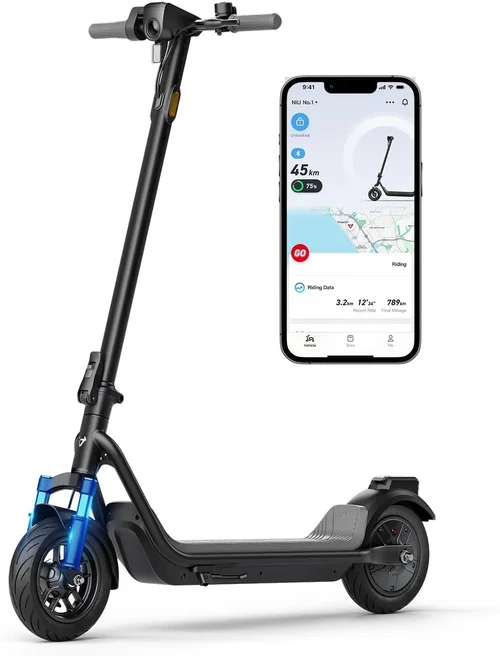
When it comes to urban mobility, few vehicles offer the perfect blend of affordability, efficiency, and convenience quite like a 50cc scooter. Whether you’re a college student navigating campus, a commuter dodging rush-hour traffic, or someone simply looking for an eco-friendly way to run errands around town, a reliable 50cc scooter can be a game-changer. But with dozens of models flooding the market—each boasting different features, designs, and price points—it’s easy to feel overwhelmed. That’s exactly why this comprehensive buying guide exists: to cut through the noise and help you make a smart, informed decision based on your real-world needs.
In this expert-level guide, you’ll learn everything you need to know before purchasing a 50cc scooter in 2026. We’ll break down the most critical factors to consider—from engine performance and build quality to safety features and long-term reliability. You’ll also discover how different scooter types compare, avoid common pitfalls that trip up first-time buyers, and get actionable tips to secure the best deal. Whether you’re on a tight budget or willing to invest in premium features, this guide will equip you with the knowledge to choose a scooter that fits your lifestyle, not just your wallet. The 50cc scooter market has evolved significantly in recent years, with advancements in fuel efficiency, digital dashboards, LED lighting, and even smart connectivity. Yet, despite these innovations, the core appeal remains unchanged: simplicity, low operating costs, and the freedom to zip through city streets with minimal hassle.

What to Look for When Buying a 50cc Scooter
1. Budget & Price Range
The first and most practical consideration when shopping for a 50cc scooter is your budget. Prices can vary dramatically—from under $1,500 for basic entry-level models to over $4,000 for high-end, feature-rich scooters. Setting a realistic budget upfront helps narrow your options and prevents overspending on features you may not need. Keep in mind that the purchase price is just the beginning; factor in additional costs like insurance, registration, maintenance, and potential accessories (helmets, locks, storage boxes).
For most buyers, a mid-range scooter priced between $2,000 and $3,000 offers the best balance of quality, features, and long-term value. These models typically include reliable engines, decent suspension, and modern conveniences like digital displays and under-seat storage. However, if you’re on a tight budget, don’t dismiss entry-level options outright—many offer surprising durability and performance for the price. Just be sure to scrutinize build quality and warranty coverage.
2. Performance Specifications
While all 50cc scooters are limited by law to a top speed of around 30–35 mph (depending on local regulations), there’s still meaningful variation in how they perform. Key specs to examine include engine type (air-cooled vs. liquid-cooled), horsepower, torque, and fuel efficiency. Air-cooled engines are simpler and cheaper to maintain but may struggle in hot climates or during prolonged use. Liquid-cooled engines run cooler and more efficiently but come at a higher cost.
Horsepower typically ranges from 2.5 to 4.5 HP—enough for flat urban terrain but insufficient for steep hills. If you live in a hilly area, look for models with higher torque output or consider a CVT (continuously variable transmission) that optimizes power delivery. Fuel economy is another major advantage of 50cc scooters, with most achieving 80–100+ MPG. This translates to significant savings over time, especially if you ride daily.
3. Build Quality & Durability
A scooter is only as good as its construction. Cheap plastic body panels, flimsy frames, and poor welding can lead to premature wear, rattling parts, and safety concerns. Look for scooters made with high-grade steel or aluminum frames, reinforced footrests, and weather-resistant components. Check hinge points, handlebar mounts, and suspension linkages for sturdiness—these areas endure constant stress.
Durability also extends to the finish. Scratches and fading may seem cosmetic, but they can expose metal to rust and degrade resale value. Brands known for robust build quality include Honda, Yamaha, and Kymco, though several lesser-known manufacturers now offer surprisingly solid options. Always inspect welds, panel gaps, and fastener quality if buying in person—or read detailed user reviews if purchasing online.
4. Features & Functionality
Modern 50cc scooters pack an impressive array of features once reserved for larger motorcycles. Essential conveniences include under-seat storage (ideally 15–20 liters), USB charging ports, LED headlights and taillights, and digital instrument clusters. Some models even offer Bluetooth connectivity, smartphone integration, and GPS tracking—though these are more common in premium tiers.
Safety features are equally important. Look for front and rear disc brakes (or at least a front disc with rear drum), ABS (anti-lock braking system) where available, and responsive suspension. A well-designed ergonomic seat, intuitive controls, and good visibility also enhance ride comfort and safety. Don’t overlook practical touches like a center stand (easier for maintenance), a fuel gauge, and a kickstand safety switch.
5. Brand Reputation & Reliability
Not all scooter brands are created equal. Established manufacturers like Honda, Yamaha, Piaggio, and Vespa have decades of engineering experience and global service networks. Their scooters undergo rigorous testing and benefit from widespread parts availability. That said, newer brands like SYM, Lance, and Genuine Scooter Co. have gained traction by offering competitive specs at lower prices.
Reliability isn’t just about brand name—it’s about consistency. Research recall histories, read long-term owner reviews, and check forums for recurring issues (e.g., carburetor problems, electrical faults). A reputable brand should also provide clear documentation, accessible customer support, and transparent service policies. Avoid no-name imports with vague origins—they may save you money upfront but cost more in repairs down the line.
6. Warranty & Support
A strong warranty is a strong indicator of a manufacturer’s confidence in its product. Most reputable brands offer at least a 12-month limited warranty covering parts and labor, with some extending to 24 months. Pay attention to what’s included: engine coverage, electrical systems, frame defects, and wear items like brakes and tires.
Equally important is post-purchase support. Can you easily find authorized service centers near you? Are replacement parts readily available? Some brands partner with local dealers, while others rely on mail-order support. If you plan to do basic maintenance yourself, check whether the scooter uses standard tools and has accessible service points. A good warranty combined with reliable support can save you hundreds in unexpected repair costs.
7. Size & Portability
Though all 50cc scooters are relatively compact, size differences matter—especially if you need to store it in a small apartment, carry it upstairs, or transport it in a car. Measure the scooter’s length, width, and weight (typically 150–220 lbs). Lighter models are easier to maneuver and lift, but may sacrifice stability at higher speeds.
Wheel size also affects ride quality. Most 50cc scooters use 10- or 12-inch wheels. Smaller wheels are nimble in traffic but less comfortable on rough roads; larger wheels offer better cushioning and stability. If you frequently ride over potholes or uneven pavement, prioritize suspension travel and wheel diameter. Foldable handlebars or removable seats can enhance portability but are rare in this class.
8. User Reviews & Real-World Feedback
Spec sheets tell part of the story—real user experiences tell the rest. Before finalizing your choice, dive into owner reviews on forums, YouTube, and retailer sites. Look for patterns: Do multiple users report the same issue (e.g., weak headlights, poor cold starts)? Are there consistent praises for comfort or reliability?
Pay special attention to long-term reviews (6+ months of ownership). These reveal how a scooter holds up over time, including maintenance frequency, part failures, and dealer responsiveness. Be wary of overly positive or generic reviews—they may be incentivized or fake. Instead, focus on detailed, balanced feedback that discusses both pros and cons.
Different Types of 50cc Scooters

Common Buying Mistakes to Avoid
❌ Mistake: Ignoring Local Licensing & Registration Requirements
Why it’s bad: In many states and countries, 50cc scooters require a valid driver’s license, registration, and insurance—even though they’re classified as “low-speed” vehicles. Assuming you can ride one without proper documentation can lead to fines, impoundment, or legal trouble.
What to do instead: Check your local DMV or transportation authority website before buying. Some regions allow moped licenses or learner’s permits for 50cc vehicles, while others treat them like motorcycles. Ensure your scooter meets emissions and safety standards for road legality.
❌ Mistake: Choosing Based Solely on Price
Why it’s bad: The cheapest scooter isn’t always the best value. Ultra-budget models often use inferior components, lack warranties, and have high failure rates. You may end up spending more on repairs than you saved initially.
What to do instead: Evaluate total cost of ownership—not just purchase price. Consider fuel efficiency, expected maintenance intervals, parts availability, and resale value. A slightly more expensive scooter from a reputable brand often pays for itself in reliability and longevity.
❌ Mistake: Overlooking Test Rides
Why it’s bad: Scooters feel different in real life than they do in photos or spec sheets. A model that looks great online might have uncomfortable seating, stiff controls, or poor balance—issues you won’t notice until you ride it.
What to do instead: Always request a test ride from the dealer. Pay attention to seat comfort, throttle response, brake feel, and how it handles at low speeds. If buying online, choose retailers with generous return policies or local demo events.
❌ Mistake: Neglecting Safety Gear
Why it’s bad: Many new riders assume 50cc scooters are “safe” due to their low speed. However, accidents still happen—and without proper gear, injuries can be severe. Helmets, gloves, and protective clothing are non-negotiable.
What to do instead: Budget for high-quality safety gear from day one. Invest in a DOT/ECE-certified helmet, armored jacket, and sturdy footwear. Reflective elements and bright colors increase visibility, especially at night.
❌ Mistake: Skipping the Owner’s Manual
Why it’s bad: Every scooter has specific break-in procedures, maintenance schedules, and operational tips. Ignoring these can void your warranty or cause premature engine wear.
What to do instead: Read the manual thoroughly before your first ride. Note oil change intervals, recommended fuel type, and storage guidelines. Keep it handy for future reference—many manuals are also available online.
❌ Mistake: Buying Without Researching Service Networks
Why it’s bad: Even the best scooters need occasional servicing. If there’s no authorized dealer or mechanic nearby, you’ll face long waits, high labor costs, or被迫 DIY repairs beyond your skill level.
What to do instead: Before purchasing, search for local service centers that support your chosen brand. Call ahead to confirm they stock parts and have certified technicians. This is especially crucial if you live in a rural area.
❌ Mistake: Assuming All 50cc Scooters Are Equal
Why it’s bad: Engine displacement alone doesn’t define performance. Two 50cc scooters can feel vastly different due to tuning, weight, aerodynamics, and transmission design. Relying solely on “50cc” as a metric leads to mismatched expectations.
What to do instead: Compare real-world performance metrics like 0–30 mph time, hill-climbing ability, and braking distance. Watch video reviews that demonstrate actual riding conditions.
Budget Guidelines: How Much Should You Spend?
Entry-Level ($1,200–$2,000): This tier is ideal for students, occasional riders, or those on a tight budget. Expect basic features: analog gauges, minimal storage, and air-cooled engines. Brands like Roketa, Taotao, and Ice Bear dominate this space. While affordable, these scooters often lack durability and may require frequent tune-ups. Best for flat, short-distance commuting under 10 miles daily.
Mid-Range ($2,000–$3,000): The sweet spot for most buyers. Scooters in this range offer reliable engines, digital displays, decent suspension, and 15–20L of under-seat storage. Models like the Honda Ruckus, Yamaha Zuma 50f, and Kymco K-XCT 50 provide excellent value. They’re built to last 5+ years with proper maintenance and handle varied urban terrain confidently.
Premium ($3,000–$4,000): For enthusiasts and daily commuters who prioritize comfort, style, and advanced features. Expect liquid-cooled engines, ABS, LED lighting suites, smartphone connectivity, and premium materials. Vespa Primavera 50, Piaggio Liberty 50, and SYM Jet 50X exemplify this tier. These scooters blend performance with Italian-inspired design and superior fit-and-finish.
Luxury ($4,000+): Reserved for collectors and those seeking the ultimate in craftsmanship. Limited-edition models, hand-stitched seats, carbon fiber accents, and bespoke color options define this category. While functionally similar to premium scooters, luxury models emphasize exclusivity and brand heritage. Practicality takes a backseat to aesthetics—but for some, that’s precisely the point.
Expert Tips for Getting the Best Deal
- Buy Off-Season: Scooter sales peak in spring and summer. Shop in late fall or winter when dealers are eager to clear inventory. You can often negotiate 10–15% off MSRP or score free accessories.
- Compare Online vs. In-Store: Online retailers like RevZilla, Cycle Gear, and Amazon often have lower prices and wider selections. However, local dealers provide test rides, immediate support, and sometimes better financing. Use online quotes to negotiate with brick-and-mortar stores.
- Watch for Promotions: Many manufacturers run “0% financing,” “free first service,” or “$500 cashback” deals during holidays or new model launches. Sign up for brand newsletters to stay informed.
- Inspect Before You Buy: Even new scooters can have shipping damage or assembly issues. Check for loose bolts, fluid leaks, and proper tire pressure. Test all lights, signals, and the horn.
- Negotiate Extras: Dealers may throw in free gear (helmet, lock), extended warranties, or maintenance packages if you ask. These add-ons can be worth hundreds.
- Consider Certified Pre-Owned: Gently used scooters from reputable dealers often come with warranties and have already undergone break-in. You can save 20–30% versus new while getting nearly identical performance.
- Read the Fine Print: Understand return policies, restocking fees, and warranty exclusions. Some “lifetime” warranties only cover specific parts or require annual inspections.
- Join Owner Communities: Forums like ScooterLab, Reddit’s r/scooters, and Facebook groups offer insider deals, group buys, and二手 listings from trusted members.
Frequently Asked Questions
Q: Do I need a motorcycle license to ride a 50cc scooter?
A: It depends on your location. In the U.S., most states require at least a standard driver’s license, while others mandate a moped or motorcycle endorsement. Always verify local laws—some cities also restrict where 50cc scooters can be ridden (e.g., no highways).
Q: How fast can a 50cc scooter go?
A: Legally, 50cc scooters are capped at 30–35 mph in most regions. Real-world speeds vary based on weight, terrain, and tuning, but exceeding 40 mph is rare and often unsafe due to limited stability and braking power.
Q: Are 50cc scooters fuel-efficient?
A: Absolutely. Most achieve 80–100+ MPG, making them one of the most economical vehicles per mile. A single gallon can last weeks for light riders.
Q: Can I carry a passenger on a 50cc scooter?
A: Generally no. Most 50cc models are designed for single riders only. Attempting to carry a passenger compromises balance, braking, and legality in many areas.
Q: How often do I need to service my 50cc scooter?
A: Basic maintenance (oil change, air filter, spark plug) every 1,000–2,000 miles. Full tune-ups every 4,000–6,000 miles. Follow your owner’s manual for specifics.
Q: Are electric 50cc scooters worth it?
A: If you prioritize silence, zero emissions, and low running costs, yes. However, range is limited (20–40 miles per charge), and charging infrastructure may be lacking. Great for short urban trips.
Q: What’s the average lifespan of a 50cc scooter?
A: With proper care, 10,000–20,000 miles or 5–10 years. Engine rebuilds can extend life further, especially in liquid-cooled models.
Q: Can I modify my 50cc scooter for more speed?
A: Technically yes—but it’s often illegal, voids warranties, and reduces safety. Performance mods (bigger carb, exhaust) can push speeds to 45+ mph but increase wear and accident risk.
Q: Where should I store my scooter?
A: Ideally in a garage or covered area to protect from rain, sun, and theft. Use a breathable cover if outdoors. Never leave it on the kickstand on soft ground—it can tip over.
Q: Is insurance required for 50cc scooters?
A: In many states, yes—even for low-speed vehicles. Minimum liability coverage is typically mandatory. Shop around for scooter-specific policies, which are often cheaper than motorcycle insurance.
Our Final Recommendations
Best for Budget-Conscious Buyers: Honda Ruckus – At around $2,800, it’s pricier than no-name brands but delivers unmatched reliability, minimal maintenance, and a cult following. Its rugged design handles abuse gracefully.
Best Overall Value: Yamaha Zuma 50f – Priced near $3,200, it offers liquid cooling, excellent suspension, and 12-inch wheels for a smooth ride. Perfect for daily commuting with room for groceries or a backpack.
Best Premium Option: Vespa Primavera 50 – For those who want style and substance, this Italian icon ($3,800+) combines timeless design with modern tech, including ABS and a digital dashboard.
Best for Beginners: Kymco K-XCT 50 – User-friendly controls, forgiving handling, and a comfortable seat make it ideal for new riders. Priced under $2,500, it’s also affordable.
Best for Advanced Users: SYM Jet 50X – Sport-tuned suspension, aggressive styling, and responsive throttle appeal to enthusiasts. At $2,900, it punches above its weight in performance.
Conclusion: Making the Right Choice
Choosing the right 50cc scooter isn’t just about picking the shiniest model or the lowest price tag—it’s about aligning your purchase with your lifestyle, needs, and long-term goals. Whether you’re zipping to class, delivering meals, or simply enjoying the open road on weekends, the perfect scooter is out there. By prioritizing build quality, safety, and real-world feedback over flashy marketing, you’ll avoid costly mistakes and enjoy years of reliable service.
Remember: the best scooter for someone else might not be the best for you. Consider your commute distance, terrain, storage situation, and how much you’re willing to invest in maintenance and gear. Take your time, test ride multiple models, and don’t rush the decision. A well-chosen 50cc scooter doesn’t just get you from point A to point B—it becomes a trusted companion in your daily adventures.
Ready to hit the road? Use this guide as your roadmap, and ride with confidence knowing you’ve made an informed, expert-backed choice. Safe travels!