
If you’re considering an electric bike with a throttle, you’re not just looking for a way to get from point A to point B—you’re exploring a lifestyle upgrade. Throttle ebikes offer instant power at the twist of a wrist or push of a button, giving riders effortless acceleration without needing to pedal. Whether you’re commuting through city traffic, tackling hilly terrain, or simply want a more relaxed ride, throttle ebikes deliver convenience and performance that pedal-assist models can’t always match. But with so many options flooding the market in 2026, choosing the right one can feel overwhelming. That’s where this guide comes in.
This comprehensive buying guide is designed to cut through the noise and help you make a smart, informed decision. We’ll walk you through every critical factor—from motor power and battery life to build quality and warranty coverage—so you know exactly what to prioritize based on your needs. You’ll learn how to avoid common pitfalls, understand pricing tiers, compare different types of throttle ebikes, and even discover expert tips for scoring the best deal. By the end, you’ll have the confidence to choose an ebike that fits your budget, lifestyle, and riding goals—not just today, but for years to come.
The throttle ebike market has exploded in recent years, driven by advances in battery tech, motor efficiency, and consumer demand for greener transportation. From sleek urban commuters to rugged off-road beasts, there’s a throttle ebike for nearly every use case. However, not all throttle systems are created equal—some offer smooth, responsive control, while others feel jerky or underpowered. Similarly, battery range, frame materials, and after-sales support vary wildly between brands. This guide demystifies those differences and arms you with the knowledge to pick a bike that won’t leave you stranded—or disappointed—after just a few rides.
What to Look for When Buying Throttle Ebikes
1. Motor Power & Type
The motor is the heart of any throttle ebike, dictating how well it accelerates, climbs hills, and handles load. Most throttle ebikes in 2026 feature either hub motors (mounted in the front or rear wheel) or mid-drive motors (positioned near the pedals). Hub motors are simpler, quieter, and generally more affordable—ideal for flat-city commuting. Mid-drive motors offer better weight distribution, superior hill-climbing ability, and more natural pedal feel, but they’re typically found on higher-end models.
Motor power is measured in watts (W). In the U.S., federal law caps ebike motors at 750W for Class 1 and Class 3 bikes, though many states allow up to 1000W for off-road use. For casual riders, a 500W–750W motor is more than sufficient. If you plan to carry heavy loads, ride steep inclines, or want faster top speeds, consider a 750W–1000W model. Always check local regulations—some areas restrict throttle use entirely or limit speed to 20 mph.
2. Battery Capacity & Range
Battery capacity is measured in watt-hours (Wh), which directly impacts how far you can ride on a single charge. A typical throttle ebike battery ranges from 400Wh to 900Wh. For example, a 500Wh battery might give you 25–40 miles of range using only throttle, but this drops significantly if you’re riding uphill, carrying cargo, or using high assist levels.
Lithium-ion (Li-ion) batteries dominate the market due to their high energy density, long lifespan (500–1,000 charge cycles), and lightweight design. Avoid older lead-acid or nickel-based batteries—they’re heavier, less efficient, and degrade faster. Removable batteries are a major plus, allowing you to charge indoors or swap in a spare for extended trips. Also, check the charger specs: a fast charger (3A or higher) can refill your battery in 2–3 hours instead of 6+.
Real-world range varies widely. Manufacturers often quote “up to” distances under ideal conditions (flat terrain, light rider, low throttle). Always assume 20–30% less range than advertised. If you need reliable daily commuting, aim for a minimum 600Wh battery with proven real-world range of 30+ miles.
3. Throttle Type & Responsiveness
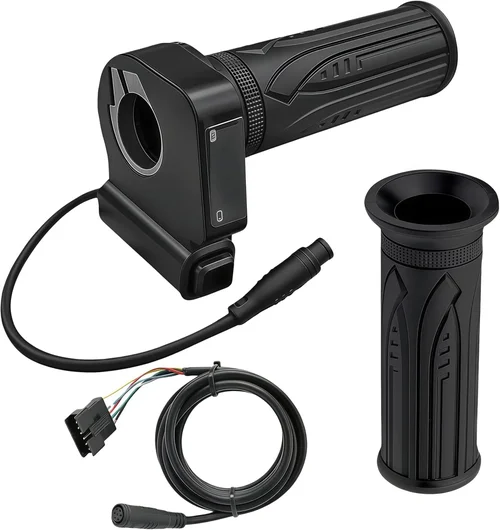
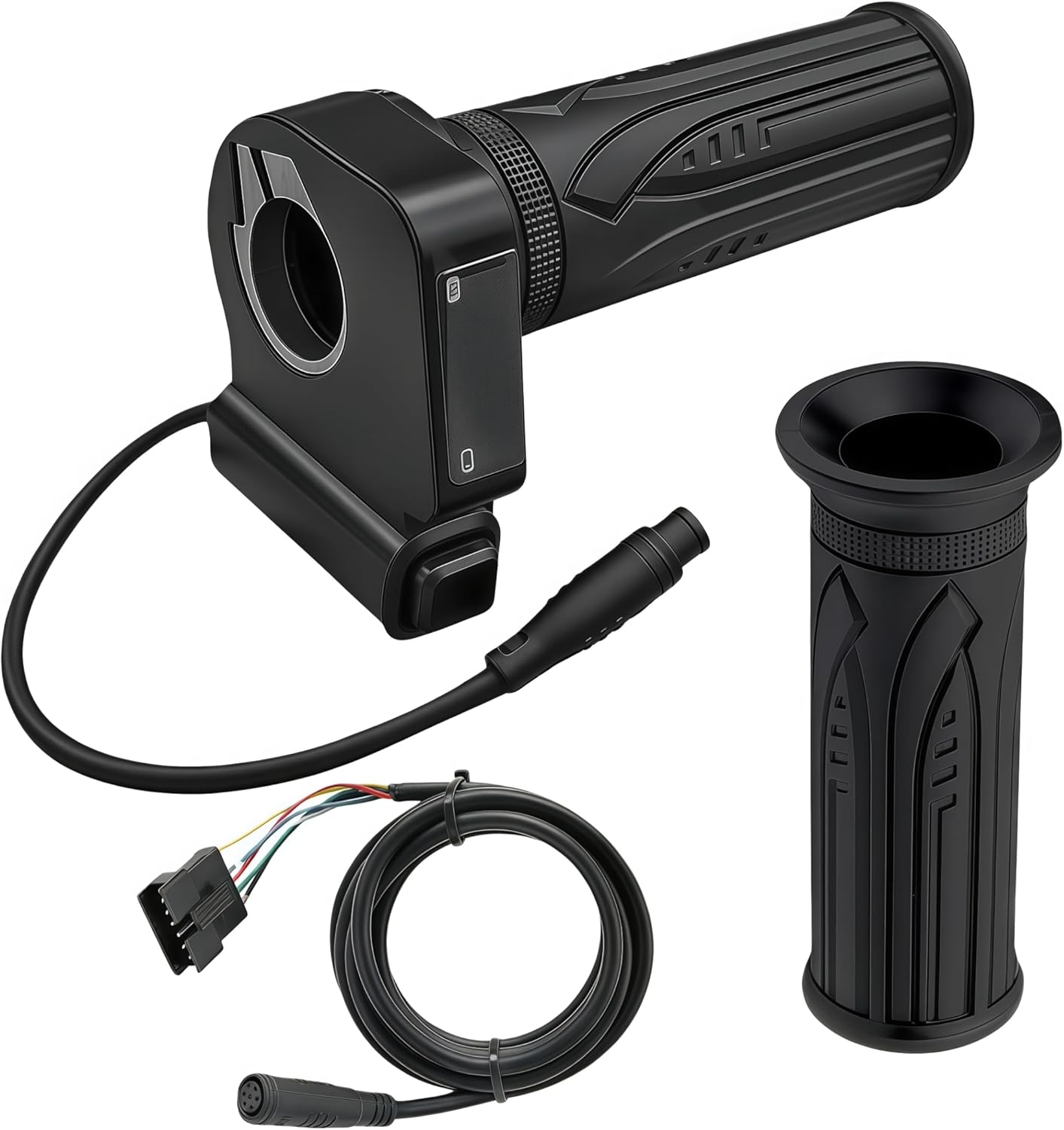
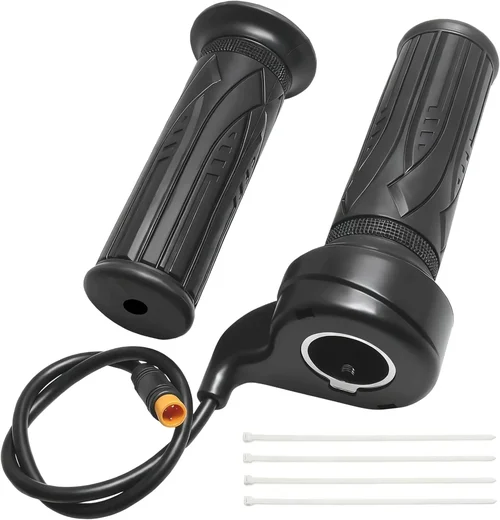
Not all throttles are equal. The two main types are thumb throttles (mounted on the handlebar, activated by pressing down) and twist-grip throttles (similar to a motorcycle, twisted forward). Thumb throttles are easier to control at low speeds and less fatiguing on long rides, while twist-grip offers more intuitive acceleration but can be tricky in tight spaces.
Responsiveness matters just as much as type. A good throttle delivers smooth, linear power without sudden surges or lag. Cheaper models often use basic potentiometer-based throttles that feel jerky or inconsistent. Premium bikes integrate smart throttles that sync with pedal-assist sensors, offering seamless transitions between modes. Test ride whenever possible—throttle feel is highly subjective and can make or break your riding experience.
4. Frame Material & Build Quality
The frame is your ebike’s skeleton, affecting weight, durability, and ride comfort. Aluminum alloy is the most common material—lightweight, rust-resistant, and cost-effective. High-end models may use hydroformed aluminum for sleeker designs and better strength-to-weight ratios. Steel frames are heavier but absorb vibrations well, making them great for rough roads (though rare on modern throttle ebikes due to weight).
Look for reinforced welds, internal cable routing, and quality suspension (front fork or full suspension) if you plan to ride off-road or on uneven pavement. Check the maximum load capacity—most ebikes support 250–300 lbs, but cargo or heavy riders should verify this spec. Avoid flimsy-looking frames with thin tubing or poor finish quality; they’re prone to cracks and fatigue over time.
5. Braking System
With added speed and weight, reliable brakes are non-negotiable. Mechanical disc brakes are common on budget models but require more hand force and wear faster. Hydraulic disc brakes offer superior stopping power, better modulation, and less maintenance—ideal for throttle ebikes that can reach 20+ mph.
Some premium models include regenerative braking (which recharges the battery slightly when braking), though its real-world impact is minimal. Always ensure the bike has dual disc brakes (front and rear) and test brake responsiveness during a demo ride. Squeaky, spongy, or slow-to-engage brakes are red flags.
6. Tires & Suspension
Tires determine grip, comfort, and rolling resistance. Wider tires (2.3”–2.8”) provide better stability and shock absorption, especially on gravel or potholed streets. Knobby tires are great for off-roading but increase drag on pavement. Tubeless-ready tires reduce puncture risk and allow lower pressures for a smoother ride.
Suspension comes in two forms: front suspension forks (most common) and full suspension (rear + front). Front suspension absorbs bumps and improves control, while full suspension is reserved for high-end mountain ebikes. For city riding, a basic suspension fork is sufficient. Off-road enthusiasts should invest in quality air-sprung forks with 100–120mm travel.
7. Display & Connectivity Features
The display shows critical info like speed, battery level, assist mode, and trip data. Basic LCD screens are functional but lack customization. Color TFT displays (found on mid-to-high-tier bikes) offer clearer visuals, Bluetooth connectivity, and app integration. Apps can track rides, adjust settings, lock the bike remotely, and even provide GPS navigation.
Look for intuitive controls—buttons should be easy to press while riding. Backlit screens are essential for night riding. Some models include USB ports to charge your phone, which is handy for long commutes or navigation.
8. Warranty & Customer Support
A strong warranty signals confidence in product quality. At minimum, expect a 1-year comprehensive warranty covering motor, battery, and frame. Premium brands often offer 2–3 years, with some extending battery coverage separately (e.g., 2 years or 500 cycles). Avoid brands with no warranty or vague terms.
Customer support matters just as much. Check if the company has U.S.-based service centers, responsive email/phone support, and readily available replacement parts. Read user reviews about repair experiences—some brands drag out repairs or charge excessive fees for out-of-warranty issues.
Different Types of Throttle Ebikes

Common Buying Mistakes to Avoid
❌ Mistake: Ignoring Local Laws on Throttle Use
Why it’s bad: Many U.S. states and countries restrict or ban throttle-only ebikes above 20 mph. Riding an illegal bike could result in fines, confiscation, or voided insurance.
What to do instead: Check your state’s Department of Motor Vehicles (DMV) or transportation website. Stick to Class 2 ebikes (throttle-assisted, max 20 mph) unless you’re riding on private property or in regions allowing higher speeds.
❌ Mistake: Prioritizing Price Over Battery Quality
Why it’s bad: Cheap batteries degrade quickly, lose capacity, and may pose fire risks. A $200 battery replacement can negate any upfront savings.
What to do instead: Choose reputable battery brands (Samsung, LG, Panasonic cells) and avoid no-name suppliers. Look for UL certification—a safety standard for lithium batteries.
❌ Mistake: Skipping the Test Ride
Why it’s bad: Ebike ergonomics vary widely. A bike that looks great online might feel uncomfortable, unbalanced, or have poor throttle response in person.
What to do instead: Always test ride before buying—even if ordering online, see if the brand offers local dealers or demo days. Pay attention to seat comfort, handlebar reach, and how the throttle feels under load.
❌ Mistake: Overlooking Maintenance Needs
Why it’s bad: Throttle ebikes still require regular upkeep—brake adjustments, tire pressure checks, chain lubrication. Neglect leads to premature wear and safety issues.
What to do instead: Factor in annual maintenance costs (~$100–$200) and learn basic DIY tasks. Choose brands with accessible service networks or detailed online tutorials.
❌ Mistake: Assuming All “750W” Motors Are Equal
Why it’s bad: Some brands advertise “750W peak” motors that sustain only 500W. This affects hill-climbing and towing ability.
What to do instead: Look for “continuous power” ratings in specs. A true 750W continuous motor will outperform a 500W continuous model labeled as “750W peak.”
❌ Mistake: Buying Based Solely on Range Claims
Why it’s bad: Manufacturers often quote range using pedal-assist, not throttle-only mode. Real-world throttle range is typically 30–50% lower.
What to do instead: Read independent reviews that test throttle-only range. Add a 25% buffer to advertised numbers for realistic expectations.
❌ Mistake: Ignoring Weight and Portability
Why it’s bad: Most throttle ebikes weigh 50–70 lbs. Lifting a heavy bike upstairs or onto a car rack is difficult and risky.
What to do instead: If you need to carry or store the bike frequently, consider a folding model or look for lightweight aluminum frames. Check if the battery is removable—it can reduce carry weight by 10–15 lbs.
Budget Guidelines: How Much Should You Spend?
Entry-Level ($800 – $1,500): These bikes are great for casual riders or short commutes. Expect basic components: mechanical disc brakes, non-removable batteries, minimal displays, and hub motors around 500W. Brands like Ancheer, ECOTRIC, and Swagtron dominate this space. While functional, they often lack durability and long-term support. Ideal for occasional use or as a starter bike.
Mid-Range ($1,500 – $3,000): This is the sweet spot for most buyers. You’ll get hydraulic disc brakes, removable 500–700Wh batteries, quality suspension forks, and responsive throttles. Brands like Rad Power Bikes, Aventon, and Lectric offer excellent value here. These bikes balance performance, reliability, and features—perfect for daily commuting, weekend adventures, or light cargo hauling.
Premium ($3,000 – $5,000): Designed for enthusiasts and serious riders. Expect mid-drive motors, full suspension, high-capacity batteries (750Wh+), advanced displays with app connectivity, and premium build quality. Models from Specialized, Trek, and Riese & Müller fall here. These bikes excel in performance, comfort, and longevity—worth the investment if you ride frequently or tackle challenging terrain.
Luxury ($5,000+): Top-tier engineering with cutting-edge tech. Think carbon fiber frames, regenerative braking, integrated GPS, and custom tuning options. These are for collectors, tech lovers, or those who demand the absolute best. While overkill for most, they showcase the future of ebike innovation.
Expert Tips for Getting the Best Deal
- Shop During Off-Seasons: Retailers discount ebikes heavily in late fall and winter (October–February) to clear inventory. You can save 15–30% compared to spring/summer peaks.
- Buy Direct from Manufacturers: Brands like Rad Power Bikes, Lectric, and Aventon sell online-only, cutting out dealer markups. They often run exclusive promotions and offer better warranties.
- Check for Refurbished or Open-Box Deals: Certified pre-owned ebikes from reputable sellers come with warranties and cost 20–40% less. Great way to get premium features on a budget.
- Negotiate Accessories: Many dealers include free helmets, locks, or racks if you ask. Online retailers sometimes bundle these during sales.
- Read the Fine Print on Returns: Ensure the return window is at least 14–30 days and covers test rides. Some brands charge restocking fees or exclude batteries.
- Join Owner Forums: Communities like Reddit’s r/ebikes or Facebook groups share real-world deals, discount codes, and insider tips.
- Consider Financing: Several brands offer 0% APR financing for 6–12 months. Useful if you want a higher-end model but prefer manageable payments.
- Verify Assembly Requirements: Most ebikes ship 85% assembled. If you’re not handy, pay for professional assembly ($50–$100) to avoid damaging components.

Frequently Asked Questions
Q: Can I ride a throttle ebike without pedaling?
A: Yes! That’s the main advantage of a throttle ebike. You can ride purely on motor power, though range will be shorter than using pedal-assist. Always check local laws—some areas require pedaling above certain speeds.
Q: How long does the battery last?
A: Most lithium-ion batteries retain 80% capacity after 500–1,000 full charge cycles. With proper care (avoid extreme temps, don’t drain to 0%), a battery should last 3–5 years before needing replacement.
Q: Are throttle ebikes legal everywhere?
A: No. Regulations vary by country, state, and even city. In the U.S., Class 2 ebikes (throttle, 20 mph max) are widely allowed, but some states ban throttles entirely. Always verify local rules before purchasing.
Q: Do I need a license or insurance?
A: In most U.S. states, no license or insurance is required for Class 1–3 ebikes under 750W. However, some cities or rental companies may have additional requirements. Check your local DMV.
Q: Can I convert a regular bike to a throttle ebike?
A: Yes, with conversion kits (e.g., Bafang, Voilamart). However, ensure your frame can handle the motor torque and that the battery fits securely. DIY conversions may void warranties and aren’t always street-legal.
Q: What’s the difference between Class 2 and Class 3?
A: Class 2 has a throttle and max speed of 20 mph. Class 3 also has a throttle (in most cases) but can reach 28 mph—usually via pedal-assist only. Throttle use above 20 mph is restricted in many areas.
Q: How fast do throttle ebikes go?
A: Most are limited to 20 mph via throttle due to regulations. High-performance models may unlock higher speeds in “off-road” mode, but this is typically illegal on public roads.
Q: Are throttle ebikes good for hills?
A: Absolutely—if they have sufficient motor power (750W+) and torque. Mid-drive motors excel here, but strong hub motors (like Bafang’s 750W) also handle steep grades well.
Q: Can I ride in the rain?
A: Yes, most ebikes are water-resistant (IP65 rating or higher). Avoid submerging the battery or motor, and dry the bike after wet rides to prevent corrosion.
Q: What maintenance do throttle ebikes need?
A: Regular checks include tire pressure, brake pad wear, chain lubrication, and bolt tightening. Battery terminals should be kept clean, and software updates (if applicable) should be installed.
Our Final Recommendations
Best for Budget-Conscious Buyers: Lectric XP 3.0 ($999) – A folding fat-tire ebike with a 750W motor, 45+ mile range, and hydraulic brakes. Perfect for urban riders who need portability and power without breaking the bank.
Best Overall Value: Rad Power Bikes RadCity 5 Plus ($1,799) – Combines a 750W geared hub motor, 61-mile range, integrated lights, and a comfortable step-through frame. Ideal for daily commuting with premium features at a mid-range price.
Best Premium Option: Specialized Turbo Vado SL 5.0 ($4,200) – Lightweight, sleek, and packed with tech: 70Nm torque, 120-mile range, and a stunning color display. For riders who want top-tier performance and design.
Best for Beginners: Aventon Pace 500.3 ($1,599) – User-friendly with a smooth thumb throttle, intuitive app, and reliable components. Great first ebike with room to grow.
Best for Advanced Users: Riese & Müller Supercharger2 GT Touring ($7,500) – A cargo-ready powerhouse with dual batteries (1,200Wh total), full suspension, and Bosch Performance Line motor. Built for long-distance touring and heavy loads.
Conclusion: Making the Right Choice
Choosing the best throttle ebike isn’t just about specs—it’s about matching the bike to your life. Whether you’re dodging traffic on a compact commuter, hauling groceries on a cargo bike, or exploring trails on a fat-tire beast, the right ebike should feel like an extension of your mobility, not a compromise. We’ve covered everything from motor types and battery life to legal pitfalls and budget strategies, so you’re equipped to cut through marketing hype and focus on what truly matters: performance, reliability, and joy of riding.
Remember, the cheapest option isn’t always the most economical long-term, and the flashiest model isn’t necessarily the best fit. Prioritize your must-haves—whether that’s range, portability, or hill-climbing power—and don’t overlook after-sales support. A great warranty and responsive customer service can save you hundreds in repairs and frustration down the road.
As you embark on your ebike journey in 2026, keep this guide handy. Revisit the comparison table, double-check local laws, and always test ride when possible. The perfect throttle ebike is out there—it’s the one that gets you excited to ride, day after day, mile after mile. So charge up, twist that throttle, and enjoy the ride. Your future self will thank you.