
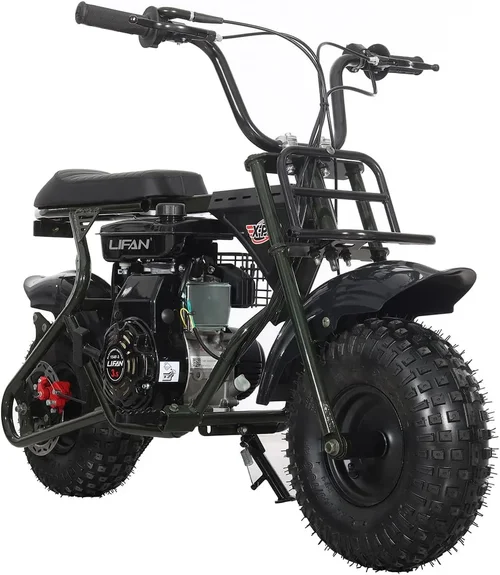
The world of adult mini bikes has exploded in popularity over the past decade, evolving from nostalgic childhood toys into serious, high-performance machines capable of handling everything from weekend trail adventures to daily urban commutes. Whether you’re drawn to the retro charm of a classic pit bike, the eco-friendly efficiency of an electric model, or the raw power of a gas-powered mini moto, there’s never been a better time to invest in one of these compact yet capable two-wheelers. But with so many options flooding the market—ranging from budget-friendly knockoffs to premium, race-ready builds—choosing the right mini bike can feel overwhelming. That’s where this comprehensive buying guide comes in.
In this expert-level deep dive, we’ll cut through the noise and help you make an informed decision tailored to your lifestyle, budget, and riding goals. You’ll learn how to evaluate critical factors like engine performance, build quality, safety features, and long-term reliability. We’ll compare different types of mini bikes, highlight common pitfalls to avoid, and share insider tips for getting the best value. By the end, you’ll have a clear roadmap to finding the perfect mini bike that delivers fun, functionality, and peace of mind—whether you’re a weekend warrior, a city commuter, or a first-time rider looking to dip your toes into motorized recreation.

What to Look for When Buying a Mini Bike for Adults
1. Budget & Price Range
Your budget is the foundation of your mini bike purchase—it determines not only what you can afford upfront but also what kind of performance, durability, and features you can expect. Mini bikes for adults span a surprisingly wide price spectrum, from under $300 for basic electric models to over $3,000 for high-end gas-powered or performance-tuned machines. Setting a realistic budget early helps narrow your options and prevents overspending on features you don’t need—or worse, underspending and ending up with a flimsy, unsafe bike that breaks down after a few rides.
When determining your budget, consider both the initial cost and long-term expenses. Cheaper models may save you money at checkout but often come with lower-quality components, shorter lifespans, and higher maintenance costs. For example, a $250 electric mini bike might seem like a steal, but if its battery degrades quickly or its frame cracks under moderate use, you could end up replacing it within a year. On the other hand, investing $1,200–$2,000 in a well-built gas or electric model from a reputable brand often pays off in reliability, resale value, and riding enjoyment.
2. Performance Specifications
Performance is where mini bikes truly differentiate themselves. Unlike full-sized motorcycles, mini bikes pack impressive power into a compact frame, but that power varies dramatically depending on the engine type, displacement, and design. For gas-powered models, engine size (measured in cubic centimeters or cc) is a key indicator of performance. A 50cc engine might be suitable for flat terrain and light riders, but for adults—especially those over 150 pounds or planning to ride on hills—you’ll want at least 110cc to 150cc for adequate torque and speed.
Electric mini bikes, meanwhile, are rated by motor power (in watts) and battery capacity (in amp-hours or watt-hours). A 500W motor is fine for casual cruising on flat ground, but 1,000W or higher is recommended for adults who want faster acceleration, hill-climbing ability, or off-road capability. Battery range is equally important: look for at least 15–20 miles per charge for daily use, and more if you plan longer rides. Charging time also matters—some batteries take 8+ hours to recharge, while fast-charging models can be ready in under 3 hours.
Top speed is another performance metric, but it’s not always the most important. Most adult mini bikes top out between 25–45 mph, which is sufficient for neighborhood riding, light trail use, or urban commuting. However, higher speeds often come with increased wear and safety risks, so balance speed with control and braking capability. Always check the bike’s weight capacity too—many budget models are only rated for 150–200 pounds, which may not accommodate larger adults comfortably or safely.
3. Build Quality & Durability
A mini bike’s build quality directly impacts its lifespan, safety, and overall riding experience. Unfortunately, the low-cost end of the market is flooded with poorly constructed bikes made from thin steel, weak welds, and subpar components that can fail under stress. When evaluating build quality, start with the frame: look for thick, reinforced steel tubing (at least 1.5mm wall thickness) and clean, precise welds at all joints. Avoid bikes with flimsy-looking frames or visible rust spots—even if they’re new.
Suspension and wheels are also critical. A good mini bike should have front and rear suspension (even if basic) to absorb bumps and provide a smoother ride, especially on uneven terrain. Look for hydraulic or oil-damped shocks rather than cheap spring-only systems. Wheels should be sturdy spoked or alloy rims with decent tread tires—avoid solid rubber wheels, which offer no shock absorption and make for a jarring ride.
Brakes are non-negotiable. Disc brakes (front and ideally rear) are far superior to drum brakes for stopping power and reliability, particularly in wet conditions. Test the brake lever feel—if it’s spongy or requires excessive force, the braking system may be inadequate. Finally, inspect the drivetrain: chains should be properly tensioned and shielded, and gears (if applicable) should shift smoothly without slipping.
4. Features & Functionality
Modern mini bikes come packed with features that enhance convenience, safety, and usability—but not all features are created equal. Start with the basics: does the bike have a reliable ignition system? Gas models should have an easy-start recoil or electric start, while electric bikes should have a keyed ignition or app-based locking system to prevent theft.
Lighting is essential if you plan to ride at dusk or in low-light conditions. Look for bright LED headlights, brake lights, and turn signals. Some premium models even include running lights or customizable lighting modes. A functional speedometer or digital display is also helpful for monitoring speed, battery level (on electric models), and distance traveled.
Storage and portability features can make a big difference in daily use. Foldable handlebars or a compact design make it easier to store the bike in a garage, car trunk, or apartment closet. Some models include built-in racks or hooks for carrying small bags or gear. For electric bikes, removable batteries are a huge plus—they allow you to charge the battery indoors and reduce theft risk.
Safety features shouldn’t be overlooked. A kill switch (emergency shut-off) is standard on most models, but check that it’s easily accessible. Throttle governors or speed limiters are useful for beginners or younger riders. Additionally, some bikes come with reinforced footpegs, skid plates, or engine guards for added protection during off-road use.
5. Brand Reputation
With so many generic brands flooding online marketplaces, choosing a mini bike from a reputable manufacturer is one of the smartest decisions you can make. Established brands like Razor, Coleman, MotoTec, and Pitster Pro have spent years refining their designs, sourcing quality components, and building customer trust. They’re more likely to offer consistent performance, better customer service, and reliable warranty support.
Research the brand’s history: how long have they been in business? Do they specialize in mini bikes or are they a general outdoor gear company? Read customer reviews across multiple platforms (Amazon, Google, specialty forums) to gauge real-world reliability. Be wary of brands with overwhelmingly positive reviews that seem too good to be true—these may be fake or incentivized.
Also consider where the bike is manufactured. While “Made in USA” isn’t a guarantee of quality, bikes assembled or designed in countries with strong manufacturing standards (like the U.S., Germany, or Japan) often undergo stricter quality control. That said, many reputable brands source parts globally but maintain rigorous testing protocols—so focus more on the brand’s track record than the country of origin.
6. Warranty & Support
A solid warranty is a strong indicator of a manufacturer’s confidence in their product—and your protection as a buyer. Most quality mini bikes come with at least a 90-day to 1-year warranty covering defects in materials and workmanship. Premium models may offer 2-year or even lifetime frame warranties. Always read the fine print: some warranties exclude normal wear items like tires, chains, or batteries, or require professional assembly to remain valid.
Customer support matters just as much as the warranty itself. Can you easily reach a human being if something goes wrong? Does the company offer replacement parts, repair guides, or video tutorials? Brands with dedicated support teams and online resources (like FAQs, troubleshooting guides, or community forums) make ownership much less stressful.
If you’re buying online, check the return policy. A 30-day return window with free return shipping gives you time to test the bike and ensure it meets your expectations. Avoid sellers with restocking fees or strict “no returns” policies—especially for high-ticket items.
7. Size & Portability
One of the biggest appeals of mini bikes is their compact size, but “mini” doesn’t mean one-size-fits-all. Adult riders need a bike that accommodates their height, weight, and riding posture. Most mini bikes have a seat height between 24 and 30 inches—taller riders (over 6 feet) may find some models too cramped, leading to discomfort on longer rides.
Check the bike’s overall dimensions and weight. A heavier bike (50+ pounds) may be more stable but harder to lift or transport. If you plan to load it into a car or carry it upstairs, look for models under 40 pounds or those with foldable features. Wheel size also affects ride quality: 10–12 inch wheels are common, but larger wheels (14–16 inches) handle bumps better and provide more stability.
Portability also includes storage. Can the bike fit in your garage, shed, or apartment? Some models come with wall-mount brackets or compact folding designs ideal for urban living. If you’re short on space, prioritize bikes with a small footprint when folded or parked.
8. User Reviews & Ratings
Never rely solely on manufacturer specs or marketing claims—real user feedback is invaluable. Look for reviews from verified purchasers who’ve used the bike for weeks or months, not just unboxing impressions. Pay attention to recurring themes: if multiple users mention the same issue (e.g., “chain slips after 10 rides” or “battery dies in cold weather”), it’s likely a genuine flaw.
Use review platforms strategically. Amazon and Walmart offer broad consumer perspectives, while specialty forums like Reddit’s r/minibikes or motorcycle enthusiast sites provide deeper technical insights. YouTube reviews are especially helpful—watch riders test the bike on hills, gravel, or rough terrain to see how it performs under real conditions.
Be cautious of fake reviews. Look for detailed, balanced feedback that mentions both pros and cons. Reviews that are overly generic (“Great bike! Love it!”) or use identical phrasing across multiple products are red flags. Aim for a mix of 4- and 5-star reviews with constructive criticism—these often reveal the most useful information.
Different Types of Mini Bikes for Adults
Common Buying Mistakes to Avoid
❌ Mistake: Prioritizing Price Over Quality
Why it’s bad: The cheapest mini bike is rarely the best value. Ultra-low-cost models often use substandard materials, lack safety features, and fail prematurely, leading to frustration, repair costs, or even accidents. A $200 bike that breaks after three months ends up costing more than a $600 bike that lasts five years.
What to do instead: Treat your mini bike like an investment. Set a minimum quality threshold—look for reputable brands, solid frames, and positive user reviews—even if it means saving a bit longer. Aim for the mid-range tier ($600–$1,200), where you’ll find the best balance of affordability and durability.
❌ Mistake: Ignoring Weight Capacity
Why it’s bad: Many mini bikes are designed for teens or lightweight adults. Exceeding the weight limit can strain the engine, warp the frame, or cause brake failure—especially dangerous at higher speeds or on inclines.
What to do instead: Always check the manufacturer’s stated weight capacity before buying. If you’re over 180 pounds, look for models rated for 250+ pounds. When in doubt, choose a bike with a higher capacity than you think you need for added safety margin.
❌ Mistake: Overlooking Local Laws and Regulations
Why it’s bad: Mini bikes are not legal to ride on public roads in most states and cities. Riding illegally can result in fines, impoundment, or liability in case of an accident. Some areas also require helmets, registration, or restrict engine sizes.
What to do instead: Research your local laws before purchasing. Check with your city or state DMV, transportation department, or police precinct. If public road use is prohibited, ensure you have access to private property, trails, or designated riding areas.
❌ Mistake: Skipping Safety Gear
Why it’s bad: Even at low speeds, falls can cause serious injury. Without proper protection, a minor spill can lead to broken bones, concussions, or road rash.
What to do instead: Always wear a DOT-approved helmet, gloves, long sleeves, and sturdy footwear. Consider knee and elbow pads for off-road riding. Invest in high-visibility clothing if riding near traffic or at night.
❌ Mistake: Buying Without Testing or Research
Why it’s bad: Online photos and specs don’t always reflect real-world performance. A bike that looks great in ads might have poor ergonomics, weak brakes, or uncomfortable seating.
What to do instead: Watch video reviews, read long-term user feedback, and if possible, test ride a similar model at a local dealer or friend’s bike. Pay attention to seat comfort, handlebar position, and overall feel.
❌ Mistake: Neglecting Maintenance Requirements
Why it’s bad: Gas bikes need regular oil changes, air filter cleaning, and chain lubrication. Electric bikes require battery care and firmware updates. Ignoring maintenance shortens the bike’s life and increases breakdown risk.
What to do instead: Read the owner’s manual thoroughly. Set reminders for routine tasks. Keep spare parts (like spark plugs or fuses) on hand. Consider a maintenance kit or professional service plan if you’re not mechanically inclined.
❌ Mistake: Falling for “Too Good to Be True” Deals
Why it’s bad: Scammers and counterfeit sellers often lure buyers with impossibly low prices, fake reviews, or stolen product images. You might receive a defective bike, a completely different item, or nothing at all.
What to do instead: Buy from authorized retailers or the brand’s official website. Avoid third-party sellers with no history or contact information. Use secure payment methods (like PayPal or credit cards) that offer buyer protection.
Budget Guidelines: How Much Should You Spend?
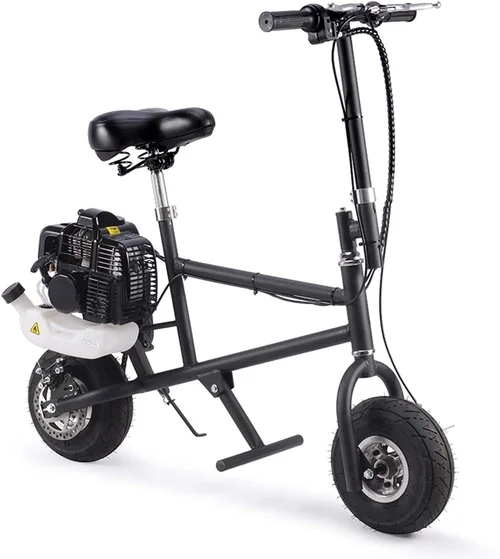
Choosing the right mini bike isn’t just about picking the shiniest model—it’s about matching your budget to your needs. Here’s a realistic breakdown of what you can expect at different price points:
Entry-Level ($250 – $500): This tier is dominated by basic electric mini bikes and low-end gas models. Expect simple designs, limited speed (15–25 mph), shorter battery life (10–15 miles), and minimal features. Build quality varies widely—some are surprisingly durable, while others feel flimsy. Best for casual riders, teens, or those on a tight budget who don’t plan frequent or intense use.
Mid-Range ($500 – $1,200): This is the sweet spot for most adult buyers. You’ll find well-built electric and gas mini bikes with reliable engines (110cc+ or 750W+), decent suspension, disc brakes, and useful features like LED lights and digital displays. Brands like Razor, MotoTec, and Coleman offer solid options here. These bikes balance performance, durability, and value—ideal for weekend fun, light commuting, or trail riding.
Premium ($1,200 – $2,500): Designed for enthusiasts and serious riders, premium mini bikes deliver high performance, rugged construction, and advanced features. Think 150cc+ engines, long-range batteries (30+ miles), upgraded suspension, and race-inspired designs. Models from Pitster Pro, BBR, or specialized electric brands fall here. These bikes handle rough terrain, higher speeds, and frequent use with ease.
Luxury ($2,500+): At this level, you’re paying for top-tier engineering, custom builds, or limited-edition designs. These bikes often feature hand-welded frames, premium components (like hydraulic brakes and forged wheels), and cutting-edge tech (app connectivity, regenerative braking). They’re built for collectors, competitive riders, or those who want the absolute best—no compromises.
Expert Tips for Getting the Best Deal
- Buy During Off-Season: Mini bikes sell best in spring and summer. Shop in late fall or winter (October–February) for discounts, clearance sales, or bundled deals.
- Compare Retailers: Check prices on Amazon, Walmart, Home Depot, and specialty dealers. Sometimes local shops offer price matching or free assembly.
- Look for Bundles: Some sellers include helmets, locks, or maintenance kits at no extra cost—these can save $100+ compared to buying separately.
- Sign Up for Alerts: Use price-tracking tools like Honey or CamelCamelCamel to monitor deals and get notified when prices drop.
- Consider Refurbished or Open-Box: Certified refurbished models from reputable sellers often come with warranties and cost 20–40% less than new.
- Check Return Policies: Ensure you can return the bike within 30 days if it doesn’t meet expectations—especially important for online purchases.
- Ask About Assembly: Some bikes require significant assembly. Factor in the cost of professional setup if you’re not handy with tools.
- Join Online Communities: Forums and Facebook groups often share exclusive promo codes, flash sales, or insider tips on upcoming releases.

Frequently Asked Questions
Q: Are mini bikes street legal?
A: In most U.S. states and cities, mini bikes are not street legal due to lack of lighting, mirrors, horns, and registration capabilities. They’re typically restricted to private property, off-road trails, or designated riding areas. Always check local laws before riding.
Q: How fast do adult mini bikes go?
A: Speeds vary by type. Electric models typically reach 20–35 mph, while gas-powered bikes can hit 30–50+ mph. High-performance pit bikes may exceed 60 mph. Speed depends on engine size, weight, terrain, and tuning.
Q: Do I need a license to ride a mini bike?
A: Generally, no—if riding on private property. However, some states require a motorcycle license or learner’s permit for off-road use. Public road use almost always requires a license, registration, and insurance.
Q: How long do mini bike batteries last?
A: Electric mini bike batteries last 2–5 years or 300–800 charge cycles, depending on usage and care. Proper charging (avoiding full discharges and extreme temperatures) extends lifespan.
Q: Can adults comfortably ride mini bikes?
A: Yes—if the bike is designed for adults. Look for models with higher weight capacities (250+ lbs), adjustable seats, and adequate legroom. Avoid kids’ models, which are too small and underpowered.
Q: Are mini bikes safe for beginners?
A: With proper safety gear and training, yes. Start on flat, open terrain. Electric models are often easier for beginners due to smoother acceleration and lower top speeds.
Q: How do I maintain my mini bike?
A: Gas bikes: change oil every 20–30 hours, clean air filter, lubricate chain. Electric bikes: keep battery charged, check tire pressure, inspect wiring. Store in a dry place and clean after muddy rides.
Q: Can I modify my mini bike for more power?
A: Yes, but modifications (like bigger carburetors or performance exhausts) may void warranties, increase wear, or make the bike unsafe. Consult experts and follow local laws.
Q: Where can I ride my mini bike legally?
A: Private land (with owner permission), designated off-road parks, motocross tracks, or trails where motorized vehicles are allowed. Never ride on sidewalks, bike lanes, or public roads unless explicitly permitted.
Q: What’s the difference between a mini bike and a pit bike?
A: Pit bikes are a subset of mini bikes designed specifically for off-road and motocross use. They usually have better suspension, knobby tires, and higher ground clearance. Mini bikes can be more general-purpose, including street-style or electric models.
Our Final Recommendations
Best for Budget-Conscious Buyers: Razor MX650 Dirt Rocket – At around $500, this electric mini bike offers 17 mph top speed, 10-inch pneumatic tires, and a sturdy steel frame. Great for teens and lightweight adults seeking affordable fun.
Best Overall Value: MotoTec MT-X 125cc Gas Mini Bike – Priced around $800, this gas-powered model delivers 30+ mph, reliable 4-stroke engine, and solid build quality. Ideal for adults wanting performance without breaking the bank.
Best Premium Option: Pitster Pro X1 150cc – At $2,200+, this race-ready pit bike features a high-output engine, adjustable suspension, and professional-grade components. Perfect for serious off-road enthusiasts.
Best for Beginners: Coleman Powersports CT200U – A user-friendly gas mini bike with electric start, low seat height, and forgiving handling. Great for first-time riders learning the basics.
Best for Advanced Users: Sur Ron Light Bee X – This premium electric mini moto ($4,500+) rivals full-sized dirt bikes with 60+ mph speed, 60-mile range, and regenerative braking. Built for tech-savvy riders who demand cutting-edge performance.
Conclusion: Making the Right Choice
Choosing the best mini bike for adults isn’t just about picking the fastest or flashiest model—it’s about finding the right balance of performance, safety, durability, and value that fits your lifestyle. Whether you’re cruising through city streets on an electric commuter, tearing up trails on a gas-powered beast, or simply reliving childhood memories in your backyard, the right mini bike can deliver years of excitement and freedom.
Remember to prioritize your needs: assess your budget, consider where and how you’ll ride, and never compromise on safety or build quality. Use the factors, comparisons, and tips in this guide to cut through the marketing hype and make a confident, informed decision. And once you’ve found your perfect match, don’t forget the golden rule—always ride responsibly, wear your gear, and respect the rules of the road (or trail).
Your adventure starts the moment you twist the throttle. So gear up, stay safe, and enjoy the ride.