
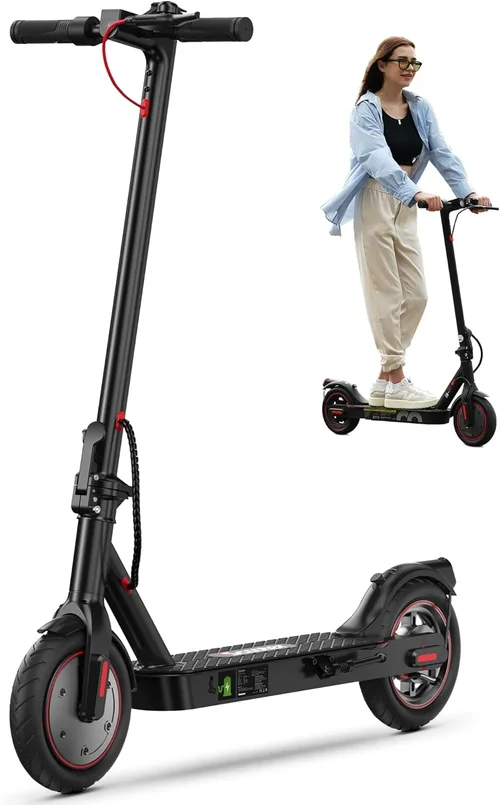
Electric scooters have evolved from niche urban curiosities into mainstream transportation solutions—offering a blend of convenience, eco-friendliness, and affordability that appeals to commuters, students, and weekend adventurers alike. With rising fuel costs, increasing traffic congestion, and growing environmental awareness, more people are turning to e-scooters as a practical alternative for short-distance travel. But with hundreds of models flooding the market at wildly different price points, choosing the right one can feel overwhelming—especially if you’re on a budget. That’s where this comprehensive guide comes in.
In this expert-level buying guide, we’ll cut through the noise and help you identify the best affordable e-scooter for your needs—without sacrificing safety, reliability, or essential features. Whether you’re navigating city streets, cruising campus pathways, or just looking for a fun way to get around town, we’ll walk you through every critical decision point: from understanding performance specs and build quality to avoiding common pitfalls and maximizing value. By the end, you’ll not only know what to look for—you’ll also be equipped with actionable tips, real-world comparisons, and trusted recommendations to make a confident, informed purchase.
The affordable e-scooter market has matured significantly over the past few years. Gone are the days when budget models meant flimsy frames, weak motors, and laughable battery life. Today’s sub-$500 scooters often pack impressive tech like regenerative braking, smartphone connectivity, and surprisingly robust suspension systems. At the same time, premium features like dual motors, long-range batteries, and airline-compliant portability are now accessible at mid-tier prices. This democratization of technology means you no longer have to spend $1,000+ to get a reliable, feature-rich ride. However, with so many options claiming to be “the best value,” it’s easy to fall into marketing traps or overlook hidden flaws. Our goal is to arm you with the knowledge to separate hype from reality—so you can invest wisely in an e-scooter that delivers lasting performance, safety, and satisfaction without breaking the bank.

What to Look for When Buying an Affordable E-Scooter
1. Budget & Price Range
Setting a realistic budget is the foundation of any smart purchase—and e-scooters are no exception. While “affordable” is subjective, most buyers seeking value-driven models should aim between $300 and $700. This range typically offers the best balance of performance, durability, and features without venturing into luxury territory. Be wary of scooters priced under $200; they often cut corners on motor power, battery capacity, and structural integrity, leading to frequent breakdowns or safety risks. Conversely, don’t assume that spending more automatically guarantees better quality—many brands inflate prices based on branding rather than engineering.
When defining your budget, consider not just the upfront cost but also long-term expenses like replacement tires, brake pads, or battery degradation. A slightly higher initial investment in a well-built scooter can save you hundreds in repairs down the line. Also, factor in potential add-ons: helmets, locks, phone mounts, or portable chargers. These may seem minor, but they contribute to your total cost of ownership. Finally, remember that seasonal sales—especially during Black Friday, Prime Day, or back-to-school periods—can shave 15–30% off retail prices, making it smarter to wait if you’re not in urgent need.
2. Performance Specifications
Performance isn’t just about speed—it’s a combination of motor power, range, top speed, hill-climbing ability, and acceleration. For urban commuting, a motor rated between 250W and 500W is usually sufficient, providing enough torque for moderate inclines and smooth starts from stops. Scooters with 350W–400W motors strike an ideal balance for most riders, offering responsive handling without excessive drain on the battery. If you live in a hilly area or plan to carry heavy loads (like groceries or a backpack), consider models with 500W+ motors or dual-motor setups—even in the affordable tier, some brands now offer these upgrades.
Range is equally critical. Most budget scooters advertise 15–25 miles per charge, but real-world results often fall short due to rider weight, terrain, wind resistance, and speed settings. Always check independent reviews for verified range tests. A good rule of thumb: subtract 20–30% from the manufacturer’s claimed range to estimate actual performance. Top speed matters too—most affordable models cap out at 15–20 mph, which is plenty for city riding and complies with many local regulations. Avoid scooters that prioritize speed over stability; high speeds on lightweight frames can compromise control and safety.
3. Build Quality & Durability
An e-scooter is only as good as its weakest component—and in budget models, that’s often the frame, deck, or folding mechanism. Look for aircraft-grade aluminum alloys (like 6061-T6), which offer strength without excessive weight. Avoid plastic-heavy constructions, especially in the deck or stem, as they’re prone to cracking under stress. Check hinge quality: a poorly designed folding latch can loosen over time, creating wobble or even collapse risks. Water resistance is another key durability factor. While few budget scooters are fully waterproof, an IP54 or IP65 rating means they can handle light rain and splashes—essential for unpredictable weather.
Tires also impact longevity and ride comfort. Solid rubber tires are puncture-proof and low-maintenance but offer a harsher ride on rough pavement. Pneumatic (air-filled) tires provide better shock absorption and grip but require occasional inflation and are vulnerable to flats. Some newer budget models now feature honeycomb or tubeless tires, blending the benefits of both. Finally, inspect weld points, cable routing, and connector quality. Frayed wires or loose solder joints are red flags that signal poor manufacturing standards—even if the scooter looks sleek on the surface.
4. Features & Functionality
Modern affordable e-scooters come packed with features that enhance usability, safety, and convenience. LED headlights and taillights are now standard on most models, but check brightness and beam pattern—some are barely visible in daylight. Brake lights that activate when you slow down add an extra layer of visibility. A clear, backlit LCD display showing speed, battery level, and mode selection is essential; avoid models with cryptic icons or no screen at all.
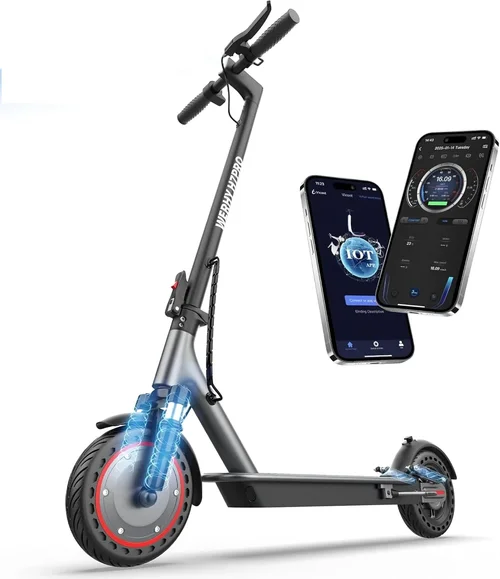
Cruise control is a standout feature in this price range, allowing you to maintain steady speed without constant throttle pressure—ideal for long stretches. Regenerative braking, which recaptures energy during deceleration to extend range, is increasingly common even in sub-$500 scooters. Smart connectivity via Bluetooth apps lets you track rides, lock the scooter remotely, or adjust performance settings—a nice-to-have, but verify app stability and update frequency. Other useful extras include USB charging ports, adjustable stems, and built-in bells or horns. Prioritize features that match your usage: commuters may value cruise control and lights, while casual riders might prefer app integration or portability.
5. Brand Reputation
Not all budget brands are created equal. Established names like Xiaomi, Segway-Ninebot, Gotrax, and Hiboy have built reputations for consistent quality, reliable customer service, and accessible spare parts. These companies often invest more in R&D and quality control, resulting in fewer defects and longer lifespans. In contrast, lesser-known brands or “white-label” manufacturers (often sold under generic Amazon names) may offer tempting prices but lack transparency about sourcing, testing, or support.
Research brand history: How long have they been in the e-mobility space? Do they publish detailed spec sheets and safety certifications (like UL 2271 for batteries)? Check forums like Reddit’s r/ElectricScooters or YouTube review channels for long-term user feedback. A brand that responds promptly to complaints or offers firmware updates demonstrates commitment beyond the sale. Also, consider regional availability—some brands excel in Europe but have limited U.S. support, making repairs or warranty claims difficult. Stick with brands that have local service centers or authorized repair networks if possible.
6. Warranty & Support
A strong warranty is your safety net against defects, battery failure, or premature wear. Most reputable affordable scooters come with a 6- to 12-month limited warranty covering the motor, battery, and electronics. Some brands, like Segway, offer extended warranties or optional coverage plans. Read the fine print: many exclude “wear and tear” items like tires, brakes, or the folding mechanism—even though these often fail first. Also, check whether the warranty is honored internationally if you travel frequently.
Customer support responsiveness matters just as much. Can you reach a human via phone or live chat? Are replacement parts (like chargers or fenders) readily available? Brands with active social media support or detailed FAQ sections tend to resolve issues faster. Avoid companies that only offer email support with multi-day response times. A good test: send a pre-purchase question about battery specs or return policy and see how quickly and thoroughly they reply. If they’re unhelpful before you buy, imagine the frustration if something goes wrong later.
7. Size & Portability
Portability determines how easily you can store, carry, or transport your scooter. Weight is the biggest factor—most affordable models range from 22 to 35 pounds. If you’ll be lifting it upstairs, onto public transit, or into a car trunk, aim for under 30 lbs. Foldability is equally important: look for one-handed folding mechanisms that lock securely. Some scooters feature telescoping stems or removable batteries for even greater compactness.
Wheel size affects both portability and ride quality. Smaller wheels (6–8 inches) make the scooter lighter and more compact but struggle with bumps and cracks. Larger wheels (8–10 inches) offer better stability and comfort, especially on uneven surfaces, but add bulk. Consider your typical route: smooth bike lanes favor smaller wheels, while cobblestones or potholes demand larger ones. Also, check handlebar width—narrower bars are easier to maneuver in tight spaces but may feel less stable at higher speeds.
8. User Reviews & Ratings
Never rely solely on manufacturer claims. Real-world user reviews reveal nuances that specs sheets miss—like how the battery performs in cold weather, whether the app crashes frequently, or if the brakes squeak after a month. Aggregate ratings on Amazon, Best Buy, or specialized sites like ElectricScooterInsider provide a quick snapshot, but dive deeper into written reviews. Look for patterns: if multiple users report the same issue (e.g., “stem loosens after 200 miles”), it’s likely a design flaw, not an isolated defect.
Pay attention to verified purchases and long-term owners (6+ months of use). Their insights on durability, maintenance needs, and customer service experiences are invaluable. Video reviews are especially helpful—they show actual riding conditions, folding mechanics, and build quality up close. Be skeptical of overly glowing reviews with generic language; they may be incentivized or fake. Conversely, don’t dismiss a scooter due to one negative review—assess the overall consensus and weigh criticisms against your priorities.
Different Types of Affordable E-Scooters

Common Buying Mistakes to Avoid
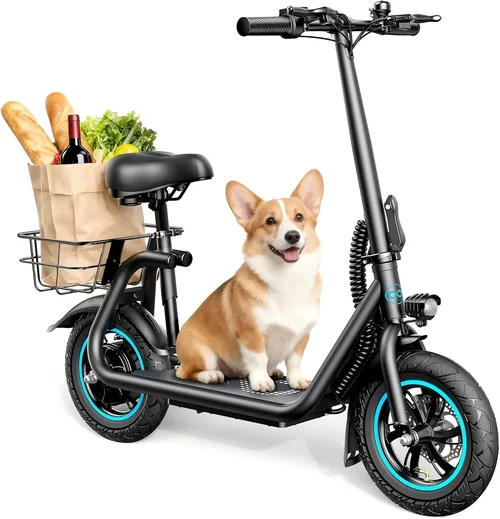
❌ Mistake: Prioritizing Price Over Build Quality
Why it’s bad: The cheapest scooter isn’t always the best deal. Models under $250 often use subpar motors, thin aluminum frames, and low-capacity batteries that degrade rapidly. You might save $100 upfront but end up replacing the scooter within a year—costing more in the long run.
What to do instead: Aim for the $300–$500 sweet spot where reputable brands offer solid construction and reliable components. Read build quality reviews and check for UL certification on the battery.
❌ Mistake: Ignoring Real-World Range Claims
Why it’s bad: Manufacturers often test range under ideal conditions (light rider, flat terrain, slow speed). In reality, hills, wind, and heavier loads can cut range by 30–50%. Relying on advertised range may leave you stranded.
What to do instead: Always subtract 25% from claimed range. If you need 15 miles, buy a scooter rated for at least 20 miles. Check third-party range tests on YouTube or review sites.
❌ Mistake: Overlooking Local Laws and Regulations
Why it’s bad: Many cities restrict e-scooter speed, require helmets, or ban riding on sidewalks. Buying a 25 mph scooter only to find it’s illegal in your area defeats the purpose.
What to do instead: Research your local e-scooter laws before purchasing. Choose a model with adjustable speed modes so you can comply with regulations.
❌ Mistake: Skipping the Test Ride
Why it’s bad: Comfort is subjective. A scooter that looks great online might feel unstable, too stiff, or poorly balanced in person. Online specs don’t convey ride feel.
What to do instead: Visit a local retailer or attend an e-scooter demo event. If buying online, choose retailers with generous return policies (30-day window ideal).
❌ Mistake: Neglecting After-Sales Support
Why it’s bad: Even the best scooters need occasional repairs. Brands with poor support leave you waiting weeks for parts or denying valid warranty claims.
What to do instead: Prioritize brands with responsive customer service, available spare parts, and clear warranty terms. Check support forums for user experiences.
❌ Mistake: Forgetting About Maintenance
Why it’s bad: E-scooters require basic upkeep: tire inflation, brake adjustments, and battery care. Ignoring maintenance shortens lifespan and increases safety risks.
What to do instead: Learn basic maintenance tasks or find a local shop that services e-scooters. Choose models with accessible components and user-replaceable parts.
❌ Mistake: Buying Based Solely on Aesthetics
Why it’s bad: Sleek designs can hide weak internals. A scooter that looks futuristic might have a flimsy stem or undersized battery.
What to do instead: Focus on function over form. A slightly less stylish scooter with proven reliability will serve you better than a pretty paperweight.
Budget Guidelines: How Much Should You Spend?
Entry-Level ($200–$350): This tier suits occasional riders, teens, or those testing the waters. Expect modest motors (250W), shorter ranges (8–12 miles), and basic features like LED lights and simple displays. Build quality varies widely—stick to known brands like Gotrax or Hiboy. Ideal for flat campuses or short neighborhood trips, but not recommended for daily commuting or hilly areas.
Mid-Range ($350–$600): The sweet spot for most buyers. Scooters here offer 350W–500W motors, 15–25 mile ranges, and meaningful upgrades like cruise control, better suspension, and app connectivity. Brands like Xiaomi, Segway, and Apollo dominate this space with reliable, well-engineered models. Perfect for urban commuters, students, and weekend explorers who want performance without premium pricing.
Premium ($600–$900): For enthusiasts and serious commuters. These scooters feature dual motors, extended ranges (25–40 miles), advanced safety systems, and rugged builds. While pushing beyond “affordable,” they offer near-professional performance at a fraction of high-end prices. Great for longer commutes, mixed terrain, or riders who prioritize speed and durability.
Luxury ($900+): Top-tier models with cutting-edge tech, airline-portable designs, or off-road capabilities. While not “affordable” by strict definition, some luxury scooters now offer exceptional value—especially during sales. Reserve this tier for professionals, tech lovers, or those willing to invest in a long-term mobility solution.
Expert Tips for Getting the Best Deal
- Shop During Sales Cycles: Major discounts occur during Black Friday, Cyber Monday, Amazon Prime Day, and back-to-school season (July–August). Sign up for brand newsletters to get early access to deals.
- Compare Retailers: Prices vary between Amazon, Best Buy, Walmart, and direct-from-brand stores. Sometimes the manufacturer offers better warranties or bundles (e.g., free helmet or lock).
- Check Refurbished Options: Certified refurbished scooters from reputable sellers often come with warranties and sell for 20–40% less. Ensure they include battery health reports.
- Read Return Policies Carefully: Look for at least a 14-day return window. Some retailers charge restocking fees or exclude opened electronics—avoid these if possible.
- Test Before You Buy: If shopping in-store, inspect the folding mechanism, test the brakes, and feel the deck stability. Online? Watch unboxing and review videos to simulate the experience.
- Negotiate Add-Ons: Some retailers throw in free accessories (phone mount, rear rack) if you ask. It never hurts to inquire—especially during slow sales periods.
- Consider Financing: Brands like Segway offer 0% APR financing for qualified buyers, spreading cost over 6–12 months without interest.
- Join Owner Communities: Forums and Facebook groups often share exclusive promo codes, flash sales, or group-buying opportunities.

Frequently Asked Questions
Q: How long do affordable e-scooter batteries last?
A: Most lithium-ion batteries in budget scooters last 300–500 charge cycles before capacity drops to 80%. With daily use, that’s roughly 1–2 years. Proper care—avoiding full discharges, storing at 50% charge in winter, and using the original charger—can extend lifespan.
Q: Can I ride an e-scooter in the rain?
A: Only if it has an IP54 rating or higher. IP54 means protected against splashing water, but not submersion or heavy downpours. Avoid riding in rain unless absolutely necessary—wet conditions reduce tire grip and increase accident risk.
Q: Are e-scooters safe for kids?
A: Yes, but only models designed for younger riders with speed limiters (under 15 mph), wider decks, and lower centers of gravity. Always supervise teens and require helmets. Avoid adult-sized scooters for children under 14.
Q: How fast do affordable e-scooters go?
A: Most range from 15 to 20 mph. Some performance models hit 25 mph, but check local laws—many cities cap e-scooter speeds at 15–20 mph for safety.
Q: Do I need insurance for my e-scooter?
A: In most U.S. states, no—but liability coverage is wise if you cause damage or injury. Some homeowners’ policies extend to e-scooters; otherwise, consider specialized micro-mobility insurance.
Q: Can I take my e-scooter on a plane?
A: Only if the battery is under 100Wh and removable. Most affordable scooters meet this, but confirm with the airline. Non-removable batteries over 160Wh are banned.
Q: How do I maintain my e-scooter?
A: Regularly check tire pressure, tighten bolts, clean the deck, and inspect brakes. Lubricate the folding mechanism monthly. Store indoors and avoid extreme temperatures.
Q: What’s the difference between hub motors and belt drives?
A: Hub motors (common in budget scooters) are integrated into the wheel—simple, quiet, and low-maintenance. Belt drives offer more torque and are serviceable but require periodic belt replacement. Most affordable models use hub motors for cost efficiency.
Q: Can I upgrade my scooter’s battery?
A: Rarely. Most budget scooters have sealed battery packs not designed for user replacement. Upgrading often voids the warranty and risks electrical issues. Stick to manufacturer-approved parts.
Q: Are e-scooters eco-friendly?
A: Compared to cars, yes—they produce zero emissions during use and consume minimal electricity. However, battery production and disposal have environmental impacts. Choose brands with recycling programs.
Our Final Recommendations
Best for Budget-Conscious Buyers: Gotrax G4 ($399) – Offers 20 mph top speed, 25-mile range, and solid build quality at a competitive price. Great for students and casual commuters.
Best Overall Value: Xiaomi Mi Electric Scooter 4 Lite ($449) – Combines sleek design, reliable performance (18.6 mph, 22-mile range), and excellent app integration. A proven favorite worldwide.
Best Premium Option (Under $700): Apollo Air Pro ($649) – Features dual suspension, 25-mile range, 20 mph speed, and IP66 water resistance. Ideal for serious commuters wanting comfort and durability.
Best for Beginners: Segway Ninebot ES2 ($379) – Lightweight (27.6 lbs), intuitive controls, and built-in LED lights. Perfect for first-time riders prioritizing ease of use.
Best for Advanced Users: Hiboy S2 Pro ($599) – Dual motors, 25 mph top speed, 28-mile range, and app-based customization. Delivers performance rivaling pricier models.
Conclusion: Making the Right Choice
Choosing the best affordable e-scooter isn’t about finding the cheapest or flashiest model—it’s about aligning your purchase with your real-world needs, environment, and usage patterns. By focusing on key factors like build quality, performance specs, brand reputation, and after-sales support, you can avoid common pitfalls and invest in a scooter that delivers reliable, enjoyable rides for years to come. Remember, the “best” scooter is the one that fits your lifestyle, not the one with the most features or highest price tag.
Take your time, do your research, and don’t rush into a decision. Use the budget guidelines, expert tips, and recommendations in this guide to narrow your options and feel confident in your choice. Whether you’re commuting to work, exploring your city, or simply seeking a greener way to move, an affordable e-scooter can be a smart, sustainable, and fun investment. Now that you’re equipped with the knowledge to buy wisely, it’s time to hit the road—safely, smoothly, and affordably.