
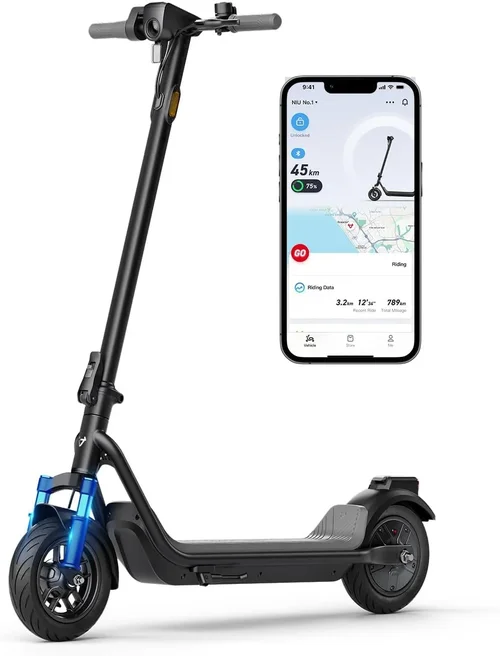
Electric scooters have evolved from quirky urban novelties into serious transportation solutions—especially for adults who need speed, reliability, and performance. Whether you’re commuting through city traffic, zipping between campus buildings, or simply seeking a thrilling weekend ride, a fast electric scooter can be a game-changer. But with dozens of models flooding the market in 2026—each boasting impressive top speeds, extended ranges, and flashy features—it’s easy to feel overwhelmed. That’s why this guide exists: to cut through the noise and help you make an informed, confident decision.
In this comprehensive buying guide, you’ll learn exactly what defines a “fast” electric scooter for adults, how to evaluate performance beyond just top speed, and which critical factors—like build quality, safety features, and real-world range—truly matter. We’ll break down budget tiers, compare scooter types, highlight common pitfalls, and share expert tips to ensure you get the best value for your money. Whether you’re a first-time buyer or upgrading from an older model, this guide is designed to equip you with everything you need to choose a high-speed electric scooter that fits your lifestyle, needs, and expectations.
The market for fast electric scooters has matured significantly over the past few years. Gone are the days when “fast” meant barely cracking 15 mph. Today’s top-tier adult scooters routinely hit 30–45 mph, with some performance-oriented models pushing even higher. At the same time, advancements in battery technology, motor efficiency, suspension systems, and smart connectivity have made these machines safer, more durable, and more enjoyable to ride. However, not all fast scooters are created equal. Some prioritize raw speed at the expense of comfort or safety, while others offer balanced performance but come with steep price tags. Our goal is to help you navigate these trade-offs and find the sweet spot that aligns with your priorities.

What to Look for When Buying a Fast Electric Scooter for Adults
1. Top Speed and Acceleration
When shopping for a fast electric scooter, top speed is often the first spec buyers look at—and for good reason. For adult riders, especially those using scooters for commuting or recreation, speed directly impacts efficiency and enjoyment. Most entry-level scooters cap out around 15–20 mph, which may suffice for casual neighborhood rides but falls short for urban commuting or highway-adjacent paths. True high-performance models, however, typically offer speeds between 25–45 mph, with some extreme-performance variants exceeding 50 mph.
But speed isn’t just about the final number on the spec sheet. Acceleration matters just as much—if not more—for real-world usability. A scooter that takes 10 seconds to reach 20 mph feels sluggish and unsafe in traffic, whereas one that rockets from 0 to 25 mph in under 6 seconds gives you the confidence to merge smoothly and respond quickly to changing conditions. Look for scooters with dual motors or high-wattage single motors (800W and above) for strong acceleration. Also, consider whether the scooter offers multiple riding modes (Eco, Sport, Turbo), which allow you to tailor speed and power output to your environment.
2. Battery Life and Real-World Range
Range anxiety is real—even for experienced riders. While many manufacturers advertise ranges of 30, 40, or even 60 miles, these numbers are often based on conservative testing (light rider, flat ground, low speed). For fast scooters, range tends to drop significantly when you ride at higher speeds because energy consumption increases exponentially with velocity.
When evaluating battery specs, focus on three key elements: battery capacity (measured in watt-hours or Wh), chemistry (Li-ion vs. LiPo), and charging time. A 1000Wh battery will generally provide more consistent range than a 500Wh unit, especially under load. Lithium-ion (Li-ion) batteries are the standard in 2026—they’re reliable, long-lasting, and safe when properly managed. Avoid older or unknown chemistries unless verified by reputable third-party testing.
Also, consider your daily usage. If your commute is 10 miles round-trip, don’t buy a scooter with a claimed 12-mile range—you’ll be cutting it too close, especially in cold weather or hilly areas. Aim for a scooter with at least 1.5x your expected daily distance to account for variables like headwinds, elevation changes, and battery degradation over time.
3. Motor Power and Configuration
The motor is the heart of any electric scooter, and for fast models, it needs to be robust. Motor power is measured in watts (W), and while higher wattage generally correlates with better performance, it’s not the whole story. A 1000W motor paired with a high-quality controller and efficient drivetrain can outperform a poorly tuned 1200W setup.
Most fast adult scooters use either single or dual hub motors. Single motors (typically rear-mounted) are simpler, lighter, and more affordable, making them ideal for riders who prioritize speed on flat terrain. Dual motors, on the other hand, offer superior traction, hill-climbing ability, and acceleration—especially useful in cities with steep inclines or for riders carrying heavy loads.
Look for motors with continuous ratings (not peak) and ensure they’re water-resistant (IPX4 or higher). Also, check if the scooter uses geared or gearless (direct-drive) motors. Geared motors are quieter and more efficient at lower speeds but may wear out faster. Gearless motors are durable and require less maintenance but can be noisier and less efficient in stop-and-go traffic.
4. Build Quality and Durability
Speed without stability is dangerous. A fast scooter must be built to handle the stresses of high-velocity riding—vibrations, impacts, and repeated braking. Cheap aluminum frames, weak welds, or flimsy folding mechanisms can lead to catastrophic failures at speed.
Prioritize scooters made from aerospace-grade aluminum (like 6061-T6) or reinforced steel. Check hinge quality—look for double-reinforced or latch-lock systems instead of simple pin folds. The deck should be wide enough for comfortable foot placement (at least 7–8 inches), and the handlebars should feel solid without wobble.
Suspension also plays a critical role in durability and ride comfort. Entry-level fast scooters often skip suspension entirely, which leads to a harsh ride on uneven pavement. Mid-to-high-end models typically include front suspension (spring or hydraulic), and premium options add rear suspension or full suspension systems. This not only improves comfort but also extends component life by absorbing shock that would otherwise stress the frame and electronics.
5. Braking System and Safety Features
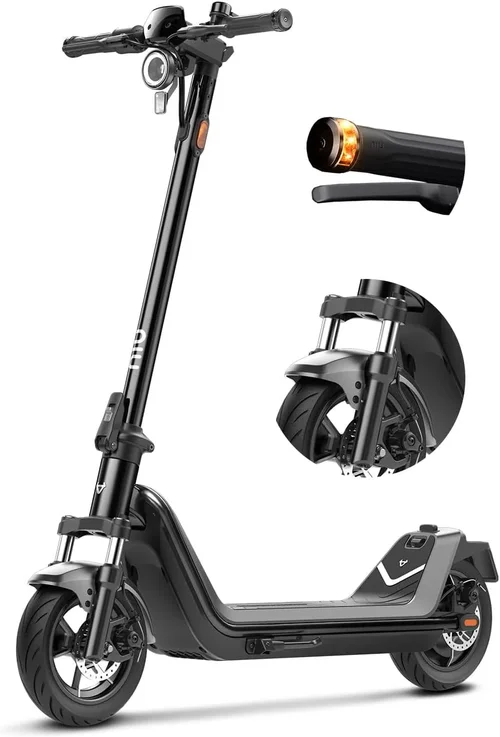
At 30+ mph, stopping power is non-negotiable. Relying solely on regenerative braking or weak mechanical disc brakes is risky, especially in wet conditions or emergency situations. The best fast scooters combine multiple braking systems: electronic/regenerative braking for smooth deceleration, mechanical disc brakes (front and rear) for strong stopping force, and sometimes drum or foot brakes as backups.
Look for scooters with ABS (Anti-lock Braking System) or advanced brake controllers that prevent wheel lockup—a common cause of skids and falls. Hydraulic disc brakes are superior to mechanical ones because they require less hand force and offer more consistent performance over time.
Additional safety features to consider include:
– Bright LED headlights and taillights (with brake-activated strobe)
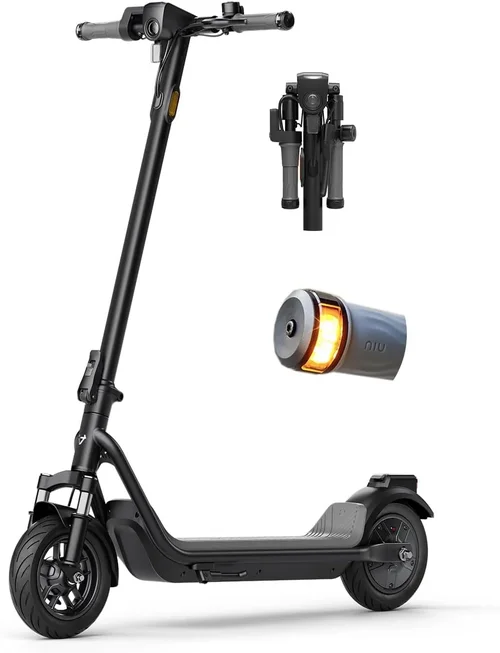
– Side reflectors or integrated turn signals
– Horn or audible alert system
– App-based speed limiters or geofencing (great for sharing with teens)
Never compromise on brakes—even if it means spending a bit more.
6. Tire Type and Size
Tires dramatically affect ride quality, grip, and puncture resistance—especially at high speeds. There are two main types: pneumatic (air-filled) and solid (airless).
Pneumatic tires offer superior shock absorption, better traction, and a smoother ride, making them ideal for fast scooters used on varied terrain. However, they’re prone to flats and require occasional maintenance (checking pressure, patching punctures). Look for tubeless designs or self-sealing inner tubes to reduce flat risks.
Solid tires eliminate puncture worries but deliver a harsh, bumpy ride—particularly on cracked sidewalks or gravel. Some newer “semi-pneumatic” or honeycomb-style solid tires offer a middle ground, but they still don’t match the comfort of true air-filled tires.
Tire size matters too. Larger diameters (10 inches and up) roll over obstacles more easily and maintain stability at speed. Avoid anything below 8 inches for serious high-speed use.
7. Weight Capacity and Rider Fit
Fast scooters are often built for performance, not necessarily for heavier riders. Most models list a maximum weight capacity—usually between 220–330 lbs—but exceeding this limit can damage the motor, reduce range, and compromise safety.
If you’re near or above the average adult weight (180–200 lbs), look for scooters rated for at least 260–300 lbs. Reinforced decks, dual motors, and heavy-duty frames are indicators of higher load tolerance.
Also consider ergonomics: handlebar height should allow a natural, relaxed arm position (not too low or hunched). Adjustable stems are a plus. Deck space should accommodate your feet comfortably—especially if you wear boots or plan to ride for extended periods.
8. Smart Features and Connectivity
In 2026, many fast electric scooters come equipped with smart technology that enhances usability and safety. Bluetooth connectivity allows you to pair your scooter with a smartphone app to monitor battery life, track rides, adjust speed modes, and even lock the scooter remotely.
Look for apps that offer:
– Real-time diagnostics (motor temp, battery health)
– Customizable ride profiles
– Theft alerts and GPS tracking
– Firmware updates for performance improvements
Some premium models even include built-in dashboards with speedometers, odometers, and navigation prompts. While not essential, these features add convenience and can extend the scooter’s lifespan through proactive maintenance alerts.
Different Types of Fast Electric Scooters for Adults

Common Buying Mistakes to Avoid
❌ Mistake: Prioritizing Top Speed Over Everything Else
Why it’s bad: A scooter that hits 40 mph but has weak brakes, poor suspension, or a fragile frame is a liability. Speed without control leads to accidents, especially for inexperienced riders.
What to do instead: Balance speed with safety, build quality, and real-world usability. Ask: “Can I stop safely at this speed?” and “Will this hold up after months of use?”
❌ Mistake: Ignoring Real-World Range Claims
Why it’s bad: Manufacturers often test range at 15 mph with a 150-lb rider on flat ground. If you ride fast, weigh more, or face hills, your actual range could be half the advertised number.
What to do instead: Divide the claimed range by 1.5–2 to estimate real-world performance. Always buy for 50–100% more range than you think you need.
❌ Mistake: Overlooking Weight and Portability
Why it’s bad: Many fast scooters weigh 50–70 lbs. If you need to carry it upstairs, onto a bus, or into an office, this becomes a daily hassle—or impossible.
What to do instead: Consider your transport needs. If portability matters, look for models under 45 lbs with ergonomic handles and smooth-folding mechanisms.
❌ Mistake: Skipping the Test Ride
Why it’s bad: Specs don’t tell the whole story. Handlebar stiffness, brake feel, and ride comfort are best judged in person.
What to do instead: Visit local retailers or attend scooter demo events. If buying online, choose retailers with generous return policies (30 days or more).
❌ Mistake: Buying Based Solely on Brand Hype
Why it’s bad: Some brands market aggressively but cut corners on components. Others have great reputations but outdated models.
What to do instead: Research independent reviews, check warranty terms, and compare component specs (motor brand, battery supplier, brake type).
❌ Mistake: Neglecting Local Laws and Regulations
Why it’s bad: Many cities restrict e-scooter speeds to 20 mph or require helmets, lights, or registration. Riding an illegal scooter can result in fines or confiscation.
What to do instead: Check your city and state laws before buying. Some scooters offer “legal mode” settings that cap speed for compliance.
❌ Mistake: Forgetting About Maintenance and Repairs
Why it’s bad: Fast scooters endure more wear and tear. Without accessible service centers or spare parts, a minor issue can leave you stranded.
What to do instead: Choose brands with strong customer support, available replacement parts, and clear repair guides. Avoid obscure brands with no service network.
Budget Guidelines: How Much Should You Spend?
Entry-Level ($600–$900): These scooters offer speeds of 20–25 mph and ranges of 15–25 miles. They’re great for light commuting or casual use but often lack premium features like hydraulic brakes, suspension, or robust build quality. Ideal for budget-conscious buyers who prioritize affordability over performance.
Mid-Range ($900–$1,600): This is the sweet spot for most adult riders. Scooters in this tier deliver 25–35 mph speeds, 25–40 mile ranges, and include essential features like disc brakes, front suspension, and decent battery management. You’ll find reliable brands with good warranties and solid user feedback here.
Premium ($1,600–$2,800): Built for enthusiasts and daily commuters who demand performance. Expect dual motors, full suspension, high-capacity batteries (1500Wh+), and advanced safety systems. These scooters handle hills, long distances, and varied terrain with ease. Perfect for those who ride daily and want longevity.
Luxury ($2,800+): The pinnacle of electric scooter engineering. These models boast 40–60+ mph speeds, cutting-edge tech (ABS, app integration, customizable dashboards), and bespoke designs. Often used by professionals, tech lovers, or collectors. Only recommended if you truly need top-tier performance and don’t mind the investment.
Expert Tips for Getting the Best Deal
– Buy during off-peak seasons: Scooter sales dip in winter (November–February). Retailers often discount older models to clear inventory before spring launches.
– Check manufacturer websites directly: Many brands offer exclusive deals, extended warranties, or free accessories (helmets, locks) when you buy direct.
– Look for refurbished or open-box units: Certified pre-owned scooters from reputable sellers can save you 20–30% with minimal risk.
– Read the fine print on warranties: A “1-year warranty” might only cover the battery for 6 months or exclude motor damage. Aim for at least 12 months on all major components.
– Use price-tracking tools: Sites like Honey or CamelCamelCamel alert you when prices drop on Amazon or other retailers.
– Join scooter communities: Reddit’s r/ElectricScooters or Facebook groups often share flash sales, coupon codes, or group-buy discounts.
– Consider total cost of ownership: Factor in replacement tires, brake pads, and potential repairs. A cheaper scooter may cost more long-term.
– Test before you commit: If possible, rent a similar model for a day through services like ScooterShare or local rental shops.

Frequently Asked Questions
Q: Are fast electric scooters safe for beginners?
A: Not inherently. High-speed scooters require experience, reflexes, and confidence. Beginners should start with models under 25 mph, practice in safe areas, and always wear protective gear (helmet, pads). Many experts recommend a “beginner mode” that limits speed until you’re comfortable.
Q: How fast is too fast for city riding?
A: In most urban areas, 20–25 mph is sufficient and legally compliant. Speeds above 30 mph increase accident risk and reduce reaction time. Reserve higher speeds for controlled environments like bike lanes or private property.
Q: Can I ride a fast scooter in the rain?
A: Only if it has an IPX4 rating or higher. Even then, wet surfaces reduce traction and braking efficiency. Avoid deep puddles, and dry the scooter thoroughly after riding in damp conditions to prevent corrosion.
Q: How long do fast electric scooters last?
A: With proper care, a quality scooter can last 3–5 years or 5,000–10,000 miles. Battery lifespan is typically 500–800 charge cycles. Regular maintenance (tire checks, brake adjustments, firmware updates) extends longevity.
Q: Do I need insurance for a fast electric scooter?
A: It depends on your location. Some states require liability insurance for scooters over 20 mph. Even where it’s not mandatory, insurance can protect against theft, damage, or third-party injuries.
Q: Can I upgrade my scooter’s speed later?
A: Some models allow firmware tweaks or motor upgrades, but this often voids warranties and can damage components. It’s safer and more reliable to buy the performance level you need upfront.
Q: What’s the difference between hub motors and mid-drive motors?
A: Hub motors are built into the wheel—simple, quiet, and common in e-scooters. Mid-drive motors sit near the frame and drive the wheel via a belt or chain—more efficient on hills but rare in scooters due to complexity and cost.
Q: How do I maintain my fast electric scooter?
A: Clean it regularly, check tire pressure (if pneumatic), inspect brakes monthly, keep the battery between 20–80% when storing long-term, and update firmware as needed. Store indoors to avoid extreme temperatures.
Q: Are fast scooters worth the extra cost?
A: If you value time, enjoy riding, or face challenging terrain, yes. The convenience, fun, and efficiency often outweigh the upfront cost—especially when compared to car expenses or public transit delays.
Our Final Recommendations
Best for Budget-Conscious Buyers: Segway Ninebot GT2 – Offers 35 mph top speed, 30-mile range, and solid build quality under $1,500. Great entry into high-performance riding without breaking the bank.
Best Overall Value: Dualtron Thunder 3 – Dual motors, 45 mph speed, 60-mile range, and full suspension. Priced around $2,200, it delivers premium performance with excellent reliability.
Best Premium Option: Kaabo Wolf King GT Pro – With 50+ mph speeds, 80-mile range, and military-grade construction, this $3,500 beast is built for serious riders who demand the best.
Best for Beginners: Apollo Phantom V3 – Smooth acceleration, 30 mph max, intuitive controls, and strong safety features. Priced at $1,400, it’s forgiving yet capable.
Best for Advanced Users: Nanrobot D6+ 2.0 – Extreme off-road capability, 50 mph speed, and customizable settings. Ideal for tech-savvy riders who want to push limits on trails and streets alike.
Conclusion: Making the Right Choice
Choosing the best fast electric scooter for adults isn’t just about chasing the highest speed or the longest range—it’s about finding a balanced, reliable, and safe machine that fits your lifestyle, budget, and riding environment. Throughout this guide, we’ve emphasized the importance of looking beyond flashy specs to evaluate real-world performance, build quality, safety systems, and long-term value.
Remember: the fastest scooter isn’t always the best one for you. A commuter who needs portability and daily reliability will have different priorities than an off-road enthusiast seeking adrenaline-fueled adventures. Take the time to assess your needs, test ride when possible, and invest in a model that aligns with your goals.
Electric scooters are more than just vehicles—they’re tools for freedom, efficiency, and fun. With the right choice, you’ll enjoy years of smooth, fast, and eco-friendly rides. So gear up, stay safe, and hit the road with confidence. Your perfect fast electric scooter is out there—now you know exactly how to find it.