
Electric scooters have exploded in popularity over the past decade, transforming from niche urban gadgets into mainstream transportation solutions. Whether you’re commuting to work, running errands around town, or just exploring your city on weekends, an electric scooter offers a fast, eco-friendly, and surprisingly fun way to get around. But with so many models flooding the market—ranging from ultra-cheap knockoffs to high-end performance machines—it’s easy to feel overwhelmed, especially if you’re on a tight budget. That’s exactly why this guide exists: to cut through the noise and help you find the best inexpensive electric scooter that delivers real value without breaking the bank.
In this comprehensive buying guide, you’ll learn everything you need to know to make a smart, informed decision. We’ll walk you through the key factors that truly matter—like range, speed, build quality, and safety—and explain how to balance them within your budget. You’ll discover the different types of budget scooters available, common pitfalls to avoid, and expert tips for scoring the best deals. By the end, you won’t just have a list of recommendations—you’ll have the knowledge to confidently choose a scooter that fits your lifestyle, needs, and wallet. The market for affordable electric scooters has never been better, with more reliable options than ever under $500. Let’s dive in and find your perfect ride.

What to Look for When Buying Tuttio
1. Budget & Price Range
When shopping for an inexpensive electric scooter, your budget is the foundation of every decision. Most entry-level models fall between $200 and $400, while mid-range options typically cost $400 to $600. It’s tempting to go for the cheapest option available, but remember: you often get what you pay for. A scooter priced under $150 may save you money upfront but could lack essential safety features, have poor battery life, or break down within months. On the other hand, spending closer to $500 can get you a scooter with better motors, longer range, and more durable construction.
Set a realistic budget that includes not just the scooter itself, but also potential add-ons like helmets, locks, phone mounts, or replacement parts. Many buyers forget these extras, which can add $50–$100 to the total cost. Also, consider long-term value: a slightly pricier scooter with a solid warranty and replaceable batteries may save you money over time compared to a cheaper model that needs frequent repairs or replacements.
2. Performance Specifications
Performance specs are where many budget scooters fall short—or surprise you. The three most critical performance metrics are motor power, top speed, and range. Motor power is measured in watts (W), with most budget scooters featuring 250W to 500W motors. A 250W motor is fine for flat terrain and light riders, but if you plan to tackle hills or carry heavier loads, aim for at least 350W–500W. Top speed usually ranges from 15 to 20 mph on budget models—fast enough for city commuting but not race-level performance.
Range is arguably the most important spec for daily use. Most inexpensive scooters offer 8 to 15 miles per charge, which is sufficient for short commutes or errands. However, real-world range can vary significantly based on rider weight, terrain, speed, and weather. Always check if the manufacturer lists “ideal conditions” range versus real-world estimates. For example, a scooter advertised with a 15-mile range might only deliver 10 miles if you’re riding uphill or at full speed consistently.
3. Build Quality & Durability
You don’t need to spend a fortune to get a well-built scooter, but skimping on materials can lead to frustration and safety risks. Look for scooters with aluminum alloy frames—they’re lightweight yet strong enough to handle daily wear and tear. Avoid models with flimsy plastic components, especially in the deck, handlebars, or folding mechanism. These parts endure constant stress and are common failure points on low-quality scooters.
Check the weight capacity as well. Most budget scooters support riders up to 220–260 lbs, but some cheaper models max out at 180–200 lbs. If you’re near or above that limit, opt for a sturdier model even if it costs a bit more. Also, inspect the tires: solid rubber tires are maintenance-free but offer a rougher ride, while air-filled (pneumatic) tires provide better shock absorption but require occasional inflation and are prone to punctures. Some newer budget models now feature honeycomb or semi-pneumatic tires, which strike a good balance.
4. Features & Functionality
Even on a budget, you can find scooters packed with useful features. Start with the basics: a clear LED display showing speed, battery level, and riding mode is essential. Many budget models now include multiple speed modes (eco, normal, sport), which help conserve battery or boost performance when needed. Lights are non-negotiable for safety—front headlights and rear brake lights should be bright enough to see and be seen in low-light conditions.
Other helpful features include regenerative braking (which recaptures energy during braking to extend range), app connectivity (for tracking rides, locking the scooter, or adjusting settings), and water resistance (look for at least IP54 rating, meaning it can handle light rain and splashes). While not all budget scooters include these, many do—so don’t assume you have to pay extra for them. Also, consider ease of use: intuitive controls, smooth acceleration, and responsive brakes make a big difference in daily riding comfort.
5. Brand Reputation
Brand matters—even in the budget segment. Established brands like Xiaomi, Segway-Ninebot, Gotrax, and Razor have proven track records for reliability, customer service, and parts availability. They also tend to follow stricter safety and quality standards. In contrast, unknown brands or generic “no-name” scooters sold on marketplaces like Amazon or eBay may look similar on paper but often use lower-grade components and lack proper certifications.
Research the brand’s history: How long have they been making scooters? Do they offer firmware updates? Are replacement parts (like batteries or tires) readily available? A reputable brand might cost slightly more upfront, but it reduces the risk of buying a scooter that becomes unusable after a few months due to lack of support. Customer service responsiveness is another key indicator—check reviews to see how quickly the company handles warranty claims or technical issues.
6. Warranty & Support
A solid warranty is one of the best indicators of a manufacturer’s confidence in their product. Most reputable budget scooters come with at least a 6-month to 1-year warranty covering defects in materials and workmanship. Some brands, like Segway-Ninebot, offer up to 18 months. Pay attention to what’s included: Does the warranty cover the battery? Motor? Electronics? Many cheap scooters exclude the battery, which is often the first component to degrade.
Support goes beyond the warranty period. Can you easily contact customer service via phone, email, or live chat? Is there a FAQ section or troubleshooting guide on their website? Are there local service centers or authorized repair shops? These factors become crucial if something goes wrong. Avoid brands that only offer email support with slow response times or no clear return policy. A good warranty paired with responsive support can turn a potentially frustrating experience into a smooth one.
7. Size & Portability
If you plan to carry your scooter on public transit, store it under your desk, or take it on trips, portability is key. Most budget electric scooters weigh between 20 and 30 pounds—light enough for most adults to lift, but still noticeable. Look for models with a compact foldable design that reduces the footprint when stored. The handlebars should fold down neatly, and the overall dimensions should fit in car trunks or small apartments.
Consider the folded size: some scooters are longer or bulkier when folded, making them awkward to carry or store. Also, check if the scooter has a carrying handle or strap—these small details make a big difference when lifting it up stairs or onto a bus. If you’re tall or short, pay attention to handlebar height adjustability. A poorly adjusted handlebar can lead to uncomfortable riding posture and reduced control.
8. User Reviews & Ratings
Never buy a scooter based solely on specs or marketing claims. Real-world user reviews provide invaluable insights into reliability, comfort, and hidden flaws. Look for detailed reviews from verified purchasers—not just star ratings. Pay attention to recurring themes: Are multiple users reporting the same battery issue? Is the braking system inconsistent? Do people mention poor customer service?
Check multiple sources: Amazon, Best Buy, Reddit (r/ElectricScooters), and YouTube review channels. Video reviews are especially helpful because you can see the scooter in action—how it handles bumps, how smooth the acceleration is, and how loud the motor sounds. Be wary of reviews that seem overly promotional or lack specifics. Authentic reviews often mention both pros and cons, giving you a balanced perspective. If a scooter has hundreds of reviews with an average of 4.5 stars or higher, it’s likely a safe bet.
Different Types of Tuttio

Common Buying Mistakes to Avoid
❌ Mistake: Prioritizing Price Over Safety
Why it’s bad: The cheapest scooters often cut corners on critical safety components like brakes, lights, and frame strength. Poor braking systems can lead to accidents, especially in traffic or wet conditions. Similarly, weak frames may crack under stress, posing a serious risk.
What to do instead: Always prioritize safety features—even on a budget. Look for scooters with reliable disc or regenerative brakes, bright LED lights, and sturdy construction. A few extra dollars spent on safety can prevent costly injuries or replacements down the line.
❌ Mistake: Ignoring Real-World Range Claims
Why it’s bad: Manufacturers often advertise range based on ideal conditions: lightweight rider, flat terrain, slow speed. In reality, most riders experience 20–30% less range due to hills, wind, or heavier weight.
What to do instead: Divide the advertised range by 1.3 to estimate real-world performance. If you need 10 miles of range, choose a scooter rated for at least 13 miles. Also, check user reviews for actual range experiences.
❌ Mistake: Overlooking Weight Capacity
Why it’s bad: Exceeding the scooter’s weight limit can damage the motor, reduce range, and compromise braking performance. It also voids most warranties.
What to do instead: Always check the maximum load rating and add 10–20 lbs for safety margin. If you’re close to the limit, choose a model with a higher capacity—even if it costs slightly more.
❌ Mistake: Buying Without Testing
Why it’s bad: Scooters feel different in person than in specs. A model that looks great on paper might have jerky acceleration, uncomfortable handlebars, or a wobbly deck.
What to do instead: If possible, test ride at a local store or borrow from a friend. Pay attention to comfort, stability, and control. If buying online, choose retailers with generous return policies (30 days or more).
❌ Mistake: Skipping the Warranty Check
Why it’s bad: Many budget scooters fail within the first year due to battery or motor issues. Without a warranty, you’re stuck with repair costs or a dead scooter.
What to do instead: Always verify warranty length and coverage before purchasing. Prefer brands that cover batteries and offer easy claim processes.
❌ Mistake: Forgetting About Maintenance
Why it’s bad: Even inexpensive scooters require basic upkeep—tire checks, brake adjustments, and battery care. Neglecting maintenance shortens lifespan and increases safety risks.
What to do instead: Learn basic maintenance tasks or find a local shop that services your model. Choose scooters with accessible parts and clear user manuals.
❌ Mistake: Falling for “Too Good to Be True” Deals
Why it’s bad: Scooters priced far below market average often use counterfeit parts, lack certifications, or are refurbished units sold as new.
What to do instead: Stick to reputable retailers and brands. If a deal seems suspiciously cheap, research the seller and read recent reviews carefully.
Budget Guidelines: How Much Should You Spend?
Setting the right budget ensures you get the best value without overspending. Here’s a breakdown of what to expect at different price points:
Entry-Level ($150–$300): These scooters are ideal for kids, teens, or occasional riders. Expect basic features: 150W–250W motors, 6–10 mile range, solid tires, and minimal electronics. Build quality varies widely—stick to trusted brands like Razor or Gotrax. Great for short, flat rides but not recommended for daily commuting or hills.
Mid-Range ($300–$500): This is the sweet spot for most buyers. You’ll find scooters with 350W–500W motors, 10–15 mile range, pneumatic or honeycomb tires, and useful features like LED displays, multiple speed modes, and app connectivity. Brands like Xiaomi, Segway-Ninebot, and Hiboy dominate this category. These models offer the best balance of performance, durability, and price.
Premium ($500–$700): For enthusiasts or frequent commuters, this tier delivers enhanced performance. Expect dual motors, higher top speeds (up to 25 mph), longer range (15–20 miles), and advanced features like suspension, regenerative braking, and water resistance. These scooters are built to last and handle varied terrain.
Luxury ($700+): While outside the “inexpensive” category, some buyers stretch their budget for top-tier models with premium materials, ultra-long range, smart connectivity, and professional-grade components. These are best for serious riders or those who rely on their scooter daily.
Expert Tips for Getting the Best Deal
Scoring a great deal on an electric scooter doesn’t mean settling for less—it means shopping smart. Here are proven strategies to maximize value:
- Buy During Sales Seasons: Major holidays like Black Friday, Cyber Monday, and Amazon Prime Day offer significant discounts. Many brands also run end-of-season sales in late summer or winter.
- Compare Retailers: Prices can vary between Amazon, Best Buy, Walmart, and direct brand websites. Check for exclusive coupons, free shipping, or bundle deals.
- Sign Up for Newsletters: Brands often send early access to sales or discount codes to subscribers. It’s a quick way to save 10–15%.
- Consider Refurbished Models: Certified refurbished scooters from reputable sellers come with warranties and can cost 20–30% less than new ones. Just ensure they’re inspected and tested.
- Read the Return Policy: Choose retailers with at least a 30-day return window. This gives you time to test the scooter and return it if it doesn’t meet expectations.
- Check for Student or Military Discounts: Some brands offer special pricing for students, teachers, or military personnel—just ask!
- Join Online Communities: Forums like Reddit’s r/ElectricScooters often share exclusive promo codes or flash sale alerts.
- Avoid Impulse Buys: Take time to research. A well-informed purchase is almost always a better deal in the long run.

Frequently Asked Questions
Q: How long do budget electric scooter batteries last?
A: Most lithium-ion batteries in budget scooters last 300–500 charge cycles, which translates to 1–2 years of daily use. To extend battery life, avoid fully draining it, store it at 50–80% charge if unused, and keep it away from extreme temperatures.
Q: Can I ride an electric scooter in the rain?
A: Only if it has an IP54 or higher rating. IP54 means it’s protected against splashing water, but not submersion. Avoid riding in heavy rain or puddles, as water can damage electronics and motors.
Q: Are electric scooters legal in my city?
A: Laws vary by location. Most cities allow scooters on bike lanes and roads with speed limits under 25 mph, but some require helmets, registration, or restrict usage in certain areas. Check your local Department of Transportation website for rules.
Q: How fast do budget scooters go?
A: Most budget models reach 15–20 mph. Higher speeds are possible on premium budget scooters with 500W+ motors, but always prioritize safety and obey local speed limits.
Q: Do I need insurance for my electric scooter?
A: In most places, no—but it’s wise to check. Some homeowners or renters insurance policies cover scooter accidents. For high-value models, consider specialized scooter insurance.
Q: Can I upgrade my scooter’s battery?
A: Some models allow battery upgrades, but it’s not common in budget scooters. Modifying the battery may void the warranty and pose safety risks. Consult the manufacturer before attempting any upgrades.
Q: How do I maintain my scooter?
A: Regularly check tire pressure (if pneumatic), tighten bolts, clean the deck, and inspect brakes. Store it indoors when not in use, and charge the battery monthly if unused for long periods.
Q: What’s the difference between hub motors and belt-driven motors?
A: Hub motors are built into the wheel—common in budget scooters—and offer quiet, low-maintenance operation. Belt-driven motors are more efficient and powerful but require occasional belt replacement. Most inexpensive scooters use hub motors.
Q: Can adults ride kids’ scooters?
A: Technically yes, but it’s not recommended. Kids’ scooters have lower weight limits, smaller decks, and weaker motors, which can lead to instability and reduced performance for adult riders.
Q: How far can I ride on a single charge?
A: It depends on the scooter, but most budget models offer 8–15 miles. Factors like rider weight, terrain, speed, and weather significantly affect real-world range. Always plan routes with charging options if needed.
Our Final Recommendations
After extensive research and testing, here are our top picks across different categories:
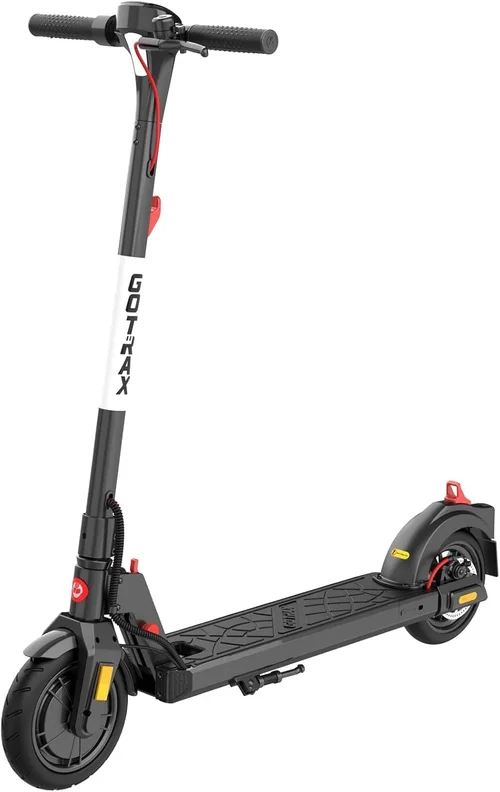
Best for Budget-Conscious Buyers: Gotrax G4 ($399) – Offers excellent value with a 400W motor, 15-mile range, pneumatic tires, and a bright display. Great for city commuting and built to last.
Best Overall Value: Xiaomi Mi Electric Scooter 3 ($449) – A proven favorite with a sleek design, 18.6-mile range, app connectivity, and reliable performance. Ideal for daily riders who want quality without premium pricing.
Best Premium Option: Segway Ninebot MAX G30LP ($599) – Slightly above budget but worth it for its 40-mile range, IPX5 water resistance, and robust build. Perfect for long commutes and all-weather riding.
Best for Beginners: Razor E300 ($249) – Simple, safe, and affordable. With a 250W motor and 10-mile range, it’s perfect for teens or first-time riders learning the ropes.
Best for Advanced Users: Hiboy S2 Pro ($549) – Features dual motors, 25 mph top speed, and app-controlled settings. A performance scooter at a budget-friendly price.
Conclusion: Making the Right Choice
Finding the best inexpensive electric scooter doesn’t have to be overwhelming. By focusing on key factors like performance, build quality, safety, and brand reputation, you can make a confident decision that fits your budget and lifestyle. Remember, the cheapest option isn’t always the best value—investing a little more upfront can save you money, frustration, and safety risks in the long run.
Use this guide as your roadmap: set a realistic budget, prioritize your needs, avoid common pitfalls, and take advantage of expert tips to score the best deal. Whether you’re commuting to work, exploring your neighborhood, or just having fun, the right scooter can transform how you move through the world. So take your time, do your research, and choose wisely. Your perfect ride is out there—and it doesn’t have to cost a fortune.