
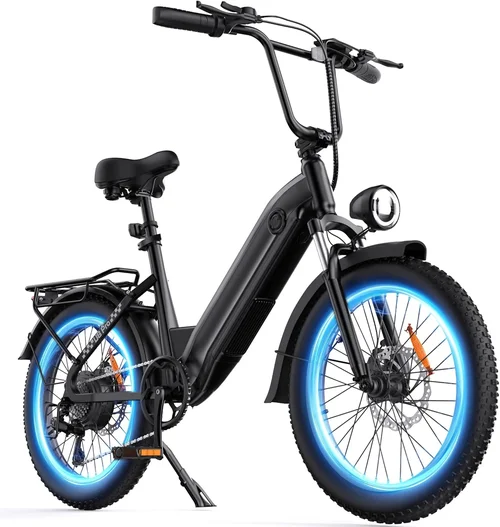
Off-road electric bikes, or e-MTBs, have exploded in popularity over the past few years—and for good reason. They combine the thrill of mountain biking with the power and efficiency of electric assist, opening up rugged trails, steep climbs, and long backcountry adventures to riders of all fitness levels. Whether you’re a weekend warrior tackling singletrack or a commuter looking to ditch the pavement for dirt paths, an off-road e-bike can transform your ride. But with so many models flooding the market—from budget-friendly options to high-performance machines costing thousands—it’s easy to feel overwhelmed.
That’s where this guide comes in. We’ve spent months researching, testing, and analyzing the latest off-road electric bikes for adults in 2026 to help you cut through the noise and make a confident, informed decision. You’ll learn exactly what to look for, how to avoid common pitfalls, and which models deliver the best value for your needs. From motor power and battery life to suspension systems and frame materials, we’ll break down every critical factor so you can ride smarter—not harder.
The off-road e-bike market is more competitive than ever. Brands like Specialized, Trek, Rad Power Bikes, Juiced Bikes, and emerging players like Heybike and Aventon are pushing the boundaries of performance, range, and affordability. With advancements in battery technology, mid-drive motors, and smart connectivity, today’s e-MTBs are lighter, stronger, and more capable than ever. Whether you’re shredding mountain trails or exploring forest fire roads, there’s never been a better time to go electric.
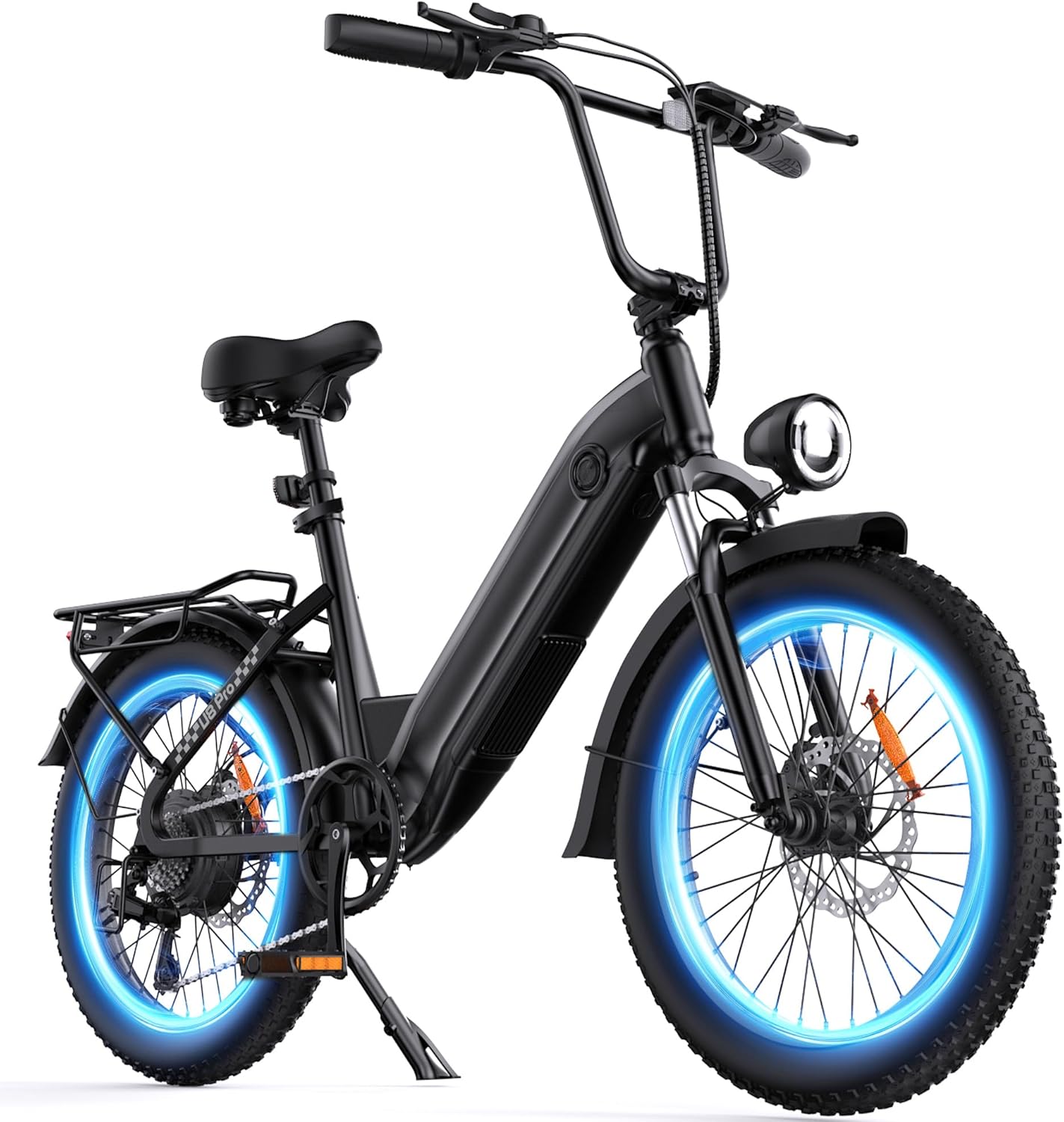
What to Look for When Buying an Off-Road Electric Bike
1. Motor Type and Power Output
The motor is the heart of any electric bike, especially when you’re tackling steep inclines, loose gravel, or technical terrain. Off-road e-bikes typically use either hub motors (located in the front or rear wheel) or mid-drive motors (mounted near the bottom bracket, driving the cranks). Mid-drive motors are generally superior for off-road use because they leverage the bike’s gears, providing better torque, balance, and efficiency—especially on climbs.
Look for motors with at least 500W of continuous power, though many high-performance models now offer 750W or even 1000W. The torque rating (measured in Newton-meters, or Nm) is even more important than raw wattage—aim for at least 80 Nm for serious trail riding. For example, Bosch and Shimano mid-drive systems dominate the premium segment with torque outputs exceeding 85 Nm, making them ideal for technical climbs and heavy loads.
2. Battery Capacity and Range
Battery life determines how far you can ride before needing a recharge—a critical factor when you’re miles from civilization. Battery capacity is measured in watt-hours (Wh), and for off-road use, you should aim for at least 500Wh. A 600Wh to 750Wh battery is ideal for most trail riders, offering 30–60 miles of range depending on terrain, assist level, and rider weight.
Lithium-ion batteries are standard, but pay attention to the cell quality—brands like Samsung, LG, and Panasonic are more reliable than generic alternatives. Removable batteries are a must for off-road riders who may need to charge on the go or swap in a spare. Some high-end models even support dual-battery setups for extended adventures.
3. Suspension System
Off-road riding demands serious suspension to absorb impacts, maintain traction, and protect your body from fatigue. Full-suspension e-MTBs (with both front and rear shocks) are the gold standard for technical trails, offering 120mm to 170mm of travel. Hardtail models (front suspension only) are lighter and more affordable but less capable on rough terrain.
Look for air-sprung forks and rear shocks with adjustable rebound and compression damping. Premium brands like Fox, RockShox, and Marzocchi offer excellent performance and durability. Hydraulic lockouts are also useful for climbing or road sections.
4. Frame Material and Build Quality
The frame is the foundation of your e-bike’s durability and ride feel. Aluminum is the most common material—lightweight, strong, and corrosion-resistant. High-end models may use carbon fiber for reduced weight and improved vibration damping, but it comes at a steep price.
Pay attention to weld quality, internal cable routing, and reinforced motor mounts. Off-road frames should have slack head angles (65–67 degrees) for stability at speed and a low center of gravity to handle the added weight of the motor and battery. Look for frames with ISCG 05 mounts for chain guide compatibility and dropper post routing for better control on descents.
5. Tire Size and Tread
Tires are your only contact with the ground, so they play a huge role in traction, comfort, and control. Off-road e-bikes typically use 27.5″ or 29″ wheels, with 2.4″ to 2.8″ widths for maximum grip. Wider tires (like 2.6″ or 2.8″) provide better floatation on loose surfaces and improved shock absorption.
Look for aggressive tread patterns with large knobs for mud, rock, and roots. Tubeless-ready tires are a big plus—they allow lower pressures for better traction and reduce the risk of pinch flats. Brands like Maxxis, Schwalbe, and Continental offer excellent off-road options.
6. Braking System
Powerful brakes are non-negotiable when you’re riding fast downhill with 50+ pounds of bike and motor. Hydraulic disc brakes are the standard for off-road e-MTBs, offering consistent stopping power in all conditions. Look for 4-piston calipers and rotors sized 180mm to 203mm for maximum heat dissipation.
Brands like Shimano, SRAM, and Magura offer reliable braking systems. Avoid mechanical disc brakes—they require more hand effort and fade quickly under heavy use.
7. Drivetrain and Gearing
A quality drivetrain ensures smooth shifting and efficient power transfer. For off-road e-bikes, a 1x (single chainring) setup is standard, paired with a wide-range cassette (e.g., 11-51T) to handle steep climbs and fast descents. Look for Shimano Deore, SLX, XT, or SRAM NX/GX groupsets—these offer excellent durability and performance.
Mid-drive motors work best with a properly tuned drivetrain, so ensure the bike has a clutch-equipped derailleur to prevent chain slap on rough terrain.
8. Weight and Portability
Off-road e-bikes are inherently heavy due to motors and batteries, typically ranging from 45 to 65 pounds. While you won’t be carrying it far, weight affects handling, especially on technical climbs and descents. Lighter models (under 50 lbs) are easier to maneuver but may sacrifice battery capacity or build quality.
Consider how you’ll transport the bike—will it fit in your car? Do you need a hitch rack? Some models fold or have removable batteries to ease transport.
9. Smart Features and Connectivity
Modern e-MTBs often include Bluetooth connectivity, GPS tracking, ride analytics, and smartphone integration. Apps like Shimano E-Tube or Bosch eBike Connect let you customize assist levels, track battery health, and plan routes. Some bikes even offer theft tracking and firmware updates.
While not essential, these features enhance the riding experience and can help you monitor performance and maintenance needs.
10. Warranty and Customer Support
Off-road riding is tough on equipment, so a strong warranty is crucial. Look for at least a 2-year warranty on the frame and motor, and 1 year on the battery. Brands like Trek and Specialized offer excellent support networks with certified dealers nationwide.
Check if the company provides easy access to replacement parts, repair guides, and responsive customer service. Online-only brands may offer lower prices but can be harder to service locally.
Different Types of Off-Road Electric Bikes
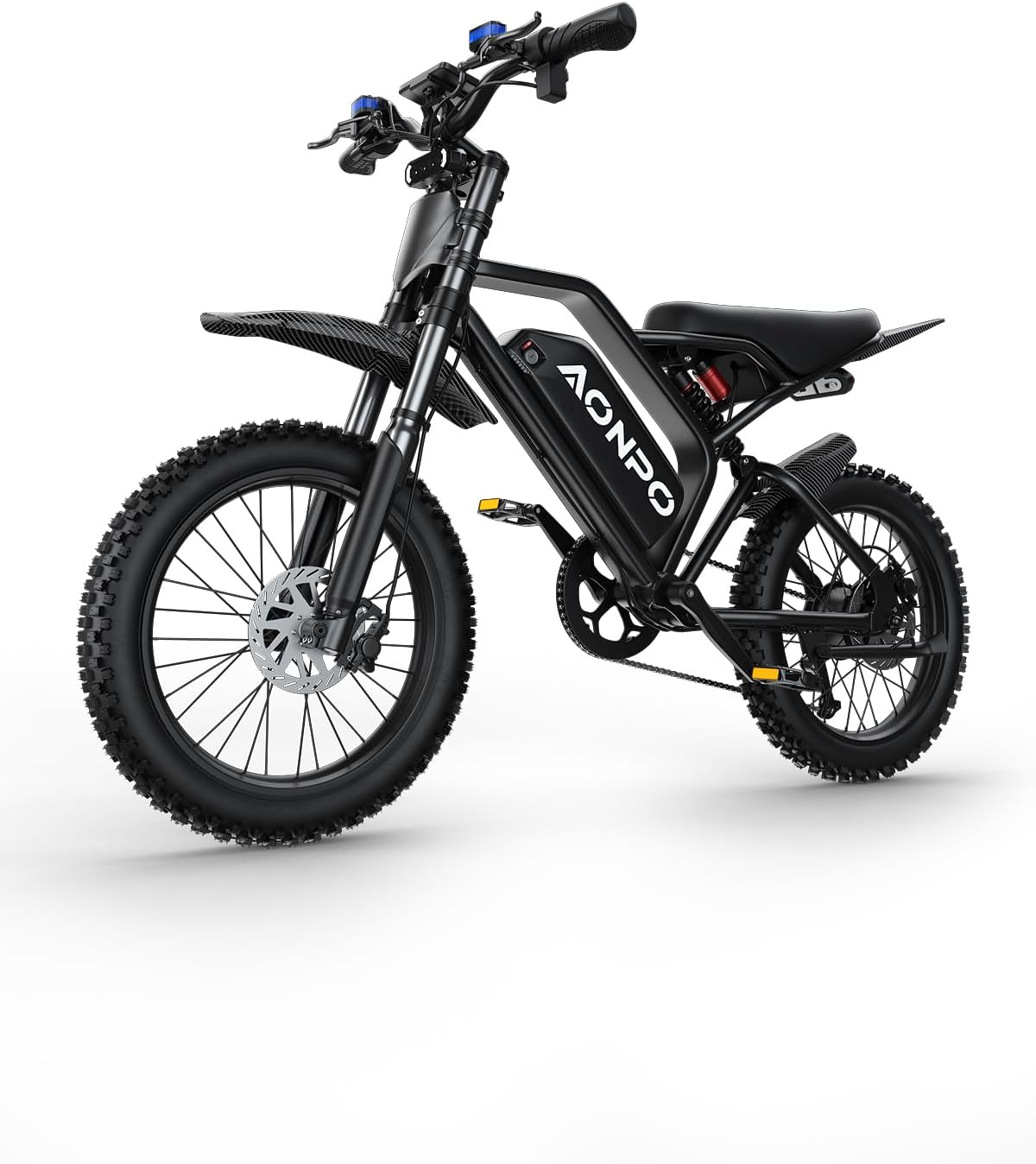
Common Buying Mistakes to Avoid
❌ Mistake: Prioritizing Price Over Performance
Why it’s bad: A cheap e-bike might save you money upfront, but it often comes with weak motors, poor suspension, and low-quality components that fail quickly on trails. You’ll end up spending more on repairs or replacements.
What to do instead: Set a realistic budget based on your riding goals. A $2,500 hardtail can outperform a $4,000 bike with inferior parts. Focus on value, not just cost.
❌ Mistake: Ignoring Fit and Geometry
Why it’s bad: An ill-fitting bike causes discomfort, reduces control, and increases injury risk—especially on rough terrain. Off-road riding demands precise handling.
What to do instead: Test ride multiple sizes and models. Look for a bike with a reach and stack that match your body proportions. Consider a professional bike fit if you’re serious about performance.
❌ Mistake: Overlooking Battery Swappability
Why it’s bad: If your battery isn’t removable, you’re stuck when it dies on a long ride. Non-removable batteries also make charging inconvenient.
What to do instead: Choose a model with a removable, lockable battery. Some brands offer spare battery programs or fast-charging options.
❌ Mistake: Choosing the Wrong Tire Size
Why it’s bad: 29″ wheels roll faster and smoother but can feel sluggish in tight corners. 27.5″ wheels are more agile but less stable at speed. Fat tires are great for snow but slow on hardpack.
What to do instead: Match tire size to your terrain. 29″ for cross-country, 27.5″ for technical trails, and fat tires only if you ride in sand or snow regularly.
❌ Mistake: Skipping the Test Ride
Why it’s bad: Specs don’t tell the whole story. A bike might look great on paper but feel unstable or uncomfortable in real-world conditions.
What to do instead: Always test ride before buying. If purchasing online, choose retailers with generous return policies (30 days or more).
❌ Mistake: Neglecting Maintenance Needs
Why it’s bad: E-bikes require regular maintenance—especially off-road models exposed to mud, water, and impacts. Neglect leads to premature wear and costly repairs.
What to do instead: Learn basic maintenance (chain cleaning, brake adjustments, suspension servicing) or find a local shop that specializes in e-bikes.
❌ Mistake: Buying Without Considering Local Laws
Why it’s bad: Some areas restrict e-bike power, speed, or trail access. A 750W bike might be illegal in certain parks or require a permit.
What to do instead: Check local regulations before buying. Class 1 and Class 3 e-bikes are widely accepted; high-powered models may have restrictions.
Budget Guidelines: How Much Should You Spend?
Entry-Level ($1,500 – $2,500): These bikes are great for beginners or casual riders. Expect hub motors, basic suspension, and lower-capacity batteries. Models like the RadRover 6 Plus or Heybike Mars offer solid value but may lack the refinement for serious trail use. Ideal for light off-roading, fire roads, and weekend adventures.
Mid-Range ($2,500 – $4,500): This is the sweet spot for most riders. You’ll find mid-drive motors, better suspension, and higher-quality components. Bikes like the Trek Powerfly 4 or Juiced CrossCurrent X deliver excellent performance for the price. Expect 600Wh+ batteries, hydraulic brakes, and durable frames.
Premium ($4,500 – $7,000): For enthusiasts and serious trail riders. These bikes feature top-tier motors (Bosch, Shimano), full suspension, and advanced features like dropper posts and tubeless wheels. Models like the Specialized Turbo Levo or Santa Cruz Heckler offer race-ready performance and long-term reliability.
Luxury ($7,000+): Reserved for professionals and hardcore riders. Expect carbon frames, dual batteries, custom tuning, and cutting-edge tech. These bikes are built for enduro racing, bike parks, and extreme conditions. While overkill for most, they represent the pinnacle of e-MTB engineering.
Expert Tips for Getting the Best Deal
1. Buy During Off-Season Sales: The best deals happen in late fall and winter when demand drops. Many retailers offer discounts of 15–30% to clear inventory. Sign up for newsletters to get early access.
2. Consider Last Year’s Models: New models arrive in spring, making previous versions cheaper. The tech changes slowly, so you can save hundreds without sacrificing performance.
3. Shop at Local Bike Shops: While online prices may be lower, local shops offer test rides, expert advice, and ongoing support. Some even price-match online retailers.
4. Look for Package Deals: Some brands bundle helmets, lights, racks, or spare batteries. These can save you $200–$500 compared to buying separately.
5. Check for Rebates and Incentives: Some states and cities offer e-bike rebates (up to $1,500). Programs like California’s Clean Bike Rebate or Colorado’s e-bike incentive can significantly reduce your cost.
6. Read Real User Reviews: Don’t rely solely on manufacturer specs. Sites like Electric Bike Review, YouTube, and Reddit offer honest feedback from riders who’ve tested bikes in real conditions.
7. Negotiate the Price: Especially at local shops, there’s often room to negotiate—especially if you’re buying accessories or committing to service packages.
8. Prioritize Serviceability: Choose brands with local dealers or strong online support. You’ll save time and money on repairs and maintenance.
Frequently Asked Questions
Q: Can I ride an off-road e-bike on regular roads?
A: Yes, most off-road e-bikes are street-legal and can be ridden on roads, bike lanes, and trails. Just ensure the motor complies with local regulations (typically Class 1 or 3). However, their aggressive tires and suspension may feel overbuilt for pavement.
Q: How often do I need to charge the battery?
A: It depends on usage. For moderate trail riding, expect to charge every 2–3 rides. Always recharge after a long ride to maintain battery health. Avoid draining it to 0% regularly.
Q: Are off-road e-bikes allowed on all trails?
A: No. Many natural surface trails prohibit e-bikes, especially in national parks. Check local rules—some allow Class 1 e-bikes on multi-use trails, while others ban them entirely.
Q: How long do e-bike batteries last?
A: Most lithium-ion batteries last 500–1,000 charge cycles, equating to 3–5 years of regular use. Capacity gradually decreases over time, but proper care (avoiding extreme temps, not overcharging) extends lifespan.
Q: Can I upgrade components later?
A: Yes, many parts like tires, brakes, and drivetrains can be upgraded. However, motor and battery upgrades are usually not possible due to proprietary systems.
Q: Are off-road e-bikes safe?
A: When used responsibly, yes. Always wear a helmet, follow trail etiquette, and ride within your skill level. The added speed and power require extra caution.
Q: Do I need a special license or insurance?
A: In most U.S. states, no license is required for Class 1–3 e-bikes. Insurance is optional but recommended for high-value models, especially if theft is a concern.
Q: How do I maintain my e-bike?
A: Clean it after muddy rides, lubricate the chain, check tire pressure, and inspect brakes and suspension. Service the motor and battery according to the manufacturer’s schedule.
Q: Can I ride in the rain or snow?
A: Most e-bikes are weather-resistant but not waterproof. Avoid submerging the motor or battery. Fat tire models are better suited for snow, while all-season tires handle light rain well.
Q: What’s the difference between Class 1, 2, and 3 e-bikes?
A: Class 1: pedal-assist only, up to 20 mph. Class 2: throttle-assisted, up to 20 mph. Class 3: pedal-assist, up to 28 mph. Off-road e-bikes are typically Class 1 for trail compatibility.
Our Final Recommendations
Best for Budget-Conscious Buyers: Rad Power Bikes RadRover 6 Plus – At around $1,999, this fat tire hardtail offers surprising capability for the price. With a 750W hub motor, 672Wh battery, and hydraulic brakes, it’s perfect for light trails and beach rides. Not ideal for technical terrain, but a great entry point.
Best Overall Value: Trek Powerfly 4 – Priced at $3,999, this full-suspension e-MTB features a Shimano EP8 motor, 630Wh battery, and RockShox suspension. It’s versatile, reliable, and backed by Trek’s excellent dealer network. Ideal for riders who want performance without breaking the bank.
Best Premium Option: Specialized Turbo Levo SL Comp – At $6,500, this lightweight full-suspension bike uses Specialized’s SL 1.1 motor for a natural ride feel. With 150mm travel, a 320Wh battery (expandable), and top-tier components, it’s perfect for long, technical rides where weight and efficiency matter.
Best for Beginners: Juiced CrossCurrent X – This $2,799 hardtail combines a 750W rear hub motor, 960Wh battery, and 27.5″ wheels for a smooth, powerful ride. It’s easy to handle, has a bright display, and includes a throttle—great for new riders exploring trails.
Best for Advanced Users: Santa Cruz Heckler CC XO1 – At $9,599, this is a no-compromise enduro machine. With a Bosch Performance Line CX motor, 750Wh battery, and 160mm of travel, it’s built for aggressive riding. The carbon frame and SRAM XO1 drivetrain make it a dream for experienced riders.
Conclusion: Making the Right Choice
Choosing the best off-road electric bike isn’t just about picking the most powerful or expensive model—it’s about finding the right balance of performance, durability, and value for your specific needs. Whether you’re cruising forest trails, conquering mountain peaks, or exploring backcountry roads, the right e-MTB can open up a world of adventure.
Remember to prioritize key factors like motor type, battery capacity, suspension, and fit. Avoid common pitfalls like ignoring test rides or overlooking warranty support. And don’t forget to consider your budget, terrain, and long-term goals.
With the insights from this guide, you’re now equipped to make a smart, confident decision. Take your time, do your research, and when you find the right bike, get out there and ride. The trails are waiting.