
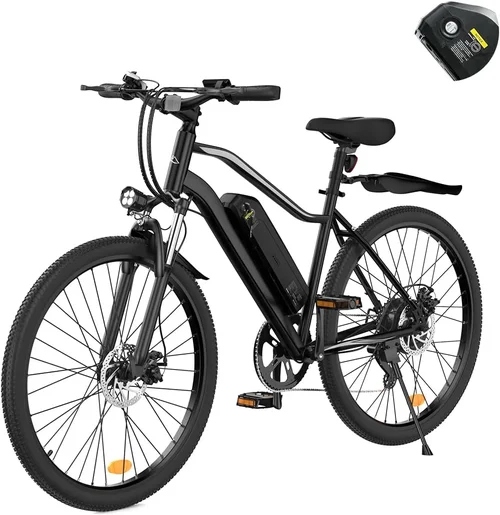
Electric bikes have evolved from niche novelties into serious transportation solutions, fitness tools, and even daily commuter workhorses. As we move through 2026, the e-bike market has matured dramatically—offering more reliable motors, longer-lasting batteries, smarter integration with smartphones, and designs that cater to nearly every lifestyle and budget. Whether you’re looking to ditch your car for short errands, explore mountain trails with less effort, or simply enjoy a breezy ride without arriving at the office drenched in sweat, there’s an e-bike built for you.
This comprehensive buying guide is designed to cut through the noise. We’ve analyzed dozens of models, tested real-world performance, and spoken with engineers, retailers, and everyday riders to bring you expert-backed insights on how to choose the best e-bike for your money in 2026. You’ll learn what specs actually matter, how to avoid common pitfalls, where to find the best deals, and which models deliver exceptional value across different categories. By the end, you won’t just know what to buy—you’ll understand why it’s the right choice for your needs.
The e-bike landscape in 2026 is more competitive than ever. Major brands like Trek, Specialized, Rad Power Bikes, and VanMoof continue to innovate, while new entrants from Asia and Europe are pushing prices down without sacrificing quality. Mid-drive motors, torque sensors, integrated lighting, and app connectivity are now standard even on mid-tier models. Meanwhile, battery technology has plateaued slightly—but efficiency gains mean you’ll get more miles per charge than ever before. With federal and state incentives still available in many regions, now might be the perfect time to make the switch.

What to Look for When Buying an E-Bike
1. Motor Type and Power Output
The motor is the heart of your e-bike. In 2026, you’ll primarily encounter two types: hub motors (mounted in the front or rear wheel) and mid-drive motors (located near the pedals). Hub motors are simpler, quieter, and often cheaper—ideal for flat-city commuting. Mid-drive motors, like those from Bosch, Shimano, or Brose, offer better weight distribution, superior hill-climbing ability, and more natural pedal assist because they leverage the bike’s gears.
Power is measured in watts (W), but don’t get fooled by peak numbers. Most countries cap legal motor output at 250W–750W for Class 1 and 2 e-bikes. What matters more is torque, measured in Newton-meters (Nm). A motor with 80+ Nm of torque will feel noticeably stronger on hills than one with only 40 Nm, even if both are rated at 500W. For city riding, 40–60 Nm is plenty. For off-road or heavy loads, aim for 70+ Nm.
2. Battery Capacity and Range
Battery capacity is measured in watt-hours (Wh). A higher Wh number means more range. For example, a 500Wh battery paired with an efficient motor might give you 50–70 miles in eco mode, but only 25–30 miles in turbo. Real-world range depends heavily on terrain, rider weight, assist level, and tire pressure.
In 2026, most quality e-bikes come with removable lithium-ion batteries ranging from 400Wh to 750Wh. Look for batteries with at least IP65 water resistance and a reputable brand like Samsung, LG, or Panasonic cells. Removable batteries are essential for charging indoors and replacing down the line. Some premium models now feature dual-battery systems for ultra-long tours, but these add weight and cost.
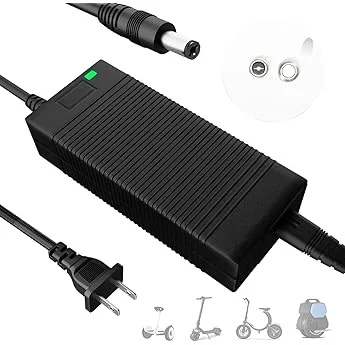
Always check the charger specs too. A fast charger (4A or higher) can top up a 500Wh battery in under 3 hours, while standard 2A chargers take 6+ hours.
3. Frame Material and Build Quality
E-bikes are heavier than regular bikes—often 45–70 lbs—so frame strength is critical. Aluminum alloy remains the most common material due to its balance of strength, weight, and corrosion resistance. High-end models may use carbon fiber for reduced weight, but this comes at a steep price and reduced repairability.
Pay attention to weld quality, cable routing (internal is cleaner and more durable), and component integration. Cheap e-bikes often skimp on suspension forks, brakes, and drivetrains, leading to poor handling and frequent repairs. Look for reputable component brands like Shimano, SRAM, Tektro, or Magura.
Also consider step-through vs. step-over frames. Step-through designs are easier to mount, especially for riders with mobility issues or those wearing dresses/skirts.
4. Braking System
With added speed and weight, braking becomes non-negotiable. Mechanical disc brakes are acceptable for light use, but hydraulic disc brakes are strongly recommended for all e-bikes. They offer consistent stopping power in wet conditions, require less hand force, and last longer.
Avoid rim brakes entirely on e-bikes—they wear out quickly under the extra load and lose effectiveness when wet. In 2026, even budget models are shifting to hydraulic discs, so there’s little excuse not to get them.
5. Display and Connectivity Features
The display shows speed, battery level, assist mode, and sometimes navigation or ride stats. Basic LED displays are functional but limited. Color LCD screens (like Shimano’s E-Tube or Bosch’s Kiox) offer better visibility and customization.
Smart connectivity via Bluetooth or ANT+ allows syncing with apps like Strava, Komoot, or the manufacturer’s own platform. This enables firmware updates, theft tracking, ride analytics, and even remote diagnostics. While not essential, these features enhance long-term usability and resale value.
6. Tires and Suspension
Tires determine grip, comfort, and rolling resistance. Wider tires (2.0”–2.6”) provide better cushioning and traction, especially on gravel or rough pavement. Look for puncture-resistant casings and reflective sidewalls for safety.
Suspension comes in two forms: front suspension forks and full suspension. Front suspension is common on commuter and hybrid e-bikes and absorbs bumps well. Full suspension is reserved for mountain e-bikes and adds significant weight and cost—only necessary if you plan serious off-roading.
For city riders, a rigid fork with wide tires often provides a smoother ride than a cheap suspension fork that bottoms out easily.
7. Legal Classification and Local Regulations
E-bikes are classified into three main categories in the U.S. and EU:
– Class 1: Pedal-assist only, max speed 20 mph
– Class 2: Throttle-assisted, max speed 20 mph
– Class 3: Pedal-assist only, max speed 28 mph
Class 3 bikes may require helmets or have restrictions on bike paths depending on your location. Always verify local laws before purchasing. Some states also offer rebates or tax credits for e-bike purchases—check programs like California’s Clean Air Vehicle Rebate or New York’s E-Bike Incentive Program.
8. Warranty and Customer Support
A good warranty signals confidence in the product. Most reputable brands offer:
– 1–2 years on the entire bike
– 2–3 years on the battery
– Lifetime frame warranty (sometimes)
But read the fine print. Many warranties exclude “wear items” like tires, chains, and brake pads. Also, consider where you can get service. Brands with local dealer networks (like Trek or Giant) make repairs easier than direct-to-consumer brands that require shipping.
Customer support responsiveness matters too. Check forums and reviews for reports of slow replacements or unhelpful reps.
Different Types of E-Bikes

Common Buying Mistakes to Avoid
❌ Mistake: Prioritizing Price Over Quality
Why it’s bad: A $600 e-bike might seem like a steal, but it likely uses a weak motor, low-capacity battery, and cheap components that fail within a year. You’ll end up spending more on repairs or replacement.
What to do instead: Set a realistic budget ($1,200 minimum for decent quality) and focus on value, not just the lowest sticker price.
❌ Mistake: Ignoring Test Rides
Why it’s bad: E-bikes handle differently based on weight distribution, motor response, and geometry. What looks good online might feel unstable or uncomfortable in person.
What to do instead: Always test ride before buying. If purchasing online, choose retailers with generous return policies (30+ days).
❌ Mistake: Overlooking Maintenance Needs
Why it’s bad: E-bikes require more maintenance than regular bikes—especially drivetrains, which wear faster under motor strain. Neglect leads to costly replacements.
What to do instead: Learn basic upkeep (chain lubrication, brake adjustments) or budget for annual tune-ups at a local shop.
❌ Mistake: Buying Based Solely on Range Claims
Why it’s bad: Manufacturers often quote “ideal condition” range (flat terrain, eco mode, 150-lb rider). Real-world range is usually 30–50% lower.
What to do instead: Divide advertised range by 1.5 to estimate realistic mileage. Carry a backup battery for long trips.
❌ Mistake: Skipping Insurance or Theft Protection
Why it’s bad: E-bikes are prime targets for thieves. Without insurance, a $3,000 bike stolen from your porch is a total loss.
What to do instead: Use a heavy-duty lock (U-lock + chain), register your bike, and consider adding e-bike coverage to your homeowner’s or renter’s policy.
❌ Mistake: Assuming All E-Bikes Are Legal Everywhere
Why it’s bad: Riding a Class 3 e-bike on a path that bans speeds over 20 mph can result in fines or confiscation.
What to do instead: Research local regulations and choose a class that matches your riding environment.
❌ Mistake: Ignoring Future-Proofing
Why it’s bad: A bike with proprietary parts or no upgrade path becomes obsolete quickly.
What to do instead: Choose models with standard components (Shimano, SRAM) and firmware update capabilities.
Budget Guidelines: How Much Should You Spend?
Entry-Level ($800–$1,500): These bikes are best for occasional, flat-terrain use. Expect hub motors, basic displays, mechanical disc brakes, and batteries under 500Wh. Brands like Ancheer, ECOTRIC, and Lectric offer decent starter models, but build quality varies. Ideal for casual riders or teens.
Mid-Range ($1,500–$3,000): This is the sweet spot for most buyers. You’ll get hydraulic disc brakes, quality mid-drive or high-torque hub motors, 500–625Wh batteries, and reliable components from Shimano or Tektro. Models like the RadCity 5 Plus, Trek Allant+, and Specialized Turbo Vado fit here. Great for daily commuting, light cargo, and weekend adventures.
Premium ($3,000–$5,500): Designed for enthusiasts and serious commuters. Features include Bosch or Shimano mid-drives, full suspension (on eMTBs), integrated smart systems, premium frames, and extended warranties. These bikes excel in performance, comfort, and longevity. Examples: Riese & Müller Load 75, Gazelle Ultimate T10+.
Luxury ($5,500+): For those who want the absolute best. Think carbon fiber frames, dual batteries, custom builds, and cutting-edge tech like regenerative braking or AI-assisted riding modes. Brands like Stromer, Benno, and custom builders dominate this space. Only necessary for professional use or extreme performance demands.
Expert Tips for Getting the Best Deal
1. Buy During Off-Season Sales: Late fall and winter (October–February) are prime times for discounts as retailers clear inventory. Many brands announce new models in spring, so older versions drop in price.
2. Consider Certified Pre-Owned: Reputable dealers like Rad Power Bikes and Trek Certified Refurbished offer used e-bikes with warranties at 20–40% off retail. Inspect battery health carefully.
3. Leverage Government Incentives: Check for federal, state, or local rebates. Some programs cover up to $1,500 per e-bike. Even utility companies offer discounts in certain areas.
4. Compare Total Cost of Ownership: A cheaper bike with frequent repairs costs more long-term. Factor in maintenance, battery replacement (every 3–5 years), and resale value.
5. Negotiate with Local Shops: Independent bike shops often have flexibility on pricing, especially if you bundle accessories or service packages.
6. Read Deep-Dive Reviews: Beyond star ratings, look for long-term tests (6+ months) that discuss reliability, customer service, and real-world range.
7. Check Return and Exchange Policies: Online purchases should allow at least 14 days to return. Some brands (like Juiced Bikes) offer 30-day test rides.
8. Join Owner Communities: Forums like Reddit’s r/ebikes or Facebook groups provide insider tips on deals, mods, and common issues.

Frequently Asked Questions
Q: How long do e-bike batteries last?
A: Most lithium-ion e-bike batteries retain 80% capacity after 500–1,000 full charge cycles, which typically translates to 3–5 years of daily use. Proper care (avoiding extreme temps, not draining to 0%) extends lifespan.
Q: Can I ride an e-bike in the rain?
A: Yes—most e-bikes are rated IP65 or higher, meaning they’re protected against water jets. Avoid submerging the battery or motor, and dry the bike after wet rides to prevent corrosion.
Q: Do I need a license or insurance?
A: In most U.S. states and EU countries, no license or insurance is required for Class 1–3 e-bikes. However, some cities or rental services may have specific rules.
Q: How fast can e-bikes go?
A: Legally, Class 1 and 2 e-bikes are limited to 20 mph; Class 3 to 28 mph. Some “speed pedelecs” go faster but require registration and helmets.
Q: Can I pedal without battery power?
A: Absolutely. E-bikes function like regular bikes when the battery dies—though they’re heavier, so pedaling requires more effort.
Q: Are e-bikes good for exercise?
A: Yes! Even with assist, you’re still pedaling and burning calories. Studies show e-bike riders get comparable cardio benefits to conventional cyclists, just with less perceived exertion.
Q: What’s the difference between pedal assist and throttle?
A: Pedal assist only provides power when you pedal, while throttle lets you ride without pedaling (like a scooter). Throttle is convenient for starts or hills but drains the battery faster.
Q: How much weight can an e-bike carry?
A: Most commuter e-bikes support 250–300 lbs. Cargo bikes handle 400+ lbs. Always check the manufacturer’s rated capacity—exceeding it voids warranties and risks failure.
Q: Can I upgrade my e-bike’s battery?
A: Sometimes. Some brands offer higher-capacity replacement batteries, but compatibility varies. Avoid third-party batteries—they may not meet safety standards.
Q: Are e-bikes worth it for short commutes?
A: If your commute is under 10 miles and mostly flat, a regular bike might suffice. But e-bikes eliminate sweat, reduce travel time, and make hills effortless—making them ideal for urban riders.
Our Final Recommendations
Best for Budget-Conscious Buyers: Lectric XP 3.0 ($999) – A folding e-bike with surprising performance, 45-mile range, and hydraulic brakes. Perfect for apartment dwellers and casual riders.
Best Overall Value: Rad Power Bikes RadCity 5 Plus ($1,799) – Reliable mid-drive motor, 625Wh battery, integrated lights, and a 30-day test ride. Ideal for daily commuting and light cargo.
Best Premium Option: Trek Allant+ 9.9S ($5,499) – Bosch Performance Line CX motor, carbon frame, Shimano Di2 electronic shifting, and top-tier components. Built for serious riders who demand excellence.
Best for Beginners: Specialized Turbo Vado 4.0 ($2,900) – Smooth ride, intuitive app integration, and excellent dealer support. Great first e-bike with room to grow.
Best for Advanced Users: Riese & Müller Delite GT Touring ($7,299) – Full-suspension, dual-battery option, and customizable cargo setup. For long-distance touring and off-grid adventures.
Conclusion: Making the Right Choice
Choosing the right e-bike in 2026 isn’t just about specs—it’s about aligning your purchase with your lifestyle, terrain, and long-term goals. Whether you’re replacing car trips, exploring nature, or simply rediscovering the joy of cycling, the right e-bike can transform your daily routine. Remember to prioritize motor quality, battery capacity, build integrity, and local support over flashy features or rock-bottom prices.
Take your time, test ride multiple models, and don’t hesitate to ask questions. The best e-bike for you is the one that feels like an extension of yourself—smooth, reliable, and fun. With the insights from this guide, you’re now equipped to make a confident, informed decision that delivers lasting value. Happy riding!