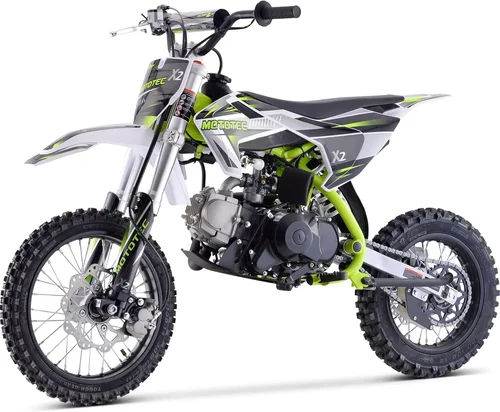
Electric dirt bikes have revolutionized off-road riding, offering silent power, instant torque, and zero emissions without sacrificing performance. As we move into 2026, the e-dirt bike market has matured significantly—delivering longer ranges, faster charging, smarter tech integration, and rugged builds that rival traditional gas-powered machines. Whether you’re a weekend trail rider, a motocross enthusiast, or an eco-conscious adventurer looking to explore backcountry trails quietly, there’s never been a better time to go electric.
This comprehensive buying guide is designed to cut through the noise and help you make an informed decision. We’ll walk you through every critical factor—from battery life and motor power to build quality and after-sales support—so you can find the perfect e-dirt bike for your riding style, terrain, and budget. You’ll learn how to avoid common pitfalls, understand what different price tiers offer, and discover expert tips to get the best value. By the end, you’ll have all the knowledge needed to confidently choose a bike that delivers thrilling performance, reliability, and long-term satisfaction.
The e-dirt bike landscape in 2026 is more competitive than ever. Major brands like KTM, Husqvarna, Sur Ron, Cake, and emerging players like Talaria and Segway are pushing boundaries with innovations in lightweight frames, regenerative braking, app connectivity, and swappable battery systems. Meanwhile, entry-level models now offer surprising capability at accessible prices, making electric off-roading viable for beginners and families. This guide covers everything from technical specs to real-world usability, ensuring you invest wisely in a machine that matches your needs—not just today, but for years to come.

What to Look for When Buying an E-Dirt Bike
1. Budget & Price Range
Your budget is the foundation of your purchase decision. E-dirt bikes span a wide spectrum—from under $2,000 for basic commuter-style models to over $15,000 for competition-grade machines. It’s essential to set a realistic spending limit that includes not just the bike itself, but also essential gear (helmet, boots, gloves), maintenance tools, and potential upgrades like spare batteries or chargers.
A common mistake is underestimating total ownership costs. While electric bikes eliminate fuel and reduce mechanical maintenance, high-performance batteries degrade over time and may need replacement every 3–5 years, depending on usage. Also, premium models often come with proprietary charging systems or software subscriptions that add ongoing expenses. Aim to allocate at least 10–15% of your initial budget for accessories and future upkeep.
2. Performance Specifications
Performance in e-dirt bikes boils down to three core metrics: motor power (measured in kW or horsepower), torque (Nm), and top speed. For trail riding, look for motors between 10–20 kW (13–27 hp) with high low-end torque—electric motors deliver 100% torque instantly, which is ideal for climbing steep hills or navigating technical terrain. Competitive motocross riders should aim for 20+ kW models capable of 60+ mph speeds.
Don’t overlook range, however. A bike might have a 30 kW motor, but if its battery only lasts 30 minutes under aggressive riding, it’s impractical for long adventures. Check real-world range estimates (not just manufacturer claims), which typically fall between 1–3 hours depending on riding style, terrain, and battery capacity (usually 2–6 kWh). Also consider regenerative braking—it can extend range by 10–15% on downhill sections.
3. Build Quality & Durability
Off-road riding is brutal on machinery. Look for bikes with aluminum or chromoly steel frames, reinforced swingarms, and high-quality suspension components (forks and shocks) from reputable brands like WP, Showa, or Öhlins. Sealed bearings, waterproof connectors, and IP67-rated electronics are non-negotiable for muddy or wet conditions.
Pay attention to weight distribution too. A well-balanced bike handles better on jumps and tight corners. Most modern e-dirt bikes weigh between 110–160 lbs—lighter isn’t always better; some added mass improves stability at speed. Test ride if possible, or watch detailed review videos that demonstrate handling on varied terrain.
4. Battery Technology & Charging
The battery is the heart of any e-dirt bike. Lithium-ion (Li-ion) remains the standard, but advancements in cell chemistry (like NMC or LFP) affect lifespan, safety, and cold-weather performance. LFP (lithium iron phosphate) batteries, for example, last longer and are safer but slightly heavier.
Capacity matters—look for at least 3 kWh for serious trail use. Swappable batteries are a game-changer for extended rides: brands like Cake and Sur Ron offer quick-swap systems that let you carry spares. Charging time is equally important. Fast chargers (3–5 kW) can replenish a 4 kWh battery in under an hour, while standard chargers may take 3–6 hours. Always verify charger compatibility and whether it’s included.
5. Features & Functionality
Modern e-dirt bikes come packed with smart features. Regenerative braking recaptures energy during deceleration. Multiple ride modes (Eco, Trail, Sport, Race) let you tailor power delivery to conditions. Bluetooth connectivity via manufacturer apps enables firmware updates, ride tracking, and diagnostics.
Other useful features include LED lighting for night rides, USB charging ports for devices, and integrated dashboards with speed, battery level, and trip data. Some high-end models even offer traction control and launch control—features once reserved for MotoGP bikes. While not essential for beginners, these enhance safety and performance as you advance.
6. Brand Reputation & Ecosystem
Stick with established brands that have a proven track record in electric mobility or motorsports. KTM and Husqvarna bring decades of off-road expertise to their electric models (like the Freeride E-XC). Sur Ron dominates the lightweight utility segment with its popular Light Bee series. Cake focuses on minimalist, sustainable design, while Talaria offers aggressive street-legal performance bikes.
Consider the brand’s ecosystem: availability of spare parts, service networks, software updates, and community support. A strong dealer network means easier repairs and warranty claims. Online forums and user groups can also provide invaluable real-world insights and troubleshooting help.
7. Warranty & Support
A solid warranty protects your investment. Most reputable brands offer 1–2 years on the bike frame and motor, and 6–12 months on the battery—though some, like Cake, provide up to 2 years on batteries. Read the fine print: many exclude damage from crashes, water immersion, or improper charging.
Customer support responsiveness is just as important. Can you reach a human quickly? Are replacement parts stocked locally? Check recent user reviews for reports of warranty claim delays or unhelpful service centers. A good warranty means little if it’s hard to use.
8. Size, Fit & Ergonomics
An ill-fitting bike is uncomfortable and unsafe. Seat height, handlebar position, and footpeg placement must suit your body size and riding style. Most e-dirt bikes have seat heights between 32–37 inches—taller riders may prefer higher seats, while shorter riders should look for low-seat options or adjustable suspensions.
Test ergonomics by sitting on the bike (if possible). Your knees should bend comfortably when seated, and you should be able to reach the controls without stretching. Some brands offer youth or women-specific models with tailored geometry. Never compromise fit for specs—a bike that doesn’t fit well will discourage riding.
Different Types of E-Dirt Bikes
Common Buying Mistakes to Avoid
❌ Mistake: Prioritizing Peak Power Over Real-World Usability
Why it’s bad: A bike with 40 hp might sound impressive, but if it’s uncontrollable at low speeds or drains its battery in 20 minutes, it’s impractical for most riders. High power without proper traction control or ride modes can be dangerous for beginners.
What to do instead: Focus on torque delivery and ride modes. Look for bikes with smooth power curves and adjustable settings that match your skill level and terrain.
❌ Mistake: Ignoring Battery Realities
Why it’s bad: Manufacturers often quote “up to” range figures based on ideal conditions (flat terrain, slow riding). In reality, aggressive riding cuts range by 30–50%. Running out of juice mid-trail is frustrating and potentially risky.
What to do instead: Multiply advertised range by 0.6 to estimate real-world performance. Always carry a spare battery or plan routes near charging points if possible.
❌ Mistake: Overlooking Service and Parts Availability
Why it’s bad: Some niche brands have limited dealer networks. If your motor fails in a remote area, you could be stranded for weeks waiting for parts.
What to do instead: Choose brands with national service networks or strong online support. Check forums for reports of part delays before buying.
❌ Mistake: Buying Based Solely on Price
Why it’s bad: The cheapest bike often cuts corners on battery quality, frame strength, or waterproofing—leading to premature failure or safety issues.
What to do instead: Treat price as one factor among many. A mid-range bike with better build quality often costs less long-term due to lower repair needs.
❌ Mistake: Skipping the Test Ride
Why it’s bad: Spec sheets don’t reveal how a bike feels. Weight distribution, suspension tune, and throttle response vary widely between models.
What to do instead: Attend demo days, rent before you buy, or purchase from retailers with generous return policies (e.g., 14-day trials).
❌ Mistake: Forgetting About Gear and Safety
Why it’s bad: Electric bikes accelerate instantly—without proper protective gear, even low-speed falls can cause serious injury.
What to do instead: Budget for a DOT/ECE-certified helmet, armored jacket, gloves, boots, and knee/elbow guards. Safety isn’t optional.
❌ Mistake: Assuming All E-Bikes Are Quiet
Why it’s bad: While quieter than gas bikes, some e-dirt bikes still produce noticeable whine from motors and drivetrains—especially at high RPMs.
What to do instead: Watch video reviews with audio to hear real-world noise levels. If stealth is critical (e.g., hunting), prioritize models with belt drives over chains.
Budget Guidelines: How Much Should You Spend?
Entry-Level ($1,500 – $3,500): Ideal for beginners, kids, or casual riders. Expect modest power (5–10 kW), shorter range (1–1.5 hours), and basic components. Brands like Segway and some Chinese OEMs offer decent value here, but scrutinize build quality. Great for learning basics without major investment.
Mid-Range ($3,500 – $7,000): The sweet spot for most riders. Bikes in this tier (e.g., Sur Ron Light Bee X, Talaria Sting) deliver 10–20 kW, 2–3 hour range, quality suspension, and reliable batteries. They’re capable on trails, light motocross, and utility tasks. Best balance of performance, durability, and price.
Premium ($7,000 – $12,000): For serious enthusiasts and competitive riders. Models like the KTM Freeride E-XC or Husqvarna EE 5 feature race-ready suspension, advanced electronics, swappable batteries, and premium materials. Expect 20+ kW power, sub-3-second 0–30 mph times, and dealer support.
Luxury ($12,000+): Top-tier machines like the Cake Kalk OR or custom-built race bikes. These offer cutting-edge tech, ultra-lightweight frames, bespoke tuning, and concierge-level service. Only justified for professionals, collectors, or those who demand the absolute best.
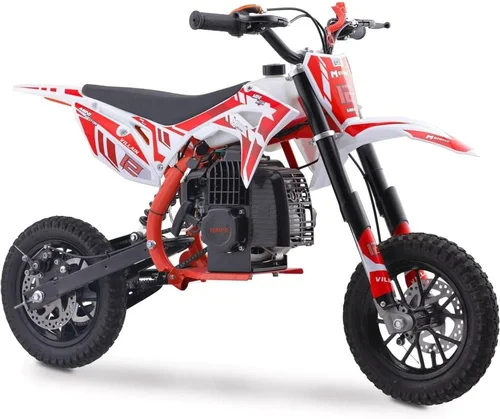
Expert Tips for Getting the Best Deal
- Buy at the Right Time: End-of-season sales (late fall/winter) often bring 10–20% discounts as dealers clear inventory for new models. Black Friday and holiday weekends are prime opportunities.
- Shop Authorized Dealers: While tempting, gray-market imports may lack warranty coverage or compatibility with local charging standards. Stick to authorized retailers for peace of mind.
- Negotiate Extras: Many dealers will throw in free gear (helmet, gloves), extended warranties, or spare batteries if you ask. Bundling increases perceived value.
- Check Refurbished Options: Certified pre-owned or demo bikes from reputable sellers can save 15–30% off retail with minimal wear.
- Read the Fine Print on Returns: Ensure the seller offers at least a 7–14 day return window. Some online-only retailers charge restocking fees or exclude used items.
- Join Owner Communities: Facebook groups, Reddit forums (like r/ElectricMotorcycles), and brand-specific clubs often share exclusive promo codes or group-buy discounts.
- Consider Financing: Many brands offer 0% APR financing for qualified buyers—spreading payments over 12–24 months can make a premium bike more accessible.
- Verify Software Updates: Ensure the bike receives regular firmware updates for performance tweaks and bug fixes. Outdated software can limit functionality.

Frequently Asked Questions
Q: How long do e-dirt bike batteries last?
A: Most lithium-ion batteries retain 80% capacity after 500–1,000 full charge cycles, translating to 3–5 years of regular use. Proper care—avoiding deep discharges, storing at 50% charge, and keeping cool—extends lifespan significantly.
Q: Can I ride an e-dirt bike in the rain?
A: Yes, but only if it’s rated IP67 or higher. Avoid submerging the bike or spraying high-pressure water directly into electronics. Dry thoroughly after wet rides to prevent corrosion.
Q: Are e-dirt bikes street legal?
A: Only if equipped with DOT-approved lights, mirrors, turn signals, and a license plate mount. Most pure off-road models are not street legal. Dual-sport variants (like the Surron LBX Pro) can be registered in many states with modifications.
Q: How fast can e-dirt bikes go?
A: Entry-level models top out around 40–50 mph, while race bikes exceed 70 mph. Speed depends on motor power, gearing, and rider weight. Always respect local trail speed limits.
Q: Do I need a special license to ride one?
A: Requirements vary by region. In most U.S. states, off-road e-dirt bikes don’t require a license if ridden on private land or designated trails. Street-legal versions typically need a motorcycle endorsement.
Q: Can I upgrade the battery later?
A: Some brands (like Sur Ron) offer higher-capacity aftermarket batteries, but compatibility isn’t guaranteed. Check with the manufacturer before investing in upgrades.
Q: Are e-dirt bikes harder to maintain than gas bikes?
A: No—in fact, they’re simpler. No oil changes, air filters, or carburetors. Main tasks include chain lubrication, brake checks, tire pressure, and battery care. Suspension and frame maintenance remain similar.
Q: What’s the best e-dirt bike for beginners?
A: Look for models with adjustable power modes, low seat height, and forgiving suspension. The Sur Ron Light Bee and Cake Kalk& are excellent starter bikes with manageable power and great ergonomics.
Q: How do I charge my e-dirt bike on long trips?
A: Use portable Level 2 chargers (240V) where available, or carry a spare battery. Some riders use solar chargers or public EV stations with adapters. Always plan routes around charging infrastructure.
Q: Will my e-dirt bike work in cold weather?
A: Performance drops in freezing temps—battery efficiency can fall by 20–30%. Store batteries indoors when not in use, and pre-warm them before riding if possible. LFP batteries handle cold better than standard Li-ion.
Our Final Recommendations
Best for Budget-Conscious Buyers: Sur Ron Light Bee X – At around $4,500, it delivers exceptional value with 12 kW power, 3+ hour range, and a robust aluminum frame. Perfect for trails, farms, and light motocross.
Best Overall Value: Talaria Sting R – Priced near $6,000, this street-legal beast offers 22 kW peak power, 60+ mph top speed, and premium suspension. Ideal for riders who want performance without breaking the bank.
Best Premium Option: KTM Freeride E-XC – At $11,500, it’s a factory-level enduro machine with WP suspension, swappable battery, and race-ready tuning. The choice for serious off-road competitors.
Best for Beginners: Cake Kalk& – Minimalist design, intuitive controls, and adjustable power make this $8,500 bike perfect for new riders. Quiet, lightweight, and built for exploration.
Best for Advanced Users: Husqvarna EE 5 – A full-sized motocross bike with 20 kW power, Öhlins suspension, and championship pedigree. Designed for riders who demand podium-level performance.
Conclusion: Making the Right Choice
Choosing the right e-dirt bike in 2026 isn’t just about specs—it’s about aligning technology with your lifestyle, skill level, and riding goals. Whether you’re seeking silent forest exploration, weekend trail thrills, or competitive edge, the electric revolution has made high-performance off-roading more accessible and sustainable than ever.
Remember: prioritize fit, battery practicality, and long-term support over flashy numbers. Test ride when possible, read real user reviews, and don’t rush the decision. A well-chosen e-dirt bike will deliver years of excitement, reliability, and environmental pride.
Now that you’re armed with expert knowledge, it’s time to hit the trails. Start by defining your must-haves, set a realistic budget, and explore the models that match your vision. The perfect electric ride is out there—silent, powerful, and waiting for you.