
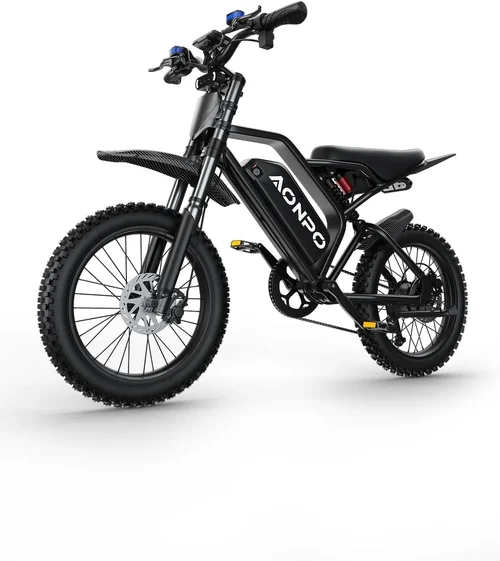
Electric dirt bikes are no longer just a niche curiosity—they’re a full-throttle revolution in off-road riding. As we move into 2026, the market has matured dramatically, with advancements in battery technology, motor efficiency, and frame design making electric dirt bikes more capable, reliable, and accessible than ever before. Whether you’re a weekend warrior hitting local trails, a parent looking for a safe first bike for your kid, or a seasoned motocross enthusiast curious about silent but powerful performance, there’s never been a better time to go electric.
This comprehensive buying guide is designed to cut through the noise and help you make an informed decision. With dozens of brands flooding the market—from startups with flashy websites to legacy manufacturers launching their first electric models—it’s easy to feel overwhelmed. Our goal is to arm you with the knowledge you need to evaluate options based on your specific needs, budget, and riding style. You’ll learn how to compare performance specs that actually matter, understand what build quality really means in real-world conditions, and avoid common pitfalls that lead to buyer’s remorse. We’ll also break down the top brands, highlight standout models across different categories, and give you insider tips to get the best value.
The electric dirt bike market in 2026 is diverse and competitive. Major players like KTM, Husqvarna, and Yamaha have doubled down on their electric offerings, while innovative newcomers such as Cake, Sur Ron, and Talaria are pushing boundaries with lightweight designs and cutting-edge tech. Meanwhile, brands like Razor and Segway continue to dominate the youth and entry-level segments. Range anxiety? Nearly obsolete thanks to lithium-ion and emerging solid-state batteries. Charging times? Dropping below 2 hours for many mid-range models. And don’t even get us started on torque—electric motors deliver instant power that gas engines can’t match. But with so much innovation comes complexity. That’s why this guide exists: to simplify your search and ensure you invest in a bike that delivers long-term satisfaction, not just short-term excitement.
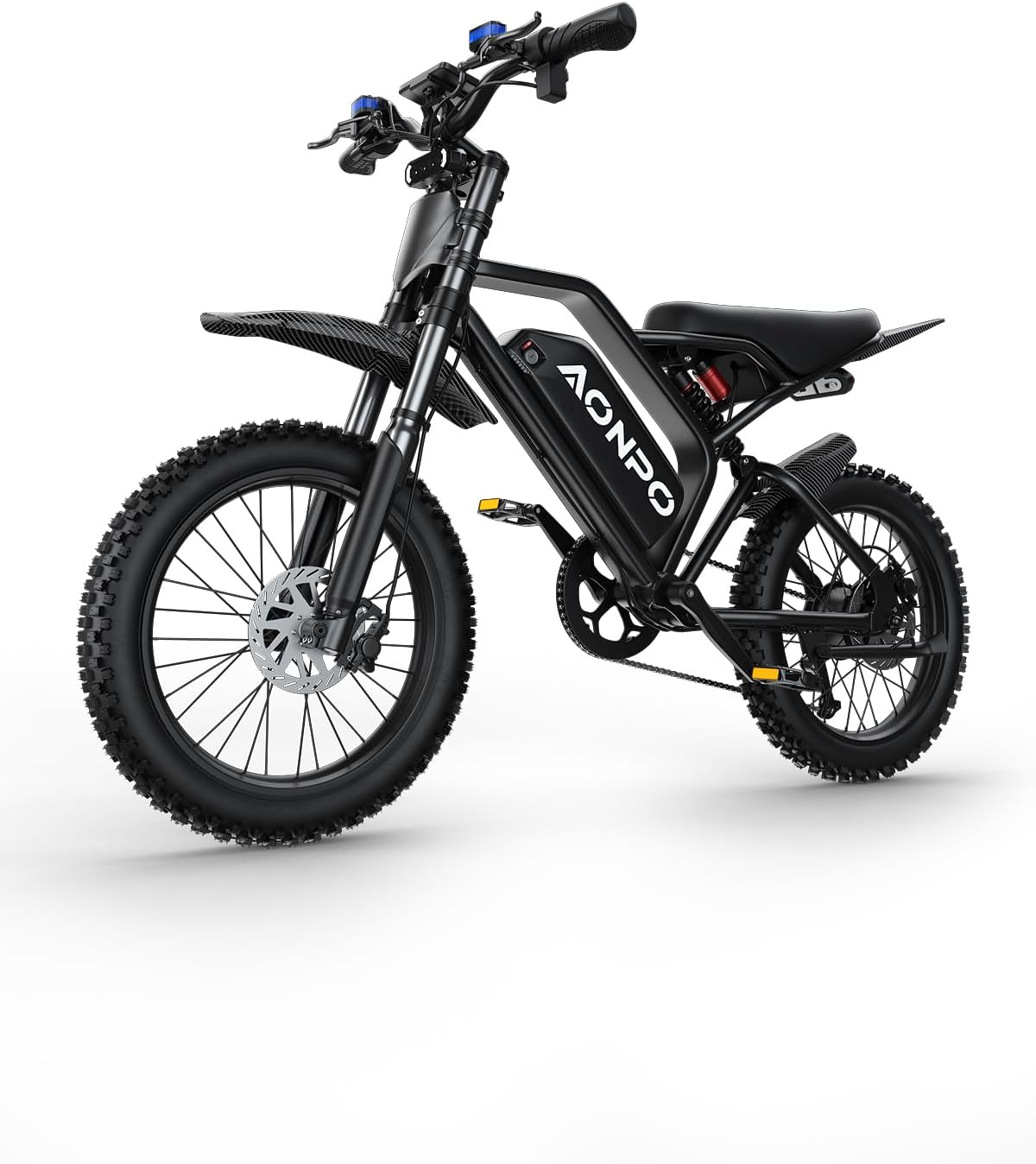
What to Look for When Buying Electric Dirt Bikes
1. Budget & Price Range
Your budget is the foundation of your buying decision—it dictates not only which bikes you can afford but also what kind of performance, durability, and features you can expect. Electric dirt bikes span a wide price spectrum, from under $500 for basic youth models to over $15,000 for professional-grade machines. Setting a realistic budget upfront prevents frustration later and helps you focus on models that offer the best value within your range.
When evaluating cost, consider the total cost of ownership, not just the sticker price. This includes charging expenses (minimal but worth noting), maintenance (electric bikes require far less than gas counterparts), potential upgrades (like better tires or suspension), and accessories (helmets, gear, battery backups). A $2,000 bike might seem like a bargain, but if it uses proprietary batteries that cost $800 to replace every two years, your long-term expense could rival a higher-end model with standard, swappable cells.
Also, beware of “too good to be true” deals. Some ultra-cheap electric dirt bikes use low-quality motors, weak frames, or outdated battery tech that limits range and lifespan. These may suffice for casual backyard use but will disappoint on trails or under sustained load. Conversely, premium bikes often justify their price with superior components, better warranties, and resale value.
2. Performance Specifications
Performance isn’t just about top speed—it’s a blend of power, torque, range, and responsiveness tailored to your riding environment. The key specs to scrutinize include motor power (measured in watts or horsepower), battery capacity (in watt-hours or amp-hours), range per charge, top speed, and hill-climbing ability.
Motor power determines how quickly the bike accelerates and how well it handles steep inclines. For example, a 3,000W motor might be perfect for trail riding, while a 10,000W+ motor is essential for motocross or heavy off-roading. Torque, delivered instantly in electric motors, is especially important for low-end grunt—ideal for technical terrain or quick starts.
Battery capacity directly affects range. A 48V 20Ah battery (960Wh) might give you 20–30 miles of mixed riding, whereas a 72V 30Ah pack (2,160Wh) could double that. However, larger batteries add weight and cost. Look for bikes with removable or swappable batteries if you plan long rides—this lets you carry spares instead of waiting hours to recharge.
Top speed matters less than you think unless you’re racing. Most trail riders rarely exceed 35–45 mph, and many electric dirt bikes cap out around there for safety and efficiency. What’s more critical is how the bike performs at low speeds—smooth throttle control, regenerative braking, and traction management are hallmarks of well-tuned electric systems.
3. Build Quality & Durability
An electric dirt bike takes a beating—rocks, mud, jumps, and repeated impacts demand a robust chassis and reliable components. Build quality separates toys from tools. Start with the frame: high-tensile steel or aircraft-grade aluminum should be standard. Avoid plastic-heavy frames or flimsy welds; these crack under stress.
Suspension matters too. Look for adjustable front forks and rear shocks with adequate travel (at least 8–10 inches for adult models). Cheap coil springs or non-serviceable dampers wear out fast and compromise handling. Similarly, check the wheels and tires—spoked wheels with knobby, puncture-resistant tires are ideal for off-road use.
Electrical components must be weather-sealed. IP67-rated connectors and enclosures protect against water, dust, and vibration. Waterproofing is non-negotiable—even a light rain shower can fry a poorly sealed controller or battery if it seeps into critical areas.
Finally, inspect the welds, bolt tightness, and overall fit-and-finish. A well-built bike feels solid when you lift it, has no rattles, and shows consistent paint and assembly. Brands that invest in CNC-machined parts, reinforced swingarms, and double-walled rims typically offer longer service life.
4. Features & Functionality
Modern electric dirt bikes come packed with features that enhance safety, convenience, and ride experience. While not all are essential, some can significantly impact usability. Key features to consider include:
– Regenerative braking: Recovers energy during deceleration, extending range and reducing brake wear.
– Multiple riding modes: Eco, Trail, Sport, and Race modes let you tailor power delivery to conditions.
– Digital dashboard: Shows speed, battery level, trip distance, and error codes—critical for monitoring health.
– Bluetooth/app connectivity: Allows firmware updates, ride tracking, and customization via smartphone.
– LED lighting: Bright headlights and taillights improve visibility for dawn/dusk rides.
– Quick-swap battery system: Enables near-instant “refueling” by swapping drained packs for charged ones.
– Adjustable suspension: Lets you fine-tune ride height and damping for different terrains or rider weights.
Avoid bikes that overload on gimmicks—like built-in speakers or RGB underglow—at the expense of core functionality. Prioritize features that align with your riding habits. For example, if you ride solo on remote trails, a GPS tracker or emergency beacon might be more valuable than flashy lights.
5. Brand Reputation
Brand reputation isn’t just about marketing—it reflects real-world reliability, customer service, and innovation history. Established motorcycle manufacturers like KTM, Husqvarna, and Yamaha bring decades of engineering expertise to their electric models. Their bikes undergo rigorous testing, comply with global safety standards, and benefit from extensive dealer networks for parts and service.
On the other hand, newer brands like Cake (Sweden) and Talaria (China/US) have earned strong followings by focusing exclusively on electric mobility. Cake emphasizes minimalist design and sustainability, while Talaria targets performance enthusiasts with high-wattage motors and race-ready builds. Sur Ron, another standout, has become a cult favorite for its balance of affordability and capability—often called the “Tesla of dirt bikes.”
Research brand history: How long have they been making electric bikes? Do they offer firmware updates? Are replacement parts readily available? Check forums like Reddit’s r/electricbikes or specialized groups like Electric Dirt Bike Enthusiasts on Facebook. User communities often reveal hidden issues—like battery degradation after 18 months or poor售后 support in certain regions.
Avoid unknown brands with no verifiable track record, especially those selling exclusively through third-party marketplaces with fake reviews. A reputable brand stands behind its product.
6. Warranty & Support
A strong warranty is a sign of confidence in product quality—and your safety net if things go wrong. Most reputable brands offer at least a 1-year comprehensive warranty covering motor, battery, and controller. Premium models may extend to 2–3 years, with battery-specific coverage (e.g., 80% capacity retention after 2 years).
Pay attention to what’s excluded. Many warranties void if the bike is used for racing, modified, or exposed to water beyond IP ratings. Read the fine print: Is labor covered? Are you responsible for shipping costs? Can you get service locally, or must you ship to a central facility?
Customer support quality varies widely. Test responsiveness before buying—send an email or call their support line. Do they answer promptly? Are technicians knowledgeable? Brands with dedicated EV support teams (like Cake or KTM Electric) typically resolve issues faster than general retailers.
Also consider availability of service manuals, repair videos, and community-driven troubleshooting. Some brands encourage DIY maintenance, which can save money and downtime.
7. Size & Portability
Size affects not only who can ride the bike but also how you transport and store it. Youth models (under 80 lbs) are easy for kids to handle and fit in car trunks. Adult trail bikes typically weigh 120–200 lbs—still manageable with two people but challenging alone.
Wheel size matters too: 12–14 inches for kids, 17–21 inches for teens and adults. Larger wheels roll over obstacles better but raise the seat height, which can be intimidating for shorter riders. Adjustable suspension or lowering kits help, but check minimum seat height before buying.
Portability features include foldable handlebars, removable batteries, and lightweight frames. If you plan to trailer your bike or load it frequently, look for integrated lift points or wheel chocks. Some high-end models even include built-in tie-down hooks.
Storage space is another factor. Electric dirt bikes don’t need gas cans or oil bottles, but you’ll want a dry, secure place for the bike and charger. Consider wall mounts or covers if space is limited.
8. User Reviews & Ratings
Never buy based solely on manufacturer claims. Real user reviews reveal strengths and weaknesses you won’t find in spec sheets. Focus on verified purchasers who’ve used the bike for months, not just unboxers.
Look for patterns: Do multiple users report the same battery issue? Is throttle lag a common complaint? Are suspension seals failing prematurely? These red flags indicate systemic problems.
Use trusted platforms like RevZilla, BikeBandit, or specialized EV review sites. YouTube reviews with ride footage are especially valuable—they show actual performance, noise levels, and handling. Pay attention to how reviewers describe real-world range versus advertised numbers; many bikes fall 20–30% short under load.
Be skeptical of overly positive or negative reviews. Balanced feedback that discusses both pros and cons is most reliable. And remember: a bike that works perfectly for a casual rider might disappoint a aggressive trail shredder—match reviews to your intended use.
Different Types of Electric Dirt Bikes
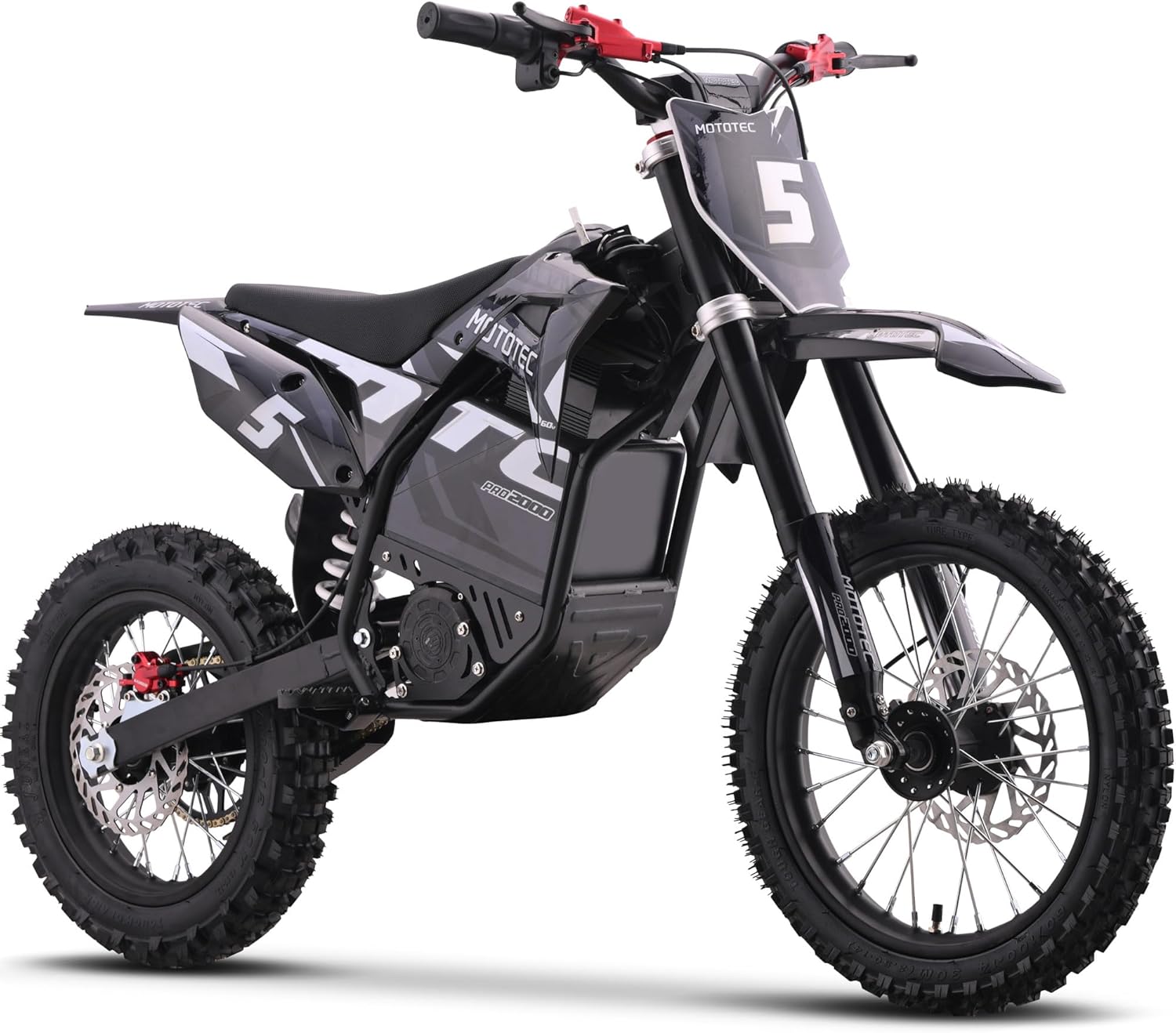
Common Buying Mistakes to Avoid
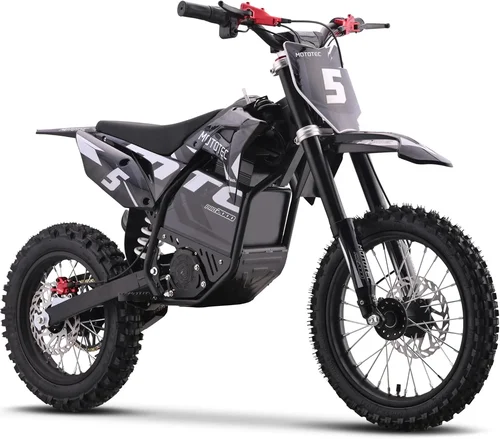
❌ Mistake: Ignoring Real-World Range Claims
Why it’s bad: Manufacturers often advertise range based on ideal conditions—flat terrain, light rider, eco mode. In reality, hills, heavy loads, and aggressive riding can cut range by 30–50%. Relying on optimistic numbers leads to stranded bikes and frustration.
What to do instead: Divide advertised range by 1.5 to estimate real-world performance. Always carry a spare battery or plan routes with charging options.
❌ Mistake: Overlooking Seat Height and Ergonomics
Why it’s bad: A bike that’s too tall or short compromises control and safety. Riders who can’t touch the ground comfortably are more likely to drop the bike or lose balance.
What to do instead: Test ride if possible. For online purchases, check seat height against your inseam. Many brands offer lowering kits or adjustable suspension.
❌ Mistake: Choosing Based Solely on Top Speed
Why it’s bad: High top speed means little if the bike lacks low-end torque, suspension travel, or braking power. Many fast bikes handle poorly off-road.
What to do instead: Prioritize torque, suspension quality, and throttle smoothness. Speed comes second to control in off-road environments.
❌ Mistake: Skipping Safety Gear
Why it’s bad: Electric dirt bikes accelerate instantly and silently—increasing collision risk. Without proper gear, even minor falls can cause serious injury.
What to do instead: Invest in DOT/ECE-certified helmet, armored jacket, gloves, boots, and knee/elbow pads before your first ride.
❌ Mistake: Buying Without Checking Local Laws
Why it’s bad: Some regions classify electric dirt bikes as motor vehicles requiring registration, insurance, or restricted access to trails. Riding illegally can result in fines or confiscation.
What to do instead: Research local regulations. Many states allow electric off-road vehicles on designated trails but prohibit street use.
❌ Mistake: Ignoring Battery Chemistry and Lifespan
Why it’s bad: Cheaper lithium-ion variants (like LiFePO4) degrade faster than NMC or emerging solid-state cells. A degraded battery reduces range and requires costly replacement.
What to do instead: Choose bikes with high-quality NMC batteries and check warranty terms for cycle life (e.g., 800+ full charges).
❌ Mistake: Not Planning for Charging Infrastructure
Why it’s bad: Rural riders may lack access to reliable outlets or fast chargers. Running extension cords through mud or snow is unsafe and inefficient.
What to do instead: Install a dedicated 240V outlet at home or invest in portable solar chargers for remote trips.
Budget Guidelines: How Much Should You Spend?
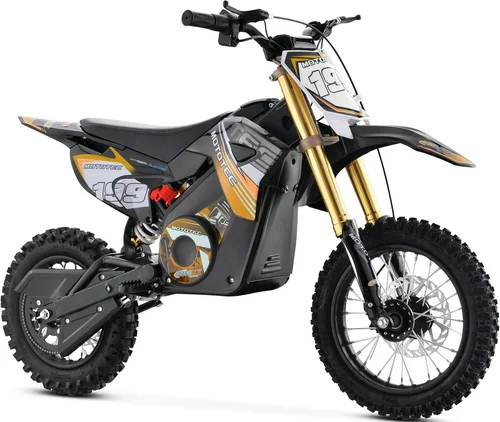
Entry-Level ($300 – $1,200): Ideal for kids and casual riders. Expect basic motors (500W–1,500W), limited range (10–20 miles), and minimal suspension. Brands like Razor, Segway, and MotoTec dominate this space. Great for learning basics but not suited for serious trails.
Mid-Range ($2,000 – $6,000): The sweet spot for most buyers. These bikes offer 3,000W–7,000W motors, 20–40 mile range, quality suspension, and durable frames. Models from Sur Ron, Talaria, and Cake fit here. Perfect for weekend warriors and intermediate riders seeking reliability and performance.
Premium ($8,000 – $15,000): For enthusiasts and professionals. Features include 10,000W+ motors, swappable batteries, race-grade suspension, and advanced electronics. KTM Freeride E-XC, Husqvarna EE 5, and high-end Talaria builds excel here. Built for competition and extreme terrain.
Luxury ($15,000+): Top-tier engineering with cutting-edge tech like solid-state batteries, AI-assisted traction control, and carbon fiber components. Limited production runs from brands like Cake or custom builders. Reserved for collectors and serious racers.
Expert Tips for Getting the Best Deal
– Buy during off-season: Late fall and winter see discounts as dealers clear inventory. Many brands announce new models in spring—pre-order deals often include free accessories.
– Shop directly from manufacturers: Brands like Cake, Sur Ron, and Talaria offer exclusive bundles, extended warranties, or early access to new models when buying direct.
– Check refurbished or demo units: Certified pre-owned bikes from reputable sellers can save 20–30% with full warranty coverage.
– Negotiate add-ons: Ask for free gear (helmet, gloves), extra batteries, or suspension tuning when purchasing high-end models.
– Use price-tracking tools: Set alerts on Google Shopping or CamelCamelCamel (for Amazon listings) to catch sudden drops.
– Join loyalty programs: Some brands offer points, early sale access, or referral bonuses for repeat customers.
– Verify return policies: Ensure you can return or exchange within 30 days if the bike doesn’t meet expectations—especially important for online purchases.
– Test ride whenever possible: Attend demo days at motorcycle shops or EV expos. Feeling the bike’s weight, balance, and throttle response is irreplaceable.

Frequently Asked Questions
Q: How long does it take to charge an electric dirt bike?
A: Most mid-range bikes charge in 2–4 hours using a standard 240V charger. Fast chargers can cut this to under 90 minutes, while basic 120V outlets may take 6–8 hours. Always use the manufacturer-recommended charger to avoid damaging the battery.
Q: Are electric dirt bikes street legal?
A: Generally no—they’re classified as off-road vehicles. Some states allow registration for limited street use if equipped with lights, mirrors, and VINs, but most require them to stay on private property or designated trails.
Q: How often do I need to maintain an electric dirt bike?
A: Far less than gas bikes! No oil changes, air filters, or spark plugs. Focus on cleaning after rides, checking tire pressure, inspecting brakes, and ensuring electrical connections are tight. Suspension and bearings may need annual service.
Q: Can I ride in the rain?
A: Yes—if the bike has proper IP-rated sealing (IP65 or higher). Avoid submerging the bike or riding through deep puddles. Dry thoroughly after wet rides to prevent corrosion.
Q: What’s the average lifespan of an electric dirt bike?
A: With proper care, 5–10 years. The motor and controller can last decades, but batteries typically degrade after 800–1,200 full cycles (about 3–5 years of regular use). Swappable batteries extend overall lifespan.
Q: Are spare parts easy to find?
A: For major brands (KTM, Sur Ron, Cake), yes—dealers and online stores stock common parts. Niche or imported brands may have longer wait times. Always check parts availability before buying.
Q: Do electric dirt bikes have gears?
A: Most use single-speed transmissions due to the motor’s wide torque curve. Some high-end models offer two-speed gearboxes for better hill climbing or top speed.
Q: How quiet are they really?
A: Extremely quiet—typically 60–70 dB, about the sound of a conversation. This reduces noise pollution and allows riding in noise-sensitive areas, but always wear ear protection to prevent long-term hearing damage from wind noise.
Q: Can kids ride adult-sized electric dirt bikes?
A: Not recommended. Adult bikes are heavier, taller, and more powerful—posing serious safety risks. Choose age- and size-appropriate models with speed limiters.
Q: Is insurance required?
A: Usually not for off-road use, but check local laws. If riding on public land or near roads, liability insurance is wise. Some homeowners’ policies cover recreational vehicle accidents.
Our Final Recommendations
Best for Budget-Conscious Buyers: Sur Ron Light Bee X – At around $4,500, it delivers exceptional value with a 6,000W motor, 40+ mile range, and rugged build. Perfect for trail riders who want performance without premium pricing.
Best Overall Value: Talaria Sting – Priced at $5,999, it combines 10,000W peak power, swappable batteries, and race-ready suspension. Ideal for serious off-roaders seeking near-pro performance.
Best Premium Option: KTM Freeride E-XC – At $12,999, it’s the gold standard for electric motocross. Lightweight chromoly frame, WP suspension, and seamless power delivery make it a favorite among pros.
Best for Beginners: Razor MX650 – Under $600, this youth-focused bike offers adjustable speed control, decent suspension, and a low center of gravity. Great for building confidence before upgrading.
Best for Advanced Users: Cake Kalk OR – At $14,000+, it’s a minimalist masterpiece with 11 kW motor, carbon fiber elements, and modular design. Built for explorers who demand innovation and sustainability.
Conclusion: Making the Right Choice
Choosing the best electric dirt bike in 2026 isn’t about finding the fastest or most expensive model—it’s about matching the right machine to your skill level, riding goals, and budget. We’ve covered everything from performance specs and build quality to brand reputation and real-world usability. Remember: a bike that excels on paper might fail in practice if it doesn’t fit your body, terrain, or lifestyle.
Prioritize safety, invest in quality gear, and don’t rush the decision. Take advantage of demo days, read honest reviews, and ask questions in rider communities. The electric dirt bike market is evolving rapidly, and 2026 offers more choices than ever—but only you know what “best” means for your adventures.
Whether you’re chasing silent sunrises on mountain trails or teaching your child their first wheelie, the right electric dirt bike will deliver thrills without the noise, fumes, or maintenance headaches of gas-powered alternatives. So gear up, charge up, and hit the dirt—the future of off-road riding is electric, and it’s here to stay.