
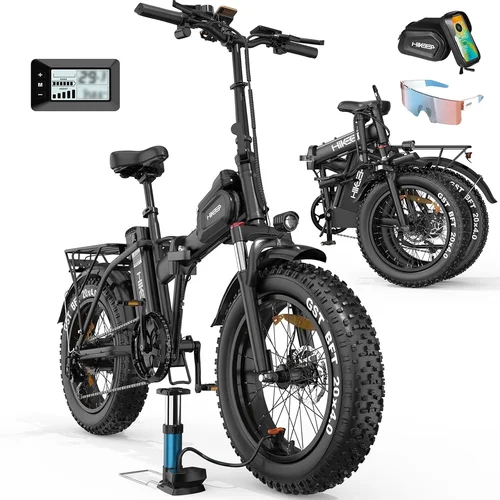
Electric bikes have evolved from niche curiosities into mainstream transportation solutions, and 2026 is shaping up to be a pivotal year for e-bike innovation. Whether you’re commuting through city traffic, exploring scenic trails, or simply looking for a more sustainable way to get around, an electric bike can transform your daily routine. With advancements in battery technology, motor efficiency, and smart integration, today’s e-bikes are faster, lighter, and more reliable than ever before. However, with hundreds of models flooding the market—from budget-friendly commuters to high-performance off-road machines—choosing the right one can feel overwhelming.
This comprehensive guide is designed to cut through the noise and help you make a confident, informed decision. We’ll walk you through every critical factor to consider, from motor power and battery life to frame materials and warranty coverage. You’ll learn how to match your lifestyle and needs with the perfect e-bike type, avoid common purchasing pitfalls, and even discover insider tips for getting the best deal. Whether you’re a first-time buyer or upgrading from an older model, this guide equips you with the knowledge to invest wisely in a bike that will serve you reliably for years to come.
The electric bike market in 2026 is more diverse and competitive than ever. Major brands like Rad Power Bikes, Trek, Specialized, and Aventon continue to push boundaries, while emerging players bring fresh designs and aggressive pricing. Simultaneously, regulations around e-bike classifications are becoming clearer in many regions, helping consumers understand speed limits, motor wattage, and where they’re legally allowed to ride. With prices ranging from under $1,000 to well over $8,000, there’s truly an e-bike for every budget and use case. Our goal is to help you navigate this dynamic landscape with clarity and confidence.

What to Look for When Buying an Electric Bike
1. Budget & Price Range
Your budget is the foundation of your e-bike search. It determines not only which models are within reach but also the quality of components, longevity, and overall value you can expect. In 2026, e-bikes span a wide spectrum—entry-level models start around $800, while premium builds can exceed $10,000. However, price doesn’t always correlate directly with performance or durability. A well-chosen mid-range bike often offers the best balance of features, reliability, and cost.
When setting your budget, consider not just the upfront cost but also long-term expenses. These include maintenance, battery replacements (typically every 3–5 years), insurance, and potential upgrades like better tires or lighting systems. Cheaper bikes may use lower-quality motors, weaker batteries, or flimsy frames that wear out quickly, leading to higher costs down the line. On the other hand, splurging on a luxury model may include features you’ll never use—like ultra-light carbon fiber frames or race-grade suspension—if you’re primarily riding on flat city streets.
To make the most of your budget, prioritize core components: motor, battery, drivetrain, and frame. These have the biggest impact on ride quality and lifespan. Avoid bikes that skimp on these essentials to hit a low price point. Instead, look for models that offer transparent specifications and reputable brand support. Many manufacturers now offer financing options or trade-in programs, which can help stretch your budget further without compromising on quality.
2. Performance Specifications
Performance specs define how your e-bike behaves on the road or trail. The three most critical metrics are motor power (measured in watts), battery capacity (measured in watt-hours, or Wh), and top assisted speed. In the U.S., Class 1 and Class 2 e-bikes are limited to 20 mph with pedal assist or throttle, while Class 3 models can reach 28 mph with pedal assist only. Understanding these classifications helps ensure your bike complies with local laws and matches your riding style.
Motor power typically ranges from 250W to 750W for street-legal models, with higher wattage providing more torque for hills and heavy loads. Mid-drive motors, found on higher-end bikes, deliver power through the drivetrain and offer better balance and efficiency than hub motors. They’re ideal for hilly terrain and longer rides. Hub motors, commonly used in budget and commuter models, are simpler and quieter but can feel less responsive on steep inclines.
Battery capacity directly affects range. A 400Wh battery might give you 25–40 miles on a single charge, depending on terrain, rider weight, and assist level. For daily commuting or weekend adventures, aim for at least 500Wh. Look for lithium-ion batteries from reputable suppliers like Samsung, LG, or Panasonic—they offer better longevity and safety. Removable batteries are a major plus, allowing you to charge indoors and swap in a spare for extended trips.
Other performance factors include torque sensors (which adjust assistance based on pedaling effort) versus cadence sensors (which activate based on pedal rotation). Torque sensors provide a more natural, responsive ride and are worth the extra cost if you value smooth acceleration. Also consider regenerative braking, which recaptures energy during deceleration—though it’s rare on consumer e-bikes and offers minimal real-world benefit.
3. Build Quality & Durability
A well-built e-bike should withstand daily use, weather exposure, and occasional bumps without compromising safety or performance. Frame material is a key indicator of durability. Aluminum alloy is the most common choice—it’s lightweight, rust-resistant, and affordable. High-end models may use carbon fiber for even greater strength-to-weight ratios, but these come at a premium price. Avoid steel frames unless you need extreme durability for cargo hauling; they’re heavy and prone to corrosion.
Weld quality, component integration, and finish details matter too. Inspect welds for smoothness and consistency—rough or uneven joints can signal poor manufacturing. Check that cables are neatly routed and protected, and that connectors are sealed against moisture. Water resistance ratings (like IPX4 or IPX6) indicate how well the electronics can handle rain or splashes. While no e-bike is fully waterproof, a higher rating means greater peace of mind in wet conditions.
Suspension systems also affect durability and comfort. Front suspension forks absorb shocks from potholes and uneven pavement, making rides smoother and reducing strain on the frame. Full-suspension models are best for off-road use but add weight and cost. For city riding, a rigid fork or basic front suspension is usually sufficient. Rear suspension is rare on e-bikes due to weight and complexity but can be found on high-end mountain e-bikes.
Finally, consider the quality of wheels, tires, and brakes. Look for double-walled rims, puncture-resistant tires (like Schwalbe or Continental), and hydraulic disc brakes for reliable stopping power in all conditions. Mechanical disc brakes are cheaper but require more maintenance and offer less modulation. Avoid rim brakes on e-bikes—they wear out quickly under the added weight and speed.
4. Features & Functionality
Modern e-bikes come packed with features that enhance convenience, safety, and ride experience. Start with the display: a clear, backlit LCD or color screen shows speed, battery level, assist mode, and trip data. Some advanced models include GPS navigation, Bluetooth connectivity, and smartphone integration via apps. These let you track rides, lock the bike remotely, or receive firmware updates.
Lighting is another essential feature. Integrated front and rear LED lights powered by the main battery are far superior to battery-operated alternatives. They’re always charged, brighter, and less likely to be forgotten. Look for models with automatic activation based on ambient light or motion sensors.
Cargo capacity matters if you plan to carry groceries, work gear, or kids. Many e-bikes include rear racks, front baskets, or mounting points for accessories. Some even support child seats or trailers. Weight limits vary—most racks handle 25–50 lbs—so check specs carefully if you’re a frequent hauler.
Other useful features include fenders (to keep you dry in rain), chain guards (to protect clothing), kickstands, and USB charging ports. While not deal-breakers, these small touches add up to a more practical, user-friendly experience. Smart features like anti-theft alarms, geofencing, and ride analytics are becoming more common, especially in urban-focused models.
5. Brand Reputation
Buying from a reputable brand isn’t just about prestige—it’s about reliability, customer service, and long-term support. Established companies like Trek, Specialized, Giant, and Rad Power Bikes have proven track records, extensive dealer networks, and robust warranty programs. They’re more likely to honor repairs, provide replacement parts, and offer firmware updates.
Research customer reviews on independent platforms like Trustpilot, Reddit, or e-bike forums. Pay attention to recurring complaints about battery life, motor failures, or poor售后 support. A brand with a high rating but limited service centers may leave you stranded if something goes wrong far from home.
Also consider whether the brand offers local dealer support. In-person service can be invaluable for tuning, repairs, and test rides. Some brands partner with bike shops nationwide, while others are online-only. If you prefer hands-on help, choose a brand with physical locations near you.
Emerging brands can offer great value, but proceed with caution. Look for transparency in sourcing, clear warranty terms, and responsive customer service. Avoid “no-name” brands sold exclusively through third-party marketplaces with vague return policies.
6. Warranty & Support
A strong warranty is a sign of confidence in product quality. Most reputable e-bike brands offer at least a 1–2 year warranty on the frame and motor, and 6–12 months on the battery. Premium models may include 2–3 years of comprehensive coverage. Pay close attention to what’s covered: some warranties exclude wear items like tires, brakes, or chains, while others cover labor costs for repairs.
Battery warranties are especially important. Lithium-ion batteries degrade over time, and a good warranty should cover significant capacity loss (e.g., below 70% of original capacity) within the stated period. Some brands offer prorated coverage, meaning you pay a percentage based on age.
Customer support responsiveness matters too. Can you reach a real person quickly? Is there a dedicated support portal? Do they offer troubleshooting guides or video tutorials? Test their support before buying—send an email or call with a question and see how they respond.
Extended warranties or service plans are available from some retailers. While they add cost, they can be worthwhile if you plan to keep the bike long-term or live in an area with harsh weather or rough roads.
7. Size & Portability
An e-bike that doesn’t fit you properly will be uncomfortable and inefficient. Most brands offer multiple frame sizes (S, M, L, XL) based on rider height. Use the manufacturer’s size chart and, if possible, test ride before buying. Standover height—the distance between the top tube and your inseam—should allow at least 1–2 inches of clearance when standing over the bike.
Step-through frames are ideal for riders with mobility issues, shorter stature, or those who prefer easy mounting. Traditional diamond frames offer more rigidity and are preferred by performance-oriented riders. Adjustable stems and seat posts can fine-tune fit, but don’t rely on them to compensate for a wrong-sized frame.
Portability matters if you need to carry the bike upstairs, store it in a small apartment, or transport it in a car. Folding e-bikes are the most compact but often sacrifice range and stability. Weight is a bigger factor than size—most e-bikes weigh 40–70 lbs. Look for models with integrated handles or wheels for easier maneuvering.
If you plan to take your e-bike on public transit or in a vehicle, check compatibility with racks and carriers. Some bikes have non-standard wheel sizes or protruding components that make transport tricky.
8. User Reviews & Ratings
User reviews provide real-world insights that specs alone can’t match. Look for detailed feedback on ride quality, battery performance, comfort, and reliability over time. Pay attention to reviews from riders with similar needs—commuters, trail riders, or cargo haulers—will have different priorities.
Beware of fake or incentivized reviews. Genuine feedback often includes photos, pros and cons, and mentions of customer service experiences. Sites like Electric Bike Review, Bicycle Guider, and YouTube channels dedicated to e-bike testing offer balanced, in-depth evaluations.
Check for consistency across multiple platforms. If several users report the same issue—like rapid battery drain or loose components—it’s likely a design flaw, not an isolated incident. Conversely, consistent praise for comfort or ease of use is a strong endorsement.
Finally, consider long-term ownership reviews. A bike that performs well in the first month may develop problems after six months or a year. Look for updates from owners who’ve used their bikes extensively.
Different Types of Electric Bikes

Common Buying Mistakes to Avoid
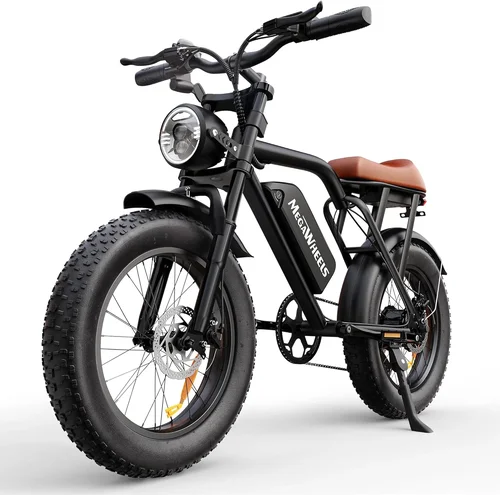
❌ Mistake: Prioritizing Price Over Quality
Why it’s bad: The cheapest e-bikes often cut corners on critical components like motors, batteries, and brakes. This leads to poor performance, frequent breakdowns, and safety risks. A $900 bike may seem like a bargain, but if it needs a $300 battery replacement after two years, it’s no longer a deal.
What to do instead: Focus on value, not just cost. Invest in a bike with reputable components and solid build quality. Mid-range models ($1,800–$3,500) typically offer the best balance of performance, durability, and features.
❌ Mistake: Ignoring Local Laws and Classifications
Why it’s bad: Riding an illegal e-bike can result in fines, confiscation, or accidents. Some areas restrict motor power, speed, or where e-bikes can be ridden (e.g., bike lanes vs. sidewalks).
What to do instead: Check your city, state, or country’s e-bike regulations. Stick to Class 1, 2, or 3 bikes as defined by local law. Avoid “speed pedelecs” or modified bikes that exceed legal limits unless you’re in a designated area.
❌ Mistake: Not Test Riding Before Buying
Why it’s bad: E-bikes feel different from regular bikes. Weight distribution, assist responsiveness, and handling vary widely between models. Buying online without testing can lead to discomfort or disappointment.
What to do instead: Visit local dealers or attend e-bike demo events. Test ride multiple models on similar terrain to yours. Pay attention to comfort, ease of use, and how the motor engages.
❌ Mistake: Overlooking Battery Range Needs
Why it’s bad: Underestimating your daily distance can leave you stranded with a dead battery. Range depends on terrain, rider weight, assist level, and weather—don’t rely solely on manufacturer claims.
What to do instead: Calculate your typical round-trip distance and add 20–30% buffer. Choose a battery with at least 500Wh for commutes over 15 miles. Consider a spare battery for longer trips.
❌ Mistake: Skipping Essential Accessories
Why it’s bad: Riding without a helmet, lock, or lights is unsafe and impractical. Many accidents and thefts occur due to inadequate preparation.
What to do instead: Budget for a quality helmet, U-lock or chain lock, front/rear lights, and a bell. Add fenders and a rack if needed. These small investments significantly enhance safety and usability.
❌ Mistake: Assuming All E-Bikes Are the Same
Why it’s bad: E-bikes vary drastically in design, performance, and intended use. A mountain e-bike won’t suit city commuting, and a folding bike isn’t built for long distances.
What to do instead: Match the bike type to your primary use case. Be honest about your needs—don’t buy a high-speed model just for the thrill if you only ride casually.
❌ Mistake: Neglecting Maintenance Requirements
Why it’s bad: E-bikes require regular upkeep: tire pressure checks, brake adjustments, chain lubrication, and battery care. Ignoring maintenance shortens lifespan and increases repair costs.
What to do instead: Learn basic maintenance or find a reliable bike shop. Follow the manufacturer’s care guidelines, especially for the battery (avoid extreme temperatures, don’t drain to 0%).
Budget Guidelines: How Much Should You Spend?
Entry-Level ($800 – $1,500): These bikes are ideal for casual riders, short commutes, or occasional use. Expect basic hub motors (250–500W), smaller batteries (300–400Wh), and simpler components. Brands like Ancheer, Ecotric, and Swagtron offer models in this range. While functional, they may lack durability, advanced features, or strong warranties. Best for light use and tight budgets.
Mid-Range ($1,500 – $3,500): This is the sweet spot for most buyers. Bikes in this tier offer reliable mid-drive or high-quality hub motors, 500–750Wh batteries, hydraulic disc brakes, and better build quality. Models from Rad Power Bikes, Aventon, and Lectric XP fit here. You’ll get integrated lights, fenders, racks, and solid customer support. Perfect for daily commuting, fitness, and weekend rides.
Premium ($3,500 – $6,000): Designed for enthusiasts and serious riders, these e-bikes feature top-tier components: Shimano or Bosch motors, high-capacity batteries (750Wh+), full suspension (on mountain models), and advanced displays. Brands like Trek, Specialized, and Giant dominate this space. Expect superior ride quality, longer range, and extensive warranty coverage. Ideal for long-distance touring, technical trails, or those who want the best performance.
Luxury ($6,000+): These are the Ferraris of e-bikes—carbon frames, custom builds, smart integration, and cutting-edge tech. Examples include the Specialized Turbo Levo SL, Riese & Müller models, and custom eMTBs. They offer unparalleled comfort, speed, and innovation but come with a steep price tag. Best for collectors, professionals, or those who prioritize prestige and peak performance.
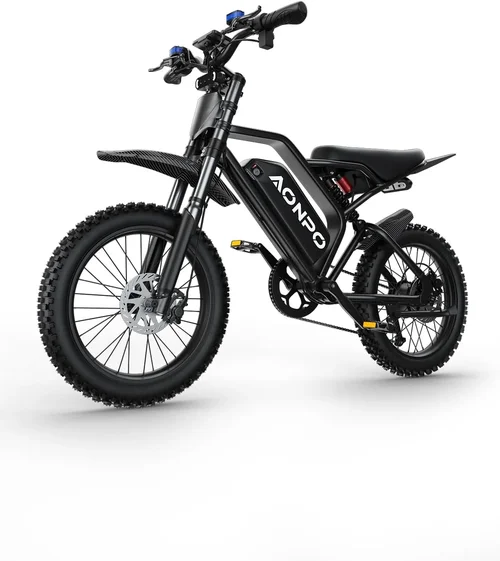
Expert Tips for Getting the Best Deal
- Buy during off-season sales: Late fall and winter (October–February) are prime times for discounts as retailers clear inventory. Many brands offer 10–25% off during Black Friday, Cyber Monday, or end-of-year promotions.
- Shop directly from manufacturers: Brands like Rad Power Bikes, Aventon, and Lectric sell online with free shipping, exclusive deals, and better warranty terms than third-party retailers.
- Look for demo or refurbished models: These are often 15–30% cheaper and come with full warranties. Demo bikes are lightly used for testing; refurbished units are inspected and repaired by the manufacturer.
- Check for local incentives: Some cities and states offer rebates or tax credits for e-bike purchases to promote green transportation. Programs vary by location—research yours before buying.
- Negotiate add-ons: Dealers may throw in free accessories (locks, lights, helmets) or service packages if you ask. This adds value without increasing the base price.
- Read the fine print on warranties: Understand what’s covered, for how long, and what voids it (e.g., improper charging, modifications). Keep all receipts and register your bike promptly.
- Consider financing options: Many brands offer 0% APR financing for 6–24 months. This lets you spread payments without interest, making higher-end models more accessible.
- Join loyalty or referral programs: Some companies reward repeat customers or referrals with discounts, free service, or early access to new models.
Frequently Asked Questions
Q: How far can an electric bike go on a single charge?
A: Range varies widely based on battery capacity, motor efficiency, terrain, rider weight, and assist level. Most e-bikes offer 20–80 miles per charge. A 500Wh battery typically provides 30–50 miles under normal conditions. Use lower assist modes and maintain proper tire pressure to maximize range.
Q: Are electric bikes legal everywhere?
A: Laws differ by region. In the U.S., federal law classifies e-bikes into three categories based on speed and motor power. However, states and cities may have additional rules. Always check local regulations regarding where you can ride, required equipment, and age restrictions.
Q: Do I need a license or insurance to ride an e-bike?
A: In most U.S. states, no license or insurance is required for Class 1–3 e-bikes. However, some countries (like Germany or France) require registration or insurance for higher-powered models. Check your local laws to be sure.
Q: Can I ride an e-bike in the rain?
A: Yes, most e-bikes are designed to handle wet conditions. Look for water resistance ratings (IPX4 or higher) and avoid submerging the battery or motor. Dry the bike after riding and store it in a dry place to prolong component life.
Q: How often should I charge the battery?
A: Charge regularly but avoid letting the battery drop to 0% frequently. Lithium-ion batteries last longest when kept between 20% and 80%. Charge after each ride if possible, and store at 50% charge if not using for weeks.
Q: Can I pedal an e-bike without the motor?
A: Absolutely. E-bikes function like regular bikes when the motor is off. The added weight may make pedaling slightly harder, but it’s entirely possible—and often recommended for exercise or when the battery runs low.
Q: What’s the difference between pedal assist and throttle?
A: Pedal assist (PAS) provides power only when you pedal, with varying levels of support. Throttle lets you ride without pedaling, like a scooter. Class 1 bikes have PAS only; Class 2 includes throttle; Class 3 has PAS up to 28 mph.
Q: How much do e-bikes weigh?
A: Most e-bikes weigh 40–70 lbs, depending on motor, battery, and frame. Folding and commuter models are lighter; cargo and mountain e-bikes are heavier. Consider weight if you need to carry or store the bike frequently.
Q: Can I upgrade my e-bike’s battery or motor?
A: Generally, no. Motors and batteries are integrated into the frame and electronics. Upgrading requires specialized knowledge and may void warranties. It’s better to buy a bike with the specs you need from the start.
Q: Are e-bikes worth the investment?
A: For many, yes. E-bikes reduce transportation costs, improve fitness, and offer eco-friendly mobility. If you use it regularly—even 2–3 times a week—the savings on gas, parking, and public transit can justify the cost within a few years.
Our Final Recommendations
Best for Budget-Conscious Buyers: Lectric XP 3.0 – At under $1,000, this folding e-bike delivers impressive value with a 500W motor, 48V battery, and 40+ mile range. It’s lightweight, portable, and packed with features like hydraulic brakes and integrated lights.
Best Overall Value: Rad Power Bikes RadCity 5 Plus – A top-tier commuter e-bike with a 750W motor, 672Wh battery, and full suite of accessories. Comfortable, reliable, and backed by excellent customer service, it’s ideal for daily urban riding.
Best Premium Option: Specialized Turbo Vado SL 5.0 – Lightweight, powerful, and sleek, this mid-drive e-bike offers 80+ mile range, smart connectivity, and a natural ride feel. Perfect for long commutes and fitness-focused riders.
Best for Beginners: Aventon Level.2 – User-friendly with a step-through frame, intuitive display, and smooth pedal assist. It’s affordable, stylish, and easy to maintain—great for new riders transitioning from traditional bikes.
Best for Advanced Users: Trek Fuel EXe 9.9 XTR – A high-performance mountain e-bike with a Bosch Performance Line CX motor, full suspension, and trail-ready geometry. Built for serious off-road adventures and technical terrain.
Conclusion: Making the Right Choice
Choosing the best electric bike in 2026 isn’t just about picking the shiniest model or the lowest price—it’s about finding the right match for your lifestyle, needs, and budget. We’ve covered everything from motor types and battery capacity to warranty details and real-world user experiences. Remember, the “best” e-bike is the one that fits you comfortably, performs reliably, and enhances your daily life.
Take the time to assess your priorities: Are you commuting daily? Exploring trails? Carrying cargo? Your answers will guide you toward the right type, size, and feature set. Don’t rush the decision—test ride when possible, read honest reviews, and consider long-term costs beyond the initial purchase.
Investing in a quality e-bike is an investment in your health, convenience, and sustainability. With the right choice, you’ll enjoy years of smooth rides, reduced stress, and the freedom to go farther than ever before. So gear up, charge up, and get ready to experience the future of cycling—one pedal-assisted mile at a time.